 Intellect Plus
Organisms
1,988 cards. Each one is a 40-second story with a five-minute read behind it. Page 7 of 34.
 The endling: what do we call the very last of a species?When the final member of a species dies, a lineage vanishes forever. Scientists use a specific, poignant term to describe this solitary survivor: the endling. It is a word that ca…
 Was the iconic American flag design actually a family legend?We all know the story: Betsy Ross, with a quick snip of her scissors, perfected the stars on the first American flag. But beneath this cherished piece of American folklore lies a …
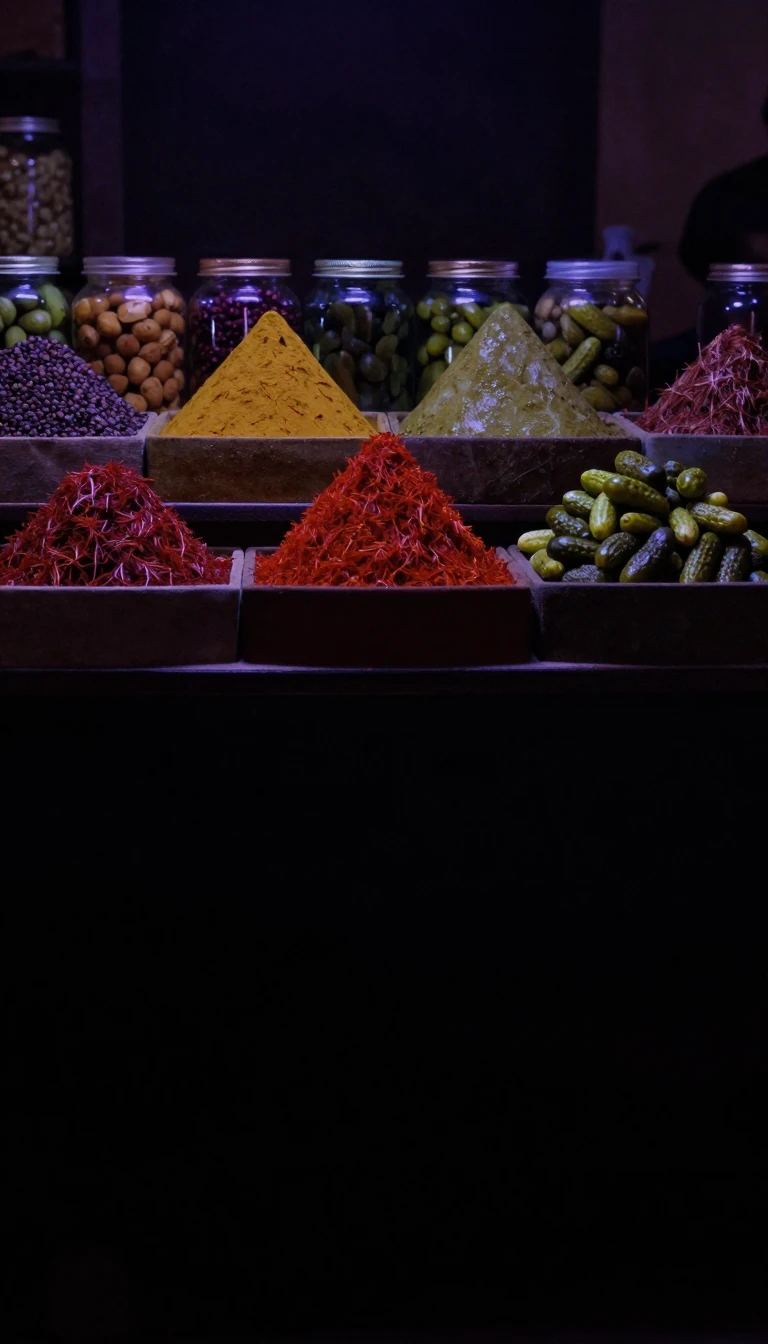 Beyond survival: how ancient preservation became a sophisticated culinary artOriginally a necessity for preserving meat before refrigeration, charcuterie has evolved into a complex discipline of flavor. From the precise chemistry of salt and nitrates to th…
 Is Mjölnir a weapon of war, a symbol of blessing, or a geological force?Thor’s hammer, Mjölnir, is more than a mythical weapon. Attested in Viking Age amulets and 13th-century poetry, it served as a divine instrument for both destruction and sanctific…
 Wikidata is the massive, collaborative knowledge graph powering the world's largest online encyclopedia.Launched in 2012, Wikidata acts as a central repository for structured data, feeding information into Wikipedia and beyond. With over 1.6 billion statements, this multilingual kno…
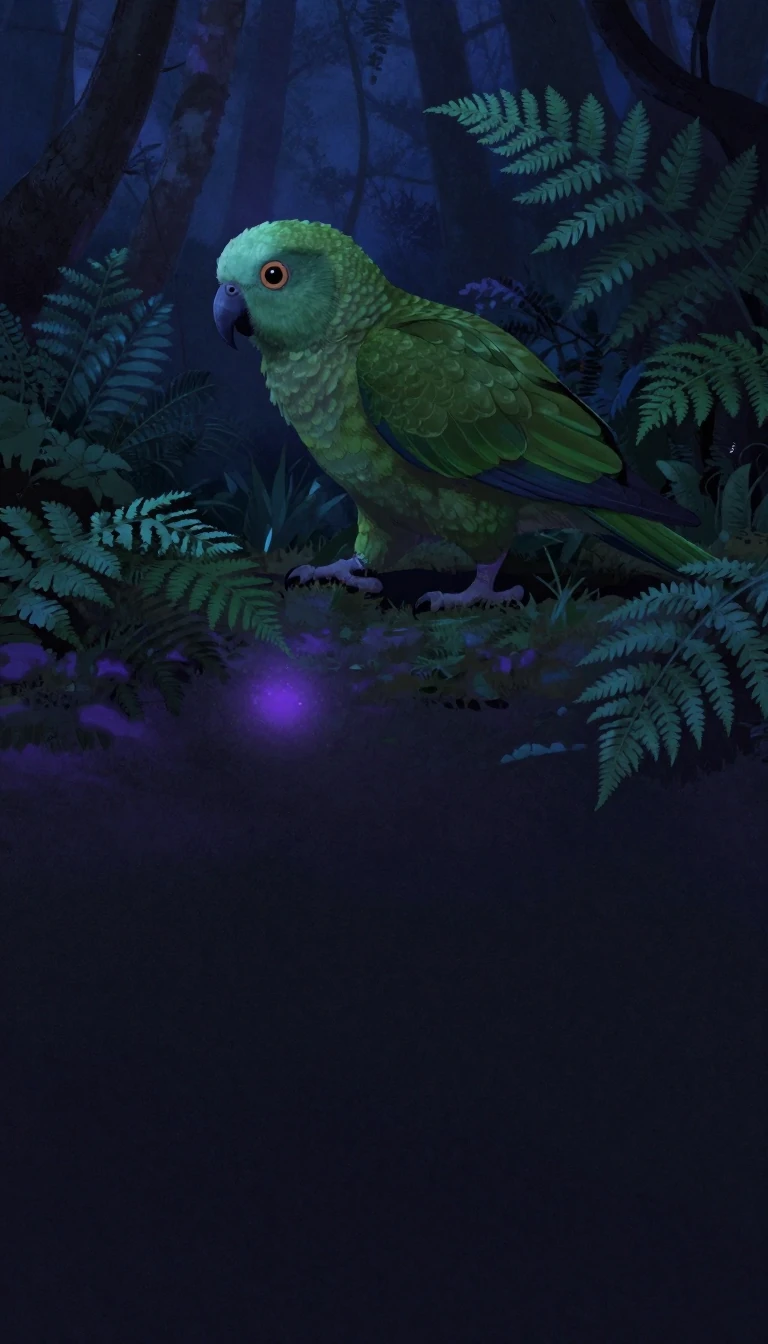 The flightless, nocturnal parrot that behaves more like a badger than a birdNew Zealand’s kākāpō is a biological outlier: the world’s heaviest, only flightless, and only lek-breeding parrot. Once widespread, this nocturnal bird was pushed to the brink of …
 How the world finally agreed on who owns the vast, mysterious global oceanFor centuries, the high seas were a lawless frontier governed by the cannon shot rule. Today, a comprehensive international treaty defines maritime boundaries, resource rights, an…
 How a whistleblower's fight against police corruption became a cinematic and cultural lightning rodThe 1973 film Serpico captured the true story of a New York City police officer who exposed rampant departmental corruption. While it became a commercial success and defined Al Pa…
 These tiny, fringed insects use bladder-like feet to walk on vertical surfaces with ease.Thrips are minute insects, often just 1.5 to 3 mm long, known for their fringed wings and unique bladder-like foot structures. While some species are destructive pests that transm…
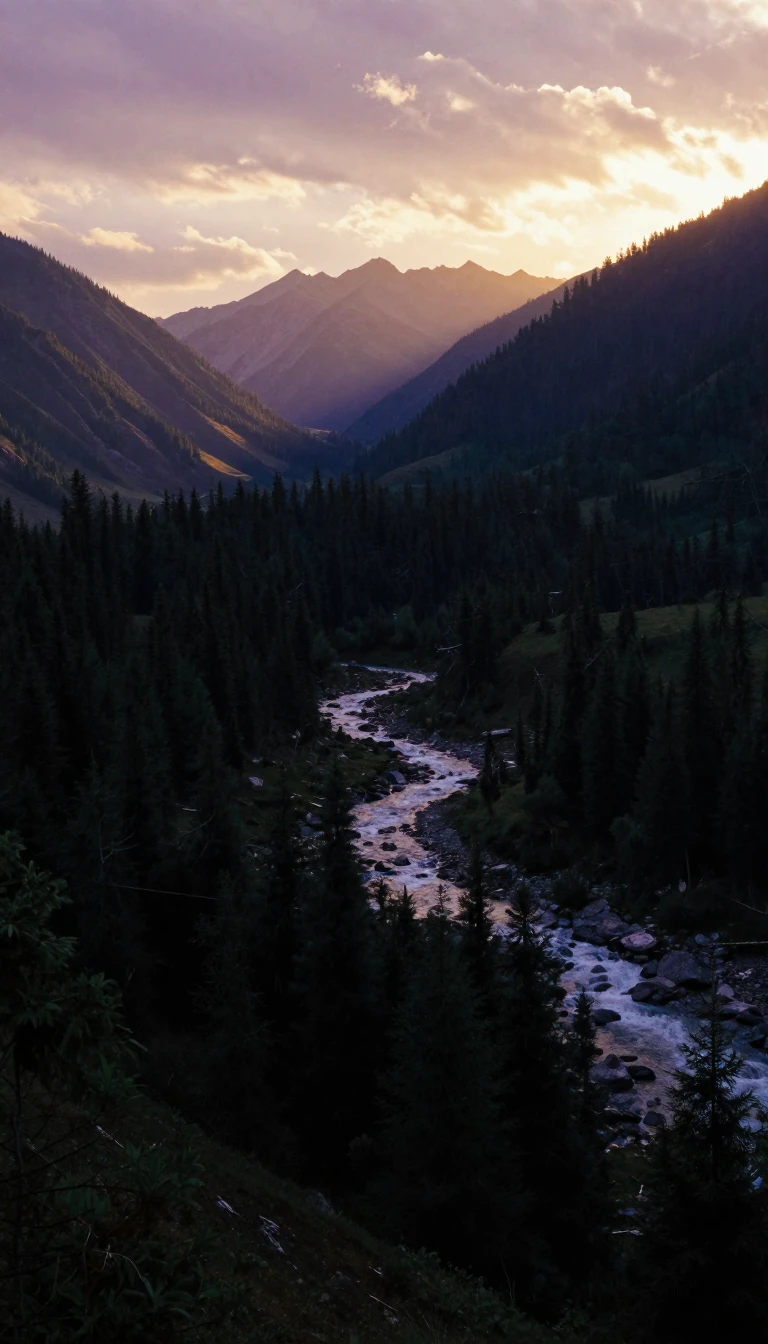 The United States Forest Service manages 193 million acres, yet sits outside the Interior Department.While most federal land management falls under the Department of the Interior, the Forest Service remains a unique outlier within the Department of Agriculture. This agency overse…
- The Southern elephant seal is the world's largest non-cetacean marine mammalWeighing up to 3,700 kilograms and diving over 2,000 meters deep, the Southern elephant seal is a master of the Southern Ocean. These giants exhibit extreme sexual dimorphism, wit…
 How a traveling Wisconsin circus became the world's most famous spectacleBorn from humble Midwestern roots, the Ringling Bros. and Barnum & Bailey Circus evolved into a massive cultural phenomenon. By mastering railroad logistics and leveraging legenda…
 The Atlantic Ocean’s deepest point is a hidden, gravity-warping chasm near Puerto Rico.The Puerto Rico Trench holds the Atlantic’s deepest point, a mysterious abyss where the seafloor drops over 8,000 meters. Beyond its crushing pressure, this massive geological sca…
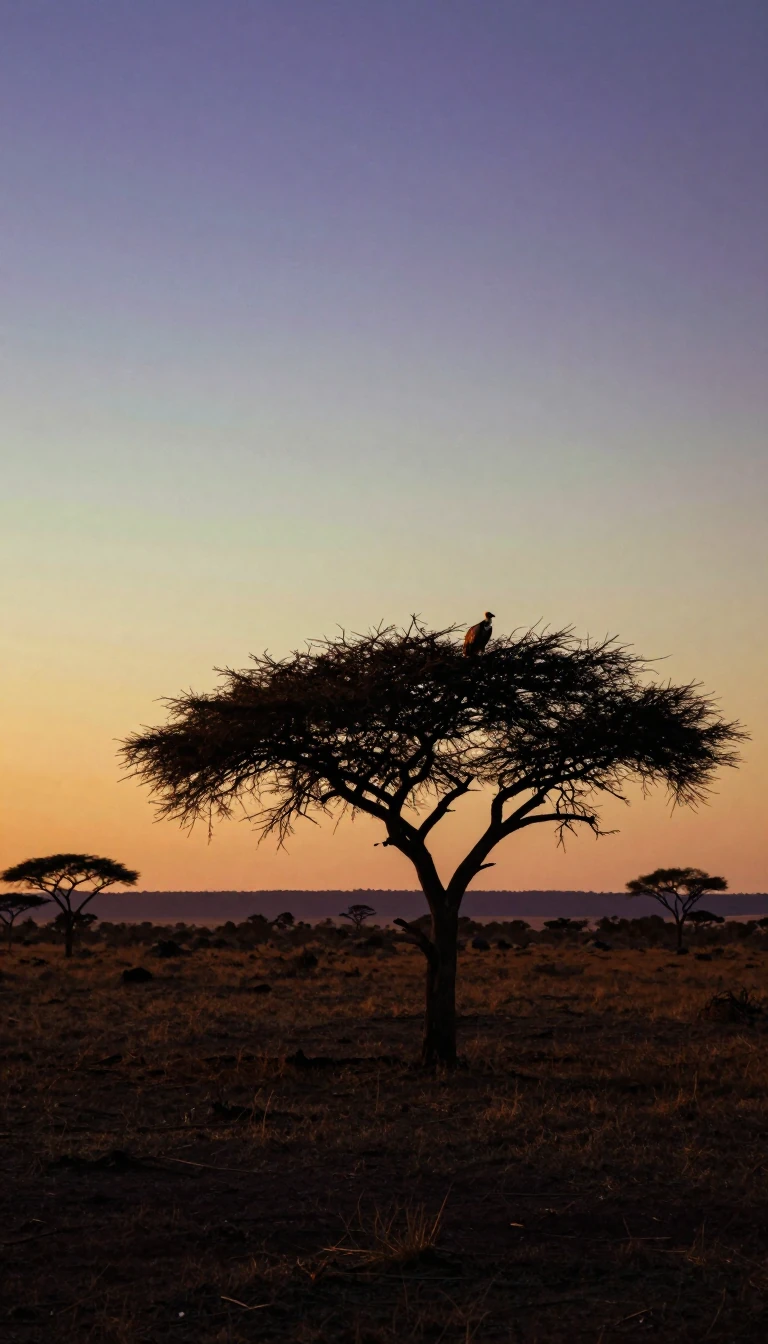 Africa's largest eagle is a high-speed apex predator currently facing a survival crisis.The martial eagle is a formidable raptor capable of diving at speeds of 230 kilometers per hour to strike prey. Despite its status as an apex predator across sub-Saharan Africa, t…
 The Malayan tapir is a prehistoric giant that hides in plain sightAs the only tapir species native to Asia, the Malayan tapir is a master of camouflage. Its striking black-and-white coat breaks up its outline, helping it blend into the dense for…
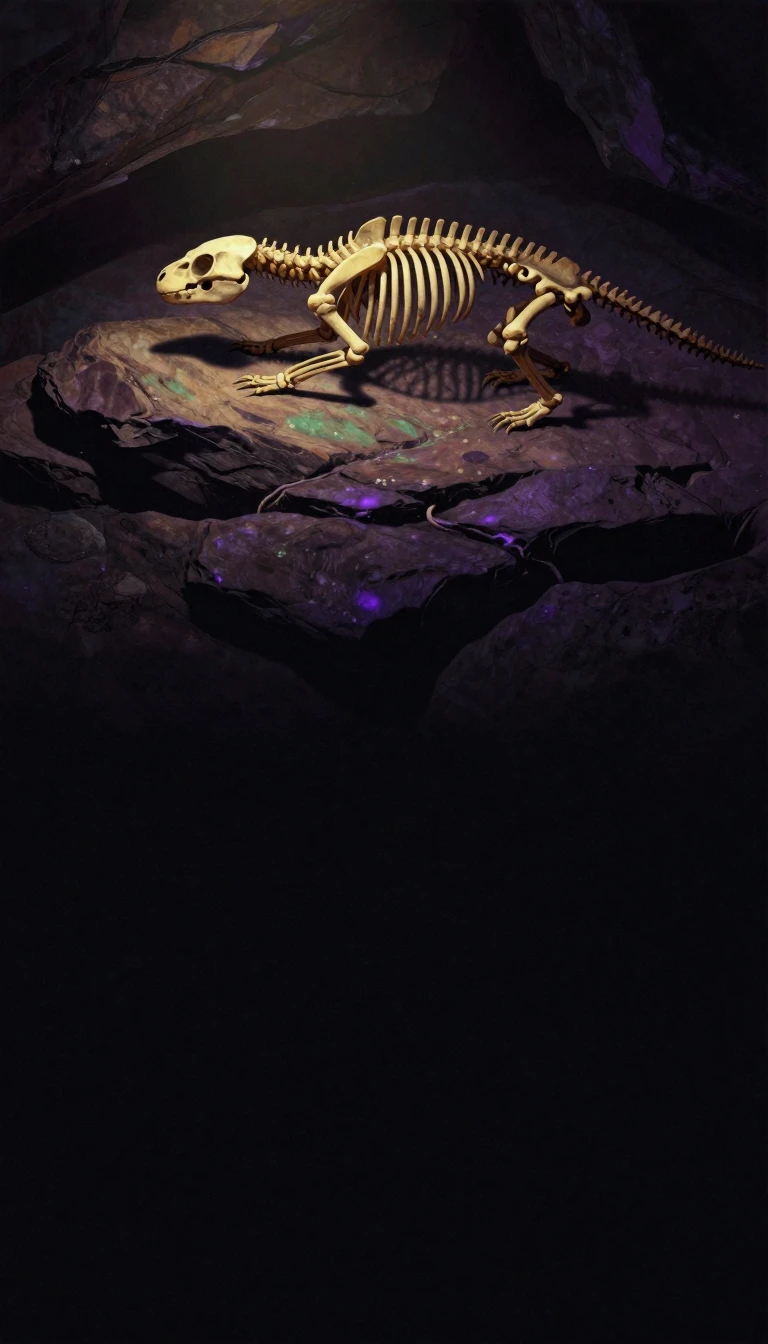 The tiny, shrew-like ancestors of mammals were already evolving the traits we define today.Long before the rise of modern mammals, the Mammaliaformes clade emerged during the Late Triassic. These creatures were generally small and shrew-like, yet they pioneered essentia…
 The Indian rhinoceros is a prehistoric survivor that nearly vanished from the wildOnce roaming across the entire northern Indian subcontinent, the greater one-horned rhinoceros was driven to the brink of extinction by relentless hunting. Today, this massive gra…
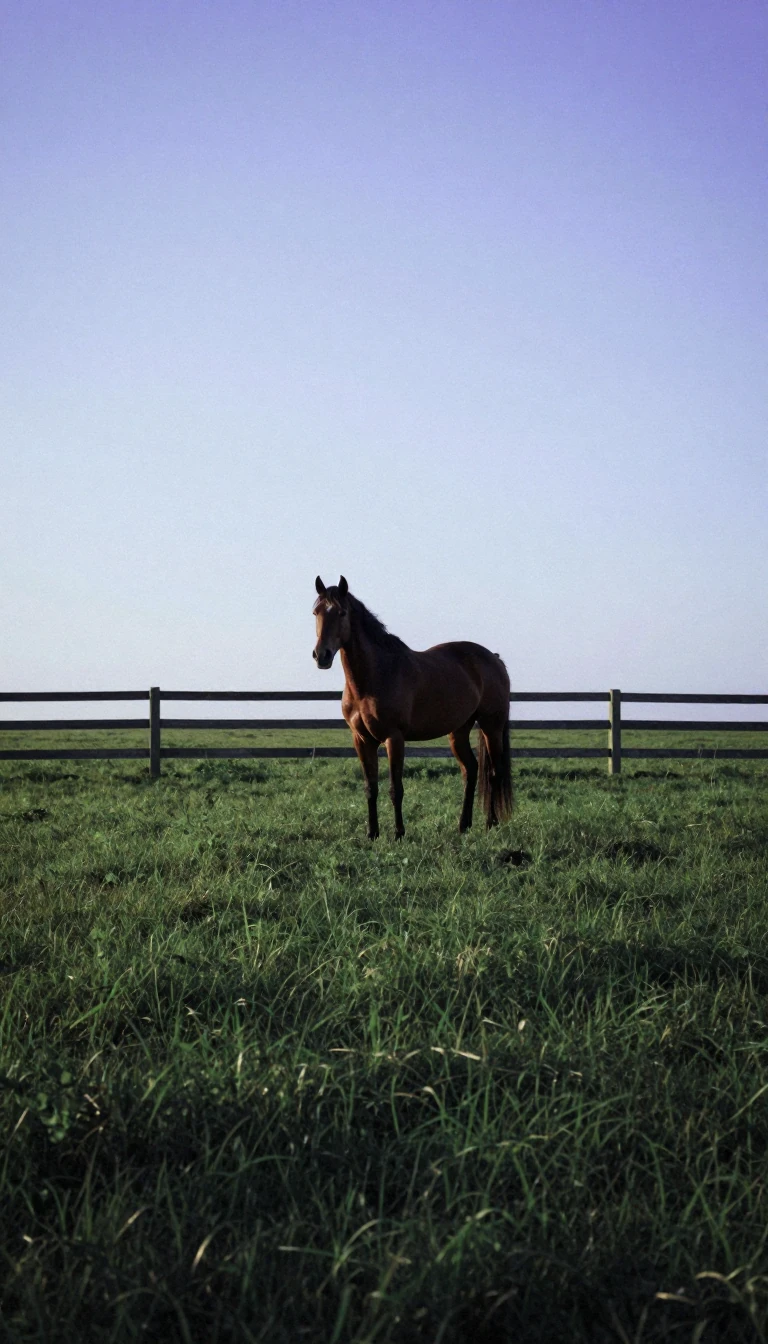 Zebroids are the rare, striped hybrids born from crossing zebras with other equine species.When zebras mate with horses or donkeys, the resulting offspring are known as zebroids. These animals often display a striking blend of parental traits, such as zebra-like stripes…
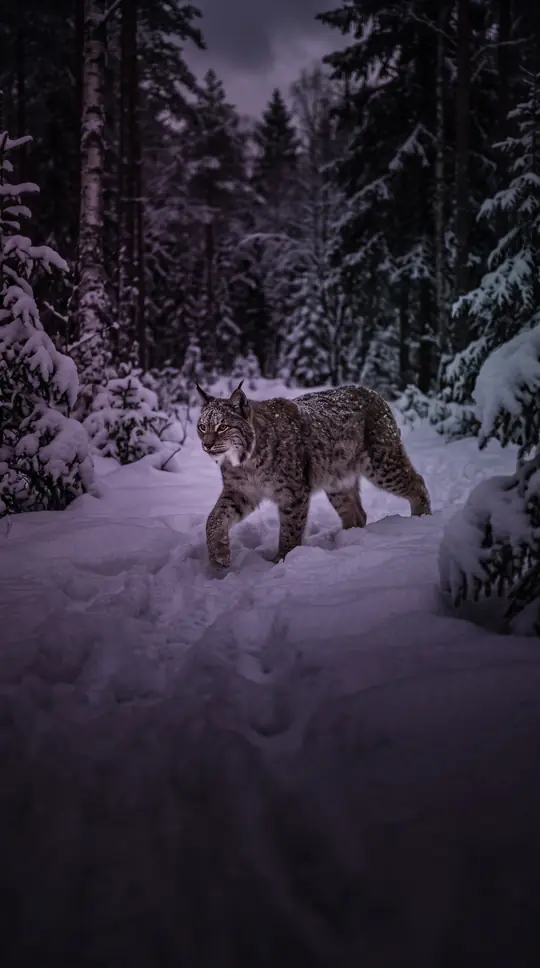 The Indian cobra is a cultural icon that also ranks among Asia's deadliest snakes.Known for its iconic hood and spectacles-shaped mark, the Indian cobra is both a revered figure in Hindu mythology and a primary cause of snakebite fatalities across South Asia. B…
- How the world's most endangered cat clawed its way back from the brinkAt the turn of the 21st century, only 94 Iberian lynxes remained in the wild. Today, thanks to intensive conservation, captive breeding, and habitat restoration, the population ha…
 Vitamin A is essential for vision and immunity, but too much can be toxic.Vitamin A is more than just a nutrient for your eyes. It acts as a powerful gene regulator, orchestrating everything from embryonic development to immune system balance. While def…
 Vitamin K is the essential molecular switch that prevents internal bleeding and builds boneWithout vitamin K, your blood cannot clot and your bones lose their ability to bind calcium. This fat-soluble nutrient acts as a vital cofactor for enzymes that modify proteins, e…
 The star-shaped spice that once fueled a global race for flu medicineThis fragrant evergreen, native to China and Vietnam, is more than a culinary staple. Beyond its role in five-spice powder and pho, its unique chemical profile made it the primary…
 The ruffed grouse creates a thunderous sound by beating its wings against thin airThis elusive forest bird is famous for a unique courtship ritual that sounds like a distant engine starting. Instead of using its voice, the male grouse creates a low-frequency, r…
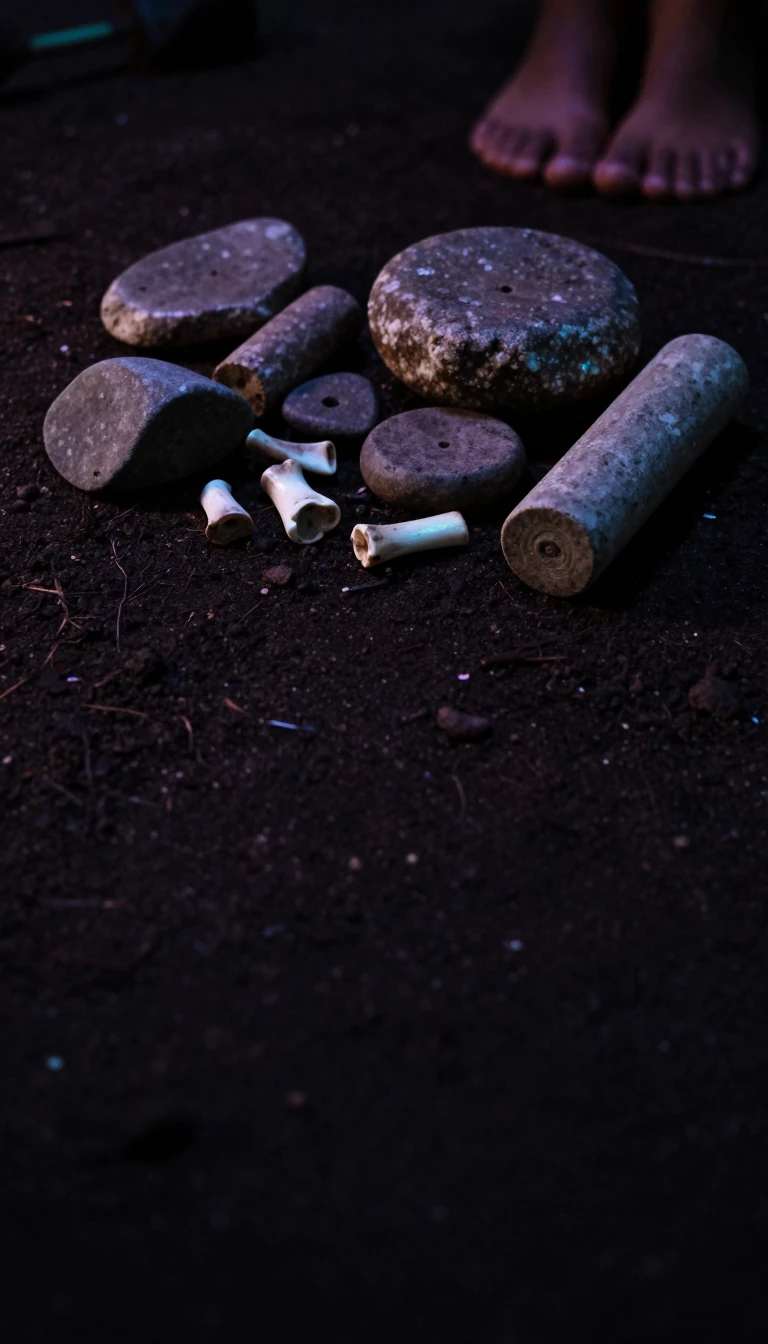 The Philippine tarsier is a tiny, nocturnal primate with eyes larger than its brain.With eyes that cannot move in their sockets, this fist-sized primate relies on a rotating head to scan the forest. It is a master of the leap, using elongated ankle bones to launc…
 From tea house sideline to global staple, the story of the humble shumai dumpling.Originally a modest snack sold as a side to tea, shumai has evolved into a diverse global phenomenon. From the mutton-filled flower shapes of Inner Mongolia to the tomato-sauce-dr…
 Is the black walnut tree a toxic neighbor or just a misunderstood pioneer?The eastern black walnut is a botanical powerhouse, prized for its deep-brown timber and distinctively flavored nuts. Yet, it carries a reputation for chemical warfare against nea…
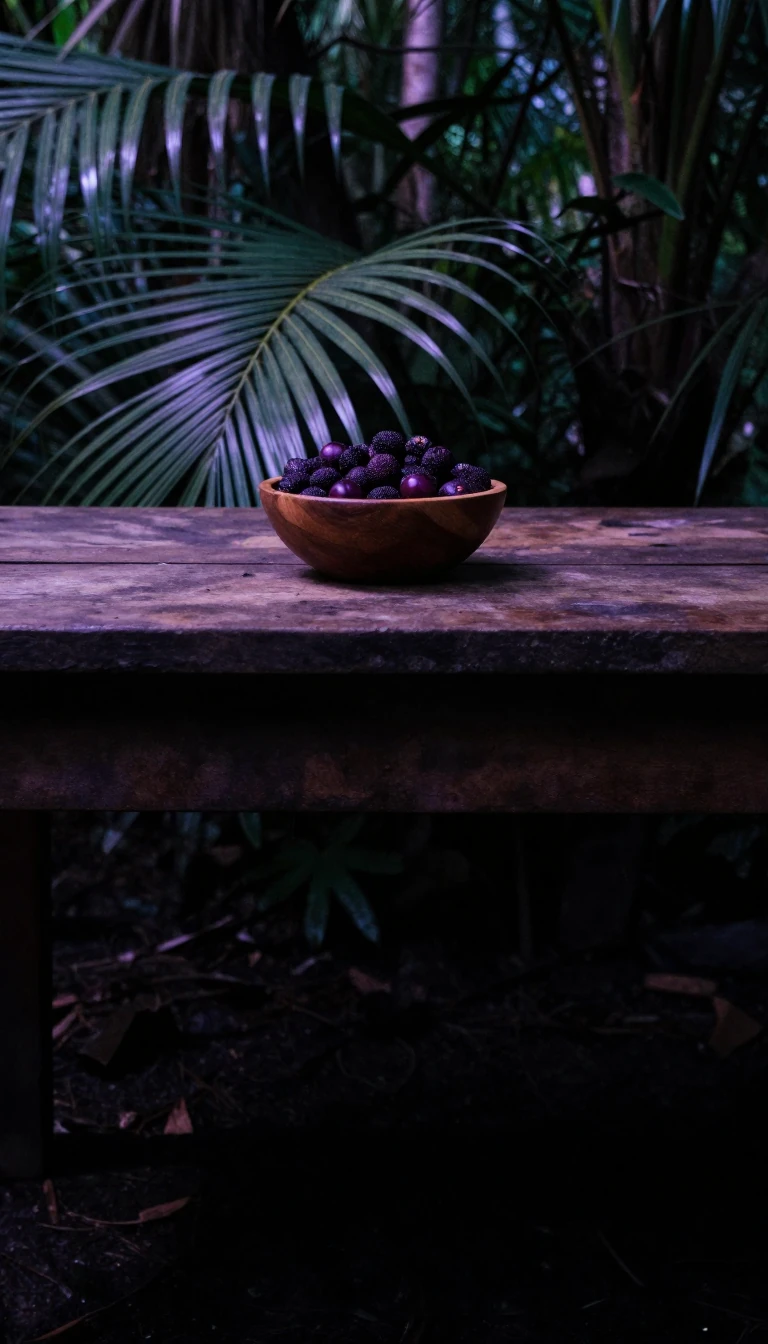 The popular houseplant known as a money tree is likely a case of mistaken identity.The braided money tree sitting in your living room is probably not the tropical wetland species you think it is. While marketed as Pachira aquatica, most commercial specimens are …
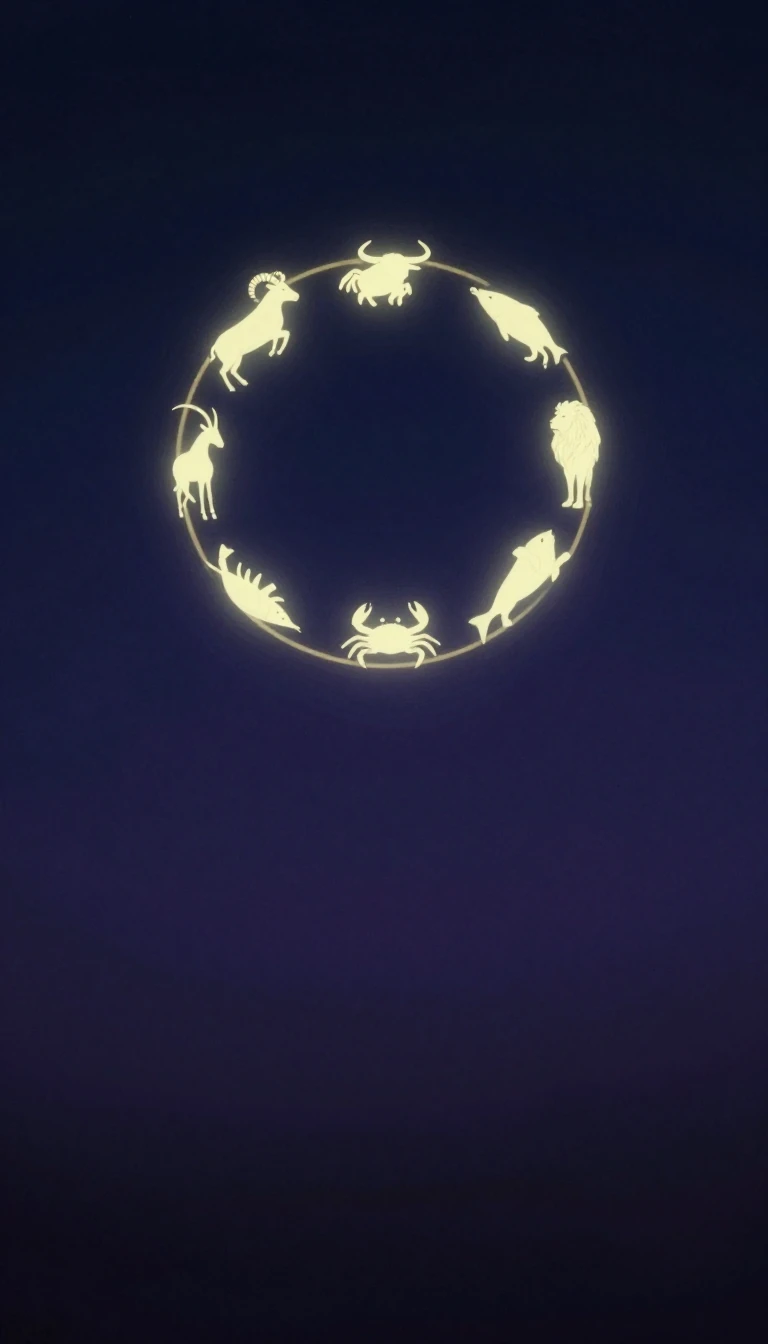 The fancy mouse is a centuries-old tradition of selective breeding for exhibition and companionship.Beyond the common house mouse, the fancy mouse represents a specialized lineage curated for specific colors, coat textures, and temperaments. These pocket-sized pets are the resul…
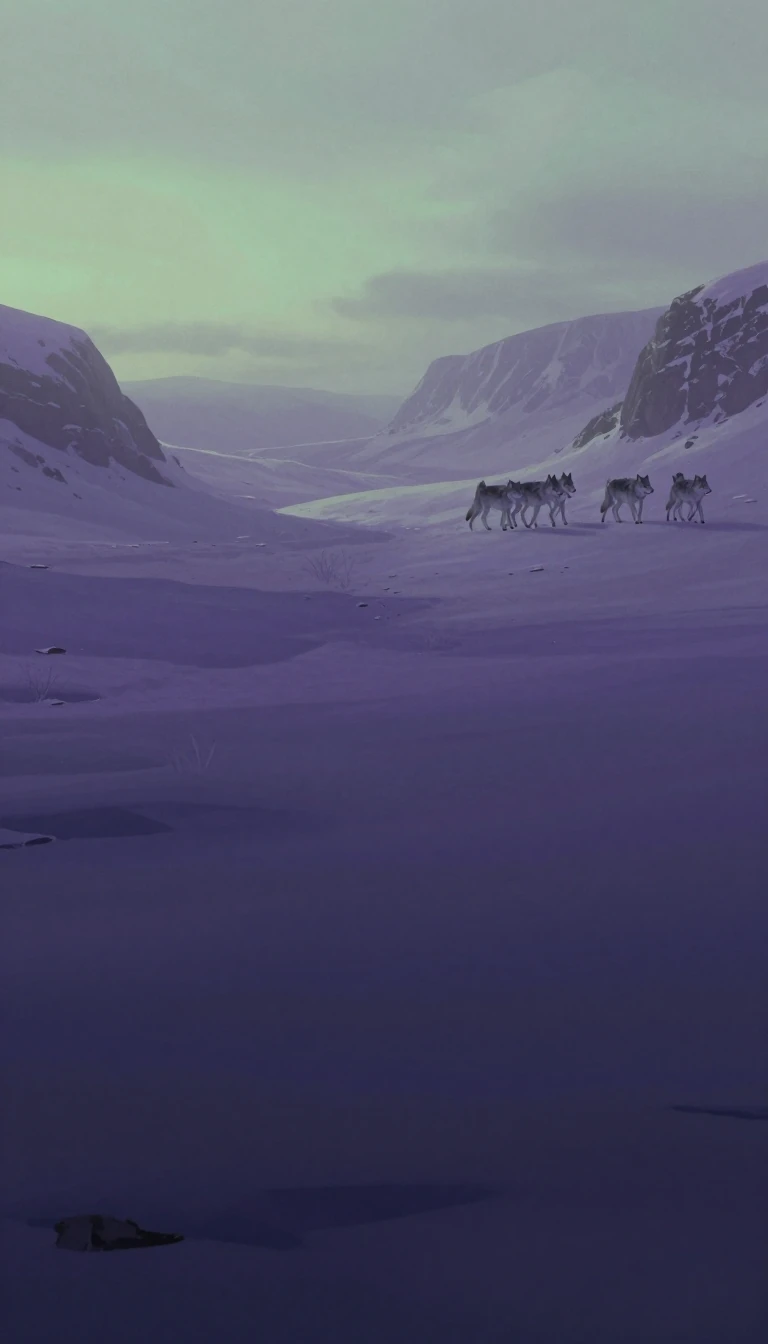 The mysterious Fuegian dog was likely a tamed wild fox, not a true dog.For centuries, the indigenous peoples of Patagonia lived alongside a peculiar canine that defied easy classification. Neither fully wild nor entirely domestic, these animals serve…
 The golden snub-nosed monkey thrives in freezing mountain forests where other primates cannot survive.Endemic to high-altitude Chinese forests, these primates endure colder temperatures than any other non-human primate. They survive on a seasonal diet dominated by lichens and navi…
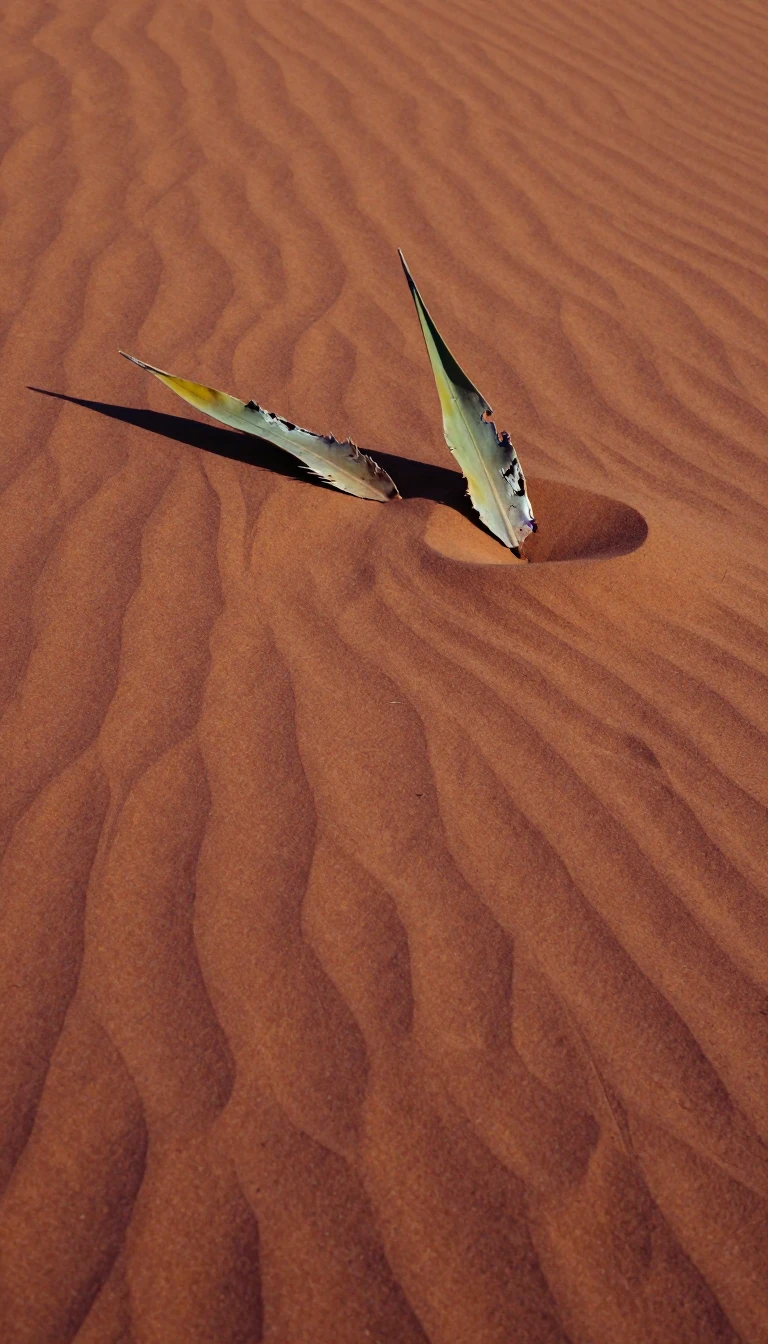 Why some plants refuse to shed their leaves even in the harshest wintersEvergreens do not simply hold onto their leaves; they employ a sophisticated survival strategy. By retaining foliage year-round, these plants adapt to nutrient-poor soils and extr…
 Exoskeletons are not just robotic suits; they are specialized tools for human augmentation.Forget the cinematic image of bulky, all-purpose robotic armor. Real-world exoskeletons are diverse, precision-engineered tools designed to assist specific body parts during parti…
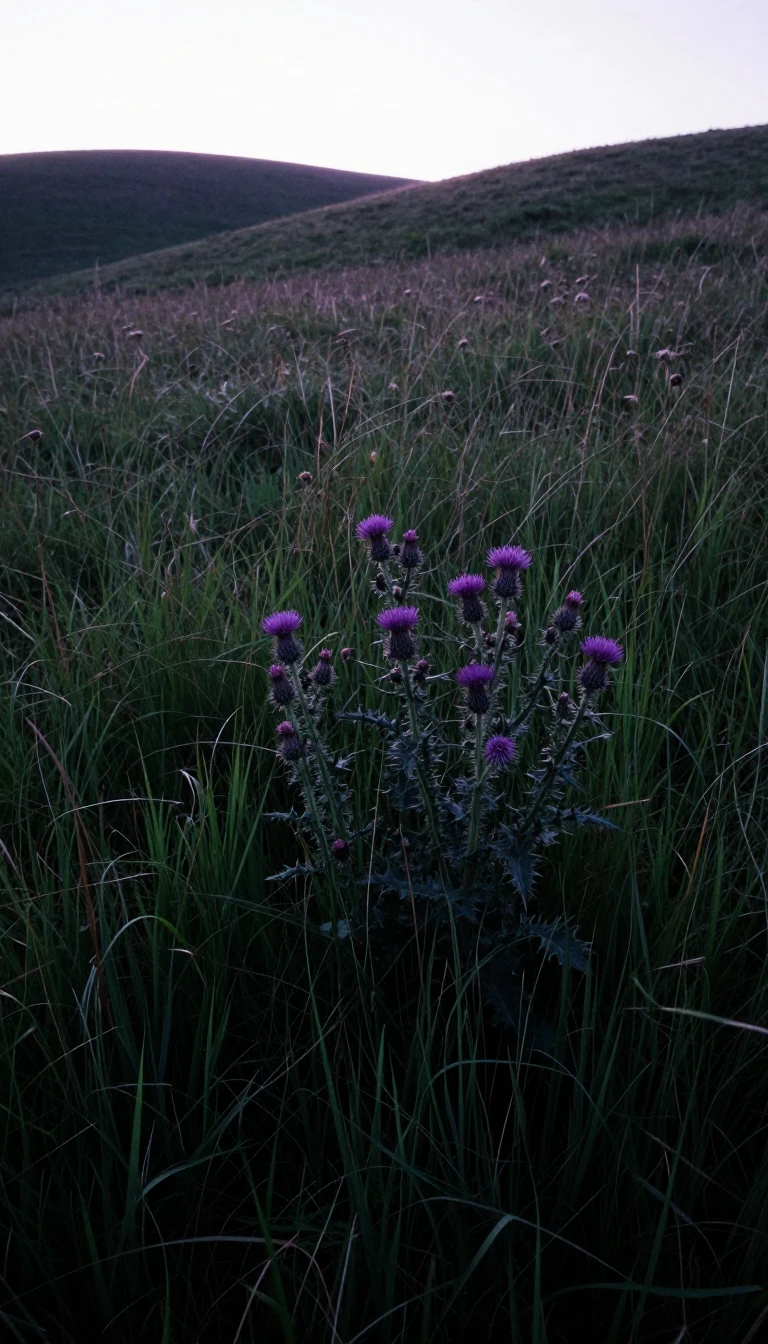 Why the humble hazel tree was once considered the Swiss Army knife of natureFrom ancient Celtic myths of wisdom-granting salmon to the modern naming of ballistic missiles, the hazel genus has left an indelible mark on human culture. Beyond its legendary s…
 What defines a true horn, and why do we confuse them with antlers?True horns are permanent, keratin-covered bone structures found primarily in ruminants like cattle and goats. Unlike antlers, which are shed annually and consist of dead bone, hor…
 The bar-tailed godwit completes the longest non-stop migration of any animal on Earth.Covering over 13,000 kilometers in a single flight, the bar-tailed godwit pushes biological limits. To fuel these epic journeys between the Arctic and the Southern Hemisphere, the…
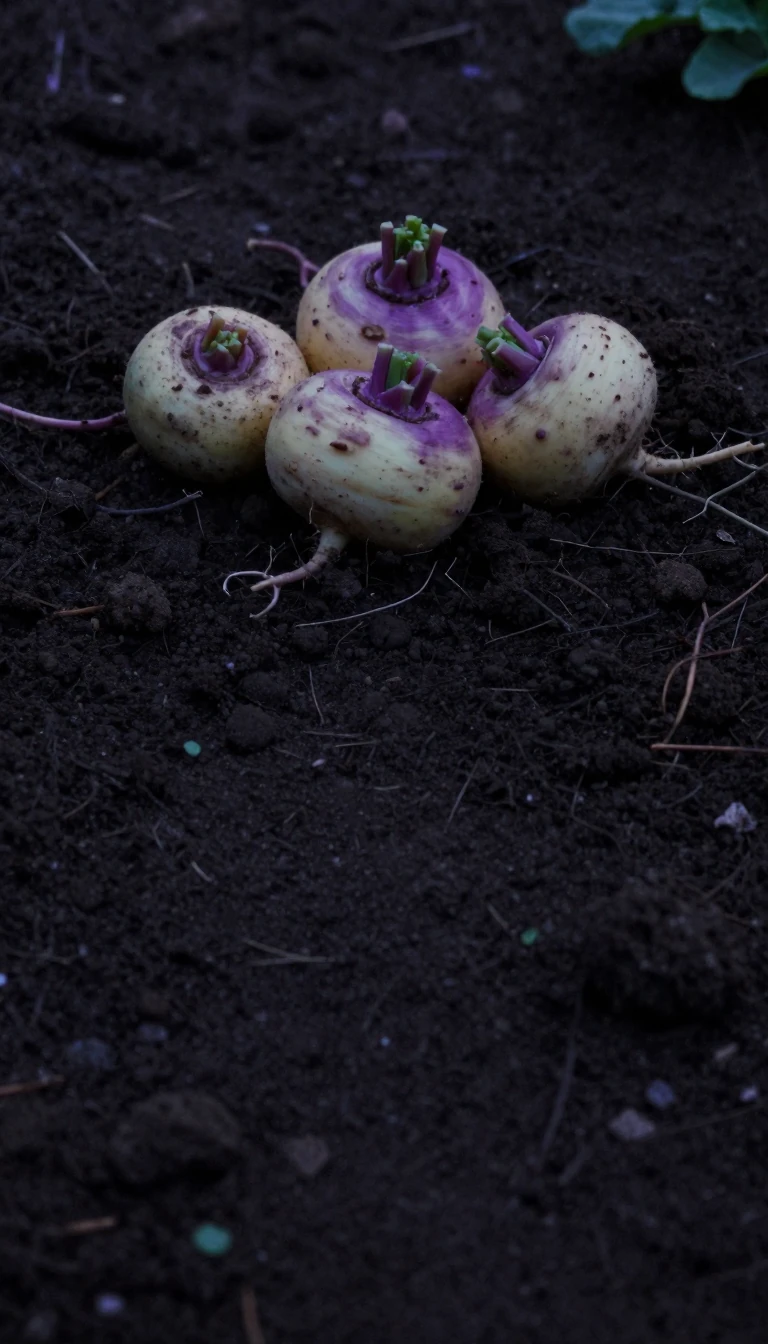 Why your favorite vegetables are all the same plant in different disguisesFrom the crunch of kale to the florets of broccoli, many common vegetables are actually the same species: Brassica oleracea. Through centuries of artificial selection, humans have…
- From turnip to canola, one humble plant species has conquered the global dinner table.Brassica rapa is a botanical chameleon. Depending on how humans have steered its evolution over thousands of years, this single species manifests as a crunchy root vegetable, a le…
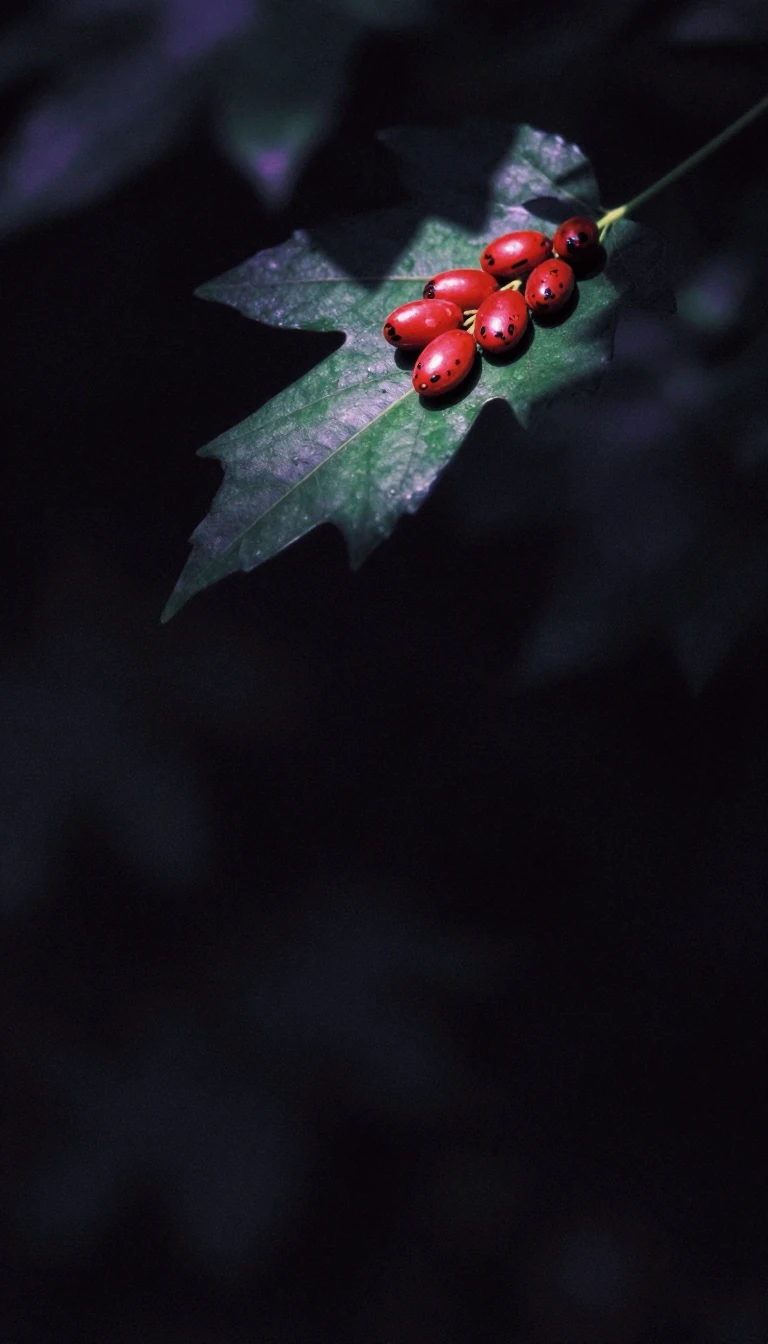 Is this humble swamp-dwelling herb a culinary treasure or a hidden health risk?Known as gotu kola, Indian pennywort is a staple leafy green across Asia, prized for its role in salads, porridges, and stir-fries. Yet, this aquatic plant is more than a kitchen …
 The complex social survival strategies of the chacma baboon in southern AfricaThe chacma baboon is one of the world's largest monkeys, thriving across diverse African landscapes from deserts to alpine slopes. Beyond their formidable size and sharp canines, …
- Chives are the only member of the onion family native to both hemispheres.While you likely know them as a mild garnish for potatoes or omelettes, chives are a botanical anomaly. As the only Allium species native to both the Old and New Worlds, this resi…
 From famine food to festive feast: the global evolution of rice porridgeCongee is far more than simple boiled rice. Across Asia, this versatile porridge adapts to local grains, climates, and social needs. Whether served as a humble recovery meal for t…
 Why this fragrant grass is named after a boat and a beardThe genus Cymbopogon, commonly known as lemongrass, derives its name from the Greek words for boat and beard. This botanical quirk describes the plant's unique anatomy, where hair…
 The Japanese maple is a masterclass in genetic diversity and centuries of human selection.Known for its delicate, hand-shaped leaves and vibrant seasonal shifts, the Japanese maple is far more than a garden ornament. This woody species, native to East Asia, has been sh…
 How a tiny family living in the walls became a global cinematic phenomenonStudio Ghibli's 2010 film Arrietty reimagines Mary Norton's classic novel about miniature people who survive by borrowing human trinkets. Beyond its charming premise, the film ser…
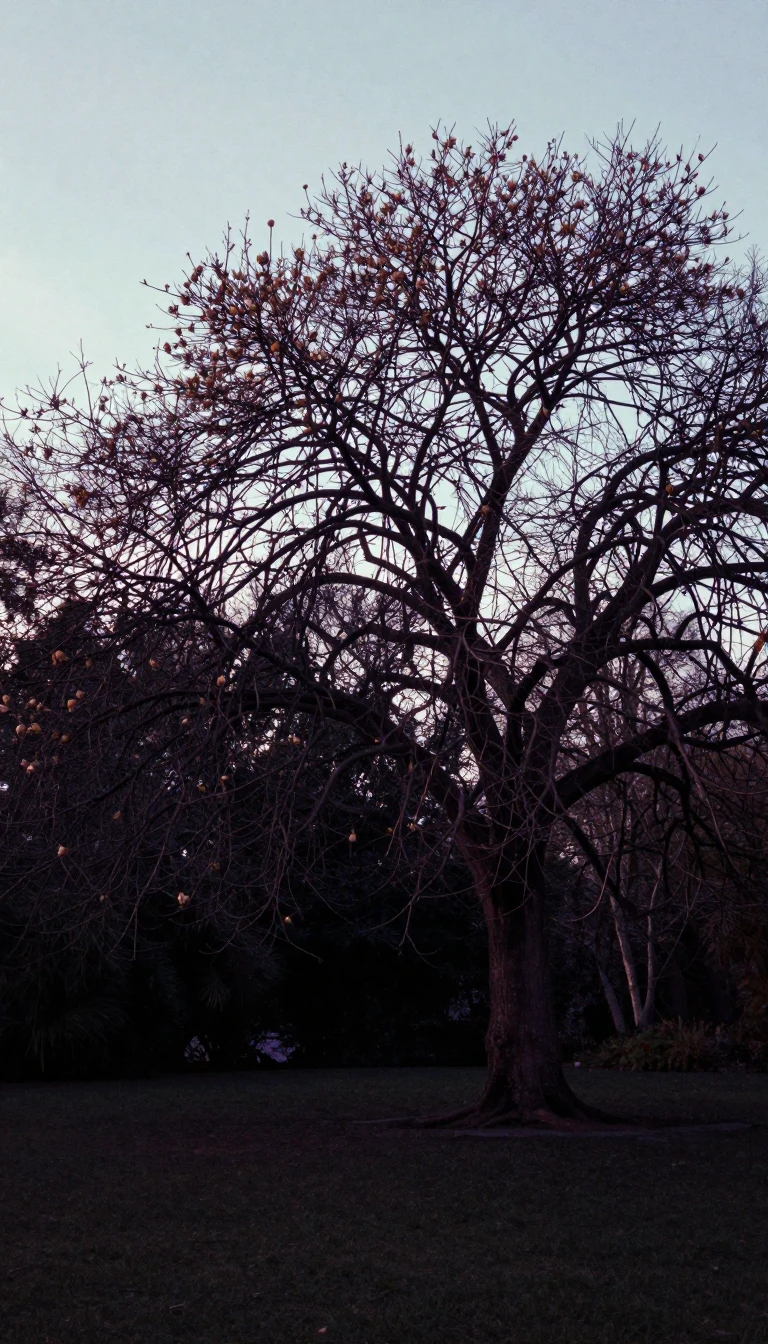 The red maple is North America's most abundant native tree, but it is toxic.Acer rubrum is a botanical chameleon, thriving from swampy depressions to dry ridges across the continent. While celebrated for its brilliant autumn foliage and rapid growth, this…
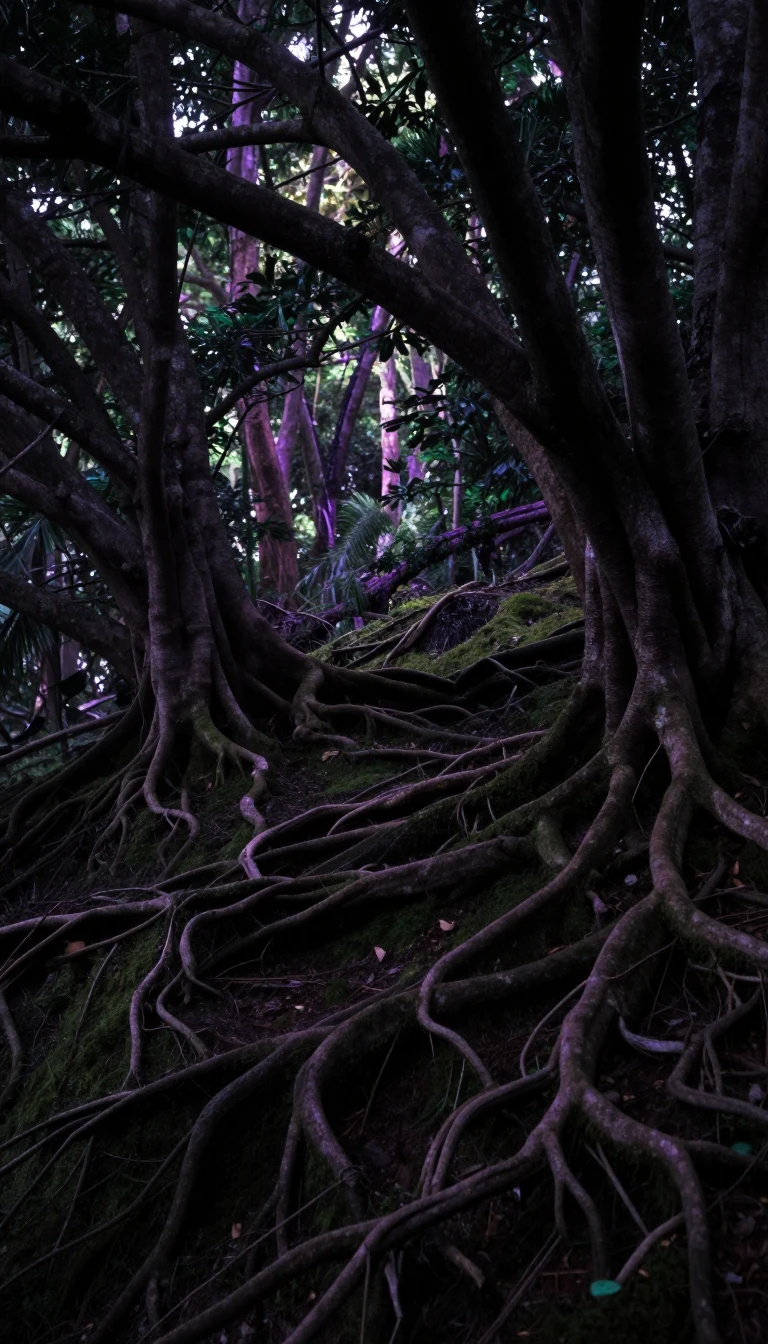 The sugar maple is a forest giant that requires freezing temperatures to surviveBeyond its iconic autumn colors and role as the primary source of maple syrup, the sugar maple is a biological marvel. It engages in hydraulic lift to nourish surrounding plants a…
 The Ash: A Tree of Myth, Sport, and SurvivalFrom the mythical World Tree of Norse mythology to the high-speed impact of modern sports, the European ash has been a cornerstone of human culture. Its unique combination of flex…
 Is your social behavior a conscious choice or a reflex triggered by your environment?Social behavior is not a single, fixed trait but a dynamic interplay between your internal temperament and the immediate situation. Whether you are acting with deliberate intent o…
 How a small youth from Finland became the NHL's most enduring Finnish FlashTeemu Selänne redefined rookie dominance before evolving into a perennial NHL icon. Known as the Finnish Flash, his career spanned 21 seasons, marked by record-breaking scoring, a…
 Jules Verne's survival epic was a literary puzzle of missing secrets and conflicting timelines.Serialized in 1874, The Mysterious Island follows five Civil War escapees who transform a volcanic rock into a technological marvel. Yet, the novel is riddled with chronological e…
 The hardy lingonberry is a boreal survivor that thrives in the world's coldest climatesKnown by many names, including cowberry and partridgeberry, this resilient evergreen shrub dominates the Arctic tundra and boreal forests. While it survives temperatures as low as…
 The bacterium behind history's deadliest pandemics is older and more diverse than we thoughtYersinia pestis is a master of survival, evolving from a mild gut pathogen into a lethal, flea-borne killer. While famous for the Black Death, recent DNA evidence reveals it was i…
 How a private collection of wealthy bibliophiles became a global public knowledge powerhouseThe New York Public Library is not a government creation, but a hybrid institution born from 19th-century private philanthropy. Today, it manages nearly 53 million items across 92…
- The world's most popular banana is facing a silent, unstoppable fungal extinction event.The Cavendish banana, a staple of global diets, is under siege by a lethal fungus called Tropical Race 4. Because modern bananas are clones, they lack the genetic diversity to fig…
 The layered, flaky flatbread that traveled the Silk Road to become a global staple.Paratha is more than just a flatbread; it is a marvel of culinary engineering. By laminating wheat dough with ghee, cooks create delicate, crispy layers that mimic puff pastry. Fr…
- The vital green ribbons protecting our rivers are more than just pretty scenery.Riparian zones are the critical interfaces between land and water. These natural biofilters stabilize soil, regulate stream temperatures, and provide essential wildlife corridors.…
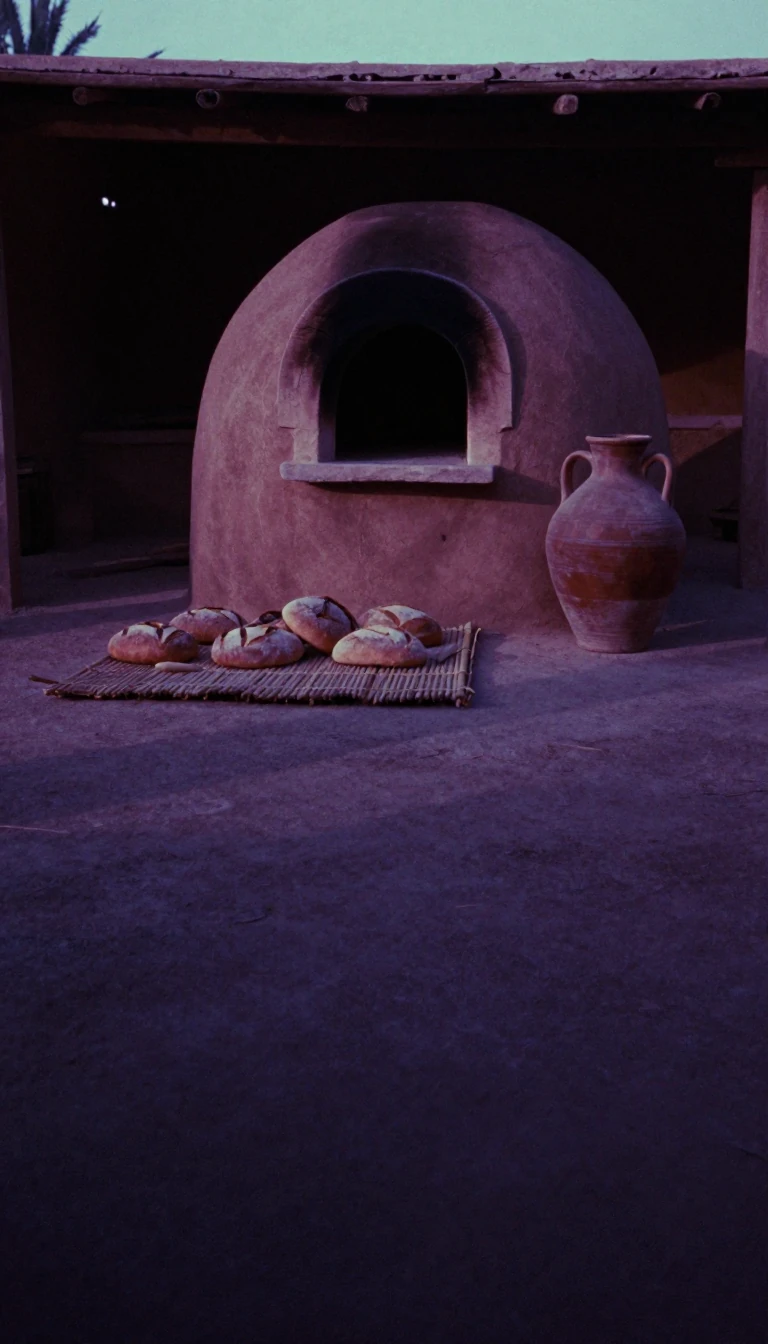 From ancient Sanskrit roots to modern street food, the global evolution of roti.Roti is far more than a simple flatbread. Originating from the Sanskrit word for bread, this unleavened staple has traveled from the Indian subcontinent to become a global phenome…
 The banana you eat is a sterile clone, a complex hybrid of ancient wild species.Modern bananas are not simple fruits but sterile, seedless hybrids. Because they cannot reproduce sexually, every banana you eat is a clone. Their classification is a botanical pu…
- The harpoon is a prehistoric weapon that evolved from simple spears to space-age anchors.For 90,000 years, humans have used harpoons to secure elusive prey. From the bone-tipped spears of the Katanda region to the explosive, cannon-fired projectiles that revolutionize…