 Intellect Plus
Organisms
1,988 cards. Each one is a 40-second story with a five-minute read behind it. Page 5 of 34.
 The Noongar people manage their land through six distinct seasons defined by environmental changes.The Noongar people of south-west Western Australia have long organized their lives around six seasons, each marked by specific ecological shifts. From the dry heat of Birak to the…
 The North American porcupine cannot shoot its quills, but it is still a formidable foe.Contrary to popular myth, the North American porcupine cannot launch its 30,000 quills like projectiles. Instead, these hollow, barbed spines detach upon contact, embedding themse…
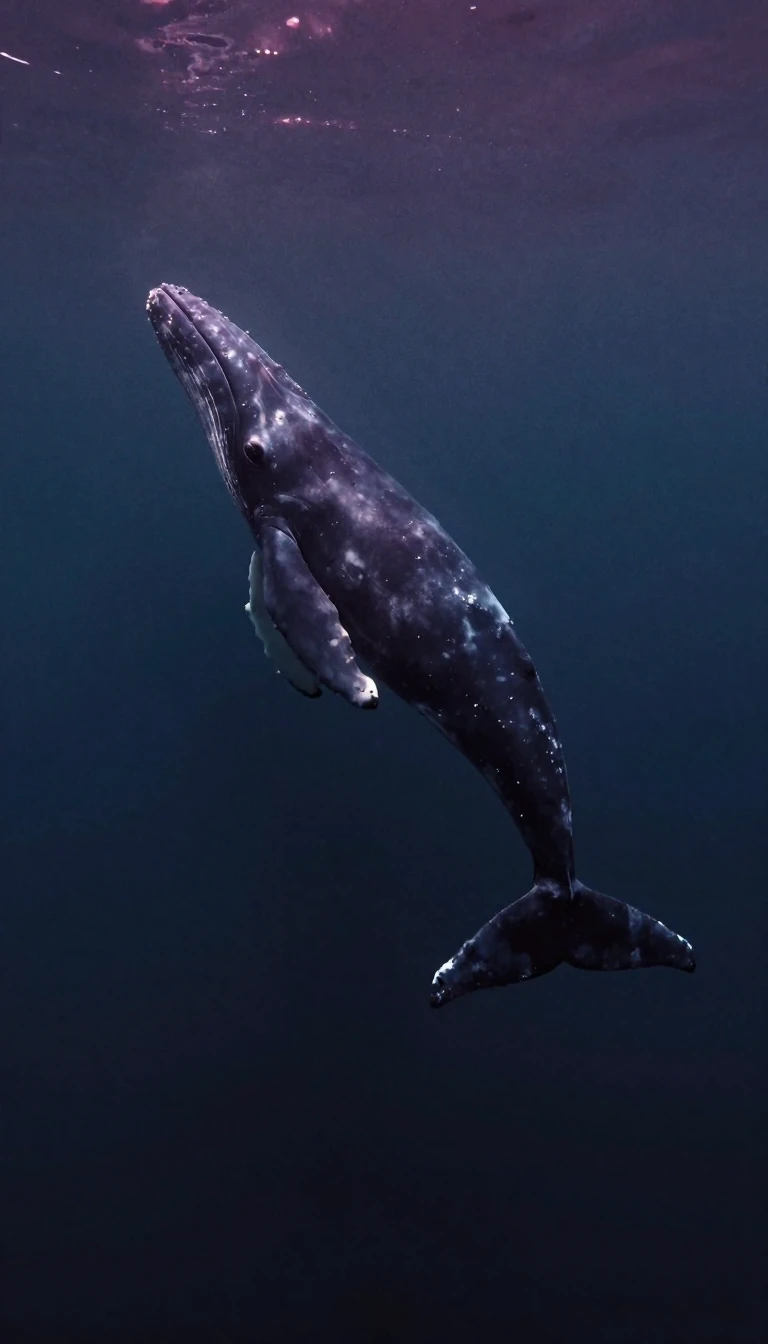 The Northern Elephant Seal Is a Deep-Diving Giant With a Surprising Survival StoryOnce hunted to the brink of extinction, the northern elephant seal has made a remarkable recovery. These massive marine mammals spend most of their lives in the open ocean, diving…
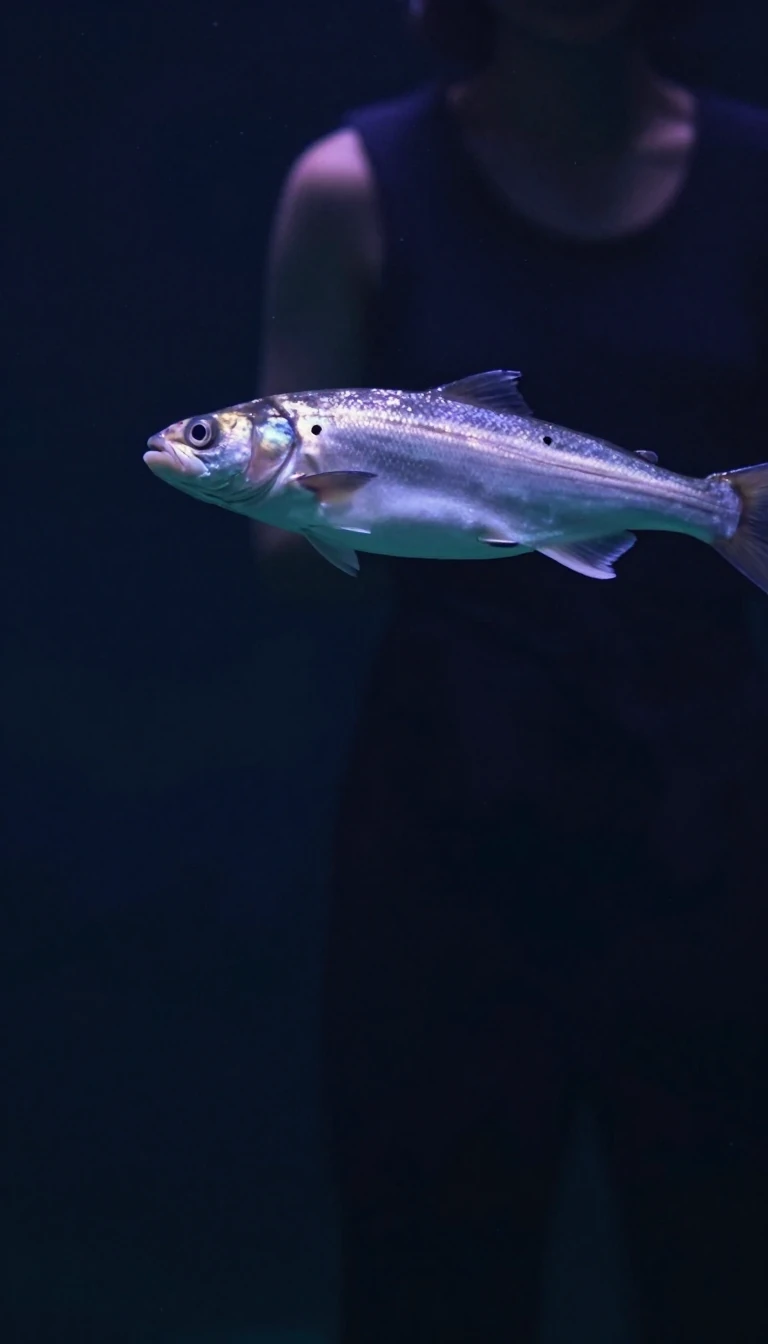 Why the once-abundant oceanic whitetip shark is now a threatened speciesThe oceanic whitetip shark was once a common sight in tropical oceans, recognized by its distinctive, paddle-like fins. Today, this top predator faces a precarious future. Decimat…
 Why the most catastrophic oil spills are not always the most ecologically damagingWhile massive tanker wrecks dominate headlines, they do not always cause the greatest environmental harm. The true impact of an oil spill depends on complex variables, from the lo…
 The invisible oil that defines the texture of your diet and your soapOleic acid is the most abundant fatty acid in nature, hiding in everything from olive oil to human tissue. While you rarely encounter it in its pure form, this versatile molecule …
 The Orinoco crocodile is South America's largest predator, yet it faces imminent extinction.Once widespread across the Orinoco River basin, this massive reptile is now critically endangered. With fewer than 1,500 individuals remaining, the species struggles against the l…
 How a non-chief became the most famous face of the Second Seminole WarOsceola was never a chief, yet he became the defining symbol of Seminole resistance against forced removal from Florida. By mastering guerrilla warfare in the Everglades and defyi…
 A robotic time capsule from the dawn of the solar system returns to EarthNASA's OSIRIS-REx mission successfully retrieved a pristine sample from the asteroid Bennu, a relic from the early solar system. By analyzing these ancient rocks and dust, scienti…
 Why this small New York city is one of the snowiest places in AmericaOswego, New York, sits on the shore of Lake Ontario, a position that makes it a magnet for extreme weather. While it functions as a quiet port city today, its history spans from c…
 From total bans to open access, how nations regulate the civilian ownership of firearmsGun laws vary wildly across the globe, reflecting deep differences in how states balance public safety with individual rights. While some countries prohibit civilian ownership ent…
 The iridescent sea snail that became a Māori treasure and a global black marketPāua are more than just edible sea snails found in New Zealand waters. These marine molluscs, prized for their vibrant, multi-coloured shells, hold deep cultural significance as t…
 How a coalition of rivals reshaped the landscape of Malaysian national politicsFormed in 2015, Pakatan Harapan emerged as a centrist force to challenge a six-decade political monopoly. Its journey from a grassroots opposition movement to the architect of a n…
- The most common saturated fat on Earth is in your body and your soapPalmitic acid is the primary saturated fatty acid found in animals, plants, and microorganisms. While it is essential for human biology, serving as a precursor for longer fatty ac…
 Why the snow leopard is the quiet outlier among the world's great catsThe Pantherinae subfamily includes the most iconic big cats, defined by their unique anatomy. While most members possess the specialized vocal equipment required to produce a powe…
 Why the maypop vine earned its name by popping out of the groundThe maypop is a resilient, fast-growing vine native to the southeastern United States. Famous for its intricate, purple-and-white blooms and edible, egg-shaped fruit, it earned it…
 A sprawling industrial metropolis built upon the bones of a colossal, ancient creature.New Crobuzon is a decaying, dystopian city-state where steam power meets thaumaturgy. In this dense urban landscape, humans and diverse non-human species navigate a corrupt politi…
 This aromatic mint relative is a culinary staple in Asia but a toxic pest elsewhere.Perilla frutescens is a versatile annual prized across Asia for its nutty seeds and fragrant leaves. While it flavors everything from Korean kimchi to Indian chutneys, the plant t…
 Phenibut: The Soviet-era anxiety drug now fueling a global online supplement controversyDeveloped in the 1960s as a clinical treatment for anxiety and insomnia, phenibut is a synthetic GABA analogue that crosses the blood-brain barrier. While prescribed in parts of E…
 The Philadelphia Phillies once officially adopted a bird's name to boost their struggling brand.Before they were the Phillies, the team briefly rebranded as the Blue Jays in 1944. The move was an attempt to shed a reputation for failure, but it sparked a bizarre feud with Jo…
 Founded in 1778, Phillips Academy remains a cornerstone of American elite secondary education.Known as Andover, this Massachusetts institution is the oldest incorporated academy in the United States. With a history rooted in the American Revolution, it has evolved from a C…
 Is pink slime a food safety scandal or a triumph of industrial efficiency?Known formally as lean finely textured beef, this controversial additive sparked a national firestorm in 2012. While critics decried it as an unappetizing byproduct of industrial …
 Why the horse transformed the Great Plains from a pedestrian landscape into a nomadic empire.The Indigenous peoples of the Great Plains are often viewed as archetypal Native Americans, yet their history is defined by a dramatic shift. The arrival of the horse fundamentall…
 The Pony Express was a financial failure that became an enduring American legend.Operating for only eighteen months, this daring relay system bridged the vast American frontier before the telegraph arrived. While it failed to secure the government contracts it…
 Was the Roman Empress Poppaea Sabina a ruthless schemer or a victim of history?Ancient historians painted Poppaea Sabina as a manipulative villain who seduced Nero and orchestrated murders to reach the throne. Yet, modern scholars suggest these accounts may …
 Porphyria: A rare metabolic disorder that turns sunlight into a source of painPorphyria is not a single disease but a group of rare disorders caused by a breakdown in the body's heme production. Whether manifesting as sudden, severe neurological attacks or …
 In this ancient economy, status is measured not by what you keep, but by giving.For many Indigenous peoples of the Pacific Northwest, the potlatch was the bedrock of governance and social order. Rather than accumulating wealth, leaders gained power by distrib…
- How a synthetic hormone mimics your body to switch off systemic inflammationPrednisolone is a powerful synthetic corticosteroid that acts as a master switch for the immune system. By crossing cell membranes to alter gene expression, it can halt everything…
 How a former guerrilla fighter became the first leftist president of ColombiaGustavo Petro, a former member of a Marxist insurgent group, rose from a salt-mining town to the highest office in Colombia. His presidency marked a historic shift in the nation's…
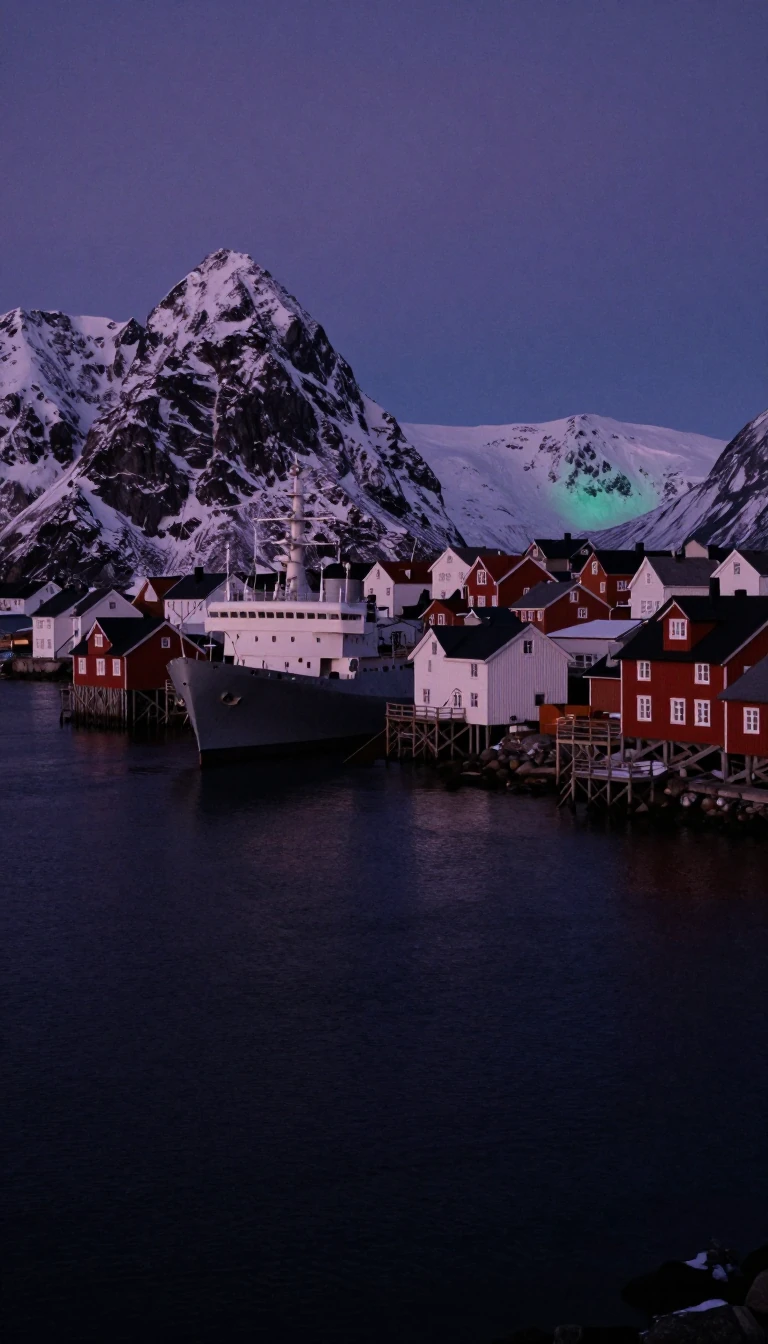 Prince Rupert: Canada’s wettest city and a hub of trans-Pacific tradeKnown as the City of Rainbows, this British Columbia port city holds the title for Canada's wettest municipality. Beyond its temperate rainforest climate, Prince Rupert has evolve…
 Are probiotics actually beneficial or just expensive bacteria in a fancy bottle?Probiotics are live microbes marketed to restore your gut health, but the science is far from settled. While these "friendly" bacteria can support your microbiome, the industry re…
 A 1940s antihistamine remains a medical paradox, balancing life-saving relief with severe tissue risks.Developed in the 1940s, promethazine is a versatile tool used for everything from allergies to morning sickness. Yet, this common medication carries significant risks, including s…
- The mysterious eight-meter tall giant that dominated Earth before trees ever existedFor over 165 years, scientists have debated the identity of Prototaxites, a massive, trunk-like organism that towered over the landscape during the Devonian period. While long sus…
 The Chinese plum is actually an apricot that blooms in the dead of winter.Often misidentified as a plum, the Prunus mume is a resilient tree that defies the cold to bloom in late winter. Celebrated as a symbol of endurance and hope, this fragrant blosso…
 The Punic people were a cultural powerhouse with almost no Levantine genetic ancestryAncient DNA reveals a surprising truth about the Punic people, often called Carthaginians. Despite building Levantine-style cities and speaking a Levantine-derived language, they …
 How Pixar turned a rat into a culinary artist in the heart of ParisThe 2007 film Ratatouille follows Remy, an ambitious rat with a refined palate who dreams of cooking in a professional kitchen. By forming an unlikely partnership with a clumsy ga…
 Why the world's largest birds lost their wings and grew to giant proportionsRatites are flightless birds defined by a smooth, keel-less breastbone that cannot anchor flight muscles. While once thought to be a single group separated by continental drift, m…
 To survive in a competitive world, organisms must run just to stand stillThe Red Queen hypothesis suggests that biological entities are trapped in an evolutionary zero-sum game. Because species constantly adapt to counter their rivals, they must evolve…
 How a Murder Mystery and a Forged Will Built a Top-Tier Research UniversityBorn from the tragic death of a wealthy businessman, Rice University has evolved into a premier institution known for its collaborative spirit and unconventional thinkers. Today, …
 How a radical experimental college became the unlikely incubator for American avant-garde poetryRobert Duncan was a central figure in the Black Mountain group, a collective that redefined American verse. Born into an occult-steeped household and later a pioneer of gay rights…
 Why a minor league baseball team is named after a scavenging raccoonIn Madison, Alabama, the Rocket City Trash Pandas combine the region's aerospace heritage with a nod to the resourceful raccoon. This Double-A affiliate of the Los Angeles Angels …
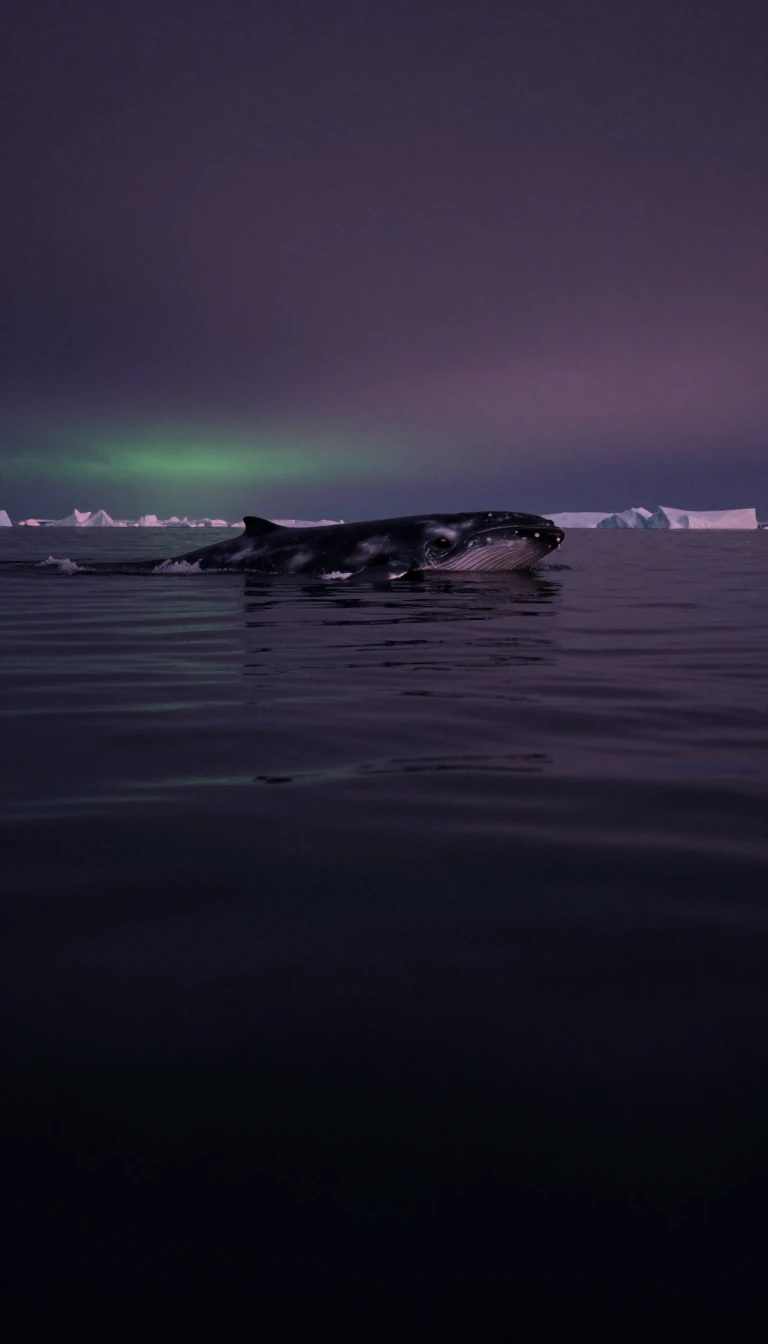 How Rorqual Whales Perform the Largest Biomechanical Feat on the PlanetRorquals are the giants of the ocean, defined by their ability to engulf massive volumes of water during lunge feeding. This extreme behavior, which can involve taking in more wat…
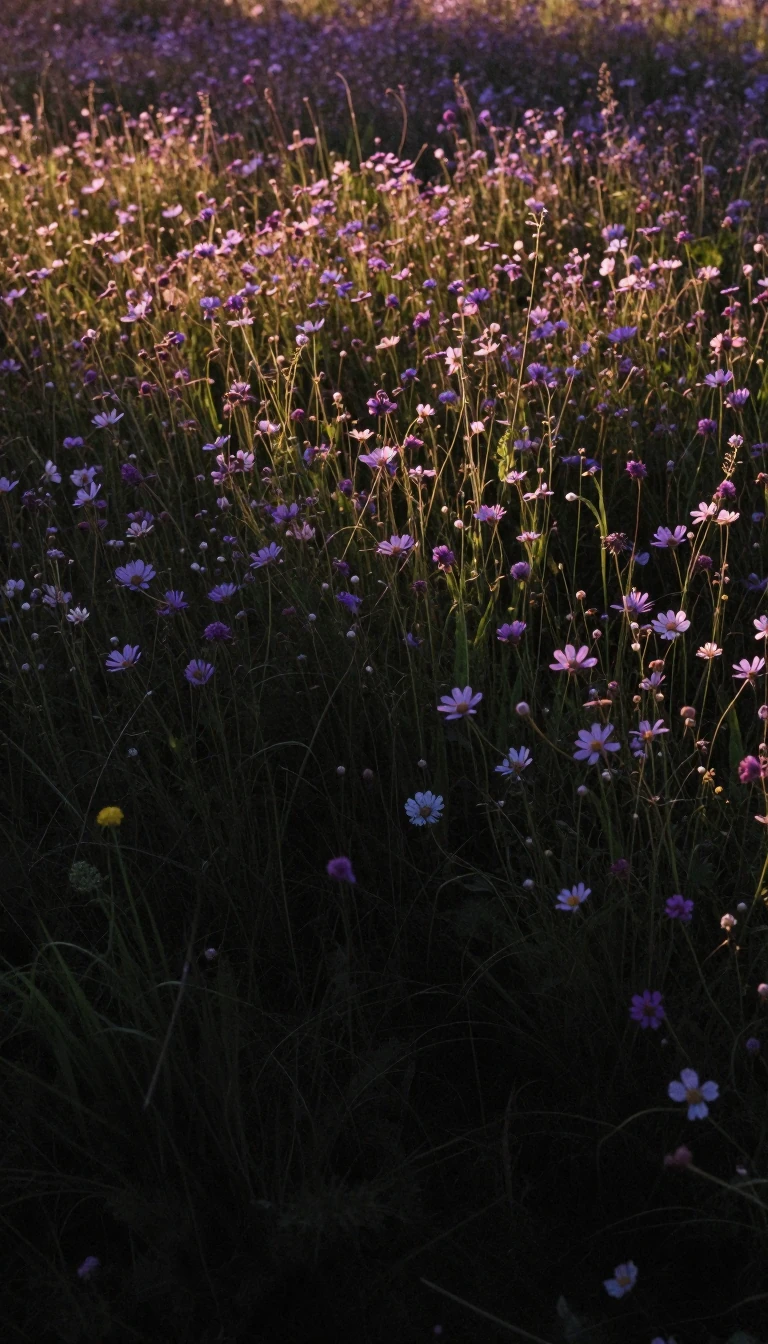 The black-eyed Susan is a botanical traveler that conquered all of North AmericaKnown for its iconic yellow petals and dark, dome-shaped center, Rudbeckia hirta is far more than a simple garden staple. From its origins in the eastern and central United States…
 Rukmini: The Radiant Queen Consort Who Defined Devotion in Hindu TraditionAs the chief queen of Krishna and an avatar of the goddess Lakshmi, Rukmini is a central figure in Hindu mythology. From her daring elopement to her role as the embodiment of divi…
 Why the rut is a high-stakes, exhausting, and dangerous gamble for male mammalsThe rut is far more than a mating season; it is a physiological overhaul. Driven by shifting daylight, males undergo dramatic hormonal spikes, aggressive territorial displays, and…
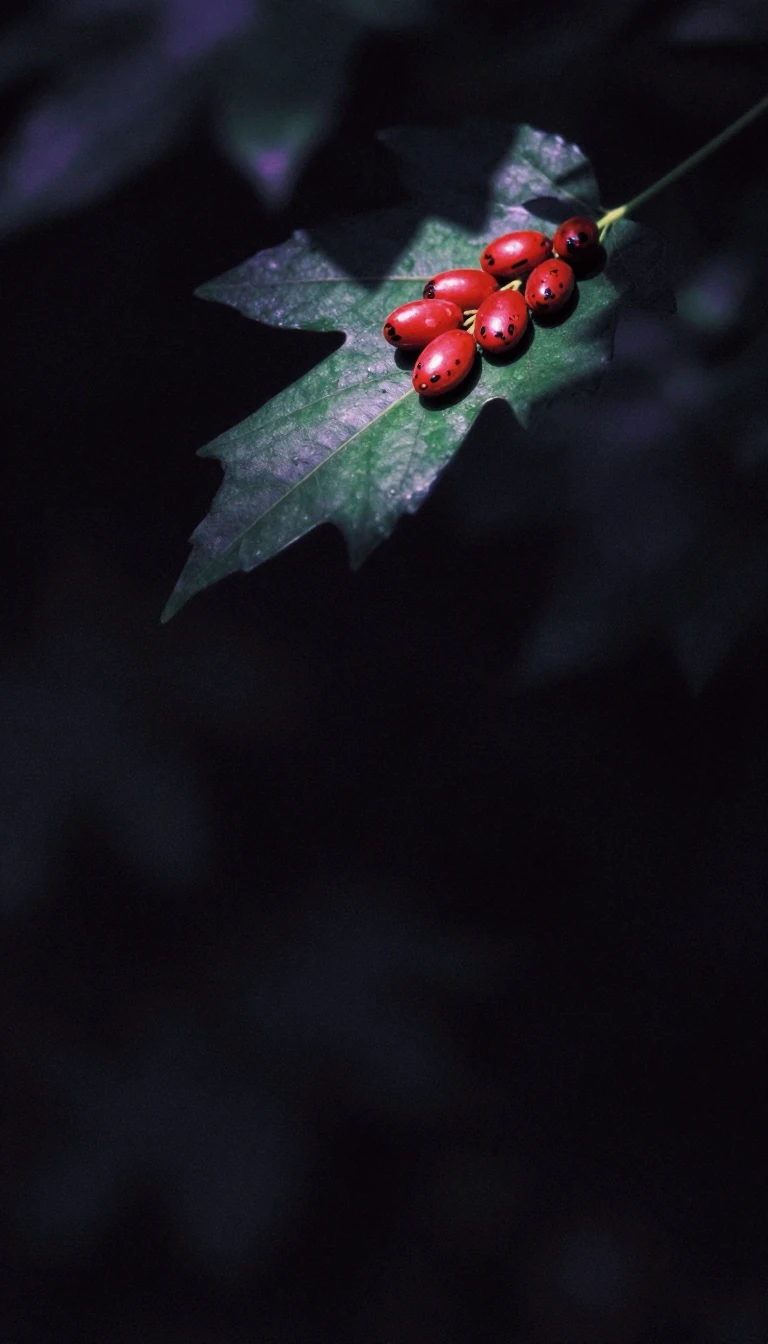 Why this bitter herb was once a shield against plagues and evil eyesKnown as the herb-of-grace, Ruta graveolens is a woody shrub with a dual reputation. While historically prized for its protective powers against malevolent forces and its role in …
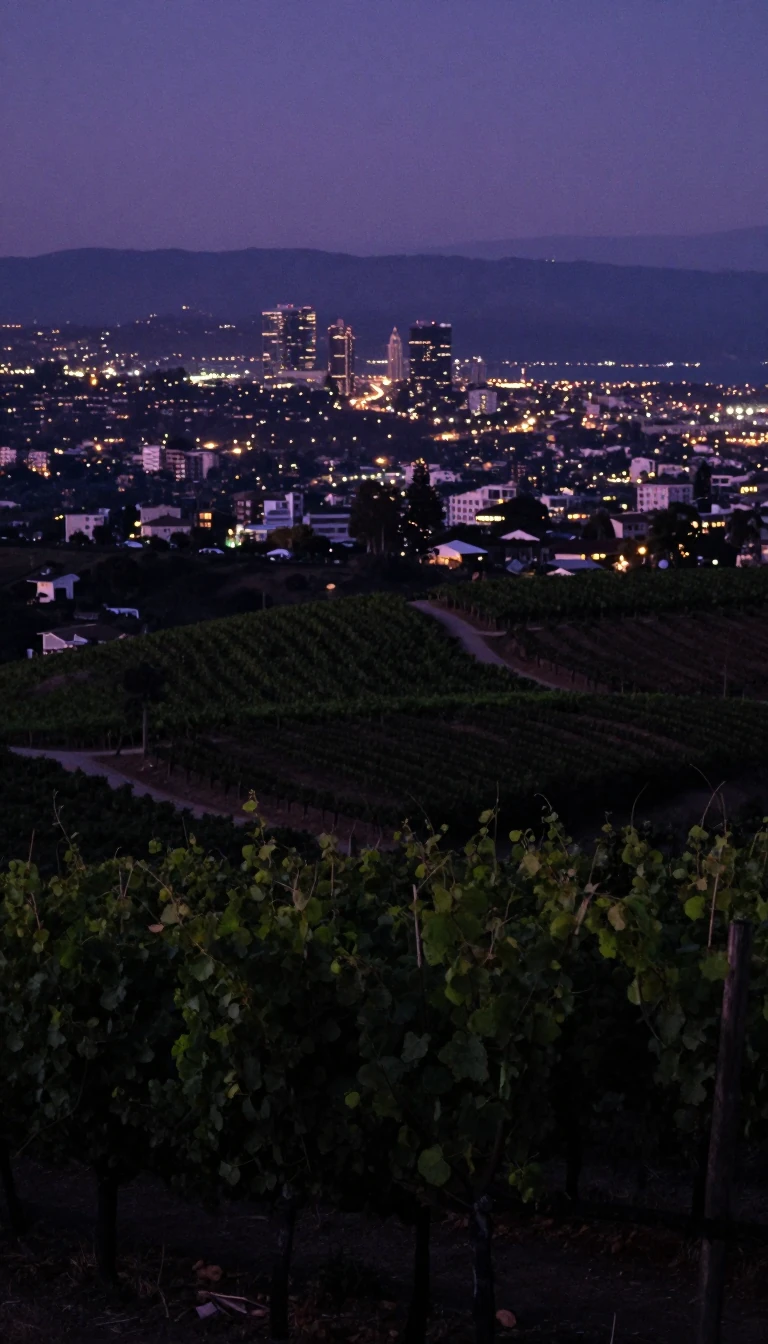 How a Mexican land grant became the heart of California's capital and rail historySacramento County began as a colonial outpost on a Mexican land grant before exploding into a gold-fueled boomtown. From the first discovery of gold to the completion of the trans…
- Why do drivers in this U.S. territory navigate the roads from the left side?Saint Thomas is a Caribbean outlier where motorists drive on the left, a legacy of Danish rule preserved after the 1917 American acquisition. Because most vehicles are imported fr…
 The salmon run is a brutal, high-stakes migration that fuels entire forest ecosystems.Salmon are anadromous, spending years in the ocean before returning to their natal streams to spawn and die. This final journey is not just a reproductive act; it is a massive nut…
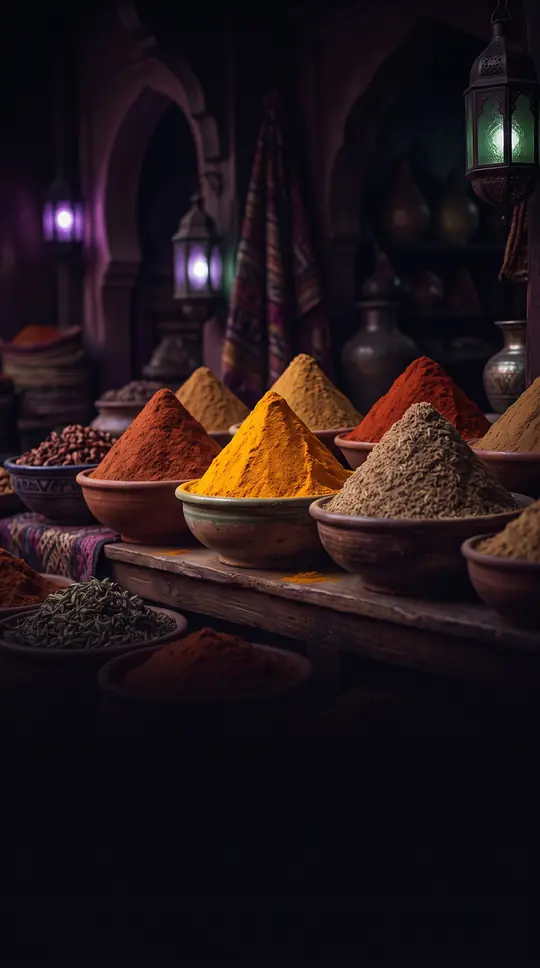 How a 16th-century trade revolution transformed Southeast Asian spice culture foreverBefore chilli peppers arrived from the Americas, Southeast Asian cooks relied on pungent indigenous spices like long pepper and ginger. The introduction of the chilli by Portugues…
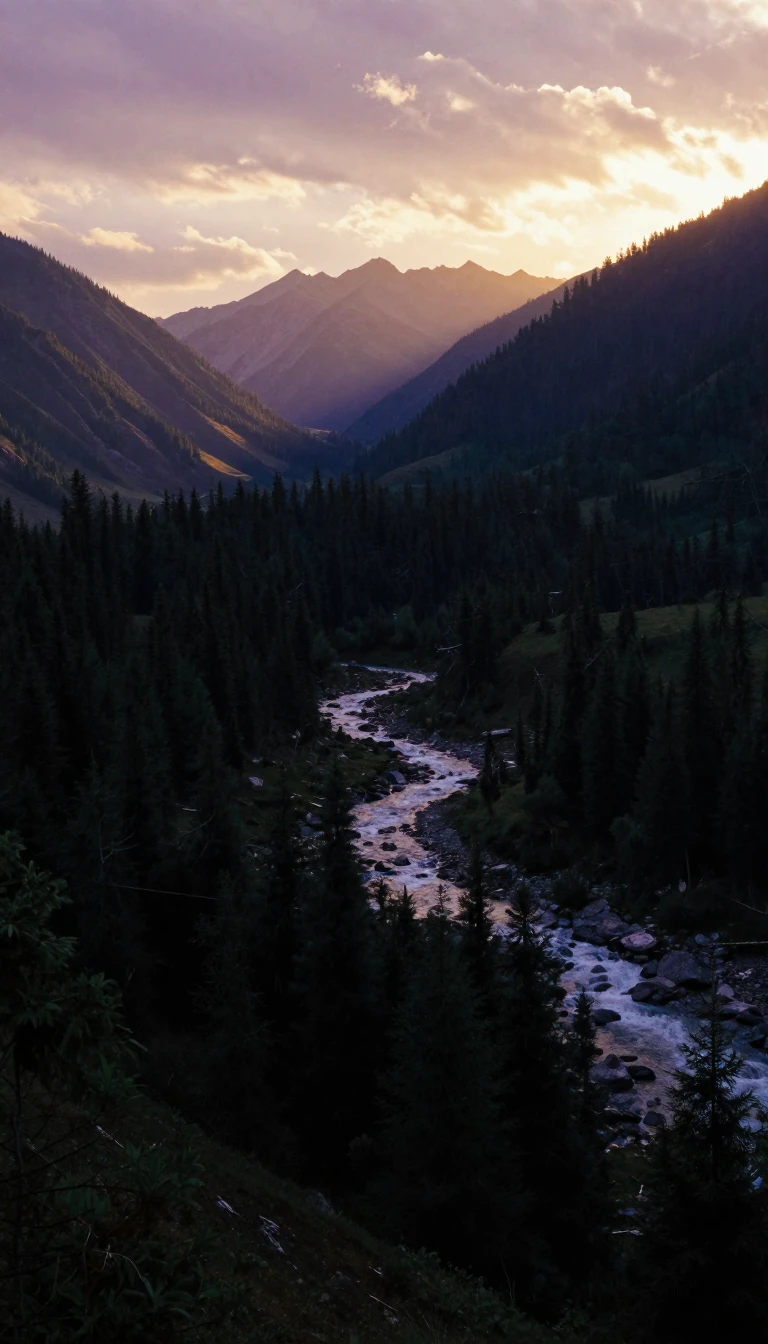 A California county where endangered butterflies and ancient elk share space with corporate giants.San Mateo County is a study in contrasts. While it serves as a high-income hub for Silicon Valley, it also preserves diverse ecosystems ranging from redwood forests to coastal scr…
- Once a valley of elk and orchards, Santa Clara is now a tech titanSanta Clara County, the heart of Silicon Valley, has undergone a radical transformation. Once celebrated for its natural beauty and vast orchards, the region shifted rapidly durin…
 Floating golden forests are vital to marine life but can become a coastal hazardSargassum, a drifting brown algae, serves as a crucial nursery for sea turtles and fish in the open ocean. Yet, when wind and currents push these massive mats toward land, they cr…
 The world's tallest flying bird is a devoted partner that lives alongside humans.Standing nearly six feet tall, the sarus crane is a striking figure in the wetlands of South Asia and Australia. Beyond their impressive stature, these birds are renowned for thei…
 From small omnivores to the largest land animals: the evolution of the sauropodomorphs.Sauropodomorphs began as modest, bipedal omnivores in the Late Triassic, yet they evolved into the most massive terrestrial creatures in Earth's history. By transitioning from bip…
 How a teenage American Idol winner charted a number one song without a labelAfter parting ways with his record label in 2016, Scotty McCreery defied industry norms. He independently released the single Five More Minutes, which became the first song in Cou…
- Seattle is a global powerhouse of tech, aerospace, and maritime trade in the Pacific Northwest.Beyond its reputation for coffee and rain, the Seattle metropolitan area is a massive economic engine. Home to over four million people, it anchors the Puget Sound region with a u…
 Why a missing immune system makes the world a lethal place for newbornsSevere combined immunodeficiency, or SCID, is a group of rare, inherited disorders that leave infants without a functional immune system. Because they lack the T-cells and B-cells…
 How a Japanese publishing giant manages its massive, complex, and often controversial media empireShogakukan is a titan of the Japanese publishing world, anchoring the Hitotsubashi Group alongside Shueisha and Hakusensha. From manga and light novels to anime production and glo…
 Why the best fighter pilots and surgeons share the same secret to survivalSituation awareness is more than just paying attention. It is a three-level cognitive process—perception, comprehension, and projection—that allows experts to anticipate the futur…