 Intellect Plus
Technology
10,995 cards. Each one is a 40-second story with a five-minute read behind it. Page 172 of 184.
Subtopics: 3D printing & manufacturing · AI & machine learning: practical · Aircraft · Automata · Aviation · Batteries · Binary · Biotechnology · Bridges · Cameras & imaging · Cars · Chemical engineering · Chips · Codes · Compression · Computing · Computing and information technology · Computing history · Cryptography · Cybersecurity · Electric vehicles · Electronics · Energy · Engineering · Everyday tech · Famous patents · Future Frontier · How it works · How Things Work: GPS to the Phone · How Things Work: Jets, Propellers and Ships · Industry · Infrastructure · Internet · Inventions · Inventors · Machinery and tools · Maths · Media and communication · Medical technology · Medieval clockmaking · Mercedes-Benz Engineering · Military technology · Motorbikes · Navigation and timekeeping · Networks · Nuclear power · Optical technology · Physics · Pioneers · Programming · Programming languages · Radar · Radio · Researched · Robotics: practical · Robots · Rockets · Security · Semiconductors · Ships & boats · Skyscrapers · Smartphones · Software · Sound & audio technology · Spaceflight · Super-series Wave 1: Car To Wheels · Super-series Wave 1: From Power Station To Pc · Super-series Wave 1: The Journey Of Crude Oil · Technology today · Technology: General · Textiles · Trains & locomotives · Transportation · UK & Ireland: inventions · Video game technology · Web · Wireless
 A reactor at sea cannot count on gravity to shut itself downOn land, a reactor's control rods can simply drop into place under gravity. A ship pitches and rolls, so marine reactors need shutdown systems that work at any angle. That is just…
 A tiny fraction of late neutrons is what makes reactors controllableMost neutrons from splitting uranium fly out instantly, but about 0.65 percent arrive late, released by fission products over milliseconds to minutes. That small delay is the whol…
 How nuclear testing moved from open skies to sealed shafts undergroundThe first atomic test lit the New Mexico desert on July 16, 1945, with the force of about 20 kilotons of TNT. Over the following decades more than 2,000 tests followed, first on t…
 The Nordic model pairs free trade and high taxes with unions almost everywhereIn 2019, 90.7 percent of Icelandic workers belonged to a union, against 16.3 percent in Germany and 9.9 percent in the United States. That density is one pillar of the Nordic mode…
 Sony's PSP ran its processor at two-thirds speed to save the batteryThe PlayStation Portable was the most powerful handheld of its day, yet for years Sony throttled its chips to stretch battery life and fought a spinning optical disc that drained …
- The Motorola Razr sold on looks alone, with ordinary insidesInside, the 2004 Motorola Razr V3 was nearly identical to the unremarkable V500 and V600 phones that preceded it. What changed was the shell: a startlingly thin aluminium flip bod…
 The C-17's wing 'failed' its test, until engineers rechecked the loadingIn 1992 the C-17 Globemaster III's wing buckled at 128 percent of its design limit, short of the 150 percent target, and about $100 million went into a redesign. A second test fai…
 Sega's last console shipped a modem in every box and still floppedThe Dreamcast was the first console with a built-in modem for online play, an idea Sega's own staff resisted over the extra $15 per machine. It launched before the PlayStation 2, …
 The Xbox 360 sold out despite starting production 69 days before launchMicrosoft began building the Xbox 360 only 69 days before its November 2005 debut. Stock vanished at once everywhere except Japan, and 40,000 units, a tenth of the supply, turned …
 The Xbox Series X was shaped by heat, Tetris-style packing and a fanMicrosoft wanted its 2020 flagship console to have twice the graphics power and four times the processor speed of the Xbox One X while staying just as quiet. The parts would draw …
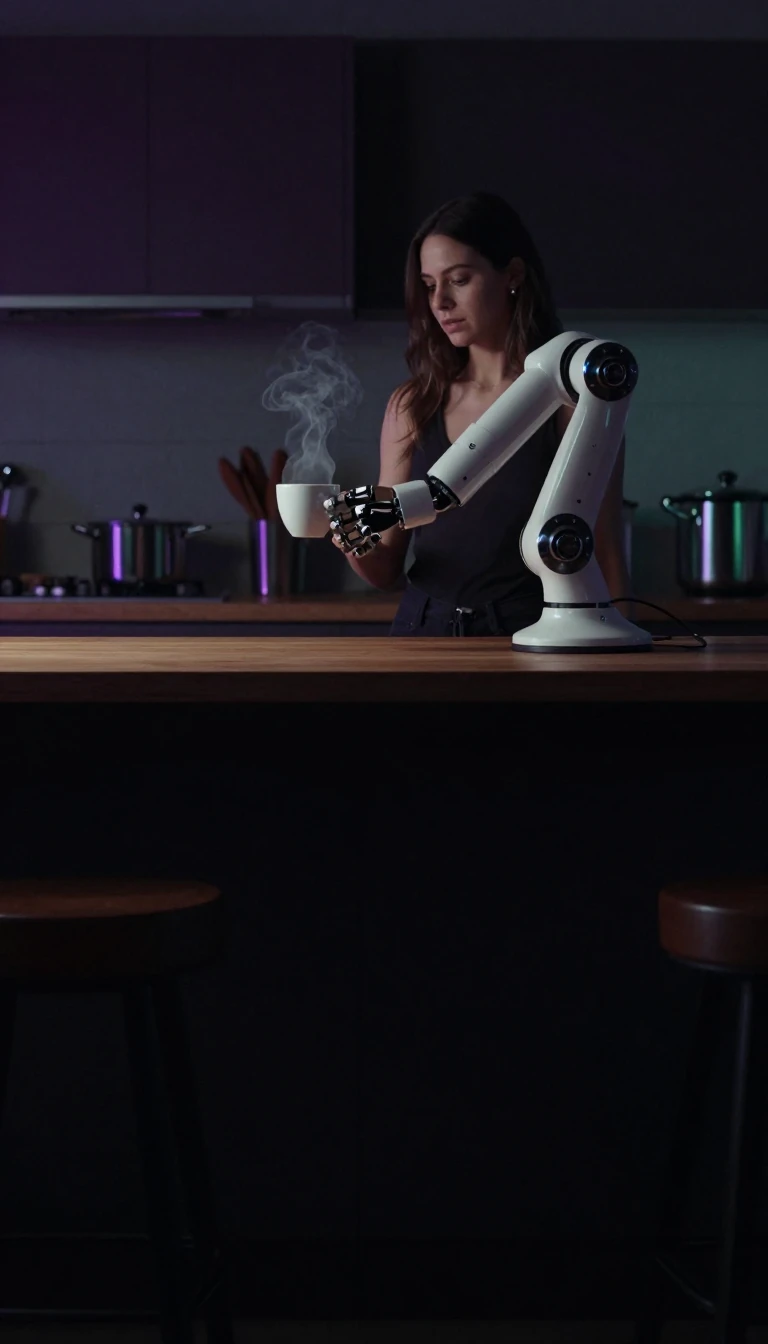 Robotaxis arrived years late and still lose moneyForecasters once expected driverless taxis to be widespread by 2018. That never happened. By 2025 services run by companies such as Waymo, Baidu, Pony.ai and Zoox were spreading q…
 Windows 10 was called the last Windows, then came Windows 11In 2015 a Microsoft employee told a conference audience that no Windows would follow Windows 10. Six years later Microsoft unveiled Windows 11, ending the longest gap ever between…
 Windows 7 won back the users that Vista had driven awayWindows Vista launched to complaints about sluggish performance, hardware that would not work and endless security prompts. Microsoft's answer was not a radical reinvention but a …
- The Radium Girls were told their glowing paint was harmlessIn the 1910s and 1920s, young American women painted watch dials with glowing radium paint, shaping their brushes between their lips to keep a fine tip. Their employers insisted t…
 Rare earths are not rare, just maddeningly hard to separateCerium, one of the 17 rare-earth elements, is more common in Earth's crust than copper. The name misleads: these metals are plentiful but spread thinly, locked in compounds and ch…
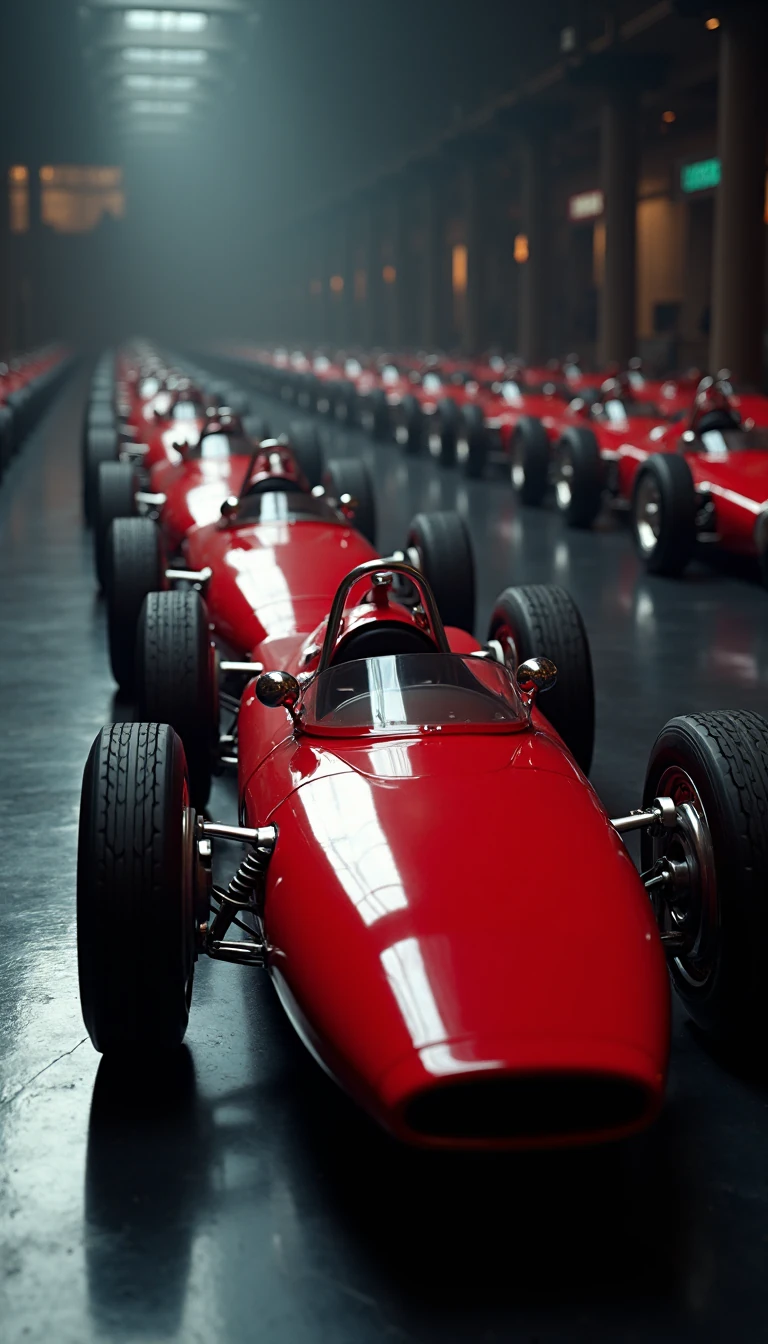 The Renault Espace began as a rejected Chrysler ideaEurope's pioneering people carrier nearly never happened. Conceived at Chrysler UK in the 1970s and developed by Matra for Simca, the design was shelved by Peugeot as too risky. M…
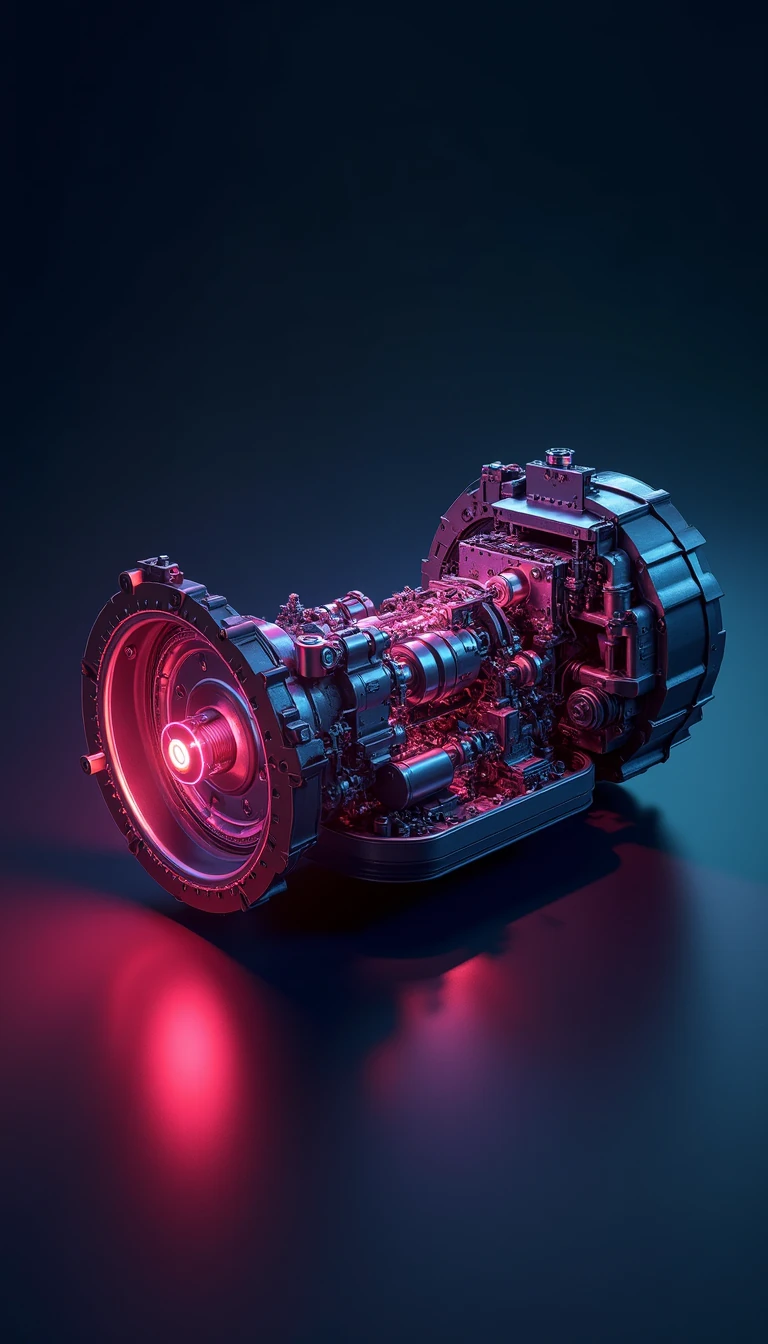 The Renault Twizy, a two-seat electric pod that 14-year-olds could driveRenault's Twizy was a tiny electric two-seater classed in Europe as a quadricycle, not a car. Its slowest version topped out at 45 km/h, so in several European countries teenagers…
 Why Microsoft jumped from Windows 8 straight to Windows 10Microsoft never released a Windows 9. Executives said the new system was too big a leap for that number, and joked that Windows One was taken because Windows 1.0 already existed. …
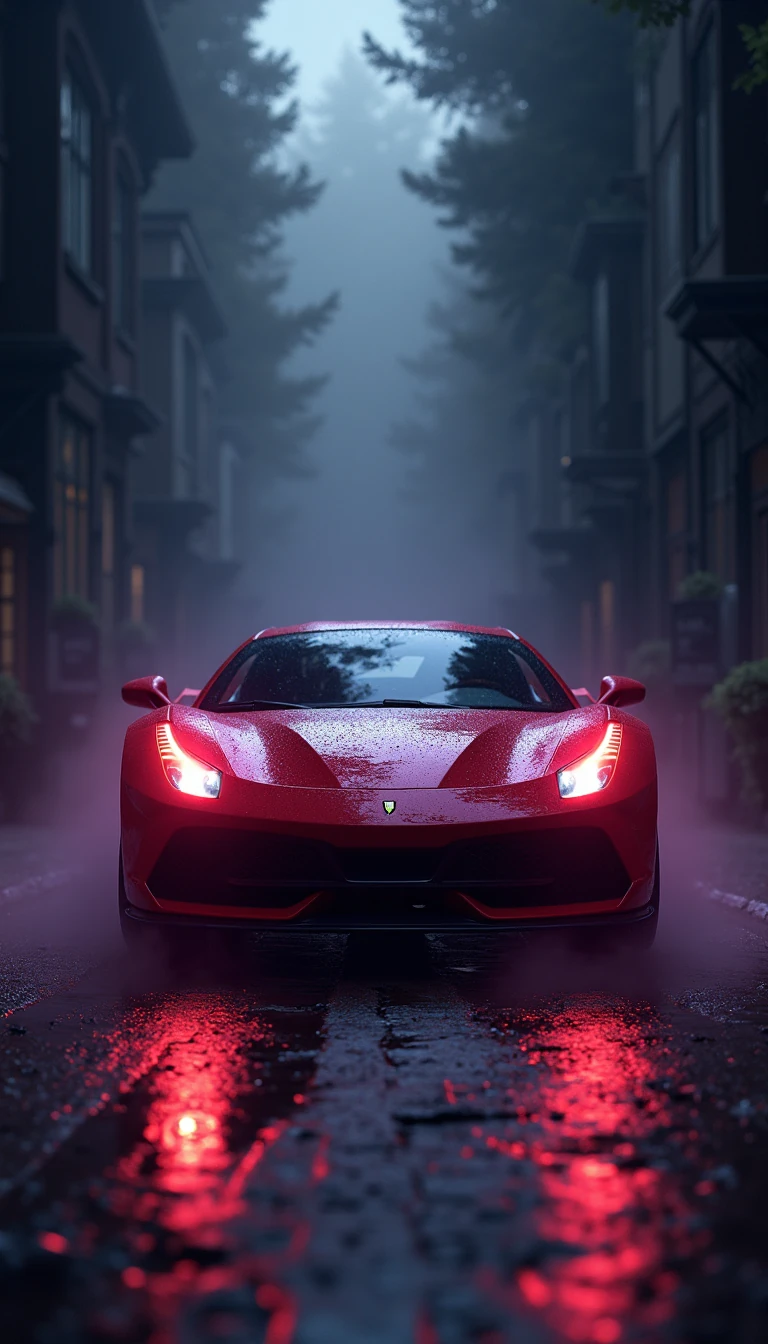 Malaysia's national carmaker once sold an Italian motorcycle maker for one euroIn July 2004 Malaysia's national carmaker Proton paid 70 million euros for a majority stake in the Italian motorcycle maker MV Agusta. Seventeen months later it handed the marque …
- Peugeot bought Chrysler's European arm for 76 pence and paid dearlyIn late 1978 Peugeot's parent company bought the struggling Chrysler Europe, formerly Rootes and Simca, for a nominal 76 pence plus its debts. The bargain turned sour. Relaunched …
 The volcanic rock that floats across oceans for yearsAfter Krakatoa erupted in 1883, rafts of floating stone covered kilometres of sea, in places piled 1.5 metres above the waterline. They drifted around the Indian Ocean for up to t…
 The giant water batteries that lose power yet still make moneyA pumped storage plant uses more electricity than it ever produces, losing up to 30 percent on each cycle. It still pays. Cheap surplus power at night lifts water uphill, and at p…
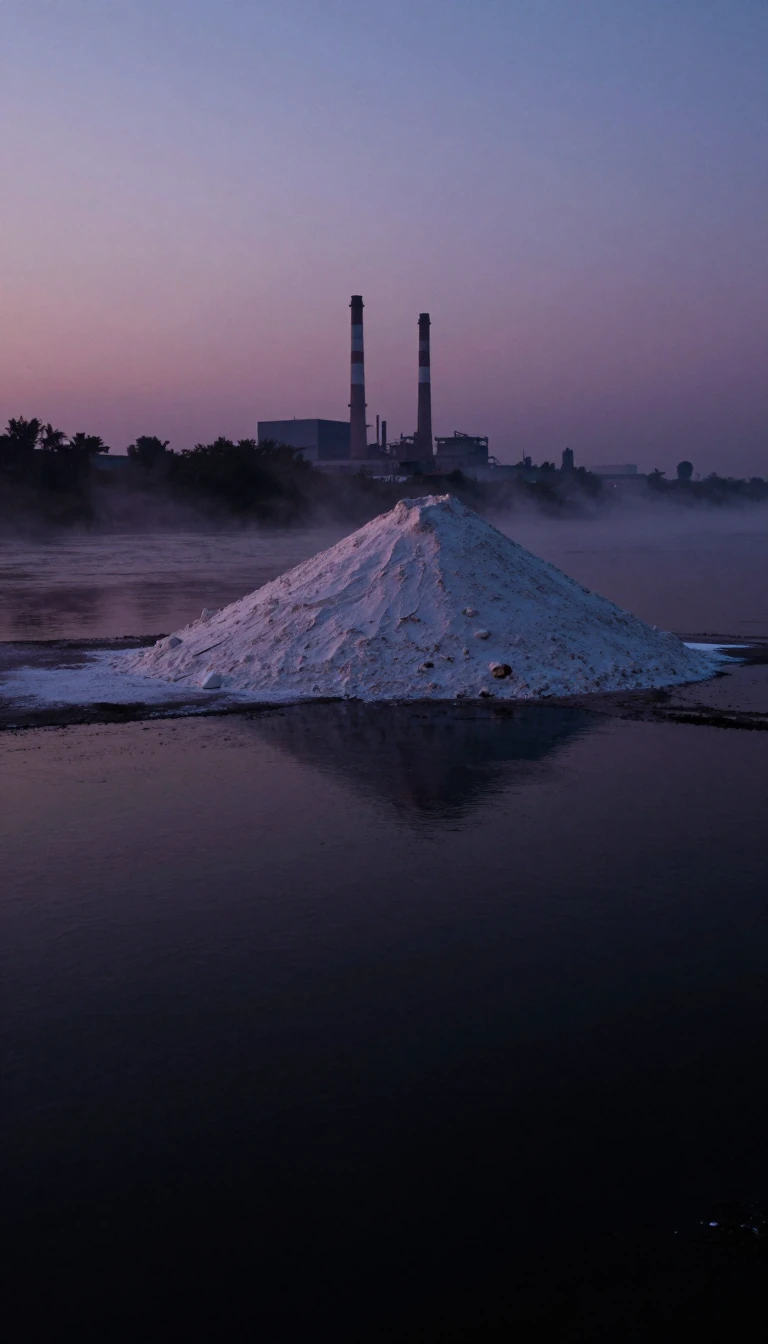 Malted milk and the garbage disposal both came from one Wisconsin townA Lake Michigan factory town of under 80,000 people gave the world malted milk in 1887 and the kitchen garbage disposal in 1927. Racine, Wisconsin also built one of the earliest a…
 A VPN hides your traffic from your internet provider, not from everyoneConsumer VPN services are often sold as a cloak of anonymity, but the technology was never built to make anyone unidentifiable. It wraps data in an encrypted tunnel so your intern…
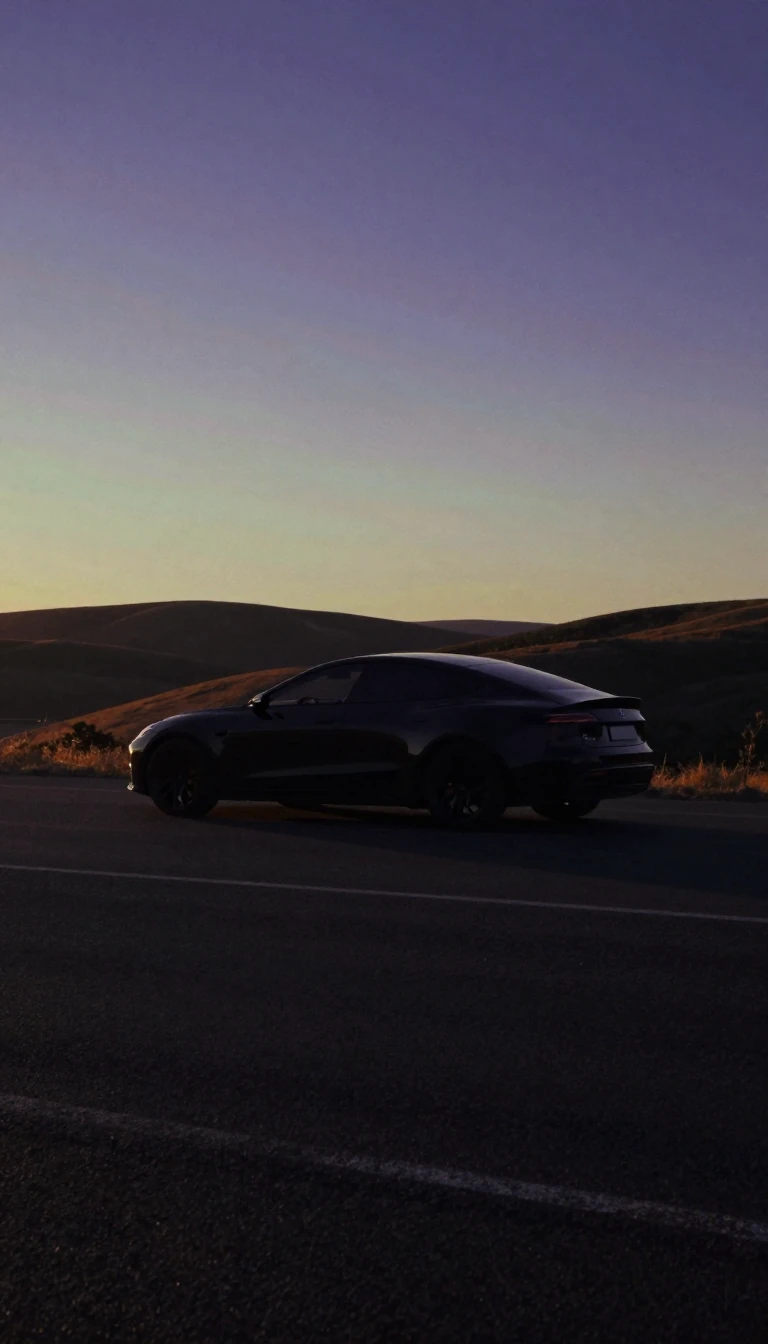 The small roadster that pulled Porsche out of its early 1990s slumpIn 1991 Porsche was in serious trouble, its 928 selling poorly and the 968 a heavy rework of an older car. Its answer was a cheaper mid-engine roadster that shared parts with the …
- Porsche tried to take over Volkswagen and got absorbed insteadIn 2009 the sports car maker Porsche controlled more than half of Volkswagen, a company many times its size, and was aiming for three quarters. Within months, buried under debts a…
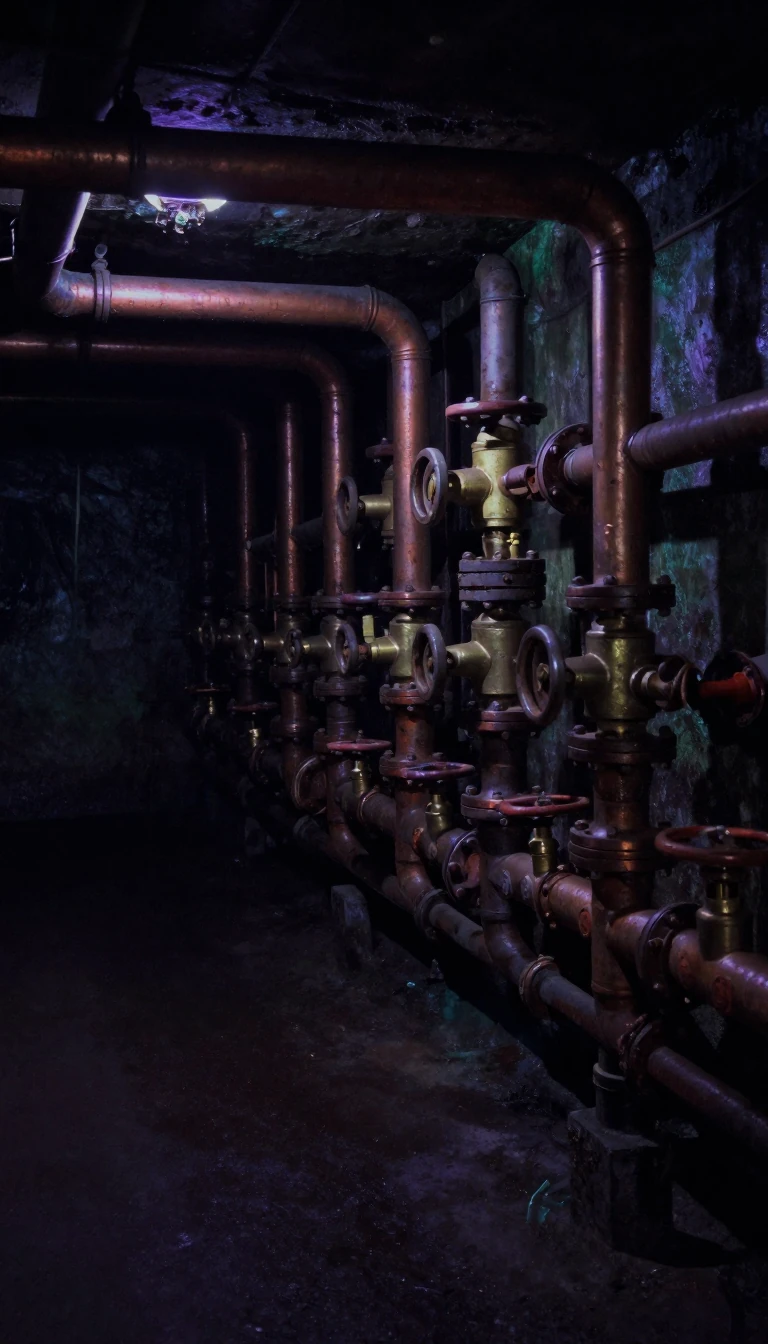 Why most nuclear plants keep their water too pressurised to boilInside the most common kind of nuclear reactor, water runs at about 315 degrees Celsius without boiling. The trick is pressure, around 155 times that of the atmosphere, and the sa…
 The factory computer named after its inventors' 84th projectIn 1968 a General Motors transmission plant wanted to stop rewiring walls of relays every time a production line changed. A small firm in Bedford, Massachusetts won the contract w…
 USB set out to tidy the back of the PC and replaced nearly every portIn the mid-1990s, the back of a personal computer bristled with different sockets: serial, parallel, game and more, each needing its own fiddly setup. Seven companies set out to r…
 Porsche's four-cylinder 718 was quicker than before, and critics hated how it soundedWhen Porsche swapped the six-cylinder engines in its mid-engined Boxster and Cayman for turbocharged fours in 2016, the cars got faster and more economical. The motoring press sti…
 The Porsche 930 was built for racing rules and earned a grim nicknamePorsche built the first 911 Turbo mainly to satisfy racing paperwork, since new rules demanded 400 road cars before a racer could compete. Buyers loved it anyway. It was the faste…
 The 991 was only the third all-new platform in the 911's long historyPorsche rarely starts the 911 from scratch. The seventh generation, the 991, unveiled in September 2011, was only the third genuinely new platform since 1963. Its engineers moved …
- The Porsche 993 was the last 911 to be cooled by airThrough four generations, every Porsche 911 used an engine cooled by air rather than water. The 993, built from 1994 to 1998, was the final one. It also tamed the old 911's most n…
- The Porsche 911 was meant to be called the 901, until Peugeot objectedPorsche unveiled its new sports car at the 1963 Frankfurt show as the 901. Peugeot promptly protested: in France it held exclusive rights to three-digit car names with a zero in t…
 The Porsche 911 GT2 turned a racing requirement into the fastest 911The first 911 GT2 existed so Porsche could go racing; only 57 road cars were built to satisfy the rulebook. By its last generation the GT2 RS had become the most powerful producti…
- Porsche's plug-in hybrid 918 Spyder broke the Nürburgring's seven-minute barrierA plug-in hybrid that could creep silently through town on battery power was also, in September 2013, the first street-legal production car to lap the Nürburgring's long road cour…
- Porsche lost money on every 959 it sold, and changed its cars foreverWhen customers took delivery of the Porsche 959 in 1987, each paid 431,550 Deutschmarks, less than half of what the car cost Porsche to build. In return they got the world's faste…
 The Pontiac Fiero was a sports car disguised as a thrifty commuterGeneral Motors bosses did not want a two-seat sports car that might steal sales from the Corvette. So young Pontiac engineers pitched theirs as a frugal commuter that merely happe…
- How the Mustang created an entire class of car on its first dayFord expected to sell 100,000 Mustangs in the first year. On launch day in April 1964, dealers took 22,000 orders, and the company had to raise production at once. The runaway hit…
 The Land Cruiser Prado once swapped its wheels for rubber tracksIn late 1999 Toyota sold a Prado with triangular rubber crawler units instead of wheels, built for carrying people and cargo through deep snow. Because the controls were unchanged…
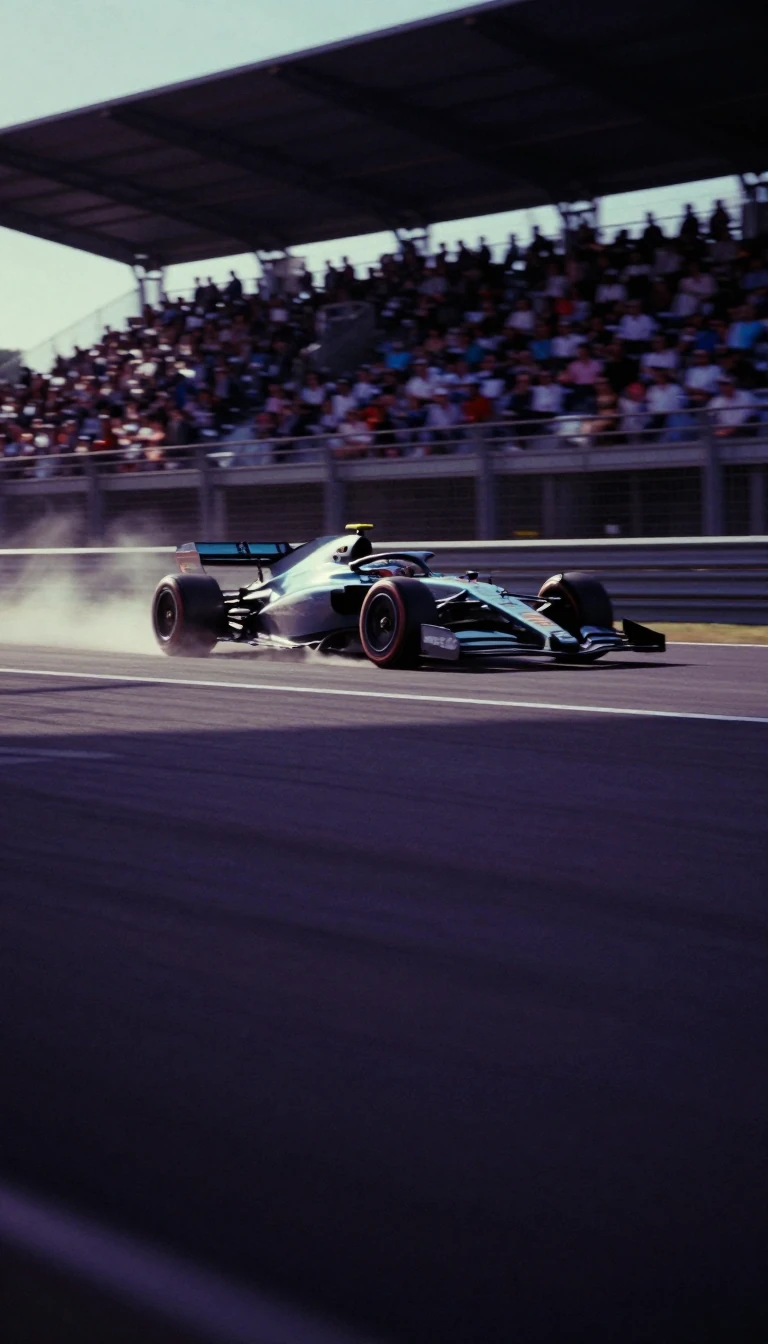 The Lotus Exige squeezed ever more power from a small four-cylinder engineThe Lotus Exige began in 2000 as a hardtop Elise with a 177-horsepower engine. Within a decade Lotus had coaxed around 256 horsepower from a supercharged 1.8-litre unit while cutt…
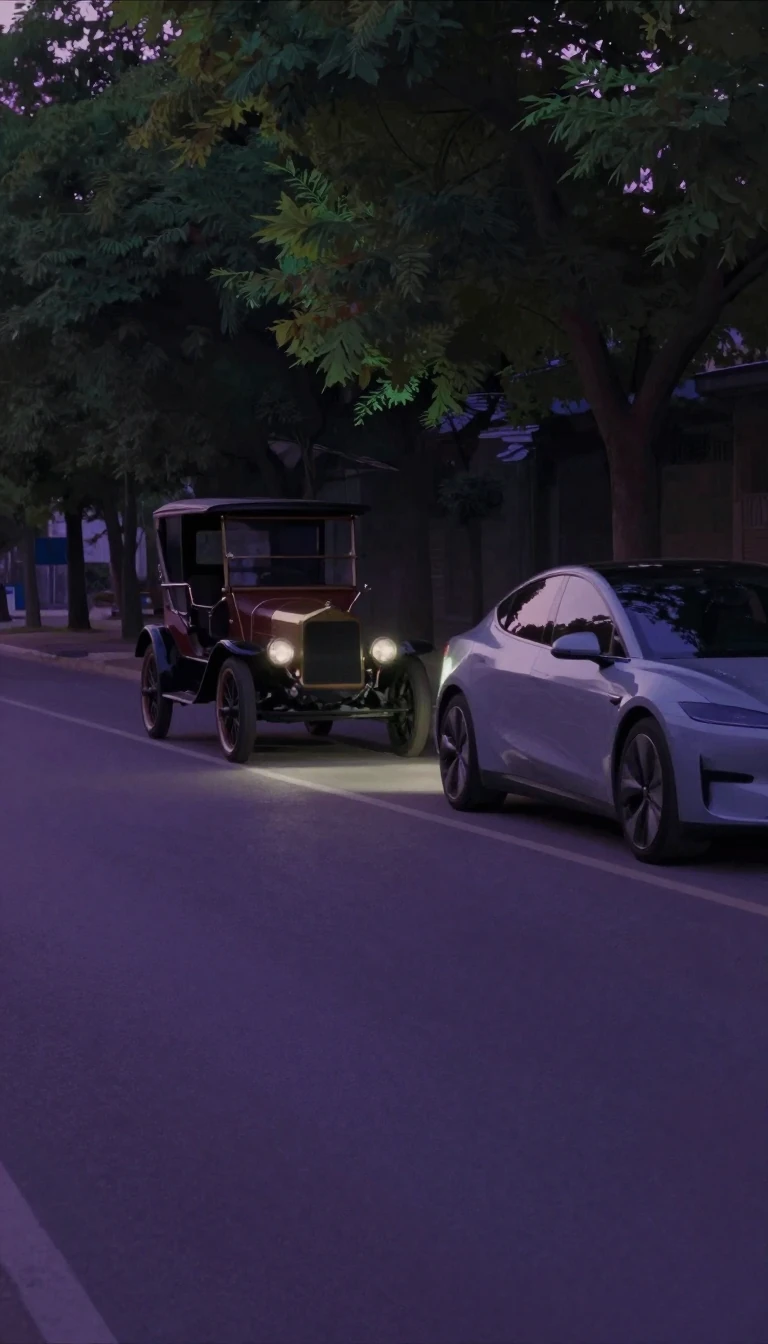 Chariot axles were greased with soap more than 3,000 years agoTraces of calcium soap have been found on chariot axles dating to 1400 BC, and the builders of the Egyptian pyramids slid their stones over timber soaked in oil. People have been …
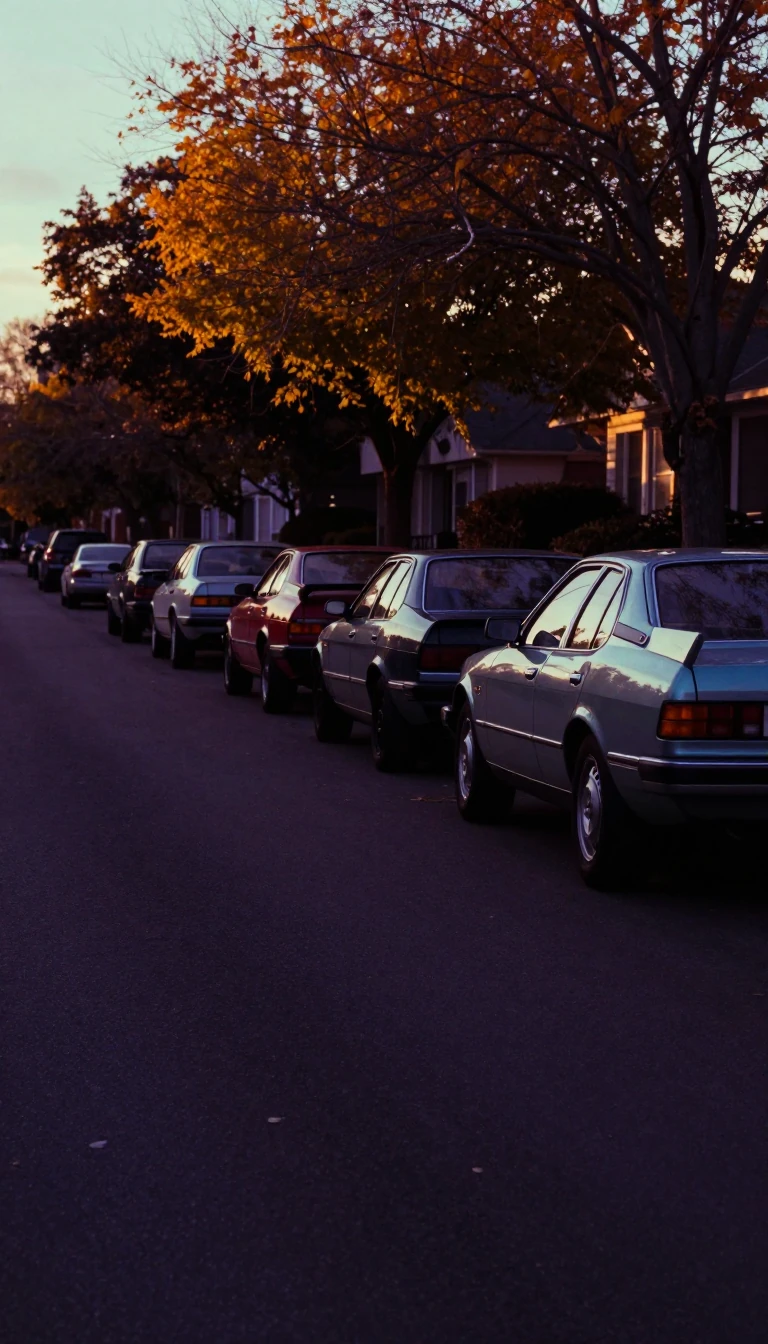 Most American pickup trucks spend their lives running errandsSurveys of Ford F-150 owners found that 87 percent often used their trucks for shopping and errands, while only 7 percent often towed anything. The pickup, once a bare-bones farm …
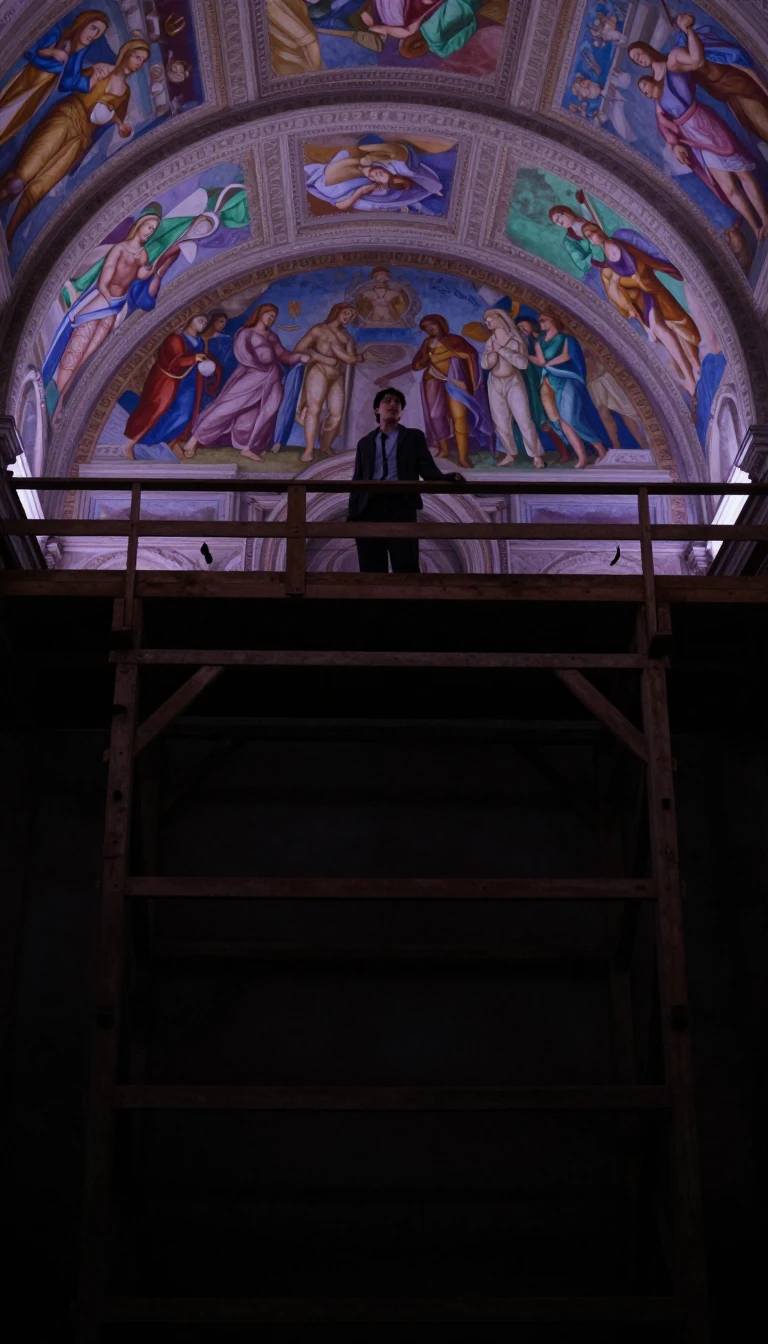 Plaster of Paris is named after the hill beneath MontmartreThe white powder in a plaster cast gets its name from a big gypsum deposit under Montmartre, the hill in northern Paris. Heat that gypsum in a kiln, grind it, add water, and it se…
 The first hybrid car was built in 1899 and could be charged before a driveFerdinand Porsche's Lohner-Porsche Mixte of 1899 was the first hybrid electric car, and early hybrids like it could be topped up from an outside source. The plug-in idea then slep…
 The Plymouth Barracuda was a family Valiant in a sporty fastback disguiseChrysler knew Ford was preparing a sporty compact, so on a tight budget it gave its sensible Valiant a fastback and a giant wraparound rear window. The Barracuda went on sale on A…
 PCBs were too stable for their own good, and now they sink to ocean trenchesPolychlorinated biphenyls barely burn, resist acids and heat, and refuse to break down, which made them perfect for cooling transformers. Those same traits turned them into one of…
 Your fizzy drink bottle and your fleece jacket are the same plasticCall it polyester when it is woven into clothes and PET when it is moulded into bottles. Either way it is one of the world's most common plastics, with 31 million tons produced in…
- Pontiac was meant as Oakland's sidekick and swallowed its parent within seven yearsGeneral Motors launched Pontiac in 1926 as a cheaper companion to its Oakland cars. The newcomer sold so well that by 1933 Oakland was gone. Pontiac lasted until a white G6 rolled…
 MIDI succeeded because its inventors gave it awayIn the early 1980s a Roland keyboard could not talk to a Yamaha or an Oberheim; each maker guarded its own connection scheme. Roland's president and a Californian synth builder de…
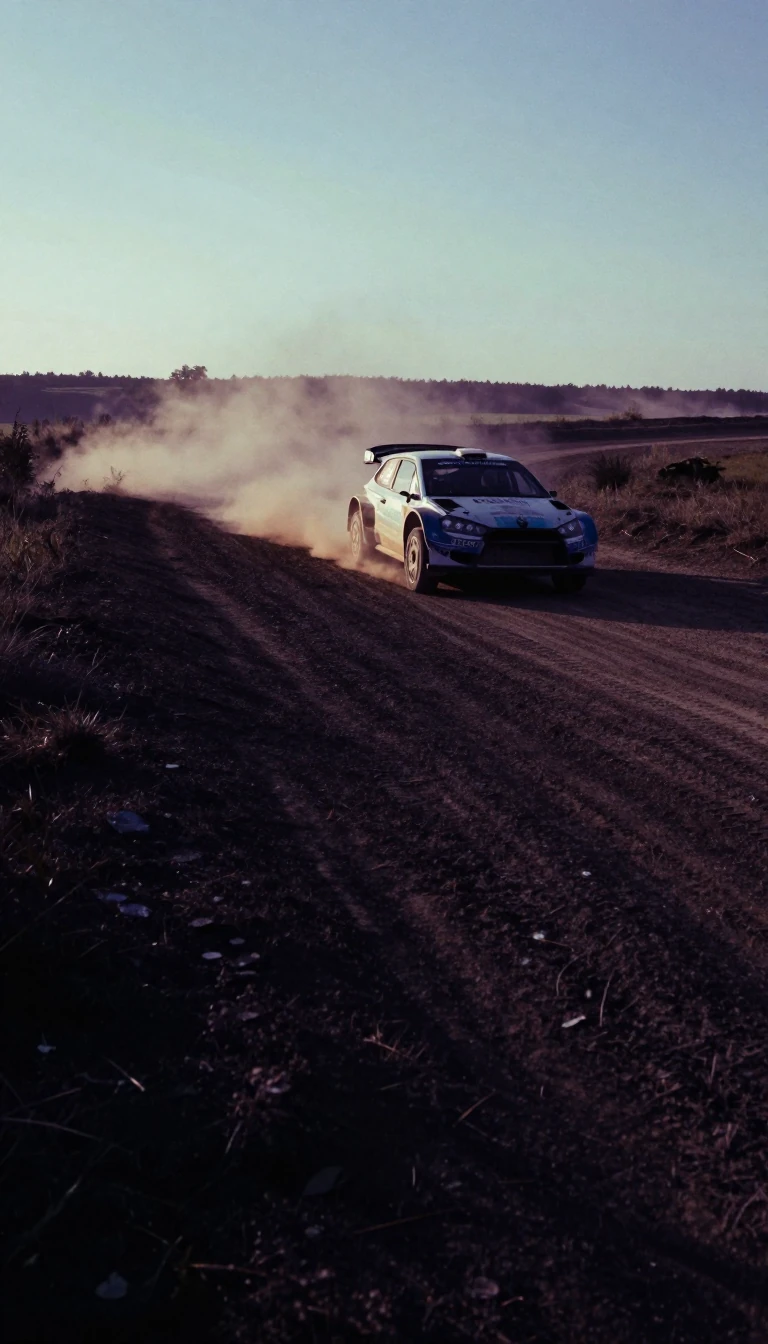 The Lotus Elise proved that shedding weight beats adding horsepowerThe first Lotus Elise had just 118 brake horsepower, modest even for a family hatchback, yet it reached 60 mph in 5.8 seconds. The trick was weight: only 725 kg. The car took its …
- Chilling natural gas to minus 162 shrinks it six hundredfoldNatural gas is bulky and hard to keep from leaking, which is why oil drillers long treated it as an unwanted byproduct. Cool it to about minus 162 °C, though, and it condenses int…
- The fastest production car depends on what you call productionIn 2010 a Bugatti Veyron Super Sport averaged 431.072 km/h over two runs, yet within three years Guinness declared the record invalid, then said it was under review, then confirme…
 The cheaper, safer battery chemistry quietly taking over electric carsLithium iron phosphate batteries store less energy per kilogram than the nickel-rich cells in premium electric cars. They win anyway on price, safety and lifespan, using iron and …
- The clustering method born at Bell Labs waited 25 years for publicationIn 1957 Stuart Lloyd of Bell Labs devised a simple loop for squeezing signals into fewer values: sort points to their nearest centre, move each centre to the average of its points…
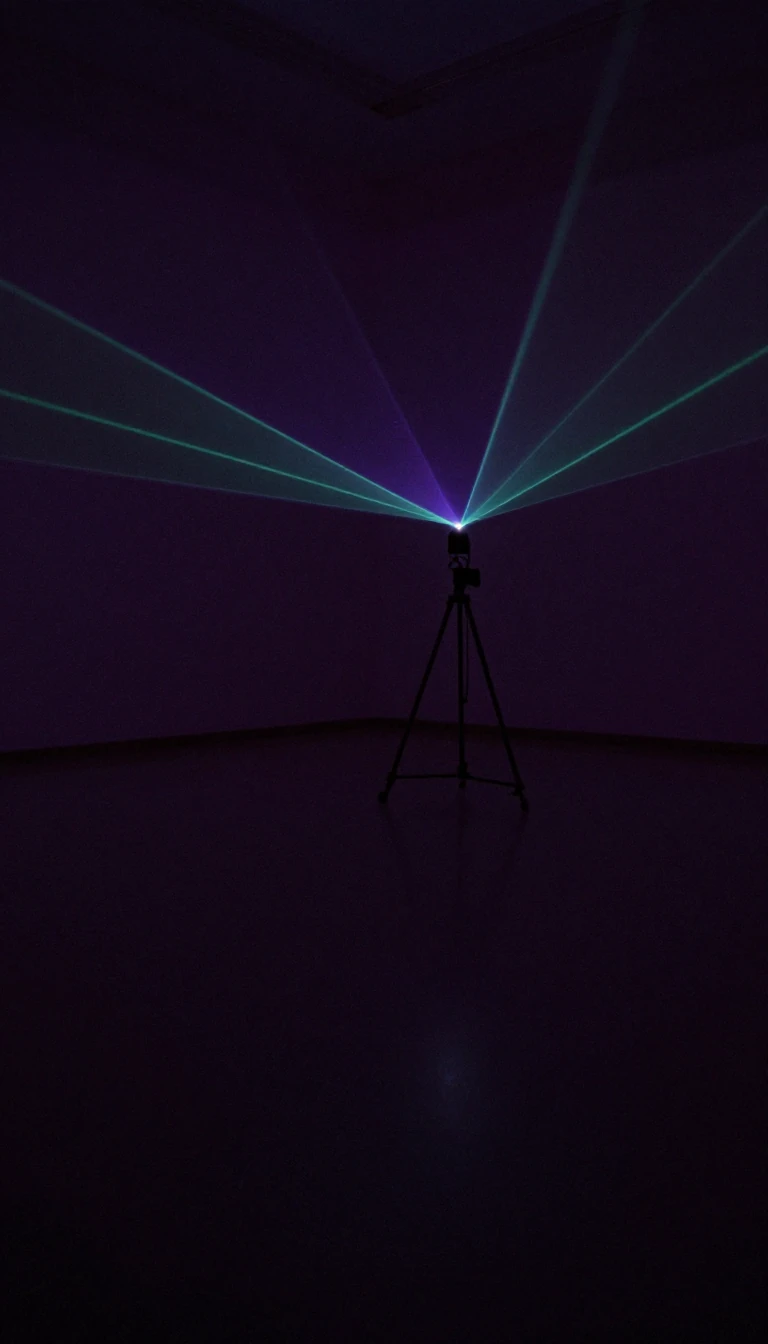 Lidar measures the world by timing how long reflected light takes to returnFire a laser pulse, wait for the reflection, multiply the round-trip time by the speed of light and halve it. That simple trick, first tried for tracking satellites in 1961, now m…
 Light rail is the streetcar that cities scrapped and then reinventedAfter the 1950s, cities across Britain and America ripped out their trams in favour of cars and buses. West Germany upgraded its networks instead, adding tunnels, bigger vehicles …
- MSN began as a dial-up service launched alongside Windows 95On August 24, 1995, Microsoft released Windows 95 and, with it, The Microsoft Network, a paid dial-up online service. Three decades later MSN is a free news portal. In between, th…
- The first car designed purely to win rallies, and it didTo win Lancia's business, the designer Nuccio Bertone built a wild wedge-shaped concept on a friend's Fulvia running gear and drove it to the factory, passing underneath the gate …
 The heavy 1859 battery that still starts nearly every car engineGaston Planté rolled two lead sheets into a spiral, soaked them in dilute sulfuric acid, and in 1859 created the first battery you could recharge by pushing current backwards thro…