 Intellect Plus
Technology
10,995 cards. Each one is a 40-second story with a five-minute read behind it. Page 174 of 184.
Subtopics: 3D printing & manufacturing · AI & machine learning: practical · Aircraft · Automata · Aviation · Batteries · Binary · Biotechnology · Bridges · Cameras & imaging · Cars · Chemical engineering · Chips · Codes · Compression · Computing · Computing and information technology · Computing history · Cryptography · Cybersecurity · Electric vehicles · Electronics · Energy · Engineering · Everyday tech · Famous patents · Future Frontier · How it works · How Things Work: GPS to the Phone · How Things Work: Jets, Propellers and Ships · Industry · Infrastructure · Internet · Inventions · Inventors · Machinery and tools · Maths · Media and communication · Medical technology · Medieval clockmaking · Mercedes-Benz Engineering · Military technology · Motorbikes · Navigation and timekeeping · Networks · Nuclear power · Optical technology · Physics · Pioneers · Programming · Programming languages · Radar · Radio · Researched · Robotics: practical · Robots · Rockets · Security · Semiconductors · Ships & boats · Skyscrapers · Smartphones · Software · Sound & audio technology · Spaceflight · Super-series Wave 1: Car To Wheels · Super-series Wave 1: From Power Station To Pc · Super-series Wave 1: The Journey Of Crude Oil · Technology today · Technology: General · Textiles · Trains & locomotives · Transportation · UK & Ireland: inventions · Video game technology · Web · Wireless
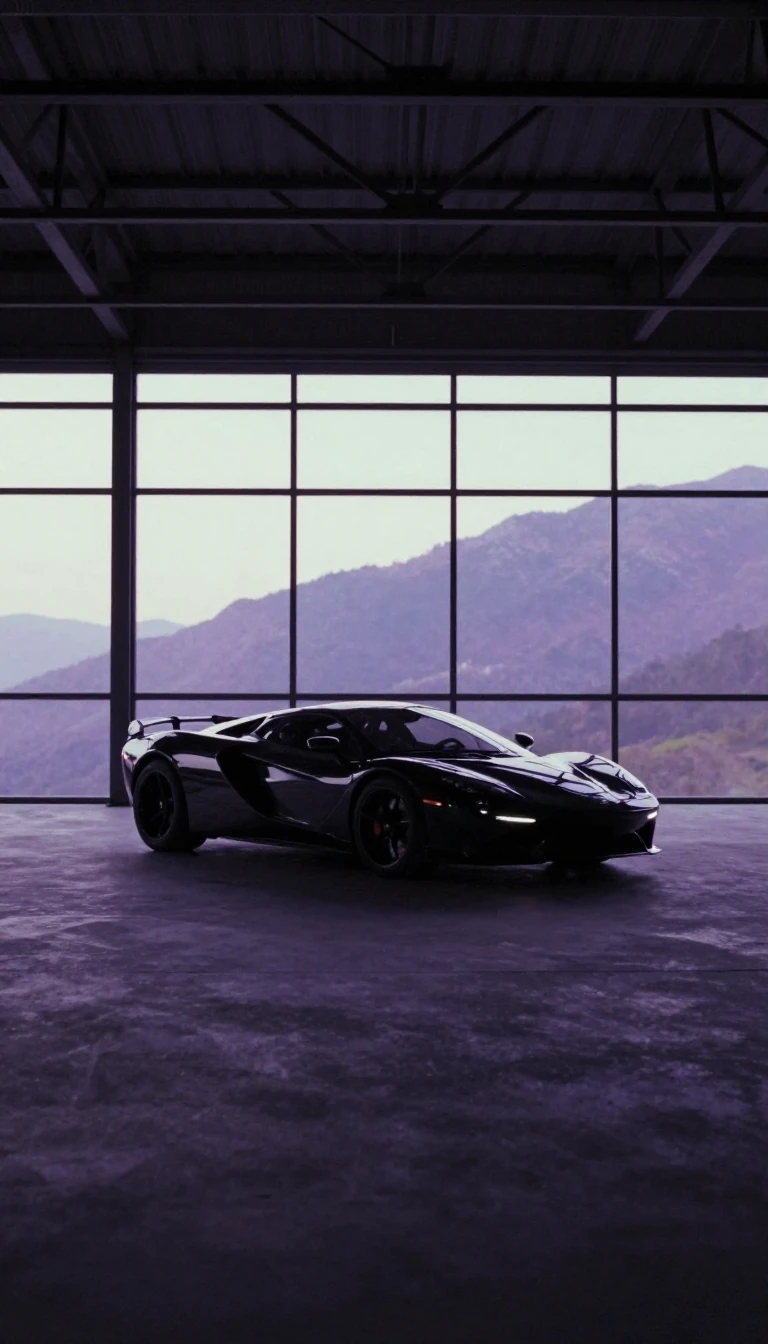 BMW's futuristic i8 supercar ran on a small three-cylinder engine plus electricityWith butterfly doors and a spaceship profile, the BMW i8 looked like a supercar, and it reached 100 km/h in 4.4 seconds. Under the rear sat a 1.5-litre three-cylinder petrol engin…
- BMW's first mid-engined supercar was meant to be built by LamborghiniBMW wanted a purpose-built racer to take on Porsche, and rules demanded hundreds of road versions first. It hired Lamborghini to build them, watched the Italian firm's finances cr…
 BMW's i3 electric car had a carbon-fibre cabin and door panels made from hempWhen BMW built its first mass-produced zero-emissions car, it started from a blank sheet. The i3's passenger cell was carbon-fibre plastic glued, not welded, by 173 robots in Leip…
 Bananas and pumpkins are berries, but strawberries and raspberries are notTo a botanist, a berry is a fleshy fruit grown from the ovary of a single flower, and that rule produces some surprising results. Tomatoes, grapes, aubergines, bananas and even wa…
 How Detroit's Big Three dominated carmaking and then watched Japan catch upGeneral Motors, Ford and Chrysler, all based around Detroit, were once the three biggest carmakers on Earth. Then Toyota passed GM worldwide in 2006, overtook Chrysler in American…
- Two BMW engineers secretly built the same hot rod, and the 2002 was bornBMW's product planning chief and the designer of its M10 engine each dropped a two-litre motor into a small 1600-2 for their own use, without telling the other. When they discover…
- BMW's first 2 Series coupé found its biggest fan base in AmericaBuilt in Leipzig from late 2013 to 2021, the first 2 Series coupé and convertible replaced the 1 Series two-doors with a slightly bigger, sleeker car. Despite its German roots, th…
 Generation after generation, the BMW 3 Series kept piling up firstsSince May 1975, the 3 Series has been the car that pays BMW's bills, making up around 30% of the brand's yearly sales. It began as a single two-door saloon and grew into estates, …
- BMW's 6 Series changed shape with almost every generation it lived throughBMW's grand tourer began in 1976 as a sleek two-door coupé, disappeared for 14 years, came back with a convertible, gained a four-door Gran Coupé, and finally reinvented itself as…
 The humble tuk tuk grew from a 1931 Japanese truck into a global taxiBangladesh may now run the biggest informal electric vehicle fleet on Earth: roughly 4 million unregistered battery-powered auto rickshaws by 2025, up from 200,000 in 2016. The th…
 How the automatic gearbox won America first and Europe much laterBy 1957, more than 80 percent of new American cars shifted their own gears, yet as late as 1997 only about one European car in ten did. Cheap fuel explains part of the gap, since …
 China's car industry grew from four state giants to roughly 150 brandsAround 150 car brands are active in China today, 97 of them homegrown, in the largest automotive industry anywhere. For decades foreign carmakers could only enter through partners…
 BAIC went from copying a Soviet saloon to owning part of MercedesIn December 2021 a Beijing state carmaker became the single biggest shareholder in the company behind Mercedes-Benz, holding 9.98 percent. BAIC started out in 1958 building a car …
 Banknotes evolved from promises of silver into plastic and hologramsA banknote began as a bank's written promise to hand over gold or silver coin on demand. The Bank of Scotland started issuing its own in 1696 and has never stopped, the longest un…
 Carl Benz's three-wheeled Motorwagen changed shape several times before saleCarl Benz filed his patent for a motor carriage on 29 January 1886, but the machine in the drawings had already moved on. His three-wheeler kept evolving through at least three st…
- The Audi A4 set Volkswagen's quality benchmark across five generationsWhen the first Audi A4 appeared in 1994, parent company Volkswagen declared it the build quality yardstick for every model it made. Over the next three decades the compact executi…
 Audi's R8 supercar was hand-built at Neckarsulm and driven by Iron ManSeventy workers fitted 5,000 parts by hand to build each Audi R8, and ninety-five lasers then checked the finished car in five seconds. The mid-engined two-seater, launched in 200…
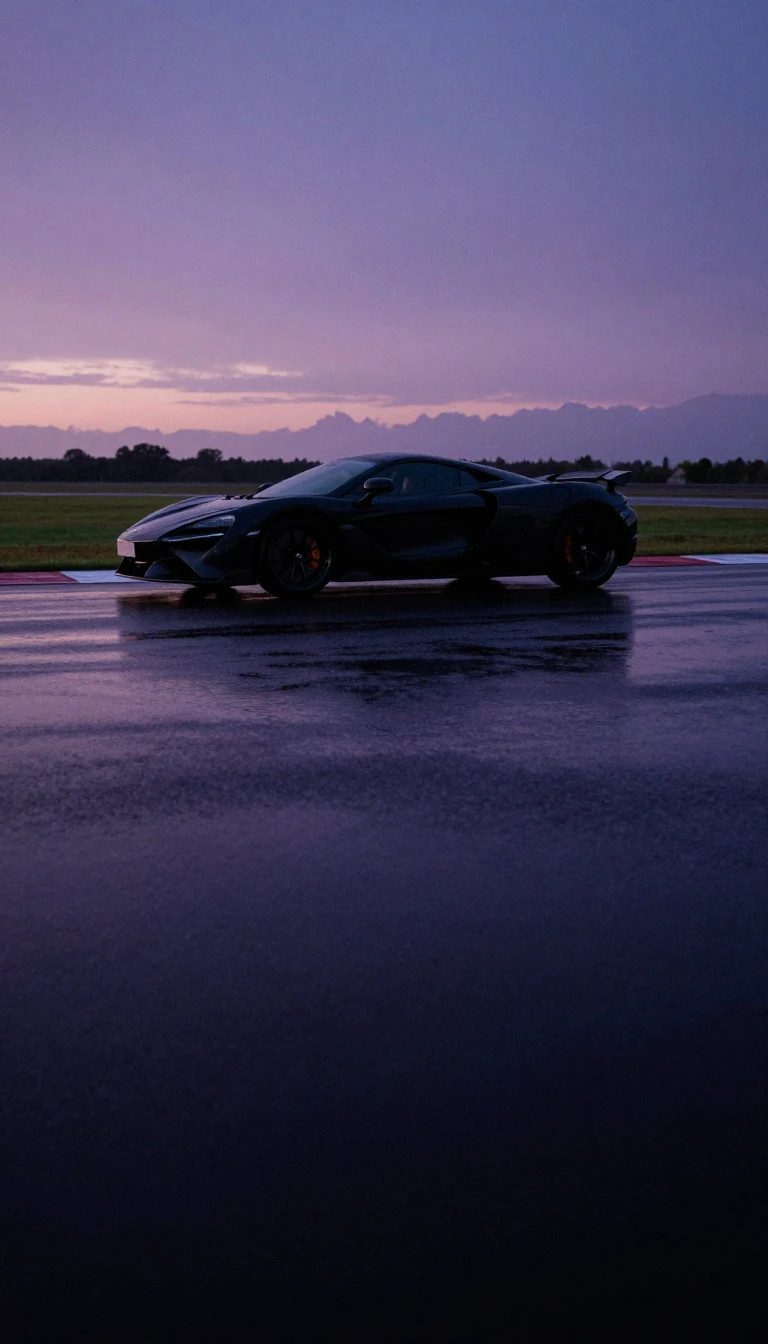 The Audi TT borrowed a motorcycle race name and a Bauhaus shapeAudi's rounded little sports car took its initials from the Isle of Man Tourist Trophy, a motorcycle race where its predecessor NSU first competed in 1907. Sketched in California …
 A Wisconsin paper town switched on America's first central hydroelectric stationOn September 30, 1882, a plant on the Fox River began sending hydroelectric power from a central station, a first for the nation. Its customers were Appleton's paper mills and a m…
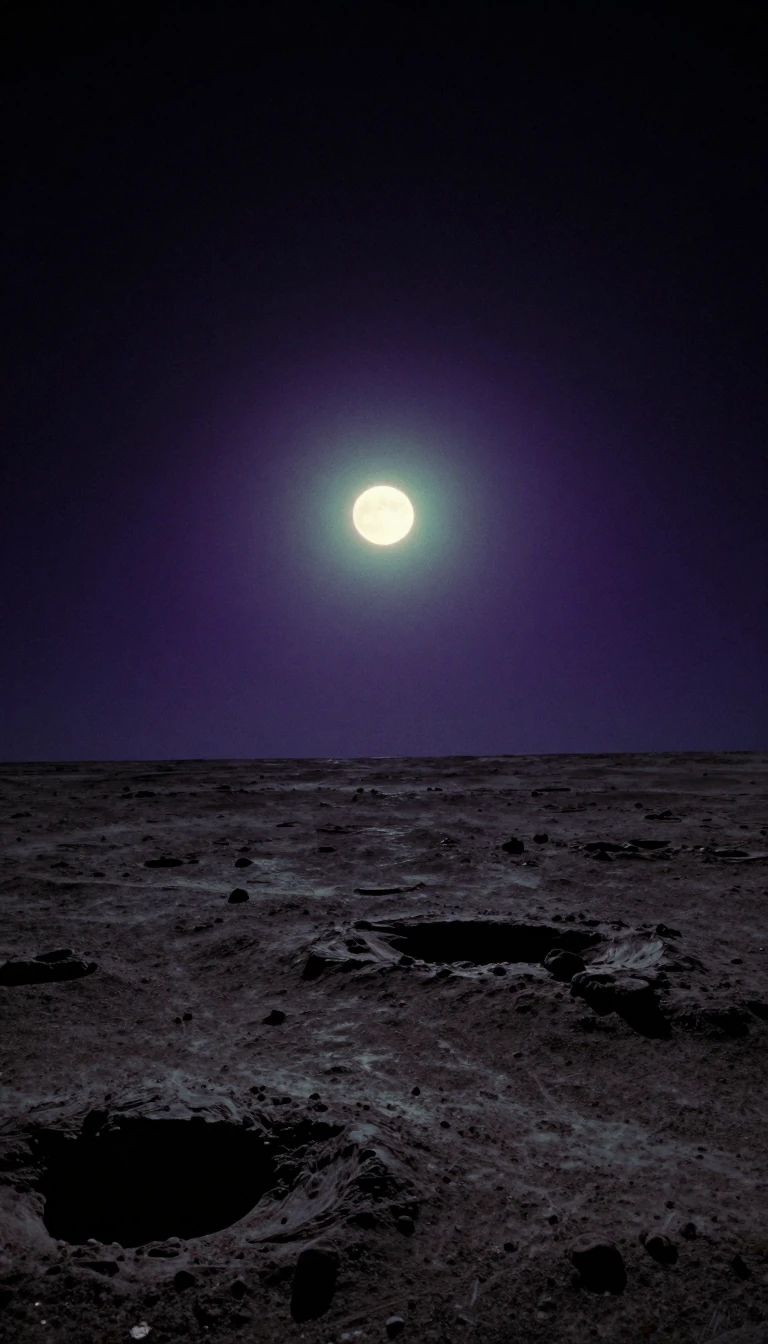 Earth is farthest from the Sun in July, yet northern summers run warmerEvery early July our planet swings out to its most distant point from the Sun, catching only about 93.55 per cent of the sunlight it gets in January. Northern summer happens anywa…
 Arcologies promised whole cities in a single building, and mostly stayed fictionPaolo Soleri fused architecture and ecology in 1969 into one word for a dream: a single towering structure holding homes, shops and farms, needing little from outside. Half a cent…
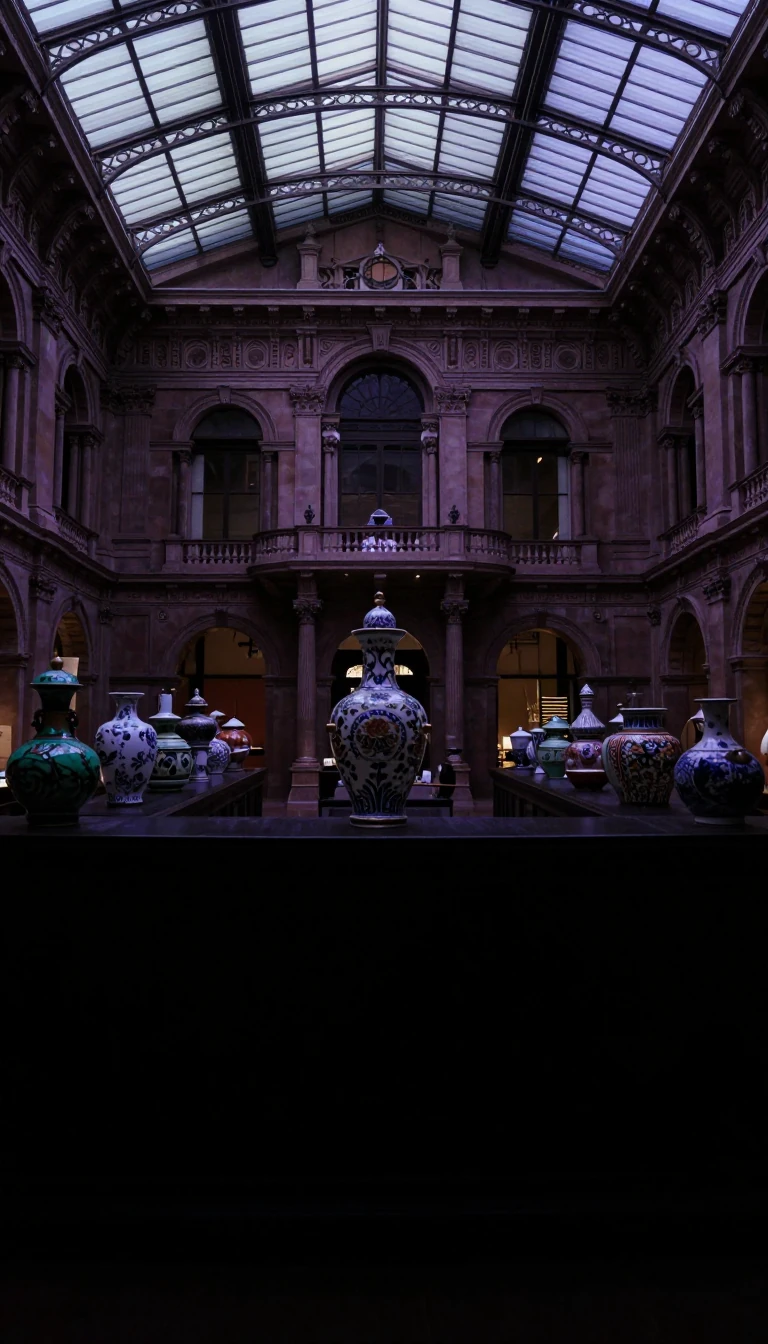 How a Tyneside shipyard helped turn weapon-making into a global tradeIn 1884 William Armstrong opened a yard at Elswick that, for a time, was the only factory anywhere able to build a battleship and fit every gun aboard it. Cruisers from that works…
 Aston Martin survived seven bankruptcies, once changing hands for just 101 poundsJames Bond's DB5 made Aston Martin a symbol of British glamour, but the balance sheet rarely matched the image. The firm has gone bust seven times. In 1972 David Brown cleared deb…
 A Victorian patent dodge now helps hybrid cars squeeze more miles from fuelJames Atkinson built odd engines in the 1880s partly to sidestep patents protecting Nikolaus Otto's four-stroke design. His real insight lay elsewhere: let the piston expand farth…
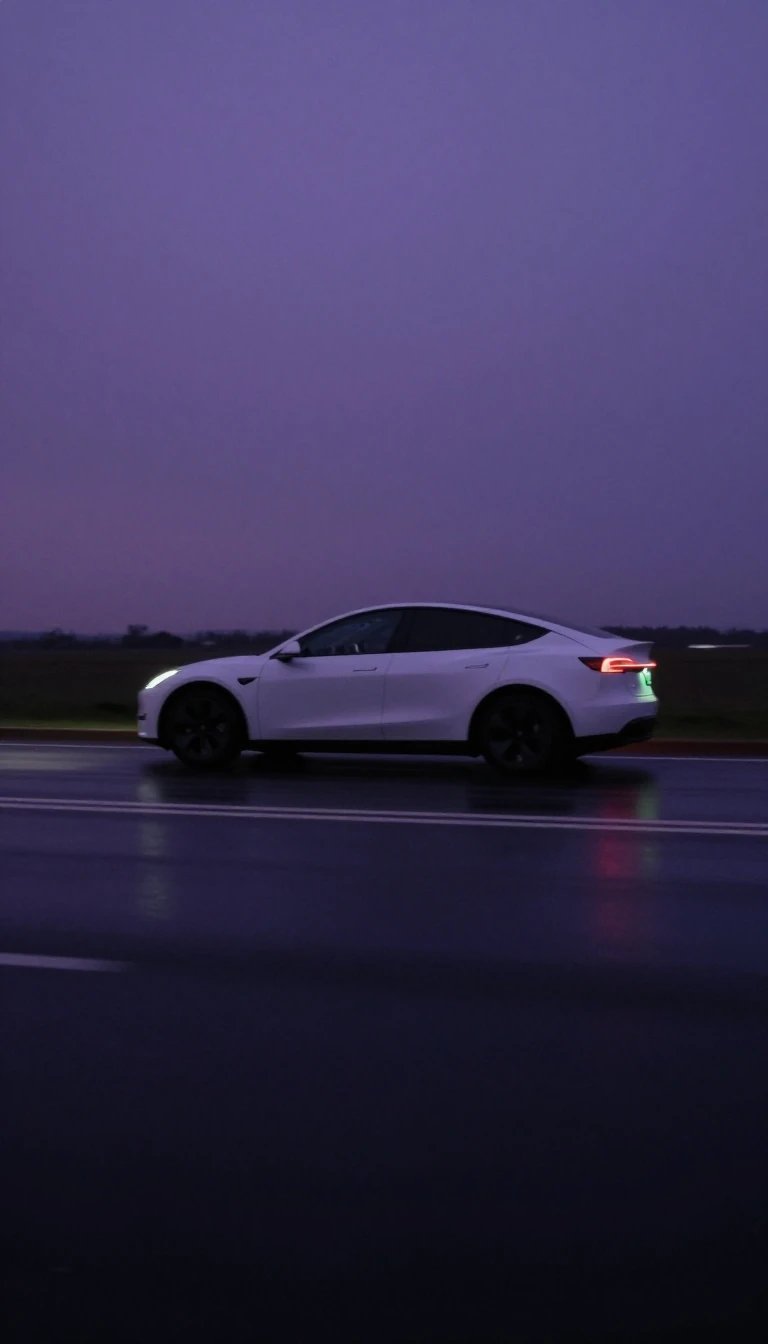 American Motors, the small carmaker that fought Detroit's giants with compactsWhile Ford, General Motors and Chrysler kept building bigger cars in the 1950s, American Motors bet on small ones. Its boss called it a dinosaur-fighter strategy, and the compact …
 Refrigerated railcars turned a failing St. Louis brewery into Budweiser countryAdolphus Busch borrowed the name Budweiser from a Bohemian town his beer had nothing to do with. What made it America's first national brand was logistics: pasteurisation, mechani…
- Anthracite, the smokeless hard coal that blockade runners and railways prizedMost coal smokes and stains; anthracite does neither. This dense, glossy fuel burns with a short blue flame and almost no soot, which is why Confederate blockade runners fed it to…
- Anti-lock brakes began on aircraft and railways long before they reached carsSkilled drivers once pumped the brake pedal to stop a skid. Anti-lock brakes automate that trick, easing pressure on any wheel about to lock many times faster than a human could, …
 How apocrypha went from secret sacred books to a word for dubious storiesCall a tale apocryphal today and you mean it is probably untrue. The word once implied almost the opposite: texts kept hidden because they held knowledge judged too deep or holy f…
 How a simple linguistic joke helped democratize the entire internetBefore the late 1990s, publishing online required technical mastery of HTML and FTP. Today, billions of posts flow seamlessly. The transition from elite hacker diaries to a global…
 The Liberty Bell spent nine months hidden under an Allentown church floorWhen the British were about to take Philadelphia in 1777, patriots feared the State House bell would be melted into ammunition. Two farmers hauled it north by wagon to a small tow…
- Alpine's revived A110 sold out its launch run in one weekendAlpine limited its launch edition of the reborn A110 to 1,955 cars, a nod to the year the brand was founded. Buyers had to put down 2,000 euros through an app before seeing the fi…
 Aluminium is everywhere in Earth's crust, yet almost never found as metalAluminium ranks third among elements in Earth's crust, behind only oxygen and silicon, but nature almost never leaves it lying around as a bare metal. It clings to oxygen so fierc…
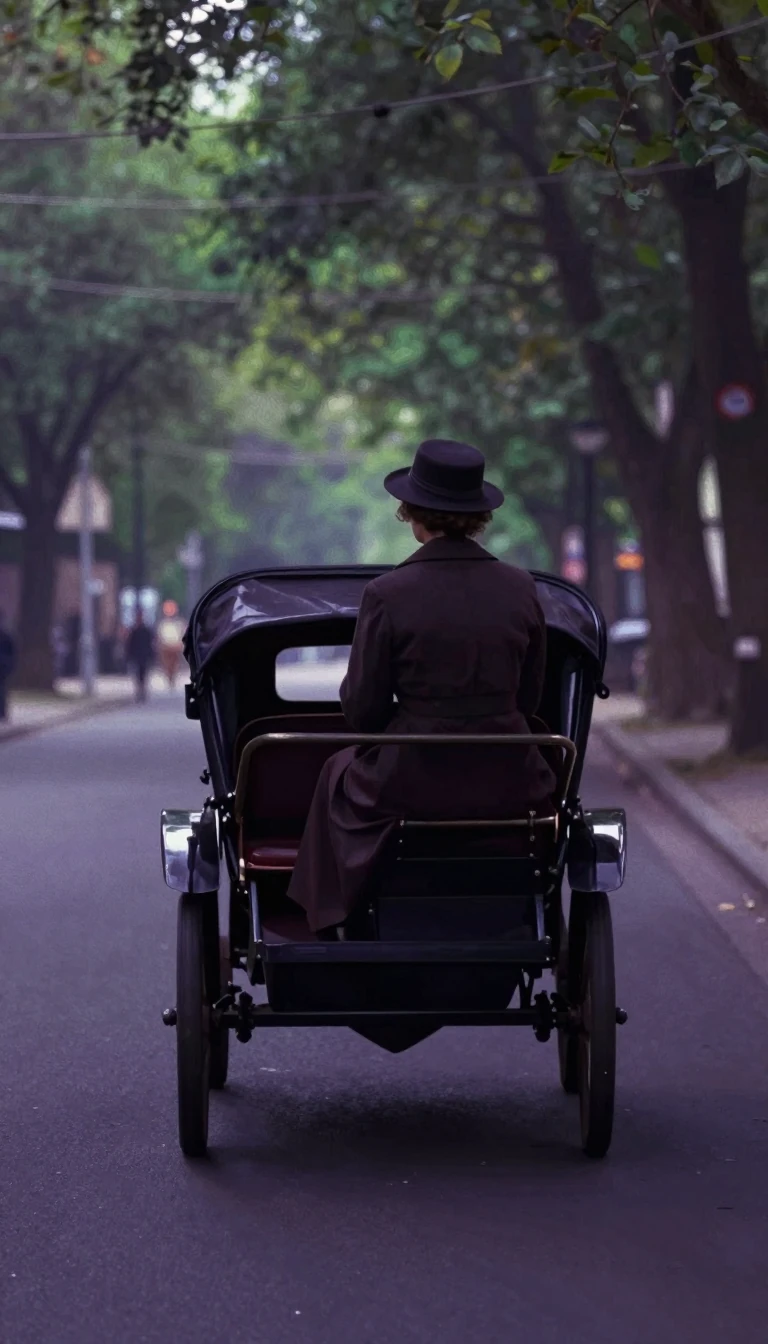 The AMC Gremlin was reportedly sketched on an airline sick bagAMC design chief Dick Teague said the idea came to him mid-flight: take a car and simply chop off its tail. He claimed he drew it on an air sickness bag. The result, named after a…
- AMC's Javelin adverts showed a Ford Mustang being smashed with sledgehammersCar advertising in the 1960s politely ignored the competition. American Motors did the opposite. Its campaign for the new Javelin put the car side by side with the Ford Mustang, a…
 Spain's Alfonso XIII was king from birth and a Nobel Peace nomineeAlfonso XIII never knew a day when he was not king. His father died months before he was born, so the crown passed to him the moment he arrived in 1886. Decades later he remains t…
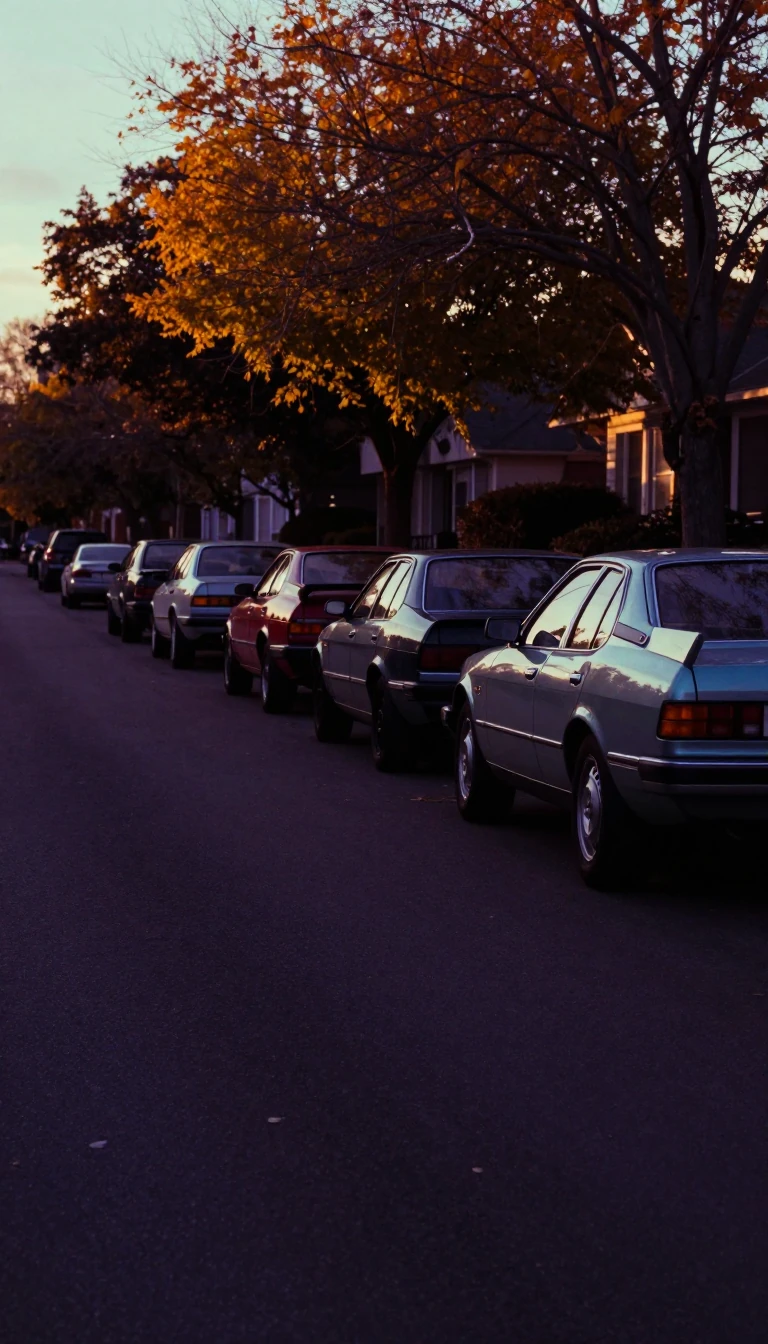 The 1932 Ford put a V8 within reach of ordinary buyersFor ten dollars more than its four-cylinder twin, a 1932 Ford buyer could drive home with a V8, an engine that until then had belonged to Lincoln. Almost nobody chose the cheaper …
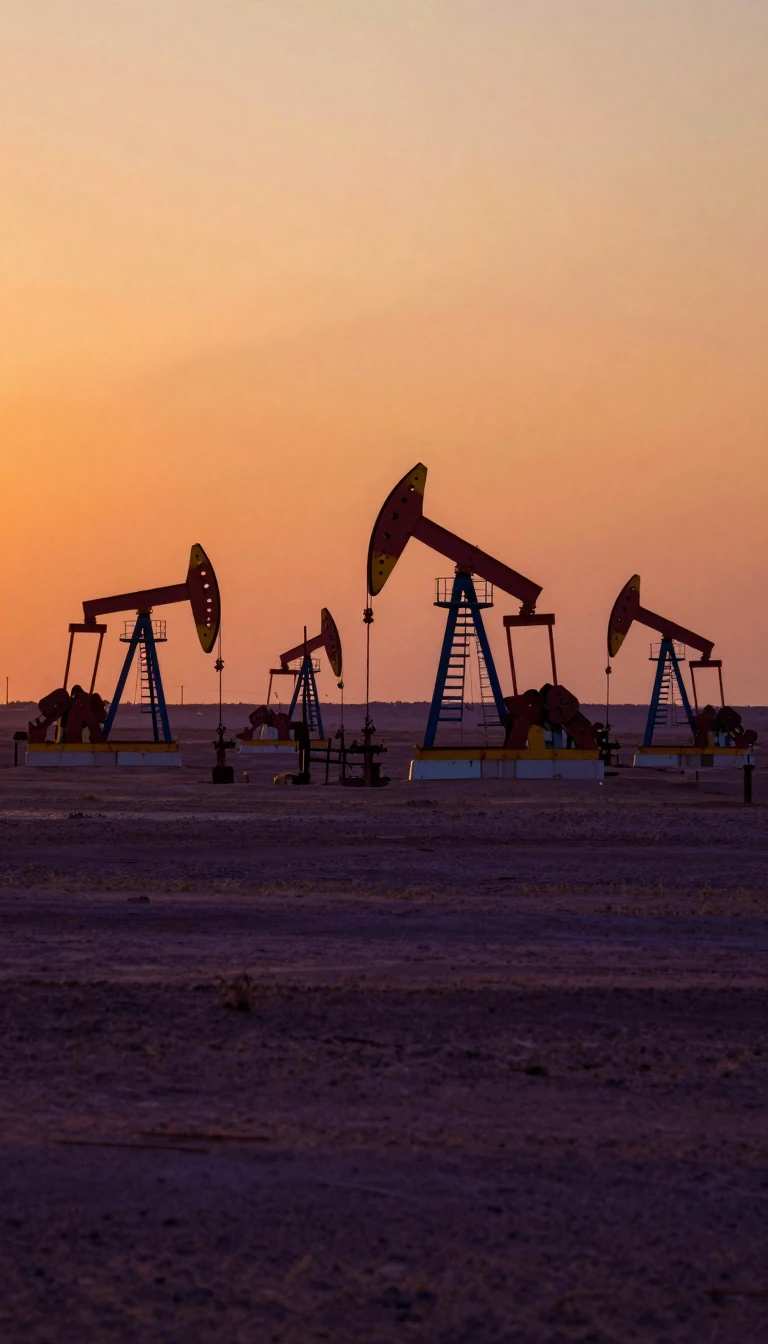 The 1970s oil shocks began with quietly peaking wells, not just embargoesMost people remember the 1970s energy crisis as a story of embargoes and petrol queues. Underneath it ran a slower shift: American oil output had already peaked around 1970, leavi…
- The AC Cobra was a British roadster shipped to California for its heartEvery early AC Cobra crossed the Atlantic unfinished. Craftsmen in Surrey built and painted the aluminium-bodied cars, then sent them without engines to Carroll Shelby in Los Ange…
 Why radiation sickness hits fast-dividing cells firstRadiation sickness is less a single illness than a sliding scale. The dose a body absorbs in a short burst decides which organs falter and how quickly, because ionising radiation …
 After winning the Second World War, Britain rationed bread for the first timeBritain got through six years of war without ever rationing bread. It started in 1946, a year after victory. Winning had drained the country's wealth, American support stopped alm…
 How a single software acquisition transformed the way we consume digital mediaBefore streaming dominated our lives, one application acted as the central nervous system for digital entertainment. Originally a simple music organizer, iTunes expanded into a ma…
 The invisible numeric code that organizes the world's librariesEvery time you pick up a new paperback or download an ebook, a unique string of digits is working behind the scenes. This isn't just a random serial number; it is a sophisticated …
 How a wartime innovation became the ultimate tool for survivalFrom sealing ammunition boxes in 1943 to saving astronauts on Apollo 13, duct tape is more than a hardware store staple. This versatile adhesive, born from a soldier's letter to P…
- The word van is simply a shortened caravan, and means different things everywhereVan began as a clipped form of caravan, first recorded for a covered goods wagon in 1829. Today an American might mean a minivan or a box trailer, a Briton means something that ca…
 Formula One cars carry wings too, only mounted upside downAn aircraft wing is shaped and angled to push air downward, so the air pushes the wing up. Flip that same device over and bolt it to a racing car, and it presses the tyres into th…
 In San Francisco, three right turns make a leftAt many busy San Francisco junctions, turning left across oncoming cars is banned, so drivers circle the block with three right turns, a move locals call a San Francisco left. Tai…
 Walking for fun was once a sign of poverty, until the Romantics changed thatFor most of history, travelling on foot marked you as poor or a vagrant, unless you were a pilgrim. Only in 18th-century Europe, as Romantic attitudes to nature spread, did follow…
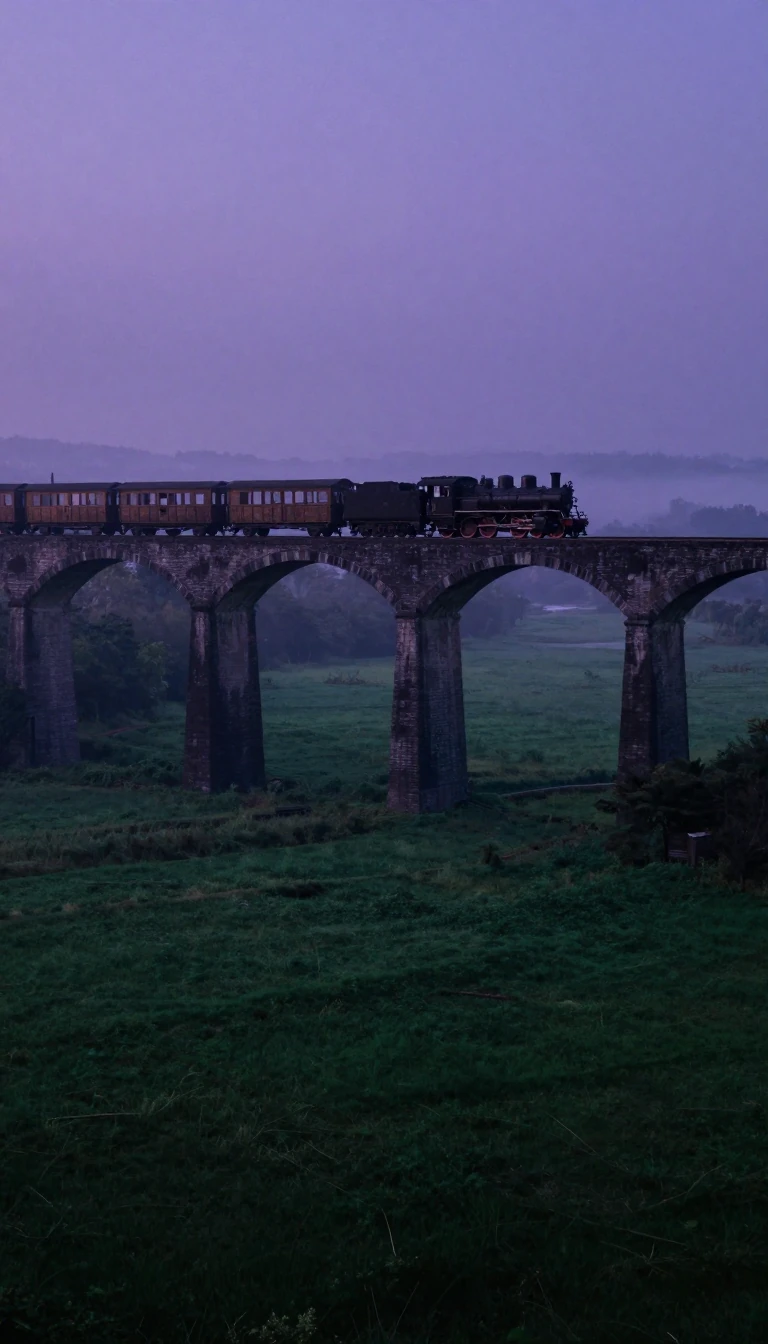 Rail uses about a twelfth of the energy of cars and planes per passengerAccording to the International Energy Agency, moving a passenger one kilometre by rail takes roughly 12 times less energy than by private car or plane, and emits 7 to 11 times les…
 The world's oldest station for steam trains spent decades as a pubHeighington station in north-east England opened in 1827 on George Stephenson's Stockton and Darlington line, served by Locomotion No. 1. After trains stopped using it in the 1970…
 Two British-built icebreakers once carried the Trans-Siberian across Lake BaikalBefore tracks wrapped around Lake Baikal, the railway simply stopped at each shore. An icebreaking train ferry, designed by a Russian admiral, built in Newcastle, taken apart into…
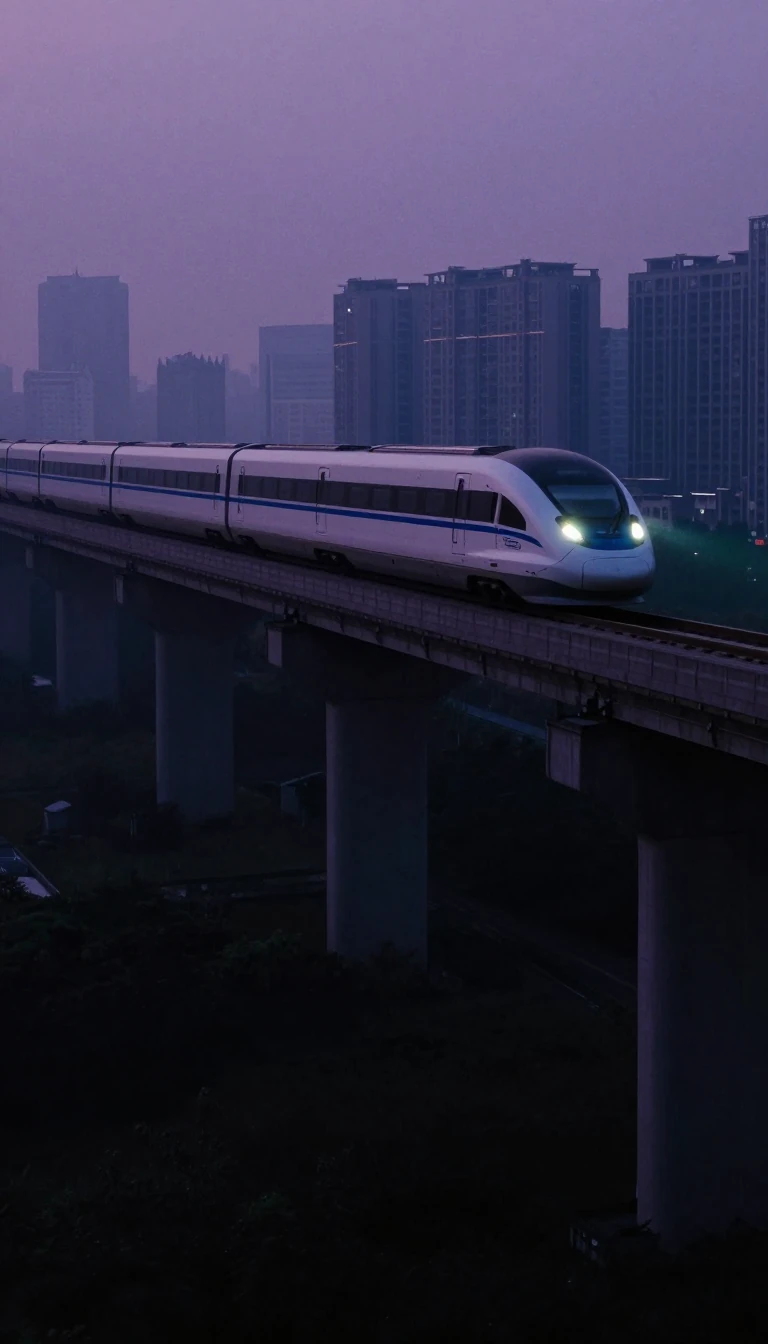 Shanghai's commercial maglev outruns even the fastest high-speed trainsSpecially built high-speed rail lines let trains reach about 350 kilometres an hour. Shanghai's commercial maglev, floating on magnets, runs at 460. Only aircraft and rockets are …
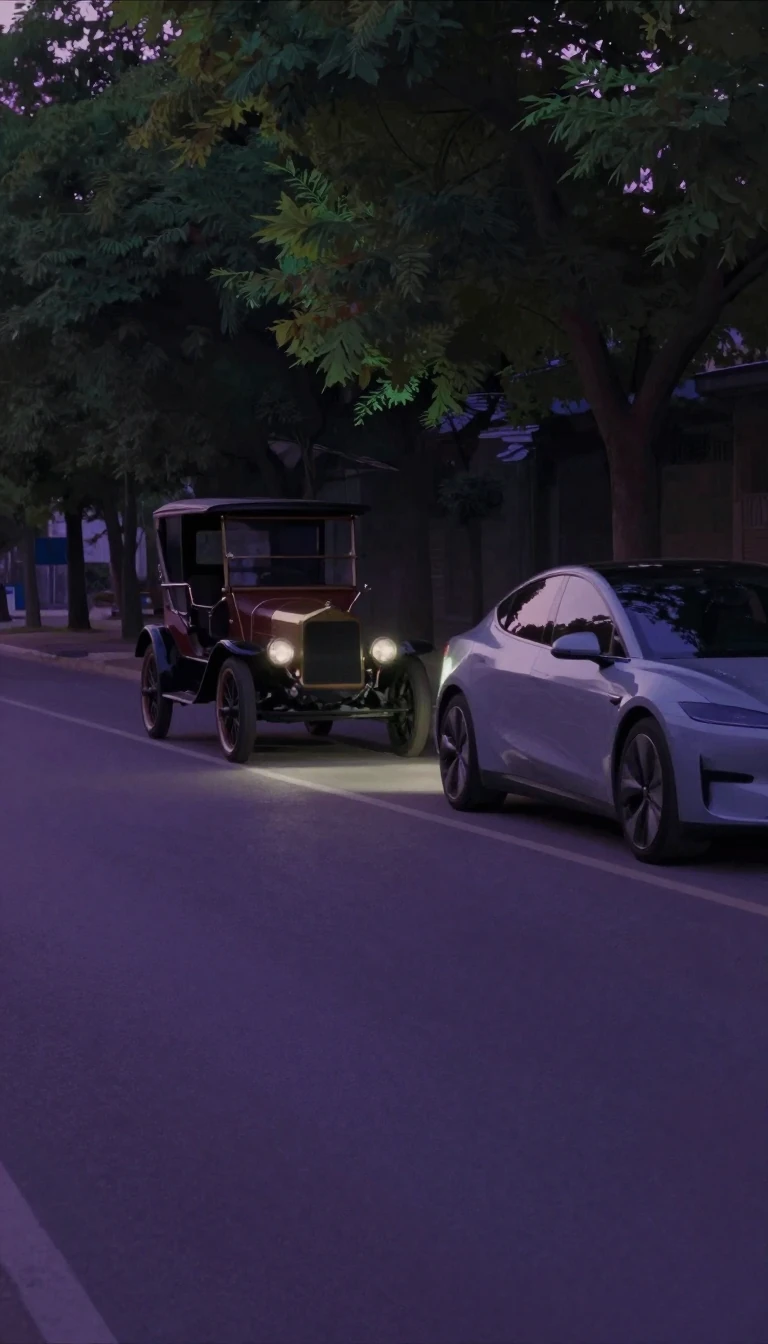 Electric trucks are older than petrol ones, and are now making a comebackBattery-powered goods vehicles have been on sale continuously since the mid-19th century, before Karl Benz built the first combustion-engined truck in 1895. Liquid fuels, packing …
 A Hollywood actor who loved model planes helped launch the drone industryReginald Denny was a film star with a passion for model aircraft. In 1935 he built the first scaled remotely piloted vehicle, and in 1940 he founded the Radioplane Company, whose …
 A grieving railroad tycoon built Stanford in memory of his teenage sonWhen Leland Stanford Jr. died of typhoid in 1884 at just 15, his parents, the railroad magnate and senator Leland Stanford and his wife Jane, decided to found a university in his …
 Why the humble screw propeller, not the paddlewheel, made ocean steamers workEarly steamships churned the sea with paddlewheels, which lost much of their power whenever cargo made the hull sit deeper. Swapping them for a fully submerged screw propeller, wh…
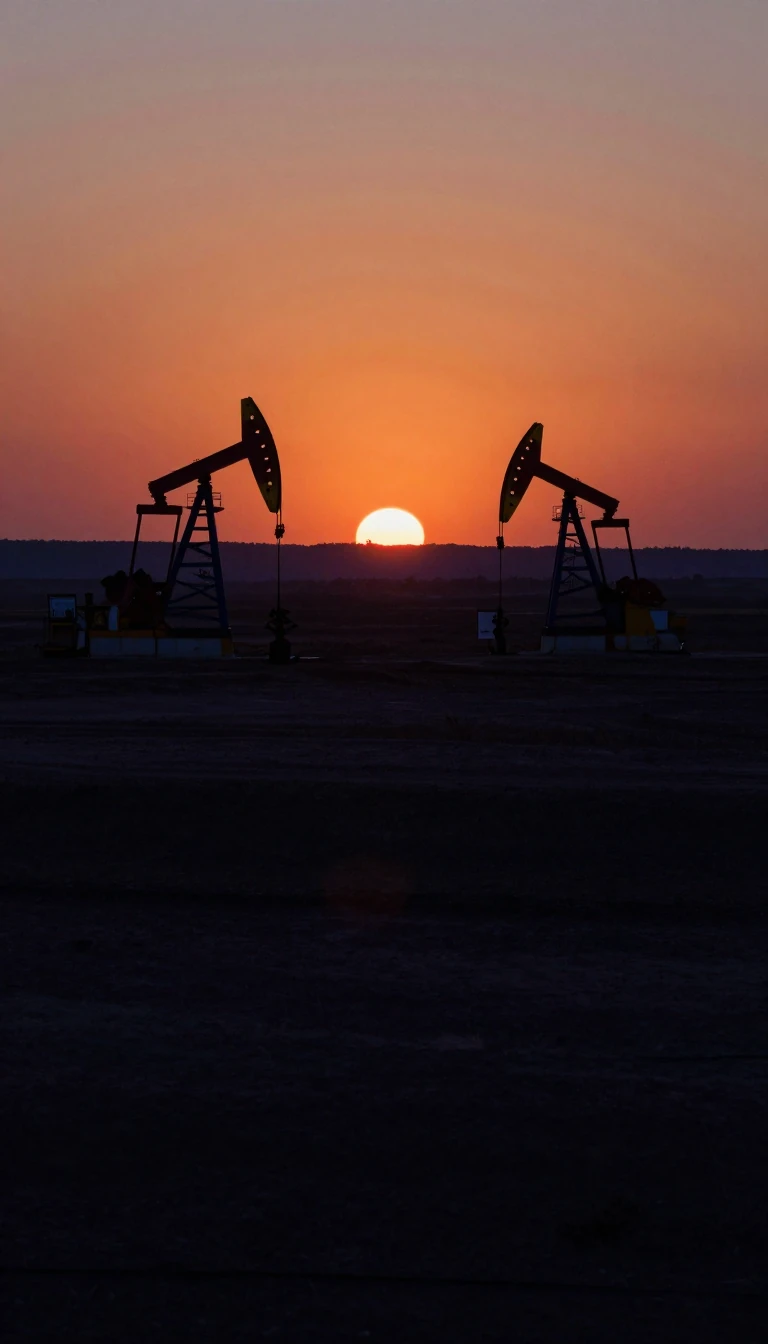 Oil spills from tankers fell by 99.8 percent between 1979 and 2020In 1979, tanker accidents dumped about 636,000 tonnes of oil into the sea across 92 incidents. By 2020 the figure had shrunk to around 1,000 tonnes from just three, an all-time lo…
 Before Henry Ford's Fordson, farm tractors were heavy steam giants that sank in English mudThe first tractors were steam engines worked in pairs at opposite edges of a field, winching a plough back and forth on a wire cable. Direct-ploughing steam machines struggled in …
 Shipping Roman grain across the Mediterranean beat carting it 15 milesBy one estimate, a Roman merchant ship could carry grain the full length of the Mediterranean for less than it cost to haul the same load 15 miles by road. That arithmetic fed the…
- Commercial sailing ships kept hauling cargo until around 1960Steam did not sweep sail off the oceans overnight. Early steamers burned so much fuel that they mostly towed sailing ships or carried mail on short, pricey routes. Only in the 188…