 Intellect Plus
Technology
10,995 cards. Each one is a 40-second story with a five-minute read behind it. Page 180 of 184.
Subtopics: 3D printing & manufacturing · AI & machine learning: practical · Aircraft · Automata · Aviation · Batteries · Binary · Biotechnology · Bridges · Cameras & imaging · Cars · Chemical engineering · Chips · Codes · Compression · Computing · Computing and information technology · Computing history · Cryptography · Cybersecurity · Electric vehicles · Electronics · Energy · Engineering · Everyday tech · Famous patents · Future Frontier · How it works · How Things Work: GPS to the Phone · How Things Work: Jets, Propellers and Ships · Industry · Infrastructure · Internet · Inventions · Inventors · Machinery and tools · Maths · Media and communication · Medical technology · Medieval clockmaking · Mercedes-Benz Engineering · Military technology · Motorbikes · Navigation and timekeeping · Networks · Nuclear power · Optical technology · Physics · Pioneers · Programming · Programming languages · Radar · Radio · Researched · Robotics: practical · Robots · Rockets · Security · Semiconductors · Ships & boats · Skyscrapers · Smartphones · Software · Sound & audio technology · Spaceflight · Super-series Wave 1: Car To Wheels · Super-series Wave 1: From Power Station To Pc · Super-series Wave 1: The Journey Of Crude Oil · Technology today · Technology: General · Textiles · Trains & locomotives · Transportation · UK & Ireland: inventions · Video game technology · Web · Wireless
 Alexander Graham Bell stored sound on a glass disc with light in 1884A century before the compact disc reached shops, Alexander Graham Bell, his cousin Chichester Bell and Charles Sumner Tainter used a light beam to record sound onto a disc of glas…
 The first electronic amplifier was called an electron relay, borrowing telegraph slangWhen Lee de Forest's Audion tube began strengthening weak signals, nobody yet had the word amplifier for it. The only familiar signal booster was the telegraph relay, so engineers…
 Radio antennas take their name from the humble centre pole of a tentIn summer 1895 a young Guglielmo Marconi was testing wireless signals on his father's estate outside Bologna, hanging long wires from a pole. Italians call a tent's central pole l…
 The Web holds over a billion websites, yet most of them are ghost townsIn August 1995 there were fewer than 20,000 websites in the world. By September 2014 the count had passed a billion. Yet the headline figure hides a strange truth: roughly 85 perc…
 Wi-Fi does not really stand for anything, and three countries claim its inventionMany people assume Wi-Fi means wireless fidelity. In truth, branding firm Interbrand picked it from ten candidates because it sounded like hi-fi, and because anything was catchier…
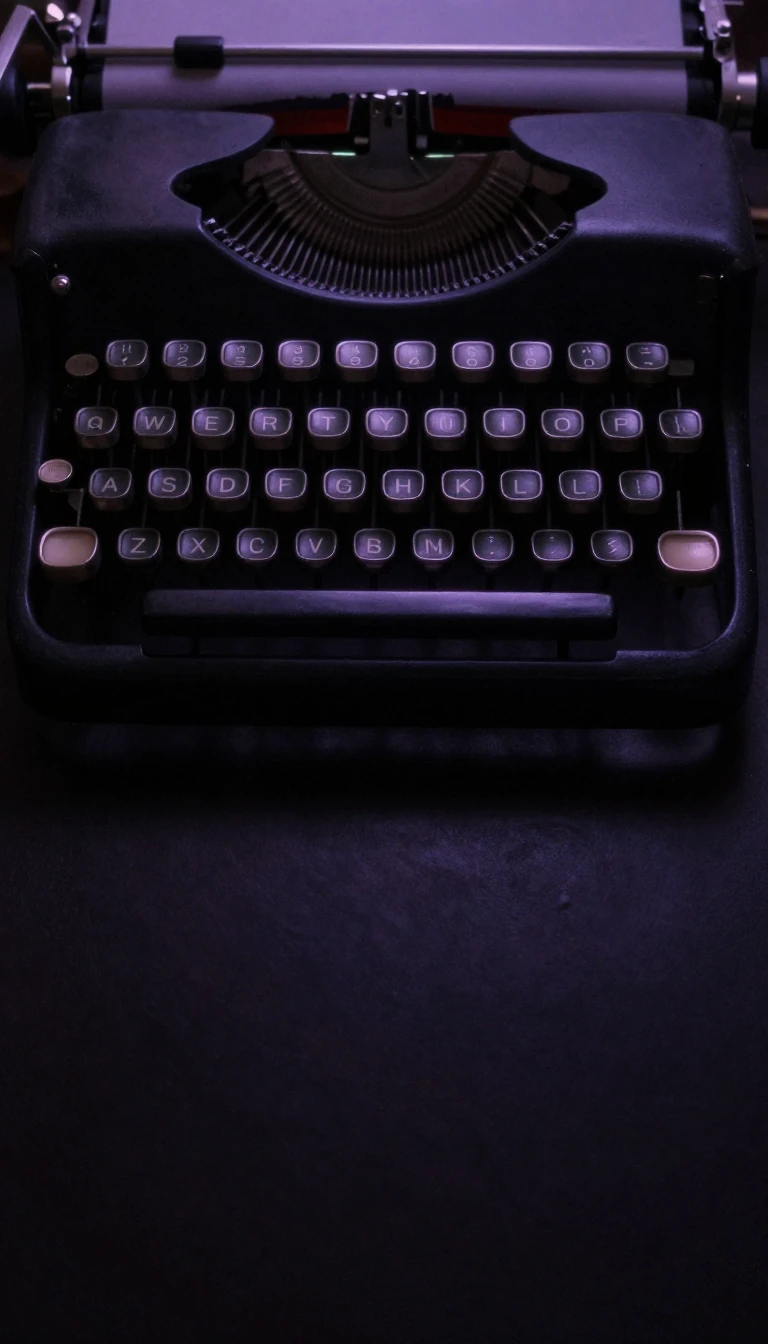 Japan leapt straight from handwriting to word processors, skipping the typewriter ageWestern offices moved from typewriters to computers. Much of Japan never had the typewriter stage at all. With thousands of characters to handle, Japanese typewriters were a speci…
 Online chat rooms and message forums were running on a campus network in the 1960sLong before Facebook, a teaching network called PLATO, launched at the University of Illinois in 1960, offered message forums, instant messaging, a crowdsourced newspaper and Talk…
 Writing a program is the cheap part; keeping it alive costs far moreOver the whole life of a software product, maintenance is estimated to swallow 75 percent or more of the total cost. Fixing bugs discovered after release, adapting to new hardware…
 Two fresh Harvard graduates built the first electronic spreadsheet for phone company budgetsIn the summer of 1969 Rene Pardo and Remy Landau, just out of Harvard, decided a Bell Canada budget manager should not need programmers every time a form changed. Their program, L…
 Seymour Cray bet on oxen over chickens, and the chickens eventually wonSeymour Cray, who built the world's fastest computers for decades, scoffed at machines made from swarms of small processors. Would you plough with two strong oxen, he asked, or wi…
 The finger-operated touchscreen was born in a British radar lab, not Silicon ValleyDecades before smartphones, Eric Johnson at the Royal Radar Establishment in Malvern, England, built a screen that responded to a bare fingertip. He described his capacitive desig…
 Unix began as a small, cheeky rebellion against an overgrown operating systemIn the late 1960s Bell Labs researchers walked away from Multics, an ambitious time-sharing project with MIT and General Electric that had grown huge and unwieldy. Ken Thompson, D…
- Early computer users waited days for answers, and the machine never adapted to themImagine typing a program onto stiff cards, dropping the deck in a queue, and learning a day later that one typo ruined everything. In the batch era of computing, processor time wa…
- Browser empires rise and fall fast: Internet Explorer once held over 95 percentIn the early 2000s nearly every web page on Earth was opened in Microsoft's Internet Explorer, whose share topped 95 percent. Barely a decade later it was being retired. The histo…
 Early European windmills turned their whole body to catch the windWinds in northwestern Europe shift constantly, so the region's first windmills were balanced on a single massive upright post. Millers heaved the entire wooden building, machinery…
 Every knot in a plank is a buried branch from the tree's youthAs a tree grows, its lower branches die and new layers of trunk wood slowly swallow their stumps. Saw the trunk into boards and those entombed branches reappear as knots, darker c…
 Ancient Egyptian carpenters invented veneer long before they adopted glueEgyptian furniture makers were fitting mortise and tenon joints in the Predynastic period, lashing them with pegs, dowels, leather or cord. They pioneered veneering and finished p…
 The humble dustbin was born from an 1875 British public health lawVictorian London's streets were so clogged with refuse that Parliament finally stepped in. The Public Health Act of 1875 required every household to put out its weekly rubbish in …
 Treatment plants clean water by making dirt clump into flocMost particles clouding river water carry a negative charge that keeps them drifting apart. Add alum or an iron salt and within seconds those charges are neutralised, metal hydrox…
- Why tap water sometimes runs red, blue or tastes of metalWater can leave a treatment plant perfectly clean and still reach a kitchen tinted. Rust from unlined iron mains produces complaints of red water; copper pipes can turn it bluish …
 New York's wooden rooftop tanks seal themselves without any glueThe wooden water tanks perched on New York rooftops use no sealant at all. When first filled, they leak through the gaps between staves. Within a while the soaked wood swells, the…
 A Roman hillside of sixteen waterwheels fed an entire townIn the second century AD, at Barbegal in southern France, sixteen overshot waterwheels stepped down a slope, each turning its own flour mill. Together they could grind an estimate…
 The word weld once meant to boil, and slipped into IsaiahWeld grew out of an old verb meaning to well up or boil, with a stray d tacked on. The shift shows up in English Bibles: John Wycliffe's 14th-century translation has people beatin…
 The oldest dated well was cut through Cypriot limestone 10,000 years agoAround 8400 BC, before they had even learned to make pottery, villagers at Kissonerga-Mylouthkia on Cyprus drove a round shaft eight metres down through solid limestone to reach w…
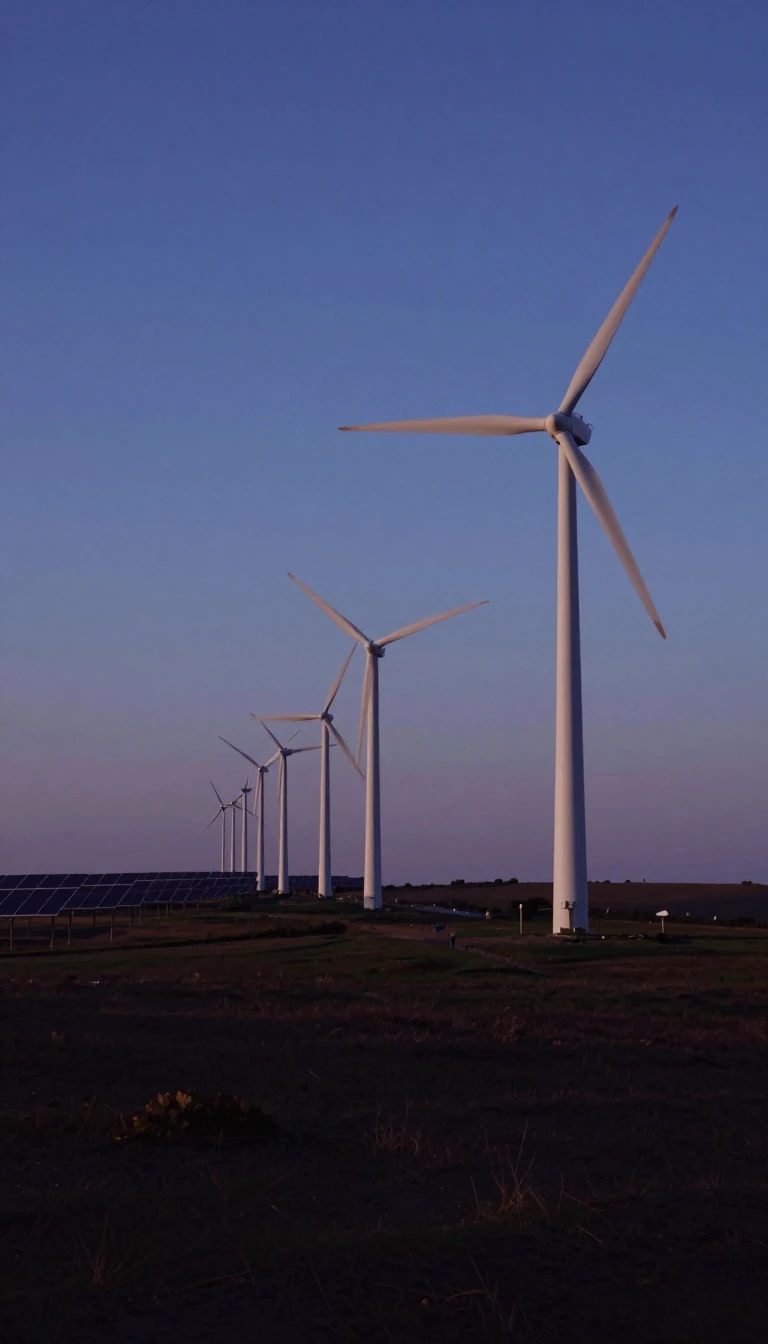 Double the wind speed and a turbine gets eight times the powerThe energy carried by moving air rises with the cube of its speed. A breeze twice as fast delivers eight times the power, and increasing speed by a factor of about 2.15 multiplies…
 The first electric wind turbine charged batteries at an 1883 exhibitionVisitors entering the main hall of the 1883 Vienna International Electrical Exhibition passed a 6.6-metre American wind motor. Installed by Josef Friedländer, it turned a dynamo t…
- Bessemer steel cost seven pounds a ton to make and sold for fortyFor most of history steel was precious, made in small batches by skilled hands over days. Then in the 1850s the Bessemer converter turned pig iron into steel in about half an hour…
 Turbine blades and vanes often come in prime-number counts for a reasonLook closely at a turbine and the rotor blades and stator vanes rarely match in number. Designers often choose two different primes, which spreads out vibration harmonics. It is o…
 What counts as waste depends on who is holding itOne household's rubbish can be another person's raw material, and official definitions reflect that. In European Union law, something becomes waste once whoever holds it throws it…
 Only about half the world's sewage gets treated before releaseEvery flush starts a journey that ends in a river, the sea or the soil, and roughly half of it worldwide is cleaned along the way. The gap between countries is stark: wealthy nati…
 Smelting is chemistry, not melting, and it began with copper in SerbiaGetting metal out of rock is less about heat than about stealing oxygen. Carbon monoxide pulls oxygen atoms away from the ore, leaving pure metal behind. Humans first managed this…
 Romans scraped themselves clean for centuries before adopting soapAncient Romans cleaned their bodies by rubbing in oil and scraping it off with a curved metal blade called a strigil. Soap arrived late; Pliny the Elder called it an invention of …
 A 19-year-old built the first solar cell in his father's labIn 1839, Edmond Becquerel, then just nineteen, showed in his father's Paris laboratory that light could produce electricity. It took more than a century for the effect to become u…
- In 1913 a solar plant in Egypt pumped Nile water to cotton fieldsEarth absorbs more sunlight in about an hour than humanity uses in a year. People have tried to tap it for a long time: a solar steam engine ran at the 1878 Paris exposition, and …
- In 1974 only six North American homes ran fully on solar powerSolar electricity went from a satellite luxury to the cheapest new power in most countries within about fifty years. In 1974, an estimate found just six private homes across North…
- Sumerian swordsmiths were soldering metal five thousand years agoThe trick that holds your phone's circuit board together is older than writing in most of the world. Sumerian swords from around 3000 BC were assembled with hard solder, and metal…
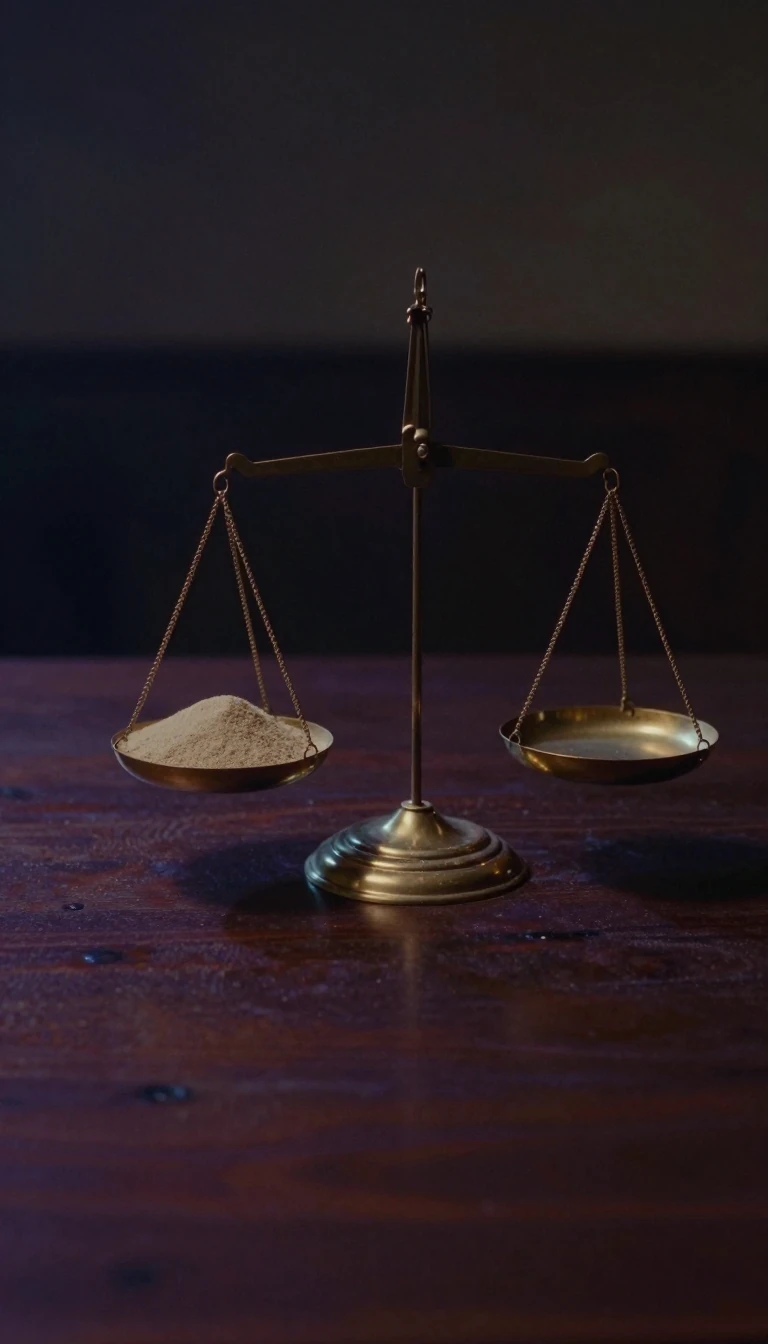 Indus Valley weights stayed consistent for at least 500 yearsArchaeologists measured 558 weights dug from Mohenjo-daro, Harappa and Chanhu-daro and found no meaningful drift across five layers of settlement. Someone was enforcing a standard…
 An Ottoman engineer used a steam turbine to turn a roasting spit in 1551Steam turbines generated about 42 percent of American electricity in 2022, yet the idea is ancient. Hero of Alexandria described a spinning steam toy in the first century, and in …
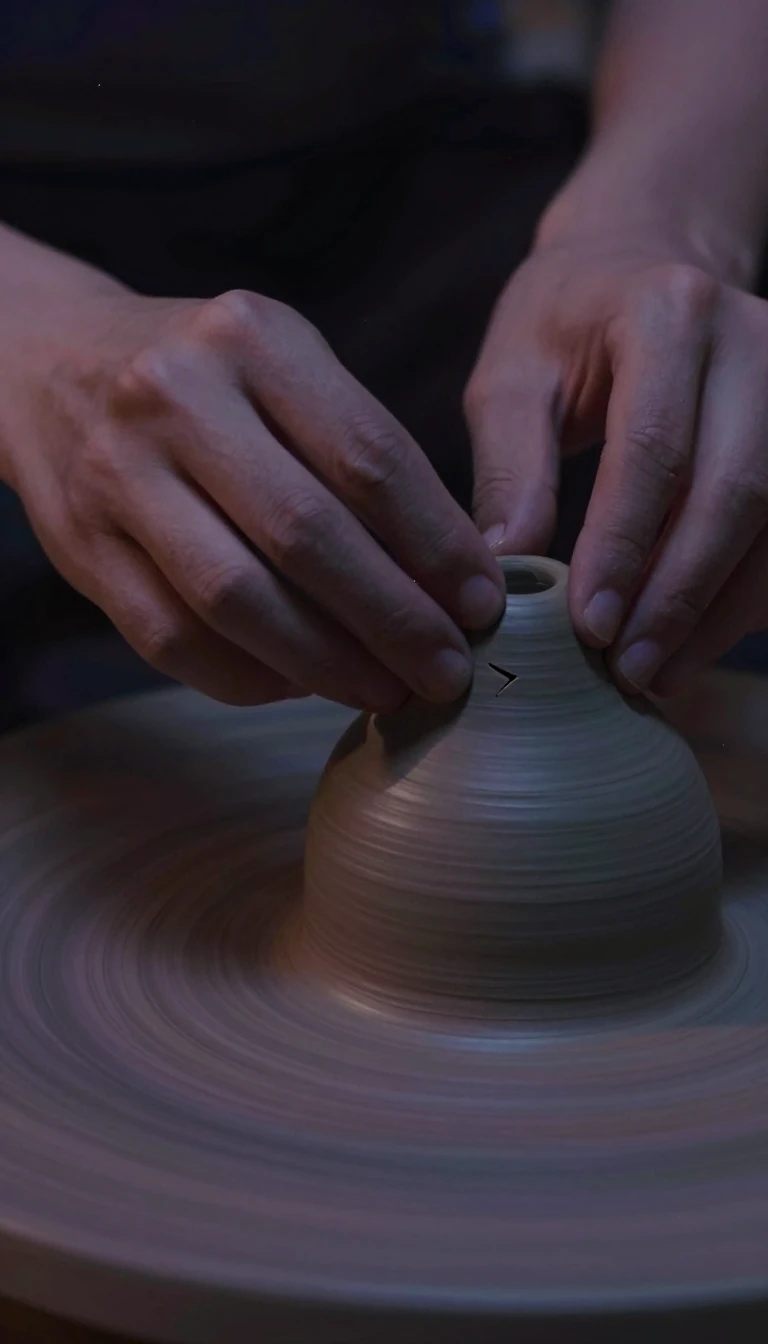 Every fired pot quietly records Earth's magnetic field at the moment of firingWhen ancient potters baked clay, iron grains inside locked in the direction of Earth's magnetic field at that instant. Archaeologists read that signal today, along with the chemic…
- Coal, nuclear or solar, most power plants are really giant steam kettlesA coal furnace, a nuclear reactor and a field of sun-focusing mirrors look nothing alike, yet most such plants do the same job in the end: boil water, let the steam spin a turbine…
- Every boat through a canal lock spills water that someone must pump backEach time a narrowboat works through a lock, a chamberful of water drains from the upper canal to the lower one, and most lock gates leak besides. Left alone, the top of a canal w…
 Japanese shops were selling recycled paper back in 1031Recycling feels like a modern virtue, but the first recorded sale of repulped paper came from Japanese shops nearly a thousand years ago. Europeans melted scrap bronze long before…
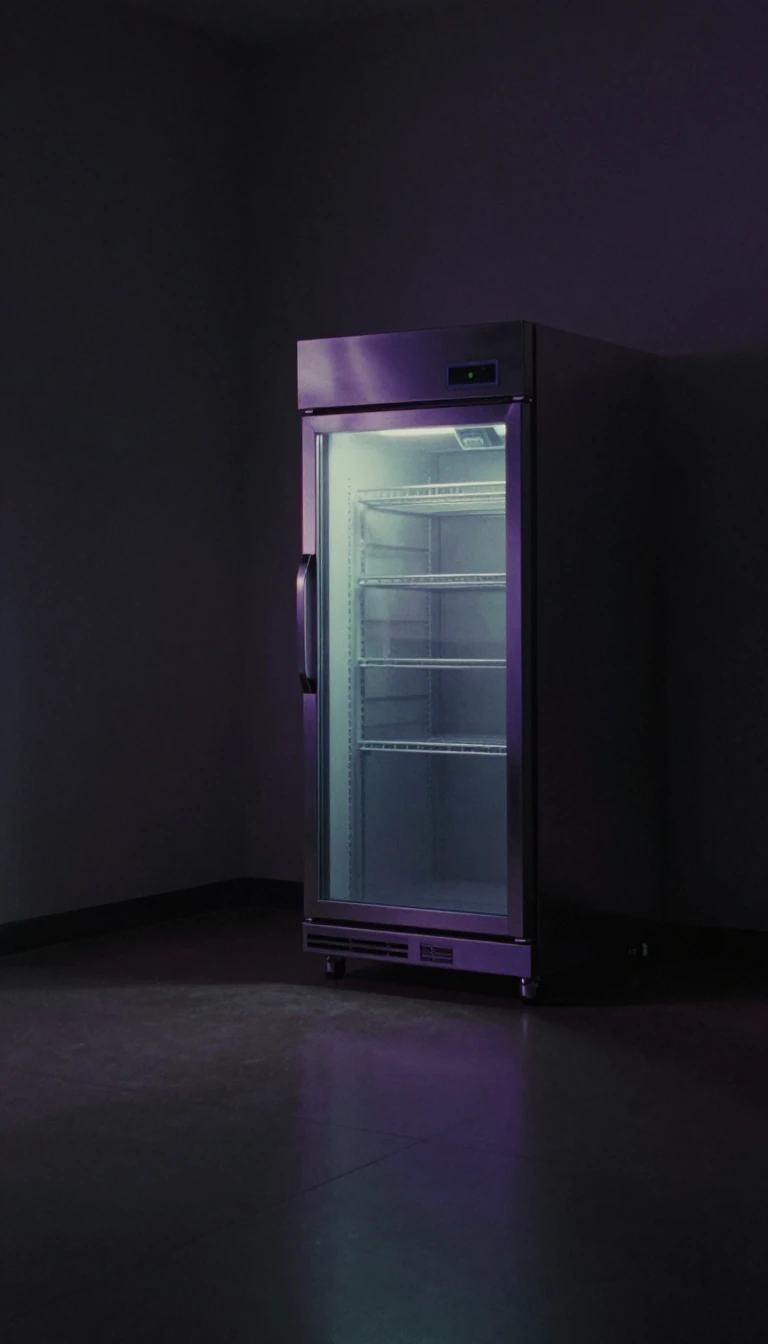 Before fridges, New England ice was shipped to Havana and sold at a profitIn the early 1800s Frederic Tudor had an idea people thought mad: cut frozen lake ice in New England and sail it to the Caribbean. He lost thousands at first. Then better insulati…
- Steel gets rolled like pastry dough, and that shapes more metal than anything elseSqueeze a slab of metal between spinning rollers and it thins and lengthens, much as dough does under a rolling pin. This humble idea handles more tonnage than any other manufactu…
- Why modern towns keep toilet waste and rainwater in entirely different pipesBeneath most streets built since the mid-twentieth century run two networks that never meet. One carries rain to the nearest river; the other takes only what leaves homes and busi…
 Sanitation pays back about five and a half dollars for every one spentToilets rarely make headlines, yet billions of people still lack a safe way to deal with human waste. The quiet chain that carries excreta away from homes, treats it and keeps it …
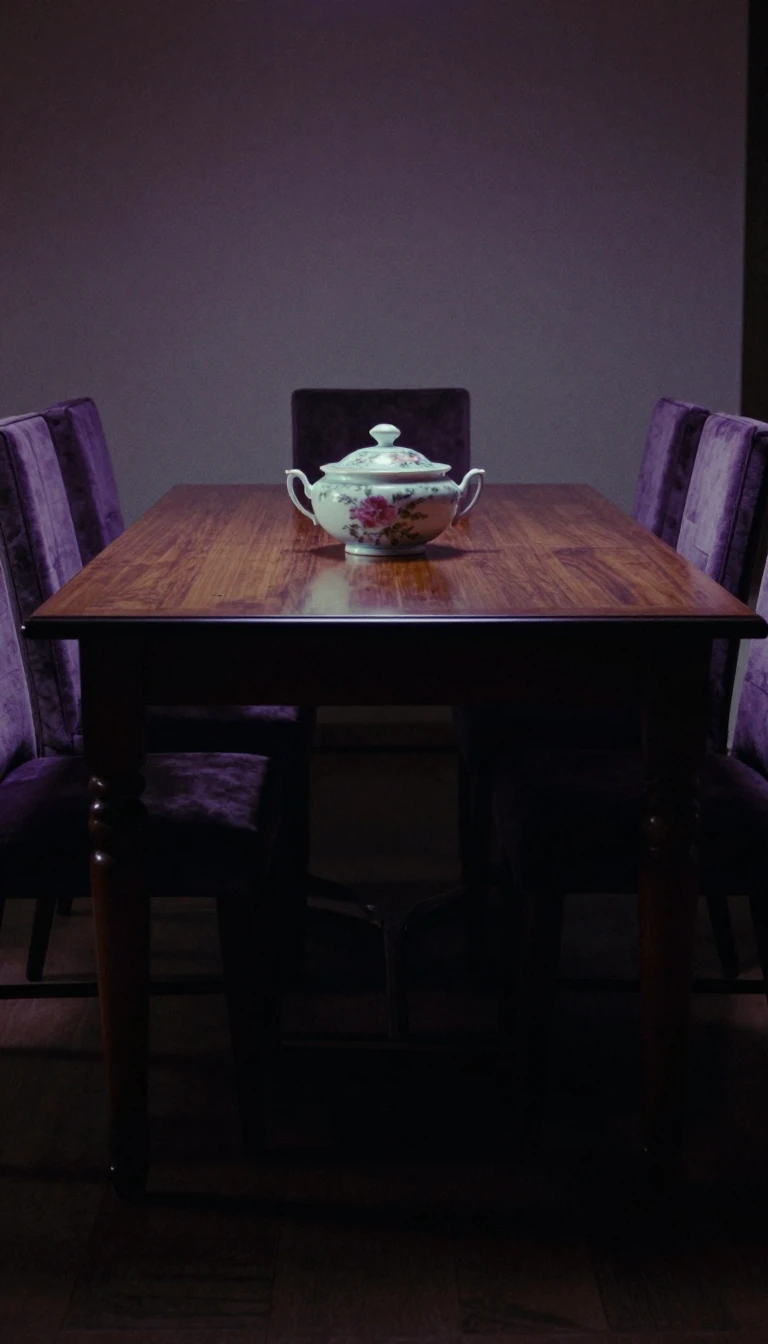 Porcelain is named after a seashell, and Europe spent centuries chasing its secretThe word porcelain comes from an old Italian name for the cowrie shell, whose glossy surface the ware resembled. Chinese potters took centuries to perfect it. European makers need…
 Rubber got its English name from erasing pencil marksIn 1770 Joseph Priestley noticed that a lump of the strange South American gum rubbed pencil marks off paper beautifully, and the name rubber stuck. Olmec players had been bouncin…
- A submarine engine choice shaped most of the world's nuclear power plantsWhen the U.S. Navy needed a reactor for USS Nautilus, it picked the pressurized water design because it was compact, simpler and easier to run in a cramped hull. The submarine wen…
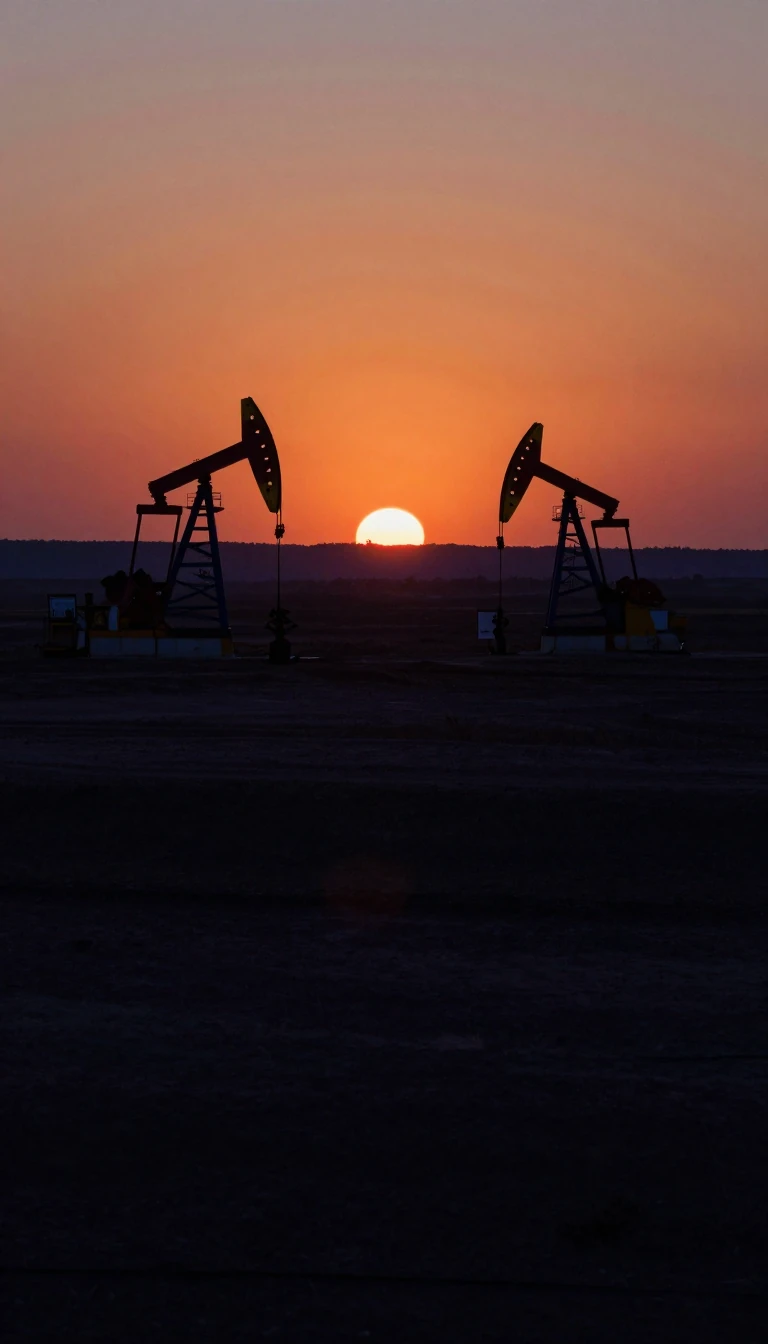 China drilled oil wells with bamboo poles in 347 CEThe earliest known oil wells were sunk in China in 347 CE, using bits fixed to bamboo poles and reaching as deep as about 240 metres. The oil was not the prize. It was burned to b…
 Captured prisoners at Talas probably did not bring papermaking westA popular tale says the Islamic world learned papermaking in 751, when Chinese craftsmen taken prisoner at the Battle of Talas were forced to reveal the secret. Documents dig hole…
 In 1490 one writer bet that parchment would outlast printed paper by centuriesIn 1490 Johannes Trithemius confidently argued that handwriting on parchment would survive a thousand years, while printing on paper might manage two hundred at best. He underesti…
 Pasteurization started as a fix for sour wine, not safe milkOn a summer holiday in Arbois in 1864, Louis Pasteur tackled a local complaint: aged wines kept turning acidic. He found that briefly warming young wine to around 50 to 60 °C kill…
 PVC was first spotted as white gunk in a flask left in sunlightIn 1835 the French chemist Henri Victor Regnault left vinyl chloride sitting in the sun and later found a white solid at the bottom of the flask. It was polyvinyl chloride, now th…
 Venice turned out nearly a warship a day centuries before FordAt its height the Venetian Arsenal employed 16,000 people and launched almost one ship every day, assembling vessels from prefabricated parts in what has been called the world's f…
- One litre of fuel can match a day of many workers' toilA human labourer turns only about 1 to 5.5 percent of the energy in food into useful work. Burn a single litre of fossil fuel in an engine and you get roughly what 50 hands could …
- Ancient Indian steel hid nanostructures that modern researchers finally decodedBy around 200 BCE smiths in southern India were making an ultra-high carbon steel in crucibles. Rome imported it as Seric Iron, and Europe later knew blades made from it as Damasc…
 Isaac Asimov's case for gold as humanity's first metalIsaac Asimov reasoned that gold was probably the first metal people worked. Its chemistry means it lies around in nature as nearly pure nuggets, and it is soft and stretchy enough…
- The rotten-egg smell of a gas leak is added on purposeMethane, the main ingredient of natural gas, has no colour and no smell at all. The stink you notice near a leaking stove comes from an odorant such as methanethiol, deliberately …
 The earliest known industrial robot was built from Meccano partsIn 1937 an engineer named Bill Griffith P. Taylor assembled a crane almost entirely from Meccano, the toy construction set, and drove it with one electric motor. A punched paper t…