 Intellect Plus
Technology
10,995 cards. Each one is a 40-second story with a five-minute read behind it. Page 177 of 184.
Subtopics: 3D printing & manufacturing · AI & machine learning: practical · Aircraft · Automata · Aviation · Batteries · Binary · Biotechnology · Bridges · Cameras & imaging · Cars · Chemical engineering · Chips · Codes · Compression · Computing · Computing and information technology · Computing history · Cryptography · Cybersecurity · Electric vehicles · Electronics · Energy · Engineering · Everyday tech · Famous patents · Future Frontier · How it works · How Things Work: GPS to the Phone · How Things Work: Jets, Propellers and Ships · Industry · Infrastructure · Internet · Inventions · Inventors · Machinery and tools · Maths · Media and communication · Medical technology · Medieval clockmaking · Mercedes-Benz Engineering · Military technology · Motorbikes · Navigation and timekeeping · Networks · Nuclear power · Optical technology · Physics · Pioneers · Programming · Programming languages · Radar · Radio · Researched · Robotics: practical · Robots · Rockets · Security · Semiconductors · Ships & boats · Skyscrapers · Smartphones · Software · Sound & audio technology · Spaceflight · Super-series Wave 1: Car To Wheels · Super-series Wave 1: From Power Station To Pc · Super-series Wave 1: The Journey Of Crude Oil · Technology today · Technology: General · Textiles · Trains & locomotives · Transportation · UK & Ireland: inventions · Video game technology · Web · Wireless
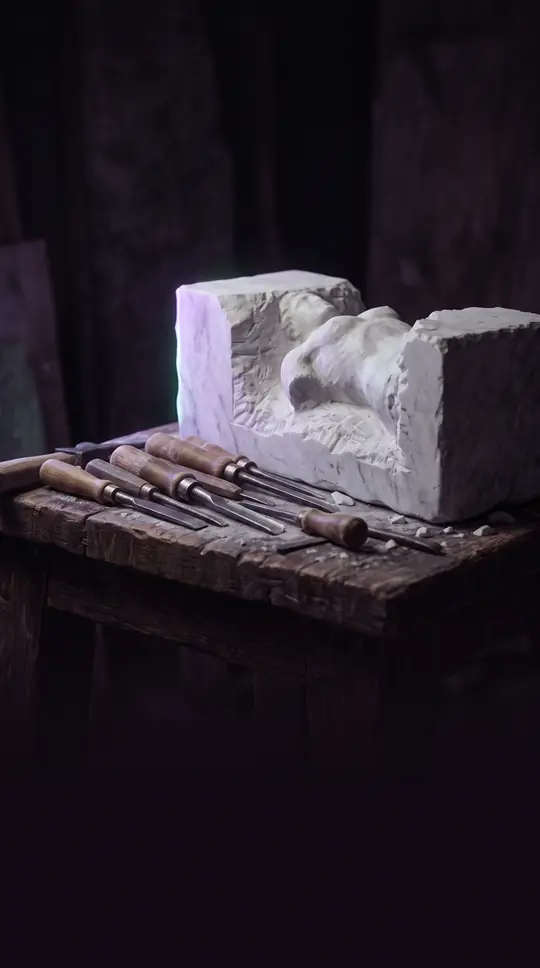 Some chisels are made of beryllium copper so they will never sparkAlmost every cold chisel for cutting metal is hardened steel. But where a single spark could be disastrous, toolmakers use beryllium copper instead. It is one of many small adapta…
 A spin extractor can remove more water in two minutes than a dryer in twentyHospital laundries often put wet sheets through a centrifuge before any heat touches them. Spinning far faster than a washing machine, these extractors can shed as much water in a…
 Old teleprinters printed each letter with a clutch that turned exactly onceEvery character arriving at a teleprinter tripped a special clutch that engaged the motor for precisely one revolution, drove the print mechanism through a single cycle, and then …
 Storing food in containers is a habit no other primate sharesPeople have been carrying and storing things in vessels for 100,000 years at the very least, perhaps for millions. The first were probably natural objects such as hollow gourds, u…
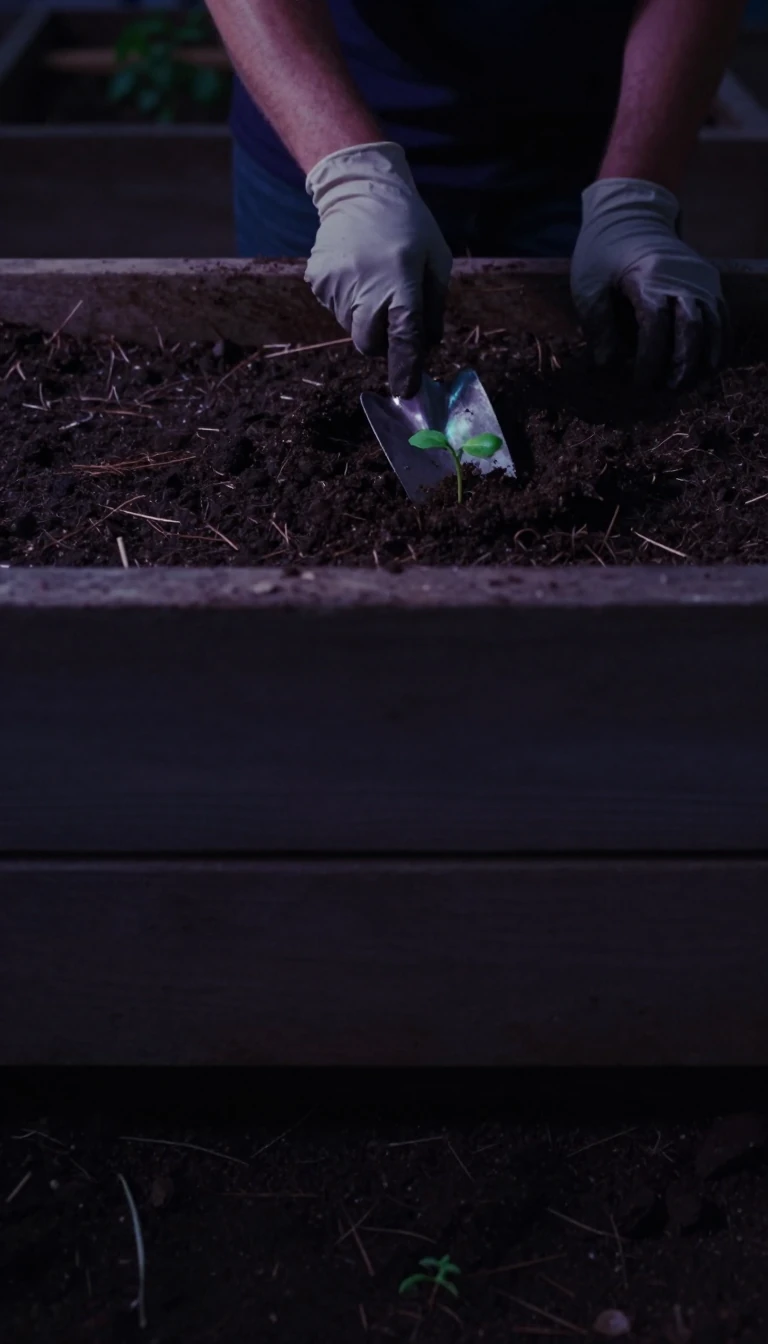 The rotary tiller was born on an Australian farm using a steam tractorIn 1912 a young Australian named Arthur Clifford Howard began spinning blades through the soil on his father's farm at Gilgandra, New South Wales, powered by the family steam trac…
 Ancient Greek actors amplified their voices with horn-mouthed masksIn fifth-century BC Greece, theatre masks had horn-shaped mouth openings that acted as acoustic megaphones, pushing actors' voices across open-air amphitheatres. More than two tho…
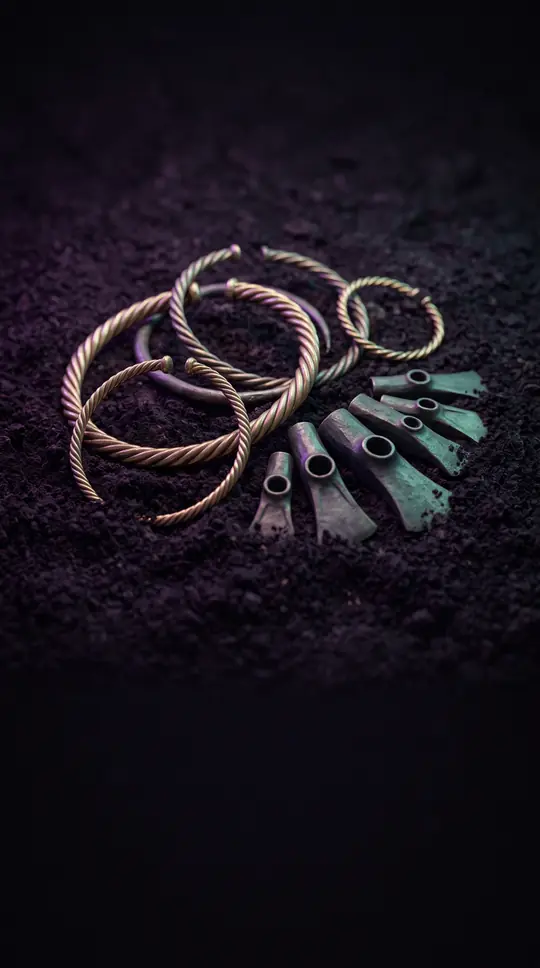 Indigenous Australians were grinding axe edges at least 44,000 years agoHumanity's first axes had no handles at all: chipped stone hand axes go back roughly 1.6 million years. The leap to polished, ground edges happened first in Australia, where fragm…
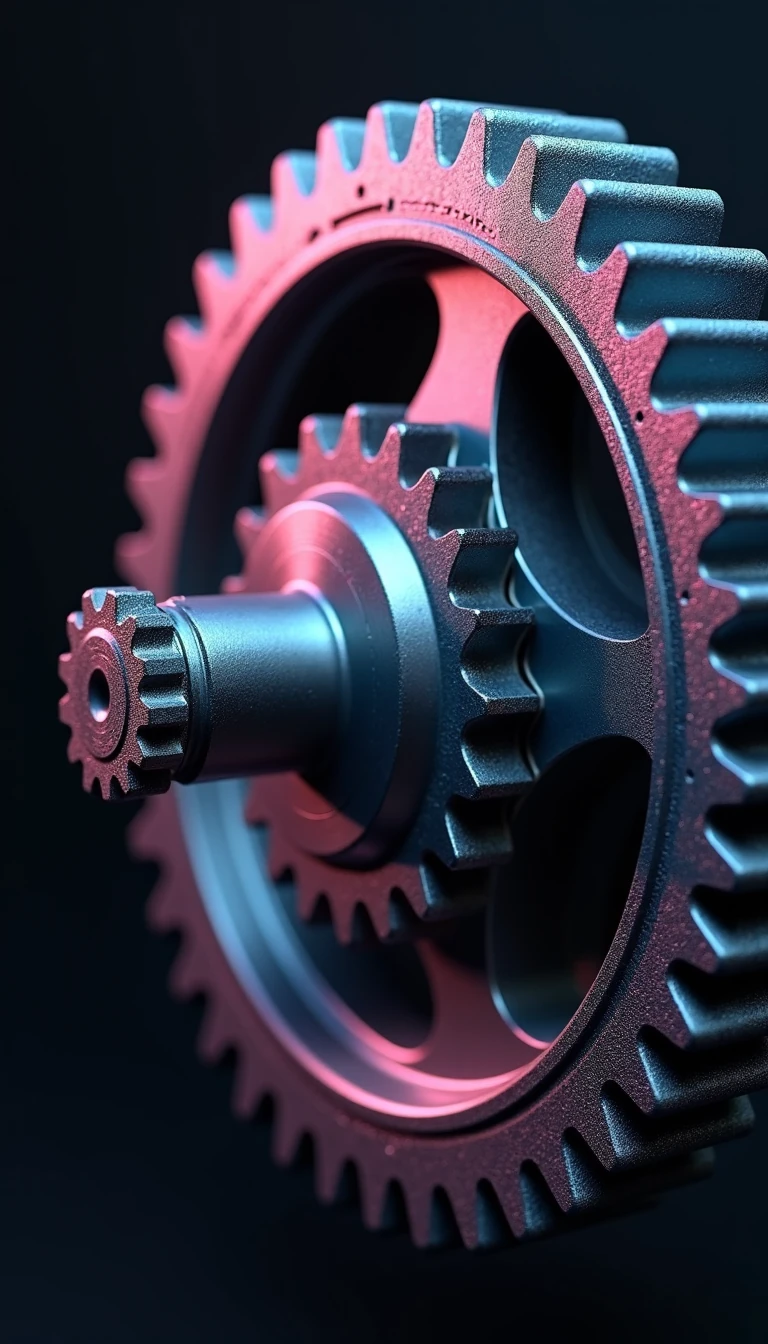 Some trucks raise an axle off the road when it isn't neededHeavy dump trucks and trailers often carry a lift axle that can be lowered to spread a load across more tyres, say to cross a weight-limited bridge, then hoisted clear of the road…
 Torricelli hid his barometer experiments amid neighbourhood rumours of sorceryWhen gossip spread through Evangelista Torricelli's Italian neighbourhood that he was dabbling in witchcraft, he decided to keep his experiments quiet to avoid arrest. Switching f…
 The first ball bearings to win a race were on a bicycle in 1869In August 1869 a Parisian bicycle mechanic named Jules Suriray patented a radial ball bearing. That November his bearings were fitted to the bike James Moore rode to victory in th…
 The first mass-produced toothbrush was dreamed up by a man in prisonIn the 1700s William Addis, after a spell in prison, began drilling holes into a handle and gluing in tufts of bristle. It was the first toothbrush made at scale, and the method c…
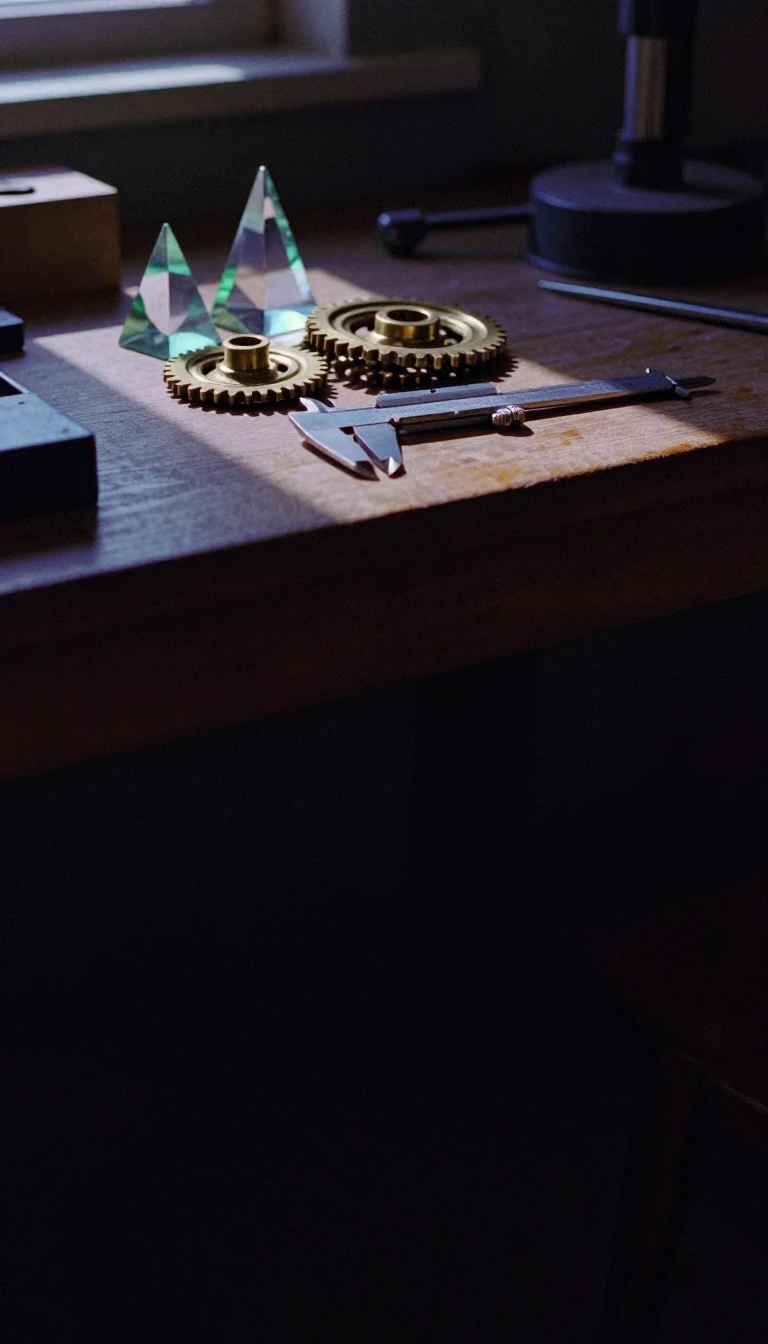 A Chinese bronze caliper from 9 AD was already marked in tenths of an inchDuring the brief Xin dynasty, Chinese craftsmen made a bronze caliper with a slot and pin, graduated in inches and tenths, and dated by inscription to the first day of the first m…
 A working centrifuge can now be 3-D printed for about 25 dollarsOpen-source designers have published a hand-powered centrifuge that spins at more than 1,732 revolutions per minute and can be printed entirely on a 3-D printer for roughly 25 dol…
 A chain is a rope when pushed and a rod when pulledCompress a chain and it folds and curves as limply as rope. Pull it tight and it becomes straight, rigid and able to bear enormous loads. That split personality explains why the s…
 The chainsaw began as a surgeon's instrument, not a logger'sBefore anyone used a toothed chain on trees, two Scottish doctors in the 1780s used a fine serrated chain between wooden handles as a flexible surgical saw. Decades later a German…
 Modern air conditioning was invented to keep ink lined up in a Brooklyn print shopWillis Carrier's 1902 system for a Brooklyn lithography firm was not built for human comfort. It controlled humidity so paper would stop swelling and shrinking, keeping colour ink…
 The Archimedes screw may have been watering Babylon's gardens before ArchimedesTradition credits Archimedes with the water screw, supposedly after a visit to Egypt. But one Assyriologist argues that an inscription of the Assyrian king Sennacherib describes b…
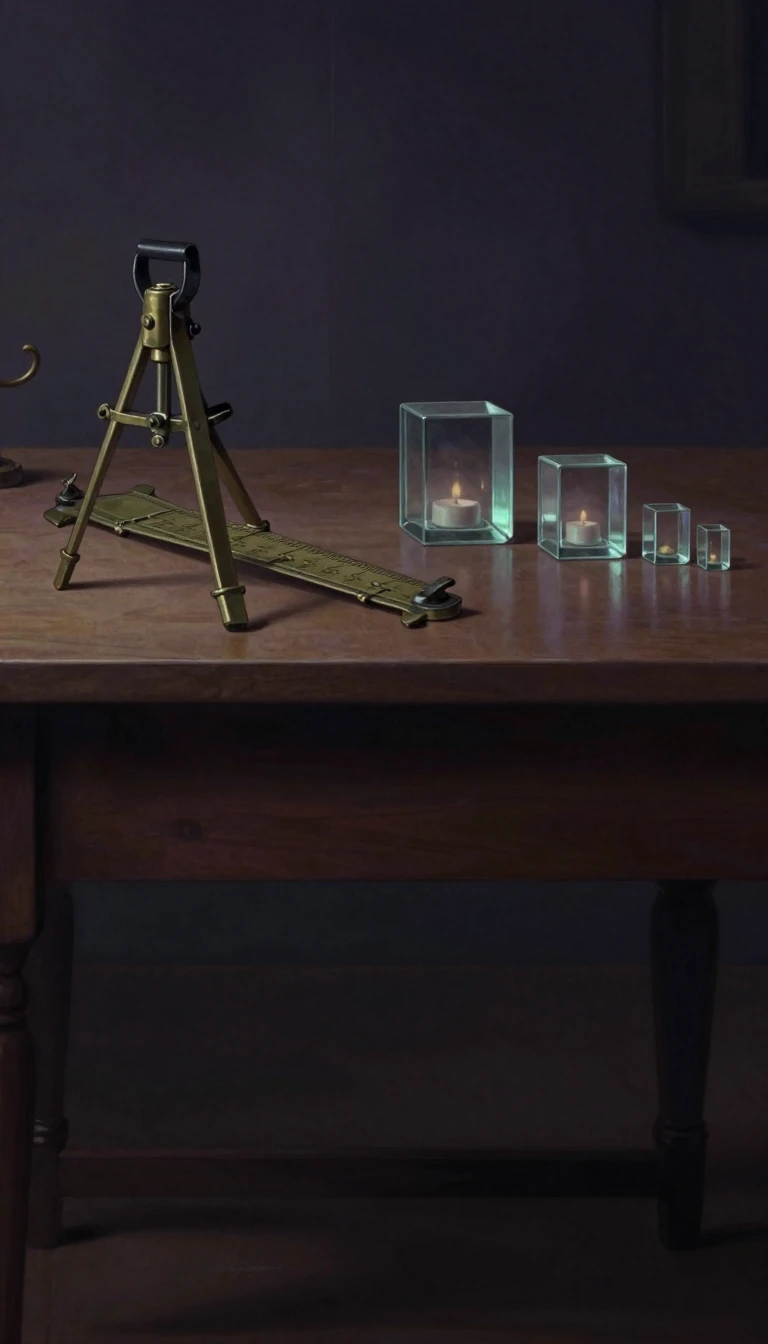 The first inventions came before modern humans existedHuman ingenuity is older than humanity itself. Crude Oldowan stone tools date back roughly 2.9 million years, long before anatomically modern people appeared. Rafts and cooking al…
 A French painter in Brazil may have named photography before anyone in EuropeHércules Florence, a French artist living in Campinas, Brazil, was experimenting with silver salts on paper by 1832 and called the result photographie in private notes apparently …
 Polaroid sheets work because stretched plastic lines up iodine electronsThe polarising film in sunglasses and phone screens is a sheet of polyvinyl alcohol plastic laced with iodine. Stretching it during manufacture lines its long molecules up in one …
 Most prisms are used to flip images, not to make rainbowsSplitting white light into a rainbow is the most famous thing a prism does, but it is not what prisms are mostly used for. Inside binoculars and single-lens reflex cameras, prisms…
 Radio astronomy began with a Bell Labs engineer hunting for telephone staticIn 1932 Karl Jansky of Bell Telephone Laboratories was asked to track down static that might disturb radiotelephone calls. Besides near and distant thunderstorms, his rotating ant…
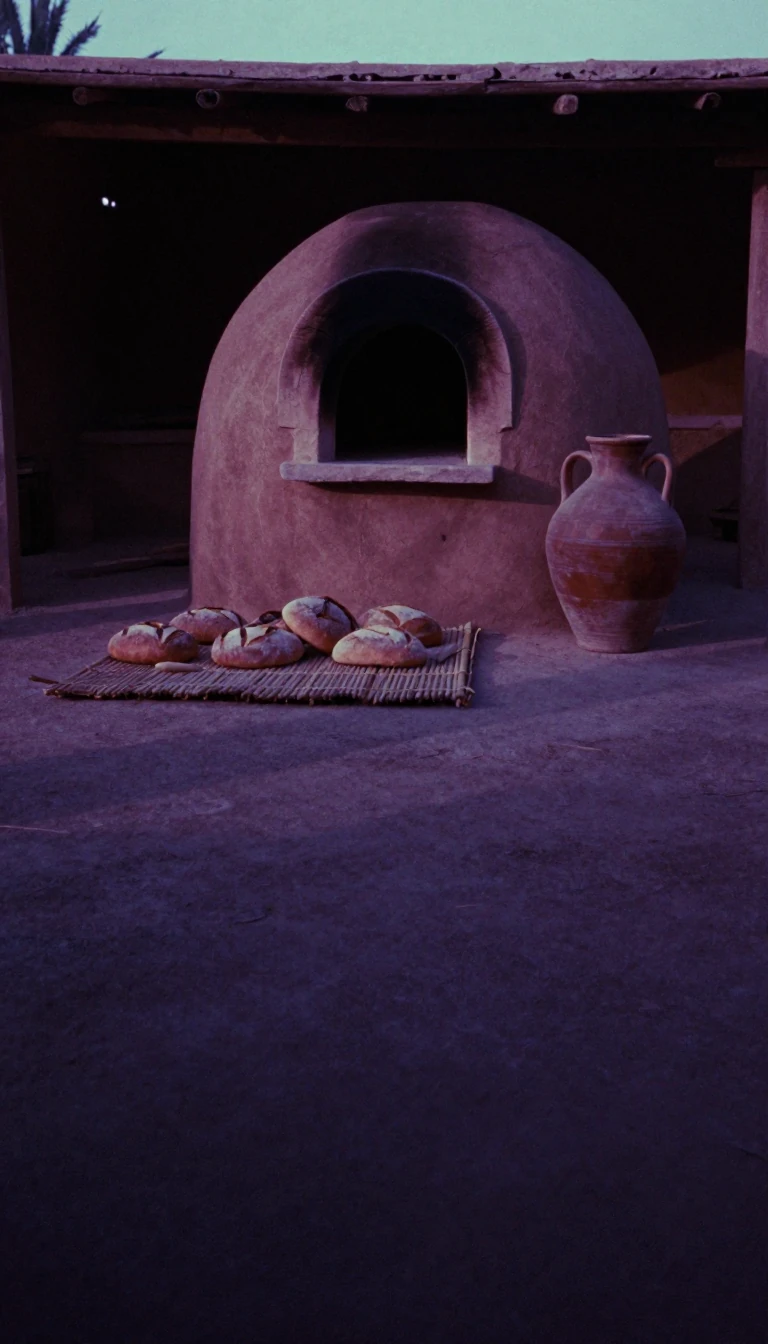 Cooking with fire may have helped make humans brainierCharles Darwin ranked the discovery of fire as perhaps humanity's greatest. People have used it continuously for at least 1.5 million years, and cooking made food easier to digest…
 The word telescope was coined at a banquet for Galileo in 1611Galileo called his instrument a perspicillum. The name that stuck came in 1611 from Giovanni Demisiani, a mathematician of Greek origin, who proposed it at a banquet of Rome's Acc…
 A theodolite measures angles so finely it can resolve seconds of arcThat telescope on a tripod you see at roadworks is a theodolite, and it is built to measure angles, not distances. Swivelling around two axes, it records exactly where it points b…
 Michelson moved his light experiment out of Berlin because horses shook the groundIn 1881 Albert Michelson built an instrument to detect Earth's motion through space by comparing two beams of light. Central Berlin's horse traffic caused too much vibration, so h…
 Strictly speaking, the laser should have been called a loserLaser stands for light amplification by stimulated emission of radiation. But a laser that makes its own light is really an oscillator, not an amplifier, so physicists have joked …
 The word lens comes from the Latin for lentilA lens bulging on both sides looks a lot like a lentil, and that is exactly where the name comes from: lens was the Latin word for the legume. The object itself may be far older t…
- Galileo called his microscope a little eye before a friend renamed itWhen Galileo presented a compound microscope to Rome's Accademia dei Lincei in 1625, he called it the occhiolino, or little eye. His fellow academician Giovanni Faber came up with…
 The oldest manufactured mirrors were polished volcanic glass, some 8,000 years oldBefore glass and silver, people looked at themselves in obsidian, a natural volcanic glass polished to a shine. Examples from Çatalhöyük in Anatolia date to around 6000 BCE. For m…
- Fibre optics on the 1969 Moon cameras were a classified secretWhen NASA sent television cameras to the Moon, their use of optical fibres was classified, and anyone handling the cameras had to be watched by someone with security clearance. Ju…
- Light microscopes hit a wall at about 200 nanometres, however much they magnifyYou can keep cranking up a light microscope's magnification, but past a certain point the picture just gets bigger and blurrier. Because visible light diffracts, details closer to…
 Reflecting telescopes took over a century to catch on after Newton built oneIsaac Newton built a practical mirror telescope in 1668, avoiding the colour fringes that plagued lens telescopes. Yet his speculum metal mirrors were hard to make and performed p…
 Early photographic film could only see blue lightUntreated silver halide crystals, the light-catching heart of photographic film, respond only to the blue end of the spectrum, so early photographs rendered some colours strangely…
 Cut a hologram in half and each piece still shows the whole sceneTear a photograph in two and you get two halves of a picture. Split a hologram and each fragment still contains the entire scene, seen through a smaller window. That is because ev…
 Lord Rayleigh found tarnished old glass let through more light than newIn 1886 Lord Rayleigh noticed something odd: slightly tarnished pieces of old glass transmitted more light than clean new ones. The dull film sat between air and glass in refracti…
 Why roof-prism binoculars must be aligned 300 times more precisely than Porro onesThe two numbers stamped on binoculars, like 10×50, mean magnification and the width of the front lenses in millimetres. Hidden inside is a harder problem: flipping the upside-down…
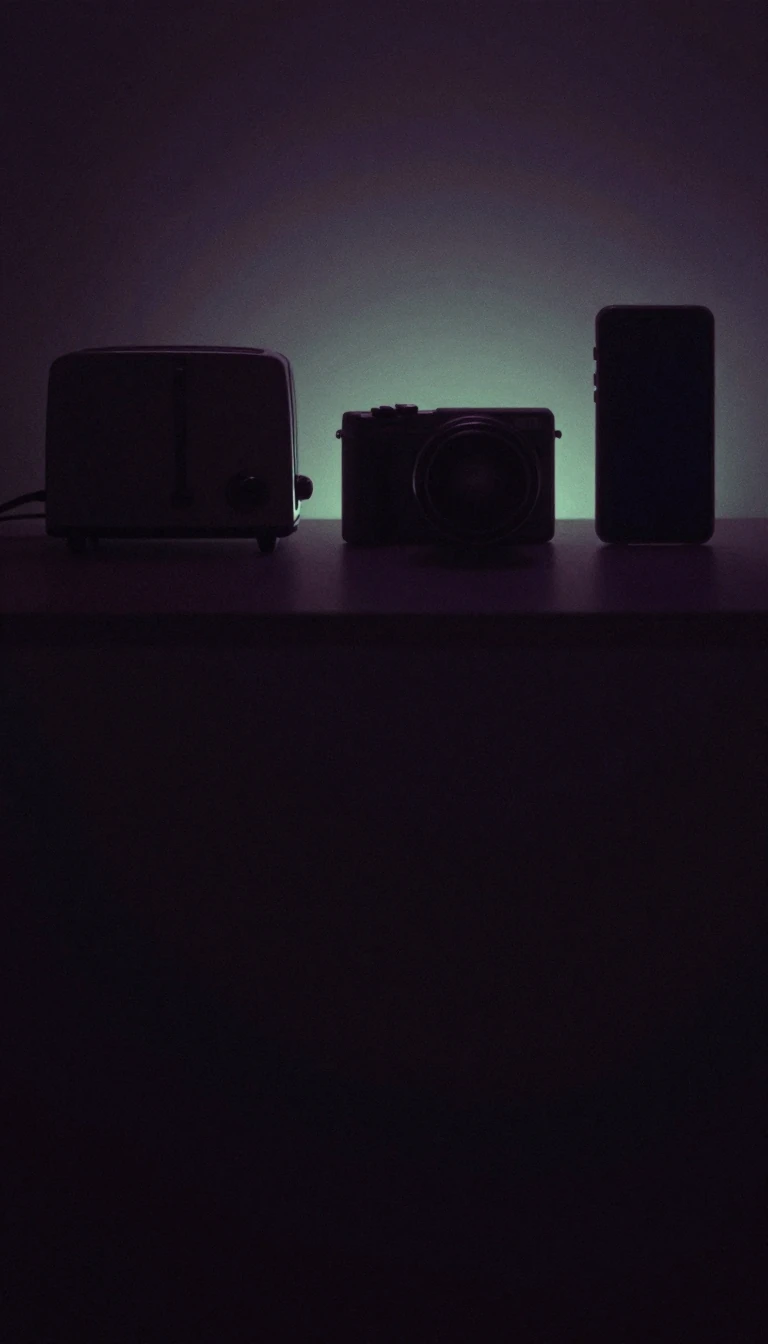 From darkened room to phone: how the camera shrank over two centuriesEvery camera ever made, from a wooden box of 1839 to the one in your pocket, follows one recipe: a lens bends light into a sealed chamber, a shutter decides how long it stays, and…
- The failed memory idea that became the eye of digital camerasIn 1969 two Bell Labs engineers were trying to build a new kind of computer memory based on magnetic bubbles. They realised a packet of electric charge could stand in for a bubble…
- A feather, some hairs and a CD: the story of the diffraction gratingTilt a CD under a lamp and rainbows slide across it. The disc's tightly packed spiral of data tracks splits white light into its colours, the same trick a Scottish mathematician s…
- The first portable digital camera weighed 8 pounds and took 23 seconds per pictureIn December 1975 a Kodak engineer named Steven Sasson pressed the button on a boxy prototype and waited 23 seconds while it wrote a black-and-white picture of 10,000 pixels onto c…
- Who invented the electron microscope? A patent office and a Nobel committee disagreeLight microscopes hit a wall at about 200 nanometres, because visible light waves are simply too long. Swapping light for electrons, whose wavelength can be over 100,000 times sho…
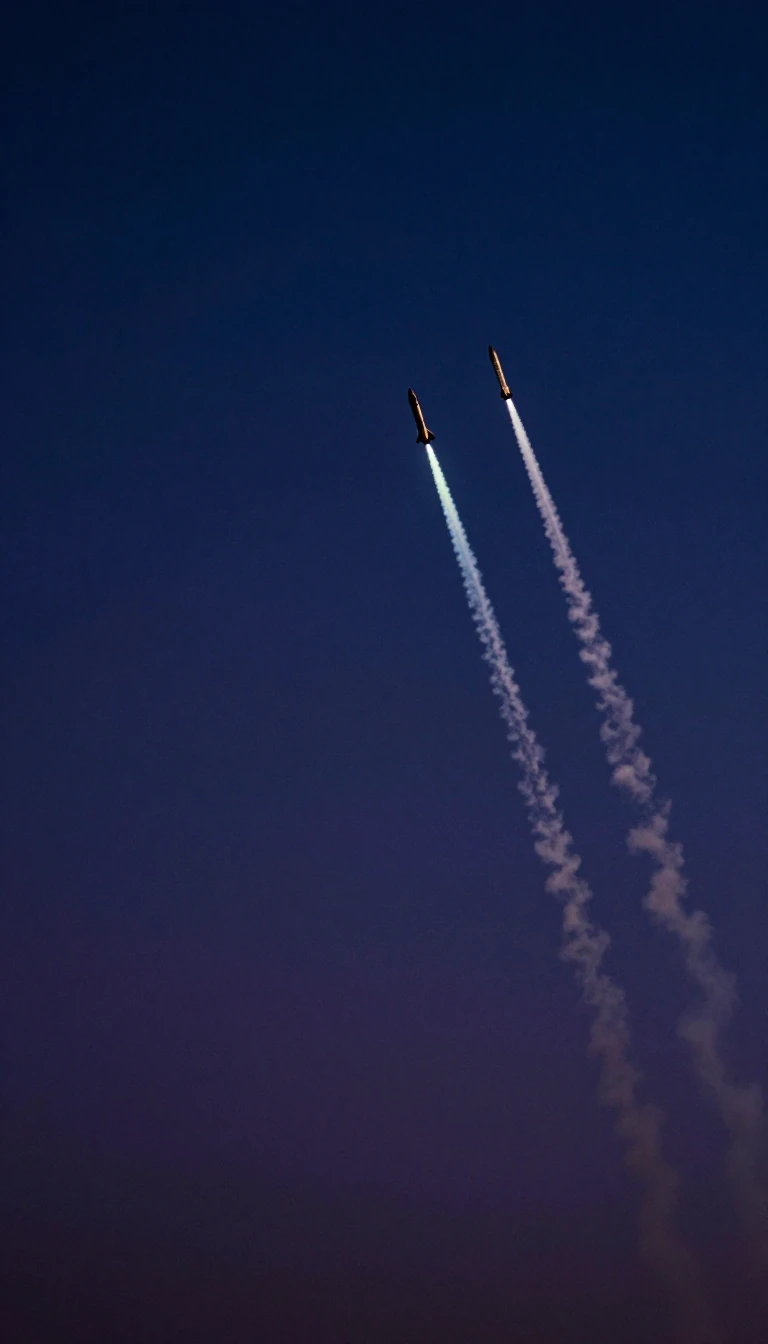 America's stealth bombers owe their shape to a Soviet physicist's equationsIn 1962 the Soviet physicist Pyotr Ufimtsev published equations showing how an object's shape governs the radar echo it returns. The US Air Force translated the work in 1971, Lock…
 The first working submarines were rowed, cranked by hand, or powered by airIn 1620 a Dutch inventor serving James I of England built a submersible propelled by oars. Over the next two and a half centuries, inventors tried leather ballast bags, hand-turne…
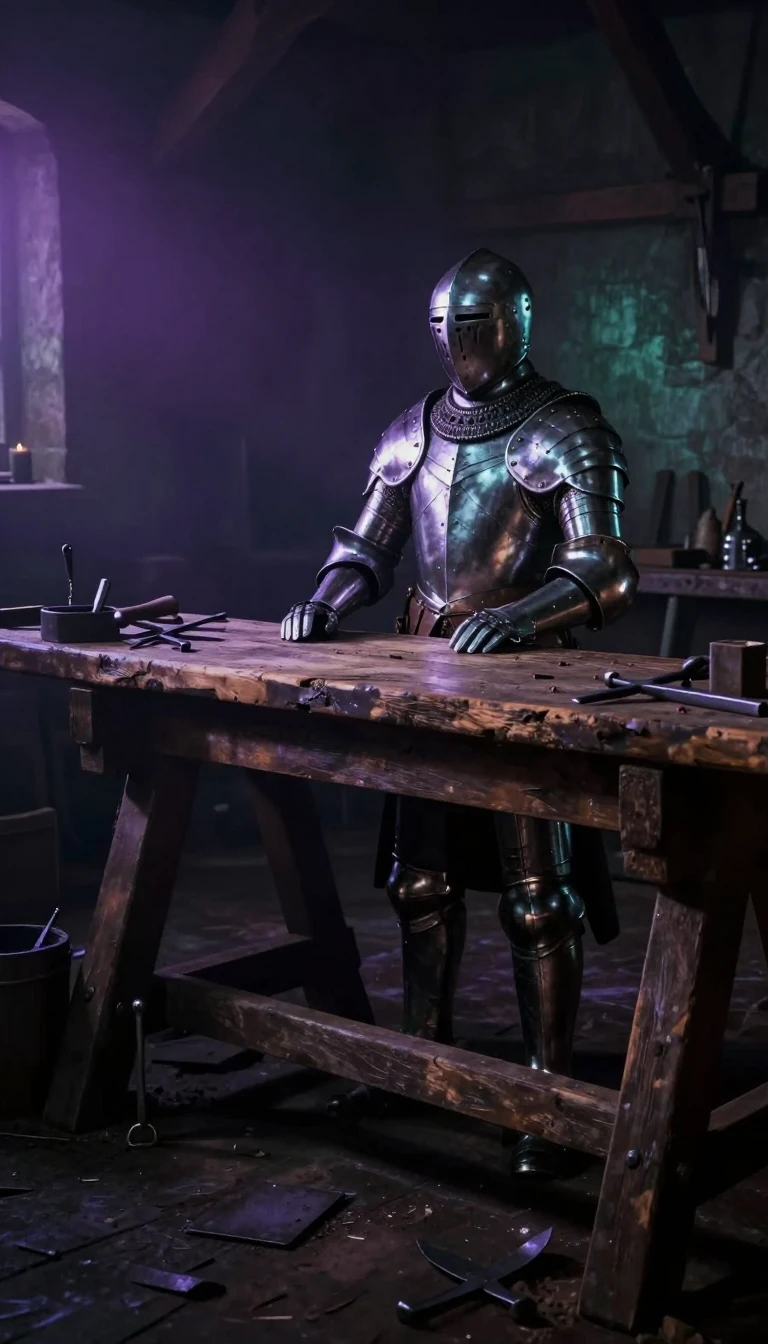 Early swords stayed short because long bronze blades simply bentFor centuries, sword makers could not make a practical blade much longer than 60 centimetres. The problem was physics: bronze is not stiff enough, so longer blades flexed and bent…
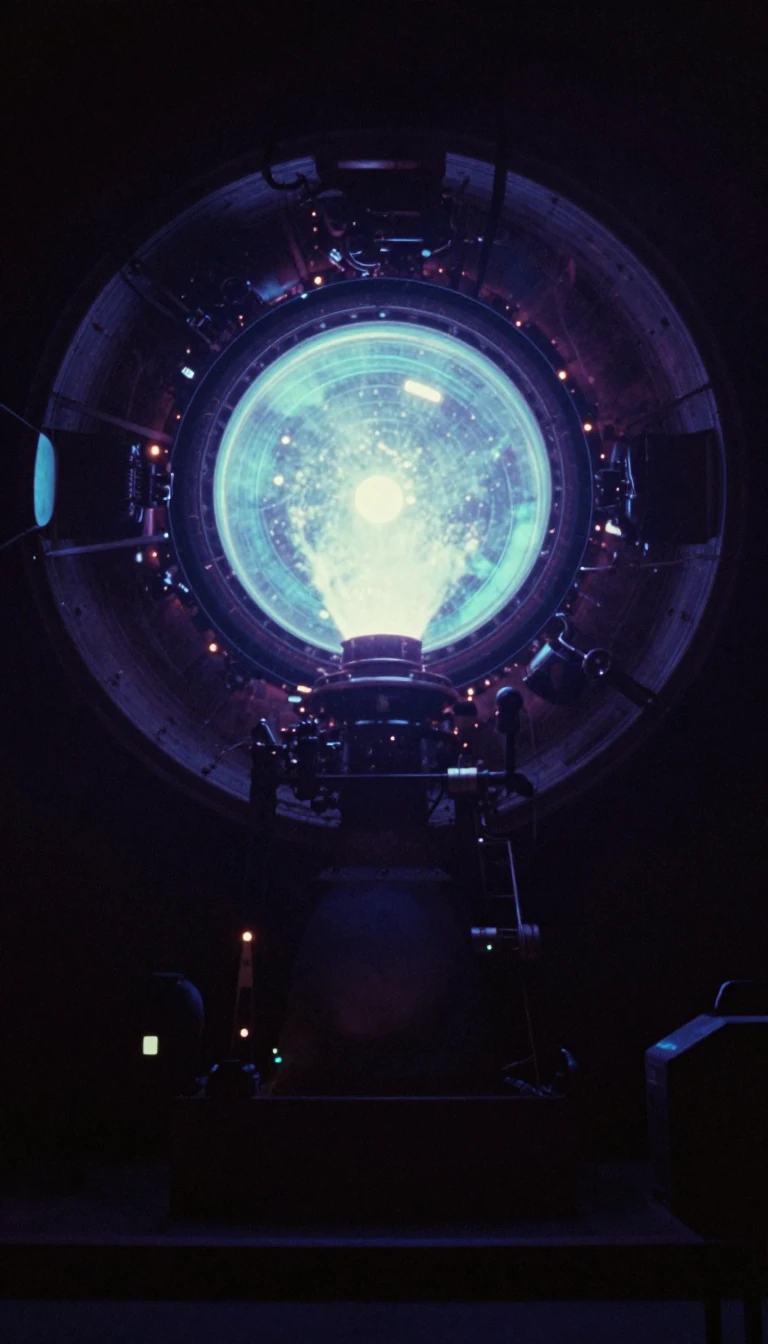 Most of a hydrogen bomb's power actually comes from fission, not fusionThe hydrogen bomb takes its name from the fusion of heavy hydrogen isotopes, yet in typical American designs more than 80 percent of the energy comes from splitting uranium in the…
 The torpedo is named after a fish that stuns its prey with electricityLong before it meant a weapon, torpedo was the name of the electric ray, from a Latin word for sluggishness. David Bushnell reportedly borrowed it for his submarine, Robert Fulton…
 Chandragupta Maurya reportedly fielded 9,000 war elephants at his heightAncient Indian writers said an army without elephants was as contemptible as a forest without a lion or a kingdom without a king. At the peak of the Maurya Empire, Chandragupta re…
 For centuries, half a war fleet might be borrowed merchant shipsUntil the seventeenth century, navies routinely pressed trading vessels into service, and more than half a fleet could be merchant ships, because a cargo carrier and a fighting sh…
- Early iron swords were no better than bronze; horses changed war insteadWhen ironworking reached Greece around 1300 BC, the first iron swords were no improvement on bronze ones. The bigger military shift had come centuries earlier, around 2000 BC, whe…
 An archbishop coined weapons of mass destruction years before the atom bombThe phrase weapons of mass destruction first appears on record in 1937, spoken by Cosmo Gordon Lang, Archbishop of Canterbury, as he reflected on the bombing of Guernica and the w…
- The shotgun began as a bird hunter's fowling piece with a six-foot barrelBefore it was called a shotgun, the weapon was a fowling piece, built in sixteenth-century Europe for shooting birds on the wing, with barrels that later stretched to six feet. Th…
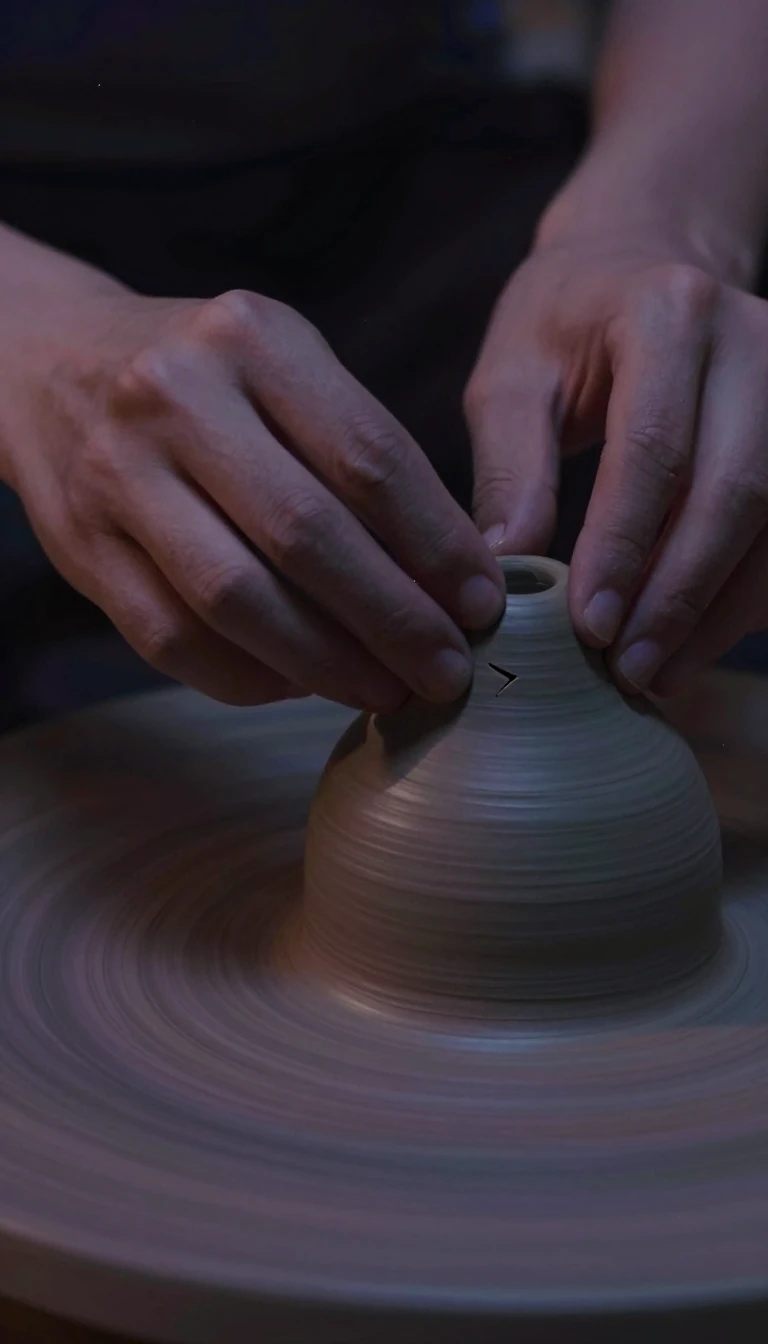 The humble sling outranged Persian stones when Rhodians switched to leadTwo cords and a pouch can hurl a stone far beyond any human arm, sometimes over 400 metres on a high arc. Ancient armies relied on the sling for thousands of years, yet surviving …
- Humans have made spears for 400,000 years, and chimpanzees make them tooWooden spears from Schöningen in Germany and Clacton in England show people hunting with sharpened shafts at least 400,000 years ago. Humans are not alone in this: western chimpan…
 Clearing a naval minefield can take 200 times longer than laying itA naval mine can cost as little as 2,000 dollars, and laying one typically costs between 0.5 and 10 percent of removing it. Clearing a minefield may take up to 200 times as long a…
 The rapier began as a Spanish 'dress sword' worn with everyday clothesSpaniards called it the espada ropera, the dress sword, because gentlemen wore it as part of their outfit. The long, slender thrusting blade became a badge of nobility across 16th…
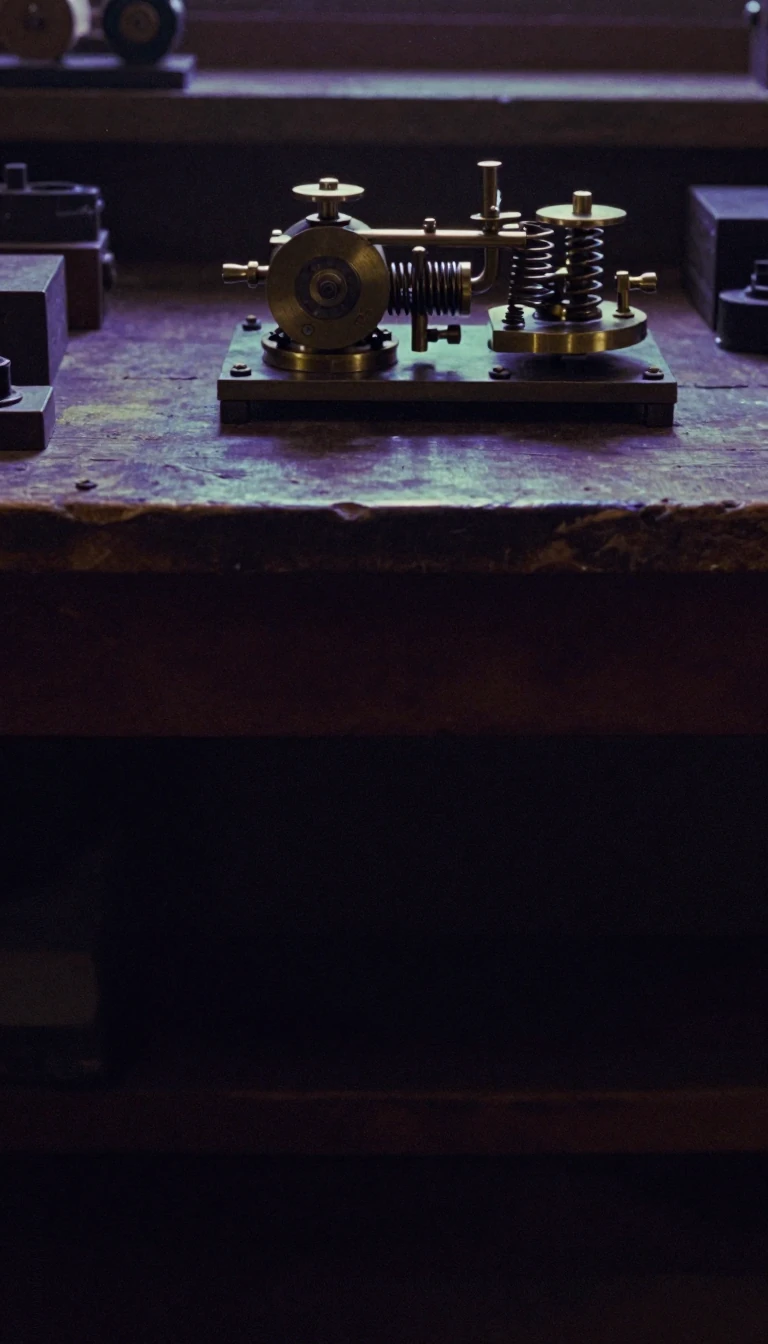 Spiral grooves turned a wobbly musket ball into an accurate rifle shotA musket ball sat loosely in its smooth barrel, rattling against the sides and leaving the muzzle in an unpredictable direction. Cutting spiral grooves inside the barrel made the …
- The small buckler shield gave English the word 'swashbuckler'A buckler was a round metal shield just 20 to 40 centimetres across, light enough to hang from a belt and used for both blocking and striking at close quarters. Carried by knights…
- The word battleship is shorthand for 'ship of the line of battle'Twentieth-century battleships got their name from a sailing-era tactic. Fleets in the 17th century began forming single-file lines to trade broadsides, and only the strongest ship…
- Ming dynasty engineers built pressure-triggered mines centuries before EuropeA 14th-century Chinese manual, the Huolongjing, describes buried bamboo mines set off when enemies stepped on hidden boards, dropping a weight that spun steel wheels against flint…