 Intellect Plus
Technology
10,995 cards. Each one is a 40-second story with a five-minute read behind it. Page 175 of 184.
Subtopics: 3D printing & manufacturing · AI & machine learning: practical · Aircraft · Automata · Aviation · Batteries · Binary · Biotechnology · Bridges · Cameras & imaging · Cars · Chemical engineering · Chips · Codes · Compression · Computing · Computing and information technology · Computing history · Cryptography · Cybersecurity · Electric vehicles · Electronics · Energy · Engineering · Everyday tech · Famous patents · Future Frontier · How it works · How Things Work: GPS to the Phone · How Things Work: Jets, Propellers and Ships · Industry · Infrastructure · Internet · Inventions · Inventors · Machinery and tools · Maths · Media and communication · Medical technology · Medieval clockmaking · Mercedes-Benz Engineering · Military technology · Motorbikes · Navigation and timekeeping · Networks · Nuclear power · Optical technology · Physics · Pioneers · Programming · Programming languages · Radar · Radio · Researched · Robotics: practical · Robots · Rockets · Security · Semiconductors · Ships & boats · Skyscrapers · Smartphones · Software · Sound & audio technology · Spaceflight · Super-series Wave 1: Car To Wheels · Super-series Wave 1: From Power Station To Pc · Super-series Wave 1: The Journey Of Crude Oil · Technology today · Technology: General · Textiles · Trains & locomotives · Transportation · UK & Ireland: inventions · Video game technology · Web · Wireless
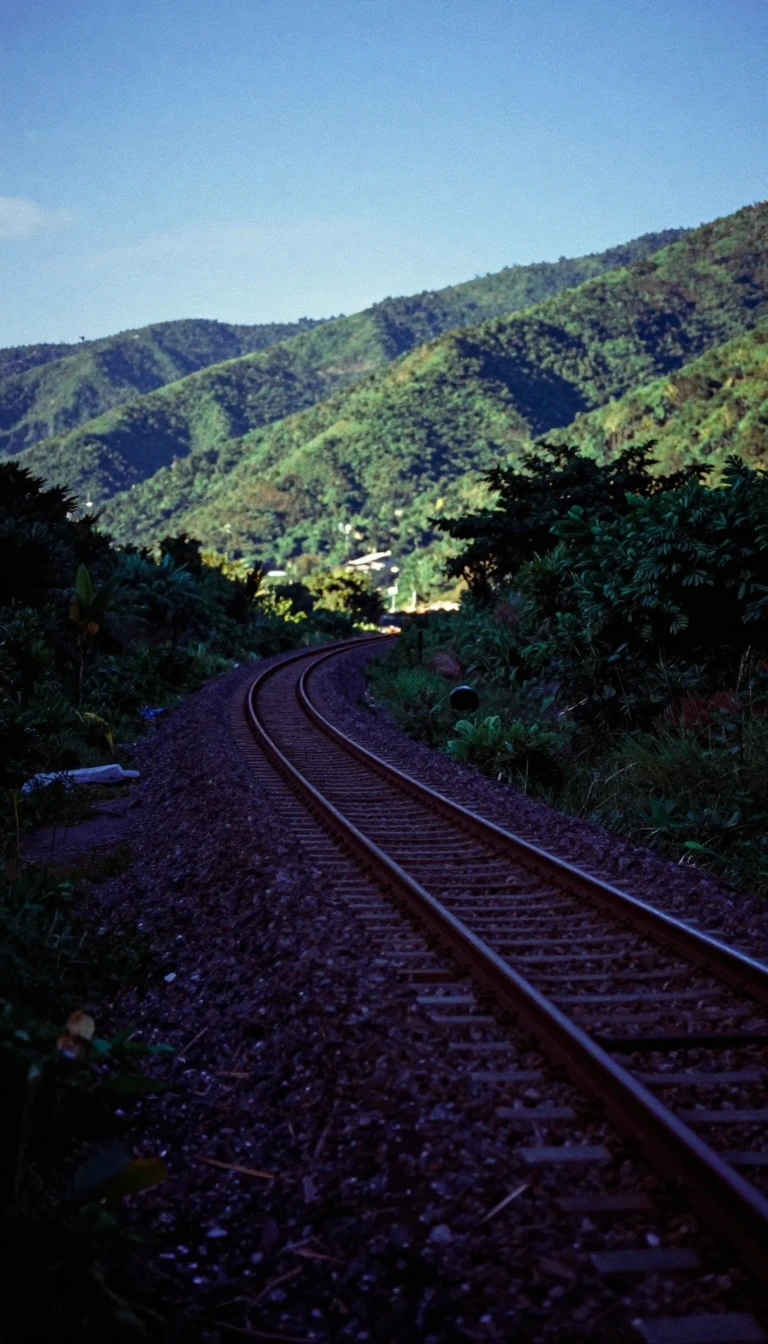 The man who pushed through Japan's bullet train resigned before it openedIn the 1950s many in Japan assumed railways were finished, as America turned to planes and highways. Shinji Sogō, president of Japanese National Railways, argued the opposite and …
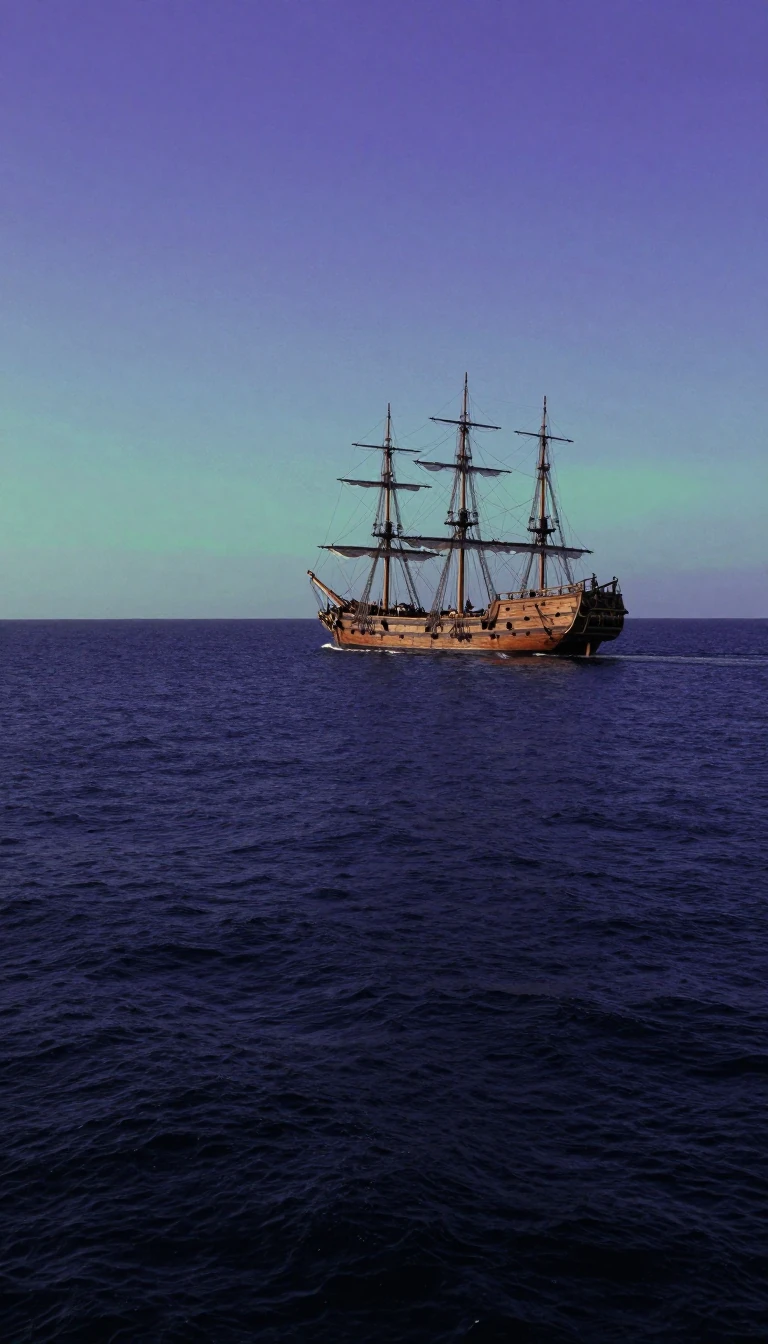 A Navy rule of thumb says ships and boats lean opposite waysNo agreed line separates a ship from a boat, but sailors have tests. One says a ship can carry a boat and never the reverse. A US Navy rule of thumb says that in a sharp turn a sh…
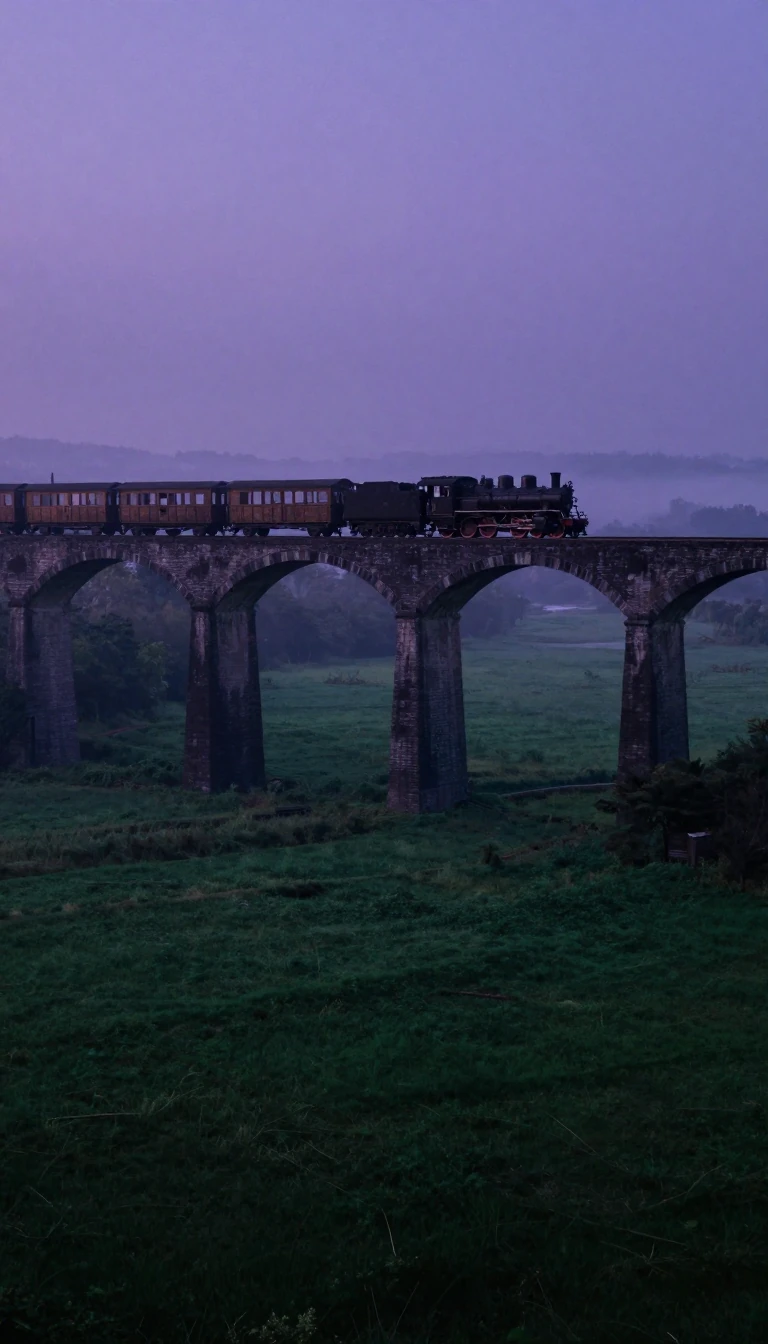 On an Australian desert railway, half of every steam train's load was waterThe Trans-Australian Railway crosses no permanent freshwater stream anywhere along its route. Steam engines there drank bore water loaded with magnesium chloride, which wrecked th…
 Blaise Pascal, the mathematician, helped launch the first city bus in 1662The first organised public transit within a city seems to have run in Paris in 1662, and one of the minds behind it was Blaise Pascal, better known for probability and his calcula…
- Early American rails sometimes curled up and punched through carriage floorsTo save money, early North American railroads nailed thin iron strips on top of wooden rails. The iron worked loose, curled upward and could spear into the floors of passing coach…
 The New York subway runs above ground for 40 percent of its lengthNew Yorkers call their whole system the subway, yet around 40 percent of it runs above street level. The name itself was borrowed from London, where a line opening in 1890 was goi…
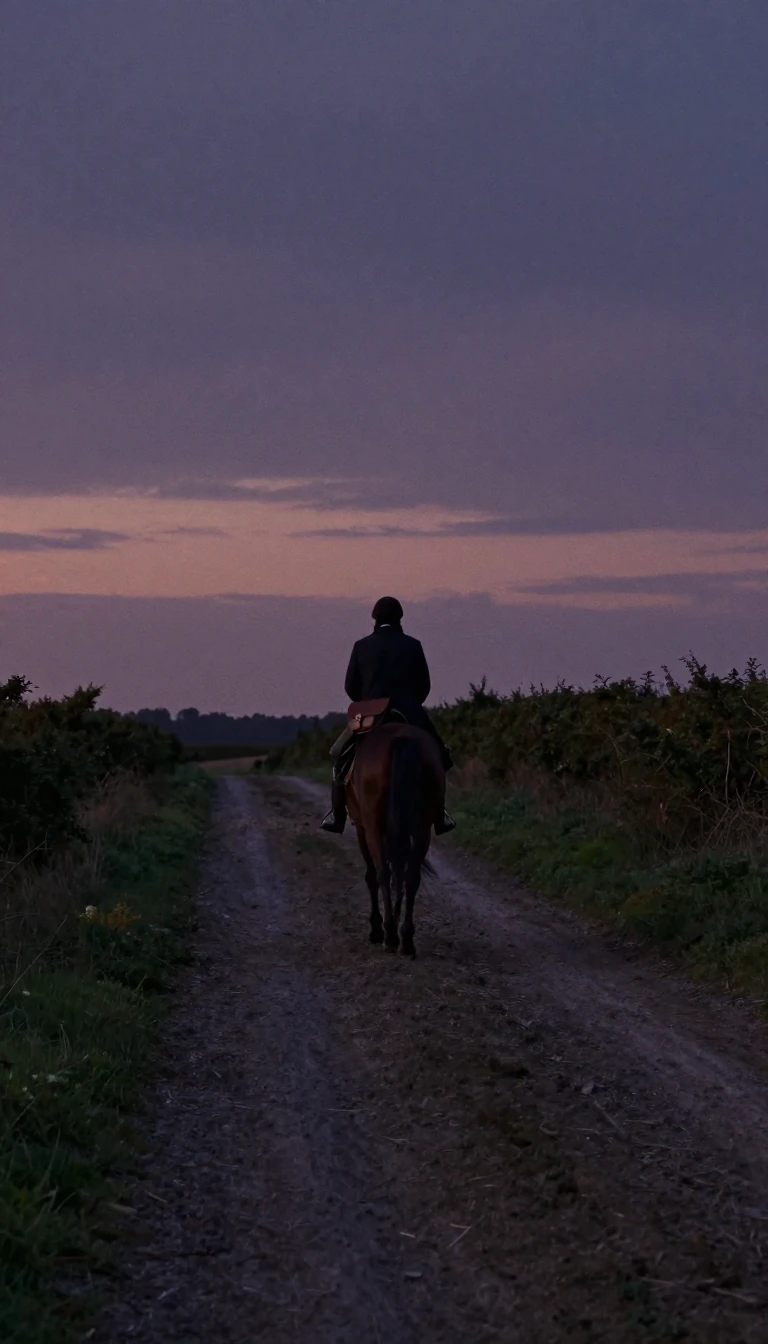 Paris had rickshaws called vinaigrettes nearly two centuries before TokyoWhen the first horse-drawn omnibus in Paris stopped running in 1679, the city filled the gap with small enclosed two-wheeled carts for a single rider. People called them vinaigret…
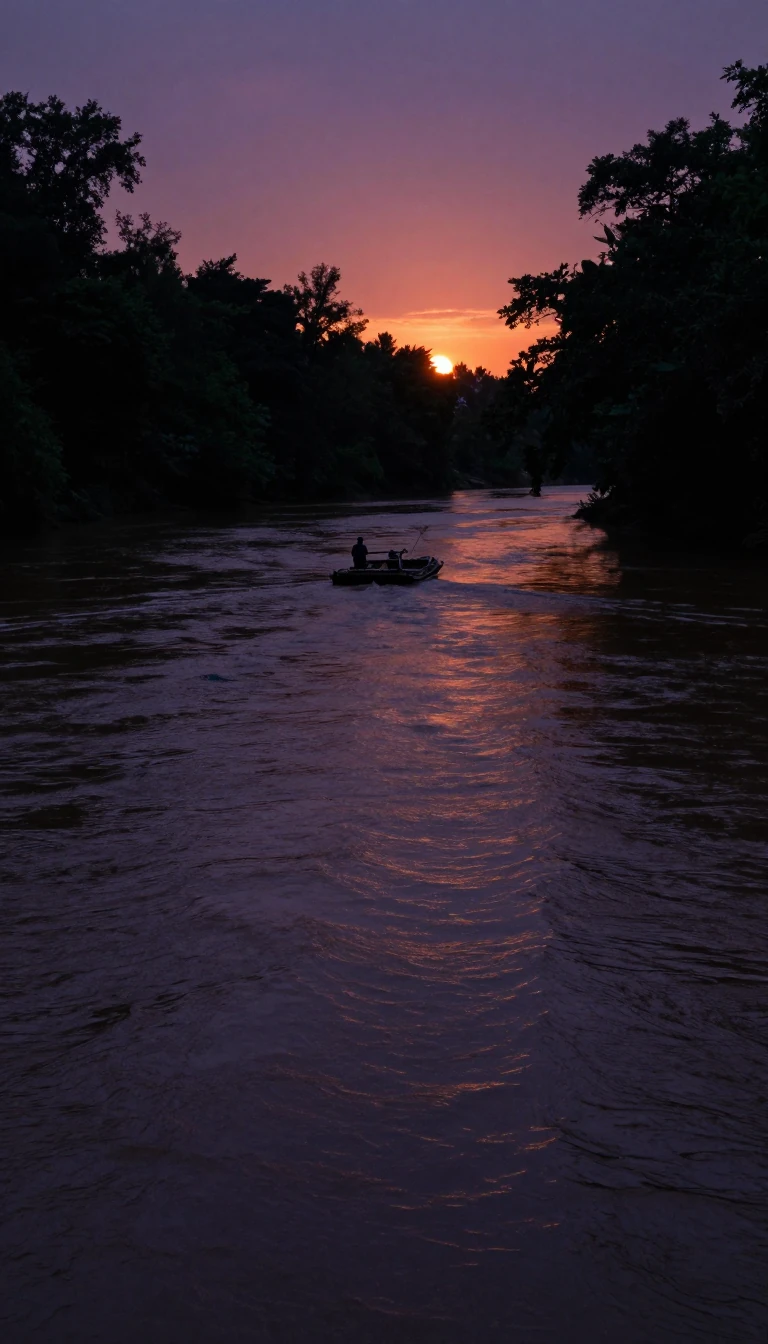 American river steamers were said to float on a heavy dewPaddle steamers on the Mississippi, Ohio and Missouri in the early 1800s were built to sit so high in the water that they could work in channels less than two metres deep. People …
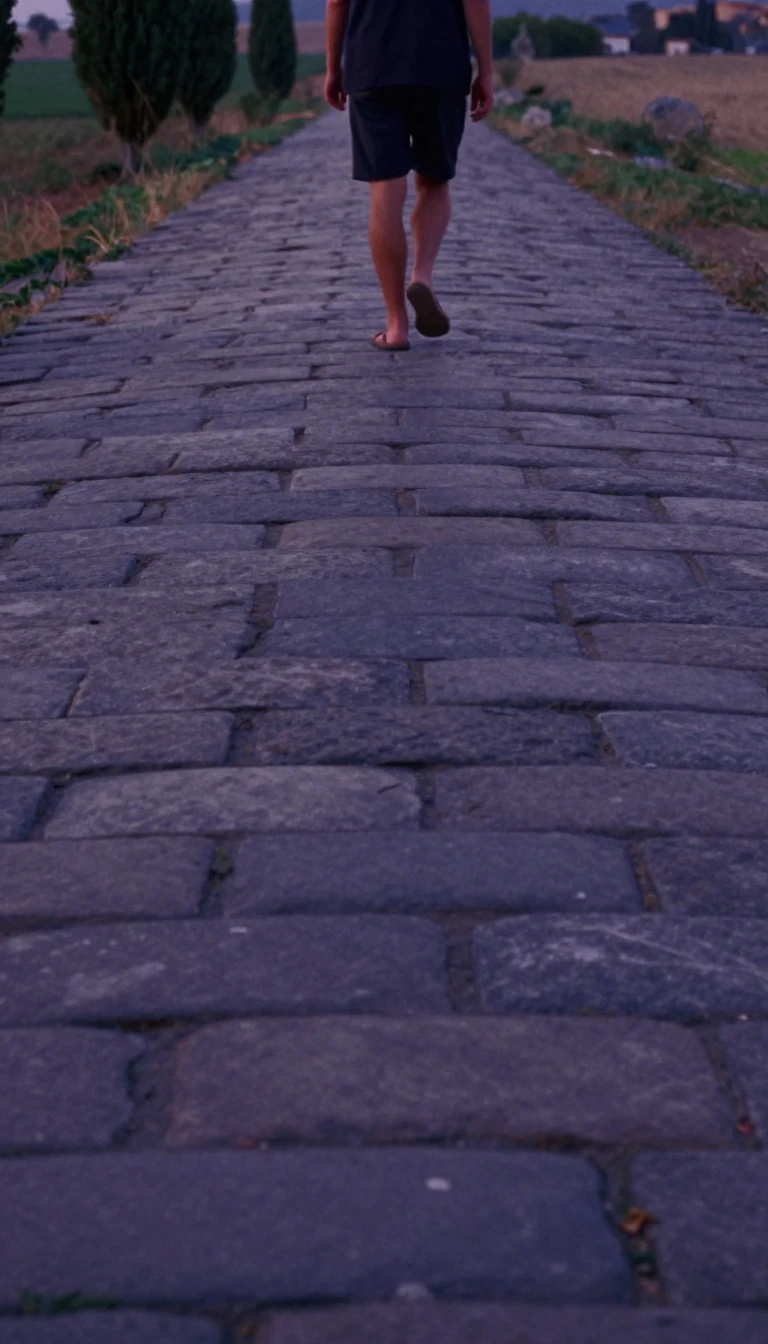 A wooden trackway in Somerset can be dated to a single winterThe Sweet Track, a timber causeway across English wetland, was built in the winter of 3807 BC or the spring after. Tree rings in its wood let archaeologists pin the date that prec…
- McAdam's road workers checked stone size by putting it in their mouthsJohn Loudon McAdam insisted the top layer of his roads use stones no bigger than about 20 millimetres. Supervisors carried scales to check, but a labourer had a quicker test: if a…
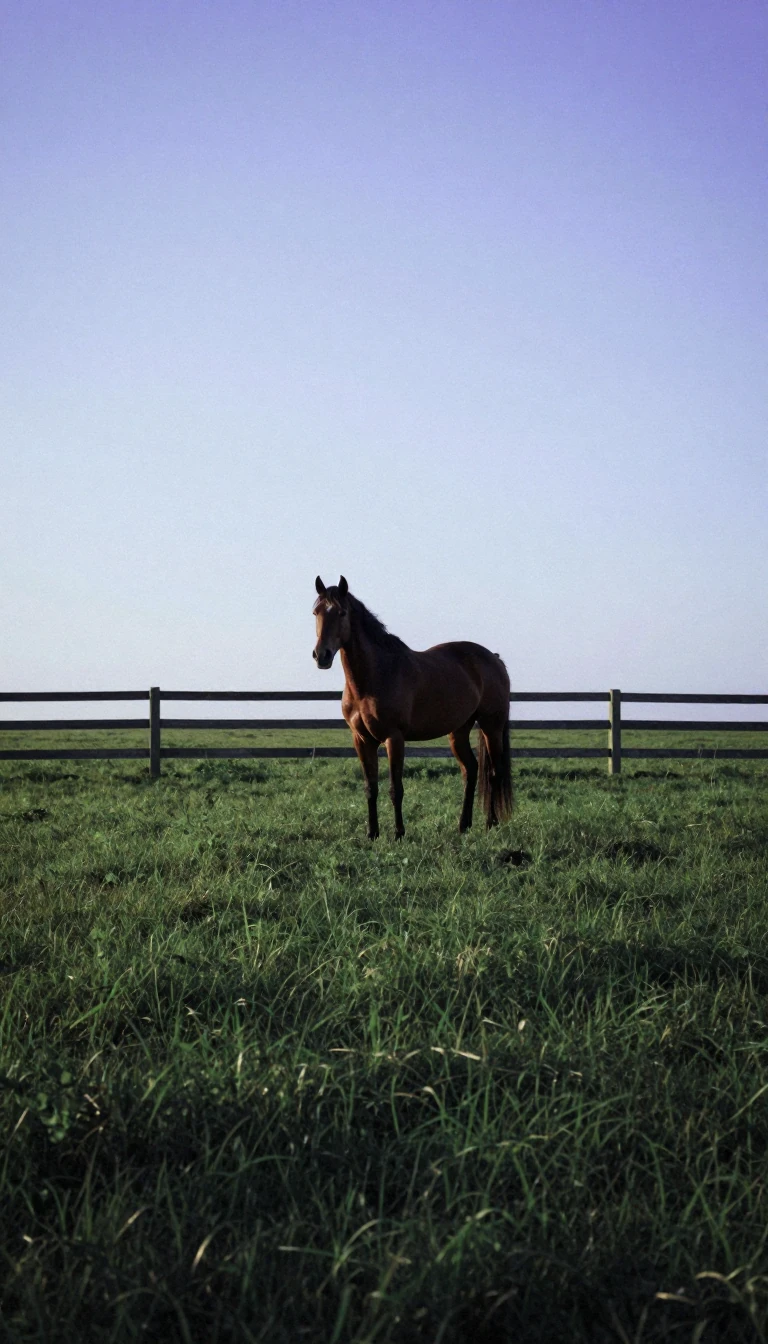 The oldest known saddle, patched cowhide, lay in a woman's grave in XinjiangIn a tomb in the Turpan basin of western China, archaeologists found a cushioned cowhide saddle dated to between 727 and 396 BC, the earliest yet discovered. It had clearly been r…
 Umbrella-jumping entertainers in Siam helped inspire the modern parachuteA French envoy reported in 1691 that at the Siamese court of King Narai, a performer would leap from a height holding two large umbrellas, drifting down into trees, onto roofs or …
 Cars sit still most of their lives, and cities pay for it in landA typical car spends around 95 percent of its time parked. Storing all those idle vehicles swallows enormous amounts of ground: in many North American downtowns, half or more of t…
 Why a giant cruise ship weighs far less than its tonnage suggestsTitanic had a gross register tonnage of 46,328 and weighed a little over 52,000 tons, so the two figures roughly matched. Oasis of the Seas, completed in 2009, measures over 225,0…
 Before 1914, you could cross most of Europe without a passportFor roughly thirty years before the First World War, most European borders could be crossed without papers. Railways moved so many people so quickly across so many frontiers that …
 Robots called pigs crawl through oil pipelines to scrape and inspect themCrude oil carries paraffin wax, and in cold climates it builds up inside pipelines. Operators clear it by launching devices called pigs, also known as scrapers or go-devils, which…
 Liners, tramps and slow steaming: life aboard the world's merchant fleetAs of December 2018, one in four merchant sailors on Earth had been born in the Philippines. They crew a fleet that grew from about 30,900 large ships in 2005 to nearly 39,000 in …
- The biggest ship ever built proved too big to pay its wayThe supertanker Seawise Giant, later renamed Knock Nevis, stretched about 458 metres and could carry 565,000 tonnes. Yet ships that size rarely sailed full, which made them money-…
- The world's oldest working monorail has hung over Wuppertal since 1901Since 1901, trains in the German city of Wuppertal have dangled beneath a single overhead rail, making the Schwebebahn the oldest monorail still carrying passengers. The idea is o…
 The first motorcycle needed training wheels and was really an engine testIn 1885 Gottlieb Daimler and Wilhelm Maybach built the Reitwagen, or riding car, in Bad Cannstatt to try out their new petrol engine. It ignored decades of bicycle steering know-h…
 New York's first subway was a 95-metre tube pushed by airIn February 1870 Alfred Ely Beach opened a demonstration line under Broadway: a single car blown along a 95-metre tunnel by air pressure. Politics and money killed any extension, …
 Gliders fly engine-free for hundreds of kilometres on rising airAround 1005 an English monk named Eilmer strapped on wings, leapt from Malmesbury Abbey and reportedly covered about 200 metres before crashing. He blamed the missing tail. Today'…
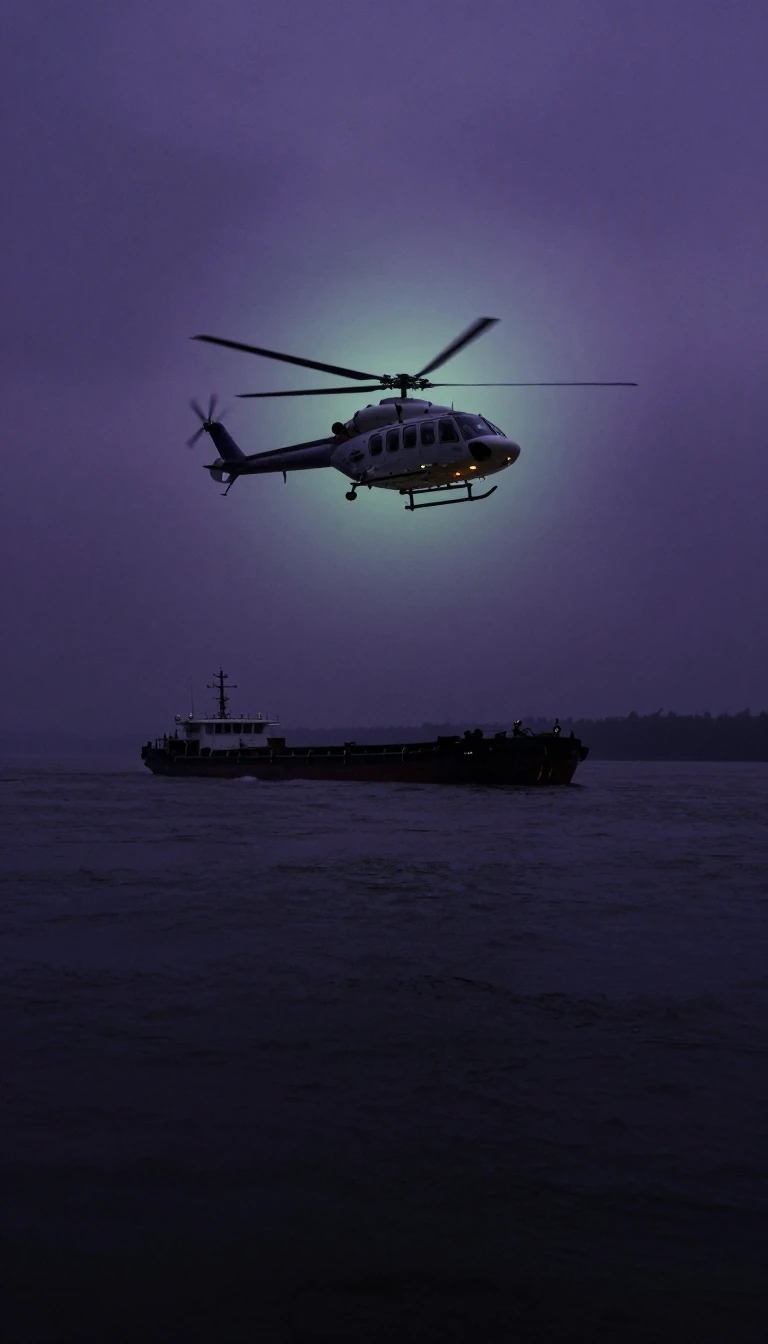 The helicopter's name means spiral wing, not heli plus copterThe Frenchman Gustave Ponton d'Amécourt coined hélicoptère in 1861 from the Greek helix, meaning spiral, and pteron, meaning wing. English speakers split it the wrong way, which i…
- Electric trains passed 200 km/h in 1903, sixty years before bullet trainsIn October 1903 two experimental electric railcars raced along a military line south of Berlin, one reaching 206.7 km/h and the other 210.2 km/h. They proved fast electric rail co…
- The king wanted convicts aboard the first free balloon flightLouis XVI originally decreed that condemned criminals should be the first people to fly free beneath a Montgolfier balloon. Jean-François Pilâtre de Rozier and the Marquis d'Arlan…
 A coffee tin, a cat food can and a hairdryer made the hovercraftIn the early 1950s the British engineer Christopher Cockerell blew air from a hairdryer into the gap between a coffee tin and a cat food can. The fast-moving ring of air acted lik…
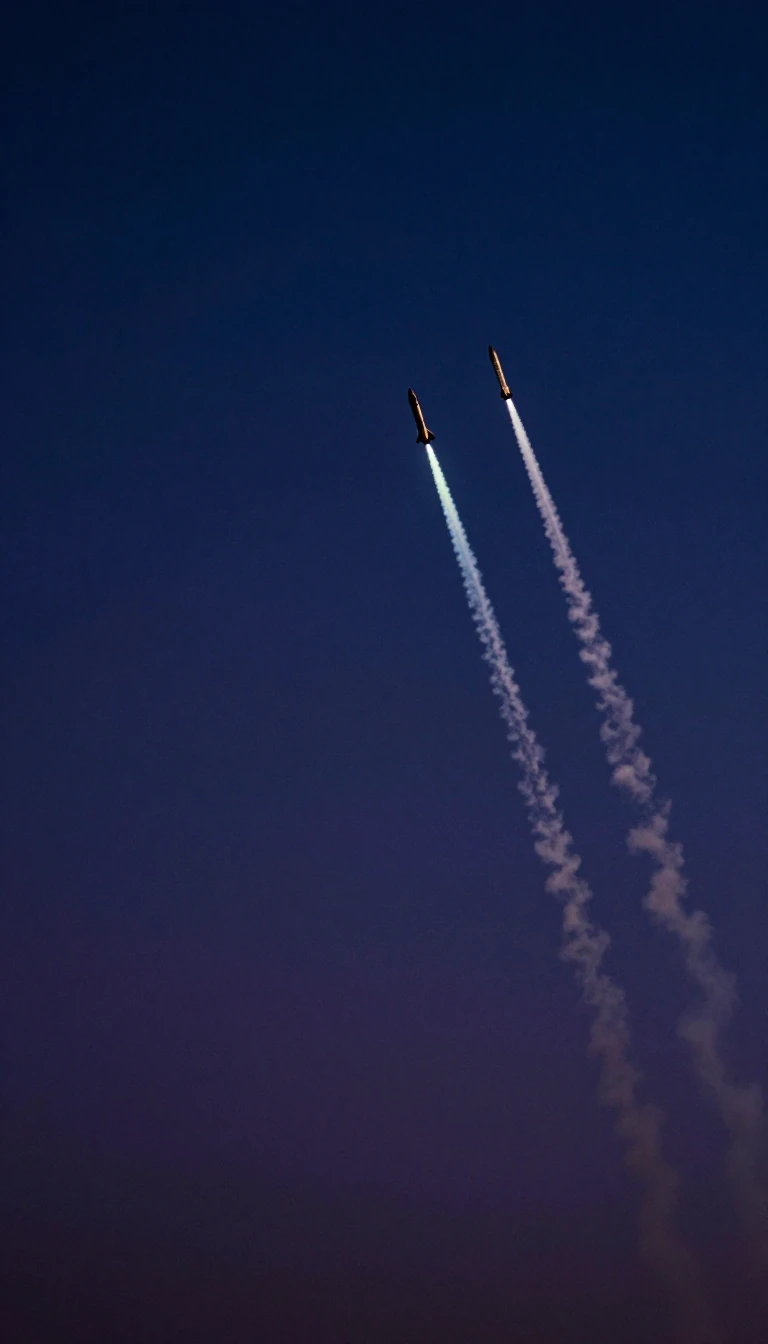 Two inventors, working apart, raced to build the first jet engineFrank Whittle, an RAF officer, started designing a practical jet engine in 1928. In Germany Hans von Ohain was independently chasing the same idea a few years later. Von Ohain's e…
 Beer pipelines, sleepers and ballast: how things really move over landPipelines are a form of land transport, and not only for oil and gas. Short systems carry sewage, slurry, water and even beer, while pneumatic tubes shoot solid capsules along on …
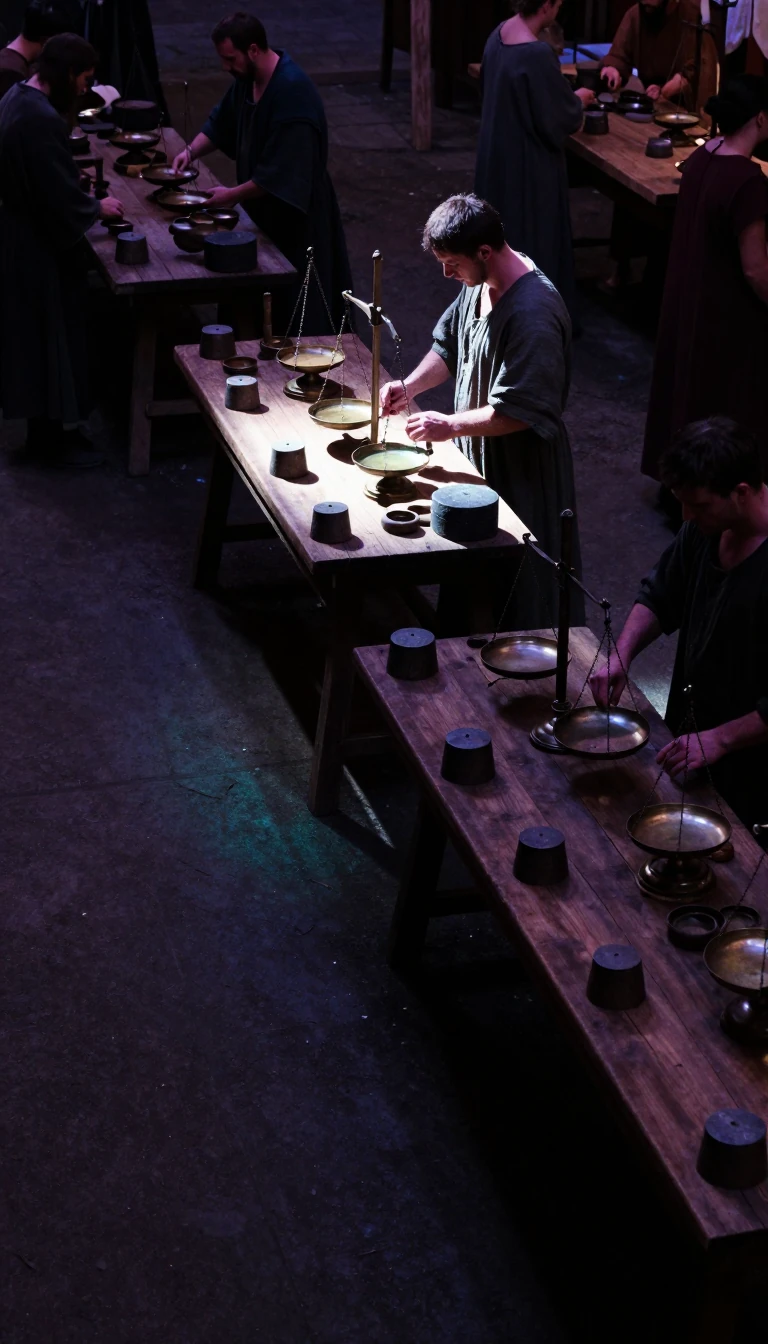 Grain thieves in Song China prompted the invention of the pound lockIn the 10th century a Chinese tax official named Qiao Weiyue kept losing grain barges on the West River near Huai'an. He found soldiers at a double slipway were colluding with ban…
- The Tube began with steam engines, gaslit carriages and bearded staffWhen the world's first underground railway opened between Paddington and Farringdon in January 1863, steam locomotives hauled gas-lit wooden carriages through the tunnels. Smoke a…
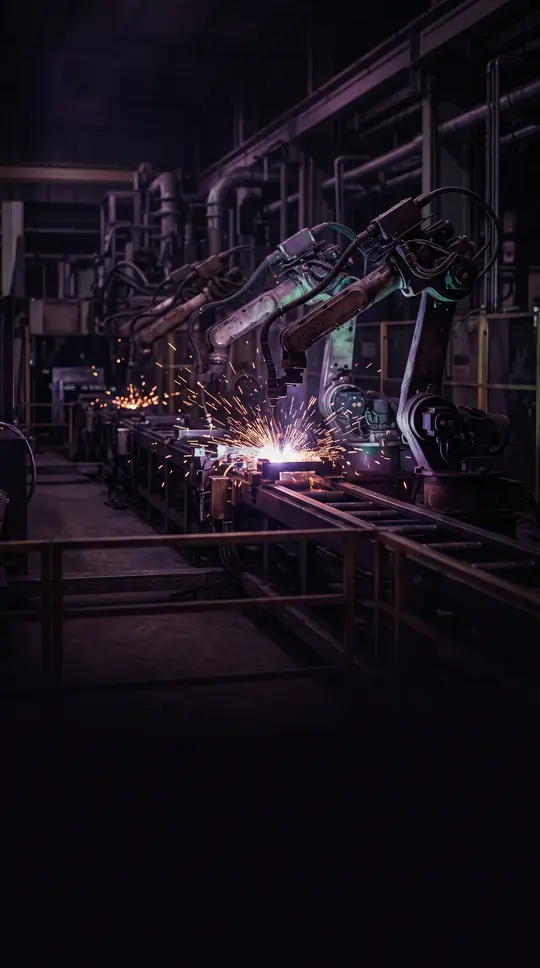 The first filling station was a small-town German pharmacyIn 1888 Bertha Benz took the world's first automobile on its maiden long trip from Mannheim to Pforzheim and ran low on fuel. She topped up at the city pharmacy in Wiesloch, which…
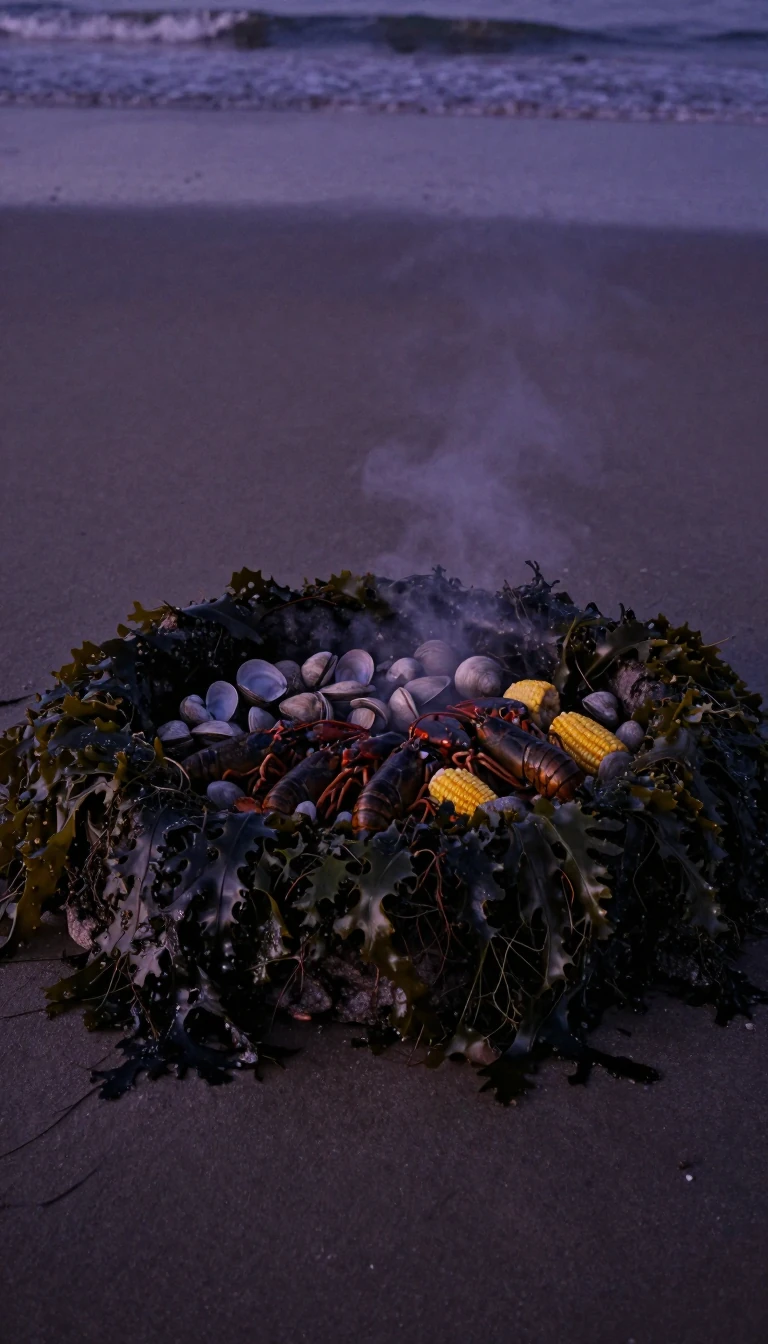 From dugout canoes to steam trawlers: how fishing boats evolvedThe oldest boats ever dug up are Neolithic canoes, hollowed from conifer logs with stone tools 7,000 to 9,000 years ago. They could barely leave the shore, but they were built to …
- Kites came first: the long road to the fixed-wing airplaneThe humble kite counts as a fixed-wing aircraft, and it flew in China roughly 2,800 years ago. By 549 AD a paper kite was carrying a message in a rescue mission. Chinese armies la…
 Why ships still carry almost all the world's freightIn 2015 the world moved 108 trillion tonne-kilometres of cargo, and about 70 percent of it went by sea. Roads handled 18 percent, rail 9 percent, and air under a quarter of one pe…
- The freeway is free of crossings, not free of tollsWhen the planner Edward M. Bassett coined the word freeway in February 1930, he was thinking about property law rather than prices. Landowners beside an ordinary highway had right…
 Switzerland kept soldiers on bicycles until 2003Long after tanks and helicopters arrived, the Swiss army still fielded a regiment that went to war by pedal power. It was the last such unit anywhere, and it was finally disbanded…
- The first road trip was a secret publicity stunt by Bertha BenzIn August 1888 Bertha Benz loaded her teenage sons Richard and Eugen into an experimental motor car and set off from Mannheim to Pforzheim, 106 kilometres away. She told people sh…
 The first car ferry crossed the Bosphorus carrying horse carriagesIn 1871 an iron paddle steamer called Suhulet, meaning ease or convenience, started carrying vehicles across the Bosphorus in Istanbul. There were no motor cars yet, so its cargo …
- The bus got its name from a hat shop sign in NantesIn 1823 a miller near Nantes named Stanislas Baudry opened a spa heated by waste water from his corn mill, then ran horse-drawn coaches from the city centre to attract bathers. Ha…
 The first chairlift began as a hoist for loading bananasWhen the railway magnate William Averell Harriman needed a way to get skiers up the slopes at Sun Valley, Idaho, a Union Pacific bridge designer named James Curran remembered a ca…
 How canal builders lifted boats over hills without flooding the valleysWater always runs downhill, yet canals must stay almost perfectly level. Engineers solved the problem with chambers, lifts, bridges and tunnels, and China worked out the double-ga…
 Canoes carried the first settlers of the Caribbean islandsAround 3500 BC, Amerindian groups paddled out from mainland South America and settled the first Caribbean islands in single-hulled canoes, the only way to get there. Nobody has fo…
- Why a middleman can ship your pallet cheaper than you canSmall companies booking a truck directly are often offered 5 to 30 percent off a carrier's published rates. A freight broker buying space on the same trucks typically gets 50 to 8…
 Giant cargo ships are named after the canals and straits they can squeeze throughA freighter's size class is really a map of the bottlenecks it can pass. Panamax, Suezmax, Malaccamax and Seawaymax each describe the biggest ship a particular canal, strait or lo…
- Your car's dashboard and boot were named on horse-drawn carriagesA dashboard was once a screen of wood or leather at the front of an open carriage, stopping the mud and snow that horses' hooves flung up. The boot began as a box that jutted out …
- Two wheels beat four for the first animal-drawn vehiclesThe earliest wheeled vehicles were four-wheeled wagons, but the cart soon proved its worth. With only two wheels, it needed roughly 40 percent less pulling force than a wagon of e…
 The world's first control tower was a wooden hut at CroydonOn 25 February 1920, Croydon Airport near London opened the first air traffic control post anywhere: a wooden hut about 5 metres tall with windows on all four sides. From it, staf…
- The word aviation was coined forty years before any aeroplane flewIn 1863 Gabriel de La Landelle, a French author who had once served in the navy, published a book titled Aviation, or Aerial Navigation without Balloons. He built the word from th…
- The humble barge gave English the word embark and a famous idiomTo embark literally means to board a barque, a word that traces back through Latin and Greek to an Egyptian term for a basket-shaped boat. Barges gave English another phrase too: …
 Ball bearings and pneumatic tyres were bicycle parts before cars borrowed themLong before the motor car, bicycle makers had worked out ball bearings, pneumatic tyres, chain-driven sprockets and tension-spoked wheels. All four later proved vital to automobil…
 The fastest glider ever flown was the Space ShuttleReturning from orbit, the Space Shuttle had no engine thrust to land with. It plunged back into the atmosphere at nearly Mach 25, around 28,200 kilometres per hour, and then glide…
 Jet engine makers sell their engines at a loss and profit for thirty yearsA new jet engine usually leaves the factory at a loss. Its maker earns the money back over roughly three decades of service, selling maintenance and spare parts, the same logic as…
 America's first airline passenger paid 400 dollars for a wooden benchOn January 1, 1914, Tony Jannus flew a Benoist flying boat of wood and muslin from St. Petersburg to Tampa, skimming about 15 metres above the bay for 23 minutes. His passenger, a…
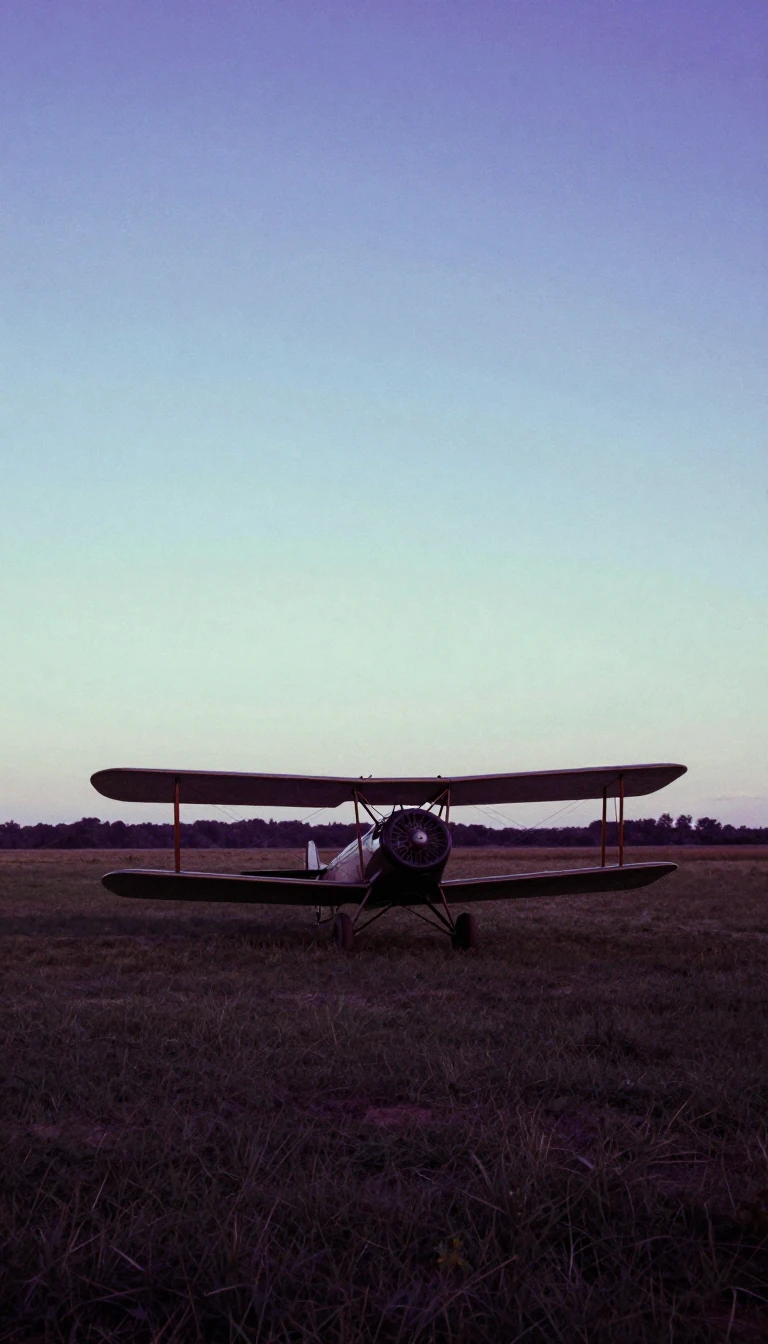 The word aeroplane first meant only the wing, and predates powered flightEnglish speakers were saying airplane in the late 19th century, before anyone had managed sustained powered flight. The word came from French aéroplane, built from Greek for air p…
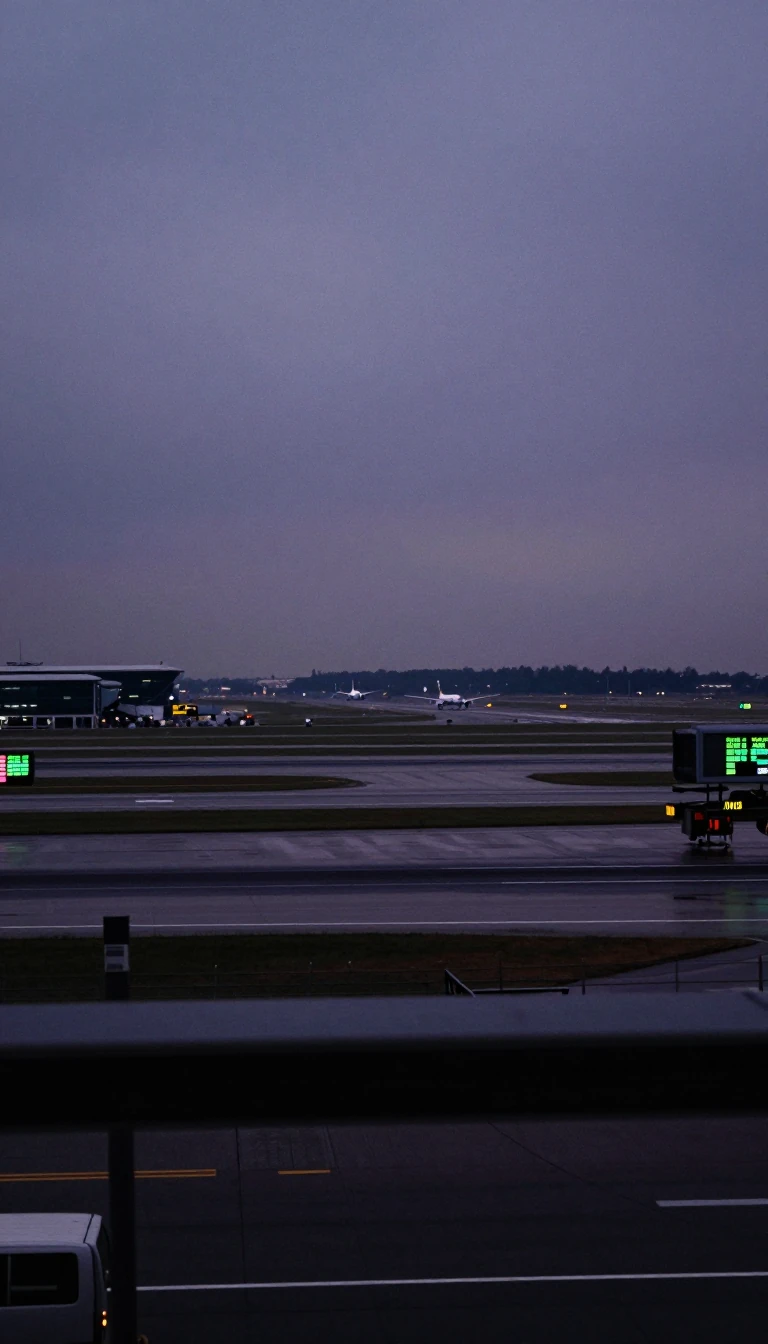 Santos-Dumont coined the word airport a year before the Wrights flewTalking to The New York Times in 1902, the Brazilian aviation pioneer Alberto Santos-Dumont predicted that within about a decade people would fly the Atlantic between New York and…
 The screw came roughly two thousand years before anyone made a screwdriverThe screw was the last of the six classic simple machines to appear, turning up in Assyria between 911 and 609 BC, where King Sennacherib boasted of casting water-screw pumps weig…
 A janitor's soap box and his wife's pillowcase gave the world the HooverIn 1907 James Murray Spangler, a department store janitor in Canton, Ohio, rigged an electric fan to blow dust into a soap box fitted with one of his wife's pillowcases, adding a …
 The oldest valve is a hinged flap that lets the flow do the workPicture a flap hanging on a hinge inside a pipe. Push fluid one way and it swings open; try to send it back and the current slams the flap shut. That ancient design, the check val…
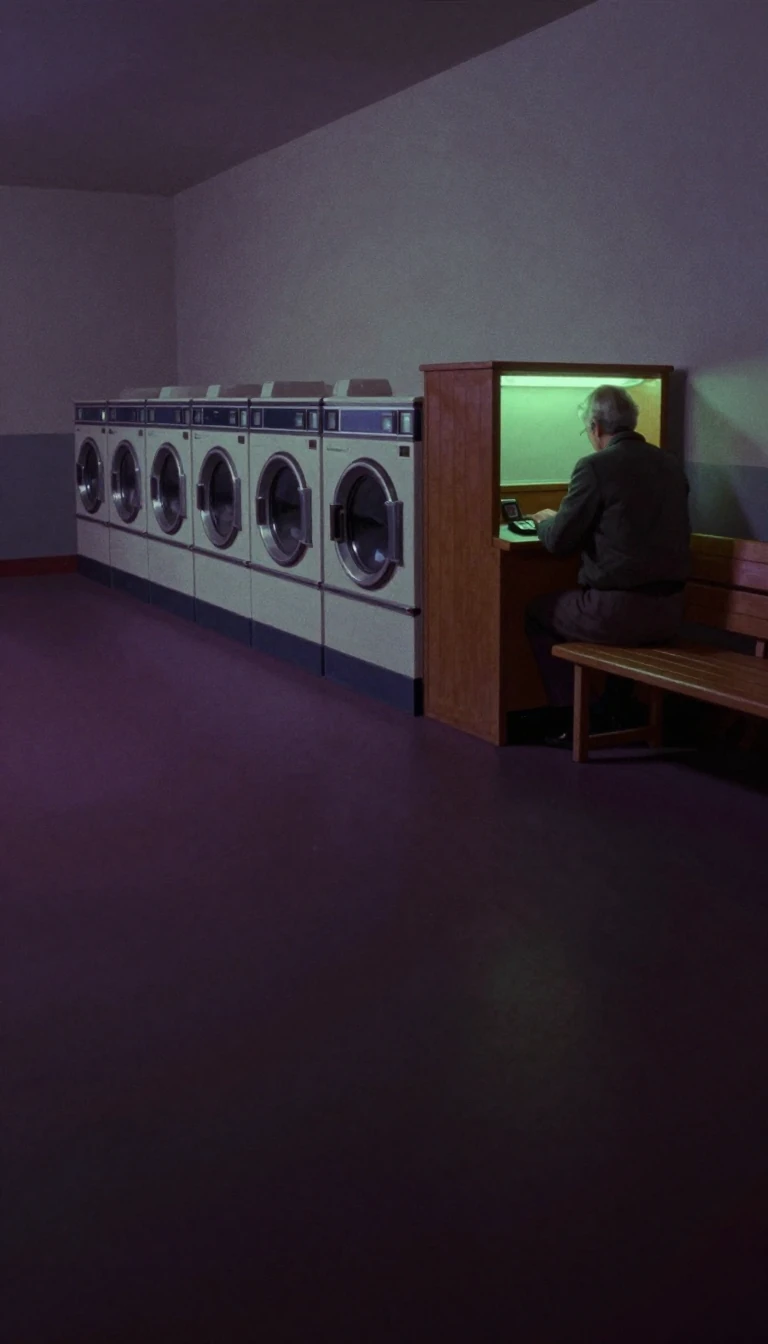 The first automatic washing machine had to be bolted down to stop it walkingIn 1937 Bendix Home Appliances launched the first domestic automatic washer, a front-loader that looks familiar even now. It had no drum suspension, so owners anchored it to the f…
 Why a splitting maul has a fatter head than an axeA thinner wedge multiplies force more, so you might expect a log-splitting maul to be razor-slim. It is the opposite. In springy material such as wood, friction grabs a narrow wed…