 Intellect Plus
Cards starting with W
29,907 cards. Page 351 of 499.
 Why the ancient Aztec fire god was depicted as both a youth and elderHuehueteotl, the Old God of Mesoamerica, remains a central figure in Aztec mythology. Often linked to the fire deity Xiuhtecuhtli, he presents a striking paradox: while stone carv…
 Why the ancient capital of Charlemagne became a brutal urban trap for Allied forcesAachen was the first German city to fall to the Allies, but its capture was far from a swift victory. Despite being a symbolic heartland rather than a military hub, the city’s den…
 Why the ancient Celtic festival of Samhain became the modern holiday of HalloweenDiscover the origins of Halloween, tracing its roots from a sacred Celtic festival marking the shift into winter to its eventual integration into the Christian calendar. This over…
 Why the ancient city of Malatya is known as the global land of honeyDeep in Turkey’s Eastern Anatolia region lies Malatya, a city whose name traces back to the Hittite word for honey. Beyond its sweet etymology, this historic crossroads has evolve…
- Why the ancient city of the dead remains a blueprint for modern urban planningThe term necropolis, meaning city of the dead, originated in Ancient Greek to describe elaborate burial sites separated from living populations. While often associated with antiqu…
 Why the ancient concept of duḥkha means far more than just human sufferingOften translated as suffering, the Sanskrit term duḥkha captures a deeper, pervasive sense of unease or incompleteness. Whether viewed as a poorly fitting axle on a cart or an uns…
 Why the ancient concept of hospitality remains a global economic powerhouse todayDerived from the Latin word hospes, hospitality is more than just a warm welcome. It is a massive, interconnected service sector spanning food, travel, and lodging. Despite being …
 Why the ancient definition of a tyrant was once neutral, not inherently cruelThe word tyrant once carried no moral weight, simply describing an absolute ruler who seized power without constitutional right. Over centuries, philosophers and historians transf…
 Why the ancient Egyptians invented the art of mummificationTo modern eyes, mummification looks like a macabre obsession with death. But for the ancient Egyptians, it was a sophisticated technological response to a changing environment. As…
 Why the ancient Egyptians worshipped a creature as dangerous as the Nile crocodileIn the pantheon of ancient Egypt, few figures are as striking as Sobek. Represented as a crocodile or a crocodile-headed human, this deity embodied the raw power of the Nile. Whil…
- Why the ancient Egyptians worshipped a terrifying hybrid beast as a protector of lifeTaweret, the Egyptian goddess of childbirth and fertility, was no delicate deity. Depicted as a bipedal hippopotamus with lion limbs and a crocodile tail, her monstrous appearance…
 Why the ancient Egyptians worshipped the humble dung beetle as a solar deityIn ancient Egypt, the morning sun was not just a celestial body but a divine force of transformation. By observing the dung beetle rolling its ball across the earth, Egyptians saw…
 Why the ancient Germanic dragon was often just a very large, venomous snakeIn early Germanic mythology, dragons were not the winged, fire-breathing beasts of modern fantasy. They were known as worms, serpents, or adders—long, legless creatures that guard…
 Why the ancient god of shepherds is the reason we fear sudden panicPanic is a primal, overwhelming sensation that overrides logic, often triggering a fight-or-flight response. While the term originates from the Greek god Pan—whose sudden shouts c…
 Why the ancient gods created humanity to serve as divine laborersIn the cradle of civilization, humans weren't created for glory, but for chores. From the Tigris–Euphrates river system to the libraries of Ashurbanipal, ancient Mesopotamian myth…
 Why the ancient Greek Hydra became the ultimate symbol of an impossible, never-ending task.The Lernaean Hydra was more than a multi-headed monster; it was a biological nightmare that could regenerate two heads for every one severed. This lethal creature, born of Typhon …
 Why the ancient Greek sea god Proteus remains the ultimate symbol of transformationProteus, the elusive Old Man of the Sea, possessed the power to foretell the future but would shift his form to avoid doing so. Only those who could physically capture him could f…
 Why the ancient Greek stadion remains a measurement mystery for modern historiansThe stadion was the standard ancient Greek unit of length, defined as 600 feet. Yet, because the physical length of a foot varied across the Greek world, the exact modern equivale…
 Why the ancient Greeks banned chariot racing to honor a fallen heroAbderus was a divine youth whose tragic death during the Eighth Labor of Heracles left a permanent mark on Greek tradition. While his life remains shrouded in mythic ambiguity, th…
- Why the ancient Greeks believed a buried giant caused Mount Etna to eruptIn Greek mythology, Enceladus was a formidable giant defeated by the gods and entombed beneath Sicily. Ancient observers interpreted the volcanic activity of Mount Etna as the res…
 Why the ancient Greeks believed the universe began as an indefinite, boundless voidBefore modern physics, Anaximander proposed that the cosmos did not emerge from a single element like water, but from the apeiron. This infinite, indeterminate substance acted as …
 Why the ancient Greeks feared a whirlpool more than a six-headed sea monsterIn the narrow Strait of Messina, sailors faced a lethal dilemma: the multi-headed Scylla or the insatiable Charybdis. While Scylla snatched men from the deck, Charybdis threatened…
 Why the Ancient Greeks Feared Pride More Than Almost Any Other Human FailingIn the ancient world, hubris was not just a personality quirk; it was a dangerous, often criminal, violation of the natural order. Far from simple arrogance, it was a violent, pub…
- Why the ancient Greeks feared the personification of lawlessness more than any other forceIn Greek mythology, Dysnomia is the chilling personification of lawlessness and bad government. Born from the goddess of strife, she represents the chaotic decay that follows soci…
 Why the ancient Greeks had two words for time, and why it matters today.Ancient Greeks distinguished between chronos, the sequential ticking of the clock, and kairos, the elusive, qualitative moment of opportunity. While chronos is quantitative, kairo…
 Why the ancient Greeks personified misery as a daughter of the nightIn the vast pantheon of Greek mythology, Oizys stands as a chilling personification of distress and pain. Unlike the gods who command elements or emotions, she exists as a silent,…
 Why the ancient Greeks personified the morning dew as a celestial daughterIn the tapestry of Greek mythology, the morning dew was not merely a meteorological occurrence but a divine entity named Ersa. Often identified as Herse, she was considered the da…
 Why the Ancient Greeks viewed Ares as the embodiment of war's brutal, bloody nature.Ares was not a strategic general but the personification of raw, violent conflict. This exploration details his lineage, his volatile affair with Aphrodite, and the terrifying off…
- Why the ancient Greeks worshipped peace as a living, breathing goddessIn the ancient world, peace was not merely a political state but a divine presence. Known as Eirene, she was one of the Horae, personified as a beautiful woman bearing symbols of …
 Why the ancient Grevillea genus is a powerhouse for Australian native gardensExplore the diverse world of grevilleas at Brisbane's Mount Coot-tha Botanic Gardens. This segment highlights the vast variety of species and hybrids available for home gardeners,…
 Why the ancient Kushite rulers built hundreds of pyramids in the Sudanese desertWhile Egypt is famous for its massive monuments, the region of Nubia in present-day Sudan holds a secret of its own. Kushite royalty constructed hundreds of pyramids over a millen…
 Why the ancient Magnolia family is a botanical puzzle that defies simple classificationMagnolias are living relics, featuring spiral flower structures that predate the distinct petals and sepals of modern plants. While they have thrived for eons, their evolutionary …
 Why the ancient pentathlon was the ultimate test of the Greek idealThe ancient pentathlon was not just a collection of sports; it was a rigorous physical examination designed to forge the perfect soldier. By mastering five distinct disciplines, a…
- Why the ancient personification of terror now orbits the red planetIn Greek mythology, Deimos is the literal embodiment of fear, a constant companion to the god of war. While he once haunted the battlefields of antiquity, his name was later claim…
- Why the ancient prohibition against graven images was never just about art or statuesThe biblical command against graven images was a radical rejection of the material world as a vessel for the divine. It demanded that followers abandon the physical idols central …
 Why the ancient Roman calendar required an extra month to stay on trackBefore the Julian calendar, keeping time was a precarious task. This video explores the complex mechanics of the 355-day Roman calendar and the periodic adjustments used to align …
 Why the ancient Roman festival of Saturnalia feels surprisingly like our modern holidaysBefore Christmas, there was Saturnalia. This video explores the origins and traditions of the Roman festival held during the Winter Solstice, explaining how it functioned as a wee…
 Why the ancient Romans believed that lies are fundamentally incapable of moving forwardIn Roman mythology, Dolus is the personification of deception. According to a famous fable by Phaedrus, he attempted to craft a perfect replica of Truth but failed to finish the f…
 Why the ancient Romans called a rugged, mountainous land Fortunate ArabiaLong before modern borders, Yemen was a commercial powerhouse that controlled the world's supply of frankincense and myrrh. Known to the Romans as Arabia Felix, this isolated, ver…
- Why the ancient science of naming life is undergoing a high-tech revolutionTaxonomy is the essential foundation for understanding life, yet it must evolve to meet modern demands. Discover how Kew, alongside academic and museum partners, is integrating ma…
 Why the ancient shield remains a vital tool in modern combat and policingDespite rapid advancements in weapons technology, the shield has evolved rather than vanished. This video examines how a piece of equipment with origins in the distant past has be…
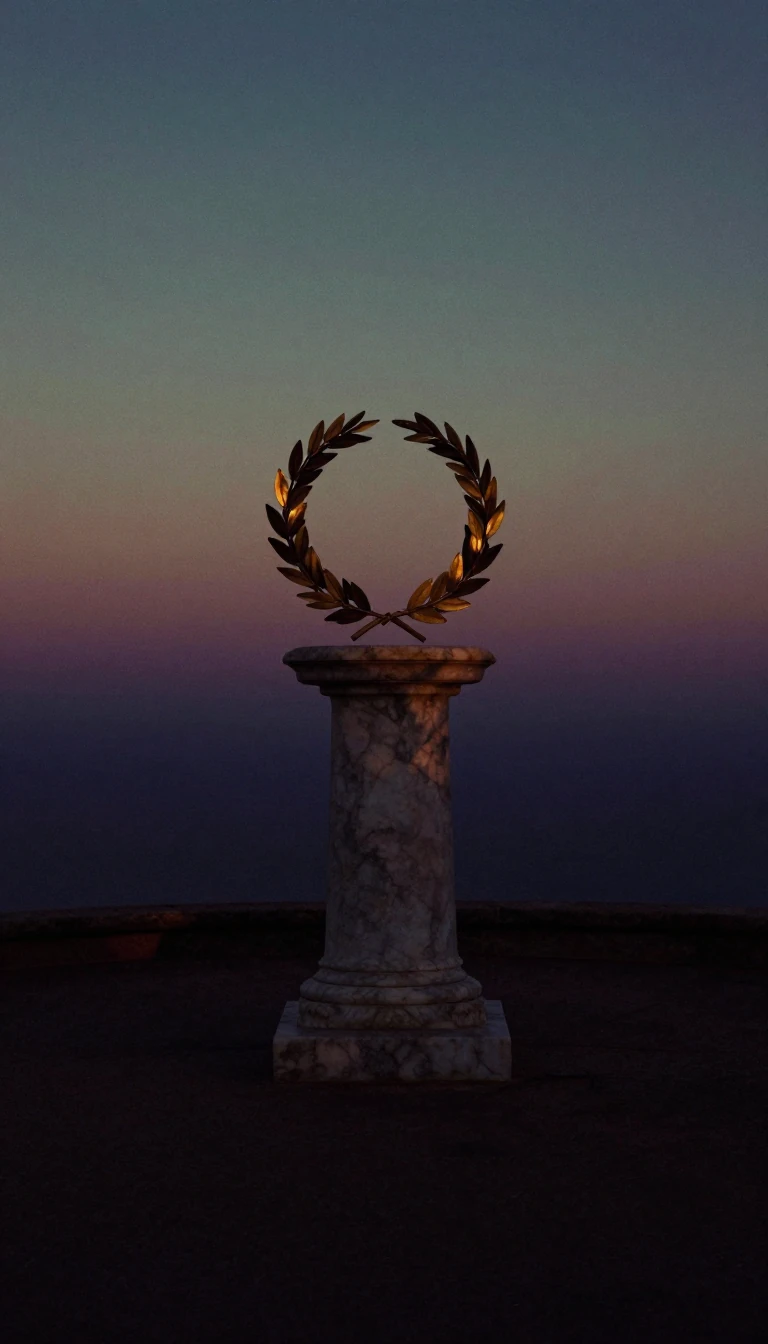 Why the ancient world believed the laurel tree was immune to lightning strikesFor centuries, the bay laurel was more than a kitchen herb; it was a sacred symbol of imperial power, divine favor, and spiritual protection. Ancient Romans believed the tree was …
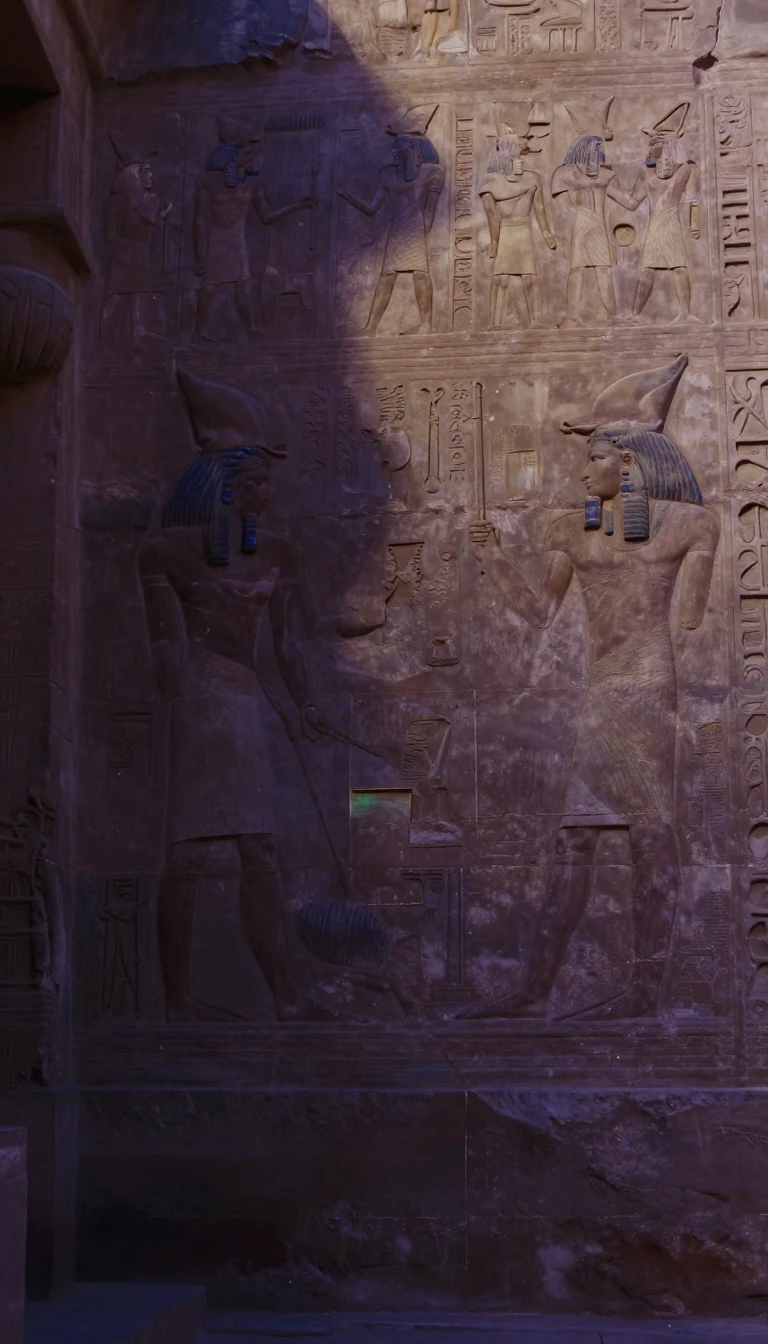 Why the ancient world called their stone coffins flesh-eatersThe term sarcophagus comes from Greek words meaning flesh and to eat. Ancient accounts suggest this referred to a specific limestone from the Troad region, believed to dissolve co…
 Why the ancient world once considered Libya to be an entire continentTo the Greeks and Romans, Libya was not just a country, but one of the three continents of the known world, alongside Asia and Europe. Spanning from the Nile to the Atlantic, this…
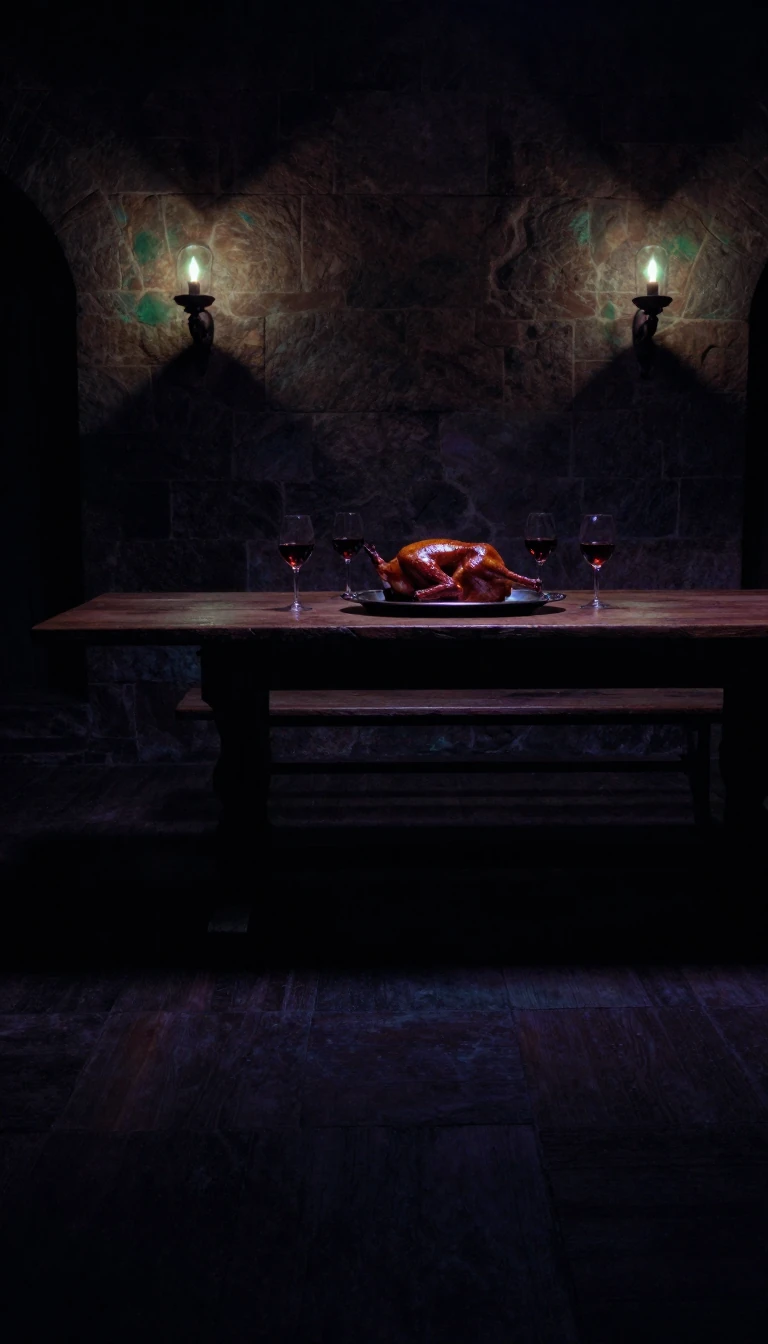 Why the ancient world preferred to dine while lying on their left sideA banquet is more than just a large meal; it is a social tool used to build prestige or reinforce community bonds. From the earliest archaeological evidence 12,000 years ago to mo…
- Why the ancient world worshipped the blind mistress of fortune to explain the unexplainableWhen floods, droughts, or political shifts defied logic, the Greeks turned to Tyche. As the goddess of luck and destiny, she governed the unpredictable whims of fate. From city pr…
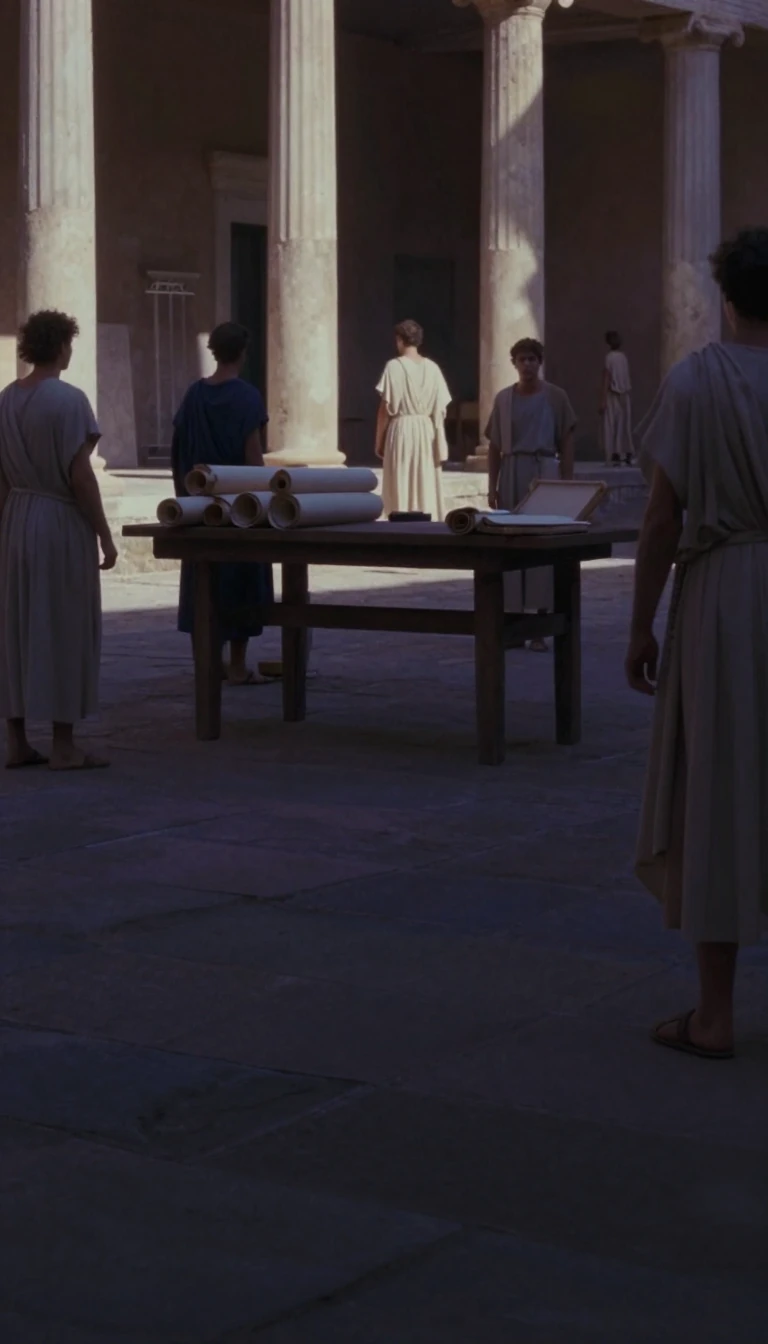 Why the ancient world’s greatest leadership manual was actually a work of fictionXenophon’s Cyropaedia is not a historical biography of Cyrus the Great, but a sophisticated blueprint for the ideal ruler. By blending fact with narrative invention, the Athenian …
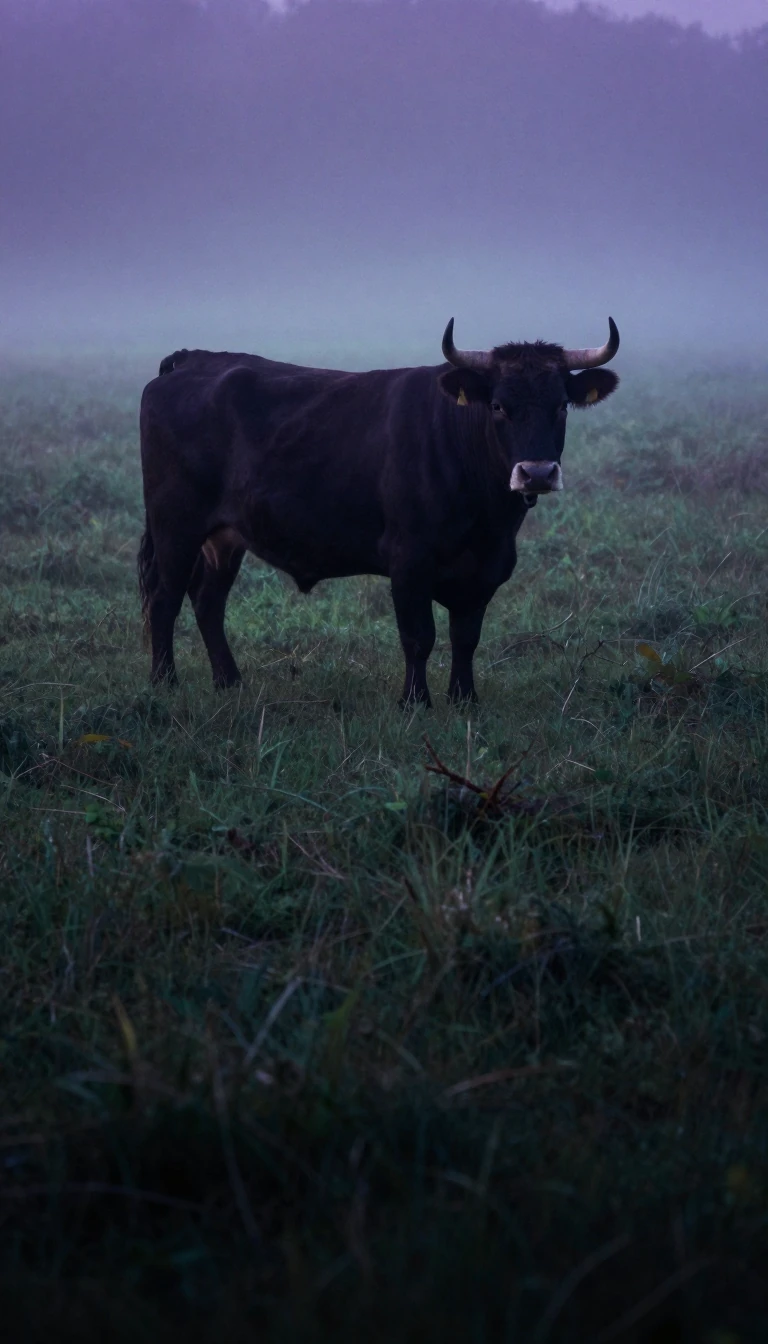 Why the Androctonus scorpion earned a name that translates to man killerThe fattail scorpion is among the most dangerous arachnids on Earth. Named for its distinctly thick metasoma, this nocturnal predator hides in desert crevices to survive. Its veno…
 Why the angle between a tangent and a chord equals half its intercepted arcThis video demonstrates the geometric proof that the angle formed by a tangent and a chord is exactly half the measure of the arc it intercepts. By constructing an isosceles trian…
 Why the angle of incidence determines how light and matter interact with surfacesIn optics, the angle of incidence is the precise measurement between an incoming ray and a surface normal. While it sounds like a simple geometric definition, this angle dictates …
 Why the angles of any simple polygon always add up to a perfect circleEvery simple polygon, whether it has three sides or three thousand, obeys a rigid geometric law. While internal angles shift based on the number of sides, the exterior angles alwa…
 Why the Angora rabbit is a high-maintenance marvel of the textile worldPrized for wool as fine as cashmere, the Angora rabbit is a living textile factory. Yet, this luxurious coat comes with a biological catch: without constant human intervention, th…
- Why the animal kingdom turns to music to find a mateIn the pursuit of reproduction, many species use song as a vital tool. This BBC Earth film explores the dramatic and musical strategies animals employ during the battle of the sex…
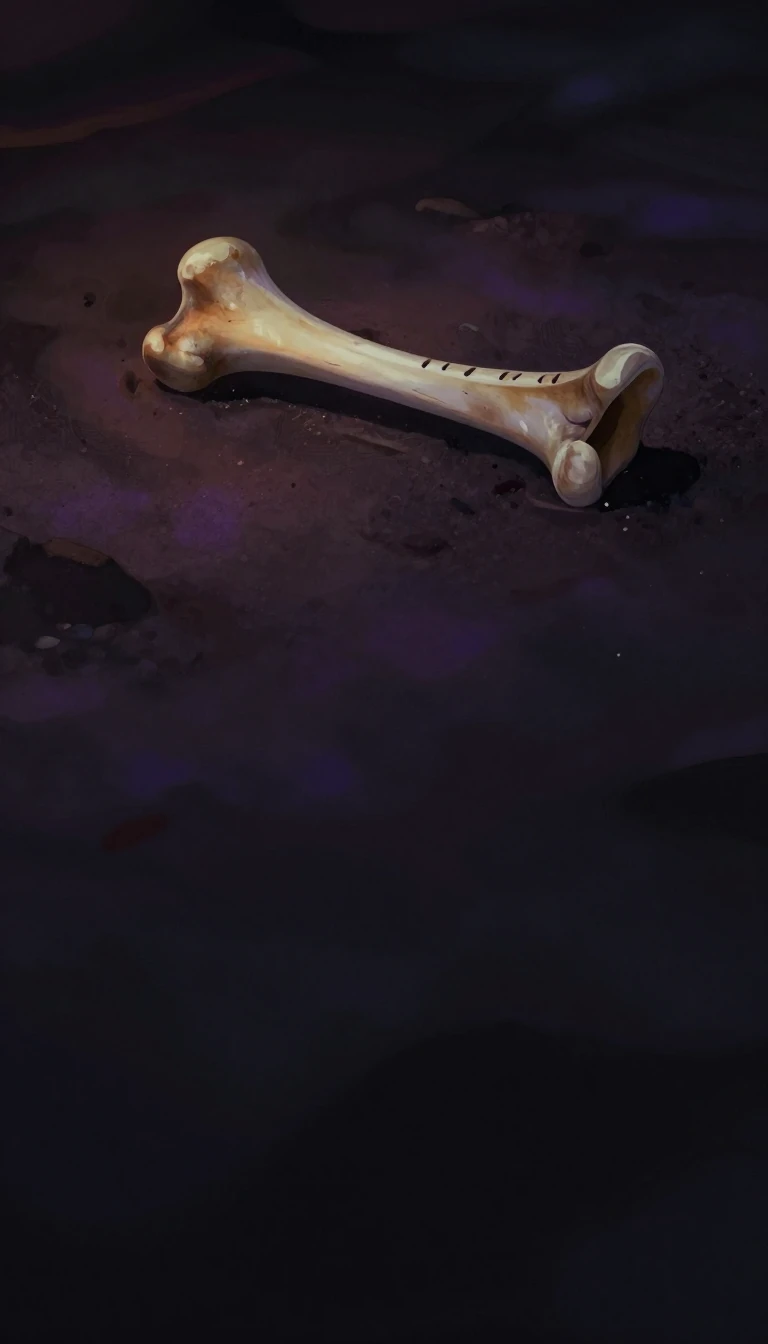 Why the animated skeleton remains our most versatile cultural symbol of death and lifeFrom the grim reaper of medieval art to the comic relief of modern video games, the animated skeleton is a global chameleon. It serves as a terrifying harbinger of doom, a satiric…
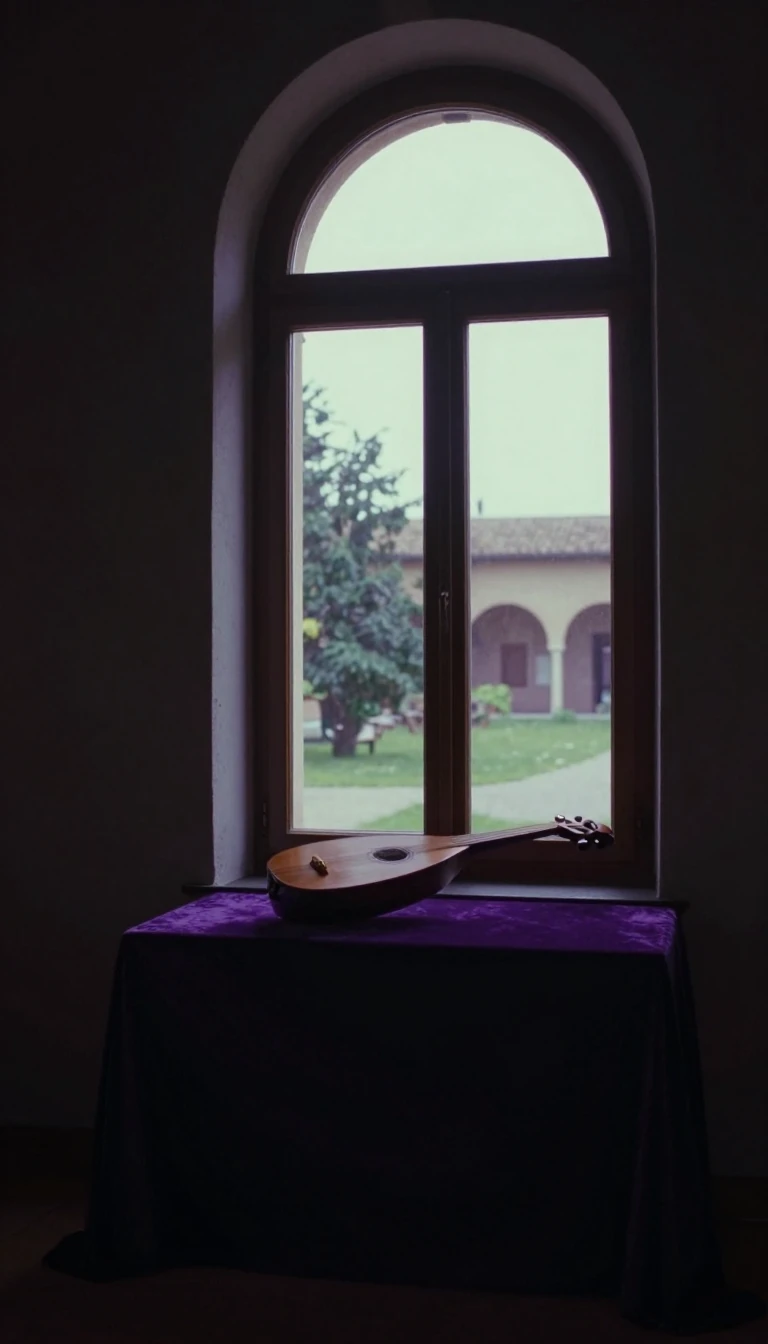 Why the Annunciation shaped the Western calendar and centuries of artistic masterworksThe Annunciation, the archangel Gabriel’s announcement to Mary of her divine conception, is more than a biblical narrative. It served as the foundation for the Western New Year fo…
 Why the anti-nuclear movement expanded from stopping weapons to opposing power plantsThe anti-nuclear movement began as a focused effort to prevent nuclear war and limit weapon arsenals. By the late 1960s, however, the movement shifted its scope to include the gen…
 Why the anti-vaccination movement persists 200 years after smallpox's endThe 1998 MMR controversy was not an isolated incident but a chapter in a centuries-old narrative. This lecture traces the evolution of vaccine hesitancy from early irrational fear…
 Why the Apollo 13 crew couldn't rely on space suits for warmthDuring the Apollo 13 mission, temperature control was critical. This video explores the physics of heat in the vacuum of space and why the environment behaves differently than cin…
 Why the Apostle Thomas refused to believe without physical evidenceThe term 'Doubting Thomas' describes a skeptic who demands direct experience. While often seen as a lack of faith, this biblical episode has fueled centuries of theological debate…
 Why the apostrophe is a linguistic survivor of a forgotten grammatical eraThe apostrophe is a punctuation mark with a surprisingly complex history. Originally introduced to English in the 16th century to signal elision, it evolved into a marker for poss…