 Intellect Plus
Cards starting with W
29,907 cards. Page 437 of 499.
 Why these tiny, owl-like birds are actually the secret cousins of hummingbirdsThe owlet-nightjar looks like a miniature owl, but this Australasian insectivore is a master of evolutionary misdirection. While long grouped with nightjars and frogmouths, modern…
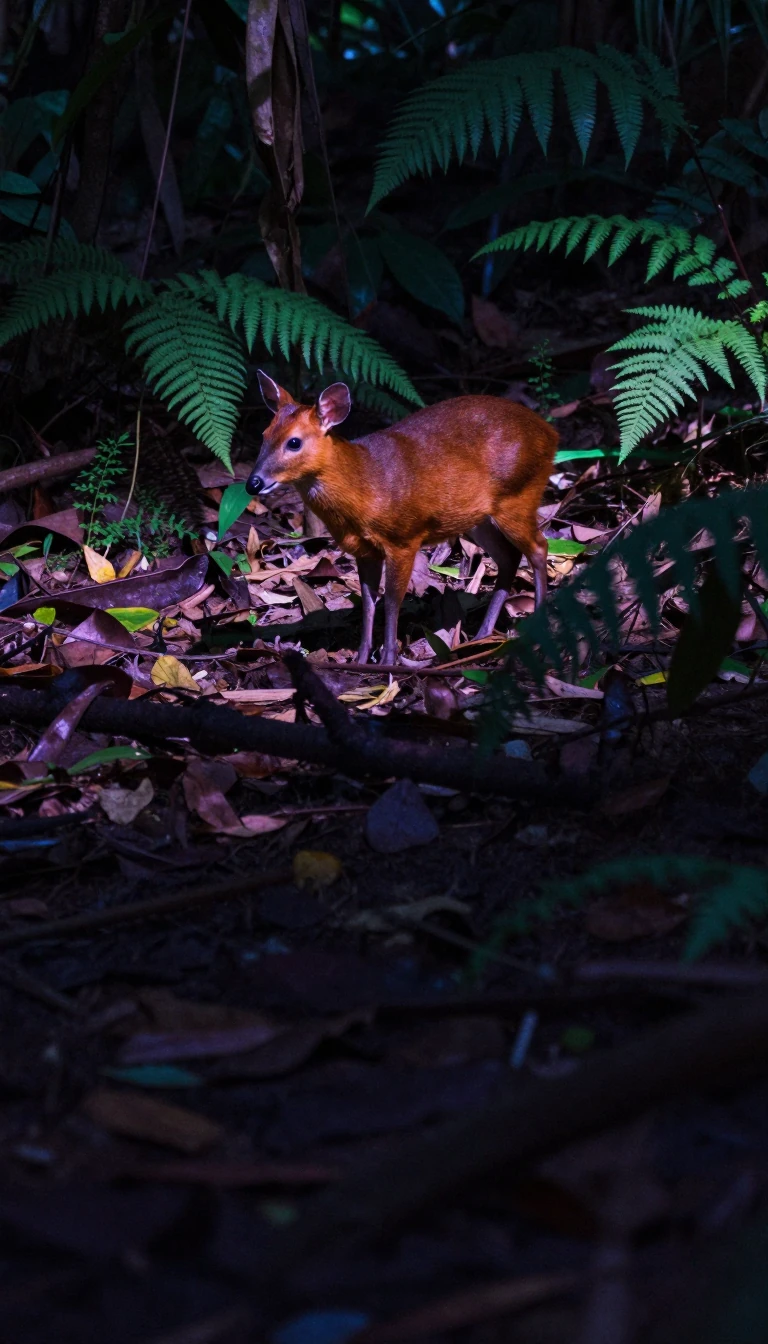 Why these tiny, primate-like mammals are the ultimate evolutionary outliers of the forestDespite their name, treeshrews are not true shrews, and they are not all arboreal. These small, omnivorous mammals belong to their own unique order, Scandentia. They possess the h…
 Why these tiny, seemingly harmless jellyfish are actually dangerous predatorsDespite their diminutive size and cute appearance, these jellyfish possess a potent sting. This video explores the surprising reality behind their deceptive exterior, revealing ho…
 Why these tiny, unassuming moths are the world's most expensive agricultural headacheWith over 11,000 species, the Tortricidae family includes some of the most studied insects on Earth. While they often appear as small, mottled brown moths, their larvae are notori…
 Why these tiny, unchangeable words are the secret engines of human languageParticles are the linguistic glue that holds sentences together, yet they defy simple categorization. These small, uninflected function words do not change form, but they carry im…
 Why these tiny, water-walking seabirds became the ultimate symbol of revolutionary upheavalNorthern storm petrels are the smallest seabirds on Earth, known for their uncanny ability to walk on water. Sailors once feared these birds as harbingers of doom, but their assoc…
 Why these tiny, wing-folding predators are the secret architects of your garden's healthRove beetles are among the most diverse and ancient insects on Earth, yet they often go unnoticed. With their distinctive short wing-cases and flexible, scorpion-like abdomens, th…
 Why these towering red stone figures in Bulgaria are frozen in timeSpanning 50 square kilometers, the Belogradchik Rocks are a labyrinth of sandstone and conglomerate formations in Bulgaria. Beyond their striking red hues and vertical cliffs, the…
 Why these translucent, tapered noodles are known by so many peculiar, vivid namesKnown as silver needle noodles in Hong Kong, these short, white, semi-transparent strands are also called rat noodles or runny nose vermicelli in Southeast Asia. Their unique, tap…
 Why these transparent threads are the culinary chameleons of the global kitchenGlass noodles are far more than a simple starch. Known by names ranging from fensi to dangmyeon, these translucent strands are crafted from diverse sources like mung beans, sweet …
 Why these transparent, razor-thin fish spend their entire lives swimming upside downShrimpfish are masters of verticality, navigating tropical reefs with their heads pointed toward the seafloor. This unusual posture is not just a quirk of anatomy; it is a sophist…
 Why these tropical birds walk on water and let fathers raise the chicksKnown as lily trotters or Jesus birds, jacanas possess an extraordinary anatomical adaptation: elongated toes and claws that distribute their weight across floating aquatic vegeta…
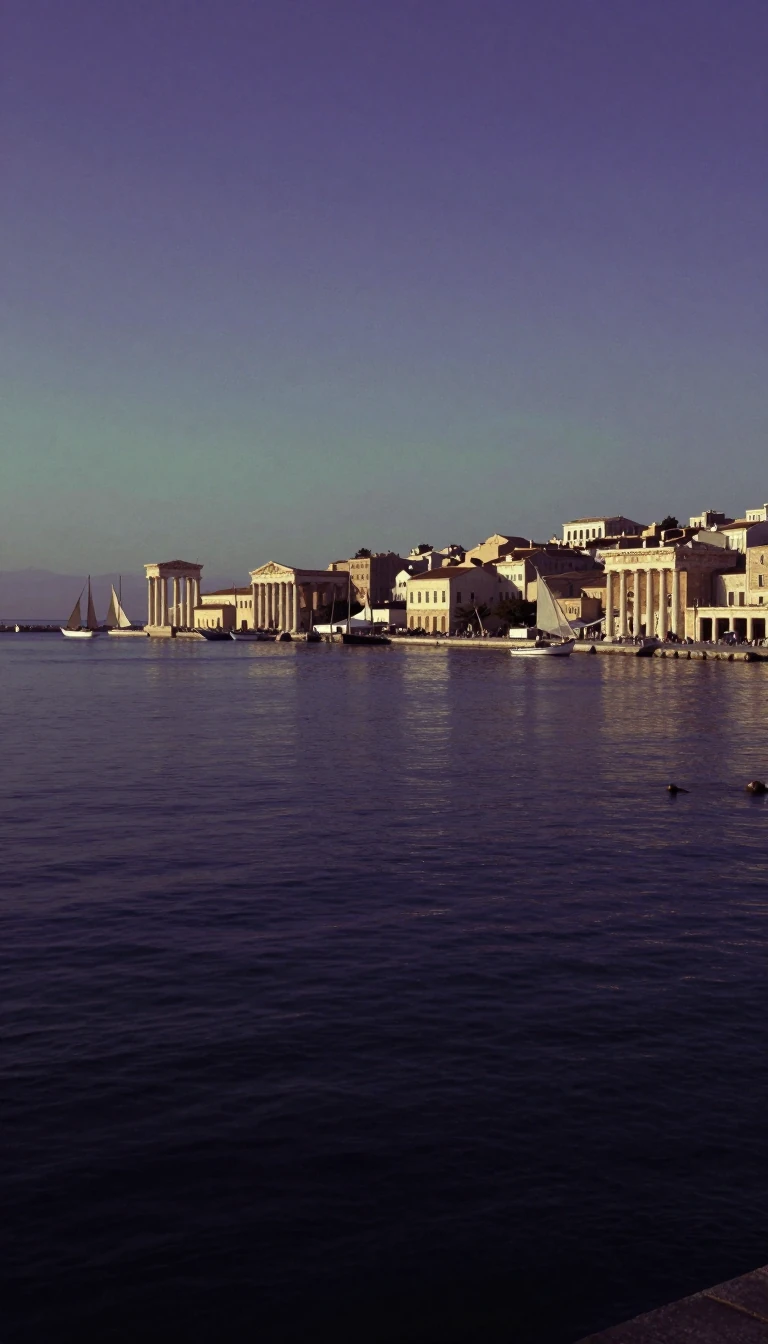 Why these two Albanian cities are rare architectural treasures of the Ottoman eraIn southern Albania, the historic cities of Berat and Gjirokastër stand as preserved monuments to a bygone age. Known for their distinct Ottoman-era architecture, these urban cent…
 Why these two clumsy handymen became global icons without speaking a single wordPat and Mat are legendary animated figures defined by their relentless optimism and spectacular manual incompetence. Despite their global fame, the duo spent years nameless, and t…
 Why these two Norwegian fjords are considered the world's most iconic geological masterpiecesThe Geirangerfjord and Nærøyfjord are not just stunning landscapes; they are a UNESCO World Heritage site representing the quintessential fjord experience. Separated by 120 kilome…
- Why these two volcanic islands in the South Pacific share a Dutch city nameThe Hoorn Islands, a remote French territory in the South Pacific, bear a name rooted in the Netherlands. Discovered by Dutch explorers in 1616, the archipelago was named after th…
 Why these unstable sulfur chains are essential to the chemistry of lifePolysulfanes are mysterious, unstable chains of sulfur atoms that exist as yellow oils. While they struggle to maintain their own structure, they play a critical role in biologica…
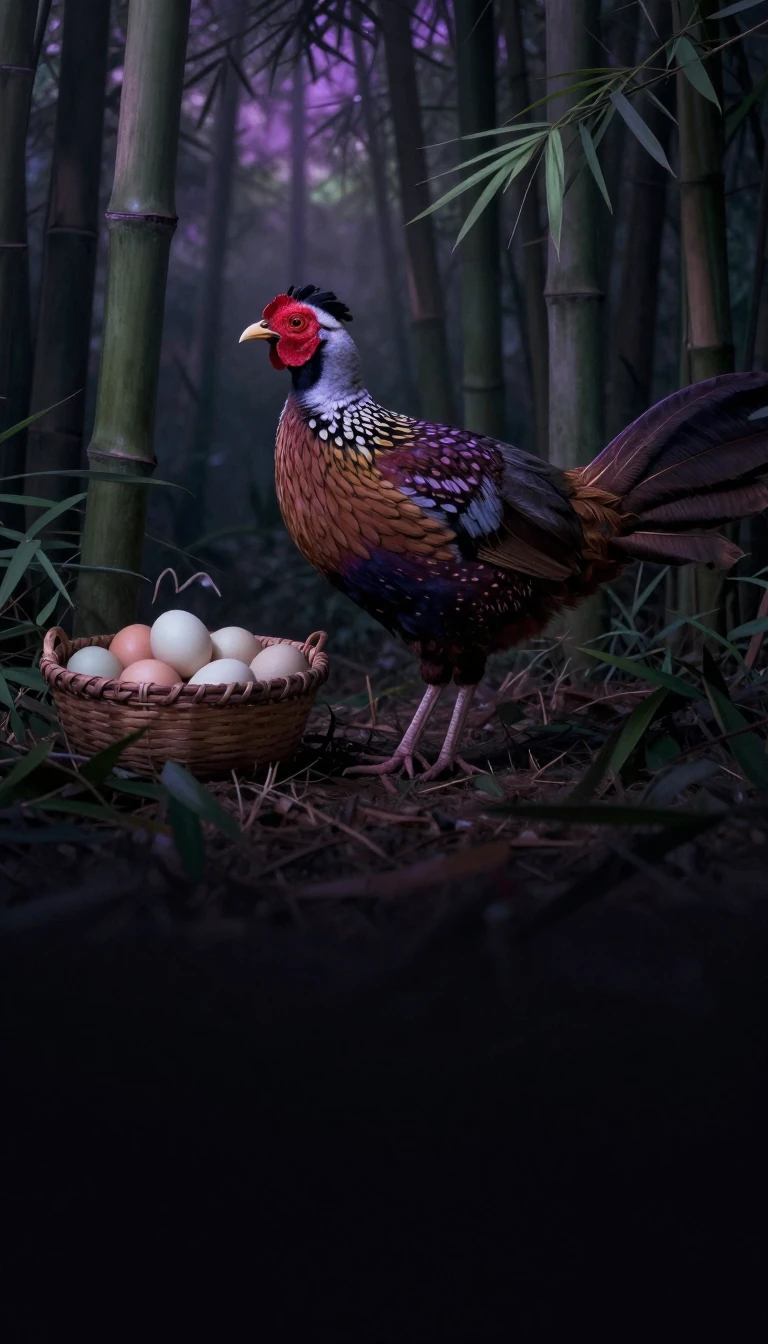 Why these vibrant forest birds are rewriting the rules of avian classificationFruit doves are a diverse genus of nearly 50 species found across Southeast Asia and Oceania. While their brilliant plumage and frugivorous diets are well-known, recent molecular …
- Why these vibrant reef dwellers are masters of the tropical underwater landscapeButterflyfish are iconic residents of tropical reefs, recognized by their thin, deep bodies and striking patterns. While they appear delicate, these quick-moving fish are highly t…
 Why these winter-blooming perennials are colloquially known as sowbread across the European continentCyclamen are resilient, tuberous perennials that defy the cold to bloom when most gardens are dormant. Often called sowbread, these plants have fascinated gardeners for centuries.…
 Why these young witch apprentices chose to give up their magical powers foreverIn the long-running anime Ojamajo Doremi, a group of elementary school girls accidentally discover a magic shop and become witch apprentices. While they spend years mastering spel…
 Why these zebra-striped sea slugs are the unsung heroes of our underwater meadowsEelgrass sea hares look like tiny, gelatinous blobs, but they are vital environmental cleaners. By grazing on algae that coats seagrass, they ensure sunlight reaches the plants, a…
 Why thinking about how you walk might actually make you tripHave you ever felt clumsy the moment you became aware of your own movement? This is the centipede effect: a psychological phenomenon where conscious attention disrupts well-rehear…
 Why thinking of probability as physical mass prevents common statistical errorsIn the world of statistics, a probability mass function defines the likelihood of a discrete random variable hitting an exact value. By visualizing probability as a physical subst…
 Why thinning your apple harvest is essential for better fruitLearn the fundamental technique of thinning apple blossoms and fruit to ensure a higher quality harvest and prevent tree strain.
 Why thirteen is simultaneously a symbol of bad luck and a foundation of power.Thirteen is a number defined by paradox. While many fear it as a harbinger of doom, others embrace it as a mark of maturity, luck, or national identity. From the architecture of t…
 Why this 10th-century German church hides its own ancient murals from viewOn the island of Reichenau, the Church of Saint George houses the only complete set of pre-1000 AD wall paintings north of the Alps. These fragile masterpieces are so sensitive to…
 Why this 11th-century judge argued that outward religious ritual is not enoughBahya ibn Paquda, a judge in Muslim Spain, noticed that his contemporaries focused entirely on physical religious rituals while ignoring their internal spiritual state. He argued …
 Why this 14-million-year-old star cluster looks like a piece of fancy jewelleryIn the constellation Crux lies the Jewel Box, a brilliant open cluster that appears to the naked eye as a hazy fourth-magnitude object. First identified in 1751, this collection o…
 Why this 1589 masterpiece is considered the Rolls-Royce of Renaissance clockworkIsaac Habrecht's 1589 carillon clock was built as a performance piece rather than a simple timekeeper. This video explores the intricate mechanics and symbolic artistry of one of …
 Why this 15th-century polymath argued his native language was superior to PersianAli-Shir Nava'i was a Timurid statesman, mystic, and the greatest figure of Chagatai literature. In an era dominated by Persian, he boldly defended the precision and richness of T…
 Why this 16,000-hectare wetland is the third largest bird sanctuary on the planetLocated on the Senegal River, the Djoudj National Bird Sanctuary serves as a vital refuge for millions of birds crossing the Sahara. As the world's third-largest ornithological re…
 Why this 1750 Chinese masterpiece is considered the most difficult novel to categorizeWu Jingzi’s The Scholars is a sprawling, satirical classic that defies traditional storytelling. By rejecting a central protagonist and utilizing a mosaic-like structure, it expos…
 Why this 1771 string quintet became the ultimate shorthand for high society eleganceLuigi Boccherini’s String Quintet No. 5 in E major was composed in 1771, yet it remains one of history’s most recognizable pieces. While the full work was initially overlooked upo…
 Why this 17th-century architect cost his patrons more than the Great TurkFrançois Mansart was the architect who defined French classicism, yet he was notorious for his uncompromising perfectionism. He frequently tore down his own work to start over, le…
 Why this 17th-century card game remains a staple of modern submarine cultureCribbage is a rare survivor of the 1600s, evolving from the game of noddy into a strategic test of probability and peg-based scoring. Beyond its popularity in the English-speaking…
 Why this 17th-century Dutch master painted with the speed of an impressionistFrans Hals revolutionized portraiture by abandoning the slow, meticulous methods of his peers. Instead of layering paint over weeks, he applied quick, loose strokes directly to th…
- Why this 17th-century philosopher believed you are merely a spectator of your own bodyArnold Geulincx was a Flemish thinker who argued that because we do not understand how our nervous system triggers muscle movement, we cannot possibly be the cause of our own phys…
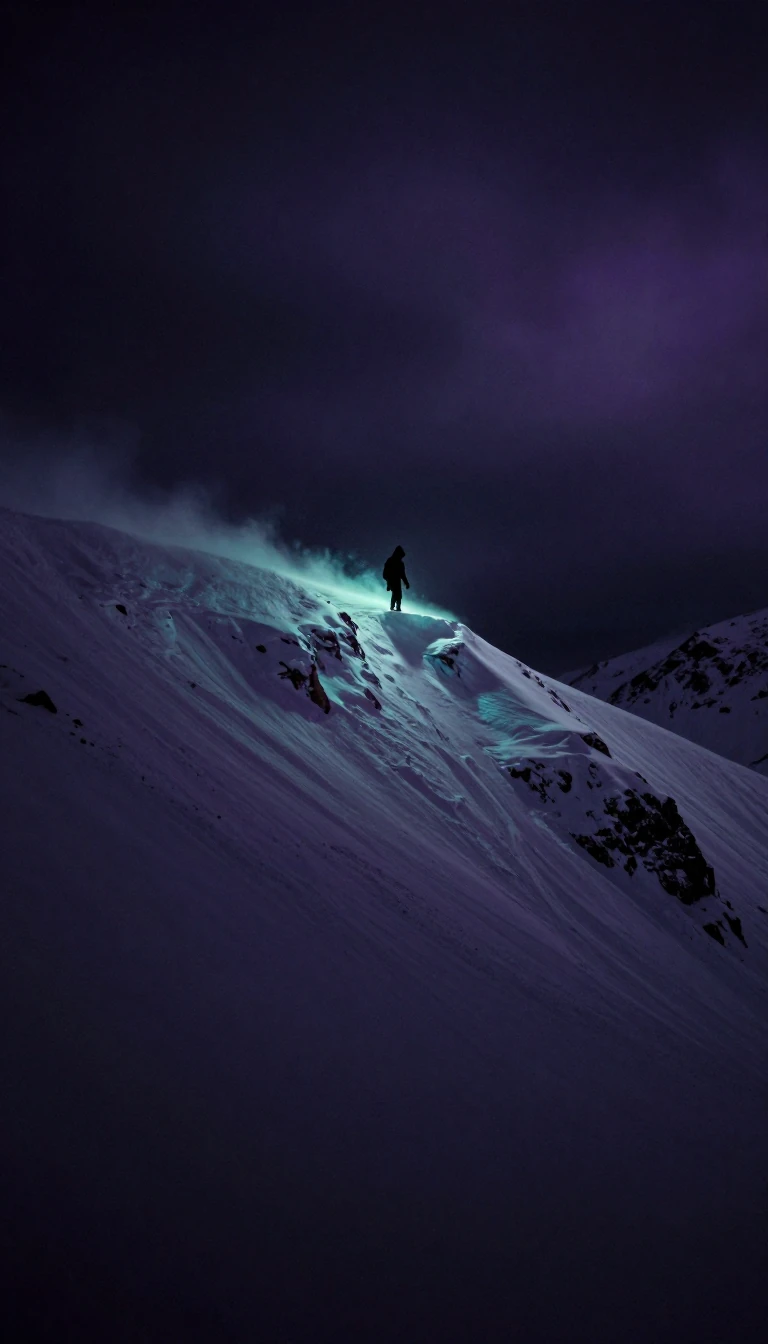 Why this 18,008-foot giant is one of the most difficult summits on EarthRising abruptly from the Pacific coast, Mount Saint Elias is a climber’s nightmare. Its extreme vertical gain and position in the path of relentless Aleutian storms create a volat…
 Why this 1872 women's fraternity prefers the term fraternity over sororityLong before the word 'sorority' entered the common lexicon, a group of women at Syracuse University was already building a sisterhood. Founded in the Northeast in 1872, Alpha Phi …
 Why this 1877 chemical duo remains the gold standard for diagnosing human cancerFor over a century, pathologists have relied on a simple pairing of two dyes to reveal the hidden architecture of human tissue. By turning cell nuclei blue and cytoplasm pink, the…
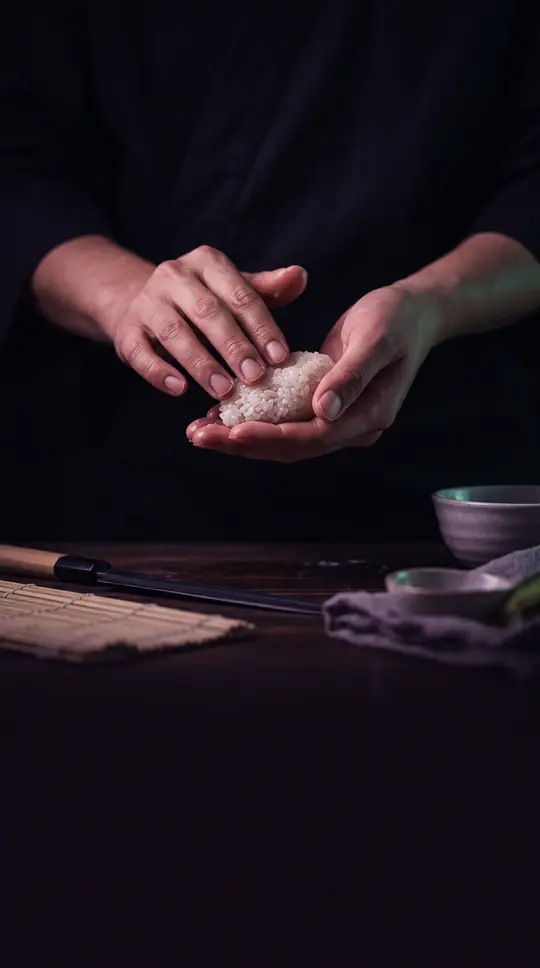 Why This 1889 Carry Cake Bypasses Modern Fruitcake ExpectationsDiscover a forgotten 1889 recipe for Carry Cake, a brandy-soaked fruit cake that defies modern expectations by omitting spices entirely. This experiment explores the challenge of …
 Why this 18th-century epistolary novel remains the ultimate blueprint for modern psychological warfarePierre Choderlos de Laclos’s 1782 masterpiece, Les Liaisons dangereuses, is far more than a scandalous tale of aristocratic decadence. By weaponizing the epistolary format, Laclos…
 Why this 18th-century philosopher spent his final three days digging his own grave.Hryhorii Skovoroda was a wandering Ukrainian thinker who lived like a modern Socrates. He rejected institutional power, taught that happiness comes from finding one's natural call…
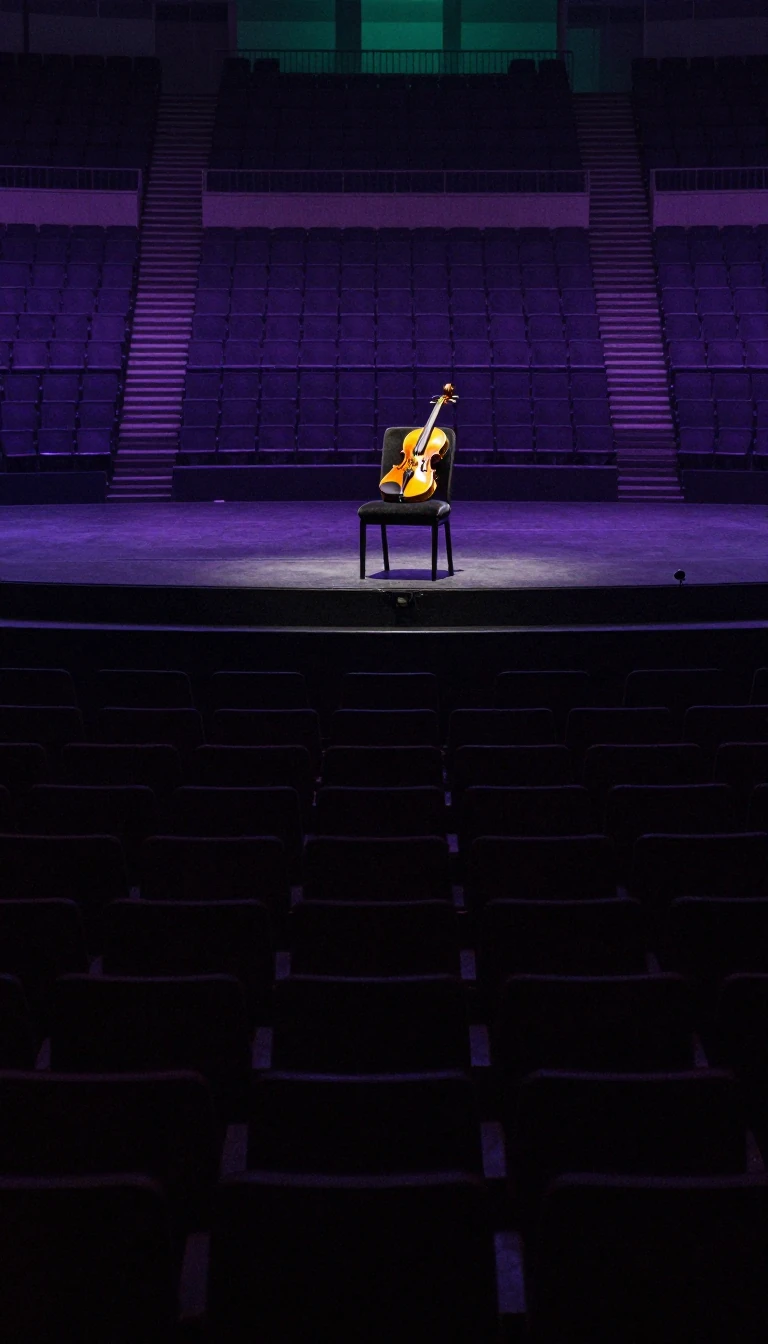 Why this 1911 comic opera features anachronistic waltzes set in the 1700sRichard Strauss and librettist Hugo von Hofmannsthal created a masterpiece that defies historical accuracy for emotional effect. By blending 18th-century settings with 19th-centur…
 Why this 1914 jazz standard is often called the jazzman's HamletW. C. Handy’s St. Louis Blues bridged the gap between ragtime and the spiritual tradition, becoming a foundational pillar of American music. By blending a habanera rhythm with sta…
 Why this 1918 Southern egg bread recipe includes a surprising ingredient like boiled rice.Explore the evolution of Southern egg bread through historical cookbooks. This deep dive examines how recipes changed over time, featuring insights from 1918 culinary texts and th…
 Why this 1920 silent film remains the definitive adaptation of a literary classicLong before modern blockbusters, the 1920 silent adaptation of The Last of the Mohicans redefined cinematic storytelling. Co-directed by Maurice Tourneur and Clarence Brown, the f…
 Why This 1920s Granny Loaf Remains a Timeless Kitchen Staple for Modern BakersTravel back to the 1920s with a nostalgic treat from the Be-Ro Home Recipes collection. This simple, fruit-filled loaf offers a glimpse into historical kitchen culture while prese…
 Why this 1938 French masterpiece is the definitive ancestor of film noirBefore Hollywood defined the genre, Marcel Carne’s Port of Shadows captured the essence of poetic realism. With its misty Le Havre docks, fatalistic romance, and iconic tough-guy …
 Why this 1940 romantic comedy is a masterclass in middle-class human connectionErnst Lubitsch’s The Shop Around the Corner follows two bickering shop clerks who unknowingly fall in love through anonymous letters. Though it struggled at the box office upon re…
 Why this 1941 screwball comedy remains the gold standard for romantic deception and witPreston Sturges created a masterpiece of slapstick and satire with The Lady Eve. Starring Barbara Stanwyck as a cunning con artist and Henry Fonda as her naive target, the film ma…
 Why this 1942 screwball comedy remains the gold standard for cinematic buddy chemistryBefore modern blockbusters, Bing Crosby and Bob Hope defined the road-trip genre with their legendary banter. Road to Morocco, the third installment in their iconic series, turned…
 Why This 1943 Canadian Recipe Merges a Cookie Base With a Meringue ToppingThe 1943 edition of The Canadian Cookbook offers a unique glimpse into mid-century baking. This recipe for Caramel Squares features a crisp cookie base topped with a light, nutty …
 Why this 1945 Technicolor thriller remains a masterclass in pathological obsession and cinematic styleLeave Her to Heaven is a psychological anomaly that defies easy categorization. Released in 1945, this Technicolor hit follows a socialite whose intense, destructive jealousy turn…
 Why this 1947 noir classic hid its star's face for the first hourIn the film noir Dark Passage, Humphrey Bogart spends the first hour entirely off-screen. Director Delmer Daves utilized a subjective camera technique to force the audience to see…
 Why this 1947 noir remains the definitive blueprint for the fatalistic crime thrillerJacques Tourneur’s 1947 masterpiece Out of the Past is widely considered the quintessential film noir. Featuring a laconic Robert Mitchum and a lethal femme fatale, the film weave…
 Why this 1948 crime masterpiece is more than just a standard gangster filmAbraham Polonsky’s Force of Evil is a landmark of film noir, blending brutal racketeering with an almost allegorical, poetic intensity. While early critics were divided by its flo…
 Why this 1949 noir remains the definitive masterclass in cinematic betrayal and obsessionCriss Cross is a quintessential noir tragedy that explores the destructive power of obsessive love. Featuring a career-defining performance by Yvonne De Carlo, the film weaves a c…
 Why this 1950 noir masterpiece is a raw, existential portrait of Hollywood's dark heartNicholas Ray’s In a Lonely Place is not your typical thriller. Starring Humphrey Bogart as a volatile, washed-up screenwriter, this film strips away the genre's usual tropes to re…