 Intellect Plus
Cards starting with W
29,907 cards. Page 435 of 499.
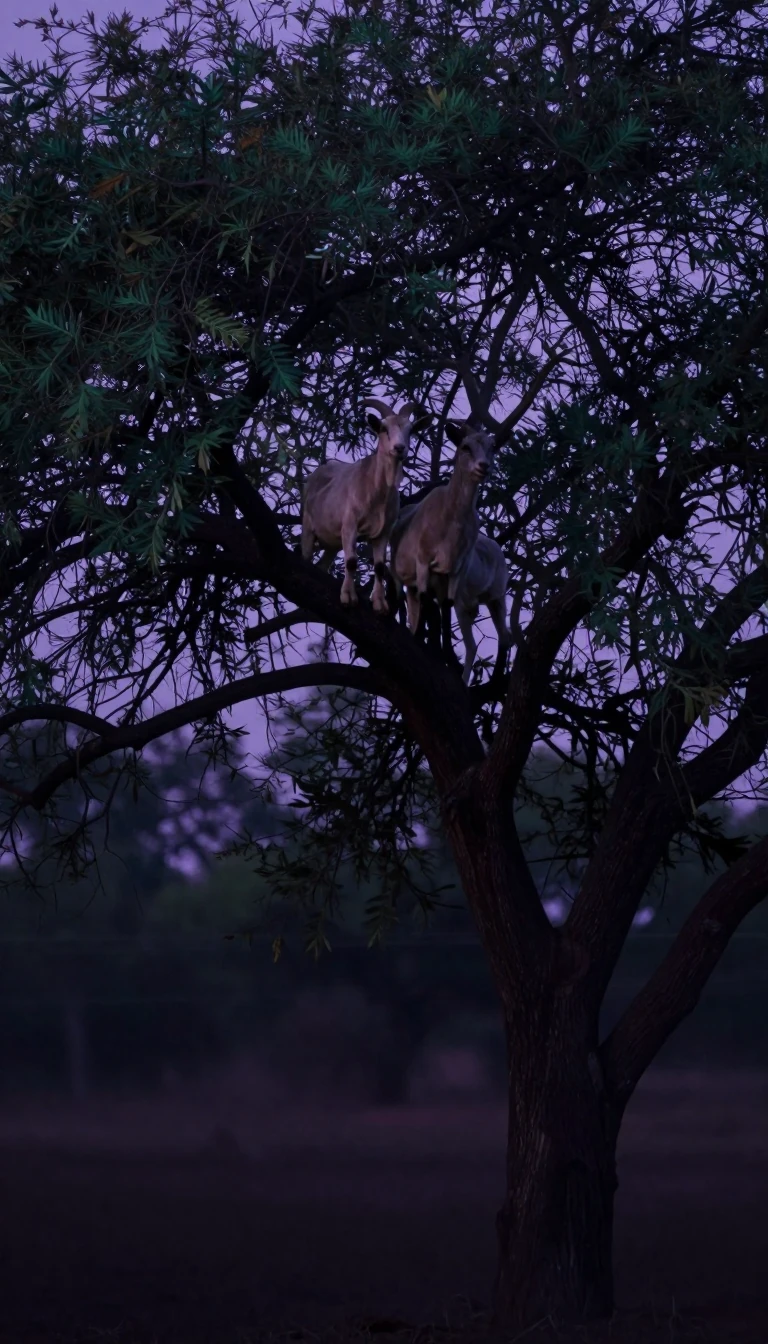 Why these feathered dinosaurs were once mistaken for flightless birdsCaenagnathids were once thought to be ancient flightless birds due to their jaw structure, earning them the name recent jaws. In reality, these feathered, long-necked theropods we…
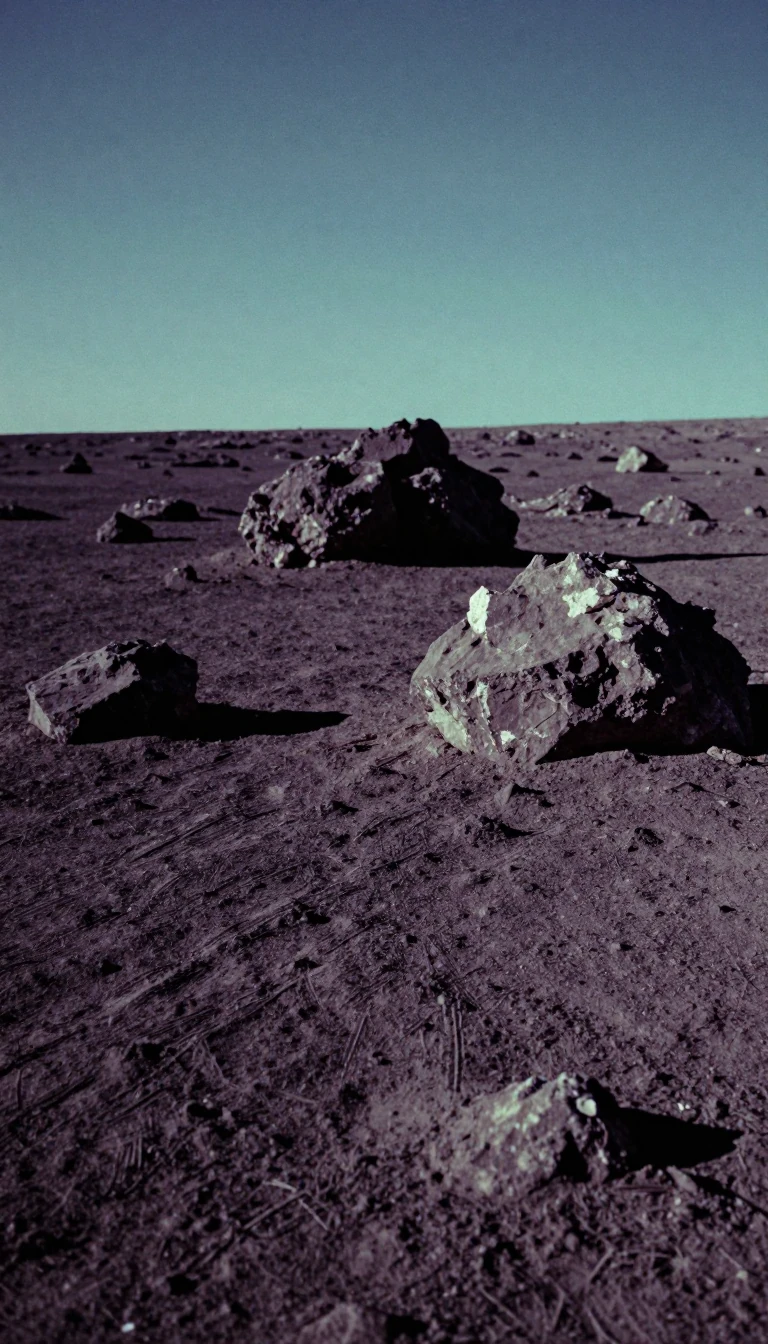 Why these flat sheets of frozen magma are often mistaken for lava flowsDeep beneath the Earth's surface, magma forces its way between existing rock layers to create sills. These tabular intrusions run parallel to the surrounding stone, often mimickin…
 Why these fleeting blue flowers are named after a pair of Dutch botanistsKnown as dayflowers for their remarkably short-lived blooms, the Commelina genus is a botanical puzzle of asymmetry. Named by Carl Linnaeus to honor two Dutch botanists, these pla…
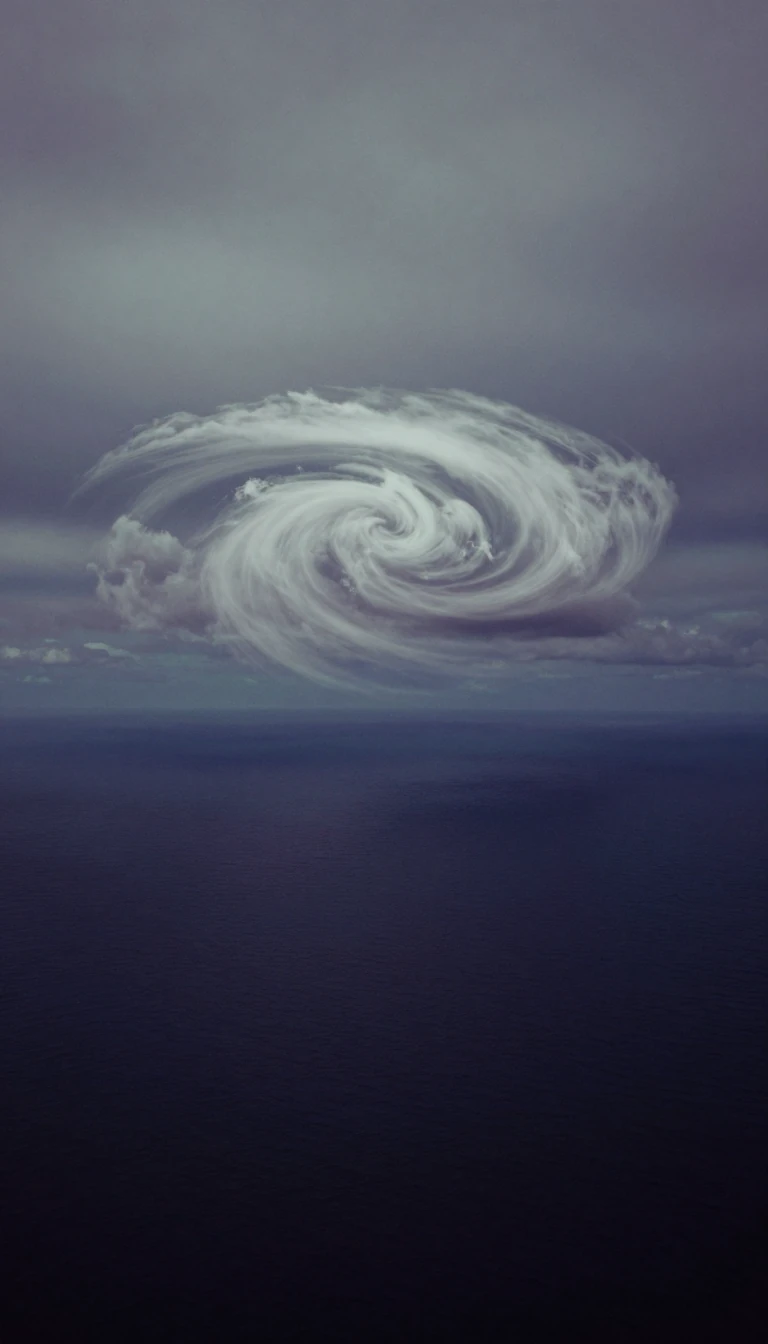 Why these fluffy white clouds are actually a warning sign of coming stormsThe Cumulus mediocris is more than just a classic cauliflower-shaped cloud. While it appears brilliantly white and harmless under the sun, its presence in the morning or early aft…
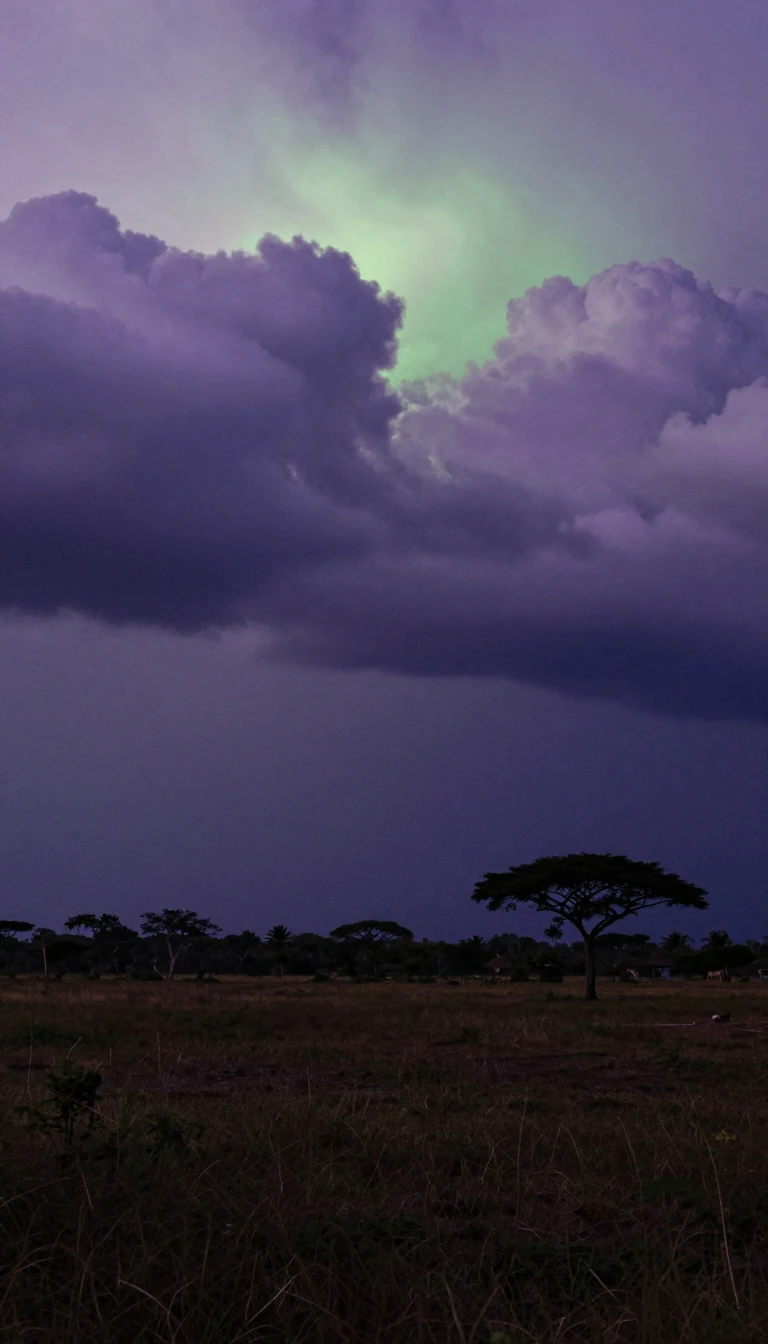 Why these forests shed their leaves to survive months of intense seasonal droughtTropical and subtropical dry broadleaf forests are defined by their dramatic seasonal shifts. While they remain warm year-round, they endure months of drought that force trees to …
 Why these four caves in Israel are considered a cradle of human evolutionTucked into the Carmel mountain range near Haifa, the Nahal Me'arot caves offer a rare, preserved window into our ancient past. Recognized by UNESCO for their outstanding universa…
 Why these four remote Pacific islands were named for the unfortunate onesLocated 850 kilometres off the Chilean coast, the Desventuradas Islands are a desolate, waterless archipelago. Despite their proximity to South America, they remain a biological o…
 Why these freshwater fish gulp air to survive in oxygen-poor tropical watersGouramis are not just colorful aquarium staples; they are evolutionary masters of low-oxygen environments. Equipped with a unique lung-like labyrinth organ, these fish can bypass …
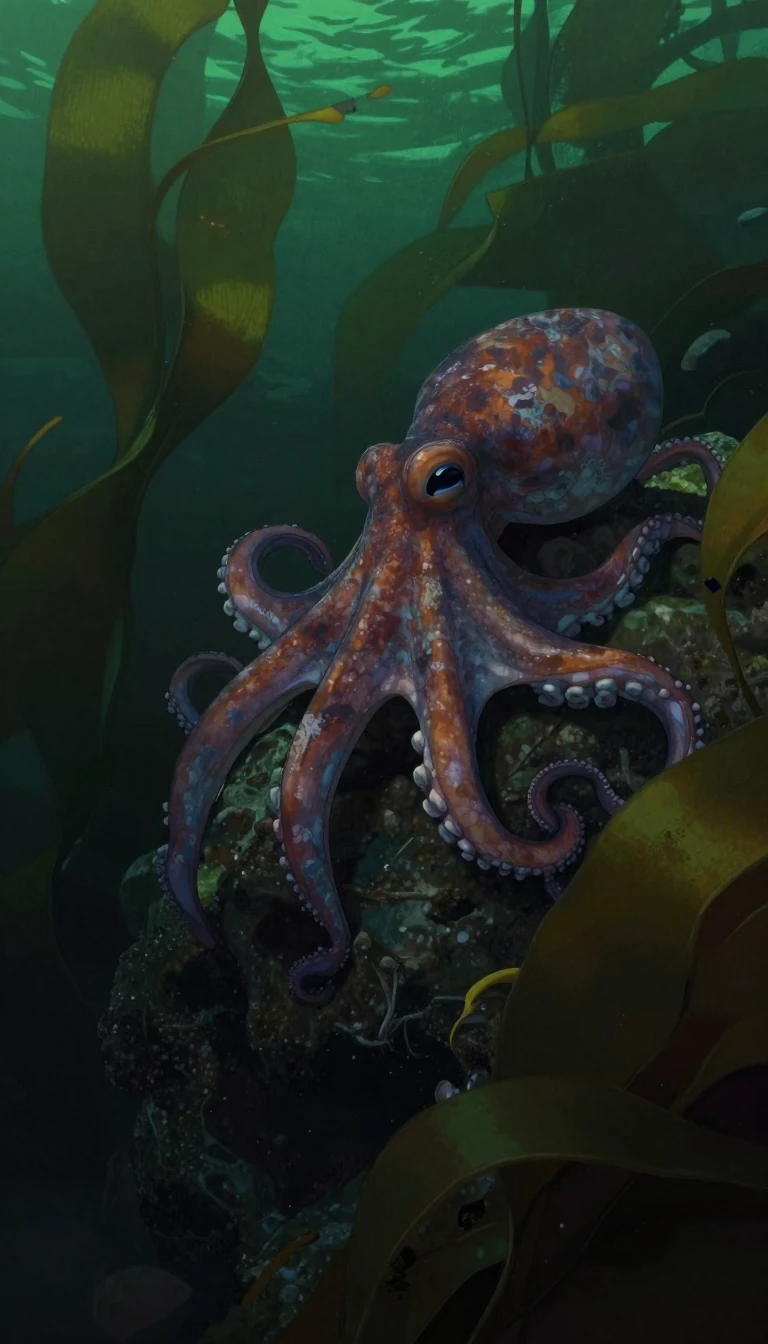 Why these fuzzy crustaceans are actually imposters within the spiny lobster family treeFurry lobsters, also known as coral lobsters, are small, hair-covered crustaceans that once held their own distinct family status. While their unique appearance suggests a separat…
 Why these gelatinous sea creatures are actually closer to humans than to jellyfishSalps are often mistaken for simple blobs of goo, but they are vital players in the ocean's carbon cycle. This video explores why these organisms are considered the vacuum cleaner…
 Why these giant rodents are the world's most effective land mine detectorsA three-foot rodent sounds like a nightmare, but the Gambian pouched rat is a life-saving hero. These intelligent creatures are trained to sniff out buried explosives across Afric…
 Why these giant, shell-less sea slugs are named after the common hareSea hares are bulky, herbivorous marine mollusks that look nothing like rabbits, yet they share a name. Named for the two upward-projecting rhinophores that mimic a hare's ears, t…
 Why these glowing orange vacuum tubes are the ultimate vintage tech status symbolBefore modern screens, information glowed in neon-filled glass. Nixie tubes, invented in the 1950s, use cold cathode technology to display numerals with a distinct, layered depth.…
 Why these grass-like plants were essential for survival at the South Pole in 1911Often mistaken for common grass, the genus Carex—or sedges—are actually complex, triangular-stemmed perennials. Beyond their ornamental value in modern gardens, these resilient pl…
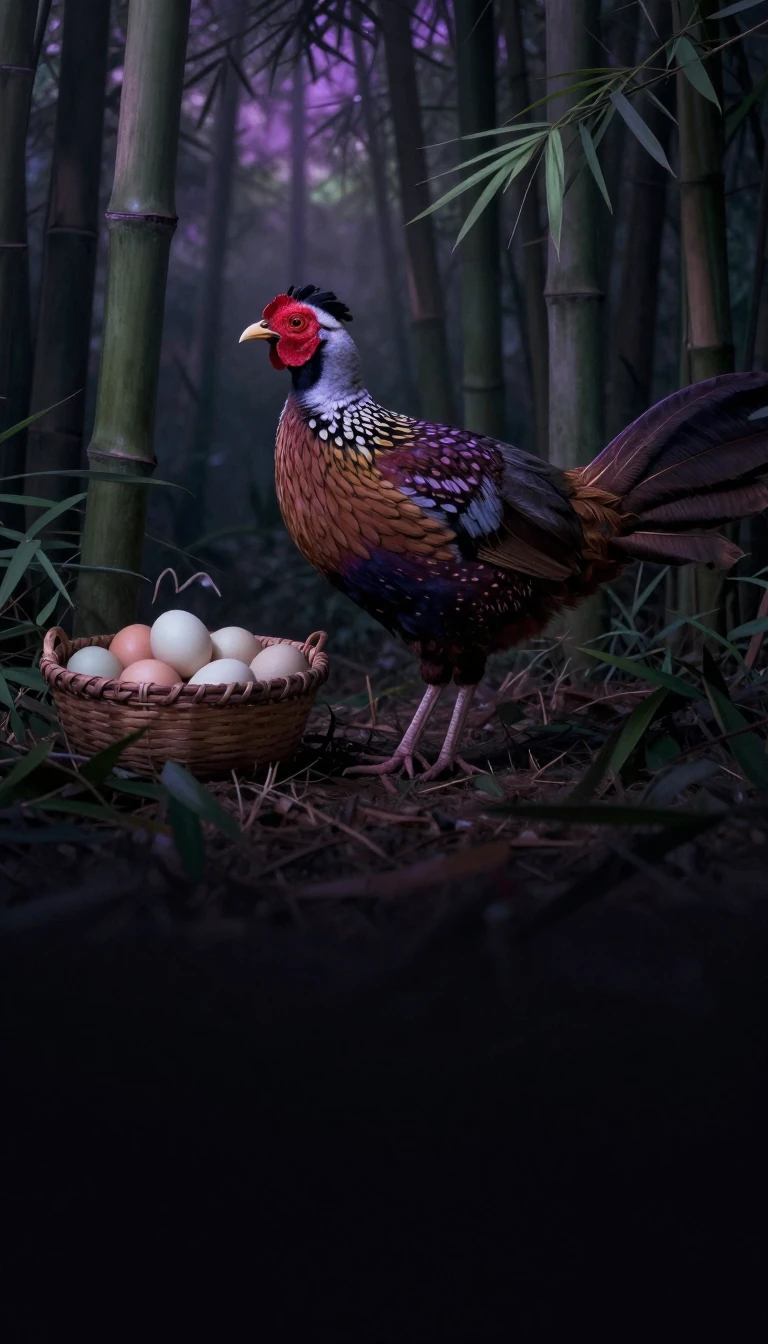 Why these ground-dwelling birds are not actually related to their Old World lookalikesNew World quail may resemble Old World quail, but they are members of an entirely distinct family, the Odontophoridae. While they share a distant ancestor, these birds have evolve…
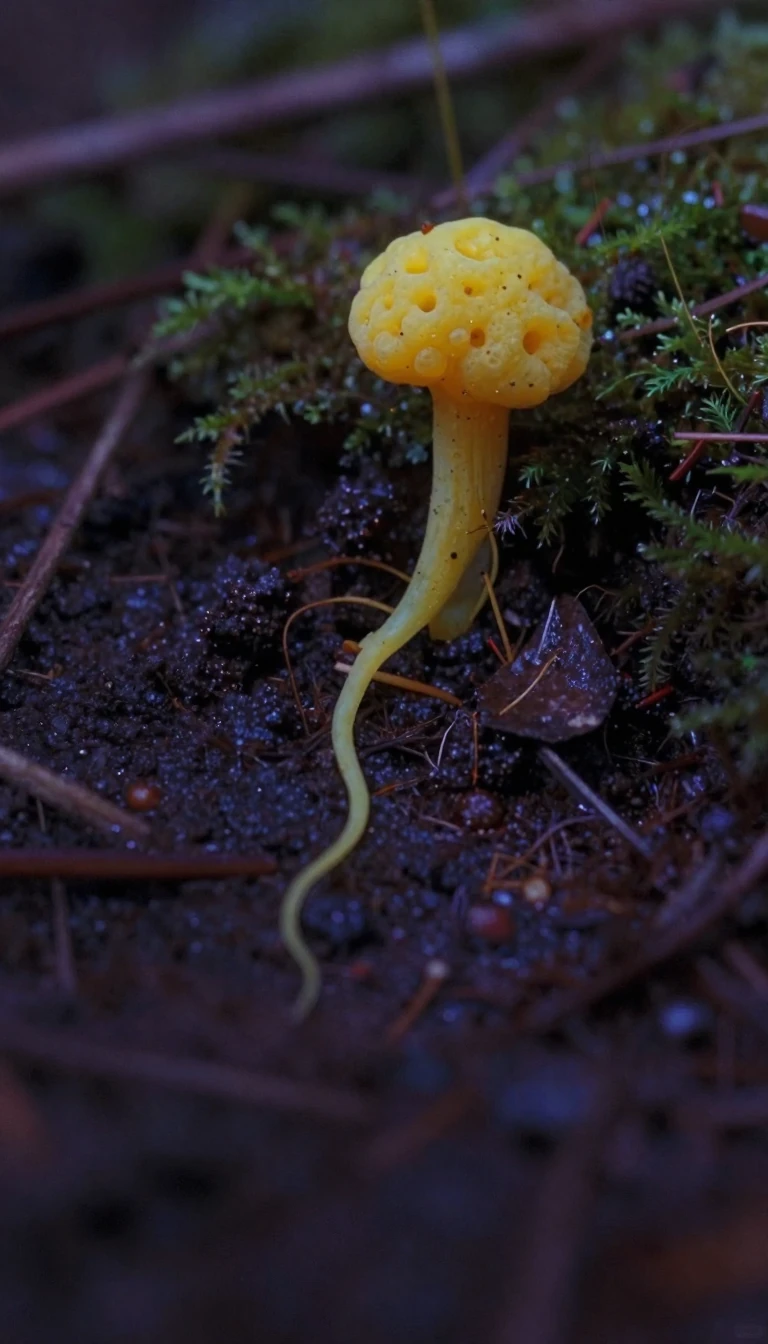 Why these ground-dwelling geckos are the odd ones out in the lizard worldMost geckos are famous for their gravity-defying ability to scale smooth glass walls, but the genus Eublepharis is different. These sturdy, nocturnal lizards lack the specialized …
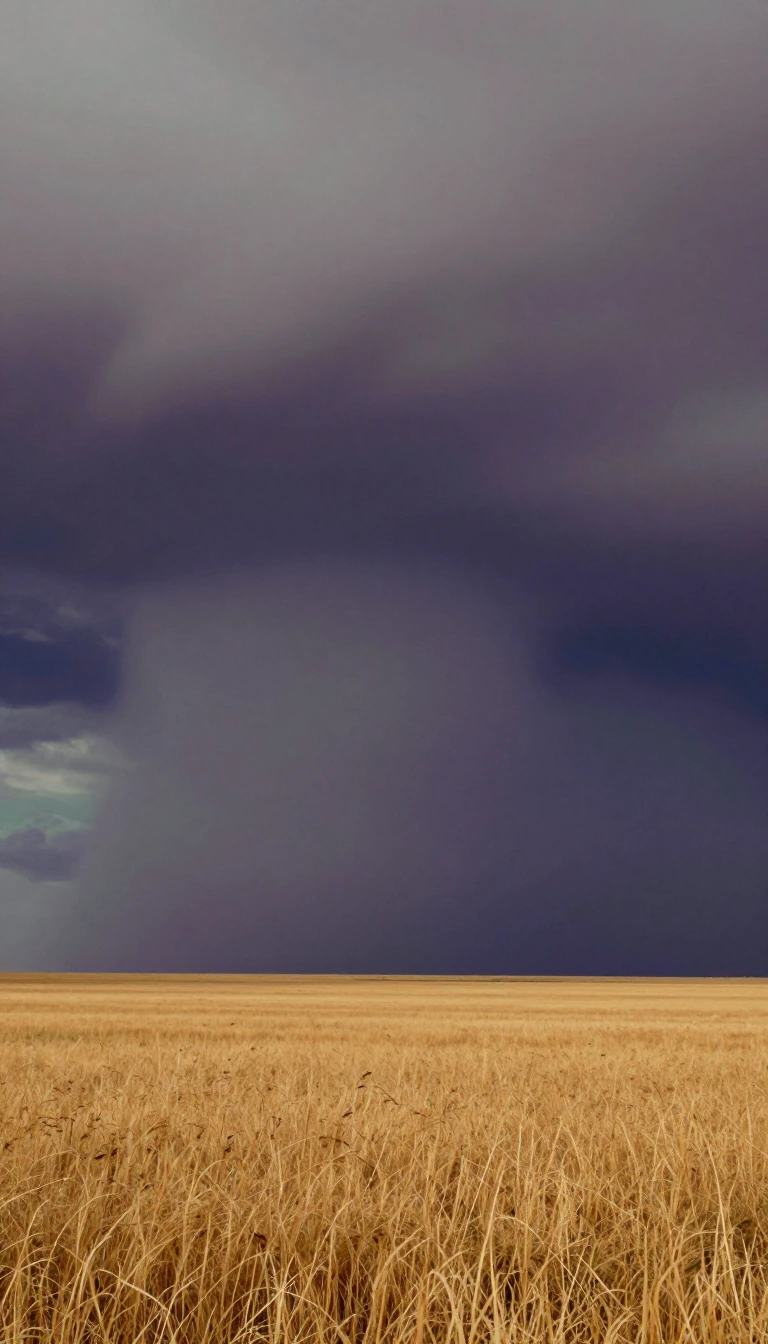 Why these ground-up tornadoes often go undetected by even the most advanced weather radarUnlike classic supercell tornadoes that descend from rotating clouds, landspouts build from the ground up. These small, short-lived vortices form when surface winds collide and ar…
 Why these hairy, tent-building moths are named after woolly caterpillars and egg-shaped cocoons.Lasiocampidae moths, known as eggars or lappet moths, are a diverse family of over 2,000 species. From their unique snout-like mouthparts to the silk nests of tent caterpillars, t…
 Why these hardy, wax-coated bacteria are among the world's most persistent medical challenges.Mycobacterium are rod-shaped bacteria defined by a unique, waxy cell wall that resists common disinfectants and standard antibiotics. While most species are harmless environmental…
 Why these high-speed tilting trains lost their ability to leanDesigned to tilt up to six degrees to conquer curved tracks, the Class 221 Super Voyager was built for speed. Yet, many of these Bombardier-built diesel-electric units now travel …
 Why these holiday sweet potatoes deserve a splash of whiskyDiscover how to transform 1.5 kilograms of sweet potatoes into a decadent holiday side dish. This guide demonstrates how to use maple syrup and whisky to create a smooth, whipped …
 Why these house walls are designed to collapse during a major floodIn flood-prone areas, some homes use specialized breakaway wall panels that are engineered to fail under pressure. This video examines how these structures are installed to protec…
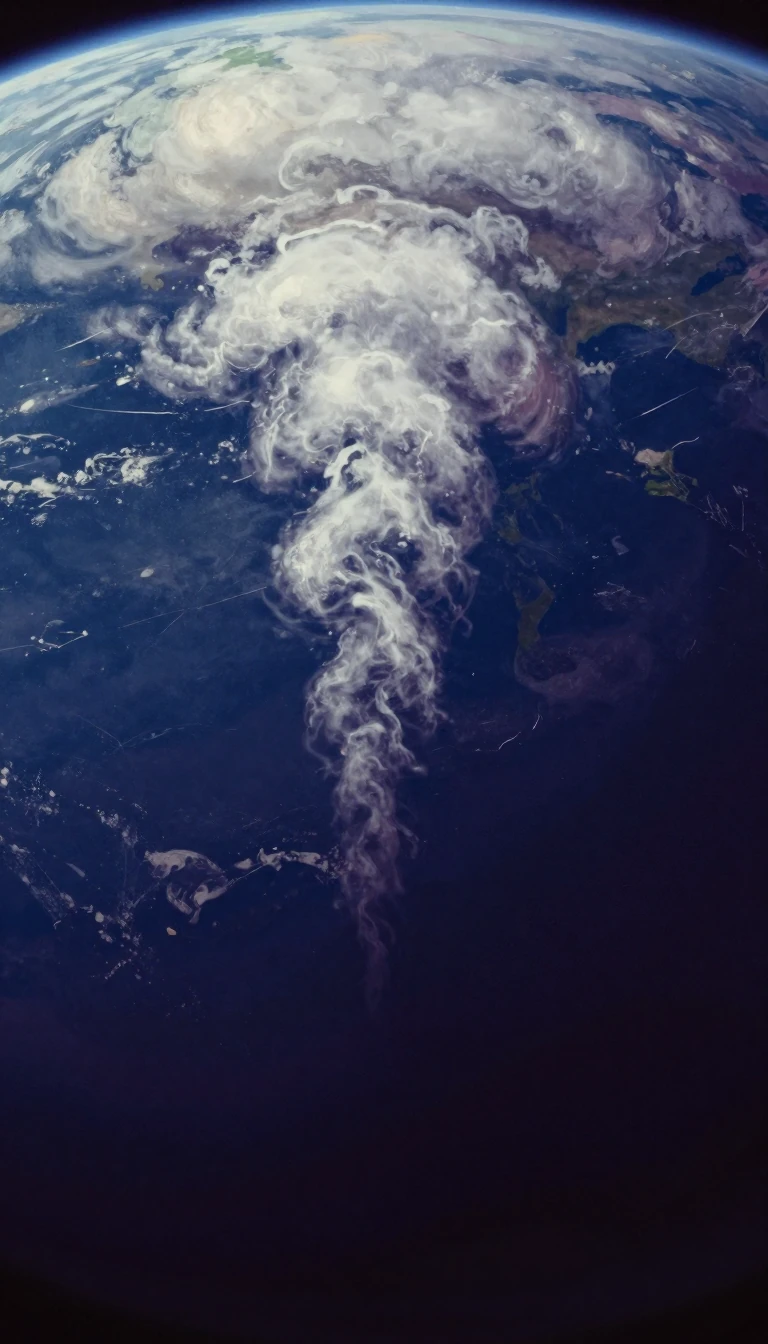 Why these hybrid wingships skim the waves instead of soaring through the cloudsGround-effect vehicles, or ekranoplans, operate in the narrow space between flight and sailing. By trapping air beneath their wings, they achieve remarkable efficiency and speed o…
 Why these iconic robots were designed to be impossible to sellThe Evangelions aren't just mechs; they are biomechanical cyborgs with internal organs, epidermis, and nails. Director Hideaki Anno intentionally designed them to be difficult to …
 Why these insects are masters of chemical warfare and plant-piercing survivalThe Pentatomoidea superfamily, encompassing stink bugs and shield bugs, is a diverse group of 7,000 species. While often viewed as garden pests, these insects are sophisticated su…
 Why these insects evolved to look exactly like decaying, brown forest debrisThe dead leaf mantis is not a single species, but a masterclass in evolutionary mimicry shared by several distinct groups. By perfectly imitating the texture and color of withered…
 Why these insects spend days stuck together in a permanent piggyback rideLovebugs, or honeymoon flies, remain physically attached for up to two days while foraging. This video explores their unique mating behavior and the role they play in pollinating …
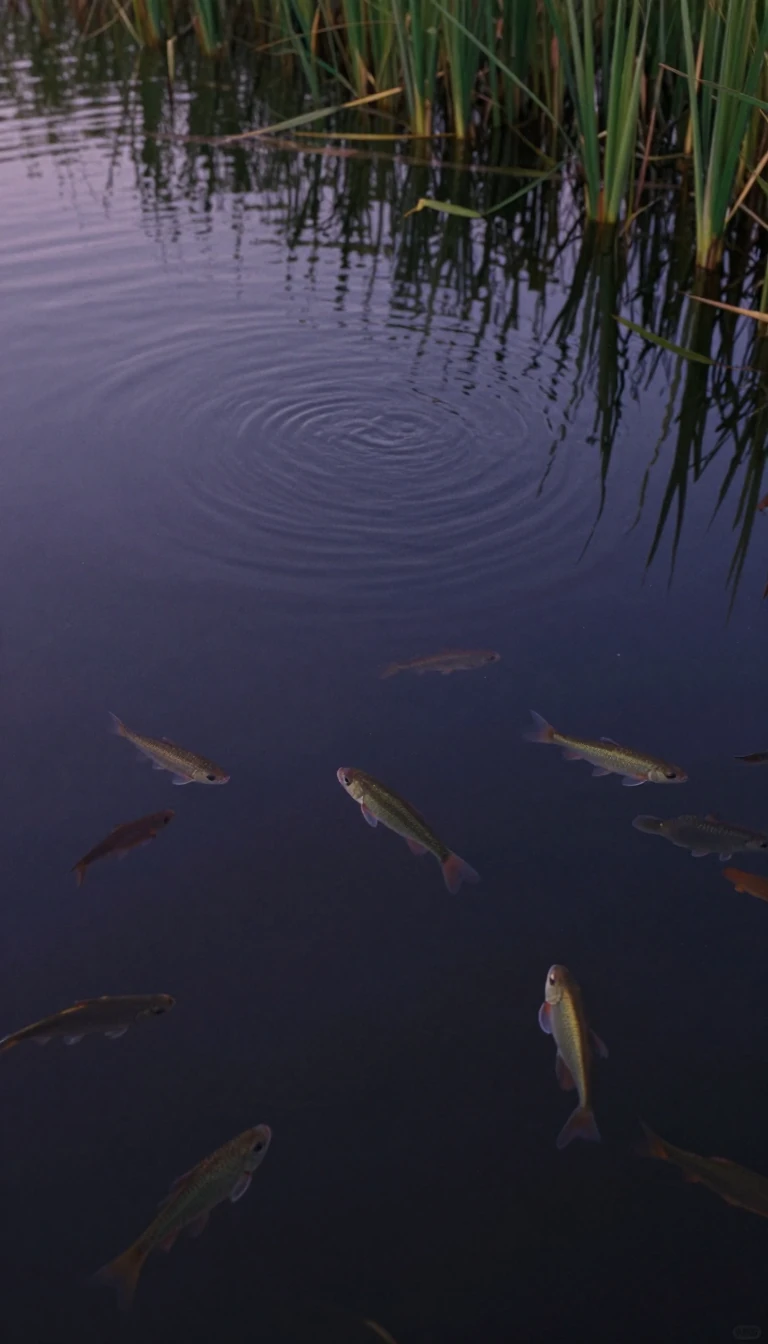 Why these invasive fish are famous for leaping into the path of speeding boatsSilver carp are notorious for their acrobatic, startling leaps when disturbed by boat motors, turning recreational waterways into hazardous zones. Originally imported to the Unite…
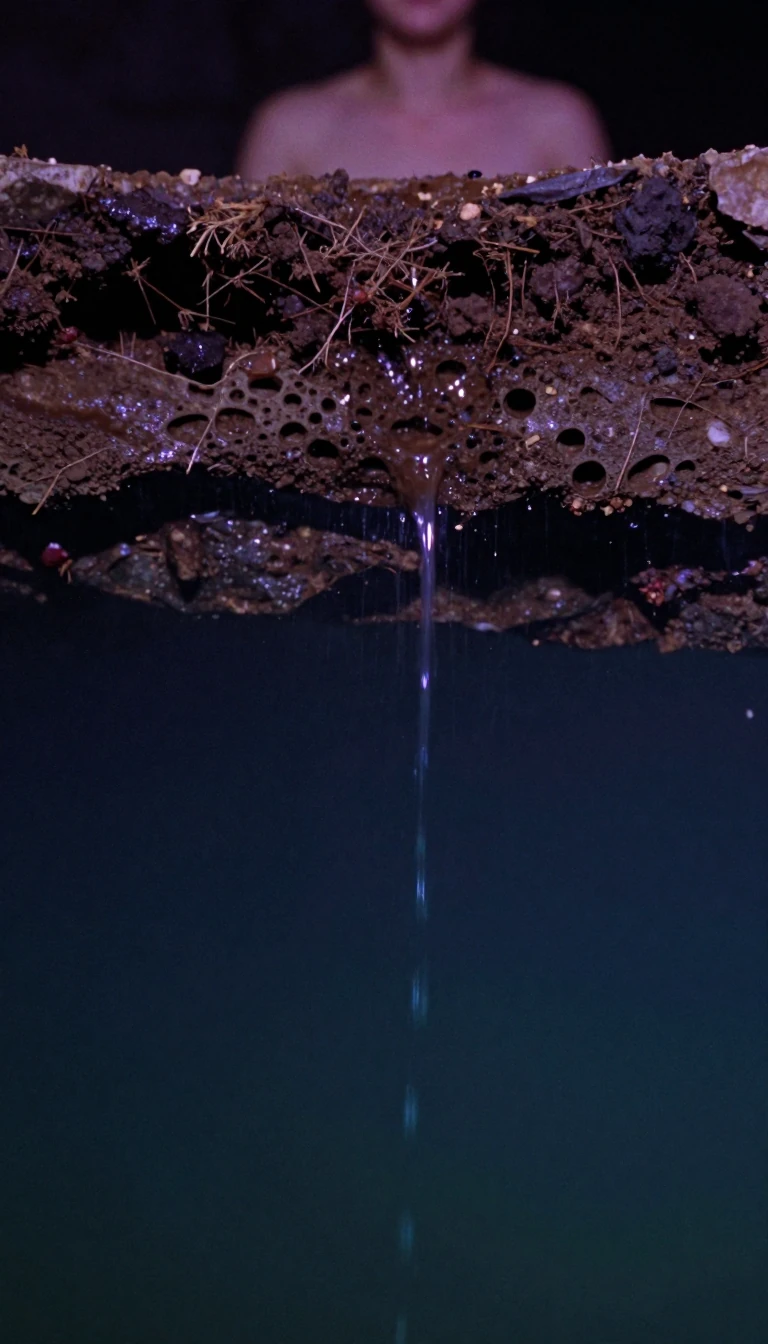 Why these inverted V-shaped rock folds are the world's most valuable geological structuresAnticlines are arch-like folds in Earth's crust that trap vast quantities of natural resources. By bending rock layers into specific shapes, these formations create the structural…
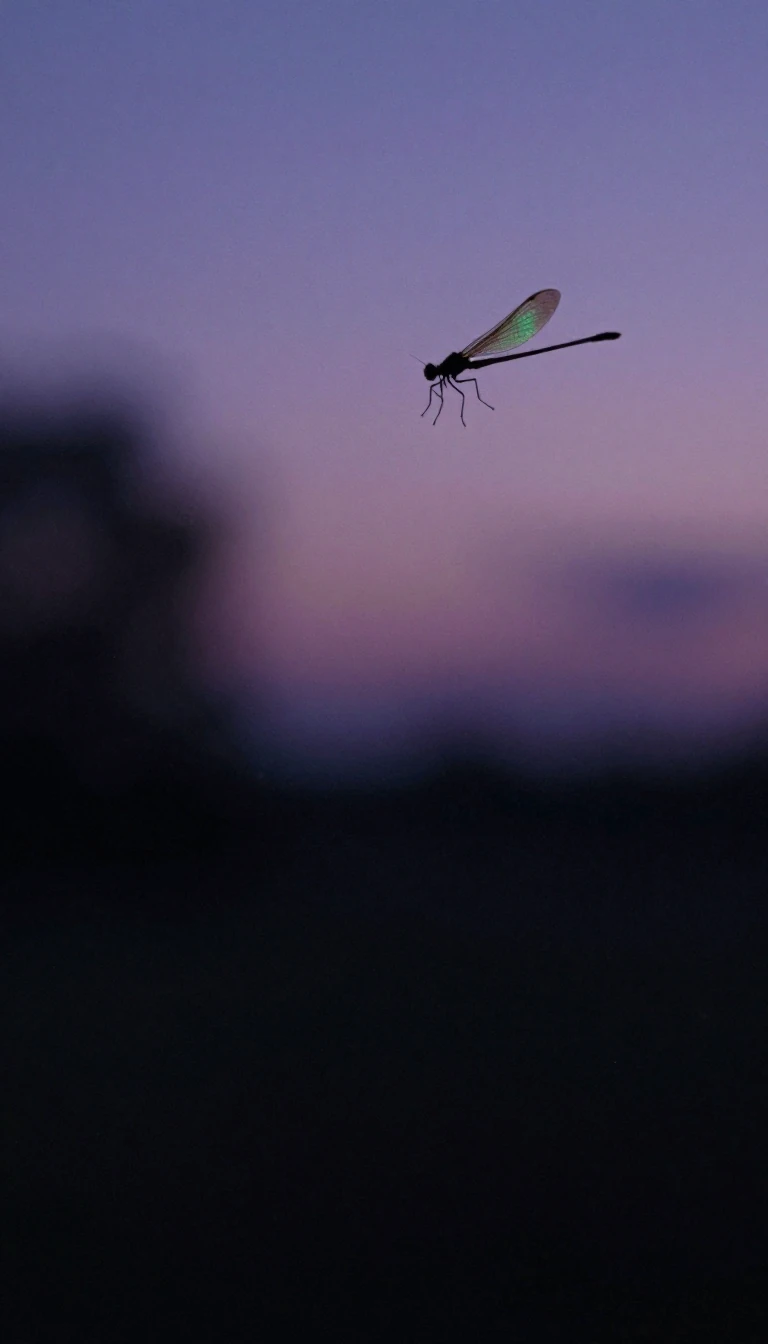 Why these iridescent tropical birds hunt like aerial acrobats in the forest canopyJacamars are elegant, glossy birds of the Neotropics that defy typical insectivore anatomy. While most aerial hunters possess short, wide bills, these birds wield long, thin instr…
 Why these isolated desert towers are defined by their height rather than their widthA butte is more than just a lonely hill. These steep-sided landmarks are defined by a simple geometric rule: if the top is narrower than the height, it is a butte. If the top is w…
 Why these Italian peaks glow purple at sunset and hold a dark war historyThe Dolomites are more than just a jagged mountain range in northeastern Italy. Named after a French scientist who first identified their unique carbonate rock, these peaks transi…
 Why these jagged coastal landmarks have guided sailors and shaped history for millenniaA cape is more than just a point of land jutting into the sea. These geological formations, carved by glaciers, volcanoes, and tectonic shifts, serve as vital navigational markers…
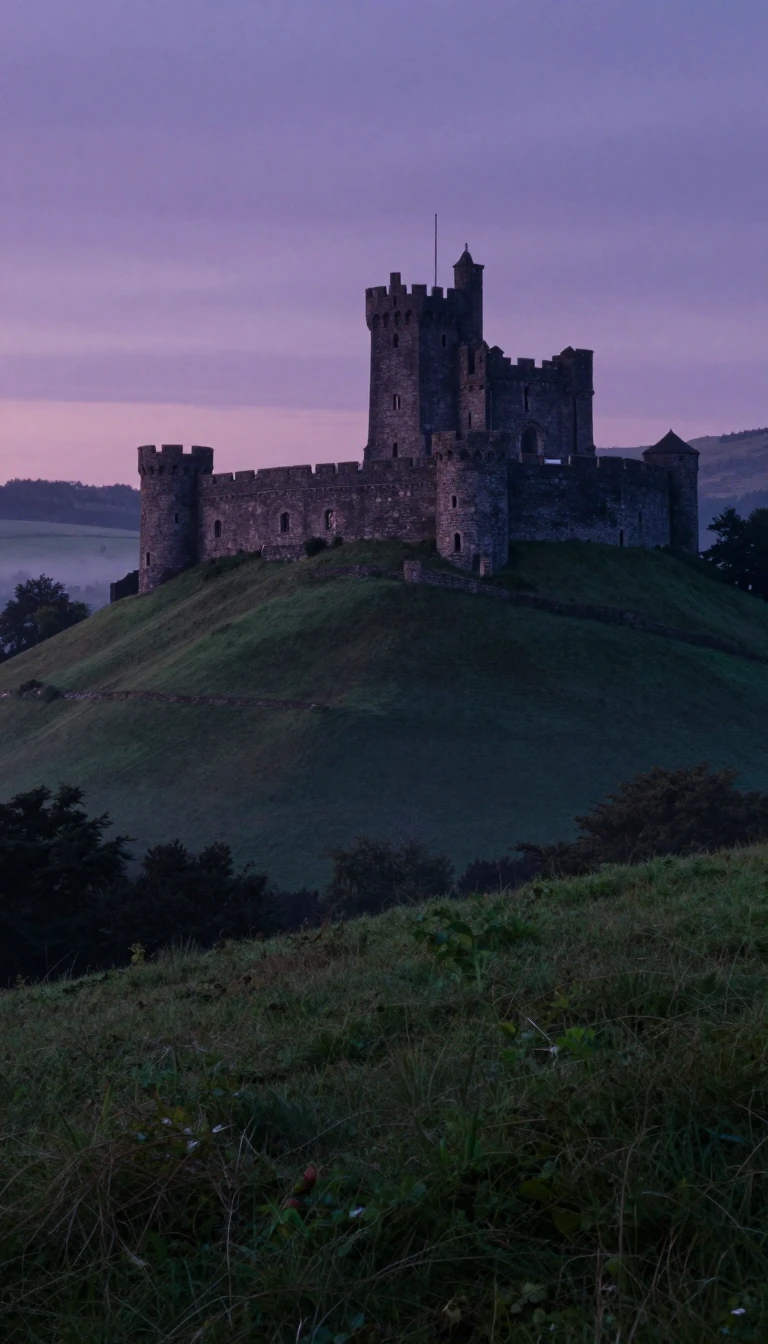 Why these jagged granite towers are younger than the hills they stand uponTors are striking, free-standing rock outcrops that rise abruptly from rounded hilltops. While they appear ancient and permanent, these geological features are surprisingly youthf…
 Why these kitsch poker-playing dogs became an indelible part of the American subconsciousCassius Marcellus Coolidge’s series of anthropomorphized dogs playing poker is more than a punchline. Created between 1894 and 1910, these eighteen oil paintings have permeated po…
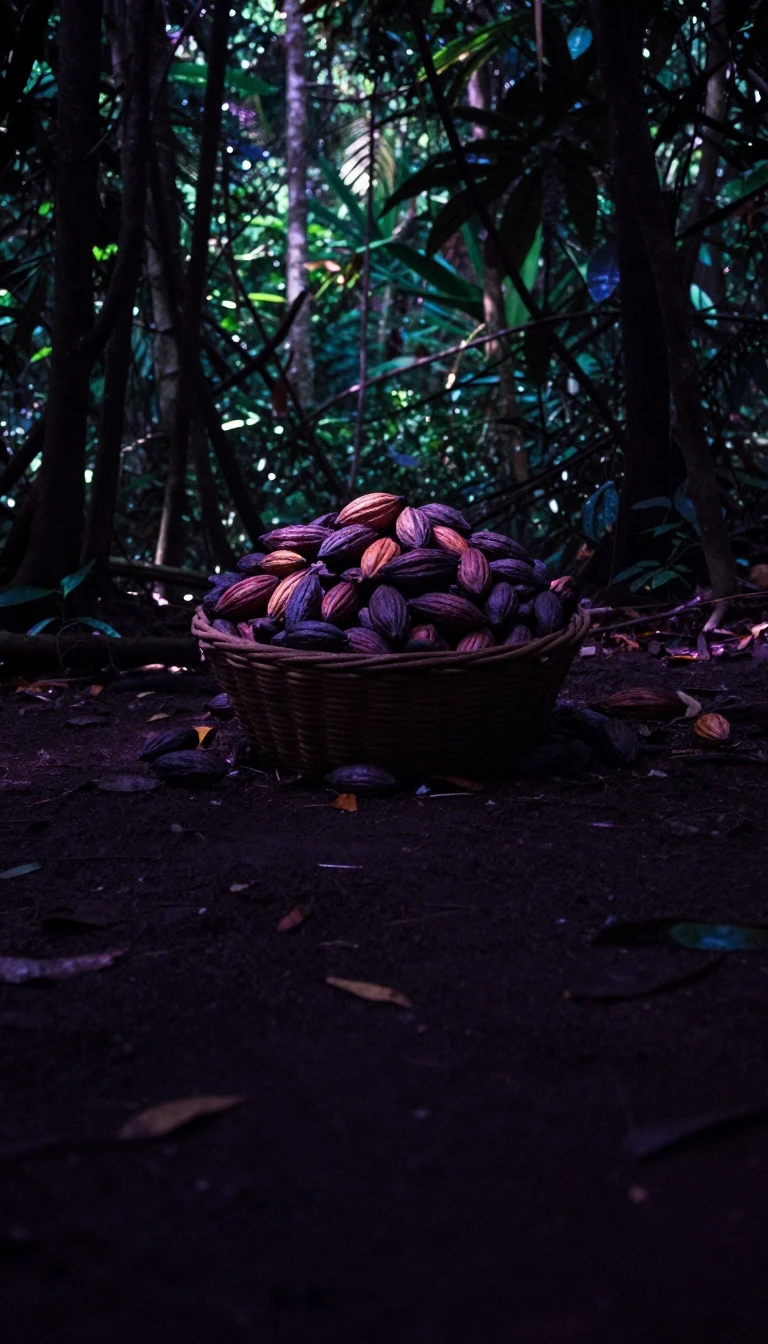 Why these leaf-eating monkeys evolved a complex, multi-chambered stomach to surviveColobinae monkeys are the only primates that digest food like cows. By using foregut fermentation, they break down tough leaves that other animals cannot process. This specialized…
- Why these legless lizards are named after glass and how they conquered the worldThe Anguinae subfamily, known as glass lizards, earned their brittle reputation from tails that snap off with alarming ease. Far from being simple snakes, these legless reptiles h…
 Why these long-legged ducks are causing a stir in the world of bird taxonomyWhistling ducks are not your typical pond-dwellers. With their long necks, upright stance, and penchant for perching in trees, these gregarious birds defy standard waterfowl expec…
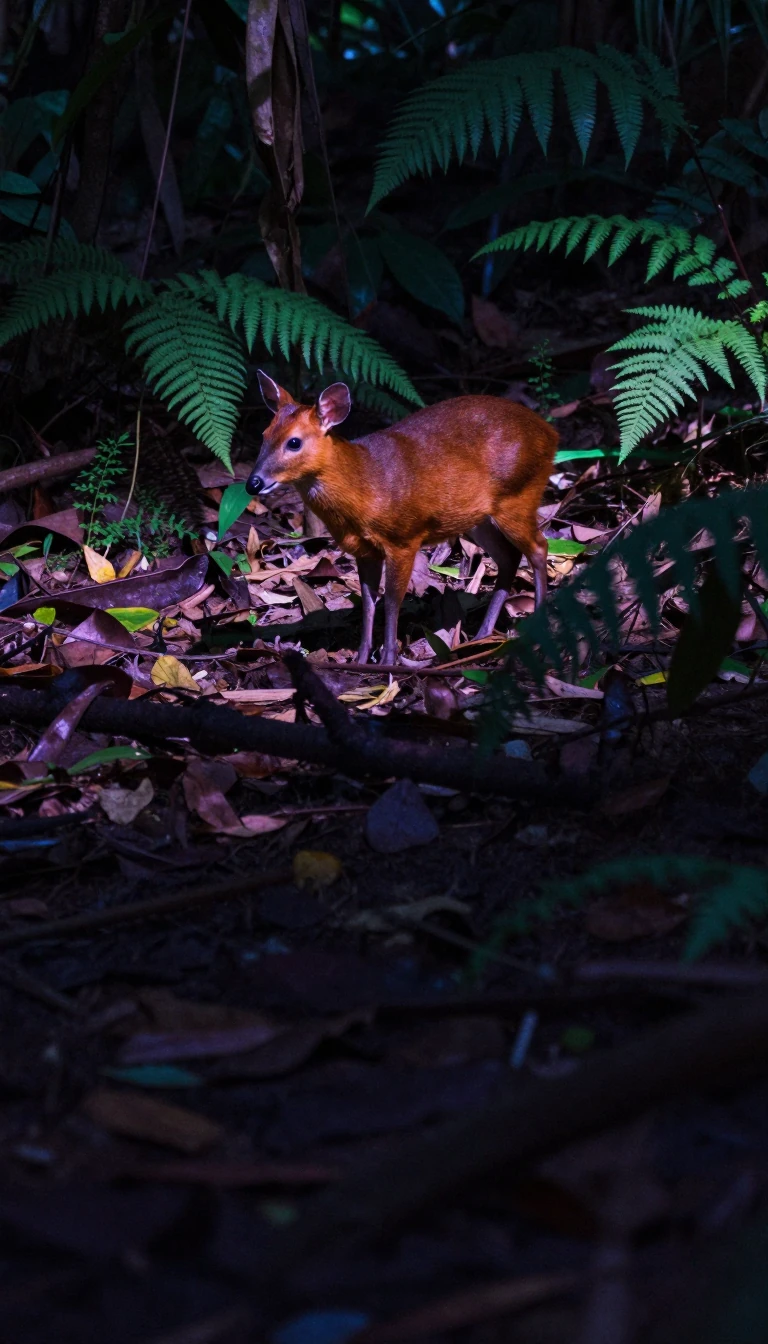 Why these long-snouted predators evolved to run faster than their northern cousinsThe Unenlagiinae were a unique group of theropods that thrived in the southern hemisphere. While their northern relatives evolved for raw gripping power to tackle large prey, thes…
- Why these marine mammals were hunted to the brink for their luxurious double coatsFur seals are not true seals, but members of the eared seal family. Named for the dense underfur that once made them a prime target for commercial hunters, these animals possess u…
 Why these massive, ghostly galaxies remain the universe's most elusive dark matter laboratoriesLow surface brightness galaxies are diffuse, faint systems that defy standard galactic evolution. While they can be as massive as the Milky Way, their stars are spread so thin the…
 Why these massive, vertical rock towers in Spain are a climber's dream destinationRising 300 metres above the landscape, the Mallos de Riglos are a striking set of conglomerate rock formations in Aragon, Spain. These towering pillars, which sit near the foothil…
 Why these master divers were once dismissed as the world's most foolish birdsBoobies are elite aerial hunters, capable of plunging vertically into the ocean to snatch fish and squid. Yet, their name stems from a historical misunderstanding. Because these s…
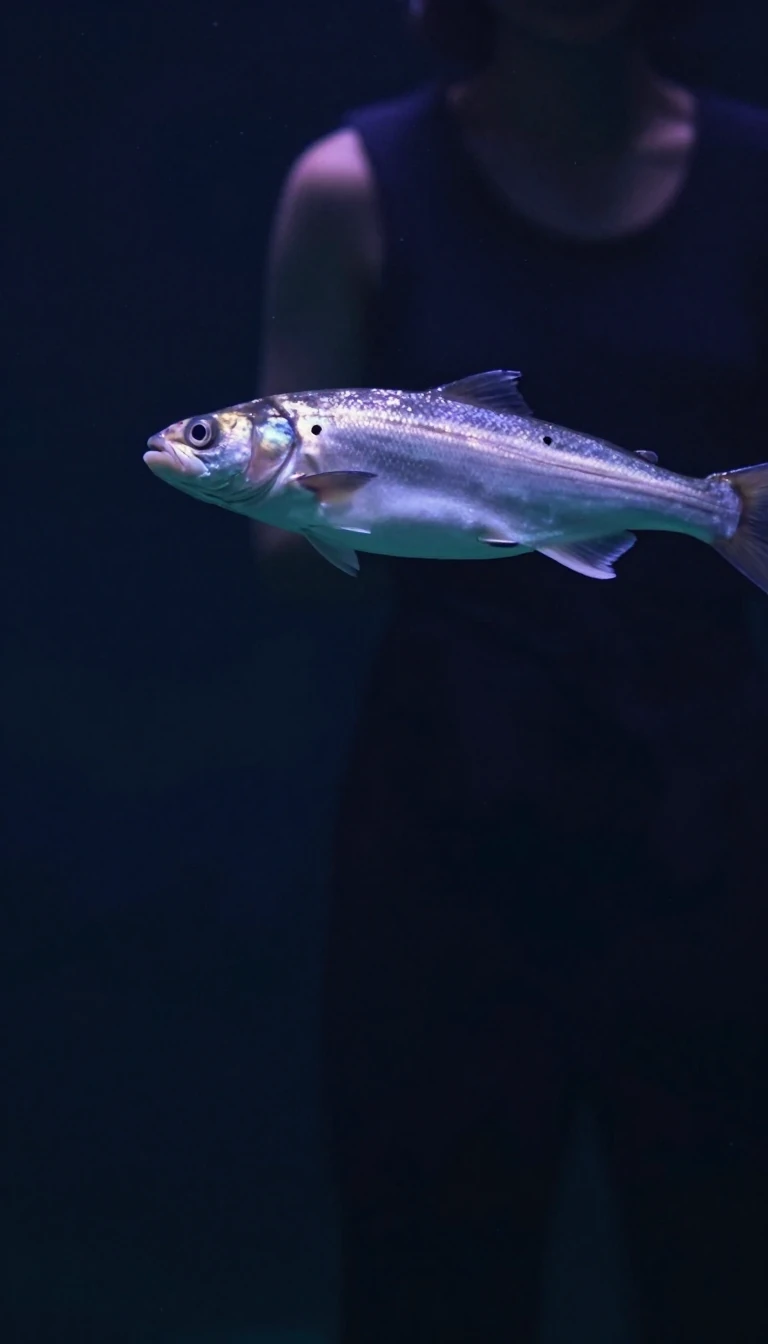 Why these masters of disguise use a retractable spine to survive in the reefFilefish are masters of deception, using rapid color shifts and a locking dorsal spine to evade predators. These sluggish swimmers rely on cryptic patterns and a unique pelvic dew…
 Why these medieval warriors wore crimson headwear to signal their absolute, divine devotionThe Qizilbash were a militant coalition of Turkic tribes who fueled the rise of the Safavid dynasty in 1501. Named for their distinctive twelve-gored red caps, these warriors view…
 Why these microscopic, sheet-like minerals are the unsung architects of Earth's surfaceClay minerals are far more than just mud. These hydrous aluminum silicates, defined by their tiny particle size and complex, layered atomic structures, are fundamental to geology …
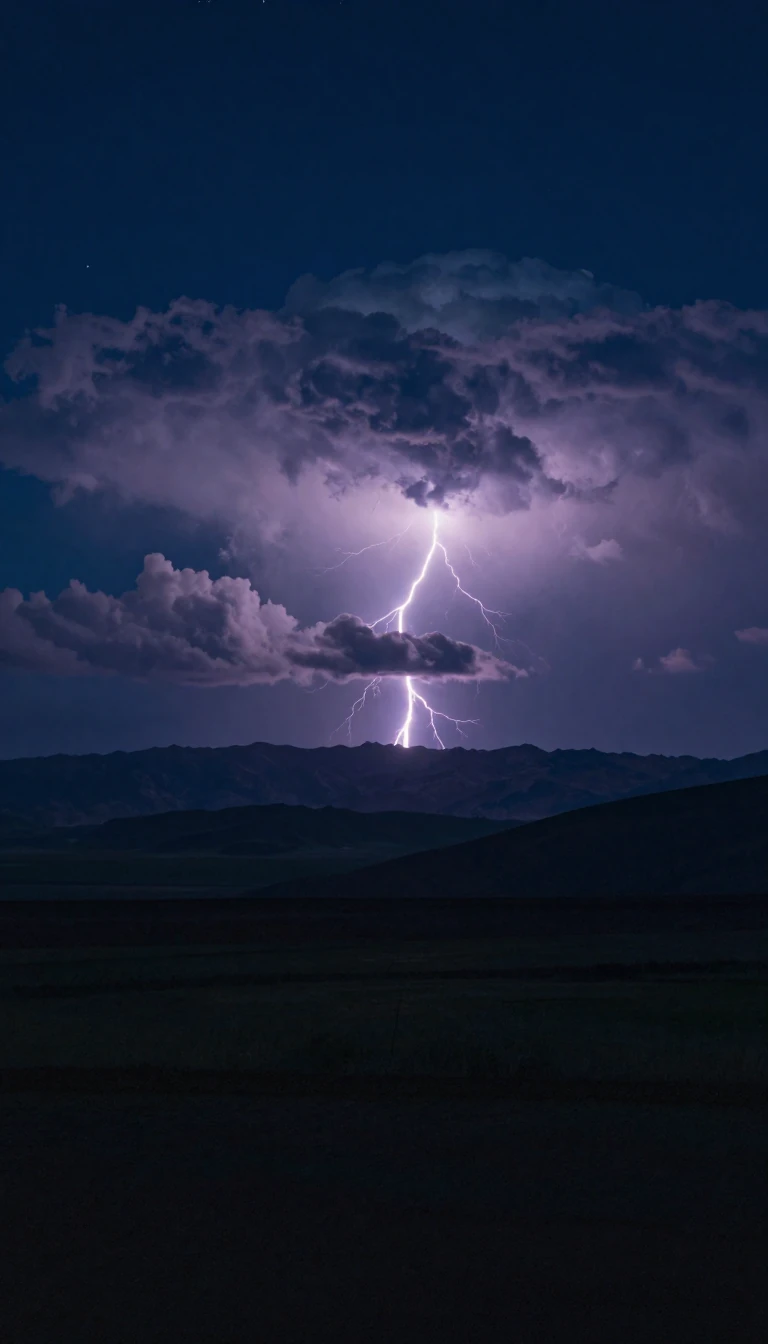 Why these mid-level clouds are the most diverse and deceptive in our skyAltocumulus clouds are mid-level chameleons, appearing as everything from lens-shaped UFOs to castle turrets. While they often signal settled weather, certain varieties serve as h…
- Why these moths are named after owls and feared by farmers worldwideKnown as owlet moths, the Noctuidae family is a massive, global group of insects. While they play a vital role in pollination, their larvae—the infamous cutworms and armyworms—are…
- Why these mysterious gray dolphins are covered in a lifetime of white scarsRisso's dolphins are the ocean's most heavily scarred cetaceans. As they age, their dark skin fades to a ghostly white, etched with a permanent record of battles and encounters. T…
 Why these nine newly discovered spider species are worth your full attentionMichael Aranda explores nine recently discovered spider species in this episode of SciShow. From unique hunting behaviors to specialized movement, these arachnids showcase the sur…
 Why these nine remote islands are grouped together by the United NationsThe United States Minor Outlying Islands are not a single territory, but a statistical collection of nine scattered, uninhabited islands. From the Caribbean to the Pacific, these …
 Why these nine remote Pyrenean churches hold Europe’s most significant Romanesque art collectionTucked away in the Catalan mountains, nine stone churches built during the 11th and 12th centuries represent a pinnacle of Lombard Romanesque architecture. Once threatened by the …
 Why these nine wooden churches in Slovakia are architectural marvels of the CarpathiansHidden within the Slovak Carpathians lie nine remarkable wooden churches, UNESCO-protected relics of religious history. Built between the 16th and 18th centuries, these structures…
 Why these noisy, white-and-black geese are turning agricultural fields into their own snow globesSnow geese are among the most abundant waterfowl in North America, often gathering in massive flocks that blanket the landscape. While they are famous for their snowy white plumag…
 Why these nomadic birds sometimes descend on suburban streets in their thousandsThe waxwing is a master of the erratic migration. These starling-sized birds do not follow fixed paths, but instead roam in nomadic flocks searching for berries. When food supplie…
 Why these ocean giants leap meters above the surface of the open seaEagle rays are masters of the open ocean, distinguished by their rhomboidal bodies and impressive wingspans reaching seven meters. Unlike their bottom-dwelling relatives, these ca…
 Why these Old World monkeys are the most successful colonizers after humansCercopithecinae are a remarkably adaptable subfamily of Old World monkeys, thriving in environments ranging from tropical rain forests to snowy mountains. With roughly 71 species,…
 Why these orchestral kettledrums are far more than just loud, rhythmic background noiseTimpani are sophisticated instruments capable of subtle pitch shifts and atmospheric textures. Once confined to simple brass support, they evolved into expressive tools that defin…
 Why these parrots evolved to look like two entirely different speciesEclectus parrots are the most sexually dimorphic birds in existence. Males are brilliant emerald green, while females are deep red and purple. For decades, naturalists mistakenly …
 Why these persistent environmental pollutants linger in the human body for over a decade.Dioxins are a group of highly toxic, chemically stable pollutants that accumulate in the fatty tissues of animals and humans. Because they bioaccumulate up the food chain, over 90…