 Intellect Plus
Cards starting with W
29,907 cards. Page 434 of 499.
 Why these African lizards evolved heavy armor and a spiky, defensive tailThe Cordylidae family of lizards, native to southern and eastern Africa, has mastered the art of survival through specialized physical adaptations. Known for their flattened bodie…
 Why these aggressive termites are known as the super-termite of the southern United StatesFormosan subterranean termites are not just pests; they are structural threats capable of forming colonies with millions of members. Known for their aggressive defense and massive…
 Why these agile insects are often mistaken for hummingbirds in the gardenSphingidae, or hawkmoths, are masters of aerial precision. With streamlined bodies and rapid wing beats, they hover mid-air to sip nectar, a feat of convergent evolution shared by…
- Why these air-breathing land snails are the most famous mollusks in the worldKnown as typical snails, the Helicidae family dominates European landscapes and culinary traditions. These air-breathing gastropods are far more than just garden pests or escargot…
 Why these ancient African conifers are the survivors of a broken supercontinentAfrocarpus trees are living remnants of the ancient supercontinent Gondwana. Once widespread across a cooler, wetter landscape, these evergreen conifers retreated to the highlands…
 Why these ancient Australian turtles tuck their heads sideways instead of pulling them backSnake-necked turtles are masters of the side-tuck, a unique defensive maneuver that sets them apart from their peers. Rather than retracting their heads directly into their shells…
 Why these ancient Chinese cliff carvings uniquely blend three major religious traditionsSpanning centuries of artistic devotion, the Dazu Rock Carvings represent a rare synthesis of Buddhist, Taoist, and Confucian thought. Located in the steep hills of Chongqing, the…
 Why these ancient creatures were named after both bears and dogsThe beardogs were a unique group of mammals whose hybrid-like physical traits make them essential for understanding the broader history of the mammalian family tree.
 Why these ancient crustaceans have barely changed in over 300 million yearsTadpole shrimp, or Notostraca, are living fossils that have maintained their distinct, shield-like appearance since the late Devonian period. These resilient omnivores thrive in t…
 Why these ancient deer-like creatures grew bizarre horns on their nosesProtoceratids were North American herbivores that roamed from the Eocene to the Pliocene. While they resembled modern deer, they were not closely related. Their most striking feat…
 Why these ancient Finnish burial mounds no longer overlook the sea they once facedSammallahdenmäki is a sprawling Bronze Age burial site in Finland, home to 33 granite cairns. While these stone monuments were originally positioned to command a scenic view of th…
 Why these ancient green rocks were the ultimate prehistoric status symbolGreenschist is more than just a colorful geological curiosity. Defined by its signature green minerals and thin, layered structure, this metamorphic rock was once a prized commodi…
 Why these ancient marine arthropods became the most famous fossils in historyTrilobites are iconic not only for their intricate, functional anatomy or their remarkable preservation in the fossil record. Their global fame stems from their sheer ubiquity acr…
 Why these ancient mountain fortresses were designed to be impossible to conquerThe aul is a masterclass in defensive urban planning. Found across the Caucasus and Central Asia, these fortified settlements were built into cliff faces, using staggered architec…
 Why these ancient net-winged insects are the ultimate masters of predatory camouflageKnown as net-winged insects, the order Neuroptera includes lacewings, antlions, and mantidflies. These soft-bodied predators have thrived since the Permian period, evolving ingeni…
- Why these ancient Scottish monuments are now facing an existential threat from climate changeThe Heart of Neolithic Orkney is a collection of four prehistoric sites that define Northern Europe’s ancient landscape. From chambered cairns to stone circles, these monuments ha…
 Why these ancient seeds are masquerading as grains in your kitchen pantryWhile true cereals belong to the grass family, pseudocereals are botanical imposters that mimic the culinary utility of wheat and rice. These nutrient-dense seeds, including quino…
 Why these ancient single-celled organisms are a nightmare for biologists to classify.Euglenoids are remarkably diverse, ancient microorganisms known for their unique ability to shift shapes. This video explores why their evolutionary history and physical flexibili…
 Why these ancient Spanish stone monuments were built to face the mountains, not stars.Most ancient megaliths align with the sun or stars, but the Antequera Dolmens in Spain defy tradition. By anchoring their architecture to specific natural peaks rather than celest…
 Why these ancient spiders carry their spinnerets in the middle of their bodiesSegmented spiders are living fossils that diverged from all other spider lineages 300 million years ago. Unlike their modern relatives, they possess a primitive, plate-covered abd…
- Why these ancient, air-breathing fish are masters of swimming both forward and backwardThe Notopteridae family, known as featherbacks or knifefishes, are masters of movement. By keeping their bodies rigid and rippling their long anal fins, these freshwater predators…
 Why these ancient, equal-footed crustaceans are the masters of almost every environmentFrom the deepest oceanic trenches to your own backyard, isopods are everywhere. With over 10,000 species, these crustaceans have conquered land, sea, and freshwater. Their name, m…
- Why these ancient, heavy-bodied spiders are built to last for decadesMygalomorphs are a massive group of spiders, including tarantulas and trapdoor spiders, found on every continent except Antarctica. Unlike their short-lived cousins, these stout-l…
- Why these ancient, wingless insects are now being studied for sustainable biofuel productionSilverfish are more than just bathroom pests. As one of the most primitive insect lineages, these wingless creatures possess specialized guts that act as natural bioreactors. Rese…
 Why these ancient, wingless insects have survived for 400 million yearsFirebrats and silverfish look much like the earliest insects on Earth. This video explores their unique anatomy, including their three tail filaments, and explains why their ancie…
- Why these aquatic predators spend their entire lives swimming upside down in the waterBackswimmers are predatory insects that navigate ponds using their oversized legs like oars, cruising belly-up just below the surface. This inverted lifestyle is not just a quirk;…
 Why these aquatic rodents are the world's most effective natural landscape engineersBeavers are more than just wood-chewing animals; they are ecosystem engineers capable of transforming entire landscapes. By constructing complex dams of branches, stones, and mud,…
- Why these arachnids spray vinegar and carry their young on their backsWhip scorpions, or vinegaroons, are formidable arachnids that defend themselves by spraying a pungent, vinegar-scented acid. Despite their intimidating appearance and scorpion-lik…
 Why these architectural garden giants are more than just ornamental onion cousinsAlliums bring structural drama to the garden with their striking, spherical blooms. While they share a family history with culinary staples like onions and garlic, these hardy per…
 Why these autonomous congregations reject denominational labels and musical instruments in their worshipThe Churches of Christ are a global network of independent congregations united by a singular goal: restoring the original church as described in the New Testament. By rejecting c…
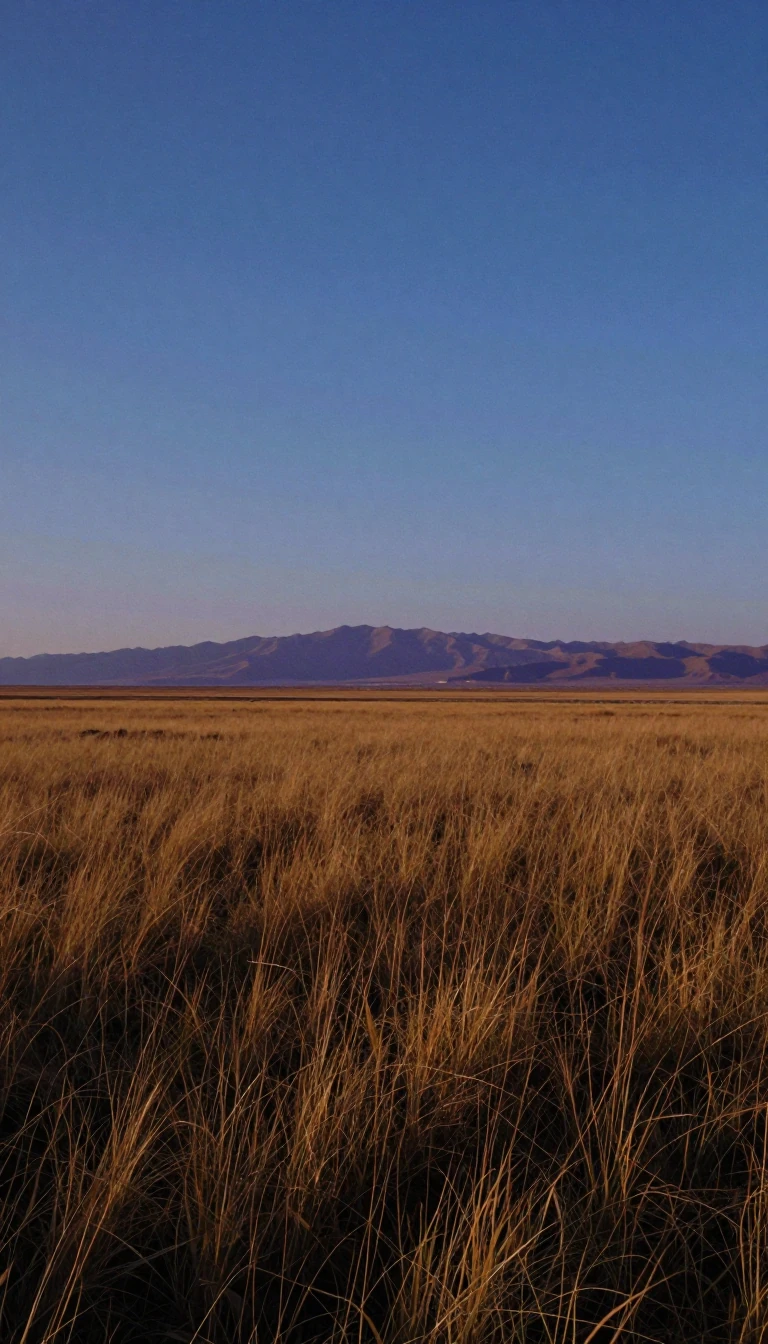 Why these barren, eroded landscapes are far more than just bad landKnown for their steep slopes and lack of vegetation, badlands are dramatic geological formations carved by relentless water erosion. While often seen as inhospitable, these landsc…
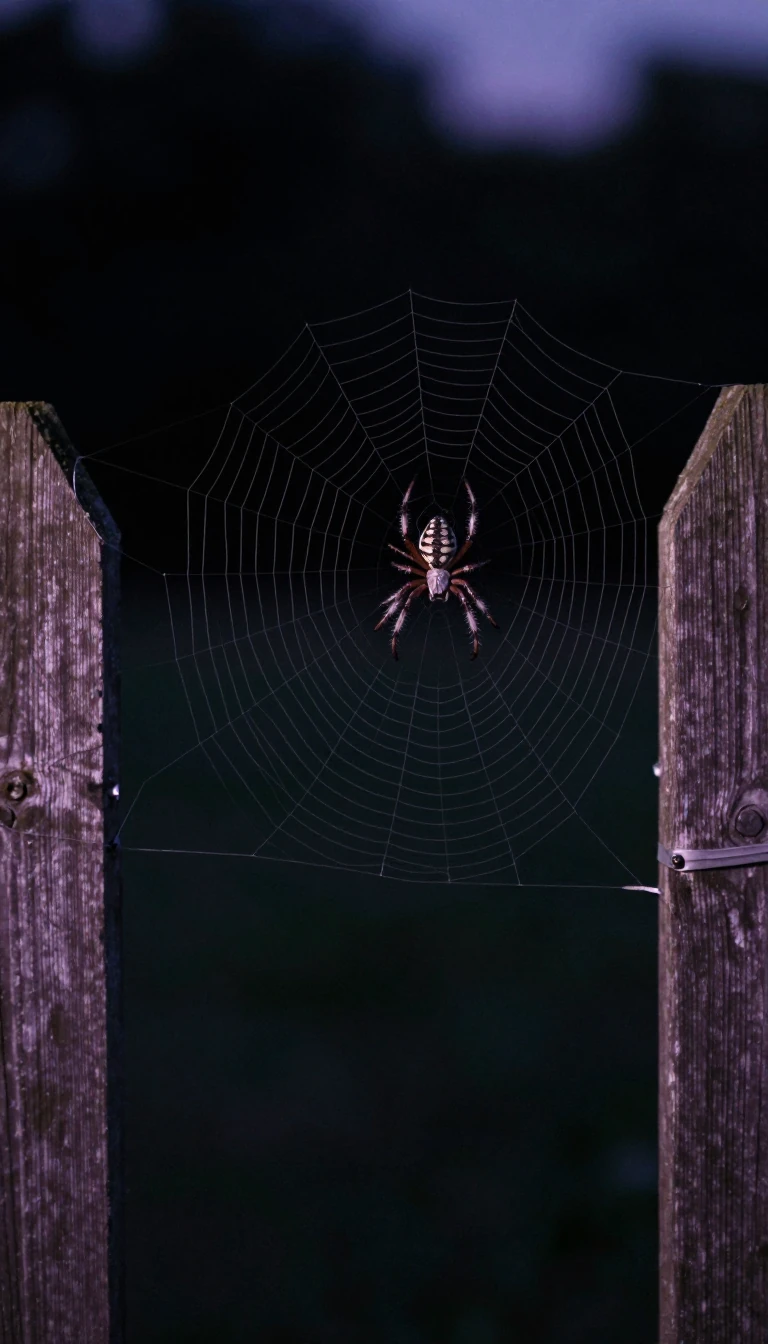 Why these beetles evolved to have antennae longer than their own bodiesLong-horned beetles, a family of roughly 36,000 species, are defined by their namesake appendages. While these antennae often double or triple the insect's total length, they serv…
 Why these beetles pack a chemical punch that can turn hay into a toxin.Blister beetles are a group of approximately 2,500 species defined by their ability to secrete cantharidin, a potent substance that causes skin blistering. While these insects are…
 Why these bell-shaped microbes act like a community despite being independent individuals.Vorticella are microscopic, bell-shaped organisms often found in clusters. This video explores their unique lifestyle, revealing why they are not a true colony but rather a group …
 Why these binary search trees use a splash of color to stay perfectly balancedRed-black trees are a clever variation of standard binary search trees that use a simple color-coding system to guarantee efficiency. By marking nodes as either red or black, thes…
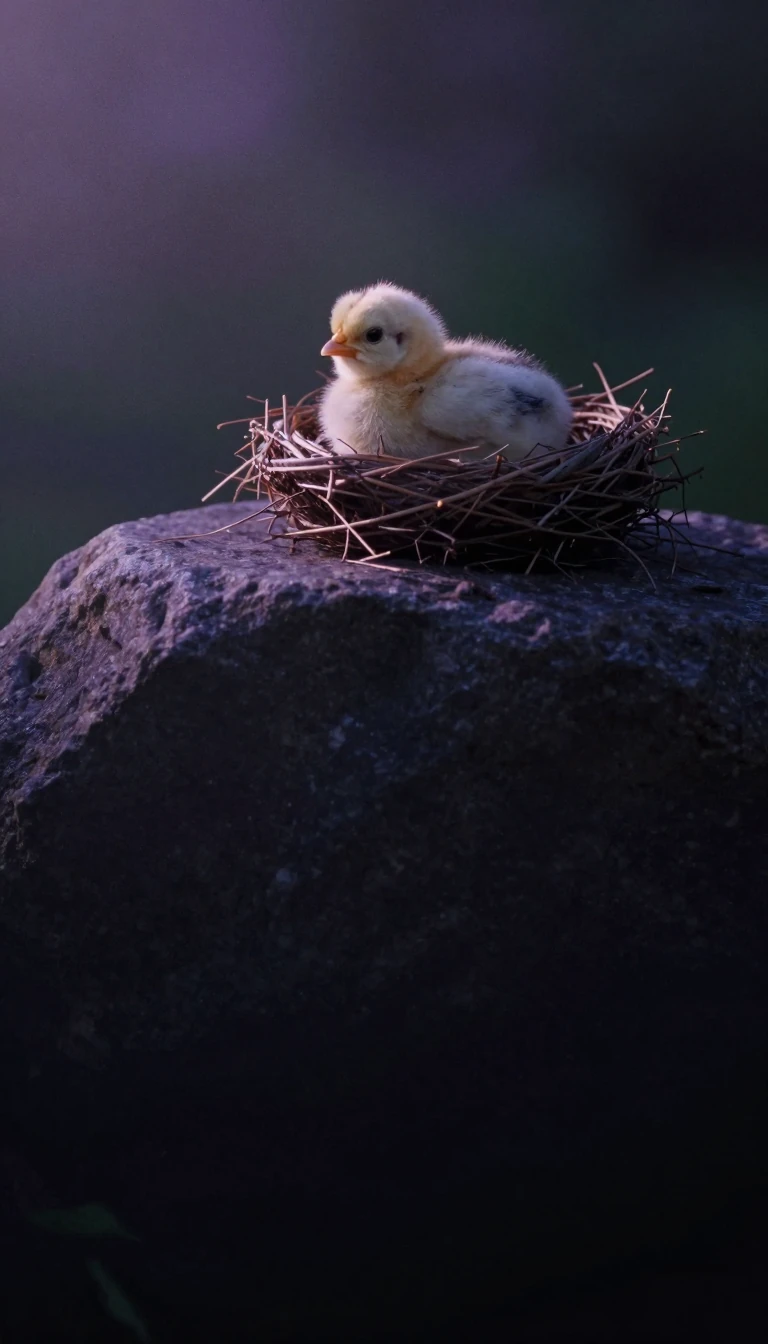 Why these birds abandon their eggs to be raised by volcanoes and compostMegapodes are the only birds that reject traditional brooding. Instead of using body heat, they bury their eggs in massive mounds of decaying vegetation, volcanic soil, or sun-war…
 Why these birds are defined by the unique anatomy of their vocal organsThe Tyranni, or suboscines, are a massive group of over 1,000 passerine bird species. While they share a common ancestry, they are distinguished from their songbird cousins by the…
 Why these birds earned the name strap-leg in the ancient worldStilts are masters of the wetlands, easily identified by their exceptionally long, slender legs and thin bills. Belonging to the Recurvirostridae family, these birds thrive in war…
- Why these bizarre, leathery turtles are masters of both land and underwater survivalSoftshell turtles are evolutionary outliers, trading the heavy, protective armor of typical turtles for a flexible, leathery carapace. This adaptation allows them to move with sur…
 Why these bizarre, slow-moving fish traded speed for a suit of armorTetraodontiformes are the oddballs of the ocean, abandoning the typical streamlined fish shape for globes, boxes, and squares. By sacrificing speed, these creatures evolved extrem…
 Why these brittle metallic compounds are the secret backbone of modern high-tech engineeringIntermetallics are solid-state compounds formed from two or more metals that defy the rules of standard alloys. While often hard and brittle, their unique crystal structures and h…
 Why these bulky South American birds are the ultimate feathered security guardsScreamers are large, marsh-dwelling birds that look like unlikely cousins to ducks. While they lack the full webbing of their waterfowl relatives, they possess a unique defensive …
- Why these carnivorous plants are the secret weapon of professional orchid nurseriesButterworts are not just botanical oddities; they are sophisticated insect traps. By secreting sticky mucilage and digestive enzymes, these succulent plants turn small pests into …
 Why these coastal bees spend their spring building elaborate sandcastles by the seaWhile beachgoers relax on the sand, the bumblebee-mimic digger bee is busy at work. These industrious insects construct specialized nests within sandy cliffs overlooking the Pacif…
 Why these coffee-bean-shaped bacteria are masters of human immune system evasionNeisseria bacteria are masters of survival, thriving inside the human body by mimicking host cells and actively repairing their own DNA. While most of the eleven species colonizin…
 Why these colorful peacock flies are the most notorious agricultural pests on EarthOften confused with common laboratory fruit flies, the Tephritidae family is a diverse group of nearly 5,000 species. While some are beautiful mimics that evade predators by masqu…
- Why these colorful reef fish carry a surgical blade on their tailsKnown as surgeonfishes, tangs, and unicornfishes, the Acanthuridae family is defined by a unique biological weapon: scalpel-like bony plates located on their tails. These sharp sp…
 Why these colorful sea slugs are the ocean's most charismatic predatorsMarine biologist Jessica Goodheart explores the diverse world of nudibranchs. These sea slugs inhabit oceans globally, displaying remarkable variety in color and form. The video e…
 Why these common dragonflies are named after a carpenter’s leveling toolThe Libellulidae family represents the largest group of dragonflies on Earth, with over 1,000 distinct species. Known as skimmers, darters, and perchers, these insects are found n…
 Why these common electrical devices are essential for your home safetyYou likely see GFCIs or RCDs in your home every day, but their specific purpose and internal mechanics often go unnoticed. This video breaks down how these ubiquitous safety devic…
 Why these common garden wildflowers are actually sophisticated biological sensors for environmental radiationTradescantia are more than just resilient, fast-growing perennials. Beyond their popularity as ornamental houseplants and garden staples, these plants possess a unique biological …
- Why these common rock-forming minerals were named after the Greek word for ambiguousAmphiboles are everywhere, yet they remain notoriously difficult to identify. Named for their protean variety in appearance and chemical makeup, these complex silicate minerals hi…
 Why these complex mathematical functions are named after the humble ellipseElliptic functions are meromorphic functions defined by two distinct periods, creating a repeating pattern across the complex plane. Though they share a name with the geometry of …
 Why these delicate wheat noodles are the ultimate symbol of a long lifeMisua, the ultra-thin wheat noodle from Fujian, China, is far more than a simple pantry staple. Across East and Southeast Asia, these fragile strands are served during birthdays a…
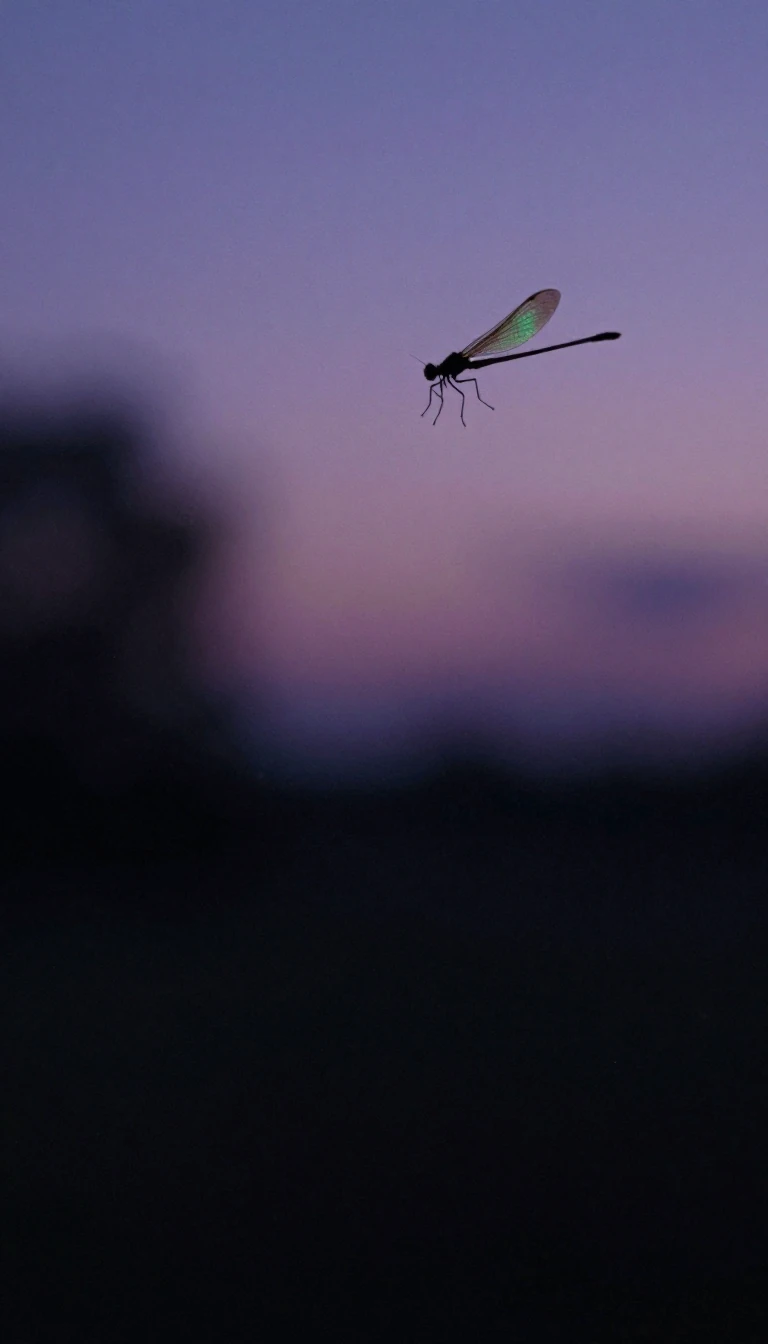 Why these desert birds are actually more like gulls than traditional wadersCoursers are masters of the arid landscape, known for their long legs and insect-hunting speed. While they were long grouped with plovers, modern genetic analysis has upended thei…
 Why these desert-dwelling shrubs are the ancient source of a modern stimulantEphedra shrubs are evolutionary outliers, standing as the sole genus in their entire biological order. Thriving in arid landscapes from the American Southwest to China, these resi…
 Why these devotees wear a small stone lingam instead of a sacred threadLingayats are a distinct Shaivite tradition defined by their rejection of Brahmanical rituals and the caste system. By wearing a personal lingam around their necks, both men and w…
 Why these drab songbirds are evolving toward a life on the groundThe Locustellidae family of songbirds, once hidden within a taxonomic wastebin, are masters of the scrubland. Known for their insect-like songs and drab plumage, these birds are s…
- Why these drab, ground-dwelling birds are masters of global survivalPipits are the ultimate avian generalists, thriving on every continent except Antarctica. Though they appear as unremarkable, streaky brown birds, these insectivores have evolved …
- Why these dumpy water birds are masters of evolving into flightless island dwellersMoorhens are compact, red-beaked rails that seem built for the water, yet they are surprisingly prone to losing the power of flight. While common moorhens can migrate thousands of…