 Intellect Plus
Cards starting with W
29,907 cards. Page 436 of 499.
 Why these pit vipers choose specific frogs over general prey abundanceIn the tropical forests of northern Thailand, the distribution of Trimeresurus pit vipers is governed by a sophisticated ecological rule. While many predators simply follow the la…
 Why these plump, fruit-loving birds are essential architects of the tropical forest canopyWith their heavy, bristle-fringed bills and vibrant plumage, New World barbets are more than just colorful forest residents. These sedentary birds act as vital seed dispersers, sh…
 Why these powerful trains were too thirsty for their own goodDesigned to conquer the steep hills of the TransPennine routes, the British Rail Class 185 was built with immense power. Yet, this engineering strength became a liability, leading…
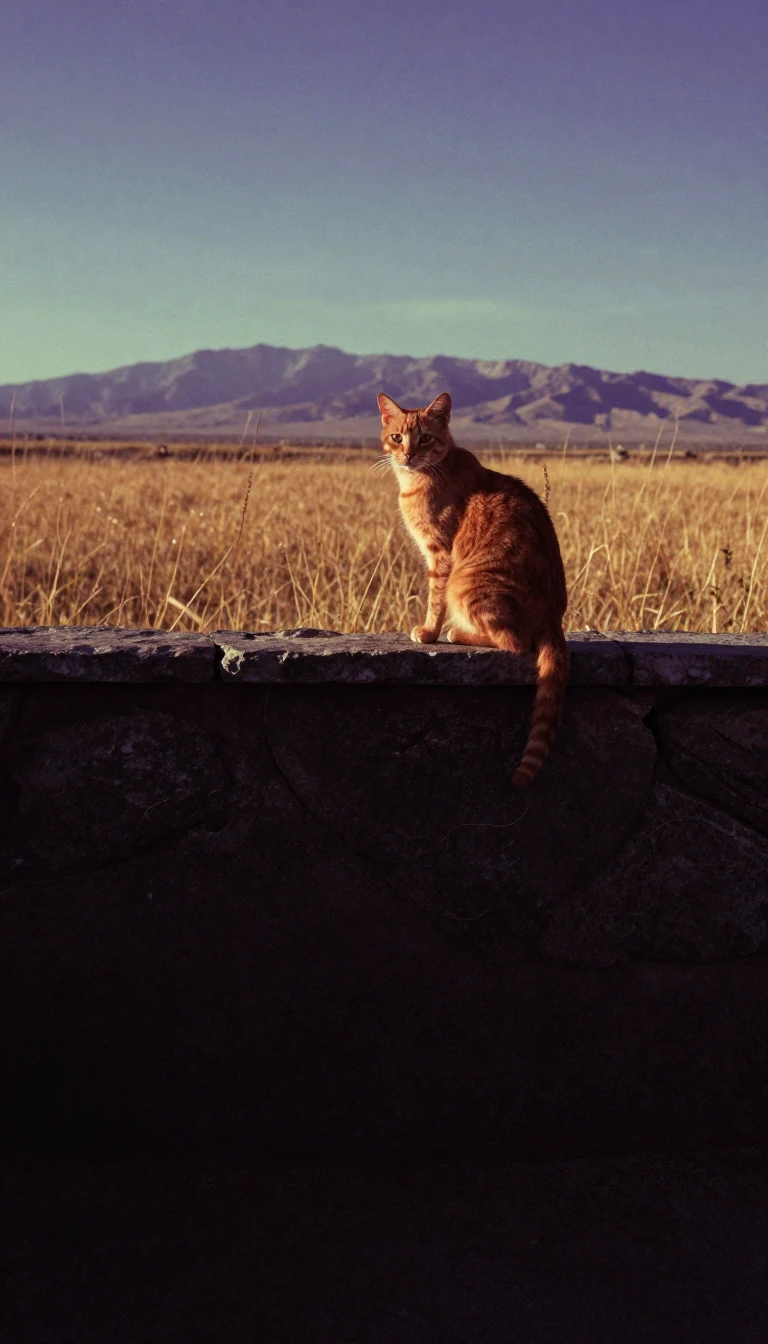 Why these primitive, cat-like mammals are the evolutionary ancestors of the modern feline familyViverrids are the most primitive members of the feliform carnivores, yet they remain widely misunderstood. Comprising 33 species across Africa, Europe, and Asia, these small to me…
 Why these rare minerals refuse to coexist with quartz in igneous rocksFeldspathoids are the geological rebels of the mineral world. While they share a chemical family resemblance with common feldspars, they possess a distinct structure and a lower s…
 Why these rare stellar explosions are the universe's most reliable cosmic yardsticksType Ia supernovae are not just violent cosmic fireworks; they are precise standard candles. Because these explosions consistently reach a specific peak brightness, astronomers us…
 Why these remote wooden cathedrals are a unique architectural marvel in the AmericasIn the humid Chiloé Archipelago of Chile, sixteen historic churches stand as a testament to a rare cultural fusion. Unlike the stone cathedrals typical of Spanish colonial rule, t…
 Why these remote wooden churches are a masterclass in cultural and spiritual architectureHidden within the Carpathian mountains, sixteen wooden churches stand as silent witnesses to a unique architectural evolution. Built between the 16th and 19th centuries, these str…
 Why these sap-sucking insects are known as leaf-footed bugs and twig-wiltersThe Coreidae family is a diverse group of over 1,900 insect species found worldwide. Ranging from tiny bugs to some of the largest in their suborder, they are known for their uniq…
 Why these sea snails defy the typical gastropod diet by acting like bivalvesMost sea snails are active hunters or scavengers, but the Turritellidae family—known as tower snails—have taken a different path. These marine gastropods have evolved to become fi…
 Why these seven Greek islands spent centuries avoiding Ottoman rule while others fellKnown as the Heptanese, the Ionian Islands occupy a unique position in Greek history. While the rest of the Greek-speaking world succumbed to the Ottoman Empire, these islands rem…
 Why these shallow cliffside openings were the preferred homes of our prehistoric ancestorsA rock shelter is more than a simple overhang; it is a geological masterpiece formed by the uneven erosion of resistant rock layers. These natural alcoves provided essential prote…
 Why these shorebirds hunt insects on the wing like swallows instead of wadingPratincoles defy the typical shorebird archetype. While they are classified as waders, these birds hunt insects mid-air with the agility of a swallow. Their short bills are specia…
 Why these shy, green-feathered songbirds are actually the secret cousins of the crowVireos are unassuming, shy birds often overlooked in the forest canopy. While they appear as simple, green-plumaged songbirds, DNA evidence reveals a surprising evolutionary linea…
 Why these simple river barriers are often called drowning machines by experienced water usersA weir is a low-head dam designed to control water flow, yet these structures hide a lethal secret. Beneath the surface, the downstream side creates a hydraulic jump—a circulation…
 Why these simple spinning tubes defy your eyes and basic intuitionTadashi Tokieda demonstrates small, unassuming tubes that exhibit strange, counterintuitive behaviors when set in motion. This video explores the mechanics behind these mathematic…
 Why these skillet scalloped potatoes are actually a classic potato au gratinWhile purists might classify this dish as a potato au gratin, these skillet scalloped potatoes offer a rich, cheesy side dish perfect for large dinners. Learn how to layer, season…
 Why these slender South American fish are named after a common writing toolPencil fish, or Nannostomus, are small, elegant characins named for their slender, pencil-like bodies. While they have been aquarium staples since the early 20th century, their ta…
- Why these slender, silvery fish are more dangerous to Pacific Islanders than sharksNeedlefish are sleek, predatory fish known for their long, tooth-filled beaks and impressive jumping ability. While they typically hunt small fish near the surface, their attracti…
 Why these small clusters of trees are far more than just pretty sceneryA grove is more than a simple collection of trees. Historically, these small, open-canopy woodlands have served as sacred sanctuaries, agricultural hubs, and vital biodiversity ho…
 Why these small tropical monkeys use urine to survive the sweltering jungle heatSquirrel monkeys are masters of survival in the humid canopy, but they face a physiological challenge: they can only sweat through their palms and soles. To avoid overheating, the…
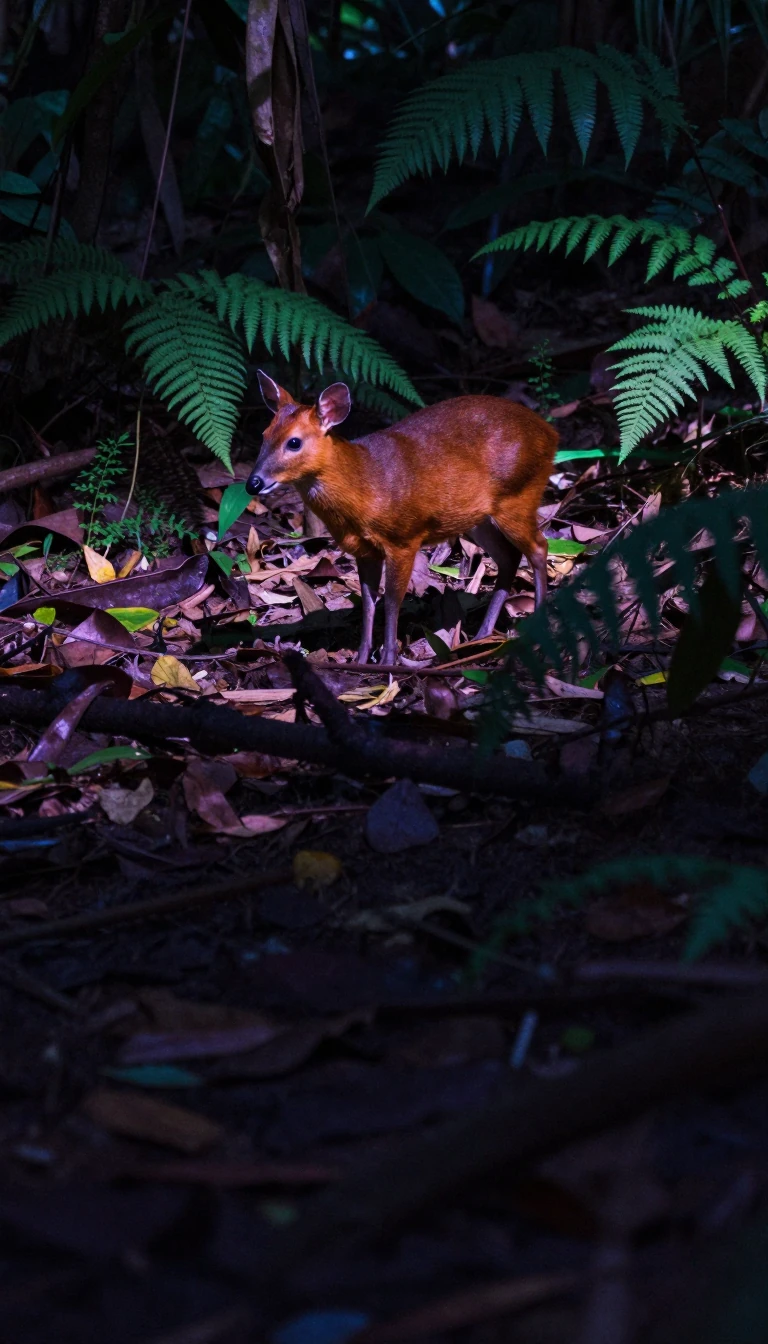 Why these small, barking deer carry sharp tusks instead of relying on antlers alone.Known as barking deer for their distinct alarm calls, muntjacs are solitary, nocturnal creatures native to Asian forests. Unlike most deer that rely solely on antlers for defense,…
- Why these small, charming lizards are changing our understanding of evolutionary biologyAnoles are more than just charismatic reptiles. Found throughout the American and Caribbean tropics, these lizards have become essential model organisms for scientists studying ho…
 Why these soggy, carbon-rich landscapes are essential to our climate futurePeat bogs are far more than just wetlands. They act as vital carbon sinks and natural buffers against extreme weather. This video explores how these unique environments support bi…
 Why these South American rodents are named after the number eightThe genus Octodon, native to the Chilean Andes, earns its name from a peculiar anatomical feature. Their molars and premolars are shaped precisely like the digit eight. These soci…
 Why these specialized fish-eating ducks are known as the sawbills of the waterMergansers are unique diving ducks equipped with serrated bills designed to grip slippery prey. While most ducks favor mollusks, these birds are specialized hunters. Their name, m…
 Why these specialized warships were named after volcanoes and the underworldBomb vessels were not your typical warships. Designed to lob explosive shells in high ballistic arcs, these reinforced wooden ships were so sturdy that they became the preferred c…
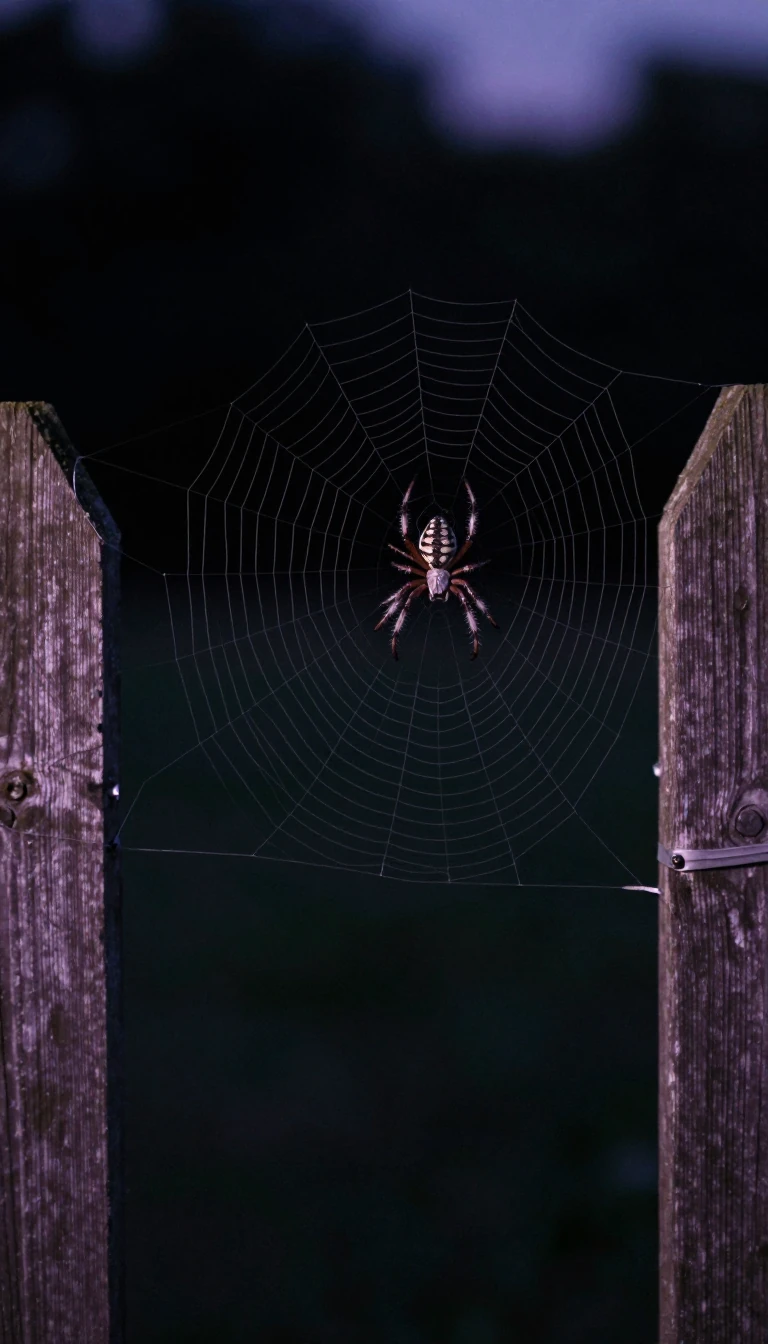 Why these spiders mimic flowers and scuttle like crustaceans to hunt their preyThe Thomisidae family, commonly known as crab spiders, are masters of ambush. Lacking webs, they rely on specialized anatomy and camouflage to snatch unsuspecting insects. From co…
 Why these squishy, colorful sea slugs are actually the ocean's most dangerous thievesNudibranchs appear soft and defenseless, yet they thrive in tidepools filled with predators. Lacking shells or claws, these designer slugs employ a brilliant survival strategy: th…
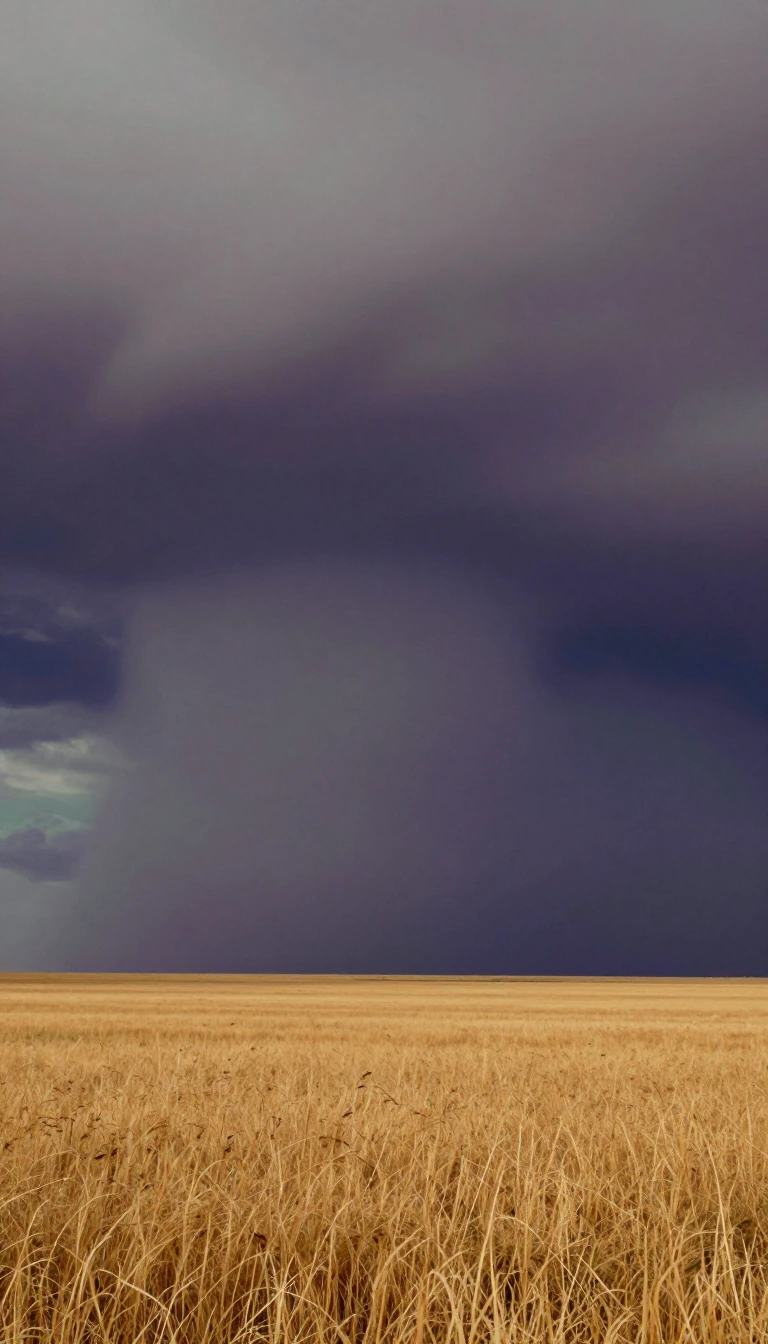 Why these straight-line wind storms are often more destructive than the average tornadoA derecho is a long-lived, straight-line wind storm that can travel for hundreds of miles. Unlike the swirling vortex of a tornado, these storms produce hurricane-force gusts that…
 Why these strange aquatic ferns are more like seed plants than their forest cousinsWaterferns, or Salviniales, defy the traditional image of a fern. These aquatic plants are heterosporous, producing two distinct types of spores that develop internally. This uniq…
 Why these strange, clawless crustaceans are the masters of the world's sandy beachesKnown as mole crabs or sand crabs, the superfamily Hippoidea has evolved a unique lifestyle. Unlike their decapod relatives, these creatures cannot walk. Instead, they have master…
- Why these strange, rootless ferns are rewriting the evolutionary history of plantsOphioglossidae, a subclass of ferns including whisk ferns and adder's-tongues, long baffled botanists. Their true relationships remained hidden until molecular phylogenetics revea…
 Why these synthetic hormones are the medical world's most versatile anti-inflammatory toolCorticosteroids, often called glucocorticoids, are synthetic versions of the cortisol hormone produced by your adrenal glands. While they are frequently confused with performance-…
 Why these thirty-six massive desert domes are far more than just red rockRising from the Australian desert, Kata Tjuta is a collection of thirty-six ancient, weathered domes. While often overshadowed by its famous neighbor, Uluṟu, this sacred site hold…
 Why these three 13th-century Indian temples are considered architectural masterpieces of the worldInscribed as a UNESCO World Heritage Site in 2023, the Sacred Ensembles of the Hoysalas represent a pinnacle of medieval Indian craftsmanship. These three temples in Karnataka—Bel…
- Why these three ancient Indian temples remain a pinnacle of architectural and spiritual achievementDesignated as a UNESCO World Heritage Site, the Great Living Chola Temples represent the zenith of Dravidian architecture. Built between the 11th and 12th centuries, these granite…
 Why these three simple matrices are the bedrock of quantum spin and symmetryNamed after physicist Wolfgang Pauli, these three complex matrices are the essential building blocks for describing quantum spin. They are not just abstract math; they represent t…
- Why these tiny armored creatures are masters of evolutionary mimicryAt a glance, the pill millipede looks like a common roly-poly, but this resemblance is a masterclass in convergent evolution. Despite sharing a defensive strategy and a name, thes…
 Why these tiny Brazilian monkeys wear the manes of Africa's great catsNamed for the striking rings of hair that frame their faces, lion tamarins are small, arboreal primates native to Brazil. Despite their regal appearance and feline namesake, these…
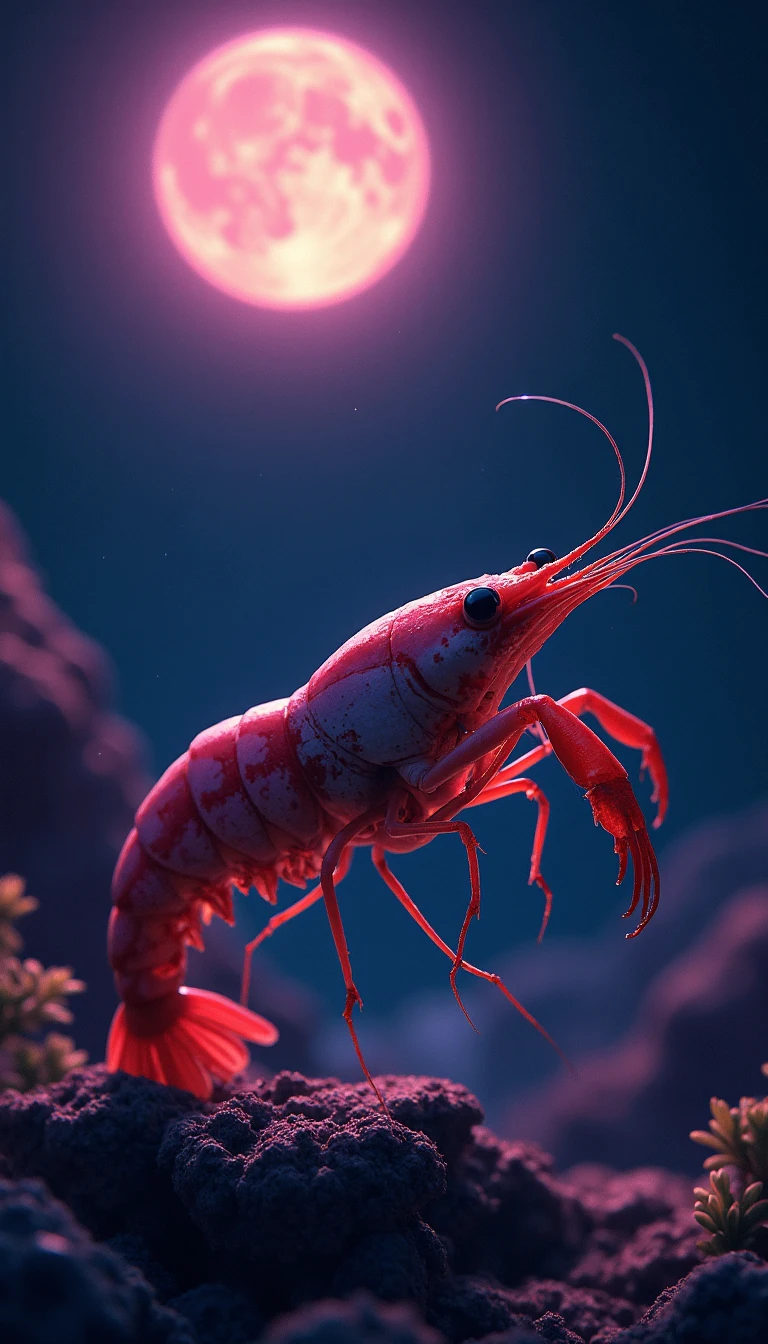 Why these tiny comma-shaped crustaceans are the ocean's most overlooked success storyKnown as hooded or comma shrimp, cumaceans are small, sediment-dwelling crustaceans found on every continent. Despite their modest size, they play a vital role in marine food chai…
 Why these tiny components are the secret to your laptop's compact powerElectrolytic capacitors pack massive energy storage into tiny spaces by using a clever chemical trick. By forming an ultra-thin insulating oxide layer on a rough metal surface, th…
- Why these tiny crustaceans perform a rhythmic dance to attract their dinner guestsCleaner shrimp are not just reef scavengers; they are skilled service providers. By operating cleaning stations, these crustaceans remove parasites and dead tissue from fish, prov…
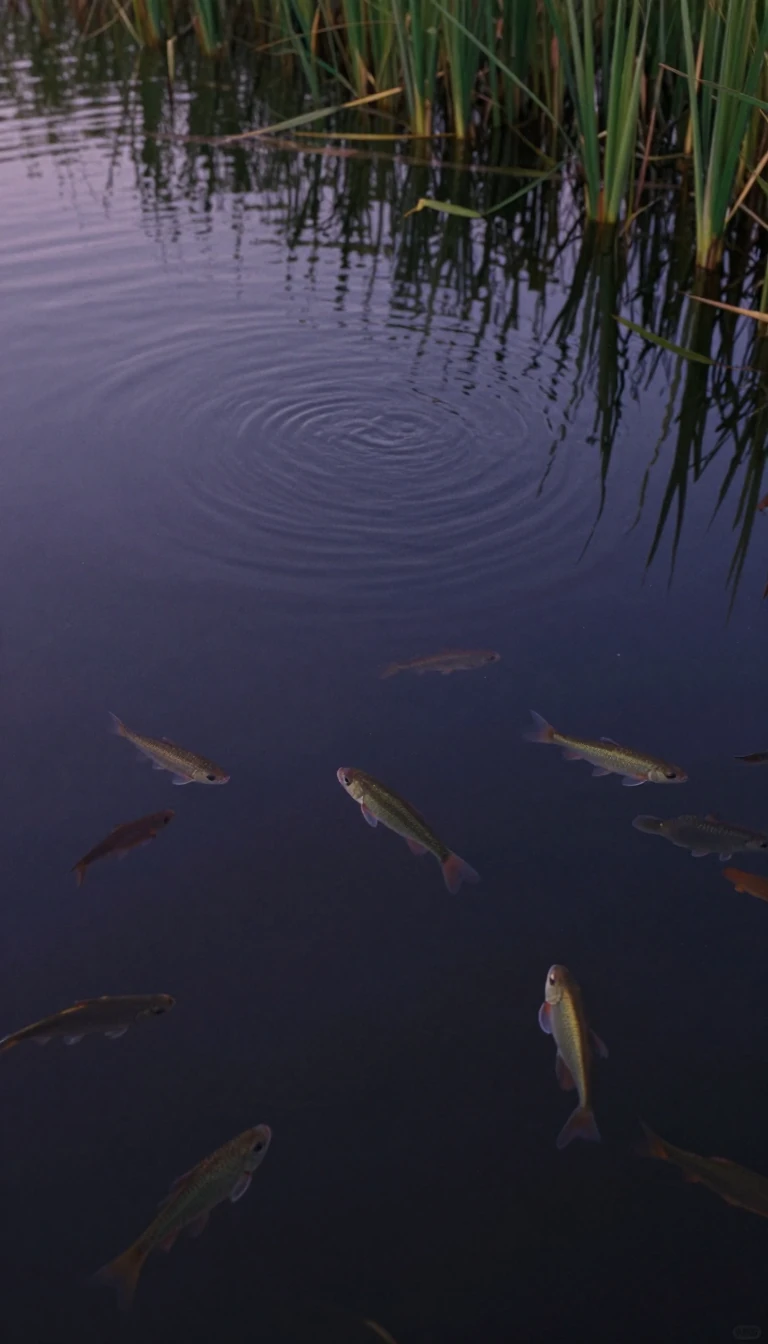 Why these tiny desert fish are the fastest evolving vertebrates on the planetPupfish are masters of extreme survival, thriving in isolated, harsh environments from boiling desert pools to salty lakes. Their name suggests playful puppies, but their behavior…
 Why these tiny dots in space outshine entire galaxies across the universeQuasars were once a cosmic mystery that sparked wild theories about alien civilizations and neutron star swarms. This video explains the reality: supermassive black holes feeding …
- Why these tiny eels look like a swaying garden on the ocean floorGarden eels are not plants, but their behavior creates an uncanny illusion. These small, ray-finned fish spend their lives anchored in sandy burrows, extending only their heads in…
 Why these tiny fish invite predators to strike their headsTo survive, Trinidadian guppies perform a high-stakes dance with their predators. By turning their eyes jet-black, they lure attackers into lunging at their heads, only to dodge t…
 Why these tiny fish treat their predators like VIP clients at the spaElacatinus gobies are small, torpedo-shaped fish that operate cleaning stations on coral reefs. While most animals flee from predators, these gobies proactively service them, ofte…
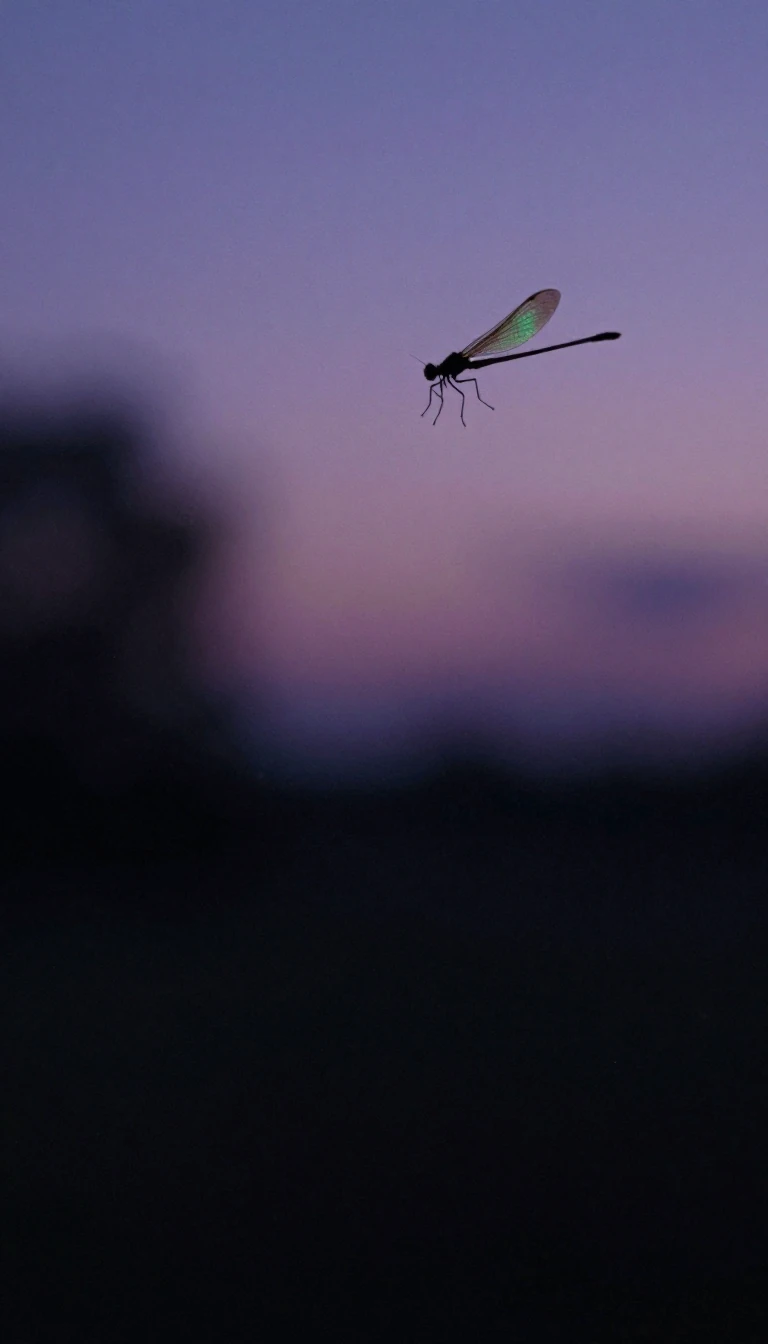 Why these tiny insects are the most sensitive environmental monitors in our waterMidges are far more than a summer nuisance. These ancient flies act as vital ecological barometers, with their presence or absence revealing the health of our waterways. While onl…
 Why these tiny lizards are the ultimate masters of territorial display and survivalAnoles are a diverse family of lizards native to the Americas, famous for their vibrant throat flaps called dewlaps. Beyond their striking appearance, these creatures are masters …
- Why these tiny marine crustaceans are considered the most primitive of their kindLeptostraca are ancient, small marine crustaceans found in oceans globally. Often overlooked, these filter-feeders are the only living order within the subclass Phyllocarida. They…
 Why these tiny molecular clusters act like single, charged building blocks of matterA polyatomic ion is a covalently bonded group of atoms that behaves as a single unit. While we often think of ions as individual atoms, these clusters carry a net charge and are e…
 Why these tiny rainforest frogs have evolved to show off their beating heartsGlass frogs are small, nocturnal amphibians found in the New World tropics that possess a startling biological trait: translucent skin on their undersides. This transparency allow…
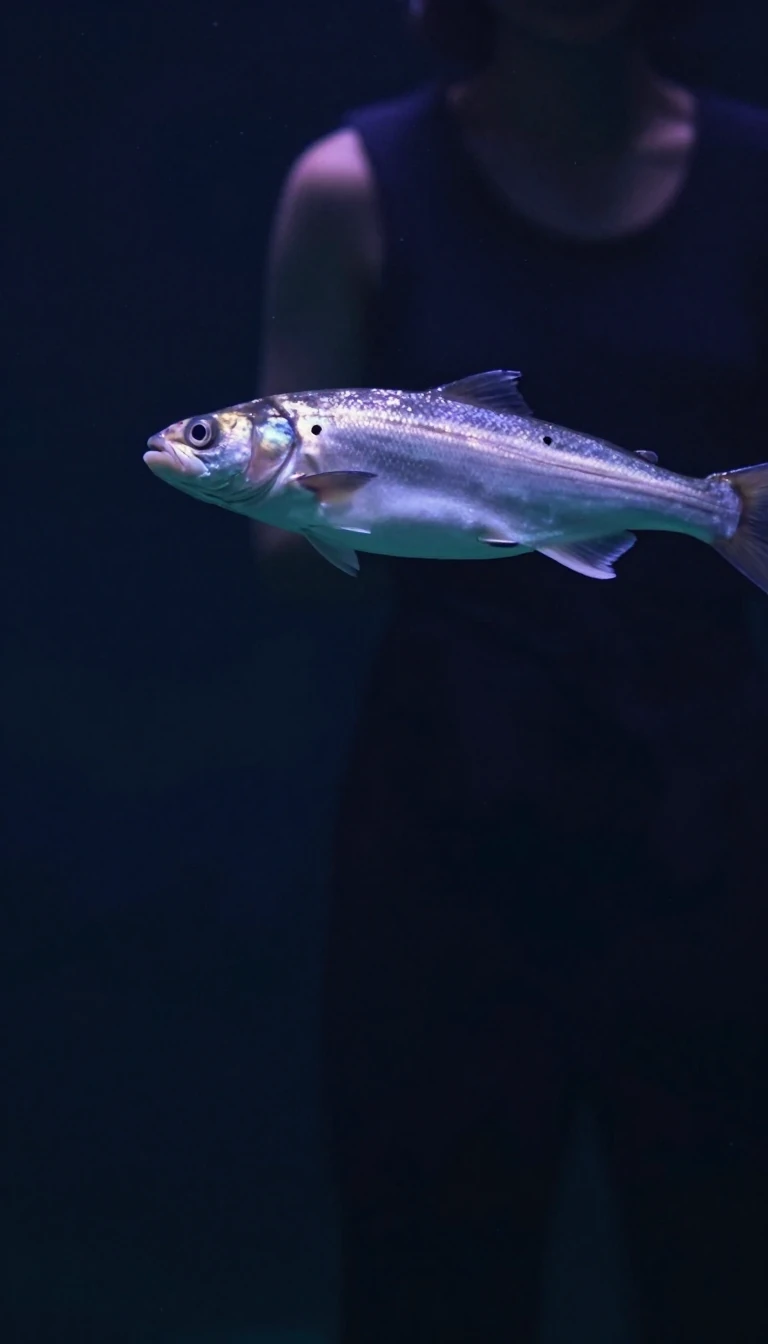 Why these tiny Southeast Asian fish lock jaws in thirty-minute wrestling matchesThe wrestling halfbeak is a slender, surface-dwelling fish known for its elongated lower jaw and a peculiar habit of combat. Males of the species engage in intense, jaw-locking du…
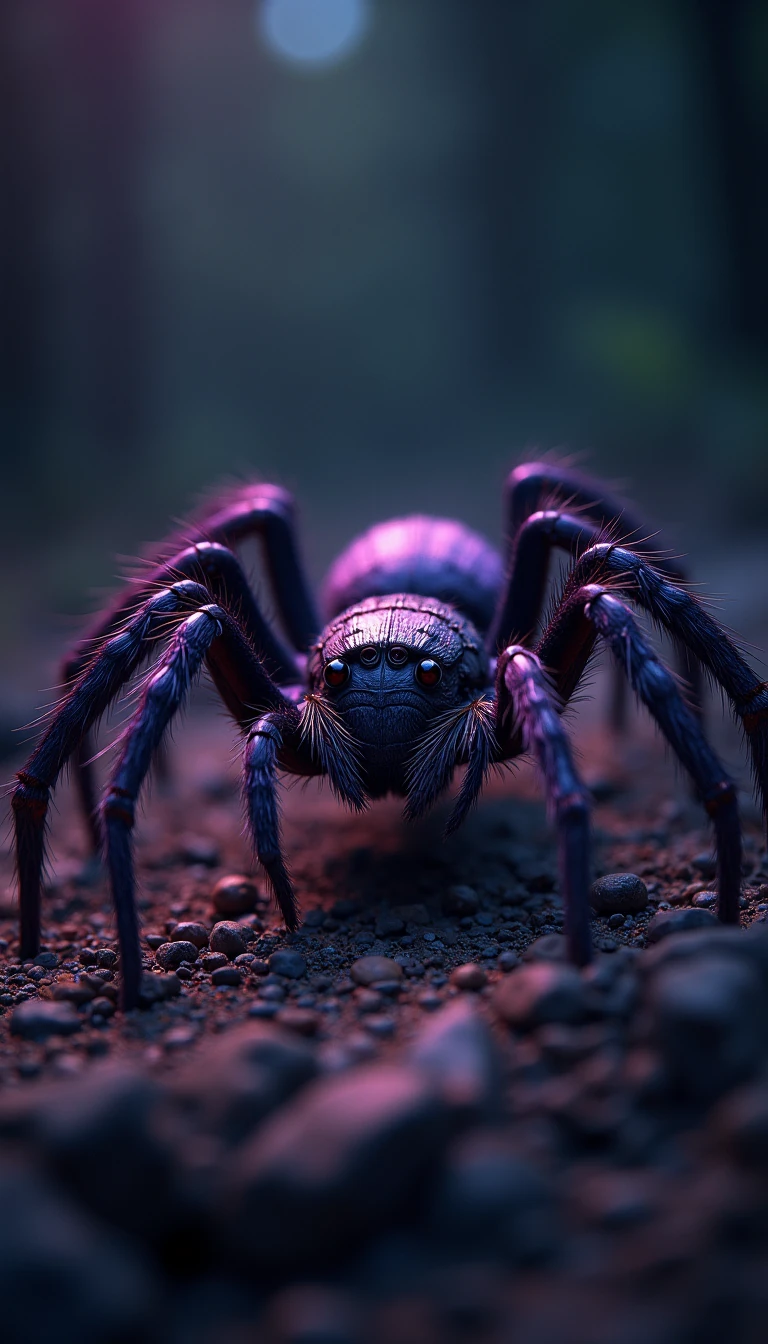 Why these tiny spiders are the masters of aerial travel and extreme survivalLinyphiidae, or money spiders, are the second-largest spider family on Earth. Despite their diminutive size, they are global travelers, utilizing a technique called ballooning to …
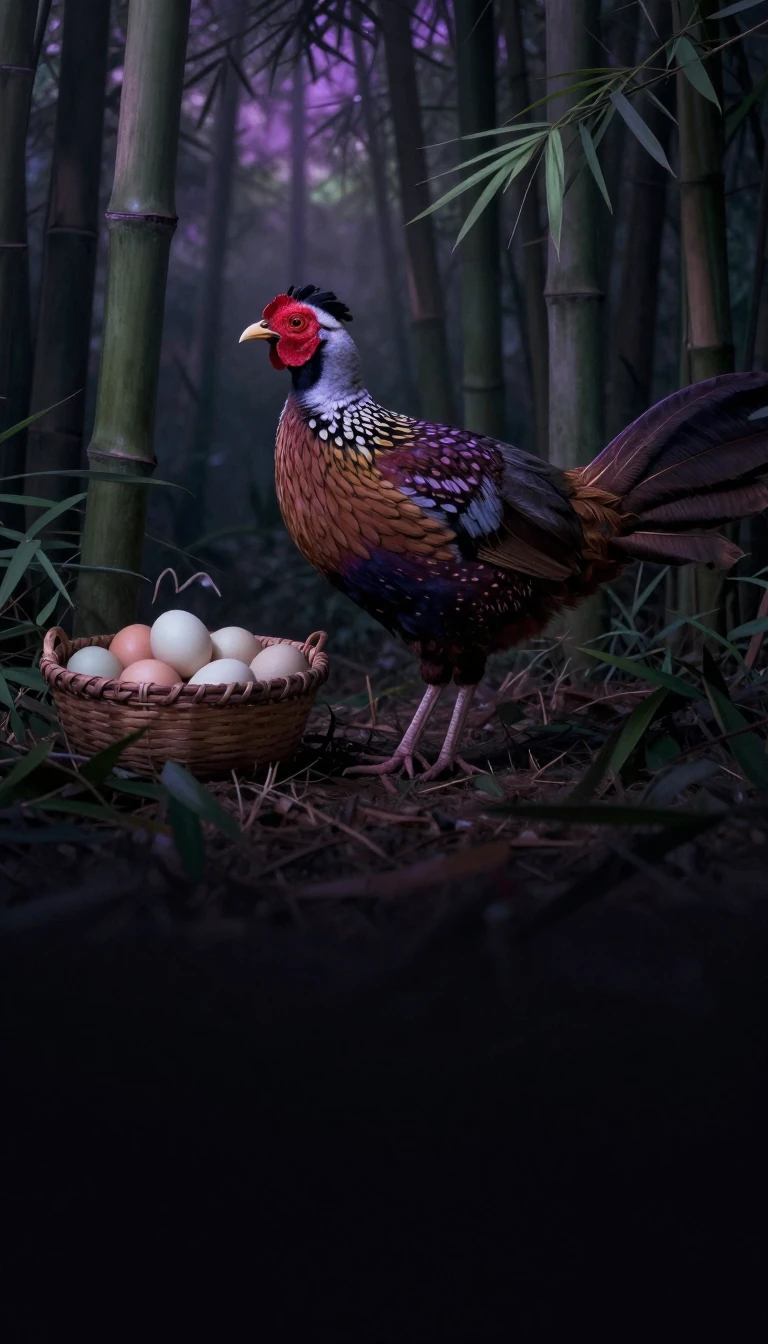 Why these tiny tropical birds evolved into the world's most acrobatic forest dancersManakins are small, stubby birds of the American tropics, but their courtship rituals are anything but modest. Males gather in elaborate leks to perform high-speed, acrobatic disp…
 Why these tiny, ancient grasshoppers are masters of aquatic survival and clever disguisePygmy grasshoppers, or Tetrigidae, are ancient insects that defy typical grasshopper norms. Often smaller than 20 millimeters, these masters of camouflage possess an elongated pro…
- Why these tiny, colorful marine fish are locked in a high-stakes evolutionary arms race.Dragonets are small, vibrant fish that spend their lives on the ocean floor, but their mating rituals are surprisingly intense. Driven by fierce competition and complex sexual dim…
 Why these tiny, fire-prone landscapes hold a massive share of Earth's biodiversityCovering barely 2% of the planet's land surface, Mediterranean-climate regions are biological powerhouses, hosting over 20% of all known species. These landscapes, defined by thei…
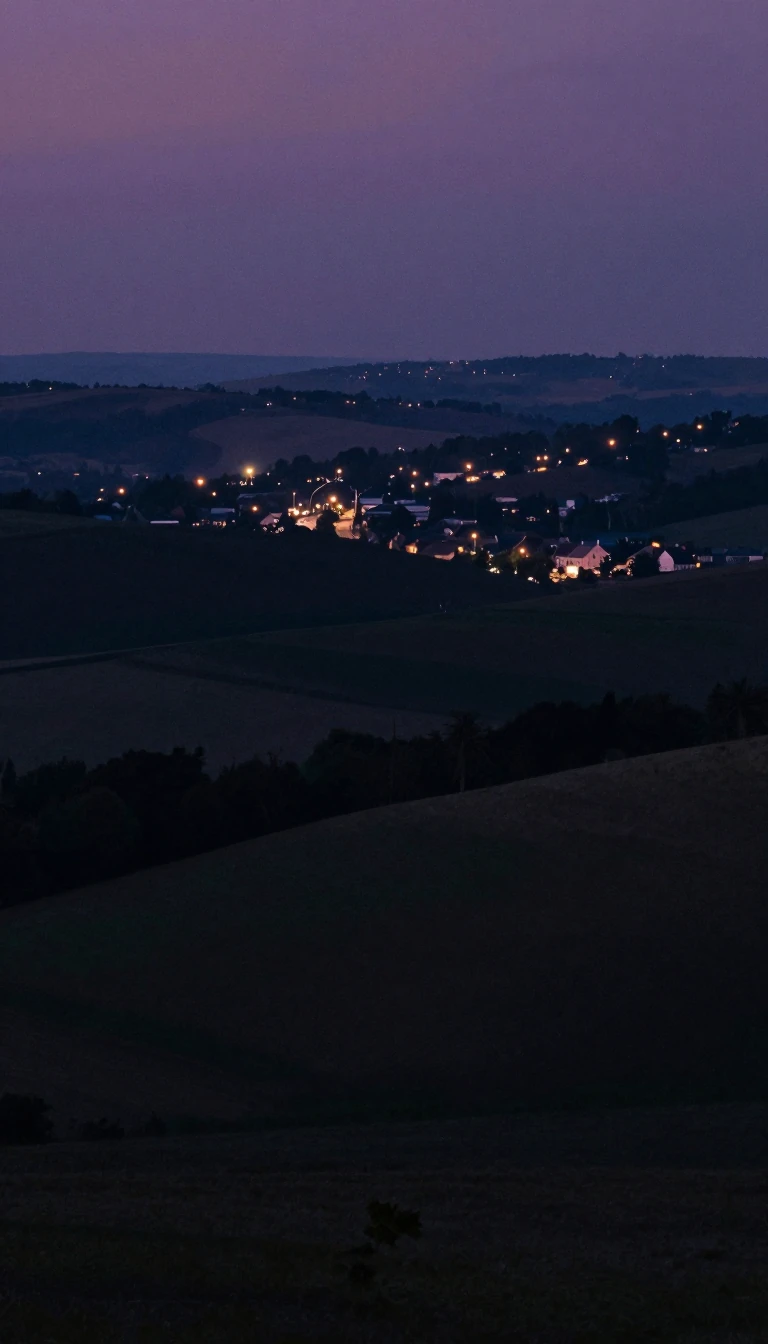 Why these tiny, harmless-looking clouds can be a warning sign of coming stormsKnown as fair weather cumulus, the small, flat cumulus humilis cloud often dots a summer sky. While they typically signal pleasant conditions, their presence can be deceptive. Dep…