 Intellect Plus
Art
5,849 cards. Each one is a 40-second story with a five-minute read behind it. Page 16 of 98.
Subtopics: Art crime · Art history · Art museums · Arts: General · Baroque · Calligraphy · Ceramics · Children's literature · Classic literature · Colour · Concepts of fiction and narrative · Conceptual art · Conservation · Craft · Cultural venues · Dada · Detective fiction · Directors, producers and screenwriters · Dye · Entertainers · Expressionism · Fantasy literature · Fictional and legendary characters · Film and television · Filmmakers and theatre directors · Forgery · Fresco · History painting · Illustration · Impressionism · Literature · Medieval art · Michelangelo · Modern art · Mosaics & stained glass · Oil painting · Optics · Painting · Paris salon · Performing arts · Photography · Pigments · Poetry · Poets · Portraiture · Post impressionism · Printmaking · Renaissance · Romanticism · Science fiction literature · Sculpture · Shakespeare · Spanish golden age · Street art · Symbolism · Textiles · Theatre · UK & Ireland: arts · Van gogh · Vermeer · Victorian · Visual artists · Visual arts
 How Jackson Pollock used gravity and geometry to create a masterpieceIn the summer of 1950, Jackson Pollock abandoned the easel for the floor. By dripping and pouring paint onto unprimed canvas, he created a monumental work of abstract expressionis…
 The art critic who was mistaken for Albert EinsteinWhile the world looked to physics, Carl Einstein was dismantling the boundaries of modern art and radical politics. A pioneer of Cubism and a fierce anarchist, his life was define…
 The chaotic Zurich nightclub that birthed the Dada movementIn 1916, amidst the carnage of World War I, a group of refugees gathered in a Swiss back room. What began as a space for musical and literary performance quickly spiraled into an …
 The high-stakes geometry of luxury: how a crocodile's body dictates fashionA single handbag can require several skins to produce, but the value of that leather is dictated by precise measurements and microscopic imperfections. In the world of high fashio…
 Is the artist a creator or just an architect of rules?Generative art shifts the focus from the final object to the process of its making. Instead of painting a stroke, the artist designs a system—be it biological, mathematical, or al…
 The chemical infection that turns ancient bronze into blue dustIt is not a bacterial infection, but for museum conservators, the name is terrifyingly accurate. When chloride salts meet copper alloys, they trigger an aggressive, irreversible r…
 Two metal figures move together only to pass through without ever touchingIn the Batumi Harbor, a kinetic masterpiece reenacts a doomed romance every evening. Designed by Tamara Kvesitadze, these figures represent a love that transcends religion and cul…
 Can music preserve the self when the mind begins to fade?Imagine a record that mimics the fraying edges of memory. By sampling pre-WWII ballroom music and subjecting it to 'steampunk glitches,' artist Leyland Kirby creates a haunting so…
 How a 16th-century humanist weaponized ancient philosophy to survive civil warIn the blood-soaked landscape of the Eighty Years' War, a Flemish humanist sought a way to endure. He didn't just look to the Bible; he looked back to the Roman Stoics. By weaving…
 To make present an absence: the art of the eternal reposeBefore modern photography, how did you ensure a person was never truly forgotten? From Ancient Egypt to Medieval Europe, tomb effigies served as more than just stone markers. They…
 The publisher that treats your e-books like physical propertyWhile most publishers fight to lock your digital files, Baen Books famously does the opposite. They champion unencrypted downloads and a unique 'monthly bundle' system that lets y…
 How to navigate the sprawling, interconnected universe of C. J. CherryhWith over 80 novels, C. J. Cherryh’s bibliography is a labyrinth of political intrigue and deep time. From the Company Wars to the Merovingen stories, her work spans centuries of …
 The evolving literary universe of Arthur C. ClarkeFrom 1940s short fiction to sweeping space odysseys, the bibliography of Arthur C. Clarke reveals a career defined by expansion and revision. His work often underwent significant …
 The publishing house that survived on passion, not profitArkham House was born from a desperate gamble to rescue H.P. Lovecraft's work from the obscurity of pulp magazines. Despite never turning a profit in its history, the press surviv…
 The publisher that sold two books for the price of oneIn 1952, Ace Books revolutionized the paperback market with a bizarre physical format: binding two different novels together upside-down. This 'tête-bêche' style allowed readers t…
 The many identities of a science fiction pioneerBefore she became a legend of speculative fiction, Andre Norton was a writer of many names and genres. From historical adventures to crime mysteries, her prolific career spanned d…
 Can you legally photograph a landmark without paying the artist?The right to capture the world around us is not a universal constant. Depending on where you stand, a photo of a public sculpture might be a free expression of art or a costly cop…
 How a 19th-century photographic craze became the world's first social mediaIn the 1860s, a new way of capturing portraits triggered a global phenomenon known as 'cardomania.' These small, affordable images were traded like modern digital feeds, allowing …
 The 12th-century scrolls that may have birthed the world of mangaLong before modern comics, Japanese artists were already using speed lines and expressive faces to tell stories. The Chōjū-jinbutsu-giga—a series of scrolls featuring anthropomorp…
 From physical scissors to AI prompts: the evolution of clip artBefore computers, "clip art" was a literal physical craft. It involved hand-cutting images from printed booklets and gluing them onto boards to layout pages. Today, that same conc…
- The invisible blueprints that build our cinematic worldsBefore a single frame of a blockbuster film or a video game is rendered, it exists only as a series of fleeting sketches. Concept art is the essential, iterative process of visual…
 From maritime protection to high art: the versatile life of tarpaulinA simple sheet of heavy-duty material can protect a ship's cargo, shield a construction site, or serve as a canvas for a masterpiece. This durable textile has evolved from a funct…
 How a medieval textile monopoly rose from the ashes of the plagueIn the 12th century, 'mercery' was a luxury trade of silk and linen. But after the devastating Black Death, these merchants didn't just survive; they weaponized the economic vacuu…
 Why early Buddhists avoided depicting the Buddha as a humanFor centuries, you wouldn't find a statue of the Buddha in an early temple. Instead, followers encountered aniconic symbols—objects like wheels and trees that represented his teac…
 From laboratory accidents to high-fashion: the rise of fully synthetic fibersBefore the 20th century, humans relied on nature for textiles. The shift to synthetic fibers wasn't just a manufacturing upgrade; it was a chemical revolution that allowed us to e…
 The dove is not a native symbol of peaceWe associate the dove with tranquility, but its symbolic journey is a complex tapestry of war, sexuality, and divine intervention. From ancient Mesopotamian goddesses to modern po…
 The architecture of public humiliation: how societies brand the 'unacceptable'From medieval yellow badges to modern prison stripes, societies have long used visual markers to enforce social hierarchies. These 'badges of shame' do more than identify; they ar…
 The apple as a vessel for love, wisdom, and immortalityFrom the Garden of Eden to the Trojan War, the apple has served as a potent cultural shorthand. It is rarely just a fruit; it is a vessel for divine gifts, forbidden knowledge, an…
 The word 'romance' was originally just a way to say "common speech"Before it described sweeping love affairs or heroic adventures, romance was a linguistic label for the vernacular. It marks a profound shift in history where the language of the p…
 The English Renaissance was a masterpiece of literary and musical adoptionWhile Italy was already moving toward the Baroque by the 1550s, England was just beginning its cultural awakening. This was not a simple imitation of the continent; it was a uniqu…
 The French Renaissance: A Rebirth Forged in Italian Fire and Flemish DetailThe French Renaissance was not a sudden explosion of style, but a sophisticated cultural synthesis. It blended the structural bones of Gothic architecture with the classical grace…
 A palace of prints built on the bones of city wallsThe Albertina isn't just a museum; it is a sprawling archive of human vision, housing nearly one million old master prints. From its origins as a fortification to its role in host…
 How acid and resin create the illusion of watercolor on metalUnlike traditional etching, which relies on sharp lines, aquatint allows artists to create broad washes of tone. By using a layer of melted resin to shield a copper plate, printma…
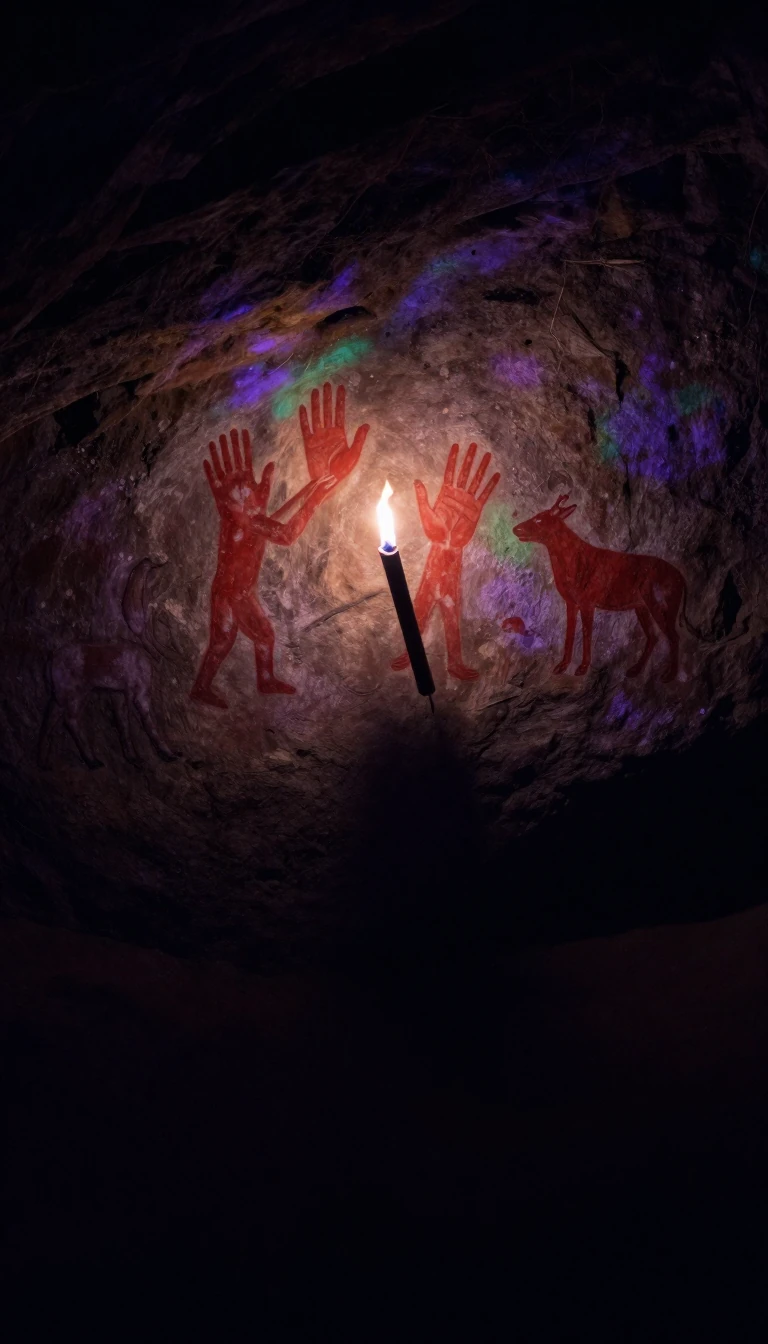 From prehistoric cave prints to imperial carriages: the evolution of redRed is one of humanity's oldest visual languages. From the first handprints in French caves to the scarlet robes of Chinese emperors, the pursuit of this specific hue has driven c…
 How a customs clerk and 'wild beasts' shattered Western artBy 1903, the rules of painting were breaking. Artists began seeking inspiration in 'primitive' cultures, comic irony, and raw emotion. From a French customs clerk to the ferocious…
 Who owns a masterpiece when the artist is a monkey?From a pig named Pigcasso to a chimpanzee whose work was sold alongside Warhol, animals have entered the fine art world. But as these non-human creators gain fame, they ignite a f…
 NASA is swapping radio waves for lasers to beam data across spaceAs space missions become more complex, traditional radio waves are hitting a physical ceiling. To move more data without building massive antennas, NASA is turning to lasers. This…
- The invisible bridge between the fall of Rome and the Middle AgesBefore the soaring cathedrals of the Romanesque era, a sophisticated artistic fusion was quietly taking shape. This period wasn't just a gap in history; it was a laboratory where …
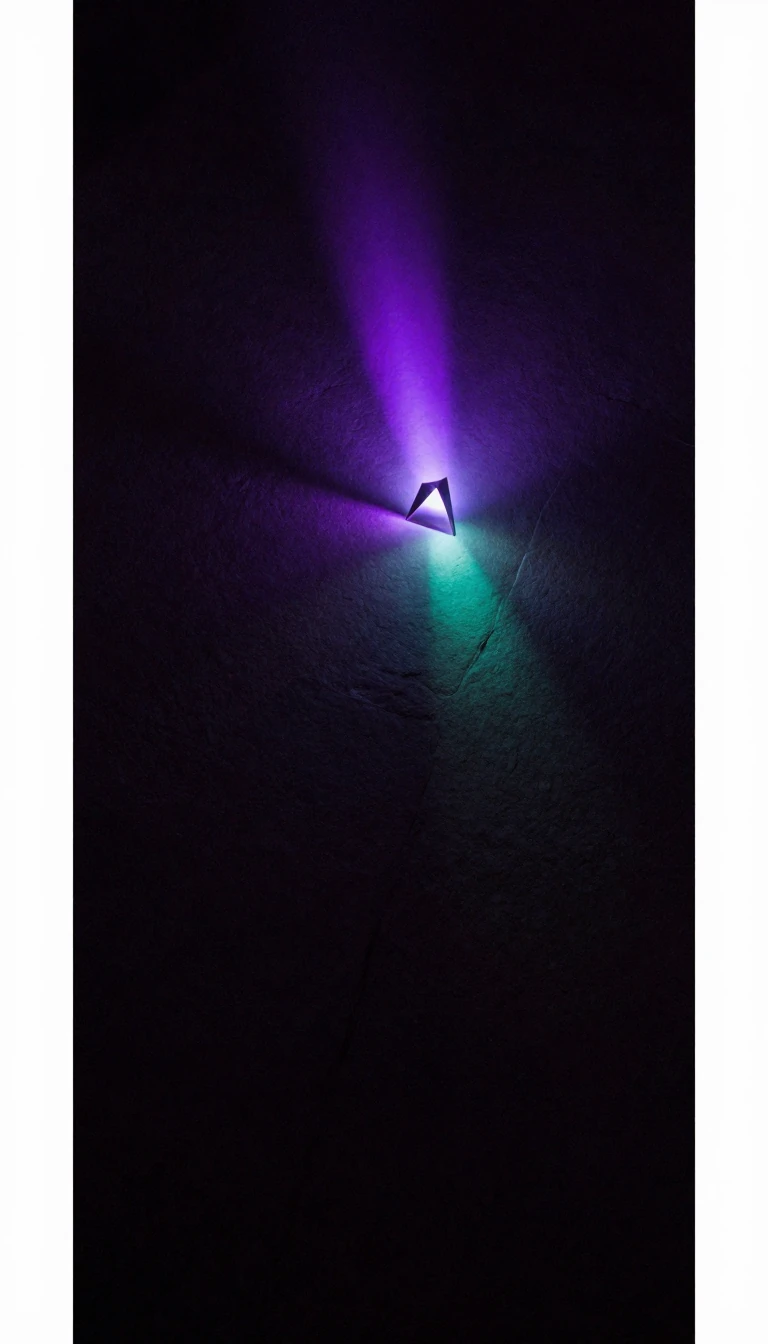 The physics of the straight line: why light rarely travels perfectly parallelA perfectly collimated beam of light would never spread, moving as a flat plane wave across the universe. Yet, nature forbids this perfection. From the stars in our sky to the las…
- The art dealer who was probably the richest on earthDaniel Wildenstein wasn't just a merchant; he was an architect of the modern art market. From stockpiling thousands of masterpieces to establishing the definitive authorities on F…
- The ancient art of stealing the power of beastsFor nomadic warriors across the Eurasian steppe, animal art was more than decoration. By adorning weapons and horse-harnesses with stylized predators and mythical creatures, these…
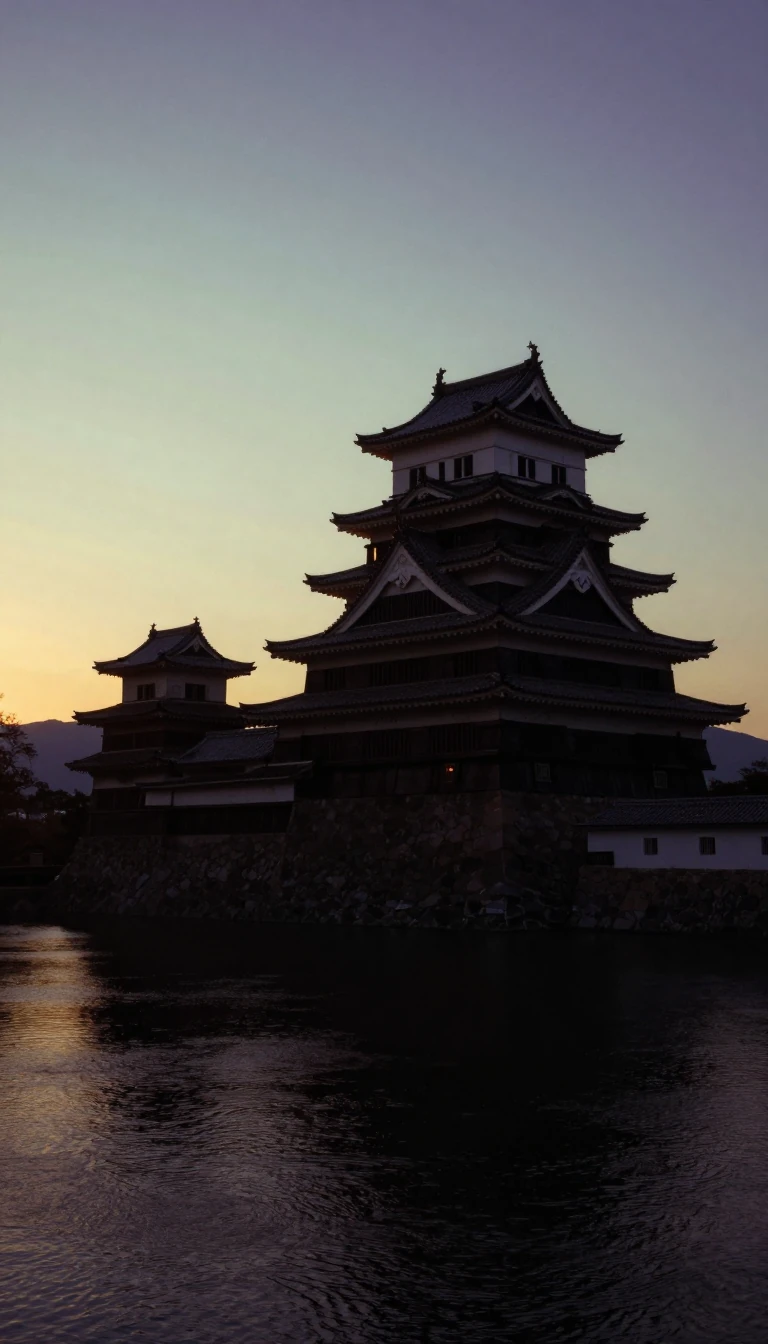 The Abe clan: From frontier lords to masters of the ShogunateThe Abe clan was one of Japan's oldest major lineages, rising to power by governing the wild northern frontiers. While they were once accused of rebellion for withholding taxes fr…
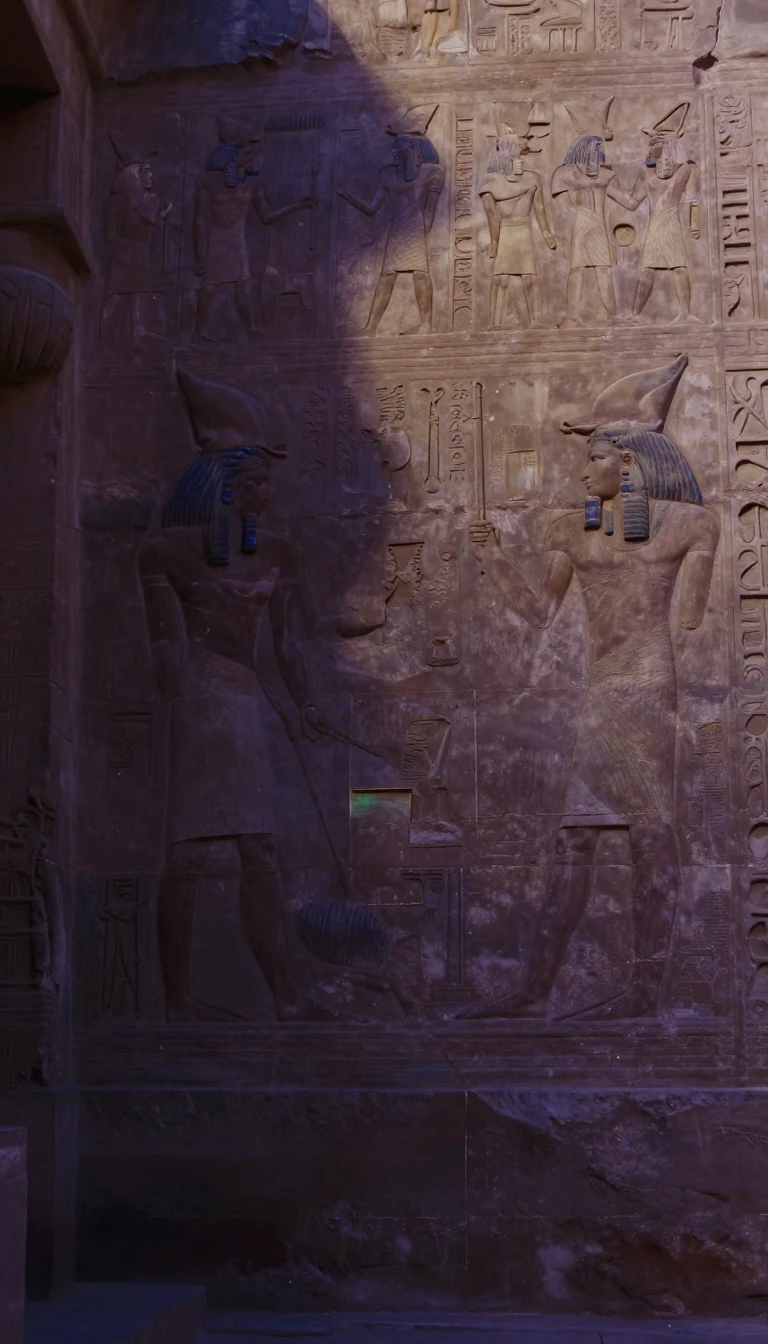 When profit meets prestige: the high-stakes world of archaeological forgeryA piece of pottery can be worth a fortune if it is thousands of years old, but only a fraction of its value if it is a souvenir. This lucrative gap drives a sophisticated undergro…
- The artist who mapped the darkroom of the modern soulAlfred Kubin did not just paint nightmares; he visualized the subconscious before it was a mainstream science. From his 1896 suicide attempt to his life in a secluded manor, Kubin…
 From Parisian streets to the Mercury Prize: the odyssey of Benjamin ClementineBenjamin Clementine’s music is often described as a mix of revolt and love, a sound that feels both ancient and immediate. But before he became a Knight of the Order of Arts and L…
 The opera that was too dramatic to be considered dramaticBéla Bartók’s only opera, Bluebeard's Castle, was once rejected for lacking drama. The irony? It features only two characters in a single location. This Symbolist masterpiece expl…
 The colossal engineering feat required to save the Statue of LibertyBy the 1980s, the Statue of Liberty was in a state of severe physical decay. Saving it required more than just paint; it demanded unprecedented metallurgical repairs and a massive…
 Is it theft or transformation? The art of intentional borrowing.Artistic appropriation isn't just copying; it is the deliberate act of recycling, sampling, or altering existing images and objects. By pulling from the past or popular culture, a…
 The high-tech fortress protecting a 1,000-year-old mysteryThe Shroud of Turin is no longer just a relic of faith; it is a masterpiece of modern conservation science. To preserve its fragile fibers, scientists have engineered a high-tech …
 The silent era is vanishing as 90 percent of films are lostMost of the movies that defined the birth of cinema are gone forever. From studio junking to chemical decay, the history of film is a race against time. Understanding how we save …
- Can we truly rebuild the past without rewriting it?Anastylosis is the architectural art of resurrection. It involves re-erecting ruined monuments using their original stones, piece by piece. But in a world where history is often f…
 The race to protect 30% of our planet by 2030A global movement is attempting to shield nearly a third of Earth's land and oceans from degradation. While the goal sounds simple, achieving it requires navigating complex geopol…
- Two clocks, one heartbeat: the art of synchronized lossFélix González-Torres created a masterpiece using nothing but two identical wall clocks. By hanging them side-by-side, he transformed mundane objects into a profound meditation on…
 The art exhibition that sparked a legal war over religious desecrationIn 1999, a single painting of the Virgin Mary caused a firestorm that nearly cost a museum its funding. It wasn't just a debate over aesthetics; it was a high-stakes collision of …
 The art book designed to vanish after a single readingIn 1992, an artist and novelist collaborated on a work that was literally programmed to commit suicide. From photosensitive pages that fade upon exposure to light to a floppy disk…
 Is this glass of water actually a full-grown oak tree?In 1973, Michael Craig-Martin presented a glass of water on a shelf and declared it a full-grown oak tree. It isn't a metaphor or a symbol; it is a literal assertion of belief. To…
 Four students stole a royal throne's heart to spark a nationIn 1950, four university students executed a daring heist on Westminster Abbey to reclaim a royal relic. Inspired by a fictional novel, they stole the Stone of Scone to spark a mo…
 The Shakespeare play that George Orwell called extraordinarily up to dateDespite its medieval setting, Shakespeare's King John remains a masterclass in realpolitik. From doublecrossings to non-aggression pacts, the play captures the brutal mechanics of…
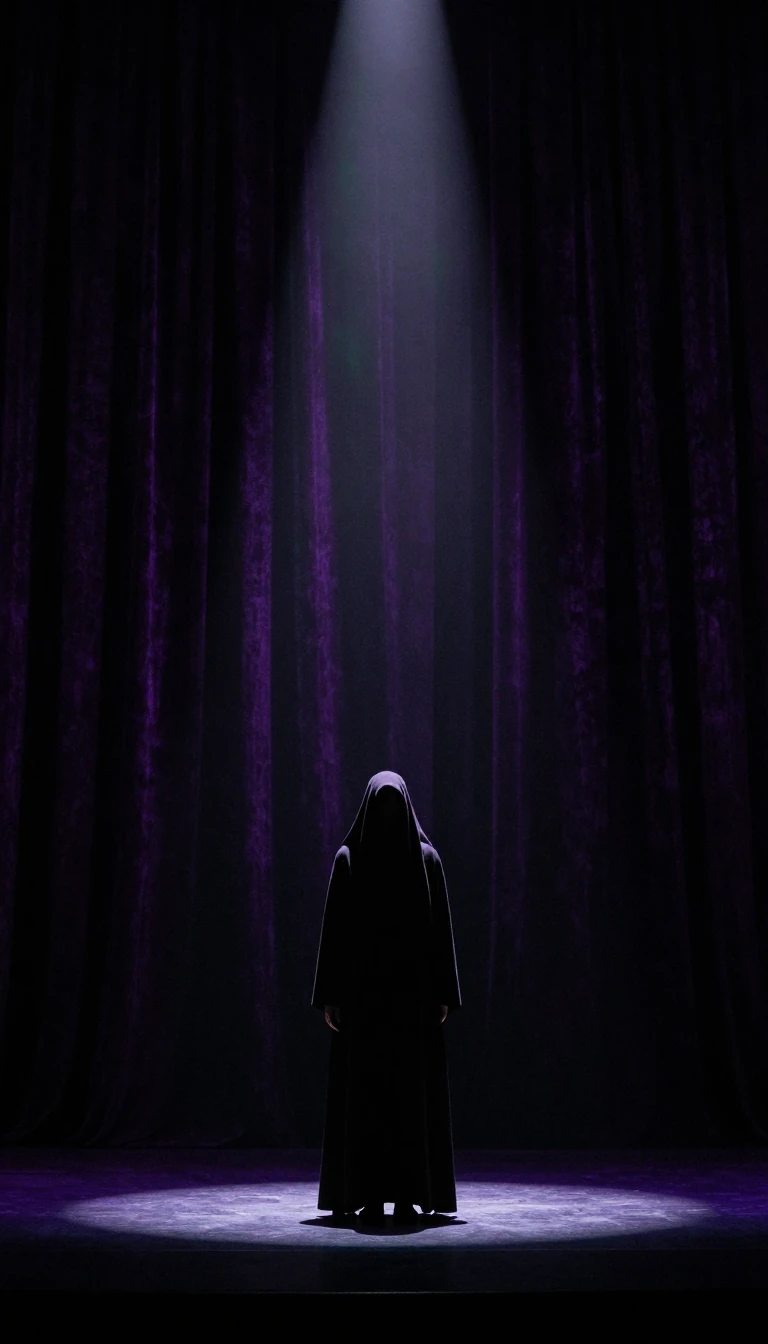 How a 1937 Shakespeare production became a visceral anti-fascist weaponOrson Welles didn't just stage Julius Caesar; he weaponized it. By stripping away the traditional scenery and using lighting to evoke the chilling atmosphere of Nazi rallies, he t…
 The high cost of forced equality in a dystopian futureIn the year 2081, the United States Constitution mandates that every citizen must be perfectly equal in intelligence, appearance, and physical ability. To achieve this, the govern…