 Intellect Plus
Gardening
2,464 cards. Each one is a 40-second story with a five-minute read behind it. Page 15 of 42.
Subtopics: Agriculture · Bonsai & topiary · Cacti & succulents · Composting & soil · Container & urban gardening · Famous gardens · Flowers · Fruit trees · Fungi · Garden design · Garden pests & diseases · Garden tools · Growing vegetables · Herbs · Houseplants · Hydroponics & greenhouses · Indigenous knowledge · Lawns · Other eukaryotes · Permaculture & organic · Plant history · Plant science · Plants · Pollination · Pollinators · Prokaryotes · Propagation · Roses · Soil · Techniques · Trees · Vegetables · Viruses · Water · Wildlife gardening
 The Cedar of Lebanon: An Ancient Conifer That Shaped Empires and Modern LandscapesFor millennia, the Lebanon cedar has stood as a symbol of endurance, from the pages of the Epic of Gilgamesh to the flag of a modern nation. This majestic conifer, prized for its …
 This knobbly winter vegetable is actually a swollen stem, not a rootCeleriac may look like a pale, misshapen swede, but this hardy crop is a culinary powerhouse. Requiring a long, slow growing season and consistent moisture, it rewards patient gar…
 The cornflower is a resilient botanical survivor with a surprisingly complex political historyOnce a common weed in grain fields, the cornflower is now an endangered native in Europe, a valued ornamental, and a potent political symbol. From its role in German folklore to i…
 The invisible predators in your garden soil are masters of molecular evolutionCercozoa are a vast, diverse phylum of single-celled eukaryotes that define the hidden ecology of your garden. Lacking a mouth, these microscopic hunters use thin, thread-like pse…
 The Quindío wax palm is the tallest monocot on the planetRising up to 60 meters, the Ceroxylon quindiuense is a botanical giant native to the high-altitude Andes. Beyond its record-breaking stature, this tree has served as a vital sourc…
 Why this Arctic lichen is a hidden powerhouse of nutrition and traditional medicineIceland moss is not a moss at all, but a resilient lichen that has sustained humans and animals for centuries. From the lava fields of the North to the Rocky Mountains, this bitte…
 The giant amoeba that spent centuries trapped in a web of mistaken identityThe genus Chaos contains single-celled giants that can reach five millimeters in length. Despite their size, these organisms have spent centuries being misidentified, renamed, and…
 The cherimoya is a tropical fruit with a name meaning cold seeds in Quechua.Known for its creamy, custard-like flesh, the cherimoya is a fascinating member of the Annonaceae family. While prized for its flavor, this tree hides a complex reproductive strat…
 Why the delicate French herb chervil is a masterclass in culinary timingOften overshadowed by parsley, chervil is a sophisticated, anise-scented herb essential to French cuisine. Because its flavor vanishes under heat and the plant bolts rapidly in th…
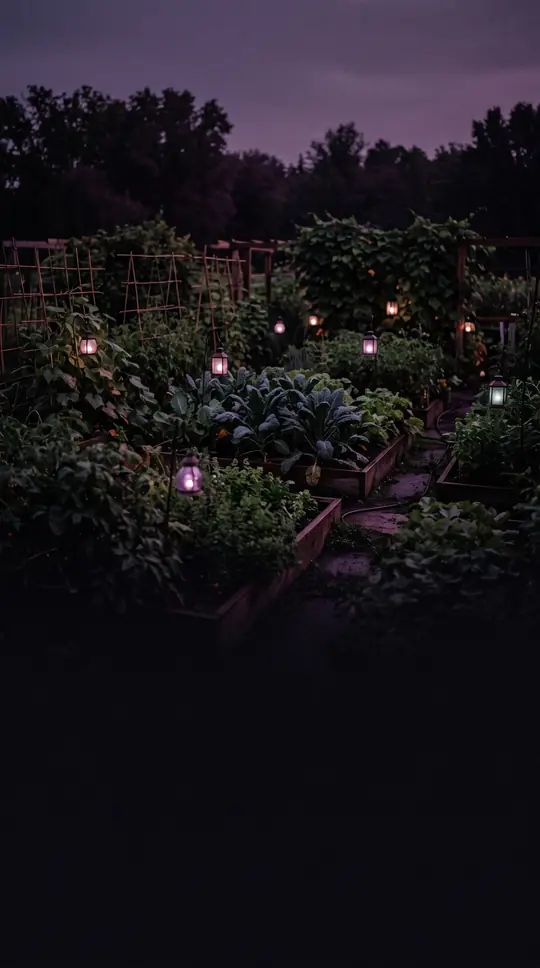 Why Chinese cabbage is the ultimate fast-growing crop for your home gardenChinese cabbage, also known as napa cabbage, is a versatile brassica that thrives from spring to autumn. Whether you want crisp salad leaves or dense, succulent heads, these fast-…
 This tiny, shape-shifting bacterium was unknown to science until the middle of the twentieth century.Chlamydia pneumoniae is an obligate intracellular pathogen that hides inside human cells to replicate. First identified in 1950, this gram-negative bacterium is a major cause of a…
 This microscopic green alga uses light-activated channels to navigate its watery worldChlamydomonas is a genus of unicellular green algae that thrives in everything from stagnant ponds to Antarctic snow. Beyond its resilience, this tiny organism serves as a vital m…
 Once hailed as the solution to world hunger, Chlorella remains a niche health supplement.In the 1940s, scientists believed this microscopic green algae could end global famine by turning factories into farms. With its rapid growth and high protein content, it seemed l…
- Chloroflexota are the hidden architects of soil fertility and global biogeochemical cyclesOnce dismissed as mere green non-sulfur bacteria, the phylum Chloroflexota is now recognized as a powerhouse of soil health. These diverse microbes drive essential processes like …
 The humble spider plant is a botanical mystery hiding in plain sightKnown for its resilience and cascading plantlets, the spider plant is a household staple. Yet, beneath its familiar leaves lies a complex evolutionary puzzle. Recent genetic resea…
 The tiny organisms that hold the secret to how animals first evolvedChoanoflagellates are single-celled protists that act as a living bridge to our animal past. By studying their unique funnel-shaped collars and their ability to form complex colon…
 The vast, invisible kingdom that shapes our oceans, soil, and human healthChromista is a massive, diverse kingdom of life that includes everything from giant kelp to the parasites causing malaria. Far more numerous than plants or animals, these organism…
 The butterfly palm is a Madagascar native that conquered the world's living rooms.Known by many names—from areca to bamboo palm—this perennial tropical plant is prized for its upward-arching leaves and golden, cane-like stems. While it thrives outdoors in tropi…
- Chytrids are microscopic fungi that swim through water using a single whiplash flagellumKnown as little pots, these ancient fungi are unique for their motile zoospores. While most fungi grow as stationary mycelium, chytrids thrive in wet environments, acting as sapro…
 Cider apples are not just fruit; they are complex chemical engines for perfect fermentation.Unlike the sweet, crisp apples found in grocery aisles, true cider apples are often unpalatable on their own. They are defined by their high tannin and acid content, which provide…
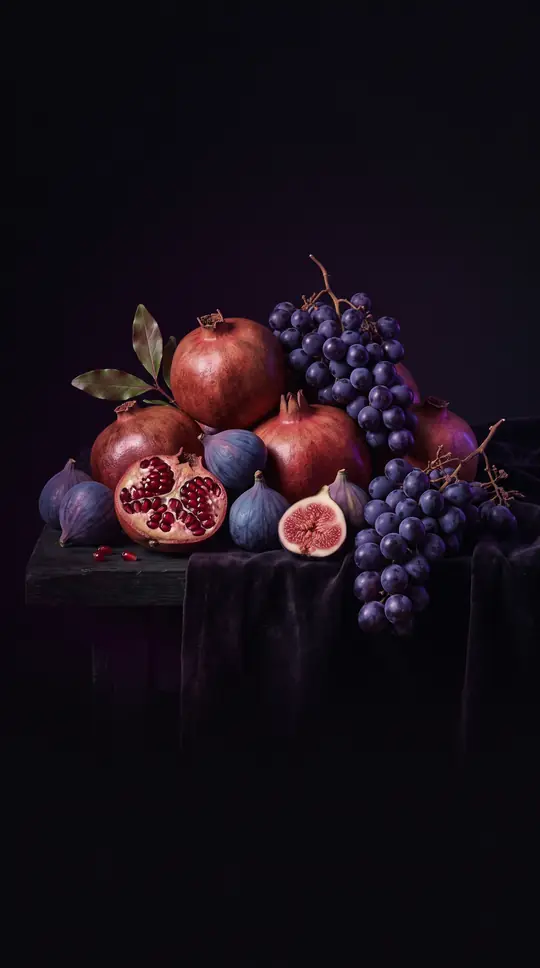 The citron is the ancient, fragrant ancestor of almost every citrus fruit you eat.While modern lemons and limes dominate our kitchens, they are merely descendants of the citron. This rugged, thick-skinned fruit has been cultivated for thousands of years, servin…
 Reindeer lichen is not a moss, but a hardy, slow-growing master of extreme survival.Often mistaken for moss, Cladonia rangiferina is a resilient lichen that thrives in harsh tundra and boreal forests. While it serves as vital winter forage for caribou and reindee…
 The accidental fruit: how a French missionary’s garden gave us the clementineBorn from a spontaneous hybrid in an Algerian orphanage, the clementine is a citrus marvel that defies easy classification. Often marketed as the quintessential easy-peeler, this …
 The bacterium that thrives when your body's helpful microbial defenses are wiped out.Clostridioides difficile, once known as Clostridium difficile, is a bacterium that colonizes the human gut. While often harmless, it can trigger severe, life-threatening infection…
 The bacteria in your gravy that survives the heat of your kitchen stoveClostridium perfringens is a common foodborne pathogen that thrives by forming heat-resistant spores. These protective shells allow the bacteria to survive cooking, only to multip…
- The silent, soil-dwelling bacterium that turns your own nervous system against you.Clostridium tetani is everywhere—in your garden soil, dust, and even on window ledges. While usually harmless, this bacterium thrives in low-oxygen environments like deep puncture…
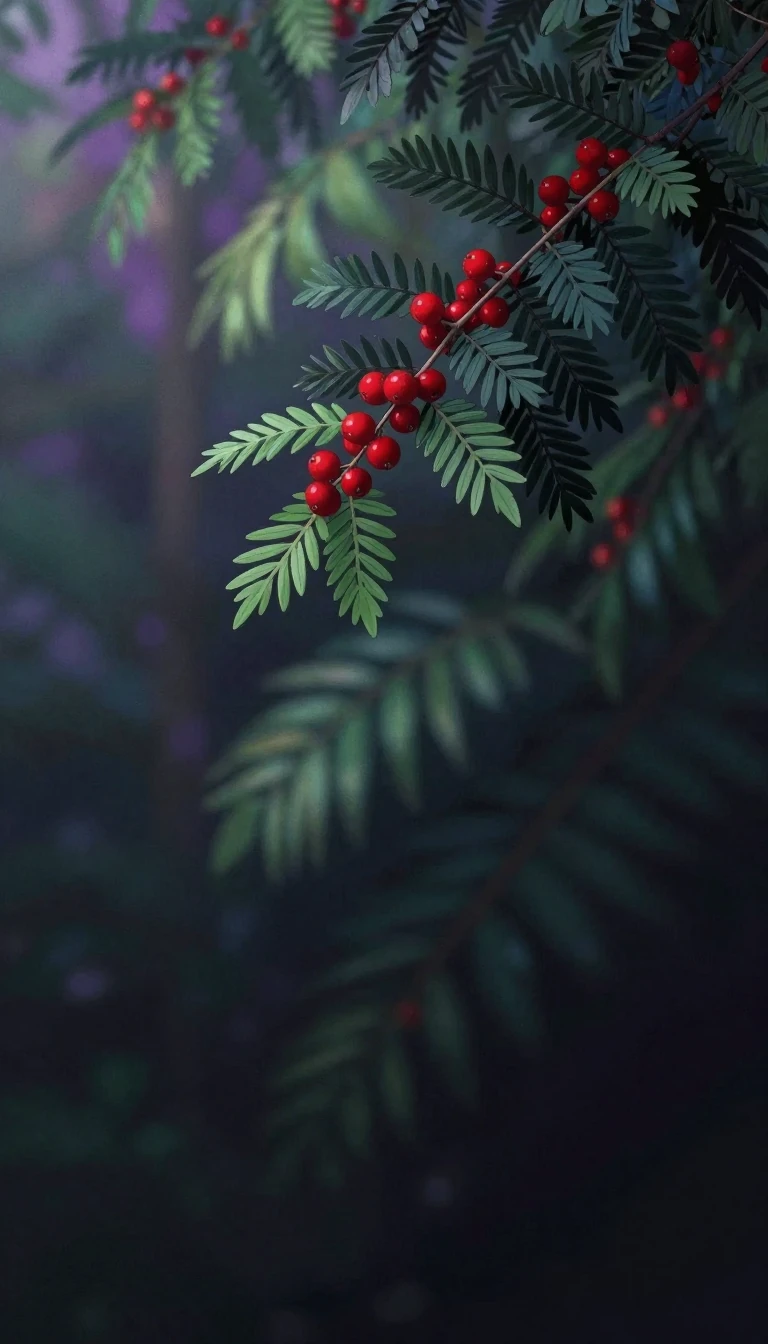 Coffee is not a bean, and its caffeine is a sophisticated chemical defense systemCoffee is a botanical enigma. Despite the name, coffee beans are seeds from a fruit, not legumes. These plants evolved caffeine as a dual-purpose survival tool: a toxic deterrent …
 Why these fleeting blue flowers are named after a pair of Dutch botanistsKnown as dayflowers for their remarkably short-lived blooms, the Commelina genus is a botanical puzzle of asymmetry. Named by Carl Linnaeus to honor two Dutch botanists, these pla…
 The spiderwort family uses clever floral deception to trick pollinators into visitingKnown as the dayflower or spiderwort family, these herbaceous plants are masters of illusion. Because they lack nectar, they rely on visual trickery to attract pollinators, using …
 Why the spiderwort and water hyacinth share a surprising botanical family treeThe Commelinales order brings together plants as diverse as terrestrial spiderworts and aquatic water hyacinths. While they look worlds apart, these 800-plus species are linked by…
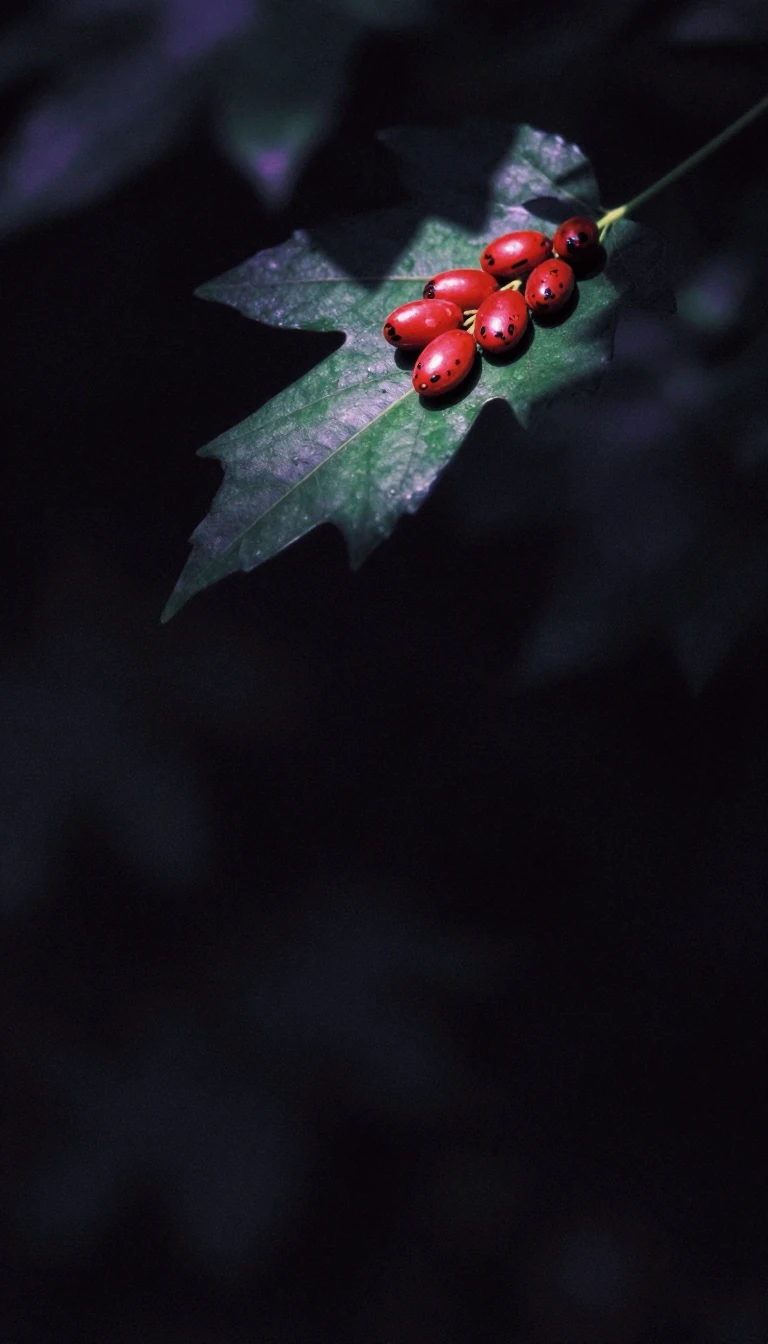 Poison hemlock is a lethal, invasive weed that hides in plain sight among us.Often mistaken for harmless wild parsley or carrots, this biennial plant contains potent alkaloids that cause respiratory failure in humans and livestock. Despite its deadly reput…
- The Morning Glory Family: From Garden Beauties to Parasitic Weeds and Psychedelic SeedsThe Convolvulaceae family spans 59 genera and 1,600 species, ranging from the common sweet potato to invasive parasitic dodders. While many are prized for their vibrant, funnel-sh…
- Why some apples turn into smooth sauce while others hold their shape perfectlyNot all apples are created equal in the kitchen. While dessert varieties are bred for raw snacking, culinary apples are engineered for heat. Some varieties collapse into a consist…
 The shaggy ink cap is a culinary treasure that literally melts into black ink.Known for its distinctive cylindrical shape and shaggy scales, the shaggy ink cap is a prized edible mushroom. Yet, it possesses a bizarre biological quirk: within hours of being …
 The world's most expensive fungus turns insects into zombies to survive and reproduceCordyceps fungi are master manipulators. These endoparasites infect insects, digest them from the inside out, and sprout stalks from their corpses to release spores. While they ha…
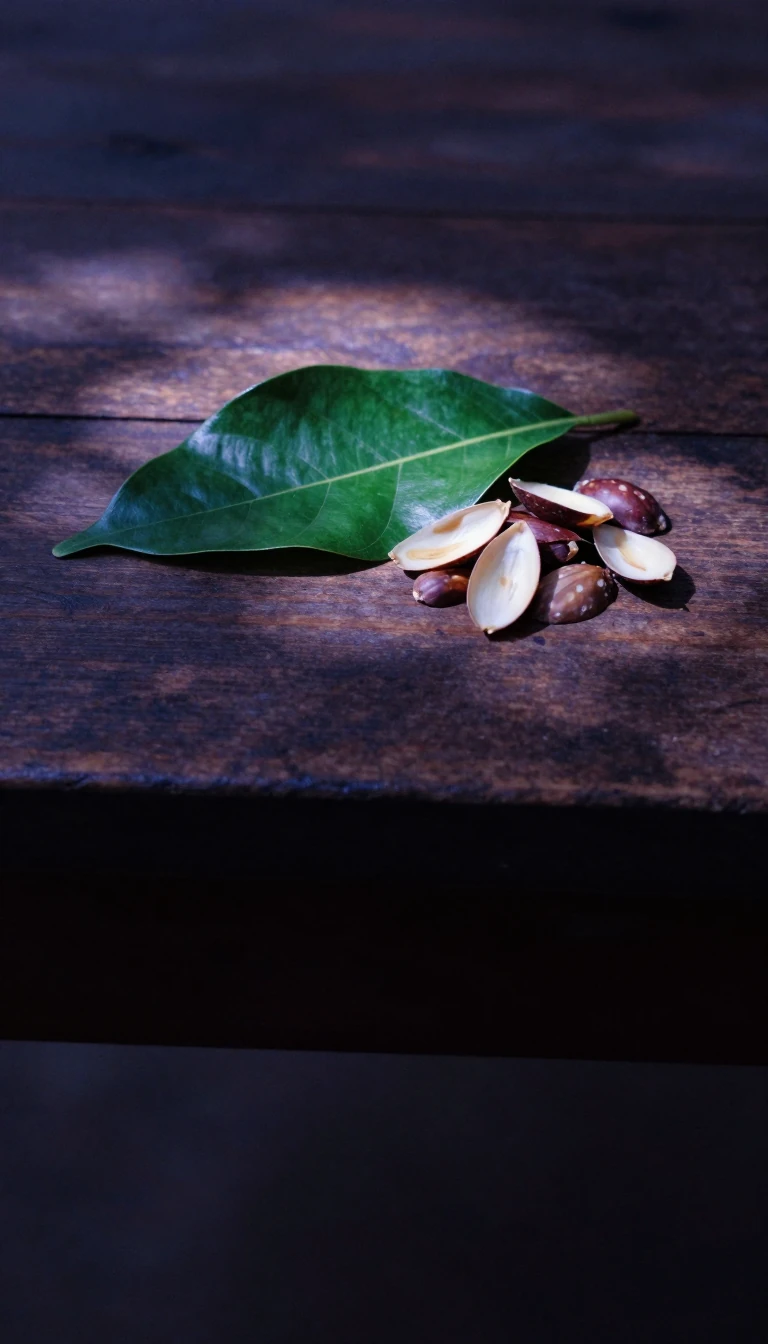 The filbert is a hazelnut, but not every hazelnut is a true filbert.Known as Corylus maxima, the filbert is a distinct deciduous shrub native to southeastern Europe and southwestern Asia. While often confused with the common hazel, this plant hide…
 Is the common skin bacterium Corynebacterium striatum evolving into a dangerous clinical threat?Usually a harmless resident of human skin, Corynebacterium striatum is increasingly identified as an emerging pathogen. While often commensal, this rod-shaped bacterium can cause …
- A harmless bacterium becomes a lethal killer only after a viral infectionCorynebacterium diphtheriae is naturally benign, but it transforms into a dangerous pathogen when infected by a specific bacteriophage. This virus carries the gene for a potent to…
- The ancient, drought-defying legume that feeds 200 million people every single dayOften called poor man's meat, the cowpea is a nutritional powerhouse that thrives in the world's harshest, driest soils. From its origins in Africa to its role in Southern America…
 The Japanese cedar is a botanical traveler with a history spanning millions of years.Known as Sugi in Japan, this iconic conifer is not just a timber powerhouse but a living fossil. While it defines the Japanese landscape, its ancient lineage stretches across Euro…
- Cryptomonads are tiny, biflagellate algae that carry the secrets of ancient red algae.These microscopic organisms, found in both fresh and salt water, possess unique pigments once thought to be exclusive to red algae and cyanobacteria. Some cryptomonads live harmle…
- From the world's tallest trees to your gin, the cypress family dominates the landscape.The Cupressaceae family is a global powerhouse of conifers, encompassing everything from the massive coast redwood to the humble juniper. These trees have conquered nearly every c…
 Why the Mediterranean cypress is the ultimate survivor of the ancient worldKnown for its iconic exclamation-mark silhouette, the Mediterranean cypress is more than a landscape staple. This long-lived evergreen defies fire, thrives in harsh soils, and car…
 The curry tree is a citrus relative that defines the flavor of South AsiaOften mistaken for a spice blend ingredient, the curry tree is actually a small tropical plant in the citrus family. Its leaves, which lose their aromatic potency when dried, are …
 The bacterium living in your pores is a master of survival and adaptationLong dismissed as a simple skin dweller, Cutibacterium acnes is actually a complex, aerotolerant opportunist. It thrives in the oily depths of your follicles, utilizing specialize…
- The resilient grass named for a dog's tooth that dominates global landscapes and greensCynodon, known commonly as Bermuda grass, is a botanical powerhouse native to the Old World. Valued for its remarkable drought tolerance, it is a staple on golf courses and sports…
- Why the world's most prized musical instruments and furniture are under global protectionThe Dalbergia genus produces some of the most sought-after timber on Earth, from the deep black of African woodwind instruments to the fragrant, colorful rosewoods of Brazil and I…
 The microscopic green algae that act as nature's most symmetrical water quality sensorsDesmids are microscopic green algae celebrated for their stunning, highly symmetrical geometric forms. Beyond their aesthetic appeal, these single-celled organisms serve as vital …
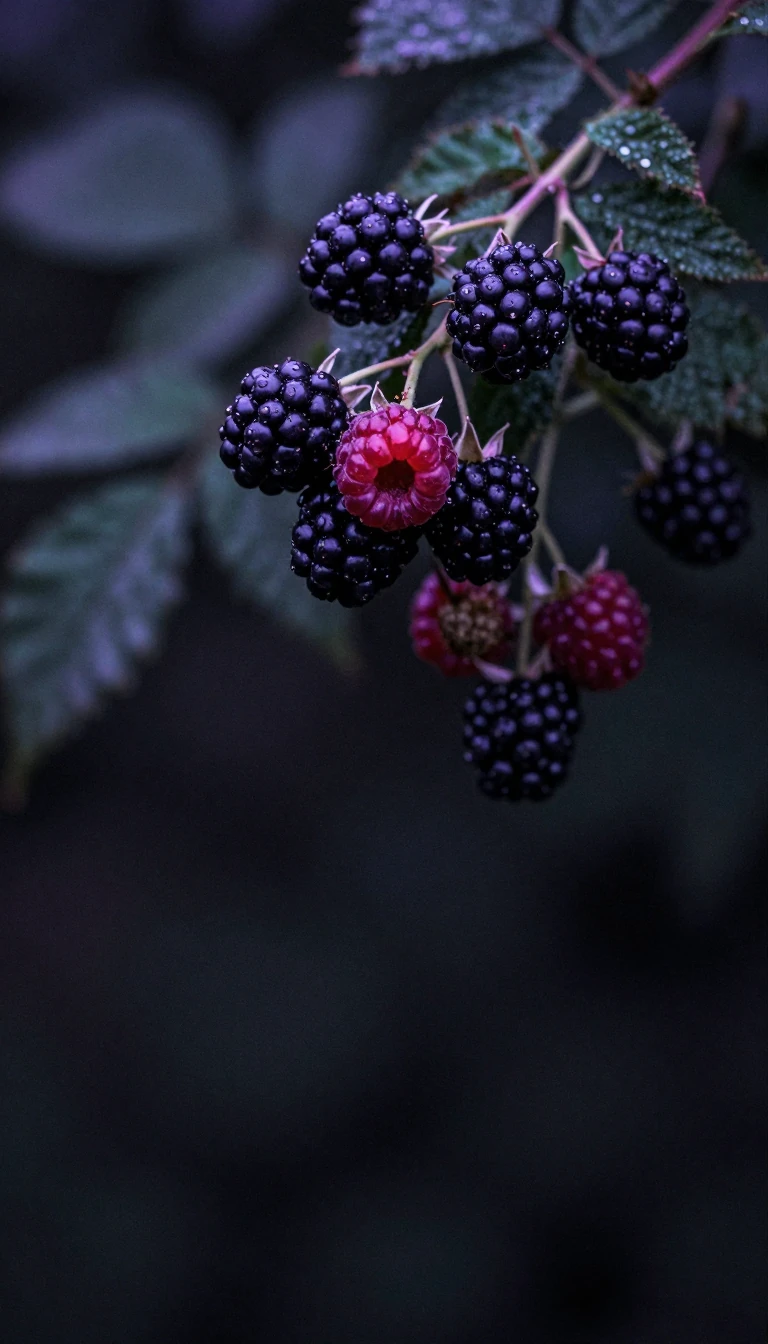 Why the humble dewberry is a botanical master of the ground-hugging lifestyleOften dismissed as a common weed, the dewberry is a sophisticated trailing bramble that dominates the Northern Hemisphere. Unlike its upright blackberry cousins, this low-growing …
 The flower that gave the colour pink its name, not the other way aroundDianthus is a genus of roughly 340 species, including carnations and sweet williams. While we associate the word pink with a hue, the term likely originated from the flower's fril…
 The vast, hidden lineage that links microscopic algae to the world's towering forestsDiaphoretickes is a massive evolutionary clade containing over 600,000 species, ranging from single-celled protozoa to complex land plants. While they appear wildly different, the…
 Why the classic 'dicot' label is a botanical simplification of a complex evolutionary historyYou likely learned that flowering plants split into two neat categories: monocots and dicots. While the two-seed-leaf rule is a helpful starting point, modern DNA analysis reveals…
- This soil-dwelling amoeba transforms from a solitary hunter into a complex, multicellular organism.Dictyostelium discoideum defies simple classification. While it begins life as independent amoebae consuming bacteria, starvation triggers a radical transition. These cells aggreg…
- Why crabgrass is an evolutionary masterclass in surviving modern chemical warfareLarge crabgrass is one of the world's most resilient weeds, capable of causing massive crop yield losses. While gardeners often view it as a simple lawn pest, recent genomic resea…
- Why some fungi shape-shift between mold and yeast based on the temperatureDimorphic fungi are biological chameleons, capable of switching between mold and yeast forms depending on their environment. While often triggered by temperature shifts, this flex…
 Why your dragon plant might be suffering from a common tap water habitThese popular, long-lived houseplants are surprisingly sensitive to the contents of your kitchen faucet. While they are famously easy-going, their foliage often suffers from hidde…
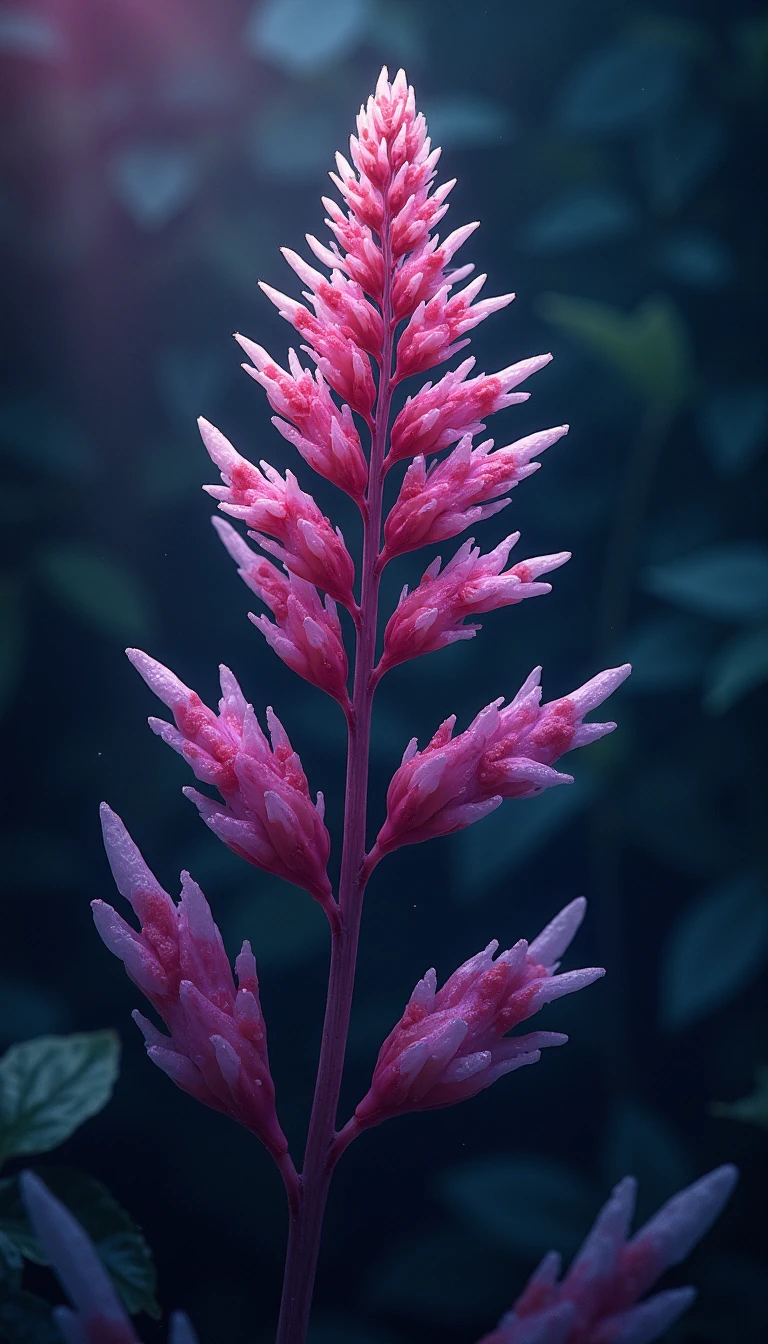 Why the resilient snake plant is a global symbol of protection and warKnown by many names, from mother-in-law's tongue to Saint George's sword, Dracaena trifasciata is a botanical marvel. Beyond its reputation as an indestructible houseplant, this A…
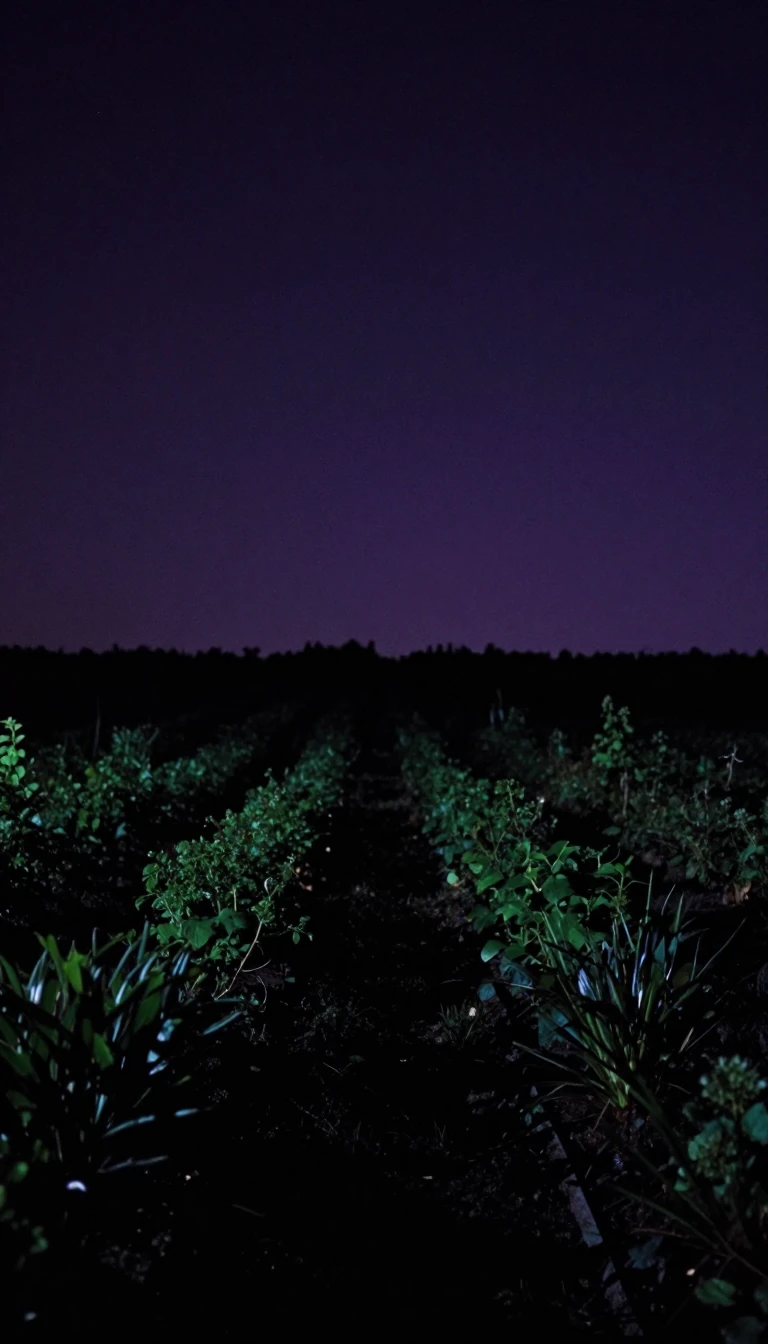 The Droseraceae family uses ingenious traps to thrive in nutrient-poor, boggy soil environments.Carnivorous plants in the Droseraceae family have evolved sophisticated mechanisms to survive where most vegetation fails. By capturing and digesting insects, these plants supplem…
 Wood ferns are ancient survivors that have been evolving for 100 million yearsKnown as wood ferns, the Dryopteridaceae family is a cosmopolitan group of about 1,700 species. These resilient plants have thrived since the Mid-Cretaceous, adapting to terrestri…
 Why Durum Wheat Is the Secret to Perfect Pasta and Resilient Global Food SystemsDurum wheat is more than just the foundation of your favorite pasta. This hardy, tetraploid cereal thrives in arid climates where other crops fail, offering a unique protein struc…