 Intellect Plus
Gardening
2,464 cards. Each one is a 40-second story with a five-minute read behind it. Page 11 of 42.
Subtopics: Agriculture · Bonsai & topiary · Cacti & succulents · Composting & soil · Container & urban gardening · Famous gardens · Flowers · Fruit trees · Fungi · Garden design · Garden pests & diseases · Garden tools · Growing vegetables · Herbs · Houseplants · Hydroponics & greenhouses · Indigenous knowledge · Lawns · Other eukaryotes · Permaculture & organic · Plant history · Plant science · Plants · Pollination · Pollinators · Prokaryotes · Propagation · Roses · Soil · Techniques · Trees · Vegetables · Viruses · Water · Wildlife gardening
 Why growing more than one crop on the same land could transform global agricultureMultiple cropping, the practice of cultivating several crops on the same plot within a single year, offers a powerful solution to food insecurity. By optimizing land use, farmers …
 Can abandoning the plow save our soil and fight climate change simultaneously?No-till farming replaces mechanical soil agitation with precise seeding and cover crops. While it promises reduced erosion, better water retention, and lower greenhouse gas emissi…
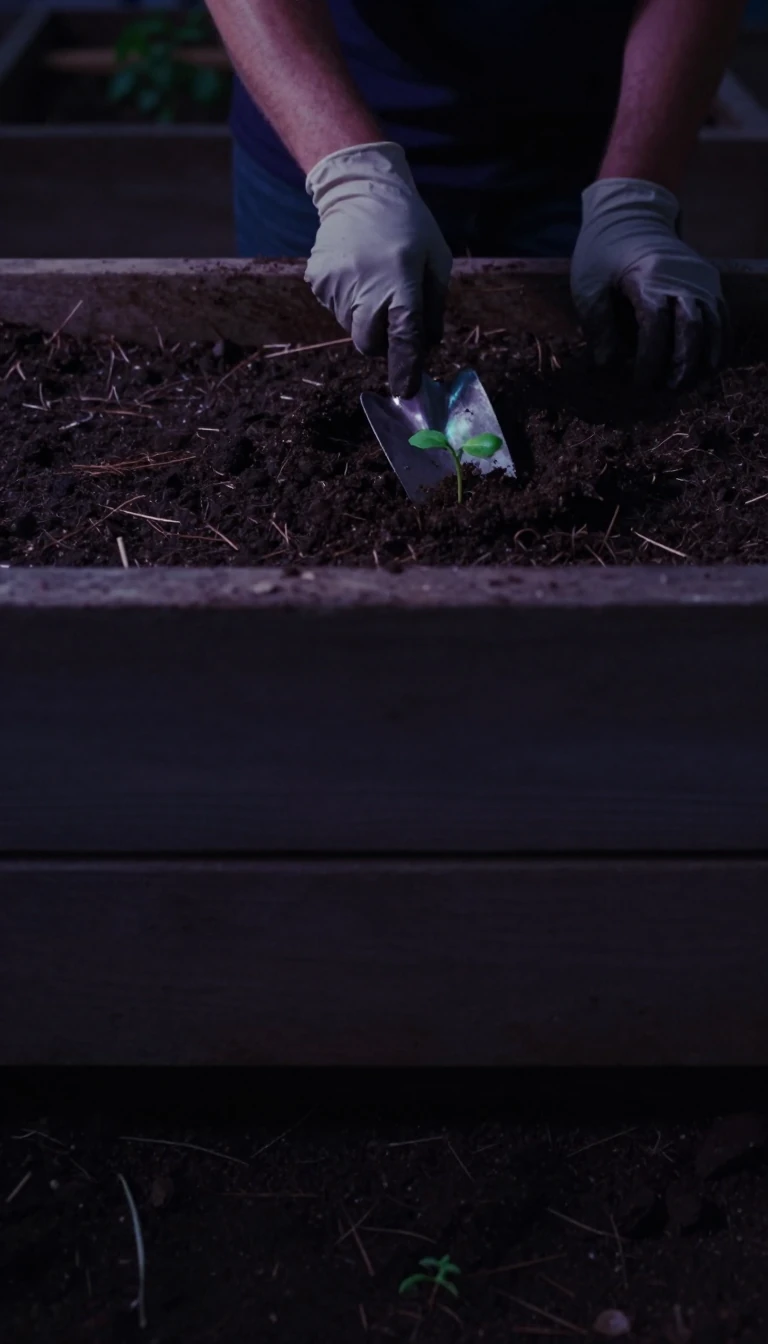 How a simple four-year crop cycle sparked the British Agricultural RevolutionFor centuries, farmers left fields fallow to recover, wasting precious land. The Norfolk four-course system eliminated this downtime by rotating wheat, turnips, barley, and clover…
 Precision nutrient planning is the secret to higher yields and lower environmental impactEffective nutrient management is a balancing act between maximizing crop potential and minimizing waste. By integrating soil data, local climate conditions, and historical yields,…
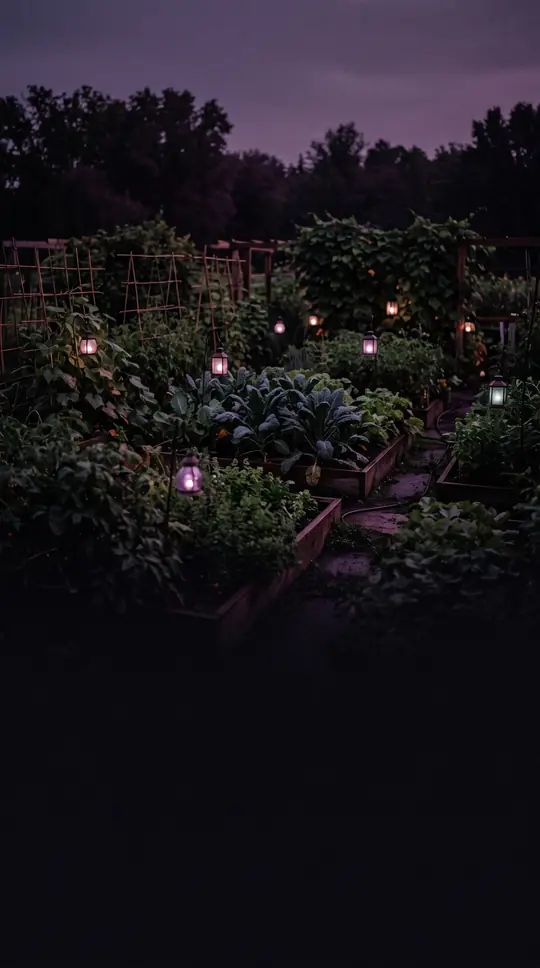 Olericulture is the precise science of cultivating herbaceous plants for your kitchen tableOlericulture is the specialized branch of horticulture dedicated to growing non-woody plants for food. From selecting the right cultivars to mastering soil preparation and crop ma…
 Why the humble pack animal remains a vital logistical force across the globeFrom the high-altitude trails of the Himalayas to the arid expanses of the desert, pack animals have served humanity for millennia. While modern infrastructure often renders them …
 The flooded fields that feed half the world and shaped ancient civilizationsPaddy fields are more than just flooded plots of land; they are the backbone of global food security. By submerging rice in shallow water, farmers have sustained billions for mill…
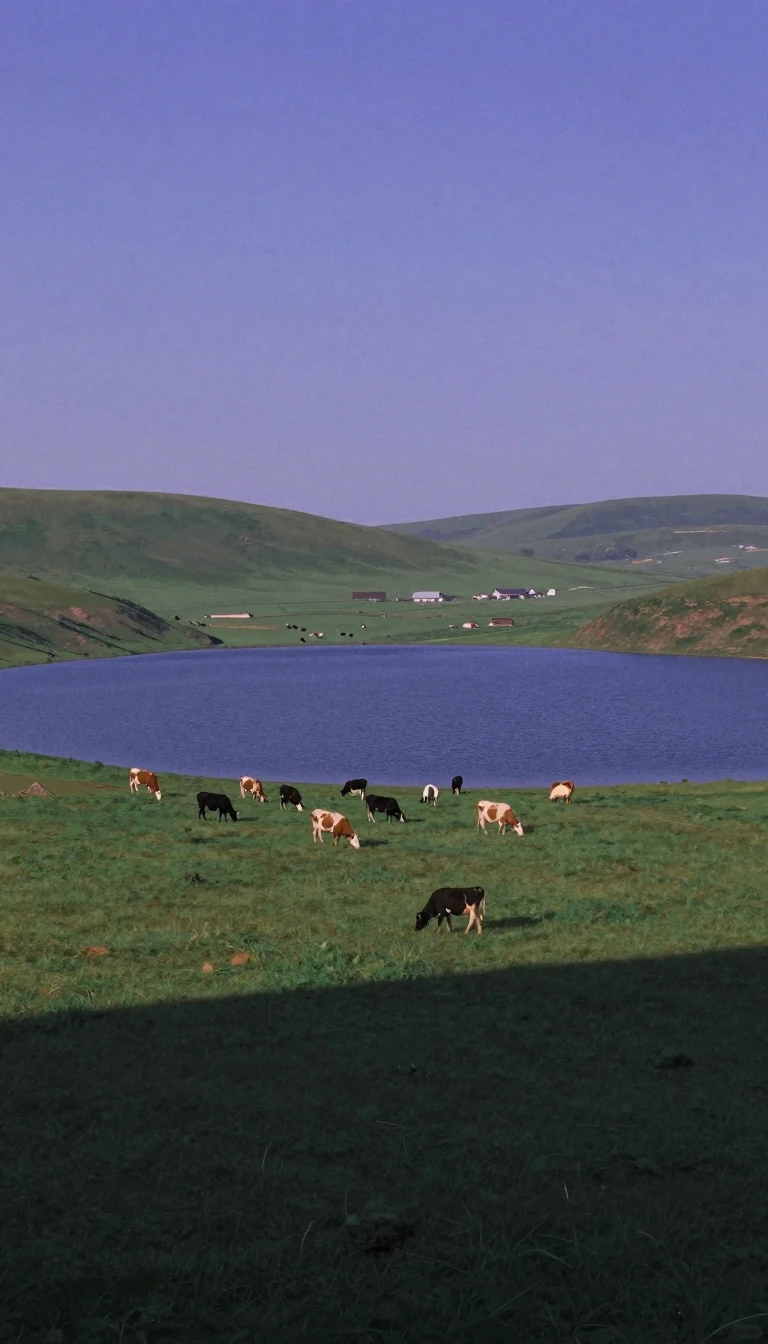 Beyond the fence: Understanding the complex science behind the land that feeds livestockPasture is more than just a field of grass for animals to roam. It is a carefully managed ecosystem where soil, climate, and vegetation intersect to sustain life. From intensive, …
 The pavilion is a structure that shares its name with a deep-sea sponge.The word pavilion evokes images of stately garden structures or grand palace wings, but it also describes a cylindrical, Arctic-dwelling sponge. Both the architectural form and th…
 Why the healthiest looking nursery plants often fail to survive in the wildNursery production is a precise science of conditioning, yet visual appearance is a notoriously deceptive metric for quality. While foresters often rely on size and shape to judge…
 Why pay for new plants when you can clone your garden for free?Propagating plants is a simple, budget-friendly way to expand your green space without needing a degree in horticulture. By taking cuttings or dividing existing clumps, you can cr…
- Beyond the Farm: How Plantations Shaped Global Economies and LandscapesThe term plantation carries a heavy history, evolving from colonial estates built on forced labor to modern industrial sites. While often associated with historical cash crops lik…
- Plastic mulch boosts crop yields but leaves a lasting, toxic legacy in our soilPlastic mulch revolutionized agriculture by suppressing weeds, conserving water, and accelerating growth. Yet, this thin film creates a hidden environmental crisis. As the plastic…
 Pollarding: The Ancient Pruning Technique That Keeps Urban Trees Compact and HealthyPollarding is a specialized pruning method that maintains trees at a specific height by removing upper branches. While often used today to manage urban space and prevent obstructi…
 Why modern agriculture is turning to managed pollination to secure global food yieldsAs wild pollinator populations dwindle, farmers can no longer rely on nature to fertilize their crops. Pollination management—the strategic deployment of bees, insects, or even hu…
- Why growing multiple crops together is the ancient secret to modern agricultural resilienceFor centuries, farmers across the globe have thrived by planting diverse species in the same space at the same time. While industrial monoculture dominated the 20th century, this …
- Why the science of fruit cultivation is far more than just growing applesPomology is the specialized branch of horticulture dedicated to the research and cultivation of fruit and nut crops. From ancient Sumerian orchards to the USDA’s historic watercol…
 The hidden cost of your breakfast: how modern poultry farming shapes the bird's lifeFrom the industrial efficiency of battery cages to the resurgence of urban backyard coops, poultry farming is a complex global system. While billions of chickens are raised for me…
- Pruning is more than just cutting; it is a precise intervention in plant biology.Pruning is the selective removal of plant parts to improve health, safety, and productivity. While it seems simple, the technique matters immensely. Proper cuts allow a tree to he…
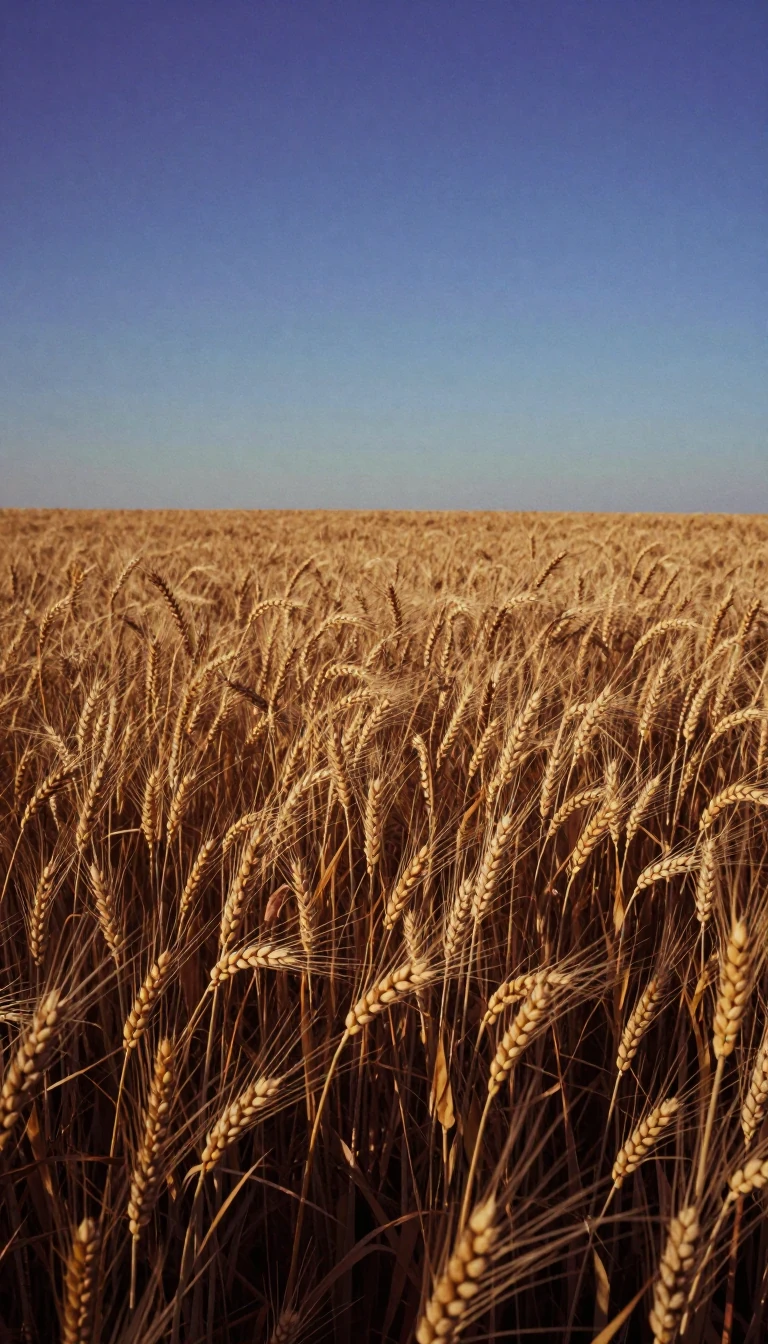 Why the world's most common farming method is also its most vulnerableRainfed agriculture sustains the majority of the world's poor, yet it remains precariously dependent on the whims of the sky. As climate change increases weather volatility, the r…
- How ancient civilizations mastered extreme environments using simple, water-bound raised field agricultureLong before modern irrigation, ancient cultures from the Andes to Central America engineered sophisticated raised fields to thrive in unpredictable landscapes. By elevating soil a…
 Why regenerative agriculture is more than just a list of farming practicesThe term regenerative agriculture is everywhere, yet it lacks a consensus definition. While some see it as a set of specific techniques, others view it as a philosophy of restorat…
 Why rodenticides are a double-edged sword for both pests and the wider ecosystemRodenticides are designed to eliminate pests, but their chemical mechanisms often pose severe risks to non-target wildlife and pets. From anticoagulants that block blood clotting …
 How to trick your garden into thinking it is still the height of summerSeason extension allows you to grow crops well beyond their natural limits. By manipulating light, temperature, and soil conditions through clever, low-tech interventions, you can…
 Seaweed farming is undergoing a massive resurgence as a sustainable, high-value global industry.Once a source of soda ash for 18th-century glassmakers, seaweed is now being cultivated for everything from food and beauty products to carbon sequestration. While wild harvesting…
- The secret to a thriving garden lies in the preparation of your seedbedA seedbed is more than just a patch of dirt; it is a carefully engineered environment designed to maximize germination. By refining soil structure and managing nutrients, you crea…
- From Stone Age flax to hydraulic power, how humanity perfected the art of seining.Seine fishing is an ancient technique that surrounds fish with a vertical net. From Stone Age societies using flax to modern industrial vessels employing hydraulic power blocks, t…
- The secret to silk is a tiny caterpillar spinning a mile of liquid protein.Sericulture is the ancient art of farming silkworms to harvest their cocoons. By feeding mulberry leaves to the domesticated Bombyx mori, producers obtain a continuous filament of…
 A service animal is a highly trained professional, not a pet or emotional support.Service animals are working professionals, not companions. Unlike emotional support animals, they undergo rigorous, individualized training to perform specific tasks for people wi…
- From humble hovel to backyard office: the surprising evolution of the garden shedThe word shed traces back to 1481, originally describing a simple hovel for keeping livestock. Today, these structures have evolved into sophisticated, multi-purpose spaces. Wheth…
 Why the global sheep industry relies on controversial procedures to manage millions of animals.Sheep farming is a massive global enterprise, yet it remains defined by intense, often painful management practices. From tail docking to castration, farmers balance economic viab…
- Silage is essentially a giant, controlled pickle jar for feeding livestock through the winter.By fermenting green crops in an oxygen-free environment, farmers create a stable, nutrient-rich feed that mimics the preservation power of yogurt or vinegar. This ancient techniqu…
- Silviculture is the precise art of managing forest growth to secure our timber needs.Silviculture is more than just forestry; it is the applied science of controlling the establishment, composition, and health of forest stands. By mastering the life history of tre…
 Is slash-and-burn agriculture an ancient ecological disaster or a sustainable survival strategy?For millennia, indigenous farmers have cleared forest plots with fire to nourish crops with nutrient-rich ash. While often condemned as a driver of modern deforestation, this trad…
 The hidden history and human toll of the modern industrial slaughterhouseOnce haphazard, open-air operations, slaughterhouses evolved into highly regulated, centralized institutions during the 19th century. Yet, this shift toward efficiency and mass pr…
 Why the world's most grueling sled race is moving north every decadeThe Iditarod, a 1,100-mile test of endurance across the Alaskan wilderness, is being reshaped by a warming climate. Once a mail route, the race now faces shifting snow patterns th…
- The Smokey Orchard Heaters That Once Defined California Agriculture and Modern WarfareBefore modern climate control, farmers relied on smudge pots to blanket citrus groves in protective smoke. These oil-burning devices saved crops from devastating frosts for decade…
 Why irrigation is inadvertently turning the world's most fertile farmland into salt flatsIrrigation is meant to sustain crops, but it often leaves behind a hidden, toxic legacy. Every drop of water carries dissolved minerals that remain in the soil once the moisture e…
 Why modern farmers are turning to high-heat steam to disinfect their fieldsSoil steam sterilization is a powerful, chemical-free method to revitalize tired earth. By heating soil to extreme temperatures, farmers can eliminate weeds, pathogens, and pests …
- Master the art of sowing to ensure a constant harvest throughout the yearSowing is more than just dropping seeds into dirt; it is a precise orchestration of timing, environment, and technique. Whether you are direct sowing into garden beds or starting …
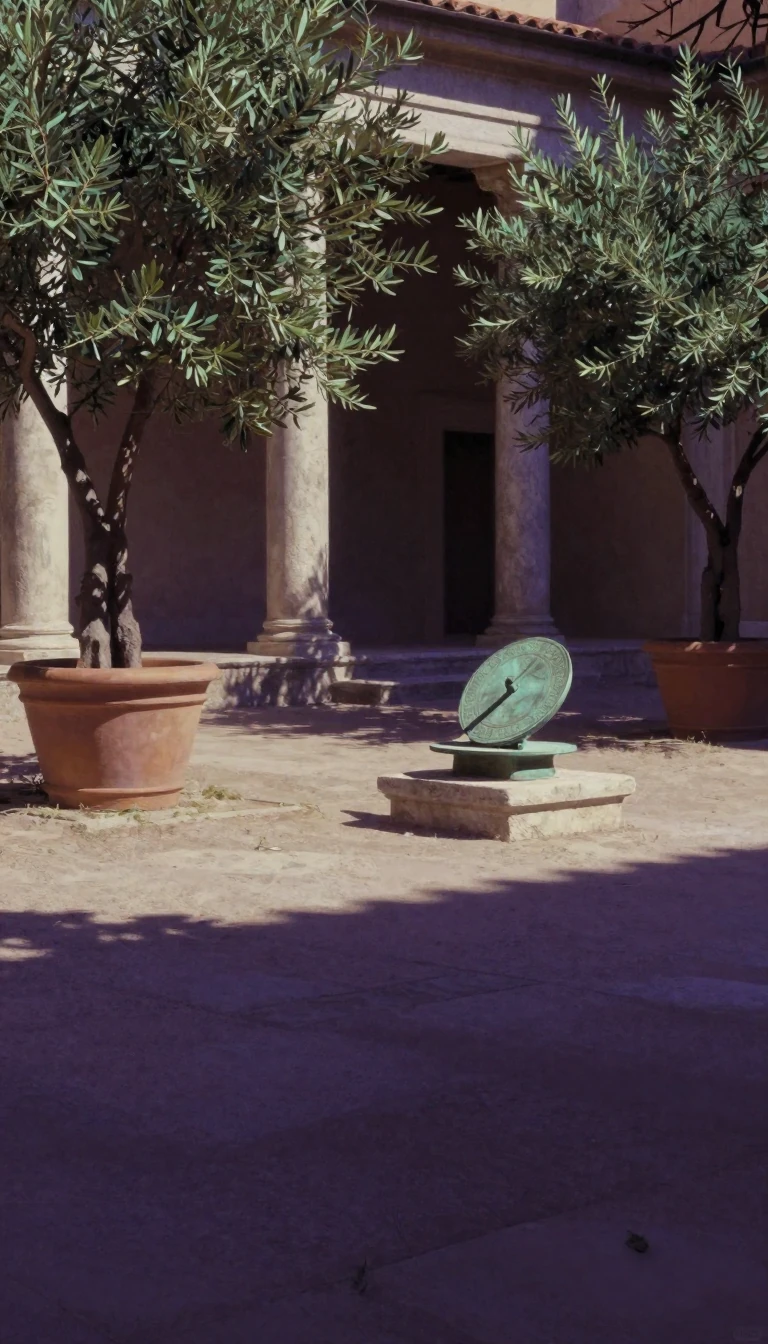 The Spanish garden is a masterclass in cooling a sun-drenched landscape through ancient designFar beyond simple aesthetics, the traditional Spanish garden functions as a sophisticated climate-control system. By blending ancient Persian, Roman, and Moorish influences, these…
 Beyond the farm, straw is a versatile, high-performance material hiding in plain sight.Often dismissed as mere agricultural waste, straw is a complex lignocellulosic biomass with surprising structural and thermal potential. From insulating modern homes to fueling po…
 Teikei: The Japanese Philosophy of Food With a Farmer's FaceLong before community-supported agriculture became a global trend, Japanese consumers were bypassing conventional markets to forge direct, trust-based links with local farmers. Kn…
 Terracing turns impossible mountainsides into the world's most productive and enduring agricultural landscapesFor millennia, farmers have carved mountains into staircases to defy gravity and erosion. From the ancient Andes to the Mediterranean, these earthworks transform steep, unusable s…
- Tetraethyl pyrophosphate: A potent neurotoxic insecticide that was once a scientific curiosity.Discovered in 1854, this colorless liquid was initially tasted by its own creator without immediate illness. Today, it is recognized as a highly hazardous organophosphate insectic…
- How a medieval shift in crop rotation fueled a massive agricultural revolutionBefore the three-field system, farmers left half their land fallow every year. By dividing fields into thirds and introducing legumes, medieval agriculture suddenly produced more …
- Topiary is the ancient art of sculpting living plants into intricate, geometric, or fanciful shapes.Far from mere gardening, topiary is a form of living sculpture that transforms evergreen shrubs into everything from simple spheres to elaborate, knotted ribbons. Whether you are …
- Once a staple of American cotton fields, this toxic pesticide lingers in our environment.Toxaphene was once the most widely used pesticide in the United States, blanketing southern cotton crops. Though banned decades ago, this complex mixture of chlorinated compounds …
- Moving a mature tree is a high-stakes operation that requires careful, year-long preparation.Relocating established trees and shrubs is inherently stressful, often risking the plant's survival. While young specimens adapt well, plants settled for over five years require p…
- From ancient stone traps to modern steel, the art of capture remains controversial.Trapping has evolved from Neolithic survival tools to sophisticated, regulated devices used for pest control and wildlife management. While some methods are designed for quick, hu…
- Why growing temperate crops in the tropics is a complex horticultural challengeTropical horticulture, or TropHort, focuses on cultivating plants within equatorial regions. While these areas cover 36 percent of the Earth's surface, they present unique obstacl…
- Urban agriculture is not a modern trend but a survival strategy spanning five millennia.From ancient Mesopotamian city walls to modern vertical farms, urban agriculture has long served as a vital tool for food security. While often viewed as a grassroots hobby, it is…
 Could your city feed itself? The untapped potential of urban horticulture is massive.As the global population shifts toward urban centers, cities are re-evaluating their relationship with food. While modern urban horticulture is often seen as a niche hobby, resear…
- Why the best garden fertilizer is actually the product of worm digestionVermicomposting turns kitchen scraps into nutrient-dense soil conditioner using specific species of surface-dwelling worms. Unlike traditional composting, this process requires no…
 Why the world's finest wines rely on the precise science of grape cultivationViticulture is far more than simple farming. It is a complex horticultural science where climate, soil, and slope—collectively known as terroir—dictate every nuance of a wine. Fro…
 Ancient Andean farmers engineered a climate-defying irrigation system that still works todayLong before modern technology, pre-Hispanic cultures in the Andes mastered a sophisticated agricultural method known as Waru Waru. By alternating raised planting beds with water-f…
- How a simple agricultural tool became a sacred cradle for gods and kingsWinnowing is the ancient art of separating grain from chaff using the wind. While its primary purpose was agricultural efficiency, the humble winnowing fan held a profound place i…
 From truffle hunters to mine sweepers, animals have been our partners for millenniaLong before the dawn of modern agriculture, humans began training animals to perform specialized tasks. Today, these working animals do far more than pull plows or carry heavy loa…
- Mastering summer garden maintenance: pruning, disease management, and strategic planting for successSummer is a high-stakes season for any gardener. By shifting your focus from winter-style growth to fruit production, managing soil-borne pathogens, and timing your sowings carefu…
- Transform your garden into a water-wise oasis with these eight proven horticultural strategiesMaintaining a productive garden while conserving water requires more than just turning off the tap. By shifting your approach to plant selection, soil management, and watering hab…