 Intellect Plus
Gardening
2,464 cards. Each one is a 40-second story with a five-minute read behind it. Page 19 of 42.
Subtopics: Agriculture · Bonsai & topiary · Cacti & succulents · Composting & soil · Container & urban gardening · Famous gardens · Flowers · Fruit trees · Fungi · Garden design · Garden pests & diseases · Garden tools · Growing vegetables · Herbs · Houseplants · Hydroponics & greenhouses · Indigenous knowledge · Lawns · Other eukaryotes · Permaculture & organic · Plant history · Plant science · Plants · Pollination · Pollinators · Prokaryotes · Propagation · Roses · Soil · Techniques · Trees · Vegetables · Viruses · Water · Wildlife gardening
 Beyond the kitchen, the vast genus of pepper plants shapes history and biologyThe genus Piper includes thousands of species, from common black pepper to the calming kava and the stimulant betel. Far more than a culinary staple, these plants have fueled glob…
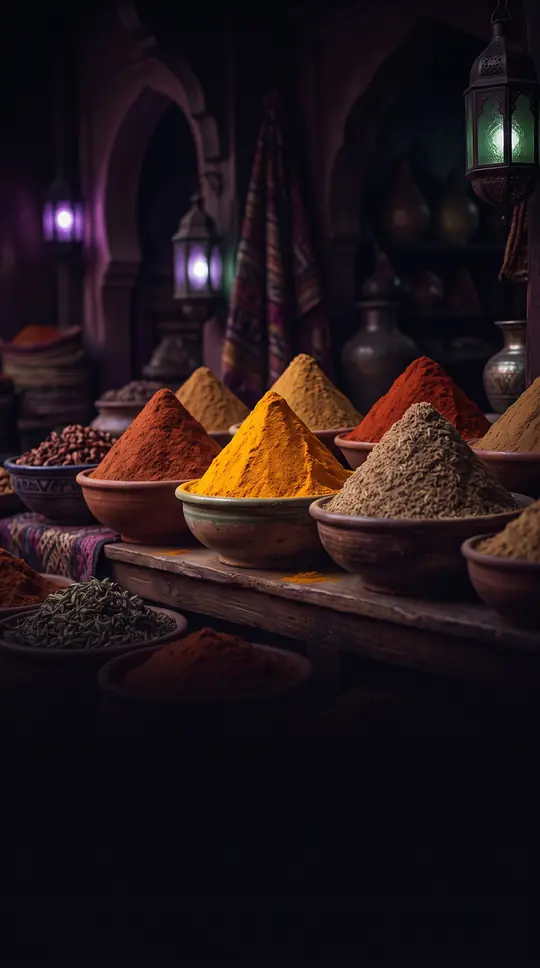 The fiery piri-piri pepper is a global traveler with deep colonial rootsPiri-piri is more than a spicy sauce; it is a botanical legacy of the Portuguese Empire. Descended from American plants, this African bird's-eye chili was refined by explorers in …
 Beyond the kitchen, oyster mushrooms are carnivorous predators and environmental cleanup crews.Oyster mushrooms are more than just a culinary staple. These versatile fungi, known as Pleurotus, possess a hidden, predatory side—they use toxins to paralyze and consume nematode…
 The Most Important Plant Order You Have Likely Never Heard OfPoales is the botanical order that feeds the world. Comprising over 18,000 species, this group includes the grasses that provide our primary grains, the cattails that serve as eme…
 Why the itch from poison ivy can persist for weeks after your hikePoison ivy, poison oak, and poison sumac trigger an intense allergic reaction through urushiol, a potent oil found in their sap. While the resulting rash often appears within days…
 The knotweed family: why these swollen-jointed plants are both culinary staples and notorious weeds.From the buckwheat in your pantry to the invasive knotweed in your garden, the Polygonaceae family is a botanical powerhouse. Named for their distinctively swollen nodes, these pl…
 These gnarled Andean trees thrive where almost nothing else can survivePolylepis forests cling to the highest treelines on Earth, surviving extreme cold and thin air. These resilient, shrubby woodlands are not just botanical outliers; they act as vit…
- The ancient plants that branched out to conquer the land foreverPolysporangiophytes are the botanical ancestors of almost every plant you see today. By evolving branching, spore-bearing stems, these early land plants broke away from the simple…
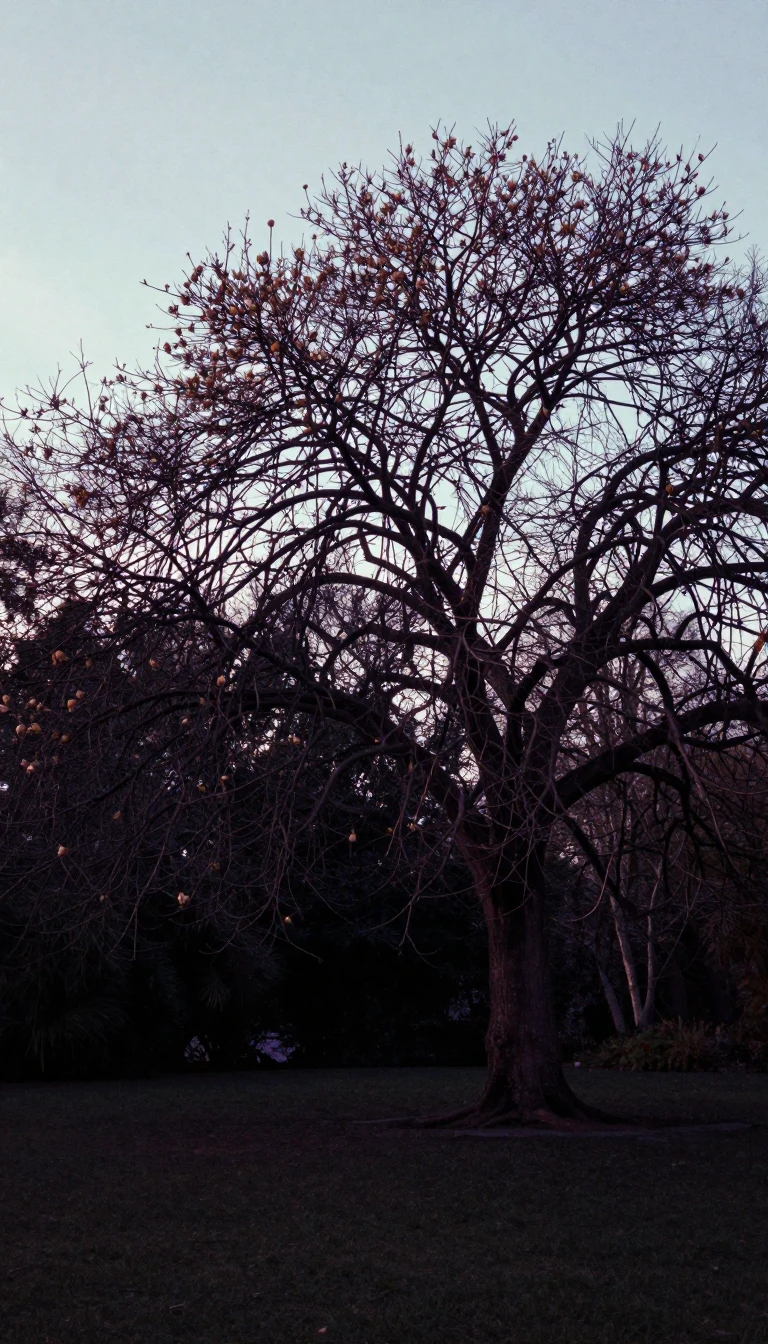 Why the Eurasian aspen is a master of survival and forest regenerationThe Eurasian aspen is a hardy, light-demanding tree that thrives from the Arctic Circle to North Africa. Known for leaves that tremble in the slightest breeze, this species is a m…
 The mysterious life cycle of the seaweed that defines modern sushi and gimbapPorphyra is a coldwater red alga that has become the world's most domesticated marine plant. While you likely know it as the dark, crisp sheets wrapping your sushi, its life cycle…
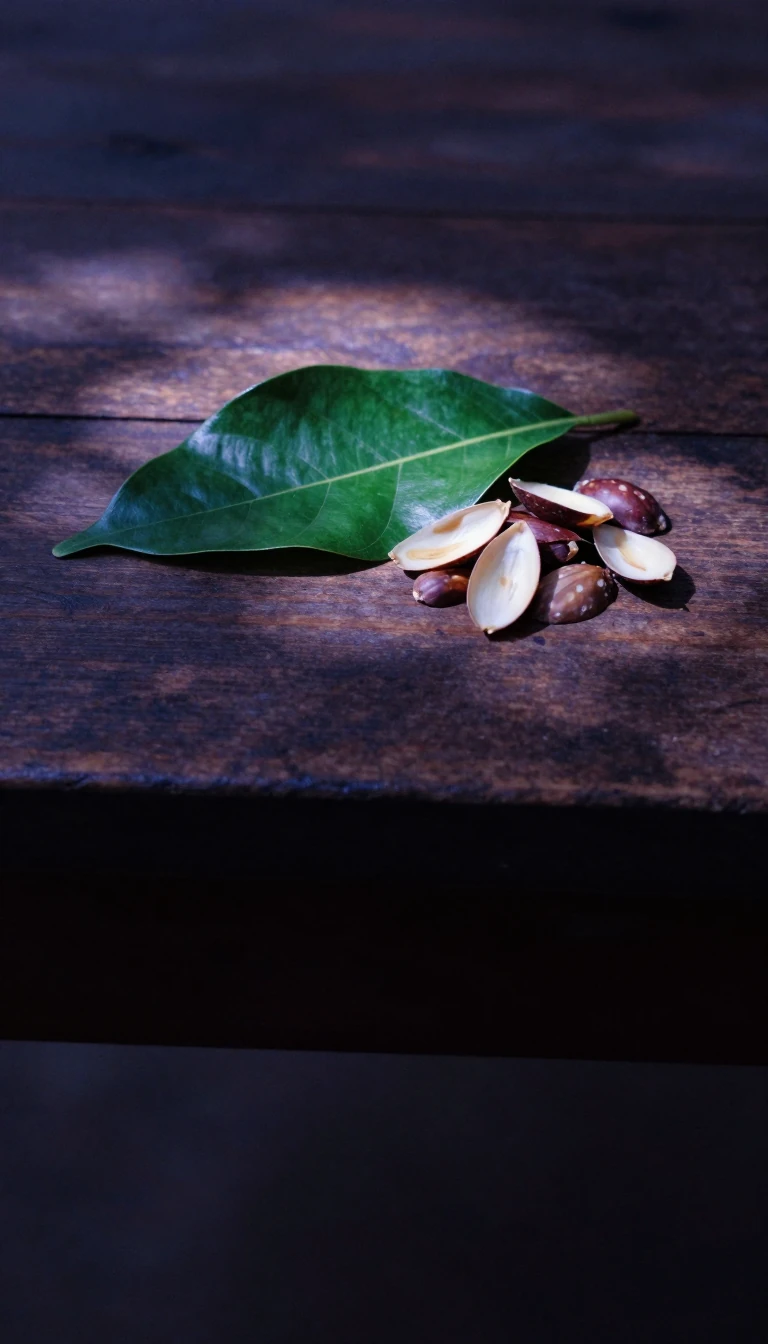 Why this tropical fruit is colloquially known as the eggfruitThe Pouteria campechiana, or canistel, produces a unique fruit with a texture and flavor remarkably similar to a hard-boiled egg yolk. Native to southern Mexico, this evergreen tr…
 The Mamey Sapote is a tropical fruit tree with a complex, multi-layered identity.Native to the wet tropical regions of Mexico and Central America, this evergreen tree produces a unique, creamy fruit often compared to sweet potato or pumpkin. While widely culti…
 Why the Primula is the ultimate herald of the spring gardenDerived from the Latin for first, the Primula genus captures the essence of spring. With over 500 species ranging from alpine slopes to boggy meadows, these hardy perennials offer…
 The ancient woody plants that bridged the gap between spores and modern seedsBefore forests dominated the earth, a group of extinct plants called progymnosperms pioneered the structural innovations that define modern trees. By evolving vascular systems cap…
 The wild cherry tree has been a human staple since the Bronze AgeWhile Roman legend claims the cherry was a foreign import, archaeological evidence proves it has been a native fixture of the European landscape for millennia. From its role as a …
 The black cherry tree is a prized cabinet timber and a dangerous livestock toxinThe black cherry, Prunus serotina, is a botanical paradox. While its wood is the gold standard for high-end American cabinetry, its leaves harbor a lethal chemical defense. This f…
- This humble tree moss is a silent sentinel of air quality and industrial scentPseudevernia furfuracea, or tree moss, is far more than a simple forest growth. This lichen acts as a living monitor for pollution, a secret ingredient in French perfumery, and a …
 This opportunistic bacterium thrives in hospital equipment and can even survive on soap.Pseudomonas aeruginosa is a master of adaptation, capable of infecting everything from burn wounds to lungs in patients with cystic fibrosis. While it is not inherently as virulen…
- The ancient seed ferns that redefined the Carboniferous period as an age of discoveryPteridosperms were once thought to be simple transitional fossils between ferns and cycads. Today, we know these extinct seed-producing plants are a diverse, polyphyletic group th…
- The common pear is a global fruit with a surprisingly wild, ancient ancestryWhile the common pear, Pyrus communis, dominates orchards in Europe, North America, and Australia, its origins are rooted in the wild forests of Europe and western Asia. Far from …
 Why the Asian pear is a symbol of both spring and painful separationKnown by many names, from nashi to apple pear, Pyrus pyrifolia is a cultural titan in East Asia. While its flowers herald the arrival of spring, the fruit itself carries complex s…
 Why the white oak is the secret architect of American history and spiritsThe white oak is more than a tree; it is a living monument that shapes the flavor of bourbon, the hull of the USS Constitution, and the landscape of the American Midwest. Despite …
- The Bur Oak: A Fire-Resistant Giant That Defines the North American SavannaWith the largest acorns of any North American oak, the bur oak is a master of survival. Its thick, fire-resistant bark allows it to thrive in open savannas where other trees peris…
- The cork oak tree is a natural master of survival and sustainable material designThe cork oak, Quercus suber, produces a thick, elastic bark that protects it from wildfires. This remarkable material is impermeable, insulating, and entirely renewable. Humans ha…
- The black oak is a resilient timber giant with a hidden yellow secretKnown for its velvety buds and bristle-tipped leaves, the black oak is a staple of North American forests. While it belongs to the red oak family, it carries a unique history in i…
- The southern live oak is a resilient, long-lived titan of the American landscapeOften mistaken for a true evergreen, the southern live oak is a semi-evergreen marvel that sheds its leaves only when new growth begins. With a low center of gravity and an expans…
 The Traveller’s Palm is not a palm, but a forest leaf from Madagascar.Often mistaken for a palm, the iconic Ravenala is actually a distant relative of the banana and the bird-of-paradise flower. Its name, derived from the Malagasy term for forest le…
 Why the red banana is a sweeter, more nutritious alternative to the common CavendishWhile the yellow Cavendish dominates global fruit bowls, the red banana offers a distinct, tangy profile with a creamy, light pink interior. Often overlooked in mainstream markets…
- How the Red Delicious apple went from a sweet sensation to a commercial cautionary tale.Once the most iconic apple in America, the Red Delicious was bred for beauty rather than taste. As growers prioritized shelf life and deep red color, they inadvertently sacrificed…
 The invasive plant that forced a rethink of British home mortgage valuationsJapanese knotweed is a botanical powerhouse, capable of growing thirty centimeters a day and piercing through concrete. While it is a prized forageable vegetable in its native Eas…
- These soil bacteria transform from free-living microbes into essential partners for legume plant growth.Rhizobia are remarkable bacteria that shift their entire lifestyle to support plant life. While they exist independently in the soil, they can invade legume roots to form nodules.…
 The fuzzy black mold on your bread is a powerhouse of industrial chemistryRhizopus, the common bread mold, is far more than a kitchen nuisance. While it is notorious for causing storage rot in fruits and vegetables, this resilient fungus is also a vital…
 The ancient, leafless plants that paved the way for all modern vascular lifeLong before forests covered the Earth, simple, branching stalks thrived in the Early Devonian. These extinct organisms, known as rhyniophytes, lacked leaves and roots, yet they re…
 The rose order is a global powerhouse of fruit, flowers, and surprising botanical history.The Rosales order encompasses more than 7,700 species, ranging from the familiar garden rose to the fruits in your kitchen. While often associated with beauty, this diverse group …
- The Caribbean royal palm is a towering giant that doubles as a forest pantryReaching heights of 40 meters, the Roystonea oleracea is a botanical titan native to the Caribbean and northern South America. Beyond its ornamental majesty, this palm has served …
- The royal palm is a botanical puzzle with a history of mistaken identitiesThe Cuban royal palm is more than an ornamental icon. Beyond its striking grey-white trunk and green crownshaft, this tree hides complex biological secrets, including rare nitroge…
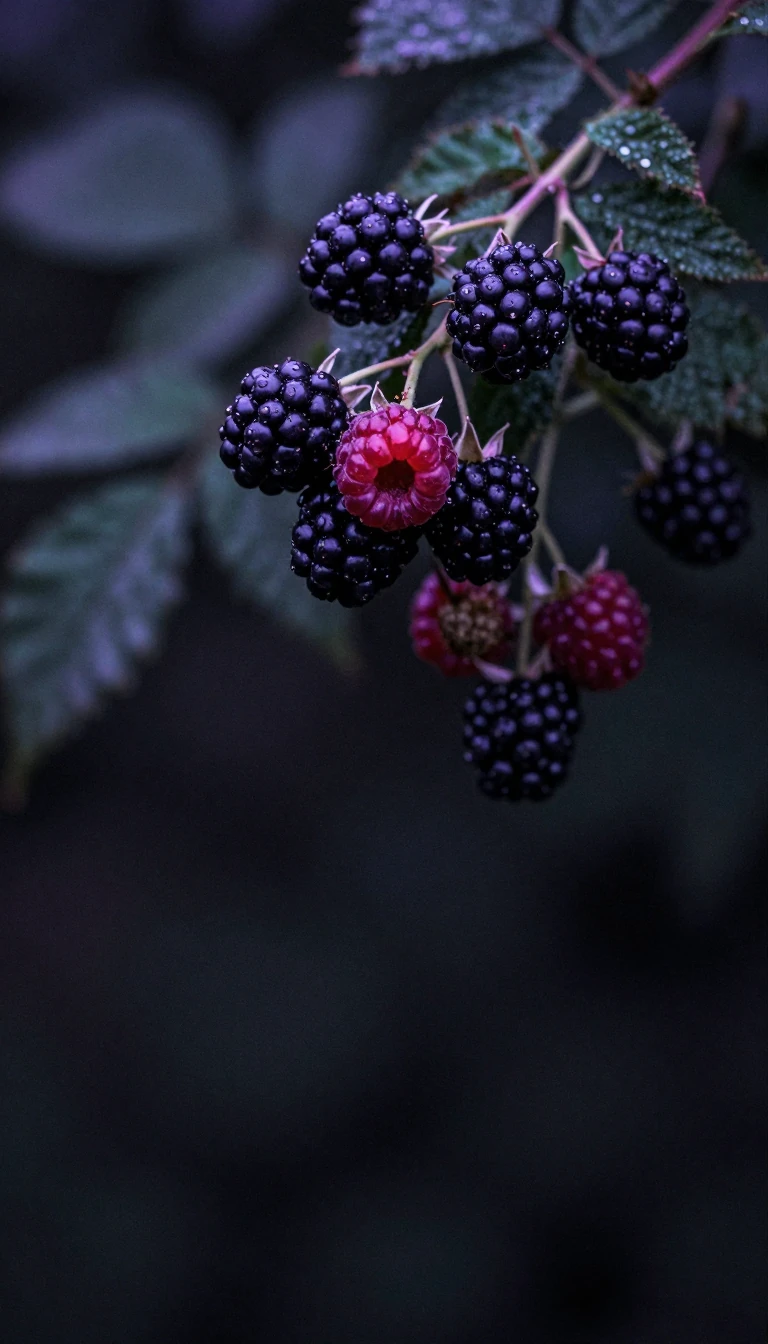 Why the humble bramble is a botanical nightmare for even the best scientistsFrom raspberries to blackberries, the Rubus genus is a global powerhouse of fruit. Yet, beneath their thorny canes lies a chaotic genetic landscape defined by polyploidy and hybri…
- Beyond the Lemon: The Hidden Diversity of the Global Rutaceae Plant FamilyYou likely know Rutaceae through your morning orange juice or a squeeze of lime. Yet, this vast family of 160 genera and over 2,000 species holds far more than citrus. From fragra…
- The hardy Philippine banana that serves as both a staple food and industrial resourceBeyond the fruit bowl, the Saba banana is a robust, triploid hybrid that thrives in conditions where other varieties fail. Prized for its starchy flesh and culinary versatility, t…
- The ancient fan-palms of the Americas have a history stretching back millions of yearsSabal palms are iconic New World plants, recognizable by their unique fan-shaped leaves and central midribs. While these hardy palms are now staples of subtropical landscapes, the…
 Safflower: The Ancient Thistle That Now Produces Insulin and Industrial LubricantsKnown for millennia as a source of vibrant red dye and a budget-friendly alternative to expensive saffron, the humble safflower has evolved. Today, this drought-tolerant, deep-roo…
- The willow family is a global powerhouse of medicine, timber, and resilient survivalFrom the pain-relieving compounds in willow bark to the fire-hardy roots of the aspen, the Salicaceae family is remarkably versatile. These trees and shrubs dominate landscapes ac…
- The white willow is a versatile powerhouse of timber, medicine, and winter garden color.Known for the silvery underside of its leaves, the white willow is more than a riverside fixture. From the specialized wood used in cricket bats to the historical search for fever…
- The weeping willow is neither from Babylon nor is it the Biblical treeCarl Linnaeus famously misnamed this Chinese native, linking it to the rivers of Babylon in a biblical misunderstanding. While the tree is now a global icon of the landscape, the …
- The Black Willow: North America's Largest Native Willow and a Master of Flood SurvivalThe black willow is more than just a waterside tree. As the largest native willow in North America, it possesses remarkable biological adaptations for surviving floods, including …
 Salmonella enterica is a resilient, ancient pathogen that has shaped human history for millennia.Beyond the common stomach bug, Salmonella enterica is a remarkably hardy genus of bacteria. It survives for months in water and weeks in dry environments, thriving in the intestin…
 The ancient, oily seed that conquered the world from Mexico to the AndesSalvia hispanica is an annual herb native to Mexico and Guatemala, long valued for its medicinal and nutritional properties. Known as chia—derived from the Nahuatl word for oily—t…
- Why these strange aquatic ferns are more like seed plants than their forest cousinsWaterferns, or Salviniales, defy the traditional image of a fern. These aquatic plants are heterosporous, producing two distinct types of spores that develop internally. This uniq…
 Why the Samanea saman is known globally as the legendary rain treeThe Samanea saman is a botanical chameleon, known by dozens of names across the tropics. Whether called the five o'clock tree in Malaysia or the sleepy-faced tree in India, this w…
 From maple syrup to soap: the surprisingly diverse family of the soapberry plantThe Sapindaceae family is a botanical powerhouse, encompassing nearly 2,000 species that range from common maple trees to tropical vines. While some members provide essential cons…
 The ocean's most mysterious bacteria are finally emerging from the darkFor years, the SAR202 clade remained an enigma, dominating deep-sea microbial populations while refusing to grow in laboratory settings. Now, researchers have successfully cultiva…
 Why the crinkled Savoy cabbage is the ultimate winter garden survivorDistinguished by its emerald, crinkled leaves, the Savoy cabbage is a winter-hardy powerhouse that thrives in frost and snow. While it demands careful attention to fend off pests …
- The humble scallion is a global culinary chameleon with a surprisingly ancient Mediterranean namesake.Often dismissed as a simple garnish, the scallion is a versatile vegetable spanning diverse cultures. From the holy trinity of Chinese kitchens to ritualistic Passover beatings an…
- The pepper trees of South America are not actually related to black pepper at all.Commonly known as pepper trees, the genus Schinus belongs to the sumac family rather than the spice cabinet staple. While the Peruvian pepper tree produces the familiar pink peppe…
- Why a simple beer yeast is the secret to understanding human cell divisionSchizosaccharomyces pombe, or fission yeast, is far more than a brewer’s byproduct. This rod-shaped fungus shares deep genetic architecture with humans, including complex centrome…
- The umbrella pine is a living fossil that once dominated ancient northern forestsKnown as the Japanese umbrella pine, Sciadopitys verticillata is a botanical anomaly. As the only surviving member of its entire family, this slow-growing evergreen is a relic of …
- Sea lettuce is a global superfood that can turn deadly in the wrong handsFound on rocky shores worldwide, sea lettuce is a nutrient-dense green alga enjoyed in salads and soups. While it is a staple in many coastal diets, this simple organism can accum…
 Seagrasses are flowering land plants that returned to the ocean millions of years agoSeagrasses are not seaweed, but true flowering plants that evolved from terrestrial ancestors to live fully submerged in shallow coastal waters. Found on every continent except An…
- The evolutionary leap that allowed plants to conquer the land with seedsSeed plants, or spermatophytes, define the modern landscape, yet their origins remain a complex puzzle of ancient biology. By developing the ability to produce seeds, these plants…
- These ancient plants can survive total dehydration by curling into dormant brown balls.Known as spikemosses, Selaginella species are masters of survival. While most plants wither in drought, these resilient lycophytes can dry out completely, uprooting themselves to …