 Intellect Plus
Gardening
2,464 cards. Each one is a 40-second story with a five-minute read behind it. Page 14 of 42.
Subtopics: Agriculture · Bonsai & topiary · Cacti & succulents · Composting & soil · Container & urban gardening · Famous gardens · Flowers · Fruit trees · Fungi · Garden design · Garden pests & diseases · Garden tools · Growing vegetables · Herbs · Houseplants · Hydroponics & greenhouses · Indigenous knowledge · Lawns · Other eukaryotes · Permaculture & organic · Plant history · Plant science · Plants · Pollination · Pollinators · Prokaryotes · Propagation · Roses · Soil · Techniques · Trees · Vegetables · Viruses · Water · Wildlife gardening
 A bacterial genus appears to be entirely unique to the geothermal springs of Aotearoa-New Zealand.While microbial life is often thought to be globally distributed, researchers have identified a bacterial genus, Venenivibrio, that seems restricted to the Taupō Volcanic Zone. Th…
 Why this ancient, spiky conifer is called the monkey puzzle treeThe monkey puzzle tree is a prehistoric survivor with a name born from a 19th-century dinner party joke. Beyond its reptilian, armor-plated branches lies a complex ecological hist…
 The 385-million-year-old tree that invented the modern forest as we know itLong before seed-bearing plants dominated the landscape, a genus called Archaeopteris revolutionized Earth. By evolving sophisticated, deep-reaching root systems and lumber-worthy…
 The ancient palm behind the world's fourth most common psychoactive substanceNative to the Philippines, the Areca catechu palm has traveled across the globe for millennia. While its seeds are a staple in traditional practices and industrial applications, t…
 Palms are the big game of the plant world, hiding secrets in their leaves.Arecales is an order of flowering plants comprising nearly 190 genera and over 2,450 species of palms. These woody monocots are essential to tropical ecosystems and human economie…
 The resilient grass species that spans from the Sahara to Northwest IndiaAristida mutabilis is a remarkably widespread grass, thriving in the harsh conditions of desert and dry shrubland biomes. Native to a vast range stretching from the Sahara across …
 From Tequila to Houseplants: The Surprising Diversity of the Asparagaceae FamilyYou might know Asparagaceae for the spears on your dinner plate, but this vast family of flowering plants spans everything from desert succulents to lush indoor foliage. With over…
 From orchids to onions, the world's most diverse plant order hides in plain sight.The order Asparagales contains over 36,200 species, ranging from the delicate vanilla orchid to the towering agave and the humble garden onion. While these plants look vastly diff…
 The Spleenwort family proves that ancient ferns are masters of global colonizationAspleniaceae, the spleenwort family, challenges our understanding of how plants conquer the globe. While many ferns are confined to specific niches, these resilient plants thrive …
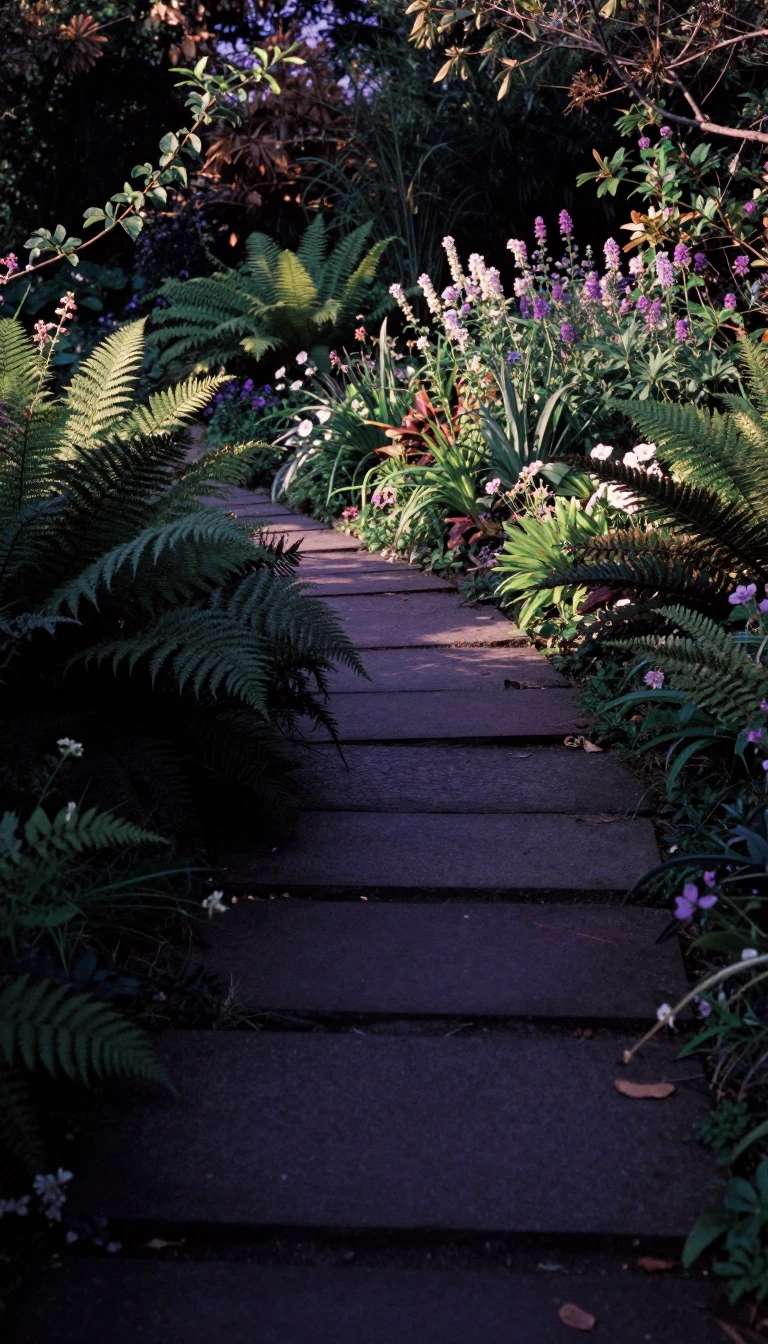 The daisy is not a single flower, but a complex community of hundreds.What you perceive as a single daisy or sunflower is actually a dense, organized colony of hundreds of individual florets. This deceptive architecture is the hallmark of the Astera…
- Carpet grass: The resilient tropical groundcover that thrives where other plants simply drownKnown as carpet grass, the genus Axonopus is a master of survival in wet, challenging environments. Native primarily to the Americas, these grasses have evolved to withstand perio…
 Could a tiny floating fern be the key to cooling our warming planet?Azolla, a genus of aquatic ferns, is so efficient at sequestering carbon that it may have triggered a global cooling event 55 million years ago. Today, this fast-growing plant is …
 The resilient bacteria in your gut may hold the key to metabolic healthBacillota, formerly known as Firmicutes, are a diverse phylum of bacteria found everywhere from your gut to fermented beverages. While some species are notorious pathogens, others…
 These resilient rod-shaped bacteria can survive extreme conditions that destroy most other life forms.Bacillus bacteria are masters of survival, capable of transforming into dormant spores that withstand heat, radiation, and harsh chemicals. While some species are essential for in…
- Why this ancient soil bacterium became a modern symbol of biological warfareBacillus anthracis is a resilient bacterium that survives for decades as a dormant spore. While it naturally infects grazing animals, its ability to be weaponized as a lethal powd…
 Bacteroides bacteria are essential gut residents that can turn deadly if they escape.You are more microbial than human, and Bacteroides species are among your most significant tenants. While these anaerobic rods are vital for digestion and immunity within the colo…
- This essential gut bacterium is a life-saving partner and a dangerous clinical pathogen.Bacteroides fragilis is a master of survival in the human colon, where it helps digest food and supports immune health. Yet, if this immotile, rod-shaped bacterium escapes into th…
- Bacteroidota are the silent, essential architects of your gut and the Earth's soilBacteroidota are not just gut dwellers; they are a vast, diverse phylum of bacteria found in oceans, soil, and animal skin. While some are opportunistic pathogens, many are vital …
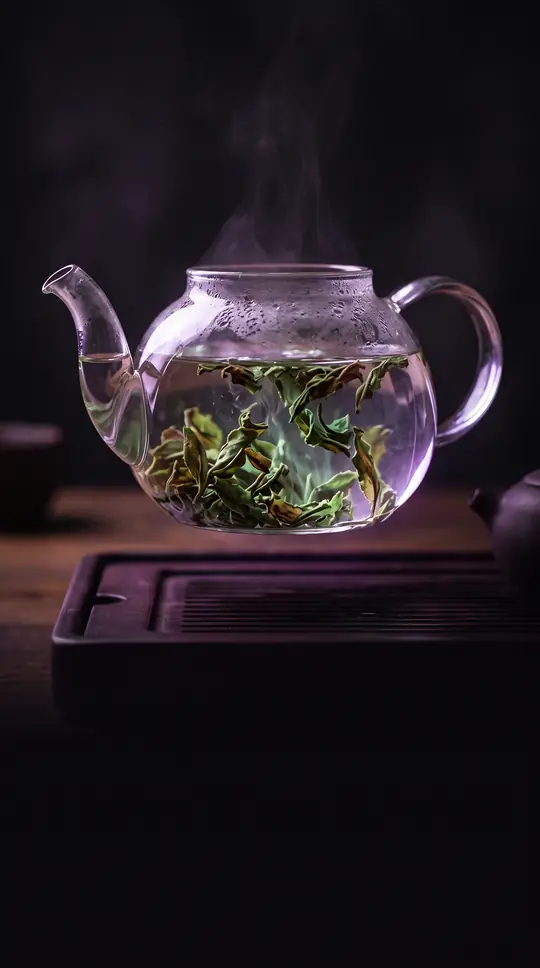 Why you must boil bamboo shoots before they ever touch your dinner plateBamboo shoots are a culinary staple across Asia, prized for their crisp texture and unique flavor. Yet, in their raw state, these shoots harbor dangerous cyanogenic glycosides. To…
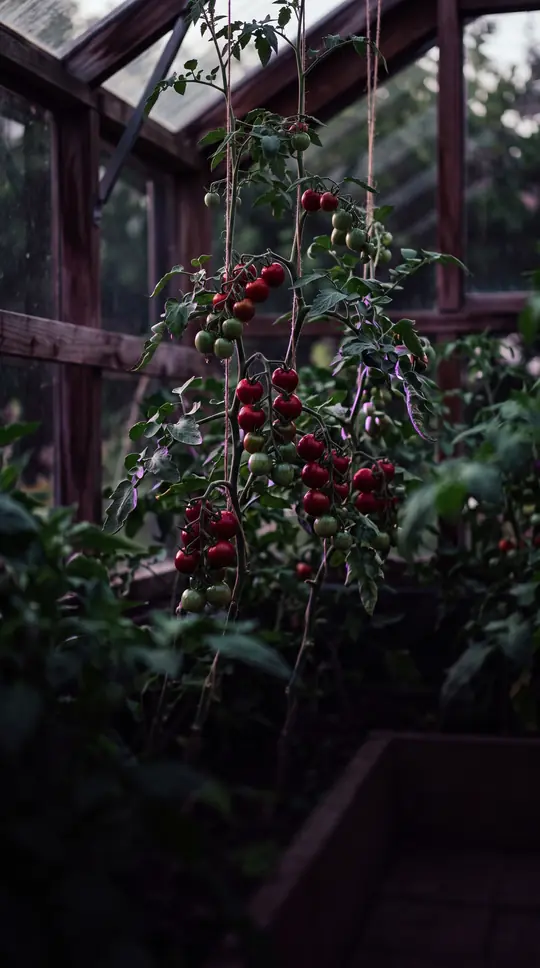 The banana pepper is a mild, curved fruit that thrives in full sunlightOften mistaken for the smaller pepperoncini, the banana pepper is a versatile member of the chili family. Known for its bright yellow hue and mild, tangy profile, this cultivar of…
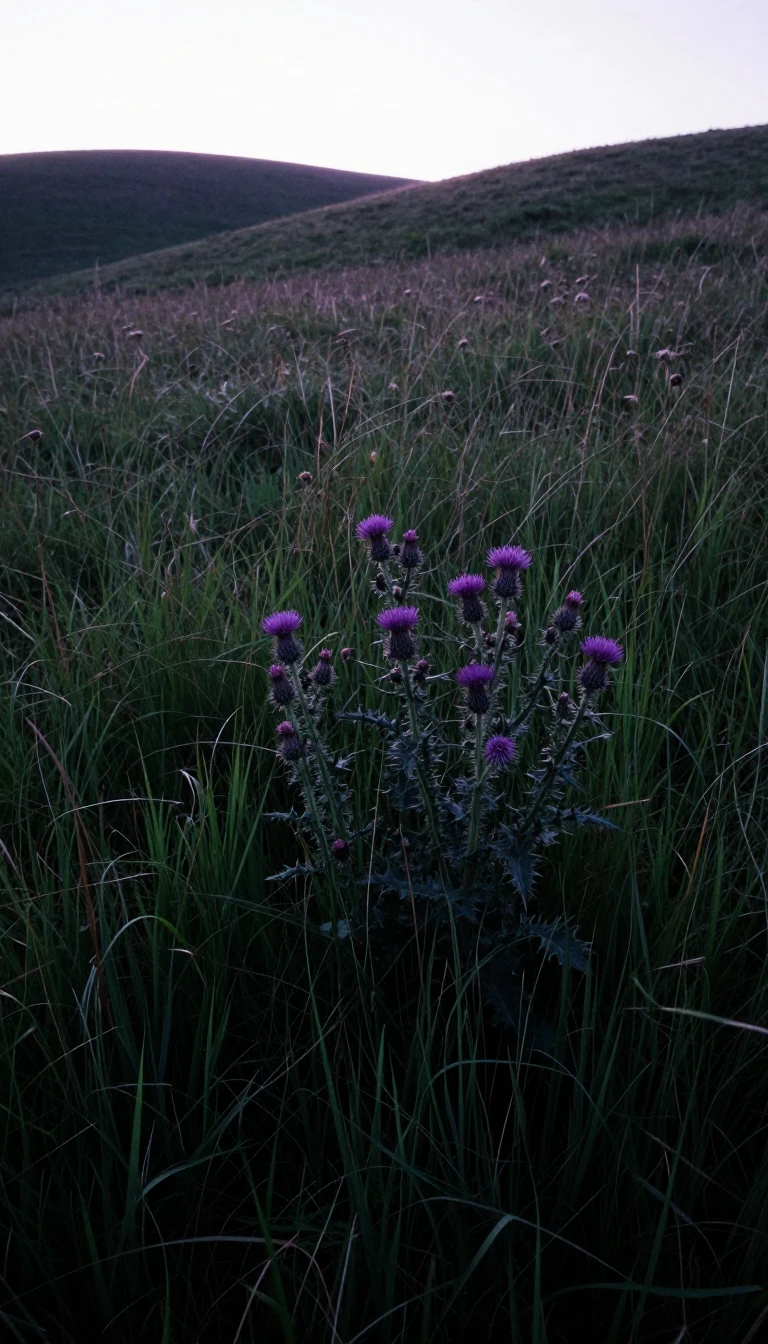 Banksia: The ancient Australian wildflower that relies on fire to survive and reproduceBanksias are iconic Australian plants known for their woody cones and nectar-rich spikes. While they thrive in diverse landscapes, these plants have evolved a complex, fire-depend…
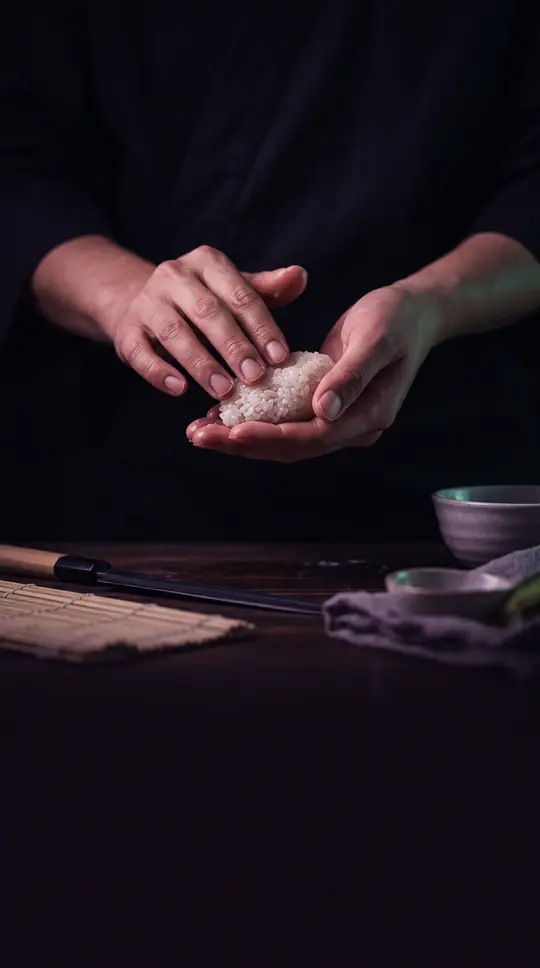 Why the world’s most fragrant rice is defined by a chemical compoundBasmati rice is more than just a long-grain staple; it is a scientifically defined aromatic experience. Its signature pandan-like scent comes from a specific chemical compound fou…
- These ancient, flower-like plants dominated the Mesozoic before vanishing alongside the dinosaurs.Bennettitales were once among the most common seed plants on Earth, often mistaken for modern cycads. Yet, these mysterious gymnosperms possessed complex, flower-like reproductive…
 From Napoleon's blockade to your dinner plate, the humble beet is a global powerhouse.Beta vulgaris is far more than a simple garden vegetable. This versatile plant species has been cultivated for millennia, branching into four distinct forms that serve as everythi…
 The river birch is a heat-loving outlier in a family of cold-weather trees.Most birches struggle in warmer climates, but the river birch thrives across the Eastern United States. This resilient species dominates floodplains and swamps, offering a unique …
 The paper birch is a master of survival that thrives on forest destruction.Known for its iconic, peeling white bark, the paper birch is a pioneer species that colonizes landscapes ravaged by fire or wind. While it struggles in the heat of southern climat…
- The silver birch is a resilient pioneer tree that shapes entire forest ecosystems globally.Known for its iconic peeling white bark and pendulous twigs, the silver birch is more than a decorative garden staple. As a hardy pioneer species, it is often the first to coloniz…
 The resilient birch family helped shape human history from ancient tools to modern plywoodThe Betulaceae family, comprising about 145 species including birches, alders, and hazelnuts, are among the most versatile trees on Earth. Hardy and quick to colonize post-glacial…
- Why your gut might reject probiotics and how scientists are finally predicting the outcome.Probiotics are meant to boost health, yet their success is notoriously inconsistent. New research analyzing over 51,000 gut microbiomes reveals that your personal success with Bif…
 The hidden genetic fusion that defines the vast majority of life on EarthLook closely at the microscopic world and you will find a massive divide. While some organisms move with a single flagellum, others rely on two. This simple difference points to a…
- Why this humble West African legume became a global symbol of New Year prosperityThe black-eyed pea is far more than a Southern staple. Originating in West Africa, this nitrogen-fixing legume traveled across the globe, becoming a dietary cornerstone from India…
 Why the blood orange needs a cold night to reveal its crimson heartThe blood orange is a natural mutation of the sweet orange, but its signature deep red flesh is not guaranteed. These fruits require specific environmental conditions to develop t…
 The Blue Java banana tastes like vanilla custard and survives in cooler climatesKnown for its silvery-blue skin and ice cream-like texture, the Blue Java banana is a unique hybrid that defies typical tropical expectations. This hardy plant is prized not just …
- The blue spruce is a resilient high-altitude survivor that thrives in moist mountain soils.Native to the North American Rockies, the blue spruce is prized for its striking, glaucous needles. While often mistaken for its cousin, the Engelmann spruce, this hardy conifer i…
 Why Korea's winter-hardy spring cabbage grows flat against the frozen groundUnlike the upright, tightly packed heads of standard napa cabbage, bomdong spreads its leaves outward in a distinctive, flower-like rosette. This hardy vegetable thrives in the co…
- Beyond the garnish: The surprising history and hidden chemistry of the borage plantKnown for its vibrant blue flowers and cucumber-scented leaves, borage is more than a garden aesthetic. While historically celebrated as a tonic for the mind, modern science revea…
- Why the Borage family is a botanical puzzle that refuses to stay putThe Boraginaceae family, home to forget-me-nots and borage, has long baffled taxonomists. Once grouped with mints, it has been shuffled between orders for decades. Today, this div…
 Why this ancient soil bacterium evolved to become a persistent human respiratory threatBordetella pertussis, the pathogen behind whooping cough, is a specialized human parasite that likely descended from soil-dwelling ancestors. Despite global vaccination efforts, t…
- Bracken is an ancient, resilient survivor that can quickly dominate your garden landscapeBracken is a hardy perennial fern that spreads through extensive underground rhizomes and windborne spores. While it provides shelter for wildlife, its ability to form dense thick…
- Why brown rice is more than just a healthier alternative to white riceBrown rice is a whole grain that retains its nutrient-dense bran and germ, distinguishing it from its polished white counterpart. While it offers a richer profile of minerals like…
- Why the modern Brussels sprout is far sweeter than your childhood memories suggestLong maligned for a bitter taste, the Brussels sprout has undergone a culinary transformation. Thanks to selective breeding that identified and reduced specific chemical compounds…
 Why the vast majority of the world's mosses are actually joint-toothedIf you have ever looked closely at a moss, you have likely encountered the Bryopsida. Comprising 95% of all moss species, this group dominates the global landscape. Their secret w…
 The accidental squash: how a 1944 experiment created a kitchen stapleWhile many squashes have ancient roots, the butternut is a modern invention. Born from a cross-breeding experiment in Massachusetts, this versatile fruit has since conquered globa…
 Why the humble Calendula was once considered a magical tool for finding true loveKnown as the little calendar, this hardy daisy has been a staple of human ritual for centuries. Beyond its vibrant petals, which once served as a poor man's saffron in kitchens ac…
 Is the Nootka cypress a cedar, a cypress, or something entirely unique?Botanists have spent nearly two centuries debating the identity of the Nootka cypress. Often called a cedar, it is actually a coniferous tree caught in a taxonomic tug-of-war betw…
 The incense cedar is a fire-hardy giant that once defined the humble wooden pencil.Native to western North America, the incense cedar is a resilient conifer known for its aromatic foliage and impressive longevity. Beyond its role as a vital forest inhabitant, th…
- A single drop of chicken juice can trigger a severe, paralyzing immune responseCampylobacter jejuni is a leading global cause of foodborne illness, often lurking in raw poultry. While most infections cause standard stomach distress, this bacterium possesses …
 The Hindu Kush origins of the world's most famous broad-leafed cannabis plantCannabis indica is more than just a name; it is a distinct botanical lineage originating from the Hindu Kush mountains. Known for its short, dense structure and broad leaves, this…
- Why this hardy, weedy plant is the secret to modern cannabis breeding successCannabis ruderalis is a compact, resilient plant that ignores light cycles to bloom based on age alone. While its low THC content makes it unpopular for recreation, this unique au…
- Cannabis sativa is a complex botanical machine capable of producing over 500 distinct chemical compounds.Beyond its reputation as a recreational drug, Cannabis sativa is a versatile annual flowering plant with a history of industrial and medicinal use spanning centuries. From its uni…
 The surprising history of the cantaloupe, from Vatican estates to life-saving medicineThe cantaloupe is more than a breakfast staple. Named after a papal summer estate, this fruit has a complex lineage spanning from ancient Egypt to modern laboratories. Beyond its …
 The Golden Chanterelle is more than a culinary icon; it is a biological powerhouse.Known as the Golden chanterelle or girolle, Cantharellus cibarius is prized for its apricot-like aroma and culinary versatility. Beyond the plate, this wild ectomycorrhizal mushro…
 The Caper Bush Is a Resilient Survivor That Has Seasoned History for MillenniaBeyond its role in a martini or pasta sauce, the caper bush is a botanical enigma. Thriving in harsh, arid landscapes, this plant has been harvested since the Upper Paleolithic. I…
 Caraway is a versatile culinary powerhouse hiding in the carrot familyOften mistaken for a simple spice, caraway is a complex biennial plant with a history spanning from ancient Greek tonics to modern European kitchens. Beyond its signature anise-li…
 Why these grass-like plants were essential for survival at the South Pole in 1911Often mistaken for common grass, the genus Carex—or sedges—are actually complex, triangular-stemmed perennials. Beyond their ornamental value in modern gardens, these resilient pl…
 The Carolina Reaper: A decade of breeding for the world's most intense heatBefore Pepper X claimed the throne in 2023, the Carolina Reaper reigned as the world's hottest chili for a decade. Created by Ed Currie through years of meticulous hybridization, …
 Why the pignut hickory earned its name from colonial American hogsThe pignut hickory is a resilient, slow-growing tree native to the Eastern United States. While its pear-shaped nuts are a vital food source for wildlife, the tree’s common name s…
- The Shellbark Hickory Produces the Largest Nuts of Any Hickory Tree SpeciesKnown for its shaggy bark and massive, sweet nuts, the shellbark hickory is a slow-growing giant native to North America. While it once thrived across a vast range from Canada to …
 Why the Shagbark Hickory is a titan of the American forest and historyThe shagbark hickory is a towering, long-lived native of North America, instantly recognizable by its peeling, shaggy bark. While its nuts were a vital staple for indigenous peopl…
- From desert succulents to carnivorous traps, the Caryophyllales order defies simple botanical categorization.The Caryophyllales order is a botanical paradox. Comprising 37 families and 12,000 species, it encompasses everything from common spinach and rhubarb to bizarre, stone-like succul…