 Intellect Plus
Gardening
2,464 cards. Each one is a 40-second story with a five-minute read behind it. Page 18 of 42.
Subtopics: Agriculture · Bonsai & topiary · Cacti & succulents · Composting & soil · Container & urban gardening · Famous gardens · Flowers · Fruit trees · Fungi · Garden design · Garden pests & diseases · Garden tools · Growing vegetables · Herbs · Houseplants · Hydroponics & greenhouses · Indigenous knowledge · Lawns · Other eukaryotes · Permaculture & organic · Plant history · Plant science · Plants · Pollination · Pollinators · Prokaryotes · Propagation · Roses · Soil · Techniques · Trees · Vegetables · Viruses · Water · Wildlife gardening
 Why morels are the most elusive and prized treasure in the fungal kingdomMorels are culinary icons, yet they remain notoriously difficult to cultivate. While wild harvesting supports a multimillion-dollar industry, these honeycomb-capped fungi are ofte…
- The elusive morel mushroom is a culinary treasure that thrives in the wake of fire.Prized by foragers and chefs alike, the yellow morel is a spring icon known for its honeycomb cap and hollow stem. While notoriously difficult to cultivate, these fungi have a mys…
 The wild ancestor of your morning banana is a complex, seed-filled tropical plant.While modern grocery store bananas are sterile, seedless clones, their wild ancestor, Musa acuminata, is a diverse, seed-bearing herbaceous plant native to the wet tropics. From I…
 The wild ancestor of your banana holds the secret to its ripening processMost bananas in your fruit bowl are hybrids, born from a complex genetic marriage between two wild species. While we have long understood the A-genome, the B-genome of Musa balbis…
 Why these hardy, wax-coated bacteria are among the world's most persistent medical challenges.Mycobacterium are rod-shaped bacteria defined by a unique, waxy cell wall that resists common disinfectants and standard antibiotics. While most species are harmless environmental…
 Why this ancient, obligate parasite cannot survive outside of your own living cellsMycobacterium leprae is a master of biological minimalism. By shedding genes it no longer needs, this bacterium has evolved into an obligate intracellular parasite. It cannot grow…
- This tiny, wall-less bacterium is a master of disguise and persistent respiratory infection.Mycoplasma pneumoniae is one of the smallest self-replicating organisms, lacking a cell wall and relying on host resources to survive. Often called the Eaton agent, this pathogen …
 Why the humble forget-me-not flower carries the weight of history and memoryThe forget-me-not, or Myosotis, is more than a garden staple. From its Ancient Greek name meaning mouse's ear to its role as a global symbol of remembrance, this small, blue-petal…
 These shapeshifting organisms can grow to one metre across and weigh twenty kilograms.Myxogastria, or slime moulds, are bizarre, monocellular entities that cycle through microscopic amoeboid phases and massive, visible plasmodia. Capable of pulsating movement and c…
 How do these tiny, dependent archaea identify and latch onto their specific hosts?Nanobdellati are ultrasmall archaea that cannot survive alone. To thrive, they must attach to specific host cells and siphon vital nutrients. Recent research into their unique gly…
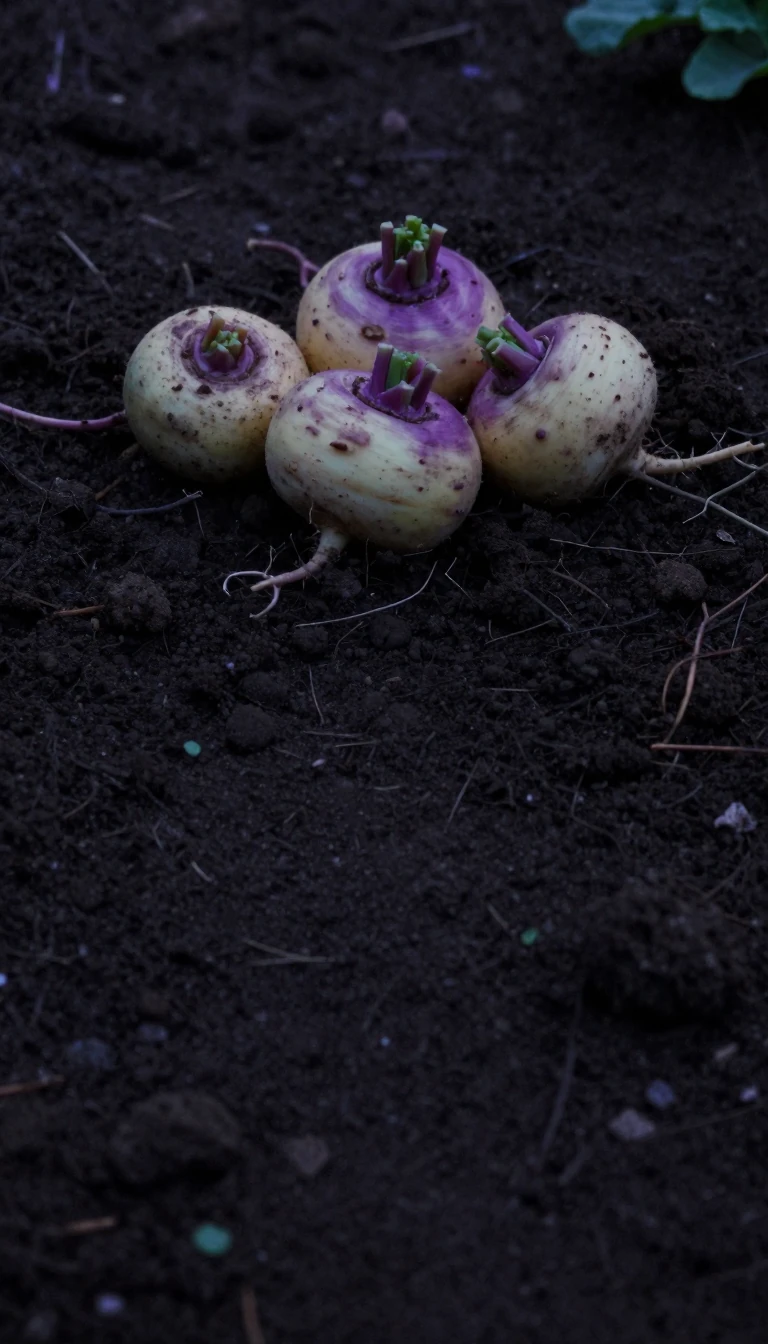 Is the humble napa cabbage a natural hybrid of turnip and pak-choi?This cool-season staple, essential to kimchi and East Asian cuisine, is a botanical marvel. Beyond its culinary versatility, napa cabbage is a product of sophisticated 20th-centur…
 The ancient flower that inspired poets, perfumers, and a tragic Greek mythNarcissus poeticus is more than a garden staple. Known as the poet's daffodil, this fragrant bloom has been linked to the Greek legend of Narcissus and the abduction of Persephone…
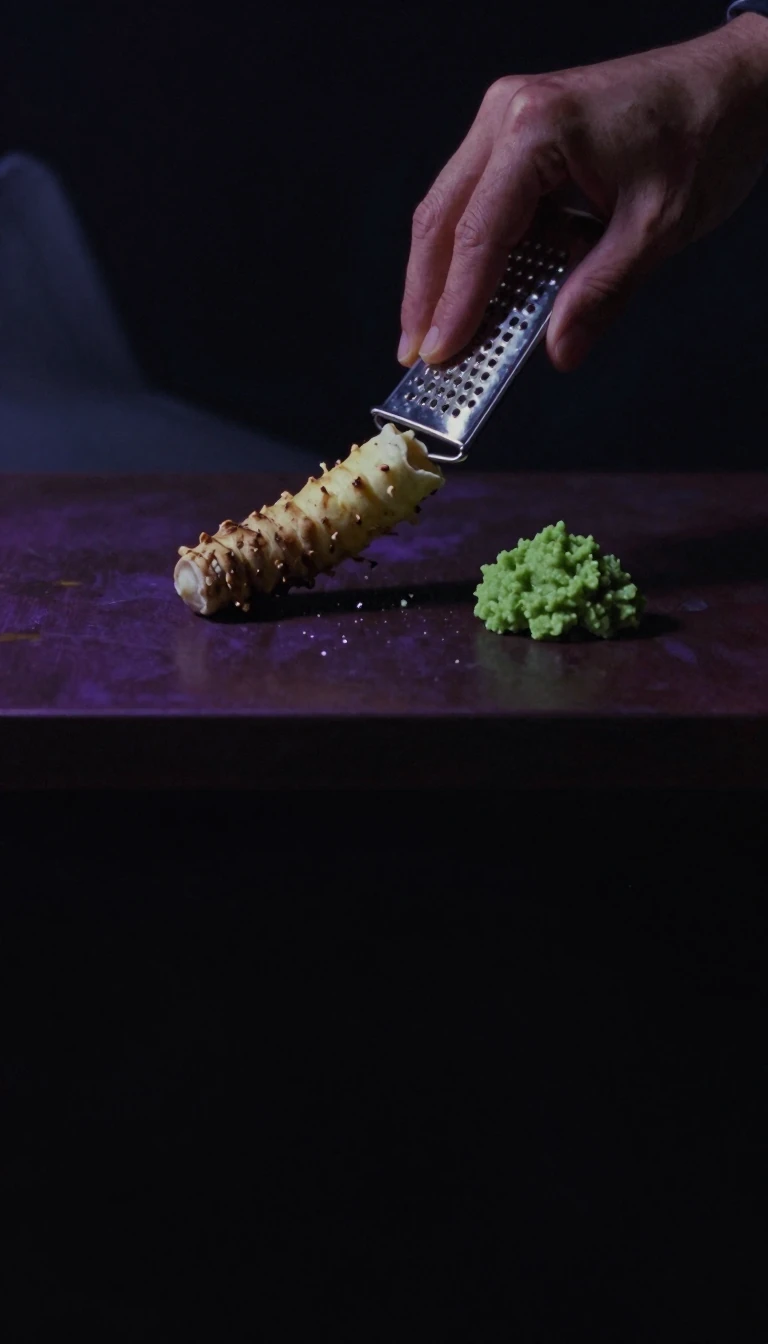 Why the humble navy bean became a staple for sailors and soldiers alikeKnown by many names, from the pearl haricot to the Yankee bean, this small white legume is a nutritional powerhouse. Its rise to prominence is tied to military necessity, serving …
 Why these coffee-bean-shaped bacteria are masters of human immune system evasionNeisseria bacteria are masters of survival, thriving inside the human body by mimicking host cells and actively repairing their own DNA. While most of the eleven species colonizin…
- Neisseria meningitidis is a human-only pathogen that thrives by constantly rewriting its own genome.This round bacterium, often living harmlessly in the human throat, can suddenly turn lethal, causing meningitis or rapid-onset sepsis. It survives by stealing iron from human prot…
 The hidden fungi inside herbivores that break down the toughest plant matterDeep within the digestive tracts of sheep, cows, and other herbivores lives a phylum of anaerobic fungi called Neocallimastigomycota. Once mistaken for simple flagellate protists,…
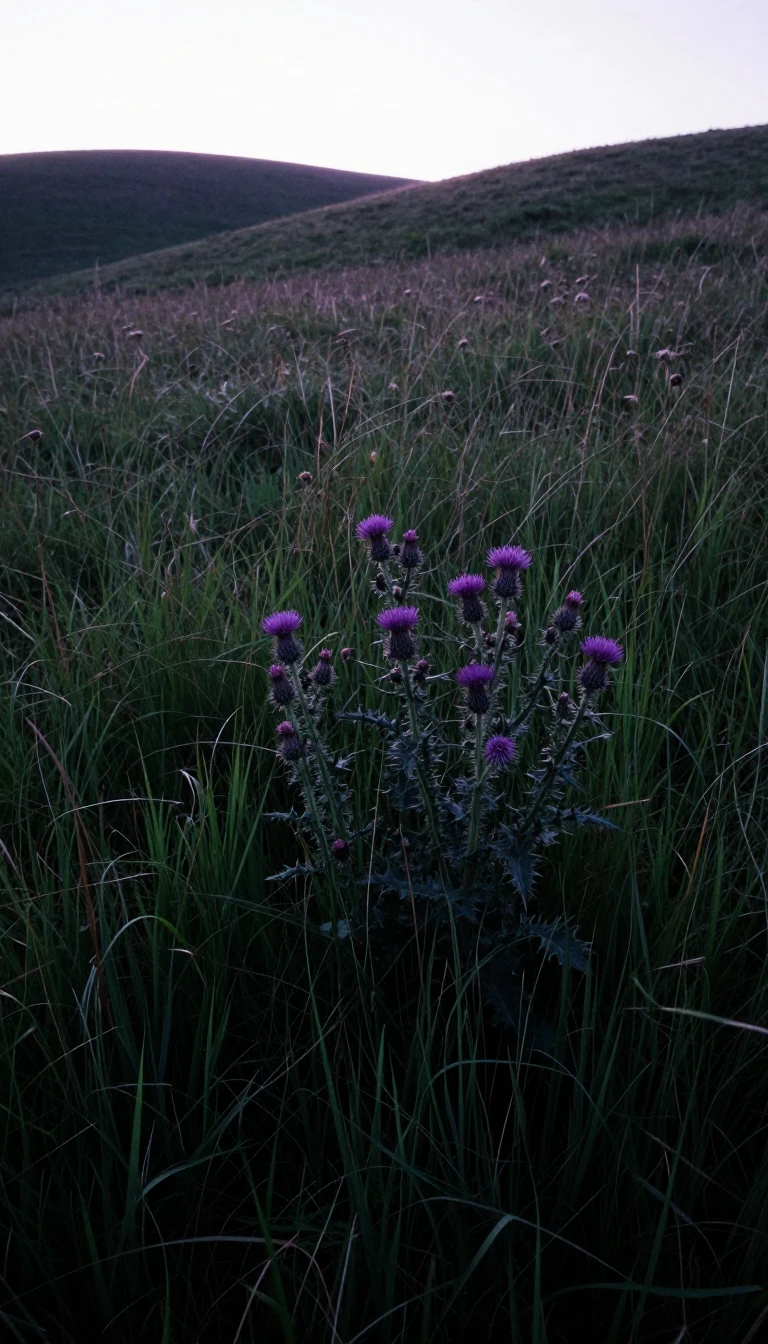 The beautiful, deadly shrub that has fascinated civilizations for over two millenniaOleander is a paradox of the botanical world. Prized for its vibrant, fragrant blooms and extreme durability in harsh climates, it is also a potent source of cardiac glycosides. W…
 This red bread mold is the unsung hero of modern molecular geneticsFirst identified in French bakeries in 1843, Neurospora crassa has become a cornerstone of biological research. Its simple haploid life cycle and ordered reproductive process allo…
- Beyond the Cigarette: Why Nicotiana Is the Secret Star of Your Summer GardenWhile most associate the genus Nicotiana with commercial tobacco, these plants are actually versatile garden treasures. Prized for their height, vibrant star-shaped blooms, and in…
 The ancient black seed that has traveled from Egyptian tombs to modern kitchen spice racksKnown by many names, from black caraway to kalonji, this unassuming annual flowering plant has been a culinary staple for three millennia. While its delicate blue and white petals…
 These ancient, abundant archaea are the hidden architects of Earth's nitrogen and carbon cycles.Once thought to be rare, Nitrososphaeria are now known as massive, globally distributed players in our planet's biogeochemical health. These archaea do more than just oxidize ammo…
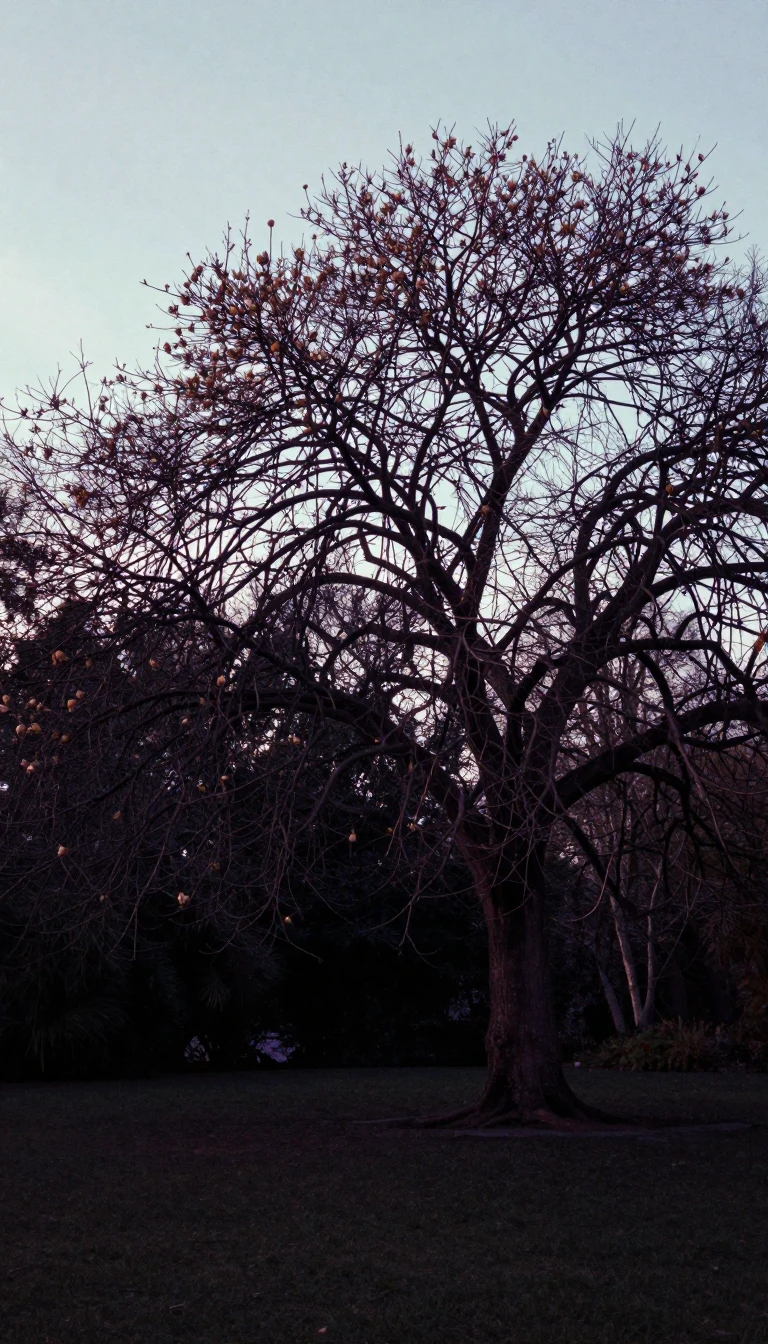 The red beech is a botanical time traveler with a secret chemical signatureEndemic to New Zealand, the red beech is more than just an ornamental evergreen. This resilient tree, known as tawhai raunui, holds a unique chemical legacy and a history that str…
 Water lilies are ancient aquatic survivors that have shaped ecosystems for millions of yearsBeyond their aesthetic grace in garden ponds, Nymphaeales are a vital evolutionary link in freshwater habitats. These aquatic plants range from tiny, fragile species to giants wit…
- The Egyptian lotus is a resilient aquatic survivor that thrives in extreme conditionsKnown as the white Egyptian lotus, this nocturnal aquatic plant is a master of survival. It can endure harsh dry seasons by retreating into its rhizomes and actively reduces water…
 The world's smallest waterlily was saved from extinction by a simple gardening trickNymphaea thermarum, a tiny Rwandan waterlily, vanished from the wild when its only habitat was diverted for farming. Once thought doomed, the species was rescued by a horticulturi…
 This fragrant forest lichen is a secret powerhouse of the global perfume industry.Oakmoss is not a moss at all, but a complex lichen that defines the base notes of classic fragrances. While prized for its woody, sweet scent, this antler-shaped organism is also …
- Why these strange, rootless ferns are rewriting the evolutionary history of plantsOphioglossidae, a subclass of ferns including whisk ferns and adder's-tongues, long baffled botanists. Their true relationships remained hidden until molecular phylogenetics revea…
- Why your garden mushrooms are actually closer relatives to you than to plantsYou might assume fungi belong with plants, but biology tells a different story. Animals and fungi share a common ancestry within a group called opisthokonts. Defined by a unique r…
 Is your oregano actually marjoram? The confusion behind this essential Mediterranean herbOregano is a sun-loving Mediterranean staple, yet its identity is often muddled with its milder cousin, marjoram. While both belong to the Origanum genus, true oregano offers a pu…
 Why the flu virus is a master of constant evolutionary reinventionThe Orthomyxoviridae family, which causes influenza, thrives by perpetually shifting its genetic identity. Through rapid mutations and the swapping of genome segments between anim…
 Beyond the dinner plate: The complex, wild world of the Oryza genusOryza is more than just the rice on your plate. This genus of wetland grasses includes over 300 proposed species, ranging from tropical African varieties to wild Australian strain…
 Why the screw pine is a master of survival and tropical utilityWith their massive prop roots and spiraling, swordlike leaves, the Pandanaceae family dominates tropical coastlines. These resilient plants are more than just architectural wonder…
 Why the bitter, slow-growing papeda is the secret ancestor of your favorite citrus fruitsWhile you likely avoid eating papeda fruit directly due to its unpalatable bitterness, this group of tropical Asian citrus plants is essential to the global fruit market. Papedas …
- Is this mysterious deep-sea organism the missing link in the evolution of complex life?Discovered 1,240 meters deep in the Pacific, Parakaryon myojinensis defies biological classification. It possesses a bizarre mix of traits found in both prokaryotes and eukaryotes…
 The Parmeliaceae family is the largest group of lichen-forming fungi, boasting over 2700 species.From roadside pavement to Arctic tundra, these resilient organisms thrive in nearly every terrestrial environment. While they appear as simple growths, they represent a complex, e…
 This common lichen is a culinary secret weapon and a sensitive environmental sensorKnown as the powdered ruffle lichen, this widespread organism is more than just a forest dweller. While it serves as a vital bioindicator for air quality, it is also a prized spic…
- The tree that gave Brazil its name is now a rare, endangered musical treasure.Brazilwood, or Paubrasilia echinata, once fueled a global trade war and defined a nation's identity. Today, this thorny legume is nearly extinct in the wild, yet it remains the go…
- Peonies are ancient botanical travelers that hide a complex history of genetic hybridisationPeonies are not just garden favorites; they are survivors of ancient climate shifts. While they bloom for only a week or two, their genetic lineage spans continents and millions o…
 The moon orchid is a global icon of elegance and a beginner-friendly houseplantKnown as the moon orchid, Phalaenopsis amabilis is a celebrated tropical native that has transitioned from the rainforest canopy to windowsills worldwide. Prized for its long-last…
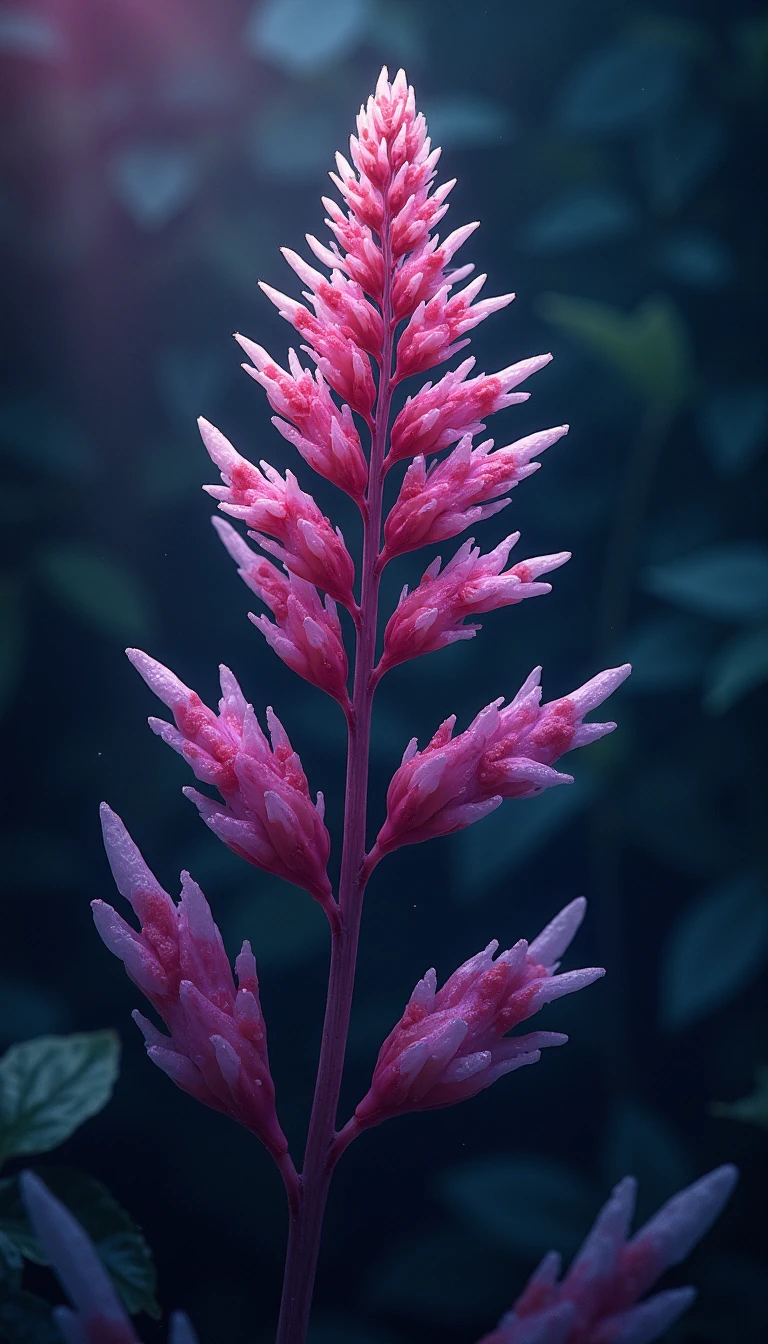 The common reed is a global survivor, a culinary staple, and a fierce invader.Phragmites australis is a botanical paradox. It is a vital keystone species that supports rare birds and filters wastewater, yet its invasive European subspecies is a ruthless mon…
 The South American palm that provides a sustainable alternative to elephant ivoryKnown as vegetable ivory, the seeds of the Phytelephas palm are so hard they have been used for centuries to craft buttons, jewelry, and even bagpipes. This remarkable plant offer…
- The deceptive beauty of Phytolacca: A global genus of toxic yet vital plantsKnown by names like pokeweed and inkberry, Phytolacca is a diverse genus spanning herbs, shrubs, and trees. While some species serve as cultural symbols or food sources, they cont…
 The water mold that triggered a famine and still threatens global potato cropsPhytophthora infestans is not a fungus, despite its common name. This aggressive oomycete thrives in cool, wet conditions, turning healthy potato and tomato crops into rotting mus…
- Beyond the Christmas tree, the Norway spruce is a biological and industrial powerhouse.The Norway spruce is far more than a festive decoration. It is a genetic pioneer, a source of sustainable vanilla, and a key ingredient in fine violins. From ancient, cloning root…
 The high-altitude spruce that gives acoustic guitars their signature, resonant soundNative to the rugged peaks of western North America, the Engelmann spruce is more than a mountain icon. Its unique, lightweight wood makes it a prized material for musical instrum…
 The red spruce is a musical giant that nearly vanished from the American landscapeKnown for its role in crafting high-end acoustic guitars and violins, the red spruce is a resilient yet fragile conifer. Once covering vast swathes of the Appalachian Mountains, t…
- The Sitka spruce is a record-breaking giant that built the world's early aircraft.Growing over 100 meters tall, the Sitka spruce is the world's largest spruce species. Beyond its massive stature, this resilient conifer has shaped human history, from Native Alas…
- From ancient Mesopotamian luxury to a wartime staple, the humble pickle has a storied past.Long before they were a standard deli side, pickled cucumbers were prized by royalty and essential for survival. Whether fermented in salt brine or preserved in vinegar, these cru…
 From giants to bonsai, the pine family defines the world's most resilient forestsThe Pinaceae family spans a staggering range of sizes, from towering redwoods reaching over 110 metres to tiny, naturally occurring bonsai trees that mature at under 20 centimetre…
- The shifting definition of Pinales reveals how we classify the world's ancient conifers.For decades, Pinales was the catch-all name for every conifer on Earth. Today, modern molecular phylogenetics has shattered that simplicity, splitting conifers into three distinct…
- Why these carnivorous plants are the secret weapon of professional orchid nurseriesButterworts are not just botanical oddities; they are sophisticated insect traps. By secreting sticky mucilage and digestive enzymes, these succulent plants turn small pests into …
 The pinto bean is a global culinary staple with a surprisingly deceptive nameKnown as the painted bean, this nutrient-dense legume is the most popular crop in Northern Mexico and the Southwestern United States. Beyond its mottled appearance, the pinto bean…
 Why the slash pine is a powerhouse of the American SoutheastNamed for the swampy slashes it calls home, the slash pine is a fast-growing conifer with wood strength that rivals dense hardwoods. Beyond its economic history in naval stores an…
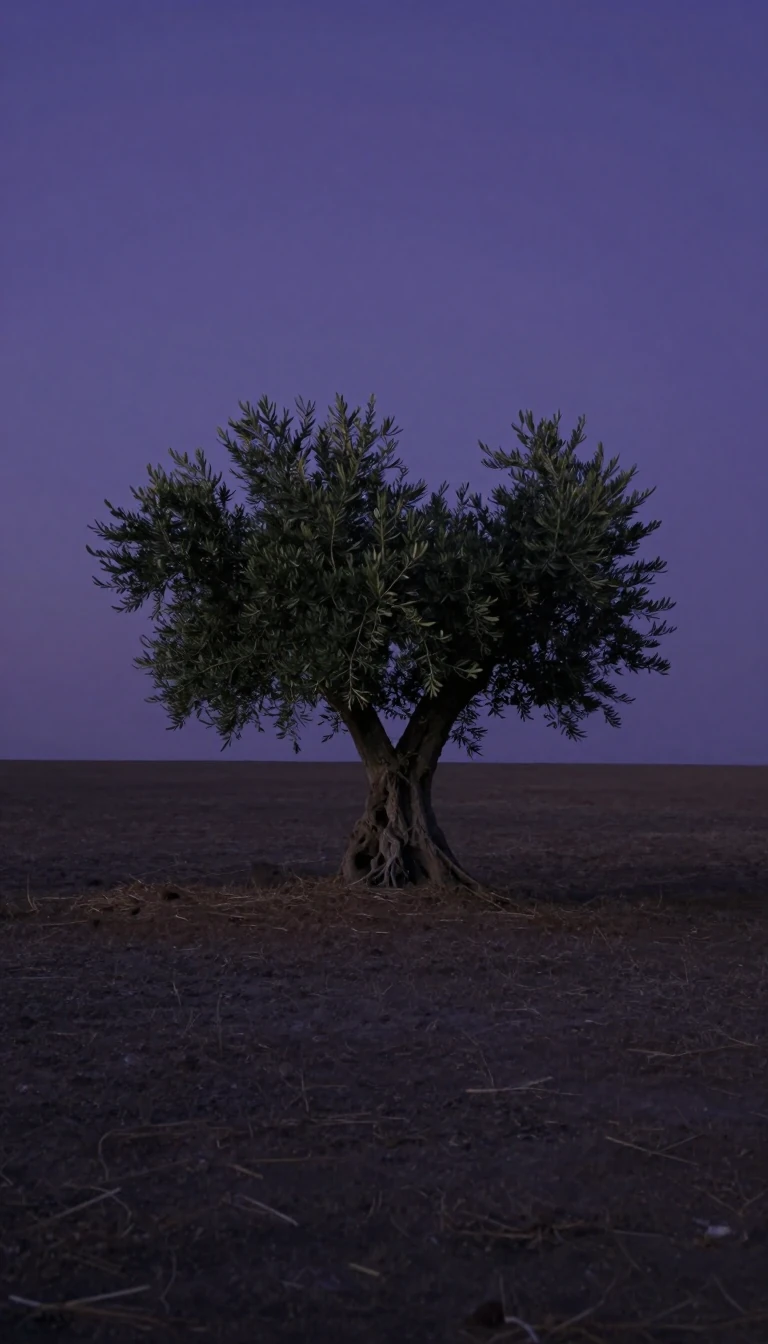 The resilient Aleppo pine: A Mediterranean icon that thrives in the harshest conditionsKnown for its heat tolerance and rapid growth, the Aleppo pine is a staple of Mediterranean landscapes. From flavoring traditional Greek wine to inspiring masterpieces by Paul Céz…
- The sugar pine is the world's most massive pine, but it is in decline.Known as the king of the conifers, the sugar pine is a record-breaking giant with cones that can reach 56 centimeters in length. Despite its historical dominance in the American W…
 How can a tree live for over five thousand years without dying?Bristlecone pines are among the oldest living things on Earth, with some individuals exceeding five millennia in age. Their secret to such extreme longevity is not just luck, but …
- The maritime pine is a master of survival that reshapes entire water ecosystems.Native to the Mediterranean, the maritime pine has become a formidable invasive species in South Africa. Its rapid growth, fire-adapted seed release, and high water consumption al…
 Is the iconic Italian stone pine actually a native of the Mediterranean?The stone pine is a quintessential symbol of the Mediterranean landscape, yet its true origins remain a subject of intense scientific debate. While long associated with Italian cu…
- The towering white pine that once fueled a revolution against the British CrownThe eastern white pine is more than a majestic forest giant; it is a historical protagonist. Once the backbone of the British Royal Navy, these trees were so vital that the Crown’…
- The loblolly pine is a genetic giant with a genome seven times larger than humans.As the second-most common tree in the United States, the loblolly pine is a commercial powerhouse. Beyond its rapid growth and timber value, this conifer holds a scientific distin…