 Intellect Plus
Gardening
2,464 cards. Each one is a 40-second story with a five-minute read behind it. Page 16 of 42.
Subtopics: Agriculture · Bonsai & topiary · Cacti & succulents · Composting & soil · Container & urban gardening · Famous gardens · Flowers · Fruit trees · Fungi · Garden design · Garden pests & diseases · Garden tools · Growing vegetables · Herbs · Houseplants · Hydroponics & greenhouses · Indigenous knowledge · Lawns · Other eukaryotes · Permaculture & organic · Plant history · Plant science · Plants · Pollination · Pollinators · Prokaryotes · Propagation · Roses · Soil · Techniques · Trees · Vegetables · Viruses · Water · Wildlife gardening
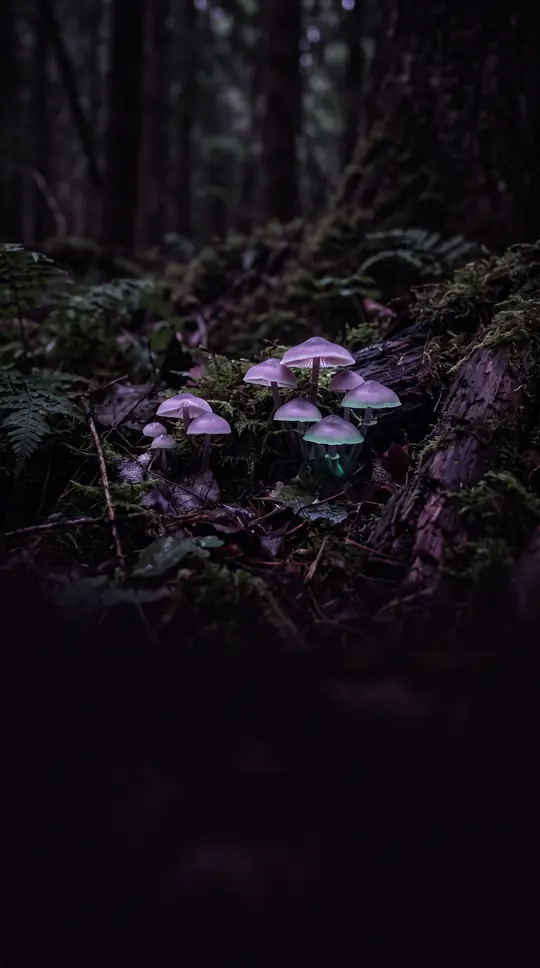 Why the world's most dangerous mushrooms are often mistaken for your dinnerEdible mushrooms are a culinary staple, yet they share a lethal resemblance to toxic species like the death cap. While humans have consumed fungi for over 13,000 years, improper i…
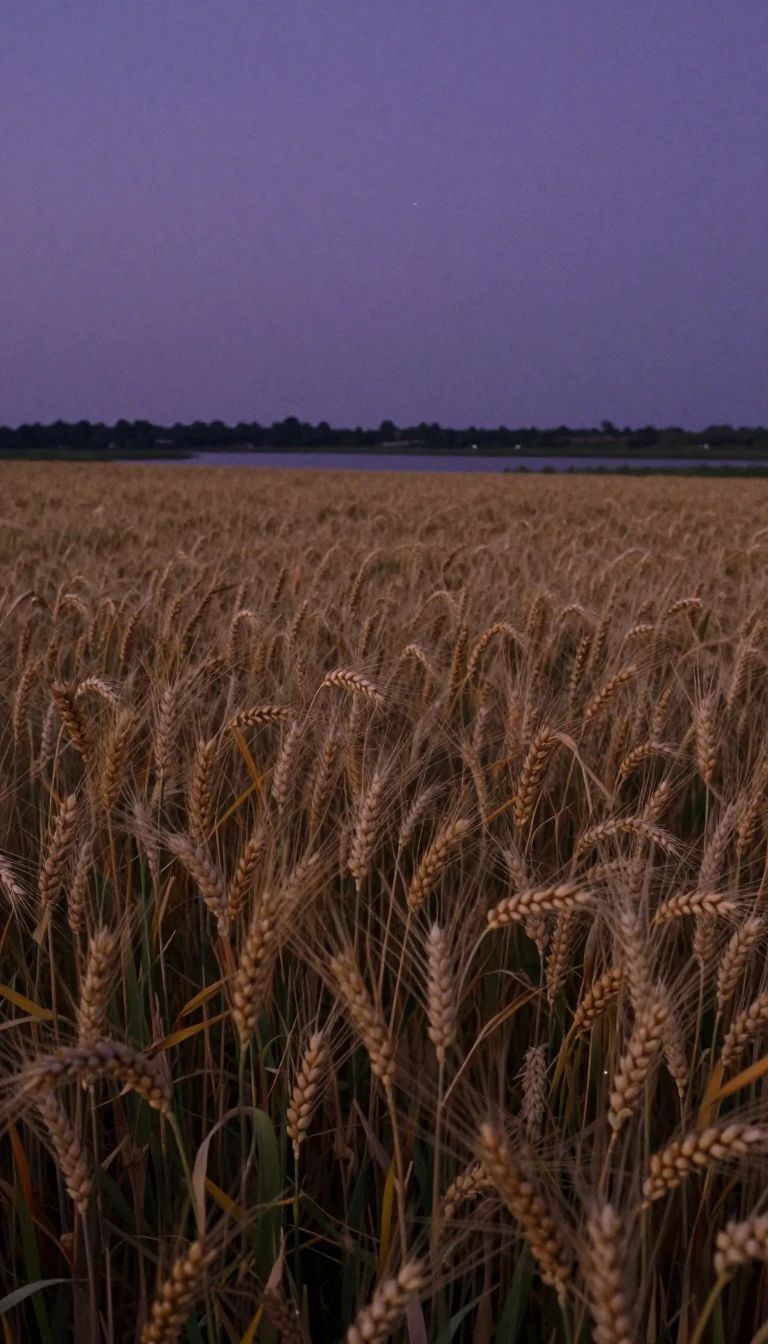 Einkorn: The ancient, resilient grain that humans accidentally domesticated 10,000 years agoEinkorn is a primitive wheat that survived on marginal soils long before modern agriculture. By selecting for plants that held onto their seeds rather than scattering them, early …
 The African oil palm is a botanical powerhouse that feeds and fuels the world.Native to the tropical regions between Angola and Gambia, Elaeis guineensis has become the most widely used vegetable oil source on Earth. This single species now accounts for ove…
- Emmer: The Ancient Grain That Shaped Early Human Civilization and AgricultureEmmer is a foundational hybrid wheat species that helped launch the agricultural revolution in the Near East. Once a staple of the ancient world, this resilient grain is now prima…
 Why this bitter salad green is the secret weapon for your winter gardenEndive is a versatile, lettuce-like vegetable that thrives when other greens fade. Whether you prefer the frilly, curly frisée or the broad-leaved, robust escarole, this plant off…
- These inconspicuous root-dwelling fungi may hold the secret to the evolution of all Dikarya.For 130 years, the genus Entorrhiza remained an evolutionary enigma. These fungi form subtle galls on the roots of sedges and rushes, hiding in plain sight. Recent molecular analy…
 Why these desert-dwelling shrubs are the ancient source of a modern stimulantEphedra shrubs are evolutionary outliers, standing as the sole genus in their entire biological order. Thriving in arid landscapes from the American Southwest to China, these resi…
 Beyond the illicit trade: The complex, ancient, and medicinal world of the Erythroxylum genusWhile infamous as the source of cocaine, the Erythroxylum genus encompasses roughly 230 to 250 species with deep roots in indigenous culture. These plants offer untapped potential…
 Bacteria have been shaping Earth for billions of years, long before complex life emerged.Bacteria are among the oldest inhabitants of Earth, with fossils dating back 3.5 billion years. Through rapid reproduction and the clever exchange of genetic material, these micro…
- Fungi are not plants, but they are our closest ancient evolutionary cousinsFor centuries, we misclassified fungi as simple plants. Modern genetics reveals a different story: fungi are a distinct kingdom that diverged from animals nearly a billion years a…
 How plants conquered the land: a billion-year journey from algal scum to forestsPlants did not simply walk onto land; they spent hundreds of millions of years evolving from simple algal mats into complex organisms. This transition required revolutionary innov…
 The humble bean pod is the secret engine behind global food security and soil health.The order Fabales encompasses over 20,400 species, yet one family—Fabaceae—dominates this group, accounting for more than 95 percent of its diversity. Beyond their role as a vital…
- The Fagaceae family: Why oaks, beeches, and chestnuts rule the Northern Hemisphere forestsThe Fagaceae family comprises roughly 1,000 species, serving as the ecological backbone of temperate forests across North America, Europe, and Asia. From the timber-producing oak …
 The ancient order of Fagales includes the world's most iconic temperate forest trees.From the sturdy oaks of the Northern Hemisphere to the southern beeches of Gondwana, the order Fagales defines landscapes across the globe. These woody plants, once grouped by the…
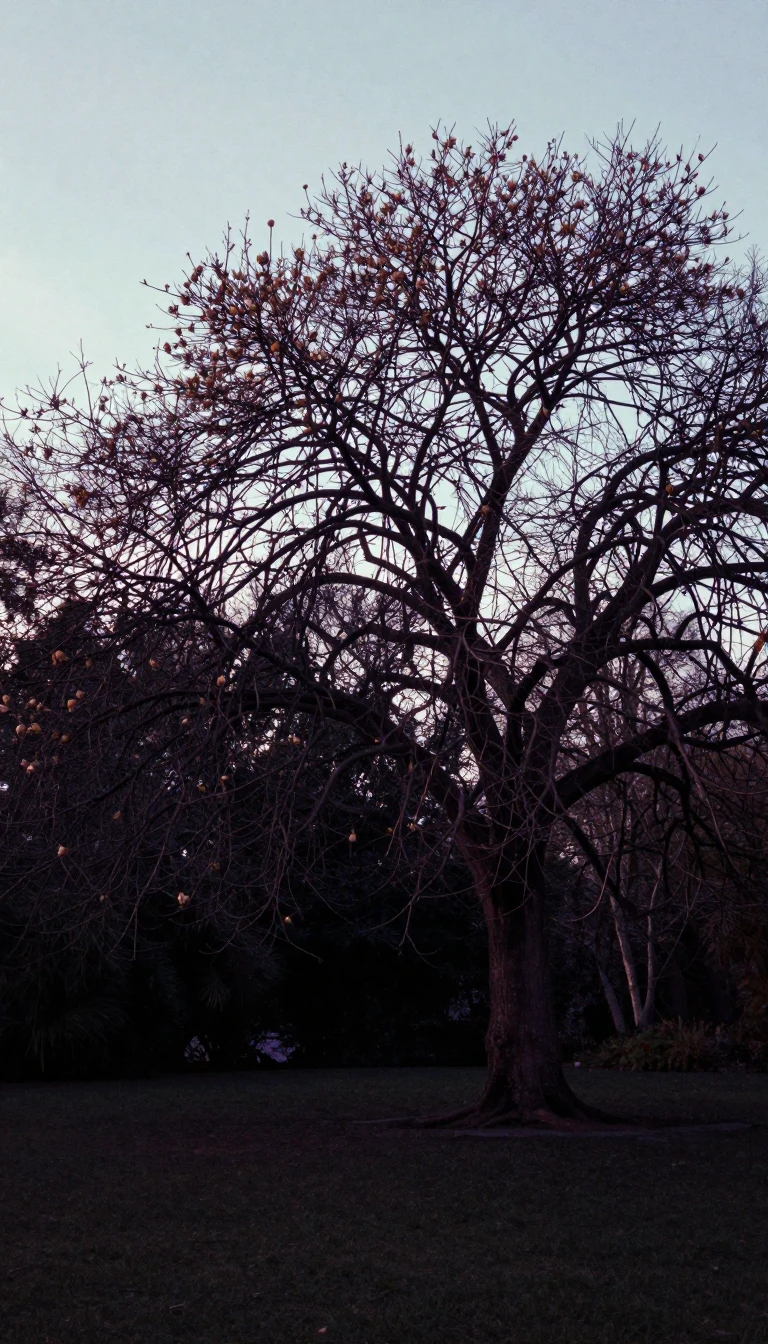 The European beech is a forest giant with a surprisingly complex human historyThe European beech is more than a common forest tree. It is a biological marvel that can live for half a millennium, hold its leaves through the winter, and serve as a cornerstone…
 The Pacific's heaven-gazing banana that stands tall against the common drooping varietyUnlike the familiar drooping bananas in your grocery store, the Fe'i banana grows its fruit in an upright, defiant cluster. These vibrant, orange-fleshed fruits were once a vital …
 The microscopic engines inside mammalian guts that turn tough plant fiber into energyDeep within the digestive tracts of cattle, pigs, and termites, a specialized group of bacteria works tirelessly to break down plant matter. Known as Fibrobacterota, these organis…
 Meet the tiny, star-shaped single-celled organisms that hold the secret to animal origins.Filasterea are microscopic, amoeboid creatures that bridge the gap between simple cells and complex animals. Named for their star-like appearance, these organisms possess long, ra…
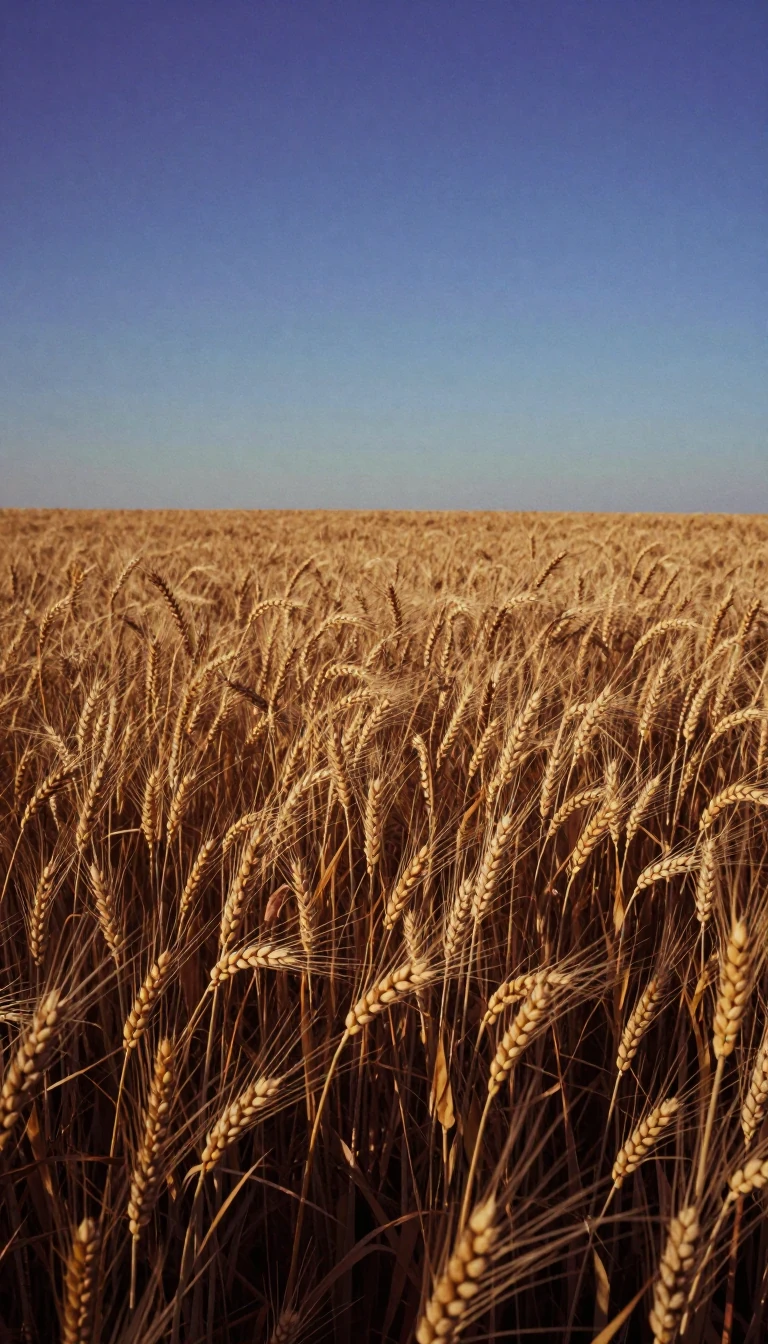 Finger millet is a resilient, iron-rich grain that can stay edible for fifty years.Native to the highlands of East Africa, finger millet is a nutritional powerhouse capable of surviving harsh droughts and high altitudes. While often overlooked for more labor-int…
- Why the enoki mushroom you buy looks nothing like the one in natureThe long, pale, delicate enoki mushrooms found in supermarkets are a product of darkness, not nature. While wild versions grow short and brown on tree stumps, controlled cultivati…
- The Fraser fir is a high-altitude survivor that became a holiday icon.Native only to the highest peaks of the southern Appalachian Mountains, the Fraser fir is a botanical marvel. Once known as she-balsam, this fragrant, pyramidal evergreen has surv…
 The Crown Imperial: A Striking Garden Giant With a Surprisingly Skunky SecretThe Fritillaria imperialis is a botanical showstopper, reaching heights of over a meter with bold, nodding blooms. Yet, beneath its regal appearance lies a pungent, sulfurous odor…
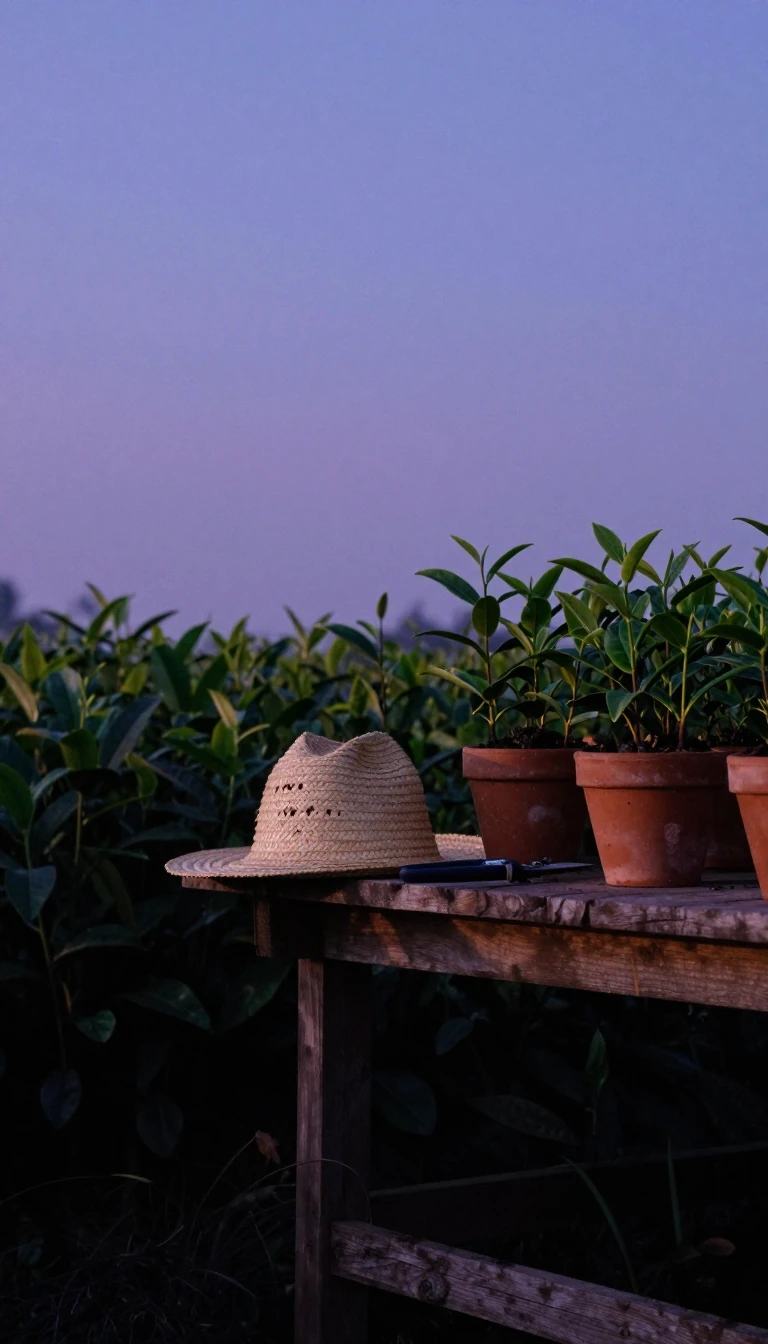 Hardy fuchsias are versatile, resilient shrubs that can transform your garden into a floral display.Often mistaken for delicate, tender plants, hardy fuchsias are actually robust shrubs capable of surviving winter chills. Whether you want a vibrant container display or a living …
 The global apple icon that began as a cross-bred experiment in 1939 JapanDeveloped at the Tōhoku Research Station, the Fuji apple transformed from a local Japanese project into a worldwide produce powerhouse. Known for its exceptional shelf life and de…
 Why some fungi are called imperfect and how they defy traditional biological classificationFungi imperfecti, or Deuteromycota, are a group of fungi that refuse to follow the rules of sexual reproduction. Because scientists have never observed them mating, they were hist…
 Why Chinese broccoli is the resilient, bitter cousin of your favorite supermarket cruciferous vegetableGai lan, often known as Chinese broccoli, is a hardy cool-season crop that thrives where other brassicas falter. With its glossy blue-green leaves and robust stems, this vegetable…
- How a New Zealand seedling became the world's most popular modern appleBorn from a 1930s cross-breeding experiment in New Zealand, the Gala apple has quietly conquered the global market. Once a niche seedling, this sweet, crisp fruit now dominates or…
 Beyond ginger: the aromatic rhizome that defined medieval medicine and Southeast Asian cuisineOften mistaken for its cousin ginger, galangal is a diverse family of pungent rhizomes essential to Southeast Asian cooking. From the floral, peppery heat in Thai soups to its his…
 The delicate snowdrop is a botanical puzzle that has baffled scientists for centuriesKnown for pushing through winter snow, the snowdrop is far more complex than its simple white bell suggests. While once classified by how its leaves fold in the bud, modern geneti…
- Why this fast-growing herb is a staple in both biology labs and kitchensGarden cress is more than a peppery garnish for your sandwich. This resilient, rapid-growing plant is a nutritional powerhouse, a staple in traditional medicine across the Middle …
 The ghost pepper is so intense it is used to deter wild elephantsKnown as the bhut jolokia in Northeast India, this superhot chili pepper is famous for its extreme pungency. While it once held the Guinness World Record for heat, its utility ext…
 A microscopic parasite with a smiley face is the world's most common intestinal invader.Giardia duodenalis is a persistent, globally distributed protozoan that hides in plain sight. Though it lacks traditional organelles like mitochondria, this two-nuclei organism th…
- These rare algae hold the secret to how plants first evolved on EarthGlaucophytes are a tiny, mysterious group of freshwater algae that offer a window into the deep past. Unlike their relatives, the red and green algae, these organisms retain ancie…
- The Gnetophytes are a botanical enigma, bridging the gap between ancient gymnosperms and flowering plants.Gnetophytes are a bizarre trio of plants that share almost nothing in common. From desert-dwelling shrubs to tropical vines and a singular, ground-hugging desert giant, these gymn…
- This ancient tree offers a potent, natural defense against modern chronic health threatsGnetum gnemon, a tree native to Southeast Asia, is far more than a culinary staple. Recent pharmacological research reveals its extracts possess powerful antioxidant, antibacteria…
 Golden algae are not just plants, but a complex group with a hidden history.Often found in freshwater, golden algae are a diverse group of organisms that defy simple categorization. Once mistaken for cyanobacteria, these algae possess a fascinating evolut…
- Why this humble yellow apple remains a titan of the global fruit industryDiscovered as a chance seedling in a West Virginia orchard, the Golden Delicious transformed from a local curiosity into a global staple. Beyond its sweet flavor and culinary vers…
- Why the humble gooseberry is a garden powerhouse hiding in plain sightOften overlooked and rarely found in supermarkets, the gooseberry is a hardy, versatile fruit that thrives in diverse climates. Whether you prefer sweet dessert varieties or tart …
- Cotton is not just a soft fabric but a complex, ancient, and diverse genus.Beyond the white fluff in your shirt lies Gossypium, a genus of fifty species ranging from Australian fire-adapted shrubs to Mexican trees. This plant family, which emerged millio…
 The global cotton industry relies on a shrub that originated in the Americas.Gossypium hirsutum is the world's most widely planted cotton species, accounting for about 90% of global production. Native to a range spanning Mexico to Ecuador and northeast Bra…
- The West African spice that once defined a coastline and fueled a royal monopolyKnown as grains of paradise, this pungent ginger relative once commanded such immense European value that it gave the West African coast its nickname. From fueling a 15th-century …
 Why Gram-negative bacteria turn pink and pose a unique challenge to modern medicineGram-negative bacteria are defined by a thin cell wall and a complex outer membrane. This structure makes them resistant to many antibiotics and capable of releasing toxic substan…
- A chance seedling found in an Australian creek bed conquered the global fruit market.In 1868, Maria Ann Smith discovered a mysterious apple tree growing near a creek on her New South Wales farm. What began as a discarded core from French crab-apples became a globa…
- Why the maitake mushroom is known as the dancing mushroom in JapanKnown as hen-of-the-woods or maitake, this polypore fungus is a culinary staple across East Asia. Growing at the base of ancient oaks and maples, it emerges from a potato-sized un…
- The habanero pepper is a botanical traveler with a surprisingly floral, citrus-infused heat profile.Often misunderstood as purely painful, the habanero is prized by connoisseurs for its complex, fruity aroma. While it once held the title of the world's hottest pepper, its true a…
- Despite its misleading name, this common bacterium is not the cause of influenza.Haemophilus influenzae is a frequent inhabitant of the human respiratory tract, yet it is often misunderstood. While it does not cause the flu, it can trigger severe, life-threate…
 Halobacterium uses a unique light-driven energy system that functions without chlorophyll.While most life relies on chlorophyll for photosynthesis, the archaeon Halobacterium employs a distinct mechanism. It uses a protein called bacteriorhodopsin to capture light ener…
- Every Hass avocado you have ever eaten comes from one single mother treeThe world's most popular avocado variety was not the result of a scientific breeding program. It began as a single, accidental seedling in a California backyard in 1926. Today, ev…
- Why millions carry a silent liver infection without ever feeling a single symptomHepatitis C is a bloodborne virus that often hides in plain sight. Most people infected show no signs of illness for years, yet the virus quietly damages the liver. While it can l…
 Herpesviruses are ancient, complex masters of cellular persistence that have co-existed with humanity for millennia.Far from simple infections, herpesviruses are among the largest and most complex viruses known. These double-stranded DNA pathogens have evolved to survive indefinitely within the…
 The Monterey cypress is a global traveler with a misunderstood, ancient reputationNative to a tiny sliver of the California coast, the Monterey cypress has been planted from New Zealand to the Falkland Islands. While often romanticized as a millennial giant, th…
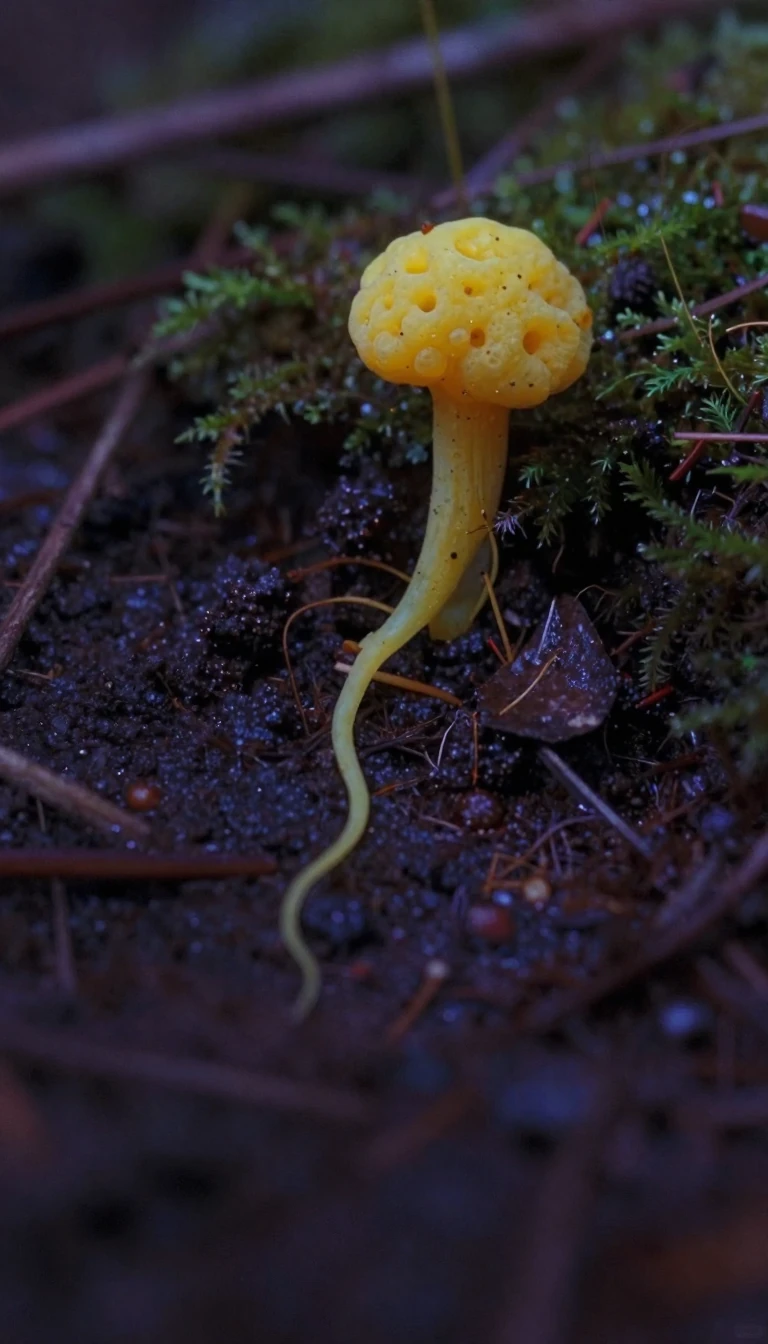 Animals are not alone: meet the Holozoa, our closest single-celled evolutionary cousinsWe often think of animals as a distinct branch of life, but we are actually part of a larger clade called Holozoa. This group includes all animals alongside their closest unicellu…
- Why the Honeycrisp apple is a triumph of academic research and agricultural innovationThe Honeycrisp apple is more than a grocery store staple; it is a scientific breakthrough. Developed by the University of Minnesota, this cultivar revitalized family orchards and …
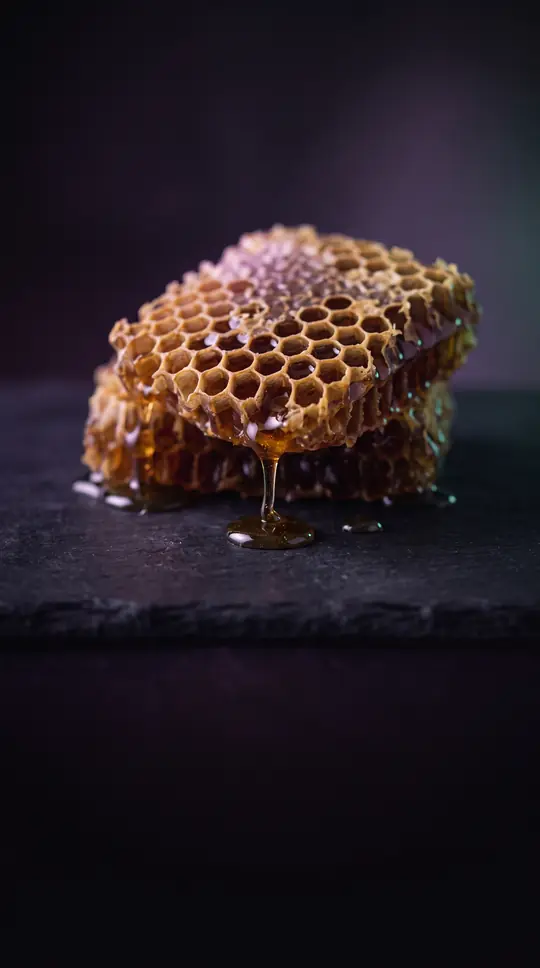 The surprising history of the honeydew melon, from French fields to Chinese fameThe honeydew melon is a global staple, yet its identity is a patchwork of international influence. Known as the White Antibes in France, it became a Chinese sensation thanks to a …
 Why the fragrant honeysuckle is both a gardener's dream and a global ecological threatHoneysuckle is prized for its intense fragrance and ability to cloak walls in lush, tubular blooms. Yet, beneath this romantic exterior lies a botanical opportunist. While some va…
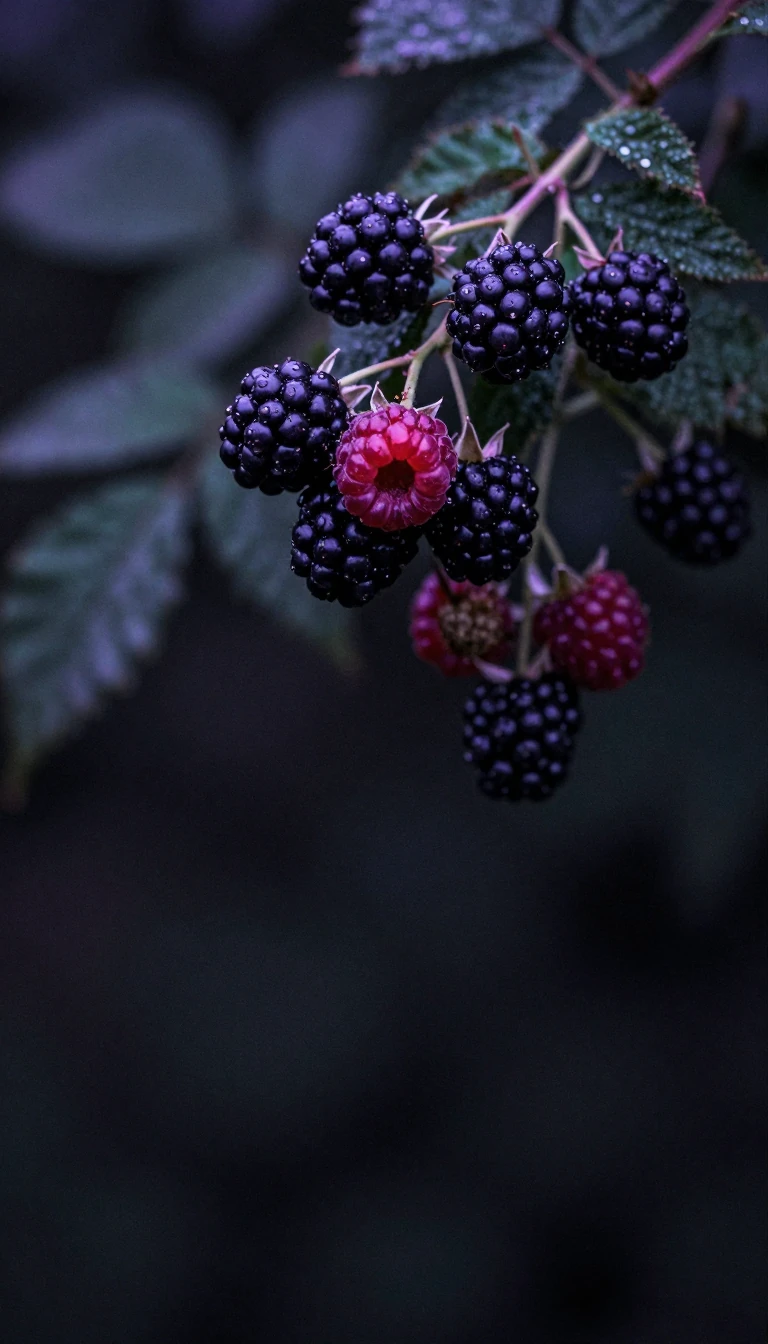 The elusive huckleberry is a botanical puzzle with a rich history in American slangHuckleberries are not just a single fruit but a label for various plants across two distinct genera. While they resemble blueberries, they remain notoriously difficult to cultivat…
- Why the humble hop is actually a wolf in sheep's clothingHumulus lupulus is more than just a beer ingredient. This perennial climber, a close relative of cannabis, has been cultivated for millennia. Beyond its role in brewing, it posses…
 Why the vibrant hyacinth is a masterclass in seasonal garden engineeringHyacinths are iconic for their heady scent and dense, colorful spikes, but their spectacular spring performance is often a one-time show. While these bulbs can be coaxed into retu…
- The ancient herb that wards off demons and treats modern depression with equal fervor.St. John's wort is more than a garden resident. Known historically as a magical shield against evil spirits, this resilient perennial is also a scientifically recognized treatment…
- Is the hyssop mentioned in ancient texts actually the plant growing in your garden?Hyssopus officinalis is a vibrant, aromatic shrub prized in traditional medicine for its soothing effects. Yet, historians debate whether this plant is the same hyssop referenced …