 Intellect Plus
Gardening
2,464 cards. Each one is a 40-second story with a five-minute read behind it. Page 20 of 42.
Subtopics: Agriculture · Bonsai & topiary · Cacti & succulents · Composting & soil · Container & urban gardening · Famous gardens · Flowers · Fruit trees · Fungi · Garden design · Garden pests & diseases · Garden tools · Growing vegetables · Herbs · Houseplants · Hydroponics & greenhouses · Indigenous knowledge · Lawns · Other eukaryotes · Permaculture & organic · Plant history · Plant science · Plants · Pollination · Pollinators · Prokaryotes · Propagation · Roses · Soil · Techniques · Trees · Vegetables · Viruses · Water · Wildlife gardening
 The ancient, slow-growing saw palmetto is a survivor of the American coastal landscapeKnown as Serenoa repens, this hardy fan palm thrives across the Southeastern United States. While its sharp, tooth-edged leaves make it a formidable presence in pine woods and san…
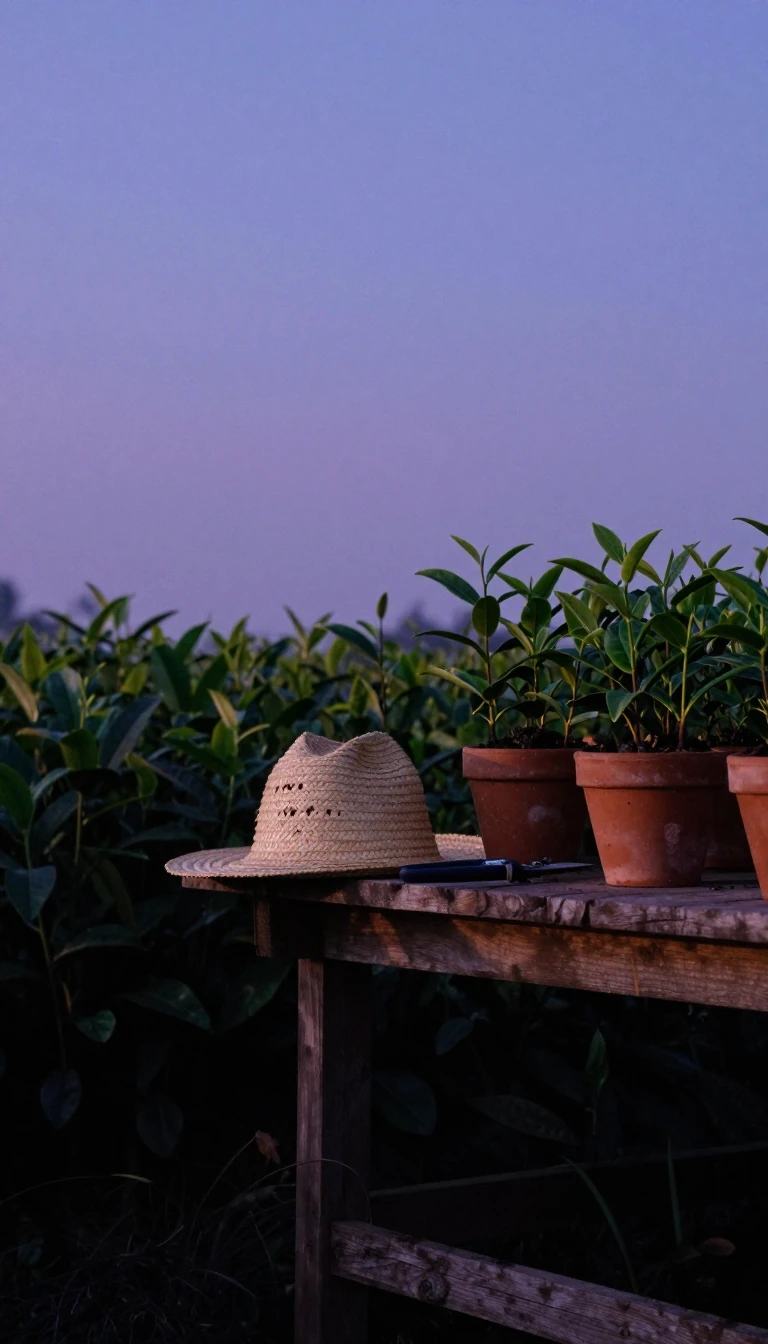 Shallots are not just small onions, but a unique, cluster-forming culinary powerhouse for gardeners.Often confused with standard onions, shallots are distinct, sweet, and mild bulbs that grow in clusters rather than as single units. Whether you are a novice gardener or a seasone…
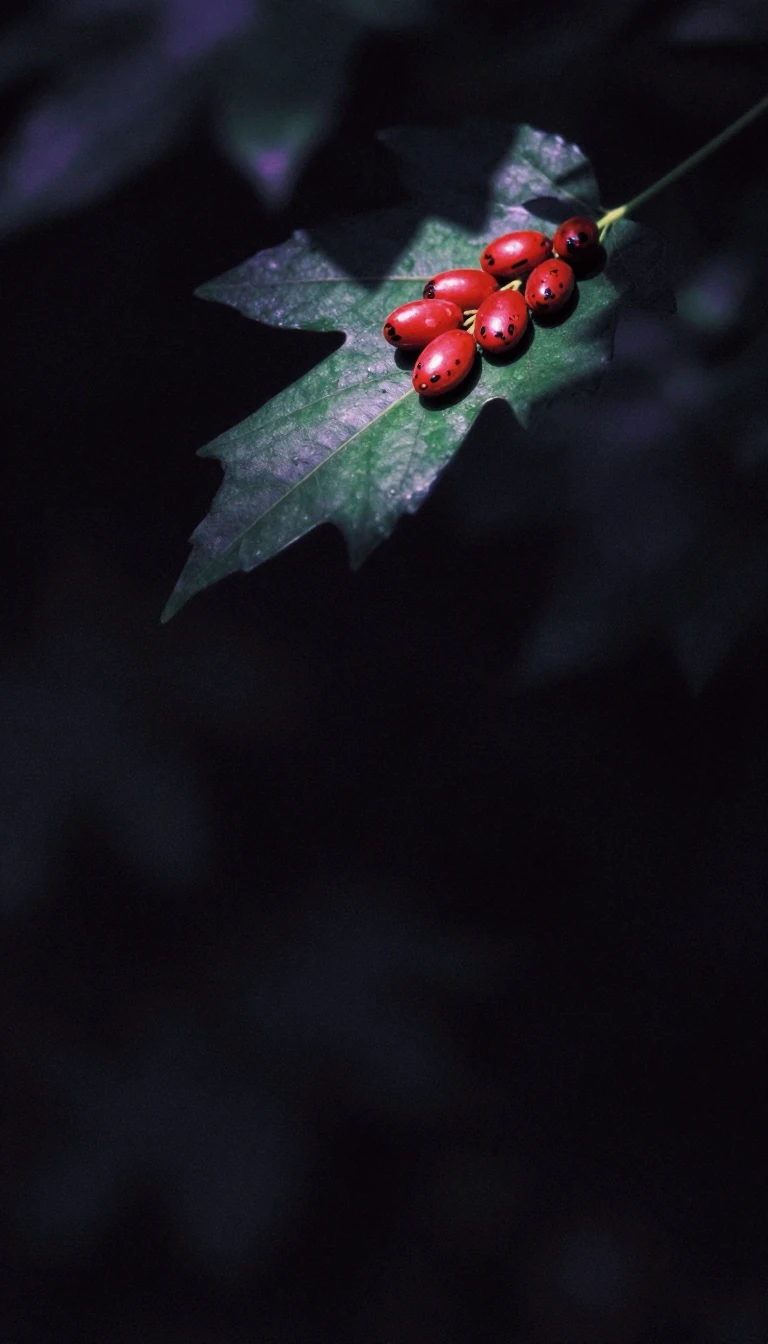 The snow pea is a botanical misnomer that thrives in cool, nitrogen-rich soilDespite their chilly name, snow peas are not winter-hardy wonders. These flat-podded legumes are actually a genetic marvel, lacking the fibrous inner parchment that makes other pe…
 The prickly soursop is a tropical superfood, but its seeds are strictly off-limits.Known as guanabana or graviola, the soursop is a creamy, sweet-tart fruit native to South America. While it is packed with fiber and antioxidants, the plant hides a dangerous secr…
 Why this humble garden squash transforms into a perfect pasta alternative when cookedSpaghetti squash is a botanical marvel that defies expectations. While it appears as a solid, unassuming fruit on the vine, its internal structure undergoes a remarkable transform…
 The spiral-shaped algae found on every continent, including the frozen wastes of AntarcticaKnown as water silk or mermaid's tresses, Spirogyra is a genus of filamentous green algae defined by its unique helical chloroplasts. Found in freshwater habitats globally, these …
 Why your bird of paradise plant might take a decade to bloomThe iconic bird of paradise is a slow-growing tropical masterpiece that demands patience. While these South African natives make stunning centerpieces with their paddle-shaped lea…
 Streptococcus pneumoniae is a master of genetic adaptation that shapes human health and history.This bacterium is a common resident of the human respiratory tract, yet it is also a formidable pathogen. Beyond its clinical impact, it served as the key to unlocking the secrets…
 These ancient, living rock structures are built by microscopic, light-harvesting engineersStromatolites are layered, mineralized structures formed by microbial mats, primarily cyanobacteria. These organisms trap and cement sediment into distinct, dome-shaped or flat fo…
 These extreme microorganisms use a primitive form of sex to repair their damaged DNA.Sulfolobus are heat-loving, acid-dwelling archaea that thrive in volcanic springs. When exposed to DNA-damaging threats like UV radiation, these microbes aggregate to swap genetic…
 Beyond the spice rack: Why this ancient red berry was once a restricted imperial color.Known for its tart, lemony profile in Middle Eastern dishes, sumac is far more than a culinary staple. This versatile shrub has served as a powerful dye, a medicinal remedy, and e…
- Why summer squash are the fleeting, delicate treasures of your vegetable gardenUnlike their long-lasting winter cousins, summer squashes are harvested young while their skins remain tender. These rapid-growing, sun-loving plants offer a diverse array of shap…
 The sweet chestnut is an ancient, resilient tree that has fed civilizations for millennia.Long before it became a seasonal treat, the sweet chestnut was a vital resource for Roman soldiers and medieval communities. Capable of living for over 1,000 years, this versatile…
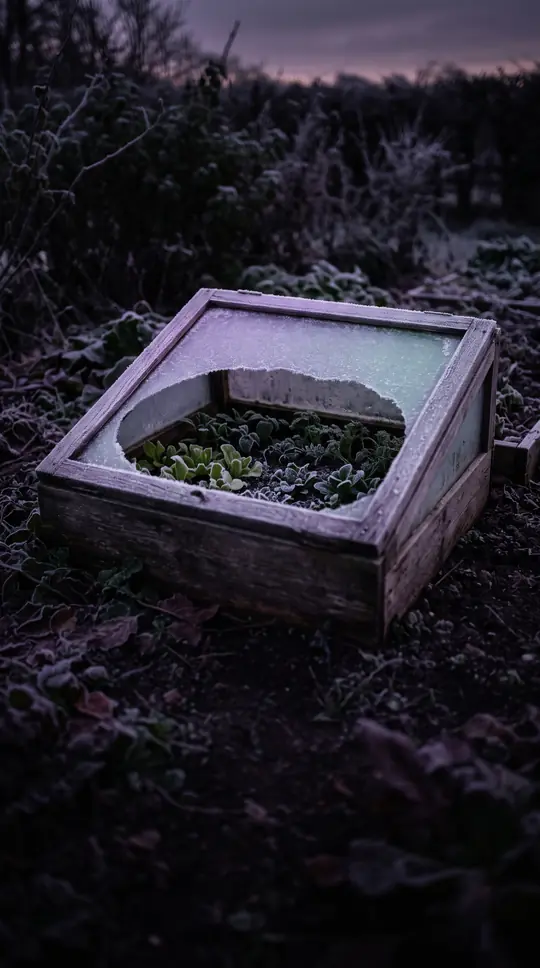 Why your home-grown sweetcorn needs to be planted in a block, not a rowSweetcorn is a wind-pollinated grass, not a typical vegetable. If you plant it in a single long line, the wind will likely blow the pollen away from the silk, leaving you with spa…
 The queen palm is a botanical traveler with a messy, debated identity history.Known globally as the queen palm, Syagrus romanzoffiana is a South American native that has spent two centuries confusing botanists. From being misidentified as a coconut relative…
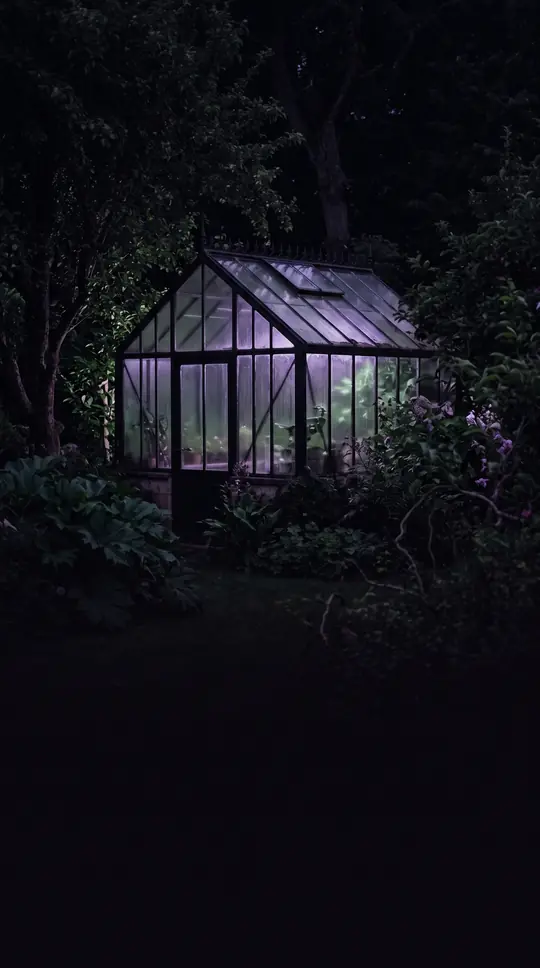 The lilac's name comes from a Persian word for the color of indigoBeyond their spring fragrance, lilacs are botanical survivors with a history spanning from ancient medicine to modern literature. While often associated with first love, these har…
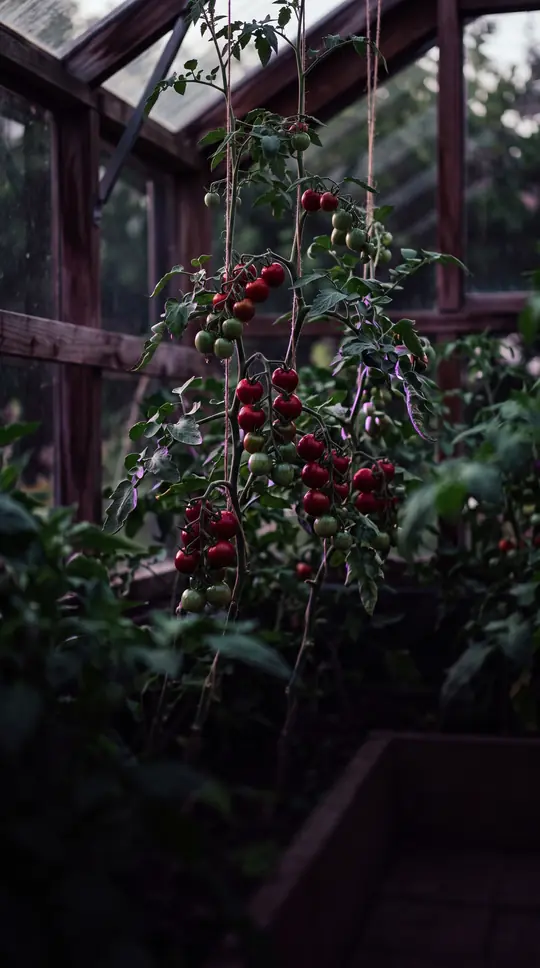 The Tabasco pepper is a heat-loving plant that defies gravity as it ripensOriginating in Mexico, the tabasco pepper is famous for its role in iconic hot sauces. These bushy plants produce unique, upward-facing fruits that transition through a vibrant co…
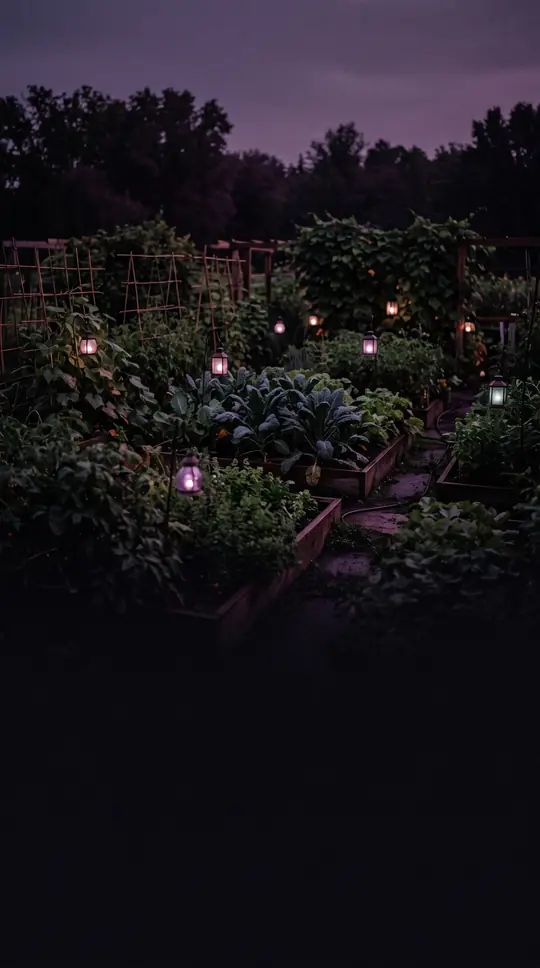 The tangerine is a botanical enigma that defies simple classification and naming conventionsIs a tangerine a distinct species or just a fancy mandarin? Depending on which scientific system you consult, the answer changes. From its origins as a Moroccan export to its stat…
 Why the best tarragon for your kitchen is impossible to grow from seedIf you want the true, anise-scented French tarragon for your cooking, do not look for seeds. This culinary staple is sterile and must be propagated through cuttings or root divisi…
- The Yew Family: Ancient Conifers That Hide Deadly Poisons Inside Sweet, Juicy FruitThe Taxaceae family, or yews, are small, resilient conifers with a deceptive secret. While their bright, fleshy arils attract birds to disperse their seeds, the seeds themselves c…
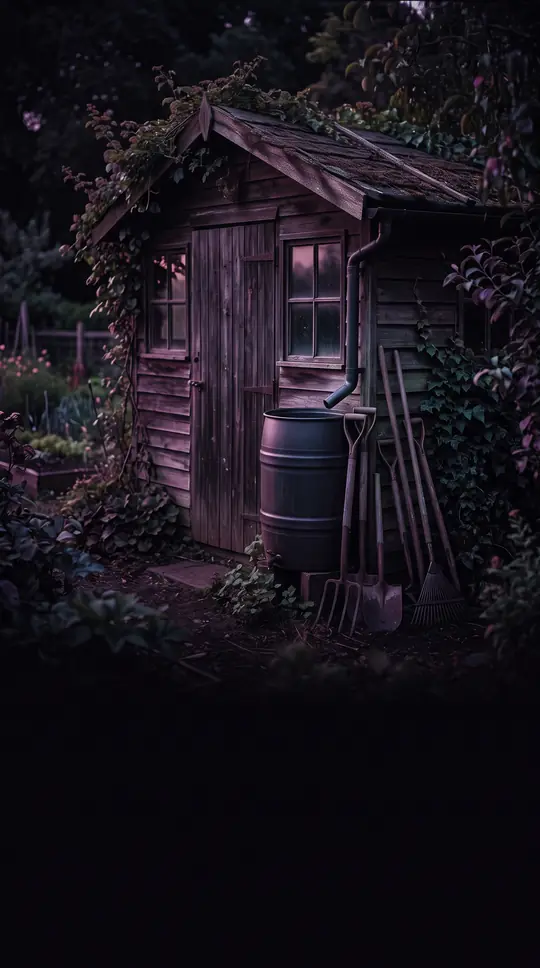 The ancient swamp dweller that thrives in your backyard and resists the elementsKnown as the Wood Eternal, the bald cypress is a resilient, long-lived conifer that defies expectations. While it dominates southern swamps with its iconic root-knees, this versat…
- The yew tree is a lethal weapon, a cancer-fighting miracle, and a living legend.From the longbows that decided the Battle of Agincourt to the modern chemotherapy drugs derived from its foliage, the yew is a paradox. It is a highly toxic, long-lived conifer th…
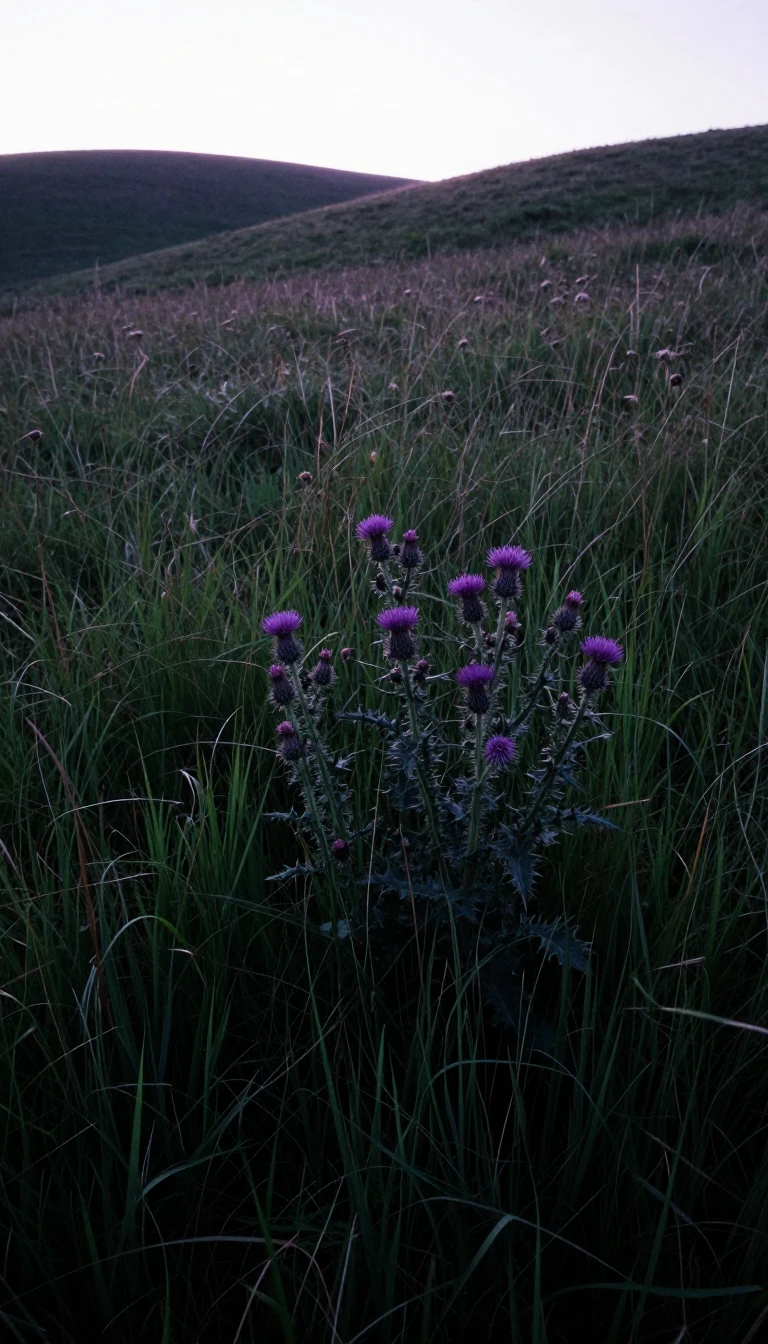 The deadly, long-lived yew tree was once the backbone of European military power.Taxus baccata is a paradox: an evergreen symbol of immortality that is lethal to almost everything it touches. Prized for centuries as the essential material for English longbows,…
- The Pacific yew is a slow-growing, rot-resistant conifer that once fueled a cancer breakthrough.Native to the Pacific Northwest, the Pacific yew is a resilient, shade-tolerant tree known for its toxic foliage and rot-resistant wood. While historically prized by Native Americ…
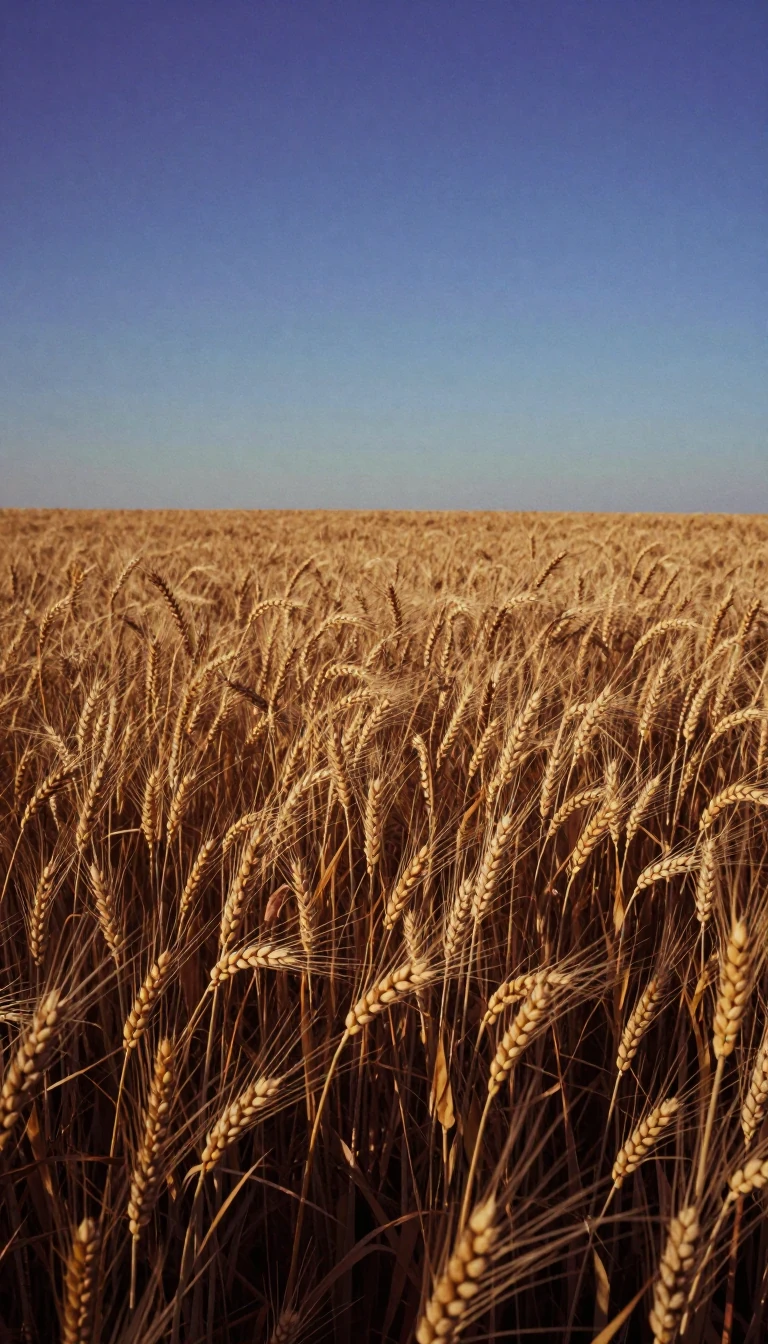 Teff is an ancient, resilient cereal that feeds millions but remains notoriously difficult to farm.Native to the Ethiopian Highlands, teff is a tiny, nutrient-dense grain that has sustained cultures for thousands of years. Despite its ability to thrive in diverse climates, this…
 Why Thai basil is the secret to authentic Southeast Asian flavor profilesThai basil is not just a garnish; it is a culinary powerhouse. With its distinctive purple stems and anise-like aroma, this sturdy herb stands up to high heat better than its West…
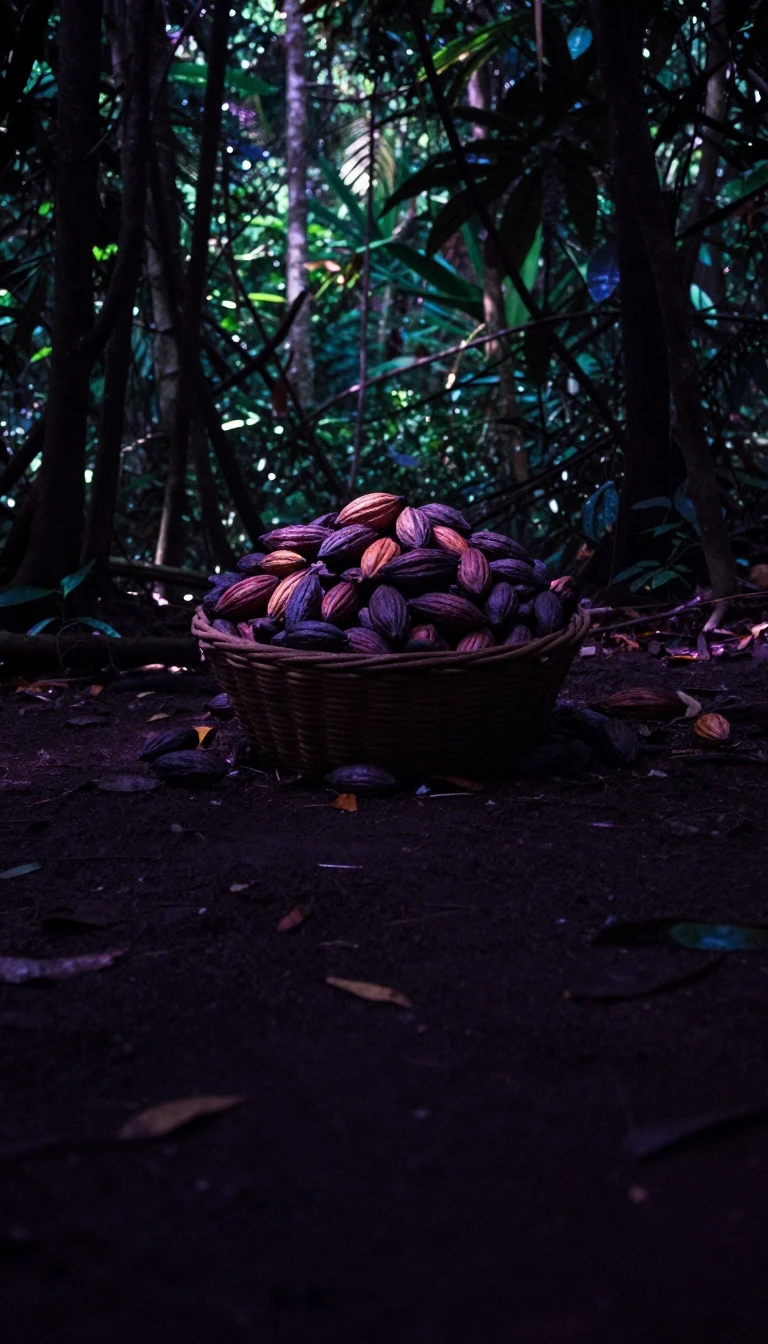 Theobroma cacao: Why the Food of the Gods is a Fragile Tropical TreasureThe scientific name for the cacao tree translates to food of the gods, yet this delicate evergreen is notoriously difficult to cultivate. Thriving only in specific, humid forest u…
- These heat-loving microbes thrive in conditions that would dissolve most living things.Thermoplasma are resilient archaea that call volcanic vents and coal refuse piles home. Lacking a traditional cell wall, these organisms have evolved a specialized membrane to sur…
- The ancient kingdom of Thermoproteati holds the secret to our own evolutionary originsDeep within the Earth's most extreme environments, from boiling hydrothermal vents to subterranean gold mines, lives a mysterious group of organisms called Thermoproteati. As a si…
 The ability to produce methane is far more widespread than scientists once believed.For decades, methane production was thought to be the exclusive domain of the Euryarchaeota. Recent discoveries have shattered this assumption, revealing that diverse archaeal phy…
 The tomatillo is an ancient, self-incompatible nightshade that predates modern tomatoes by millions of years.Often mistaken for a green tomato, the tomatillo is a distinct, husk-covered fruit with a history stretching back 52 million years. While it was a cornerstone of Maya and Aztec cu…
- The Toxicodendron genus contains plants that are not actually poisonous, but highly allergenic.While many fear poison ivy and poison oak, these plants do not contain toxins in the traditional sense. Instead, they produce urushiol, a potent oil that triggers severe contact d…
 The tree that produces the world's most durable finish is also highly toxic.The Chinese lacquer tree yields a milky sap that transforms into a glossy, waterproof, and near-indestructible coating. This ancient material, known as urushi, has protected Asian…
 Why these common garden wildflowers are actually sophisticated biological sensors for environmental radiationTradescantia are more than just resilient, fast-growing perennials. Beyond their popularity as ornamental houseplants and garden staples, these plants possess a unique biological …
 Treponema pallidum is a master of stealth, surviving by stripping away its own identity.This helically coiled bacterium causes syphilis, yaws, and bejel, yet it remains one of the most elusive pathogens in human history. By maintaining a minimal genome and a nearly i…
 Triticale is a man-made hybrid designed to combine the best of wheat and rye.Born in 19th-century laboratories, triticale is an artificial grain that merges the high yield and quality of wheat with the rugged environmental tolerance of rye. Though early ve…
 The parasite that shaped African history by turning the tsetse fly into a gatekeeper.Sleeping sickness, caused by the protozoan Trypanosoma, has historically dictated where humans could settle and farm in sub-Saharan Africa. Transmitted by the bite of the tsetse f…
 The silent parasite: how a tiny bug bite can alter your heart for decadesTrypanosoma cruzi is a protozoan parasite that infects eight million people, often hiding in the body for decades before causing life-threatening cardiac or digestive damage. Whil…
 Despite their ominous name, hemlock trees are not poisonous and have no toxic properties.The name hemlock is a botanical misnomer, derived from a perceived scent similarity to an unrelated, toxic plant. These conifers, belonging to the genus Tsuga, are actually safe, …
 The invisible mould in your garden that can threaten your respiratory healthYou likely encounter Aspergillus mould daily in soil, compost, and rotting leaves. While harmless to most, this common fungus can trigger serious lung conditions in vulnerable ind…
 The broadleaf cattail is a global survivor that feeds, heals, and cleans our water.Known as the broadleaf cattail or bulrush, Typha latifolia is a remarkably versatile helophyte found across the temperate Northern Hemisphere. Beyond its role in diverse ecosystem…
 The Elm Family: Why These Resilient Yet Vulnerable Giants Shape Our LandscapesThe Ulmaceae family, home to the iconic elm, has long defined temperate forests and urban shade. Prized for their durable timber and elegant, lopsided foliage, these trees are now…
- The American Elm: A Once-Ubiquitous Icon Facing a Century of Botanical StruggleThe American elm was once the quintessential street tree, prized for its rapid growth and elegant, arching canopy. However, the 20th century brought a devastating fungal plague th…
 Is the David elm a single species or two distinct trees in disguise?Named after a French missionary, the David elm is a resilient tree native to East Asia. While often grouped together, botanists have long debated whether it represents a single sp…
- The Wych Elm: A resilient, storied giant currently fighting for its survivalThe wych elm is the only indisputably native elm of the British Isles, stretching from Ireland to the Ural Mountains. Once a symbol of connection to the earth, this montane specie…
- The European white elm is a flood-loving survivor that defies traditional elm behaviorNative to river valleys from France to Kazakhstan, the European white elm is a unique tree that thrives in waterlogged, anoxic soil. Unlike its relatives, it often escapes Dutch e…
- The field elm is a botanical puzzle of clones surviving centuries of diseaseUlmus minor, the field elm, is a polymorphic tree that has long confounded taxonomists. Once a common sight across European landscapes, this resilient species is now rare in culti…
 Why the Chinese elm is often misidentified and unfairly blamed for poor performance.The Chinese elm is a botanical victim of mistaken identity. Often confused with the weak, disease-prone Siberian elm, the true lacebark elm is a resilient, hardy survivor. With it…
 The Slippery Elm: A North American Tree That Once Helped Pitchers Throw CurveballsKnown for its mucilaginous inner bark, the slippery elm is a versatile North American native. Beyond its traditional use as a soothing demulcent, this tree provided durable timber…
 The beard-like lichen that acts as a living barometer for your local air qualityOften mistaken for Spanish moss, Usnea is a shrubby lichen that thrives only in pristine environments. Because it is highly sensitive to pollutants like sulfur dioxide, its presen…
- The bladderwort is a carnivorous plant that hunts with the fastest trap on Earth.Forget the snapping jaws of the Venus flytrap. The bladderwort uses a vacuum-sealed underwater suction trap that triggers in milliseconds. These rootless, carnivorous plants thriv…
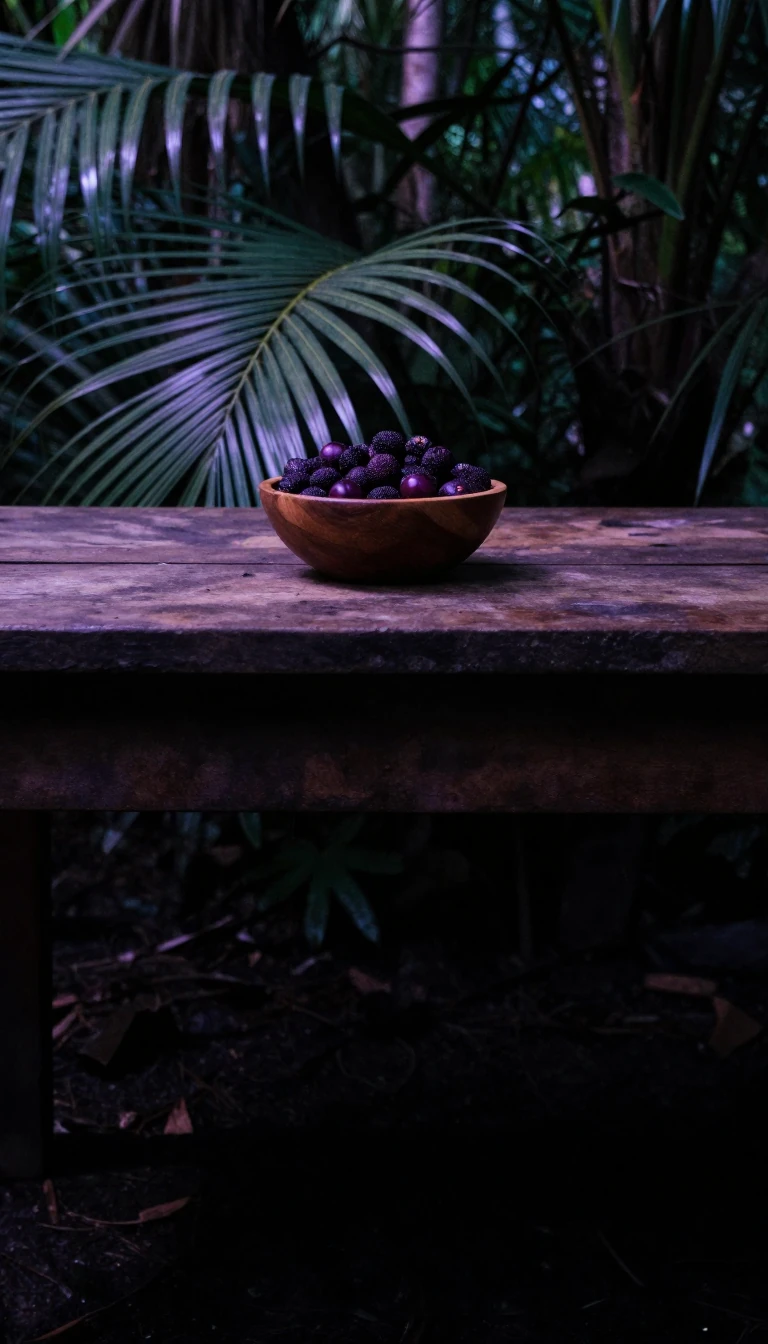 The diverse Vaccinium genus includes everything from common blueberries to mysterious tropical epiphytesFrom the familiar blueberry in your morning bowl to wild cranberries and huckleberries, the Vaccinium genus is a global powerhouse of edible fruit. These shrubs, which thrive in a…
- Why the iconic thorn trees of Africa are no longer called true acaciasFor centuries, the iconic thorn trees of the African savanna were known as acacias. But in 2009, a major taxonomic shift moved them into a new genus: Vachellia. This change was no…
- The resilient umbrella thorn is a desert survivor with surprising medicinal potentialVachellia tortilis, an iconic tree of arid African and Middle Eastern landscapes, is far more than a desert landmark. Beyond its ability to endure extreme drought and heat, this h…
 The Venus flytrap is not a mindless killer but a calculated, energy-conscious hunterThis iconic bog plant does not eat for energy, but to survive in nutrient-poor soil. It uses a sophisticated electrical signaling system to avoid wasting precious resources on ine…
- These salt-loving bacteria thrive in coastal waters and can turn a swim deadly.Vibrio are comma-shaped bacteria that naturally inhabit coastal environments, peaking in number when water temperatures rise between May and October. While most species are harmle…
 The deadly bacterium that thrives in salty water and hitches rides on shellfishVibrio cholerae is a comma-shaped bacterium that causes cholera, a severe diarrheal disease. While it naturally inhabits brackish and coastal waters, it becomes a major public hea…
- The giant waterlily is a masterclass in aquatic engineering and botanical mystery.The Victoria genus produces some of the largest leaves in the plant kingdom, reaching over three meters in width. These aquatic giants are not just impressive for their scale; the…
- Beyond the Black-Eyed Pea: The Hidden Diversity of the Vigna GenusYou likely know them as black-eyed peas or mung beans, but these legumes belong to a vast, pantropical genus called Vigna. Named after a seventeenth-century Italian botanist, this…
- Could this resilient, protein-packed legume be the future of food in arid climates?The moth bean is a drought-defying powerhouse capable of thriving on minimal water and poor soil. While it is a staple in India, its potential to combat food insecurity in semi-ar…