 Intellect Plus
Ideas & Philosophy
17,867 cards. Each one is a 40-second story with a five-minute read behind it. Page 184 of 298.
Subtopics: Abrahamic religions · Artificial intelligence · Attention · Classic philosophy · Cognitive biases · Consciousness · Cooperation · Cynicism · Decision making · Decision theory · Descartes · Dharmic religions · Dreams · Eastern philosophy · Eastern religions · Epistemology · Ethics · Evidence · Existentialism · Fairness · Famous psychology experiments · Free will · Game theory · Greek mythology · Historians · Identity · Infinity · Justice · Logic · Logical fallacies · Mathematics · Medieval philosophy · Mind · Mythology · Mythology of the ancient world · Other religions · Paradoxes · Philosophers · Philosophers, historians, political and social scientists · Philosophy · Philosophy of mind · Philosophy of science · Political philosophy · Probability · Psychology · Reality · Religion · Religion and spirituality · Religious figures · Self knowledge · Statistics · Stoicism · Strategy · Taoism · Thought experiments · Trivia & curiosities · Truth · Utopias & ideal worlds · Wellbeing · World religions · Writers
 How a Fourteenth-Century Monk Created the Most Influential School of Tibetan BuddhismFounded by the philosopher Je Tsongkhapa, the Gelug school rose from a single monastery to become the dominant political and religious force in Tibet. By synthesizing rigorous mon…
 Why many critics consider Gene Wolfe the greatest living American writer you have never read.An industrial engineer who helped design the machine that makes Pringles, Gene Wolfe quietly crafted some of the most complex, layered fiction of the twentieth century. Celebrated…
 Why generosity evolved from a marker of noble birth to a personal virtueGenerosity was once a literal description of aristocratic lineage, not a character trait. Today, we view it as a universal virtue, but the science of giving reveals it is deeply t…
 The Elizabethan poet whose Homeric translation inspired Keats and landed him in prisonGeorge Chapman was a brilliant English dramatist and poet whose translation of Homer defined the English literary standard for centuries. Beyond his classical mastery, his life wa…
 Georges Simenon: The Prolific Belgian Master Who Sold Half a Billion NovelsGeorges Simenon was a literary titan who published nearly 400 novels, including the iconic Inspector Maigret series. Beyond his detective fiction, he earned the admiration of heav…
 The ghoul began as a desert-stalking jinn before becoming a Western grave-robbing nightmare.In ancient Arabic folklore, the ghoul was a shape-shifting spirit that lured travelers into the wilderness to devour them. Over centuries, this desert predator migrated to the Wes…
 How a baker's son became Italy's most celebrated architect of children's imaginationGianni Rodari rose from humble beginnings in northern Italy to become the nation's most important 20th-century children's author. A former teacher and resistance fighter, he trans…
 Gil Scott-Heron: The Bluesologist Who Shaped the Sound of Modern Hip-HopKnown as the godfather of rap, Gil Scott-Heron fused jazz, soul, and street poetry to critique the social and political landscape of 1970s America. His work, including the iconic …
 How a diplomat and Nobel laureate became the voice of Greek resistance against tyrannyGiorgos Seferis was a career diplomat who spent his life navigating international tensions, yet he is best remembered for his lyrical poetry and his defiant stand against the mili…
 Giovanni Verga: The Sicilian Master Who Transformed Literature Through Scientific ImpersonalityGiovanni Verga, often cited as Italy's greatest novelist after Manzoni, pioneered verismo—a literary movement that demanded scientific detachment. By adopting the perspective of t…
 A Sicilian aristocrat who wrote a masterpiece that no publisher would touchGiuseppe Tomasi di Lampedusa lived a life of quiet, scholarly detachment, far removed from the literary spotlight. Though he spent his final years crafting a profound psychologica…
 How a desert-raised poet transformed Italian literature through the trauma of the trenchesGiuseppe Ungaretti, born in Egypt to Italian settlers, became a defining voice of 20th-century Italian poetry. Though briefly aligned with the aggressive, machine-obsessed Futuris…
 Is your appetite a virtue or a vice? The ancient history of gluttony.Gluttony is more than just overeating; in Roman Catholic theology, it is one of the seven deadly sins. Defined as excess beyond reason, it is viewed as a gateway to further immora…
 Why setting difficult goals is the secret to higher performance and personal satisfactionMost people think setting easy goals is the safest path to success, but psychological research suggests otherwise. To truly excel, you need specific, challenging targets paired wi…
 How a Singaporean doctor became the architect of his nation's cultural soulGoh Poh Seng was a polymath who balanced a twenty-five-year medical career with a radical mission to define Singaporean identity. From pioneering Singlish on stage to opening the …
 Were the terrifying Gorgons of Greek myth actually just misunderstood ritual masks?In ancient Greek mythology, the Gorgons were monstrous sisters whose gaze turned men to stone. Yet, some scholars suggest these creatures were not originally monsters at all. Inst…
 How a Brazilian Mayor’s Bureaucratic Reports Sparked a Literary RevolutionGraciliano Ramos was a small-town mayor whose dry, precise administrative reports were so compelling they launched his career as a giant of 1930s modernism. A lifelong communist a…
 Gratitude is more than a polite gesture; it is a powerful psychological engine for health.Beyond simple manners, gratitude reshapes how we process the world. Research shows that practicing appreciation can lower depression, improve sleep, and even boost physical health…
- How a self-taught Sardinian novelist captured the soul of an island for the worldGrazia Deledda, a writer with only four years of formal schooling, rose from a small Sardinian city to win the 1926 Nobel Prize in Literature. Her work, deeply rooted in the tradi…
 The Grim Reaper is a modern invention, not an ancient mythological figureThe iconic image of a hooded, scythe-wielding skeleton in a black robe is surprisingly recent. While death has been personified in art for centuries, the specific combination of f…
 Is the ultimate reality of your mind a groundless ground that exists before time?In the Dzogchen tradition, the ground is the primordial state of every sentient being. It is not a thing to be achieved, but a reality to be recognized. This atemporal, empty cons…
 Why do some groups thrive while others succumb to the pressures of conformity?Group cohesiveness is the invisible glue binding members together, but it is a double-edged sword. While it boosts performance, satisfaction, and emotional resilience, it also inv…
 Why groups are more than just a collection of individual peopleA group is not merely the sum of its members. From the psychological bonds that form a family to the invisible forces driving a workplace, groups operate under structural laws tha…
 The Yuan dynasty playwright who brought the downtrodden to the center of the stageGuan Hanqing was the undisputed leader of the Pear Garden, a prolific dramatist who lived during the Yuan dynasty. Known for his deep immersion in the theatrical world, he wrote i…
 Do you have a celestial companion watching over your every step and decision?Across centuries and cultures, the concept of a personal guardian angel has persisted as a source of comfort and guidance. From ancient theological debates to modern spiritual pra…
 How a poet saved a president and defined the soul of a nationGuillermo Prieto was more than a celebrated writer; he was a political force who stood between a firing squad and the president of Mexico. A master of satire and folklore, he shap…
 From painting cars to winning Oscars, the poetic journey of GulzarBorn Sampooran Singh Kalra in British India, Gulzar evolved from a garage painter in Mumbai into a legendary poet, director, and lyricist. With an Academy Award, a Grammy, and Ind…
 How a Swedish surrealist found his voice in the ruins of the ancient worldGunnar Ekelöf began his career as a rebellious surrealist, writing from a place of apocalyptic despair. Yet, his most profound breakthrough came decades later, triggered by a tran…
 More than a house of worship, the gurdwara is an open gateway to the guru.A gurdwara is far more than a religious building; it is a community hub designed to dissolve social barriers. Whether providing free meals in the langar hall or offering shelter t…
 The ancient Sanskrit term for a mentor carries a weight far beyond mere teaching.In Indian traditions, a guru is not just an instructor but a spiritual guide who dispels the darkness of ignorance. This reverential figure helps students navigate the complexitie…
 How Gwendolyn Brooks transformed the ordinary lives of Chicagoans into Pulitzer-winning poetryGwendolyn Brooks was the first African American to win a Pulitzer Prize, yet her true legacy lies in her unflinching, textured portraits of Chicago’s South Side. By documenting th…
 Why the poet H.D. spent decades trapped in a box of her own makingH.D. was a titan of modernism, yet for decades, critics reduced her vast, mystical body of work to a handful of early Imagist poems. By breaking free from the constraints of Ezra …
 Why your daily routine is actually a series of subconscious neural imprintsRoughly 43% of our daily actions are performed out of habit rather than conscious choice. These behaviors are not just simple repetitions; they are deeply ingrained neural pathway…
 Is Hagar a forgotten slave or a royal matriarch of three world faiths?Hagar is a figure of immense contradiction. To some, she is a mistreated bondswoman fleeing a jealous mistress; to others, she is an Egyptian princess and a revered matriarch of m…
- In Shinto, purification is not just about morality but clearing away bad luckHarae is the essential Shinto practice of cleansing pollution, sin, and misfortune. Whether through ritual washing, salt sprinkling, or the rhythmic waving of a paper wand, these …
- Harry Mulisch: The Dutch Author Who Claimed He Was Not Just Writing About WWIIHarry Mulisch, one of the Great Three of postwar Dutch literature, famously declared that he did not merely write about the Second World War; he was the war itself. His life was d…
 Hart Crane: The Visionary Poet Who Tried to Build an Epic of AmericaHart Crane was a restless, self-destructive genius who sought to capture the industrial vitality of the 20th century in verse. Though his ambitious epic, The Bridge, was initially…
 Health psychology is the science of how your mind dictates your physical wellbeingHealth psychologists bridge the gap between mind and body, using psychological theory to influence physical health outcomes. By studying how thoughts, emotions, and habits shape o…
 Is the most recited Buddhist scripture a profound ancient truth or a Chinese invention?The Heart Sutra is the heartbeat of Mahayana Buddhism, famously declaring that form is emptiness and emptiness is form. While millions chant it daily, scholars are locked in a fie…
 How Heinrich Böll used irony to rebuild the soul of post-war German literatureAwarded the 1972 Nobel Prize, Heinrich Böll emerged from the rubble of World War II to redefine German storytelling. By blending sensitive character studies with a sharp, ironic p…
 Is the Norse goddess of the dead a genuine deity or a literary invention?Hel, the ruler of the Norse underworld, is often depicted as a terrifying, half-flesh-colored figure. Yet, scholars debate whether she was a pre-Christian goddess or merely a late…
 Is hell a physical place of fire or an experience of God's presence?Christianity offers no singular, static vision of hell. While popular imagery depicts a subterranean furnace of torment, theological traditions range from literal fiery pits to me…
 Did Henri Charrière actually live the legendary escape story he wrote in Papillon?Henri Charrière’s 1969 memoir, Papillon, captivated millions with its harrowing account of life and daring escapes from French Guiana’s penal colonies. Yet, modern researchers and…
 Henry Lawson: The deaf, destitute writer who defined the Australian national identityHenry Lawson was a literary giant who lived in poverty, battling alcoholism and deafness while crafting the definitive, unromanticized vision of the Australian bush. Though he die…
 Herman Wouk: The reclusive American novelist who lived to 103 and mastered historical fiction.Before he became the dean of American historical novelists, Herman Wouk was a radio gag writer. His life was defined by two pillars: the United States Navy and his faith. Over a c…
 How Herta Müller turned the trauma of a Romanian dictatorship into Nobel-winning literature.Born into a German-speaking village in Romania, Herta Müller faced constant surveillance and death threats from the Securitate for refusing to act as an informant. Her writing, wh…
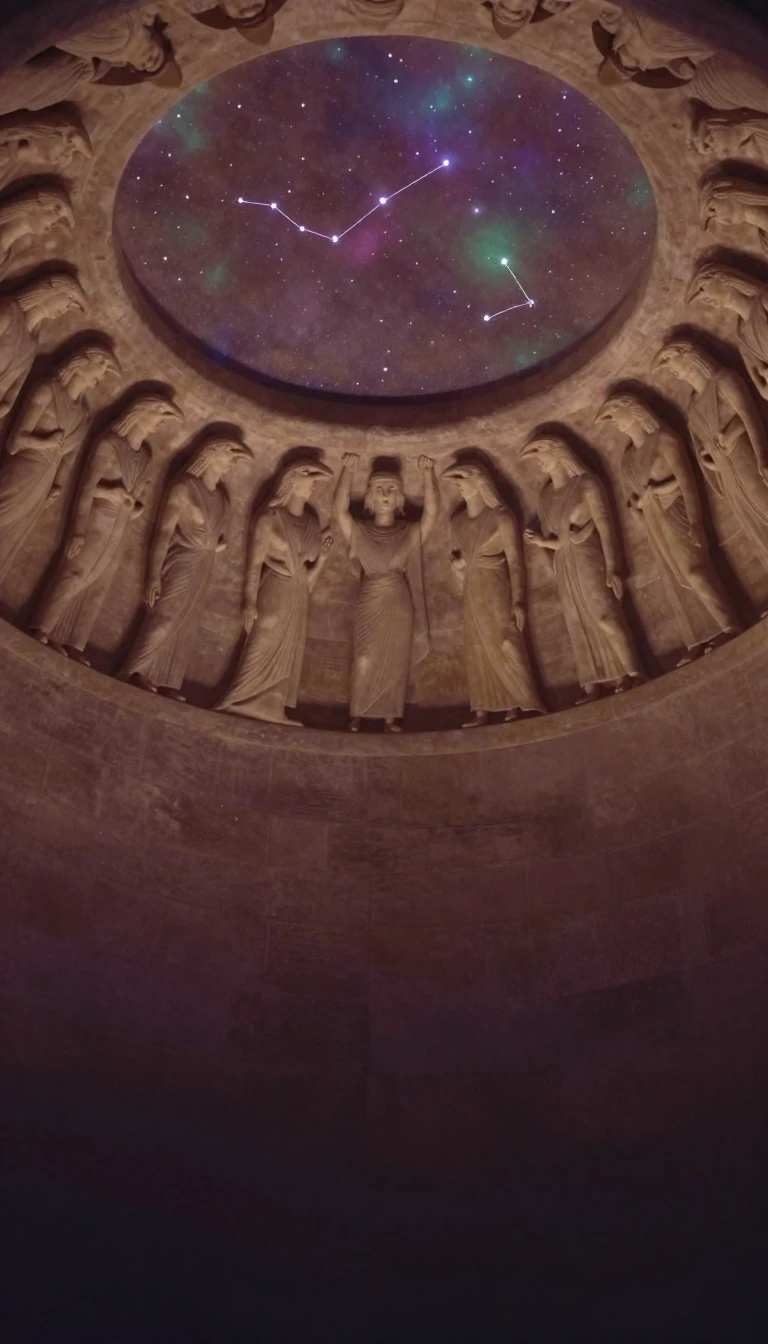 How Hindu mythology evolved from ancient Vedic hymns to complex, narrative-driven cosmic epicsHindu mythology is not a static set of beliefs, but a vast, evolving tapestry spanning thousands of years. From the early oral traditions of the Vedas to the narrative-rich Purana…
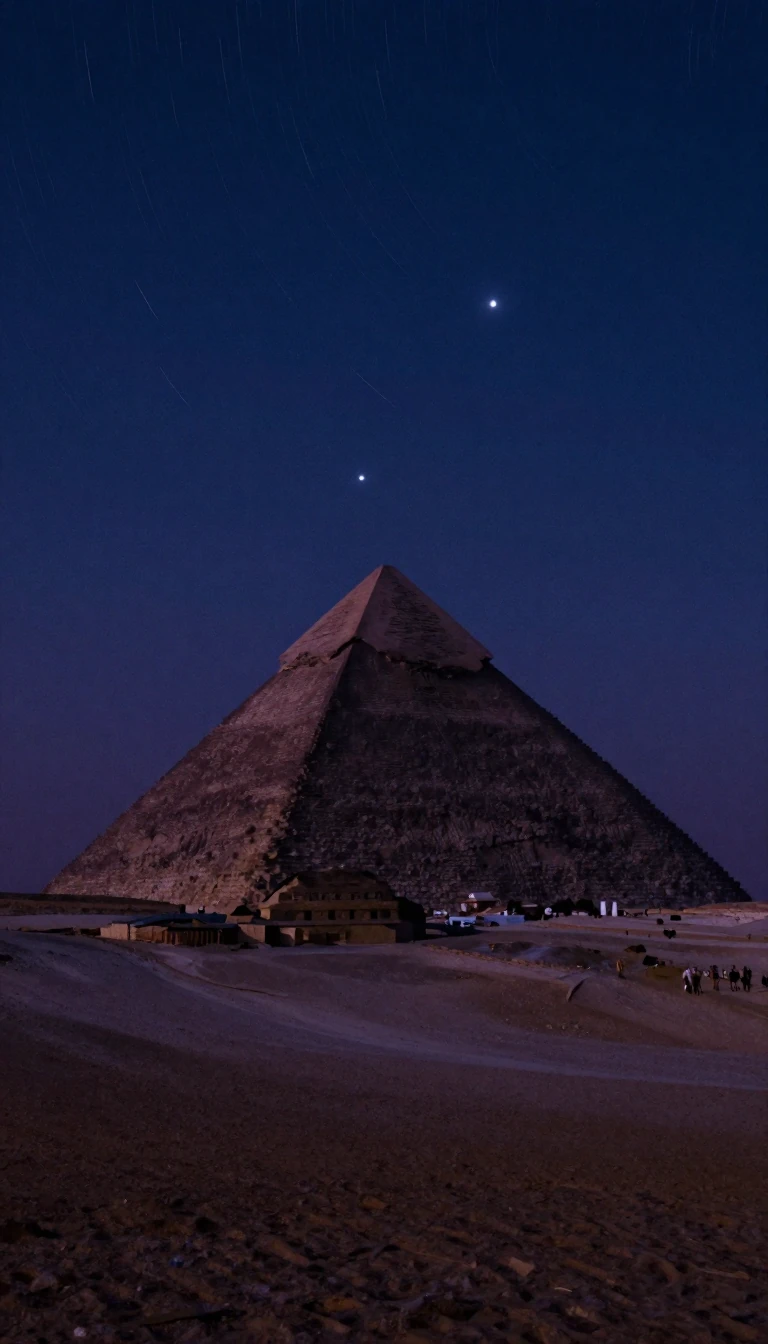 A Hindu temple is a mathematical map of the universe, not just a building.Far from being mere houses of worship, Hindu temples are intricate, geometric models of the cosmos. Designed using ancient Sanskrit architectural manuals, these structures use pre…
 The Holy Lance: A Legendary Weapon of Destiny With Multiple Historical IdentitiesThe Holy Lance, or Spear of Destiny, is the legendary relic said to have pierced the side of Jesus during the Crucifixion. While it became a potent symbol of divine favor in medie…
- How a North Korean novelist bridged a divided peninsula through historical fictionBorn in Seoul and raised in the North, Hong Sok-jung became a literary bridge between two hostile states. His historical novel, Hwang Jin-i, shattered barriers by winning a presti…
 Why the difference between terror and horror is more than just semanticsWe often use these words interchangeably, but in psychology and literature, they describe distinct emotional states. Terror is the anxious, suspenseful dread that precedes a threa…
 Is Howard Jacobson the Jewish Jane Austen, or a pugnacious comic provocateur?Howard Jacobson is a Man Booker Prize-winning novelist known for his discursive, humorous explorations of British Jewish life. Often compared to Philip Roth, he rejects the label …
- Why the ancient Aztec fire god was depicted as both a youth and elderHuehueteotl, the Old God of Mesoamerica, remains a central figure in Aztec mythology. Often linked to the fire deity Xiuhtecuhtli, he presents a striking paradox: while stone carv…
 How a Wounded Soldier Created a Beloved Animal Doctor in the Trenches of WarHugh Lofting, a trained civil engineer, sought to shield his children from the horrors of World War I. Instead of writing about the front, he invented a gentle physician who could…
 Hulda Garborg: The polymath who defined Norwegian national identity through dance and dressHulda Garborg was a formidable force in Norwegian culture, yet she remains best known for reviving the bunad tradition. A prolific playwright, novelist, and political activist, sh…
- In Chinese folklore, the nine-tailed fox can be a divine omen or a man-eater.The huli jing, or fox spirit, is a shapeshifting creature that has haunted Chinese mythology for millennia. Depending on the era and the tale, these beings are either benevolent i…
 What defines the human experience across biology, philosophy, and our deepest internal struggles?The human condition encompasses the essential events and traits of our existence, from birth and emotion to our inevitable mortality. Across centuries, thinkers have grappled with…
 Why humiliation is more than just embarrassment and can trigger actual physical painHumiliation is not merely a social sting; it is a profound psychological force that mirrors physical trauma. Research suggests the brain processes social rejection in the same reg…
 Is Iblis a fallen angel or the father of all jinn?In Islamic tradition, Iblis is the personal name of the Devil, a figure defined by his refusal to bow before Adam. Yet, his true nature remains a subject of intense theological de…
 The myth of Icarus is not just a warning against excessive, high-flying ambition.We often remember Icarus for his fatal flight toward the Sun, but his father Daedalus also warned him against flying too low. While high-flying ambition is a classic cautionary ta…