 Intellect Plus
Ideas & Philosophy
17,867 cards. Each one is a 40-second story with a five-minute read behind it. Page 189 of 298.
Subtopics: Abrahamic religions · Artificial intelligence · Attention · Classic philosophy · Cognitive biases · Consciousness · Cooperation · Cynicism · Decision making · Decision theory · Descartes · Dharmic religions · Dreams · Eastern philosophy · Eastern religions · Epistemology · Ethics · Evidence · Existentialism · Fairness · Famous psychology experiments · Free will · Game theory · Greek mythology · Historians · Identity · Infinity · Justice · Logic · Logical fallacies · Mathematics · Medieval philosophy · Mind · Mythology · Mythology of the ancient world · Other religions · Paradoxes · Philosophers · Philosophers, historians, political and social scientists · Philosophy · Philosophy of mind · Philosophy of science · Political philosophy · Probability · Psychology · Reality · Religion · Religion and spirituality · Religious figures · Self knowledge · Statistics · Stoicism · Strategy · Taoism · Thought experiments · Trivia & curiosities · Truth · Utopias & ideal worlds · Wellbeing · World religions · Writers
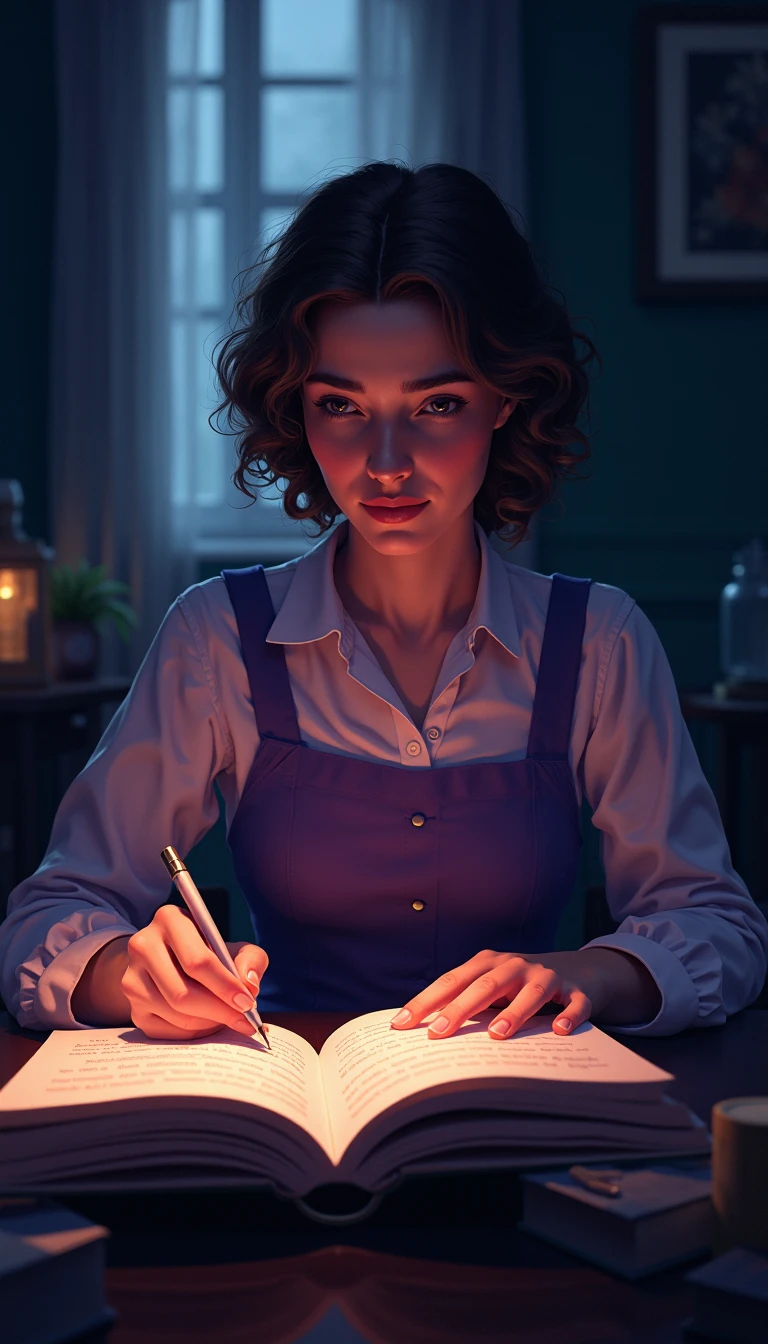 The prolific English author who wrote under five different names to conquer romance fiction.Penelope Halsall, better known as Penny Jordan, was a literary powerhouse who authored over 200 romance novels. Selling more than 70 million copies worldwide, she mastered the art…
 Why modern psychology has largely abandoned the idea of distinct personality typesWe love to label ourselves as introverts or extraverts, but science suggests personality is not a collection of discrete boxes. While type theories offer simple categories, they o…
 Is pessimism a psychological flaw or a sophisticated tool for navigating a complex world?Pessimism is often dismissed as a gloomy outlook, yet it may be a strategic advantage. While some view it as a precursor to nihilism or depression, others argue it serves as a vit…
 Peter Dickinson: The Versatile Master of Mystery, Fantasy, and Children's LiteraturePeter Dickinson was a prolific English author whose career spanned nearly fifty books across genres as diverse as adult crime fiction and speculative children's literature. A two-…
 How Peter Handke used linguistic ingenuity to map the periphery of human experienceAwarded the 2019 Nobel Prize in Literature, Peter Handke is a titan of post-war European letters. Known for his relentless pursuit of new literary expressions, he famously rejecte…
 How Peter Porter bridged the gap between rigid metrical tradition and modern poetic freedomBorn in Brisbane and later finding his voice in London, Peter Porter became a defining figure in 20th-century poetry. He famously argued that the future of English verse lay in ba…
 Was Philip Larkin the saddest heart in the post-war supermarket or a secret romantic?Philip Larkin is remembered as a dour, solitary librarian who defined post-war British poetry with his glum accuracy. Yet, behind this carefully curated public persona lay a compl…
 Can you master the art of conscious dying to bypass the afterlife's typical journey?Phowa is an esoteric tantric practice aimed at transferring consciousness at the moment of death. By severing the connection between mind and body, practitioners believe they can …
 How a watchmaker, spy, and arms dealer became the voice of the French Revolution.Pierre-Augustin de Beaumarchais lived a life of improbable extremes. From inventing watch escapements for royalty to smuggling arms to American rebels, he was a master of reinvent…
 How a single play sparked a bitter war of pamphlets in 17th-century FrancePierre Corneille, the architect of French classical tragedy, became the center of a literary firestorm in 1637. His masterpiece, Le Cid, broke the rigid rules of theater, triggeri…
 Why the 18th-century playwright Marivaux invented a language for the metaphysics of lovePierre de Marivaux was a master of the flirtatious, analytical dialogue known as marivaudage. His characters do not just speak; they dissect their own thoughts and desires with ob…
 Is pity a noble virtue or a dangerous weakness that negates human life?Pity is a complex, ancient emotion that has shifted from a unified concept of mercy to a bifurcated term often carrying notes of condescension. From Aristotle’s philosophical requ…
 Pluto was not the dark, violent Hades, but a god of hidden earthly abundance.While often conflated with the grim Hades, Pluto emerged as a distinct, positive figure in Greek religion. As the ruler of the underworld, he was venerated not just as a stern jud…
 Why do we vote the way we do? The hidden psychology of political power.Political psychology explores the complex, bidirectional relationship between our minds and the state. By blending anthropology, economics, and cognitive science, researchers stud…
 Are noisy spirits really ghosts, or just juvenile tricksters looking for attention?The German term poltergeist translates to noisy ghost, describing spirits blamed for moving furniture, loud knocking, and spontaneous fires. While folklore often attributes these …
 Why Polynesian oral traditions were never meant to be fixed in stone or inkPolynesian mythology is not a static collection of ancient tales, but a living, flexible tool for political legitimacy. By prioritizing the needs of the present over historical ac…
- Your body posture is not just a reflection of your mood; it is a tool.Psychological research suggests your physical stance does more than signal your feelings to others. It actively shapes your internal state, influences your cognitive performance, …
- Why the way you praise someone can either motivate them or hold them backPraise is more than just a compliment; it is a powerful psychological tool that shapes behavior, motivation, and self-perception. Whether you focus on a person's inherent traits o…
 Prajnaparamita is the perfection of wisdom, a massive body of ancient Buddhist scripture.Meaning literally the perfection of wisdom, Prajnaparamita is a central Mahayana Buddhist concept representing a perfected way of seeing reality. It encompasses a vast, evolving c…
 Everything in existence arises through complex conditions, not from a single, independent cause.In Buddhist philosophy, the principle of dependent origination suggests that nothing exists in isolation. Instead, all phenomena emerge from a web of interconnected conditions. By…
 Is pride a virtue or a vice? The answer depends on your psychological profile.Pride is often dismissed as a deadly sin, yet it serves as a vital status-regulating emotion. Modern psychology distinguishes between authentic pride, which fuels confidence and p…
 How a French bureaucrat saved the nation's history and invented the modern novellaProsper Mérimée was a master of the short, brutal story and the architect of France's preservation movement. While he is best known for the novella that inspired Bizet's opera Car…
 Why did the father of psychoanalysis believe our dreams hold the keys to our psyche?Sigmund Freud transformed psychology by proposing that our behavior is driven by hidden, repressed desires. By moving away from neurology to explore the unconscious mind, he devel…
 Why psychological abuse is often harder to identify than physical violencePsychological abuse is a systematic pattern of behavior designed to diminish another person's self-worth and independence. Unlike physical violence, it lacks a universally accepte…
 How psychologists study the human mind without losing their way in the data.Psychological research is a sprawling, eclectic field that balances rigorous laboratory experiments against the messy reality of human behavior. From controlled trials to naturali…
- Does faith actually improve your mental health, or is it just a coping mechanism?The psychology of religion examines how belief systems shape our minds, from providing resilience to causing spiritual distress. While traditional religious practices are evolving…
- How do we measure the invisible bridge between the physical world and human experience?Psychophysics is the scientific study of how physical stimuli, like light or sound, transform into private sensations. By quantifying the relationship between the outside world an…
 Ptah: The Architect God Who Built the World Through Thought and WordIn the ancient Egyptian pantheon, Ptah stands apart as a master creator. Unlike deities who fashioned the world through physical labor, Ptah is credited with bringing existence in…
 Pure Land Buddhism offers a path to enlightenment for the unlearned and unethical alike.In East Asian Pure Land traditions, the path to Buddhahood is not reserved for the elite. By reciting the name of Buddha Amitabha, even those burdened by heavy karma can seek rebi…
 Qian Zhongshu: The polyglot scholar who navigated China's turbulent century through his booksBorn into a tradition of grabbing books, Qian Zhongshu became a literary titan who mastered classical Chinese and six Western languages. From the satire of Fortress Besieged to th…
 Quentin Crisp: The flamboyant icon who lived as a woman trapped in a man's bodyBorn Denis Charles Pratt, Quentin Crisp became a legendary raconteur and queer icon by defying social norms in mid-century Britain. From working as a professional artist's model t…
 The novelist who became Venezuela's first freely elected president only to be ousted by coup.Rómulo Gallegos was a literary giant who transitioned from the classroom to the presidential palace. His 1948 election marked a historic democratic milestone for Venezuela, yet hi…
 Rūpa is the Sanskrit and Pali word for form, but its meaning runs deep.In Indic traditions, rūpa is far more than a simple shape or color. It encompasses the entirety of material existence, from the physical body to the objects we perceive. Understan…
 Why did the biblical matriarch Rachel hide her father's idols beneath her seat?Rachel, a central figure in the Hebrew Bible, is remembered for her beauty and her role as the mother of Joseph and Benjamin. Yet, her story is marked by complex deception, from a…
 How a defiant Brazilian novelist reshaped literature while courting political controversy for decadesRachel de Queiroz rose from provincial obscurity to become a titan of Brazilian letters. A journalist, novelist, and the first woman elected to the Brazilian Academy of Letters, h…
 Ragnarök is not just the end of the world, but a cycle of rebirth.In Norse mythology, Ragnarök is a foretold cataclysm where gods perish in a final battle against monsters. Yet, this destruction is not absolute. The world is destined to sink int…
 Is the Rainbow Serpent a singular deity or a collection of ancient regional myths?Across Australia, the Rainbow Serpent is a powerful, multifaceted creator god linked to water, fertility, and the landscape. While often viewed as a singular entity, this figure i…
 The wandering ascetics who challenged ancient India's religious status quoLong before major religions solidified, wandering seekers known as śramaṇas roamed ancient India. These individuals rejected traditional Vedic authority, pursuing spiritual libera…
 The Avar poet who turned mountain traditions into the voice of a nationBorn in a remote Caucasian village, Rasul Gamzatov rose from a young boy writing about his first airplane sighting to become a literary giant. His verses, rooted in ancient minstr…
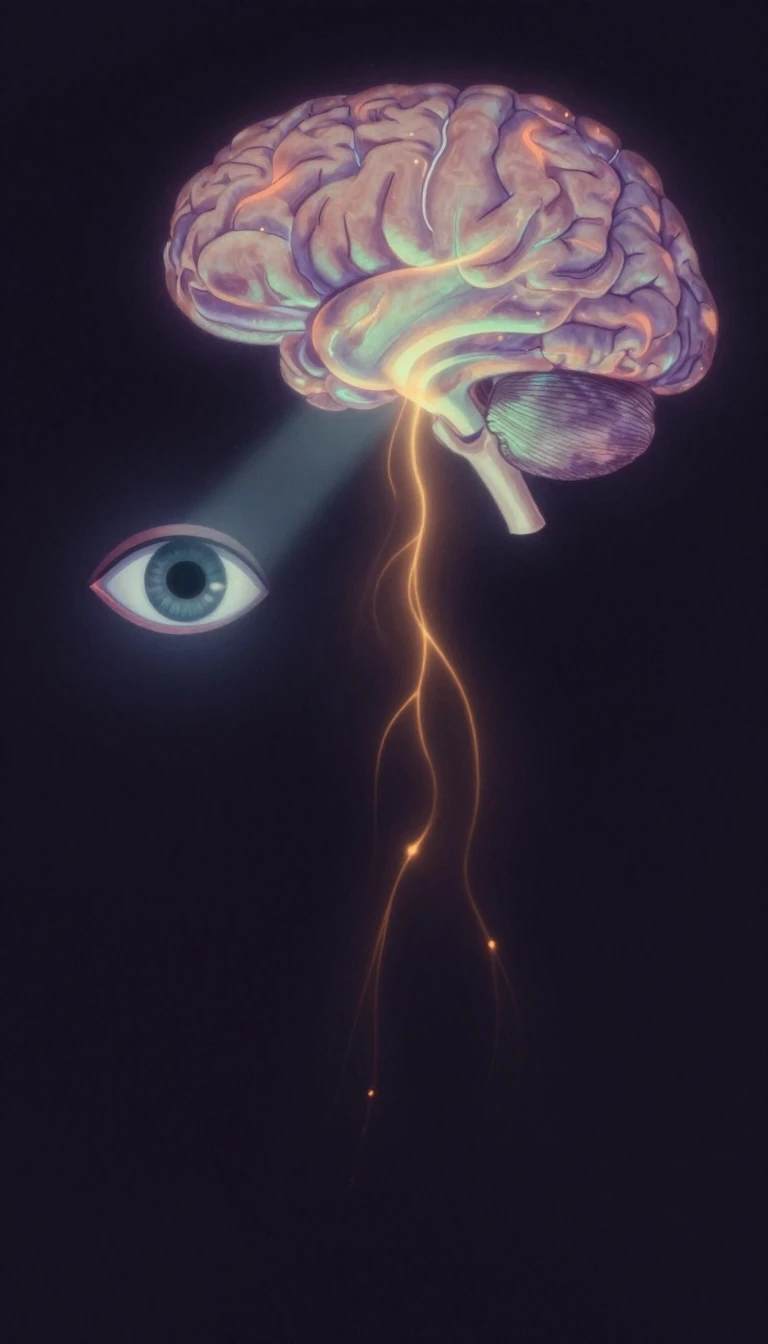 Why your brain invents logical reasons for actions you didn't actually chooseWe often act on unconscious impulses, only to construct a plausible, logical story after the fact. This defense mechanism, known as rationalization, protects our self-respect and …
- Raul Pompeia: The brilliant Brazilian novelist whose life ended in a tragic, public spiralRaul Pompeia was a central figure in Brazilian literature, best known for his masterpiece O Ateneu. Yet, his life was defined by intense political fervor, broken friendships, and …
 Raymond Queneau: The French Writer Who Treated Literature Like a Mathematical EquationRaymond Queneau was a novelist, poet, and co-founder of Oulipo who believed that literature could be constructed using mathematical constraints. From his famous phonetic experimen…
 A mother's calculated deception secured the future of a nation, according to biblical tradition.Rebecca, the wife of Isaac, was far more than a passive figure in the Hebrew Bible. When she learned her younger son Jacob was destined to lead, she orchestrated a complex ruse to…
 Does Buddhism believe in reincarnation if it denies the existence of a soul?Buddhism teaches that actions lead to a new existence in an endless cycle called samsara, yet it rejects the idea of an unchanging self or soul. This paradox is central to the doc…
- Why Buddhists take refuge in the Three Jewels: Buddha, Dharma, and SanghaTaking refuge is a foundational Buddhist practice, serving as a daily commitment to the Triple Gem. While often viewed as a simple act of faith, it represents a profound aspiratio…
 Why your biggest regrets are actually a map of your untapped potentialRegret is often dismissed as a painful burden, but psychologists view it as a sophisticated tool for adaptation. Far from mere self-recrimination, this emotion highlights where yo…
 Why remorse is the most powerful tool in the courtroom and the human heart.Remorse is more than just a feeling of regret; it is a social signal that bridges the gap between transgression and forgiveness. While genuine remorse can mend relationships and i…
 René Char: The French Resistance Captain Who Redefined Modern PoetryRené Char was a towering figure in both literature and war. A surrealist poet who commanded a parachute drop zone for the French Resistance, he refused to publish during the Nazi …
 Why resentment is a dangerous, slow-burning fire that consumes the person holding itResentment is more than just bitterness; it is a complex, internalized emotional state that functions like a permanent smoke alarm. While anger helps us address immediate threats,…
 The Argentine aristocrat who turned the gaucho into a national literary iconBorn into wealth and raised on a sprawling ranch, Ricardo Güiraldes bridged the gap between European avant-garde circles and the rugged pampas. While he initially struggled to fin…
 In Dzogchen, enlightenment is not a destination to reach but a state to discover.Rigpa is the fundamental, primordial awareness present in every sentient being. Often translated as gnosis or pristine consciousness, it is the unconditioned nature of the mind. R…
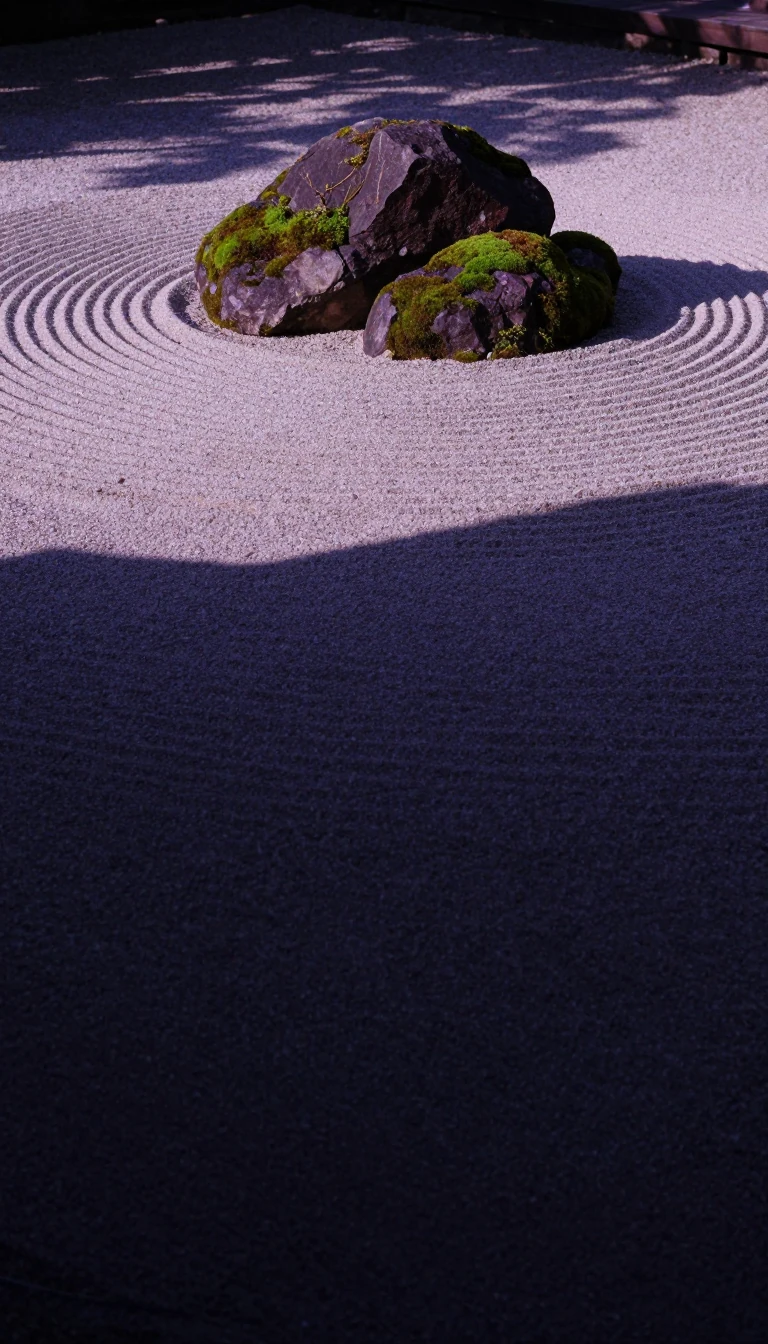 Why Japan’s Rinzai Zen School Became the Preferred Spiritual Path of the Samurai ClassKnown for its rigorous training and sharp, martial spirit, Rinzai Zen shaped Japanese governance and culture for centuries. From the shogunate to the tea ceremony, this school of …
 A physician who became Poet Laureate, Robert Bridges redefined the mechanics of English verse.Before he was Britain's Poet Laureate, Robert Bridges was a practicing doctor. He eventually retired from medicine to pursue poetry, where he became obsessed with the technical st…
 Robert Lowell and the birth of confessional poetry: a watershed in American literatureRobert Lowell transformed American verse by turning his own turbulent life into art. His 1959 collection, Life Studies, broke literary taboos by exploring mental illness, addictio…
 The engineer who abandoned machines to map the moral decline of an empireRobert Musil was a trained engineer and inventor who grew to despise the limited worldview of his profession. He pivoted to philosophy and literature, eventually crafting a monume…
 The only writer to win Pulitzer Prizes for both fiction and poetryRobert Penn Warren remains a singular figure in American letters, holding the unique distinction of winning Pulitzer Prizes in two different literary categories. Beyond his celebr…
 From Swiss lawyer to avant-garde icon: the literary evolution of Robert PingetRobert Pinget abandoned a legal career to become a central figure in the nouveau roman movement. After early rejections, he found his home at Éditions de Minuit, forging a lifelon…
 Was Roberto Bolaño a revolutionary survivor or a master of his own myth?Roberto Bolaño is a titan of 21st-century literature, yet his life remains a hall of mirrors. While he claimed to have been imprisoned during the 1973 Chilean coup, contemporaries…
 How a Dublin schoolteacher turned local slang into a global literary phenomenonRoddy Doyle transformed the working-class streets of Dublin into a vivid literary landscape. By prioritizing raw, rhythmic dialogue over traditional narration, he captured the res…
- How a frustrated advertising executive created a global empire of simple, colorful charactersBefore he became a household name, Roger Hargreaves was a creative director crafting slogans for dry cleaners and soda. In 1971, a simple question from his son sparked the creatio…