 Intellect Plus
Ideas & Philosophy
17,867 cards. Each one is a 40-second story with a five-minute read behind it. Page 179 of 298.
Subtopics: Abrahamic religions · Artificial intelligence · Attention · Classic philosophy · Cognitive biases · Consciousness · Cooperation · Cynicism · Decision making · Decision theory · Descartes · Dharmic religions · Dreams · Eastern philosophy · Eastern religions · Epistemology · Ethics · Evidence · Existentialism · Fairness · Famous psychology experiments · Free will · Game theory · Greek mythology · Historians · Identity · Infinity · Justice · Logic · Logical fallacies · Mathematics · Medieval philosophy · Mind · Mythology · Mythology of the ancient world · Other religions · Paradoxes · Philosophers · Philosophers, historians, political and social scientists · Philosophy · Philosophy of mind · Philosophy of science · Political philosophy · Probability · Psychology · Reality · Religion · Religion and spirituality · Religious figures · Self knowledge · Statistics · Stoicism · Strategy · Taoism · Thought experiments · Trivia & curiosities · Truth · Utopias & ideal worlds · Wellbeing · World religions · Writers
 Why did Austria’s most celebrated writer try to ban his own work after death?Thomas Bernhard was a literary giant who treated his homeland with open contempt. A master of the relentless, musical monologue, he spent his career attacking Austrian cultural pr…
 The thurible is a centuries-old vessel designed to carry prayers toward the heavens.Suspended from chains and filled with glowing charcoal, the thurible is a staple of liturgical tradition. Beyond its role in Christian worship, this metal incense burner serves as…
 Why C.S. Lewis considered this 1956 novel his most mature and significant literary achievement.C.S. Lewis spent decades obsessed with the ancient myth of Cupid and Psyche, finding the original characters illogical. His final novel, Till We Have Faces, reimagines the tale th…
 Tirumala: The sacred mountain where ancient geology meets a modern spiritual powerhousePerched atop the Eastern Ghats, Tirumala is more than a pilgrimage site. It is a geological marvel home to a 1.5-billion-year-old natural arch and a massive, wealthy temple comple…
 Why Edmund Burke believed society is a partnership between the dead, living, and unbornTraditionalist conservatism rejects the idea that society is a machine to be reconfigured by abstract theory. Instead, it views human civilization as an organic inheritance. By pr…
 Trappist monks do not take a vow of silence, despite the popular belief.The Order of Cistercians of the Strict Observance is famous for its contemplative life, but their reputation for total silence is a myth. While they minimize conversation to avoid…
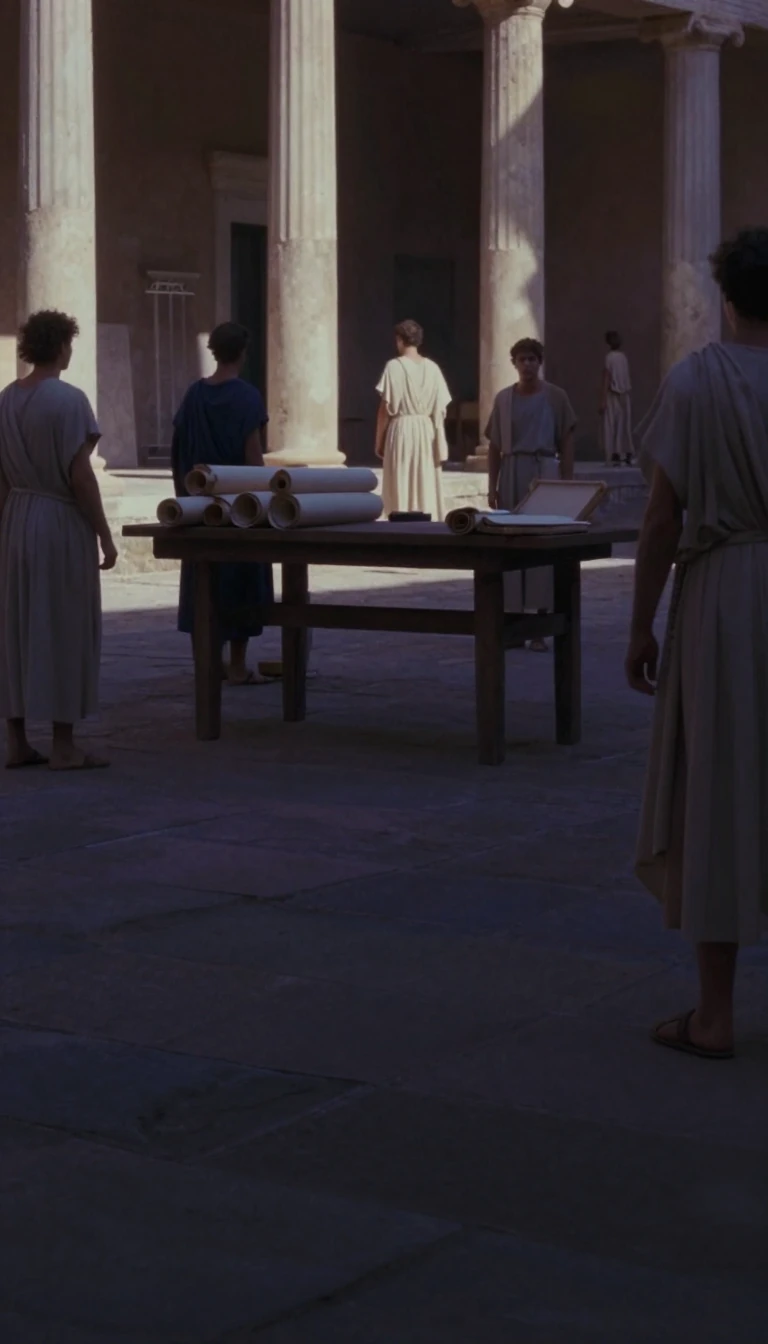 From Roman wax tablets to modern cinema, the triptych is a master of narrative.The triptych is more than a religious altarpiece. Derived from the Greek for three folds, this three-panel format evolved from portable Roman writing tablets into a global artisti…
 How a dental appointment led to the creation of HBO's hit series True BloodWhen creator Alan Ball stumbled upon Charlaine Harris's novels in a bookstore, he sparked a cultural phenomenon. Set in a world where synthetic blood allowed vampires to reveal th…
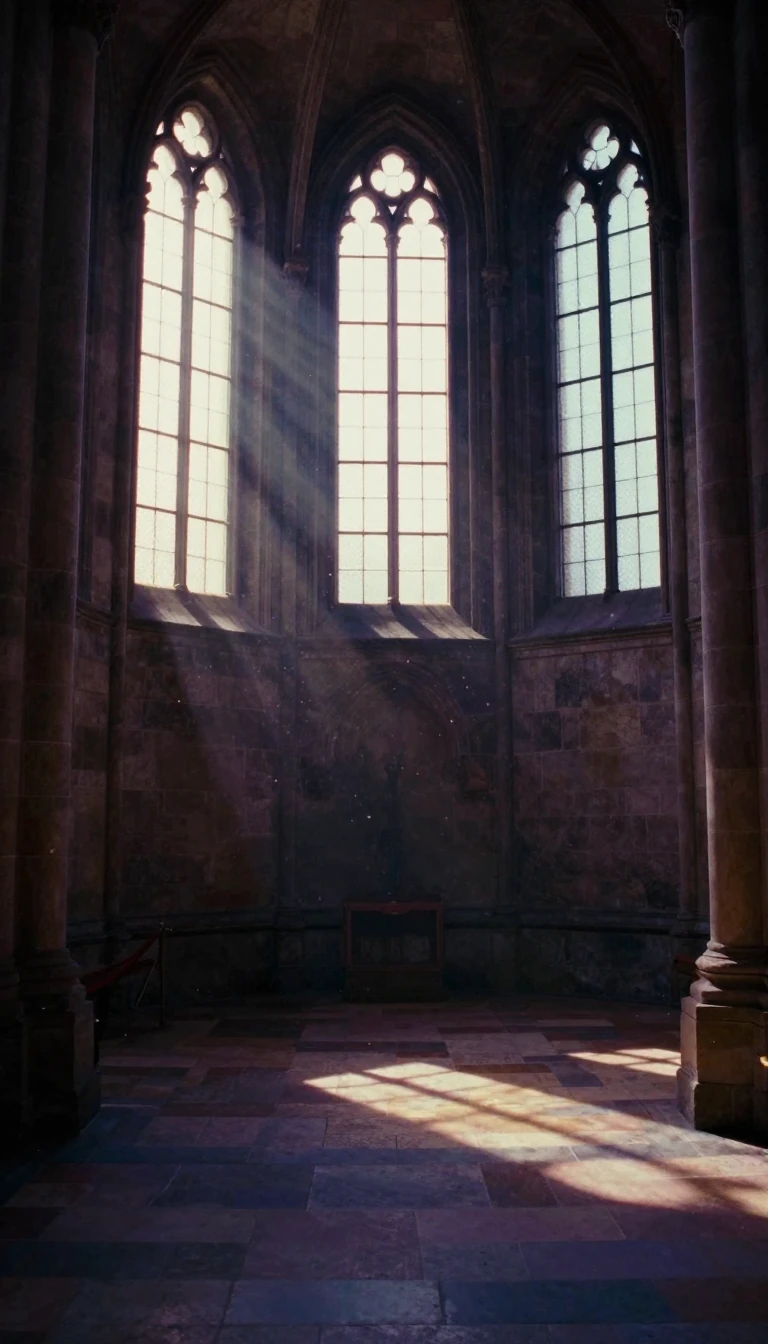 From city walls to the home hearth, tutelary deities have long guarded human life.A tutelary is a spirit or deity tasked with protecting a specific person, place, or occupation. From the Roman Genius to the Thai spirit house, these guardians reflect a universal…
 Why the two-round electoral system is the world's most popular way to pick winners.The two-round system aims to ensure a candidate has majority support, but it creates a unique strategic landscape. By forcing a runoff between top contenders, it changes how voter…
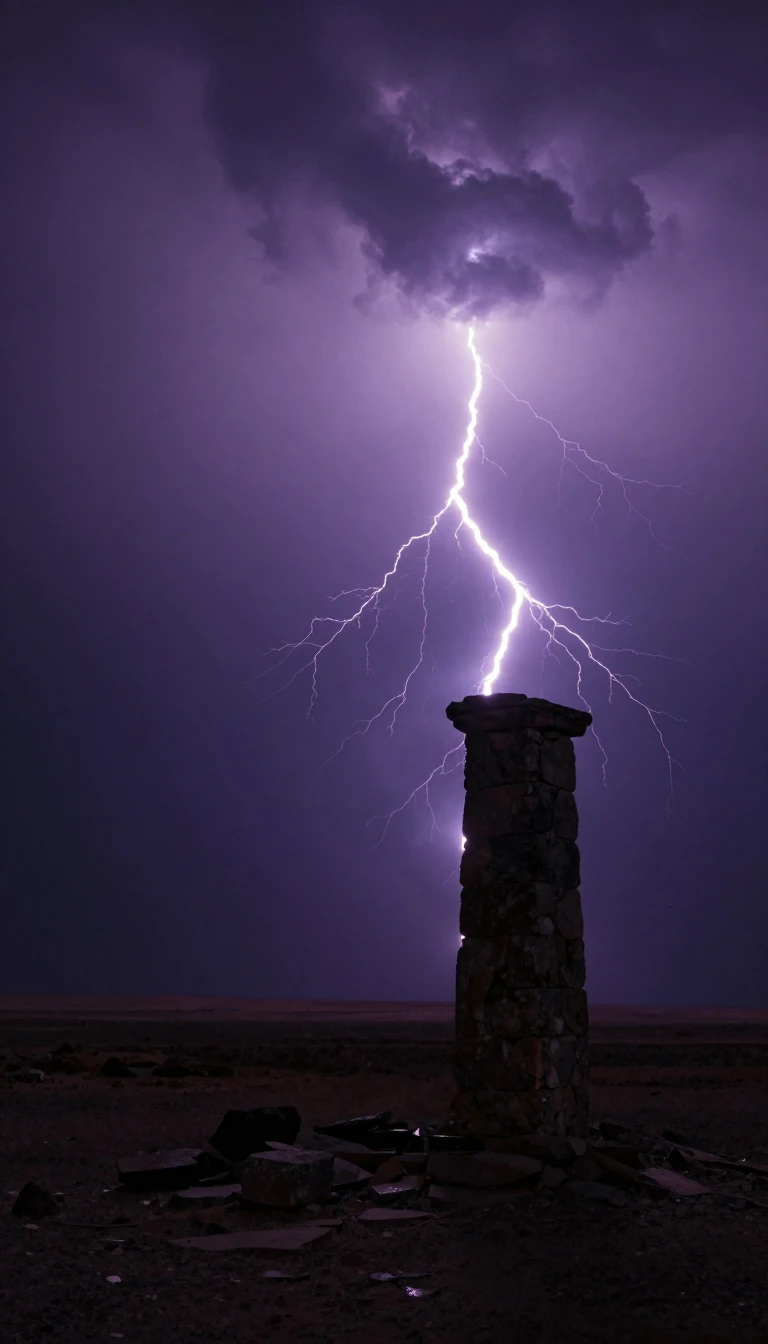 Why the ancient world worshipped the blind mistress of fortune to explain the unexplainableWhen floods, droughts, or political shifts defied logic, the Greeks turned to Tyche. As the goddess of luck and destiny, she governed the unpredictable whims of fate. From city pr…
 How a schoolboy's cruel prank on a teacher birthed the modern theatre of absurdityWhen Alfred Jarry’s Ubu Roi premiered in 1896, the audience rioted. This grotesque, scatological farce—born from a student’s mockery of a physics teacher—shattered cultural norms.…
 How Ukraine's national football team navigated independence, crises, and a history of playoff heartbreakFormed in the early 1990s following the collapse of the Soviet Union, the Ukraine national football team has faced unique geopolitical and sporting challenges. From losing star pl…
 Why the Pope’s power beyond the mountains once sparked a global ideological warUltramontanism began as a medieval insult for popes from beyond the Alps, but it evolved into a fierce 19th-century movement. It championed absolute papal authority over civil sta…
 Is Tennyson’s Ulysses a heroic explorer or a selfish man abandoning his duty?Alfred, Lord Tennyson’s 1842 poem Ulysses remains a literary battleground. While earlier generations celebrated the speaker’s relentless drive to pursue knowledge until the very e…
 Why a non-Zionist religious alliance dominates a key slice of Israeli parliamentary politics.United Torah Judaism is a unique political force in Israel, uniting two distinct Haredi factions to maximize their influence in the Knesset. While they reject Zionism, they are su…
 Universalism: The philosophical quest to find one fundamental truth across all human boundaries.Universalism is the idea that certain truths, ethics, or spiritual paths apply to everyone, regardless of culture or history. From the promise of universal salvation in Christiani…
 How a Canadian research powerhouse grew from three distinct 19th-century agricultural and domestic collegesThe University of Guelph is a modern research giant, yet its roots lie in three separate institutions established between 1862 and 1922. Today, it manages Canada's largest residen…
 Aristotle’s unmoved mover is a divine, eternal intellect that inspires the universe through desire.Aristotle proposed the unmoved mover not as a physical pusher, but as a final cause—a source of constant inspiration. This immaterial, unchanging substance exists outside of space…
 Vajrapani: The Thunderbolt-Wielding Protector Who Guards the Buddha and Challenges DogmaVajrapani, the holder of the thunderbolt, is one of Mahayana Buddhism's earliest and most formidable figures. Often depicted with a wrathful expression, he serves as a powerful pr…
 Is a revolution better led by the masses or by a disciplined elite?Vanguardism posits that a small, highly conscious group must lead the working class toward revolution. While famously associated with Lenin and the Bolsheviks, this concept of an …
 Why did the Hindu god Vishnu transform into a boar to save the world?In Hindu mythology, the deity Vishnu took the form of a boar, known as Varaha, to rescue the earth from the depths of a cosmic ocean. This ancient narrative, which evolved from Ve…
- Vernor Vinge: The Mathematician Who Predicted Cyberspace and the Technological SingularityVernor Vinge was a rare polymath who bridged the gap between rigorous mathematics and visionary science fiction. As a professor and author, he pioneered the concept of cyberspace …
 How Louis XIV weaponized architecture to force the French nobility into total submissionIn 1667, the French monarchy faced a rebellious nobility emboldened by the Fronde. King Louis XIV devised a radical strategy: force the elite to abandon their homes and live at a …
 Was the Viking expansion driven by a desperate search for wives and silver?The Viking Age was not just a series of random raids. It was a complex, centuries-long movement fueled by shifting trade routes, social competition, and a hunger for resources. Fr…
 Why did scientists once believe life required a mysterious, non-physical spark to exist?For centuries, thinkers argued that living organisms possessed a unique vital force, distinct from the laws of chemistry and physics. While modern biology has largely discarded th…
 The hidden mechanics of the ts sound you use every single dayYou likely use the voiceless alveolar affricate dozens of times a day without realizing it. From the final sound in cats to the complex phonetics of Mandarin or German, this conso…
- The universal hiss: why the voiceless alveolar fricative is the world's most common soundYou use it to demand silence, catch attention, or simply say the word sea. The voiceless alveolar fricative is a linguistic powerhouse, appearing in languages across the globe. Ye…
- The complex mechanics behind the sharp, hissing sound of the voiceless alveolo-palatal affricateYou likely use this sound daily without knowing its name. It is a sibilant affricate, a precise linguistic maneuver requiring a complete stop of airflow followed by a sharp, turbu…
 The letter H is a linguistic ghost that defies the rules of human speech.We recognize the H sound in hut, but phoneticians struggle to classify it. It lacks the tongue placement of a consonant and the resonance of a vowel. Often, it is merely a breathy…
 Why ancient Greeks left gifts for gods, and what those offerings reveal todayVotive offerings were more than simple gifts; they were solemn, irrevocable contracts between humans and the divine. From battlefield victories to personal healing, these objects—…
 Why Spain's Vox party defies the standard European radical-right electoral playbookVox has become a significant player in Spanish politics by blending traditional conservative economics with intense nationalist rhetoric. While European radical-right parties ofte…
 How a garrison commander founded a dynasty that ruled Mysore for over five centuriesThe Wadiyar dynasty began as local feudal protectors in 1399 and evolved into a major Indian power. By navigating the collapse of empires and shifting colonial alliances, they mai…
 The Web Ontology Language turns the chaotic internet into a structured, machine-readable knowledge network.The Web Ontology Language, or OWL, provides a formal framework for defining how objects and their relationships function online. By creating explicit taxonomies that machines can …
 Weird Tales: The Legendary Pulp Magazine That Defined Horror and Fantasy FictionFounded in 1922, Weird Tales became the most influential fantasy magazine in history. It launched the careers of icons like H.P. Lovecraft and Robert E. Howard, surviving decades …
 Can a 19th-century women's college redefine the future of higher education?Founded in 1870 to prepare women for vast social reforms, Wellesley College remains a powerhouse of female leadership. With a campus integrated into 500 acres of glaciated landsca…
 Why Western and Eastern Christianity diverged over the role of the emperorWestern Christianity was forged in conflict, distinct from the East's imperial harmony. While the Byzantine world viewed the emperor as a divinely appointed protector who presided…
 Can we reconcile our human experience with the cold, scientific reality of the universe?Wilfrid Sellars spent his career attempting to bridge the gap between our intuitive, everyday lives and the objective descriptions provided by natural science. He famously attacke…
 Is the fundamental drive of human existence survival, or something far more ambitious?While philosophers once argued that life is defined by a basic instinct to survive, Friedrich Nietzsche proposed a more potent alternative: the will to power. This drive for growt…
- The Polish resistance fighter who volunteered for imprisonment inside the Auschwitz death campIn 1940, Witold Pilecki accepted a harrowing mission: allow himself to be captured by Nazis to infiltrate Auschwitz. His goal was to organize an internal uprising and report on th…
 The Bolshevik organizer who died at 33, potentially altering the course of Soviet history.Yakov Sverdlov was the de facto head of state and a primary architect of the Bolshevik regime. Often described as the party's biographical dictionary, his organizational genius wa…
 The $2.3 Billion Bronx Cathedral That Struggles to Capture the Old Stadium's RoarOpened in 2009, the new Yankee Stadium is a modern marvel of limestone and high-tech amenities. Yet, despite its massive scale and luxury, it has faced persistent criticism for it…
 Yarsanism: The Esoteric Kurdish Faith That Views History as a Series of Divine EpochsFounded in the 14th century, Yarsanism is a syncretic, esoteric religion centered on the belief that the Divine Essence manifests in human form across successive epochs. Often mis…
 The long, dark history of the yellow badge as a tool of state controlFor centuries, authorities across the Middle East and Europe forced Jews to wear distinctive clothing or badges to mark them as outsiders. While the practice originated as a metho…
- How a 1983 musical challenged gender roles and reshaped the American Jewish experienceBarbra Streisand’s directorial debut, Yentl, transformed a traditional story of a woman disguising herself as a man to study Talmud into a modern exploration of independence. By s…
 How a 19th-century Russian yeshiva shaped a modern American research universityYeshiva University blends ancient Talmudic tradition with secular academic rigor. Born from the 1886 Etz Chayim yeshiva in New York, the institution evolved into a comprehensive u…
- Why a Hollywood agent once told Zachary Levi to hide his true identityZachary Levi has navigated a complex career from sitcoms to superhero blockbusters, yet his path has been defined by more than just roles. From changing his name to avoid being ty…
- Why was a temple priest struck dumb in the middle of his sacred duties?During a routine incense offering in Jerusalem, the priest Zechariah received a divine prophecy that his elderly, barren wife would conceive a son. Because he doubted the angel Ga…
 How a former rapper and housing counselor became New York City's first Muslim mayor.Zohran Mamdani’s rise from a little-known state assembly member to the mayor of New York City in 2025 stunned the political establishment. By defeating former governor Andrew Cuom…
 Zurvanism: The Forgotten Fatalistic Faith That Once Defined Sasanian PersiaZurvanism was a mysterious, fatalistic offshoot of Zoroastrianism that worshipped Infinite Time as the primordial creator. It famously proposed that the gods of light and darkness…
 A. E. Housman was a brilliant Latinist who wrote poetry to survive his heartbreak.Housman lived two lives: a feared, reclusive professor of Latin and a poet of Romantic pessimism. After failing his Oxford finals due to unrequited love, he spent a decade as a pa…
 A. S. Byatt: The Intellectual Novelist Who Found Magic in Realism and IdeasA. S. Byatt was a formidable force in British literature, blending rigorous intellectualism with the enchantment of fairy tales. From her Booker-winning Possession to her sprawlin…
 Was Aaron the true power behind the throne of ancient Israelite religious life?While Moses is remembered as the primary lawgiver, his brother Aaron served as the inaugural high priest. Often cast as a supporting figure, Aaron’s legacy became the foundation f…
- Abhidharma: The Ancient Buddhist Attempt to Map the Ultimate Fabric of RealityLong before modern psychology, Buddhist scholars developed the Abhidharma—a rigorous, technical system designed to strip away conventional language. By breaking down human experie…
 How a short-lived Tunisian poet became the voice of the Arab Spring revolutionsAboul-Qacem Echebbi died at twenty-five, yet his verses echoed across the Arab world nearly eight decades later. A central figure in the intellectual circles of 1930s Tunis, his d…
 Why true acceptance is not about giving up, but about gaining psychological freedomAcceptance is often mistaken for passivity, yet it is a deliberate, active psychological process. Whether you are navigating internal emotional struggles or seeking social belongi…
 Achim von Arnim: The Romantic polymath who traded natural science for folkloreBorn into Prussian nobility, Achim von Arnim began his career as a scientist before pivoting to literature. As a central figure of German Romanticism, he helped preserve tradition…
 The wild horseman who became Australia's first internationally recognized national poetAdam Lindsay Gordon lived a life of steeplechase daring, political failure, and profound personal tragedy. Though his early volumes were ignored, he eventually defined a distinct …
 Adonis: The Syrian Poet Who Revolutionized Arabic Verse by Rejecting Political DogmaBorn into a modest farming family, Ali Ahmad Said Esber adopted the name Adonis at seventeen to signal his precocious talent. He went on to lead a modernist revolution in Arabic p…
 The Russian poet who lived two lives: a sublime lyricist and a practical landowner.Afanasy Fet was a master of Russian verse, yet he spent decades as a successful, hard-nosed agronomist. While critics mocked his transition from romantic poet to wealthy landlord,…