 Intellect Plus
Ideas & Philosophy
17,867 cards. Each one is a 40-second story with a five-minute read behind it. Page 182 of 298.
Subtopics: Abrahamic religions · Artificial intelligence · Attention · Classic philosophy · Cognitive biases · Consciousness · Cooperation · Cynicism · Decision making · Decision theory · Descartes · Dharmic religions · Dreams · Eastern philosophy · Eastern religions · Epistemology · Ethics · Evidence · Existentialism · Fairness · Famous psychology experiments · Free will · Game theory · Greek mythology · Historians · Identity · Infinity · Justice · Logic · Logical fallacies · Mathematics · Medieval philosophy · Mind · Mythology · Mythology of the ancient world · Other religions · Paradoxes · Philosophers · Philosophers, historians, political and social scientists · Philosophy · Philosophy of mind · Philosophy of science · Political philosophy · Probability · Psychology · Reality · Religion · Religion and spirituality · Religious figures · Self knowledge · Statistics · Stoicism · Strategy · Taoism · Thought experiments · Trivia & curiosities · Truth · Utopias & ideal worlds · Wellbeing · World religions · Writers
 Is the Christian narrative a myth, or is it a true myth?Scholars define Christian mythology as the vast body of sacred narratives and legends associated with the faith. While some early writers rejected the term as implying fiction, mo…
 A major modernist poet died defending his university town during the Biafran War.Christopher Okigbo was a towering figure in 20th-century literature, yet his life ended abruptly on the battlefield. A librarian, teacher, and poet, he rejected the label of black…
 Why Nobel Laureate Claude Simon preferred being a grape farmer to a novelistClaude Simon, the 1985 Nobel Prize in Literature winner, famously rejected the traditional writer label. Despite his stature as a giant of the French nouveau roman, he insisted hi…
 Did a German Romantic poet invent the visions of a Catholic saint?Clemens Brentano was a central figure of German Romanticism, known for his bizarre imagery and folk-song collections. Yet, his legacy is shadowed by his years as a secretary to a …
 Did a dour professor really write the world’s most famous Christmas poem?Clement Clarke Moore, an austere scholar of Greek and Hebrew, is credited with the whimsical A Visit from St. Nicholas. Yet, for over 150 years, the family of Henry Livingston Jr.…
 Clive Barker is a prolific polymath whose imagination spans horror, fantasy, and fine art.Beyond his iconic status as the creator of Hellraiser and Candyman, Clive Barker is a multidisciplinary artist. From avant-garde theatre and comic book imprints to gallery-exhibit…
 Is coercion the ultimate tool of statecraft or a failed strategy of human influence?Coercion is the art of forcing compliance through threats rather than reason. While it underpins the modern state's monopoly on violence, its success is notoriously inconsistent. …
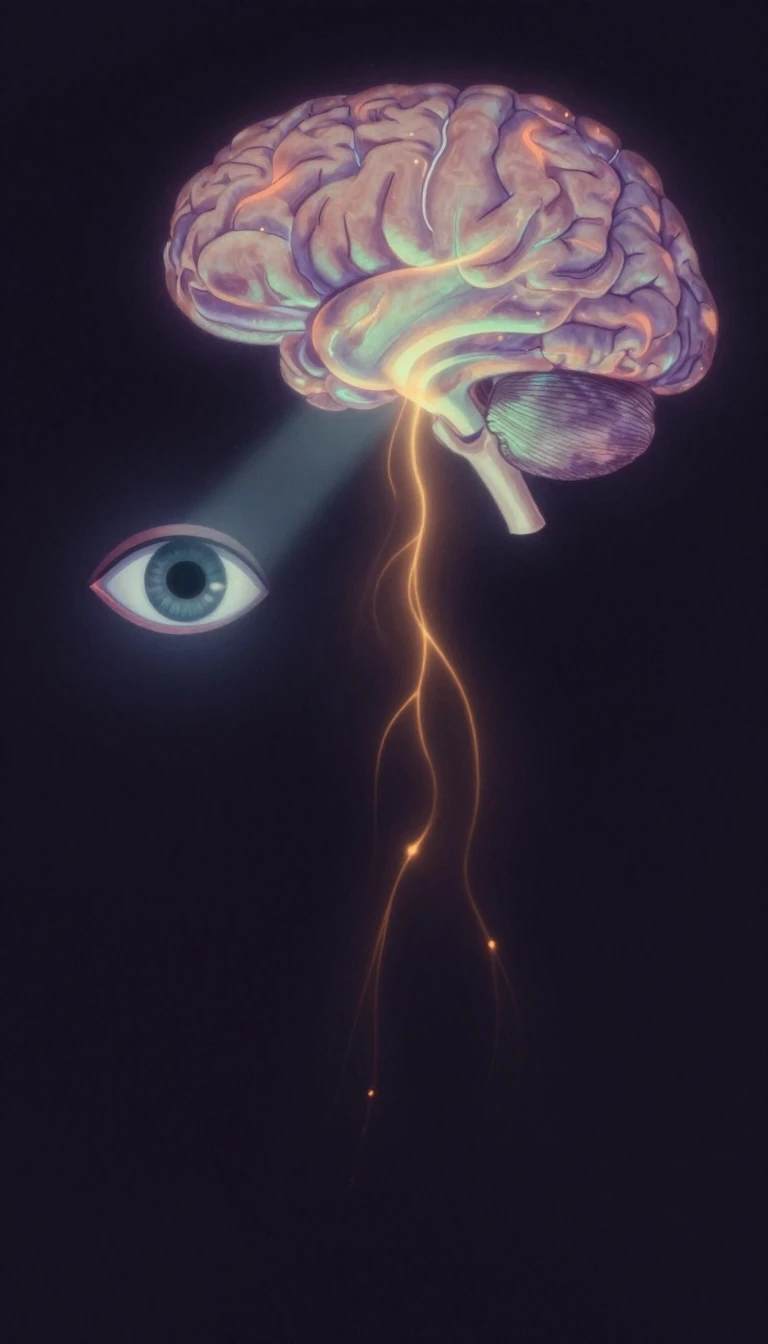 Why your brain prefers a quick, flawed guess over a slow, perfect calculationYour brain is a master of mental shortcuts. To navigate a complex world, it relies on heuristics—intuitive rules of thumb that save time and energy. While these shortcuts often le…
 Is the human mind a computer, or is that just a convenient metaphor?Cognitivism rose in the 1950s to explain what behaviorism ignored: the internal mental states that drive our actions. By treating the brain as an information-processing system, ps…
 Colette transformed French literature through the precise, sensory exploration of love and desire.A central figure in early 20th-century French letters, Colette moved beyond traditional narratives to master the sensory evocation of the human experience. Her work, often rooted …
 The most hated man in eighteenth-century London was also its most successful theatre manager.Colley Cibber was a polarizing figure who dominated the English stage for decades. While critics mocked his acting and his poetry, he pioneered sentimental comedy and managed the …
 Beyond the Battlefield: Understanding the Complex Spectrum of Human Combat and Violent ConflictCombat is far more than simple violence. It is a purposeful, structured interaction ranging from recreational sports to high-stakes warfare. Whether governed by international law …
 The mysterious poet who died at twenty-four and became a prophet of SurrealismIsidore Ducasse, known as the Comte de Lautréamont, left behind only two works before his death in 1870. Ignored in his lifetime, his surreal imagery and radical approach to autho…
 Confidence is not a fixed trait, but a skill you can actively buildWe often mistake confidence for an innate personality trait, but it is more like a muscle that strengthens with practice. Whether you struggle with self-doubt or simply want to im…
 Confusion is not a disease, but a warning light for your brain's healthConfusion is a symptom, not a condition, acting as a signal that something has disrupted your brain's normal processes. Because it impairs your ability to think, speak, and make d…
 Why contempt is the most destructive emotion in your closest relationshipsContempt is more than just dislike; it is a cold, distancing judgment that signals a perceived failure to meet moral or social standards. While anger targets equals, contempt is r…
 Why your favorite way to handle stress might actually be making things worseCoping is not a one-size-fits-all solution. While some strategies help you regain control, others offer only temporary relief while deepening the underlying problem. Understanding…
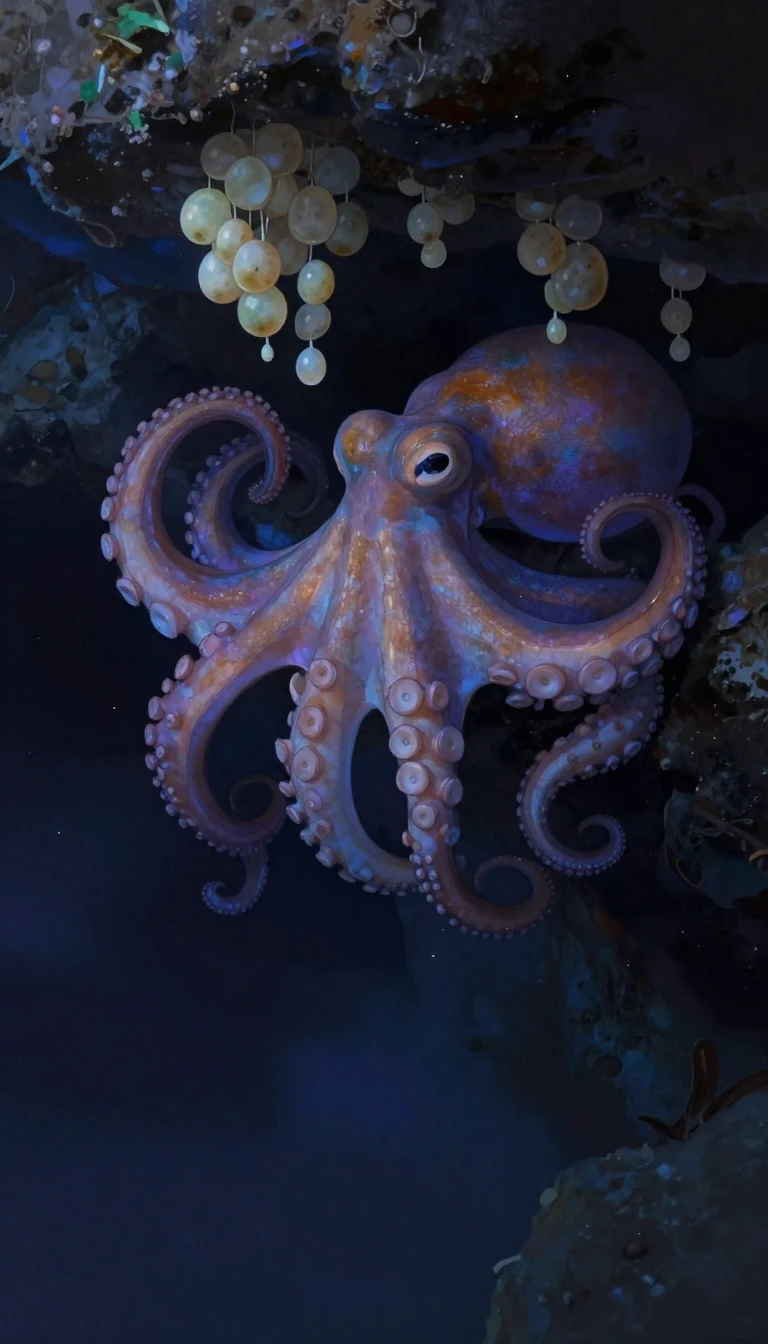 Why do so many ancient cultures imagine the universe began as an egg?From the Dogon of Burkina Faso to Vedic India and ancient China, the cosmic egg is a recurring motif for creation. This simple, universal shape captures the transition from chaos …
 Countee Cullen: The Harlem Renaissance Poet Who Sought to Transcend Racial Barriers Through VerseA central figure of the Harlem Renaissance, Countee Cullen believed poetry should be raceless. By blending traditional Eurocentric forms with themes of African-American identity, …
 Why do we struggle to define cruelty? Four distinct legal frameworks explain the problem.Cruelty is more than just malice; it is a complex human-made phenomenon. Legal scholars identify four distinct ways to define it, ranging from the objective nature of an act to th…
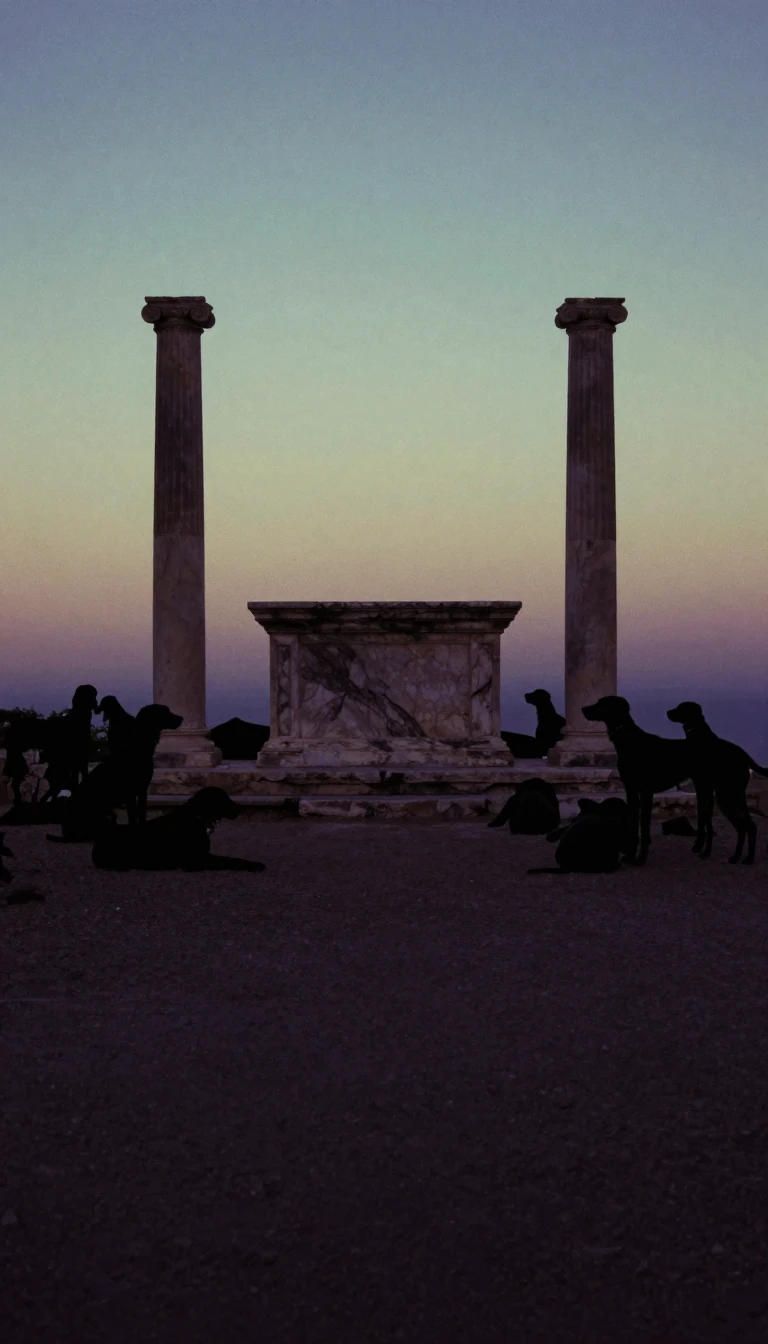 Ancient Greeks imagined three distinct types of Cyclopes, from divine smiths to man-eating giants.The one-eyed giant of myth is not a single character, but a triple-layered archetype. Ancient writers distinguished between celestial thunderbolt-forgers, lawless cave-dwelling sh…
 Cyprian Norwid: The Starving Genius Who Became Poland’s Fourth BardCyprian Norwid was a brilliant, nonconformist poet, painter, and philosopher who died in poverty, largely ignored by his contemporaries. Today, he is celebrated as a visionary pre…
- How a poet who survived the horrors of the 20th century redefined political dissent.Czesław Miłosz was a Nobel-winning poet who lived through the German occupation of Warsaw and the rise of Stalinism. By defecting from the Polish communist regime in 1951, he beca…
 The ancient gods who became demons: How the Daeva evolved into a force of evilIn the oldest Zoroastrian texts, the daevas were recognized as genuine gods, albeit ones to be rejected. Over centuries, this status shifted dramatically. These divine beings were…
- From flesh-eating demon to imperial protector: the shape-shifting history of the DakiniThe Dakini began as a terrifying demoness in Hindu and Buddhist lore, known for consuming human flesh. Yet, in Japan, this figure underwent a radical transformation. Through syncr…
 How a Soviet absurdist survived state censorship by hiding his genius in children's books.Daniil Kharms was a master of the surreal, dressing like an English dandy while writing anti-rational verse. Though his adult works were suppressed by the Soviet state, he found r…
 Can total sensory deprivation unlock the mind's hidden capacity for visionary experience?In the traditions of Tibetan Buddhism and Bön, advanced practitioners enter complete darkness for periods ranging from hours to decades. This intense isolation is not merely a tes…
 How an Israeli novelist transformed personal tragedy into a voice for political dissent.David Grossman is a celebrated author whose literary career has been shaped by the complex realities of Israeli life. From his early days in broadcasting to his vocal peace activi…
 Is the ancient Chinese concept of de actually a bank account for your fortune?Translating the Chinese term de is notoriously difficult. While often rendered as virtue, scholars like Arthur Waley argued it functions more like a stock of credit at a bank of f…
 Why humans are the only species that spend their lives fearing their own endHumans are uniquely burdened by the awareness of their own mortality, a realization that emerged roughly 150,000 years ago. This existential knowledge forces us to constantly navi…
 Why you rarely make the perfect choice and why that is actually rationalWe are taught that good decisions require surveying every option to find the best outcome. In reality, human beings lack the time and perfect information to do this. Instead, we u…
 How a Russian noble turned the gentry's ignorance into the country's most enduring comedy.Denis Fonvizin was a man of means who treated writing as a hobby, yet he became the father of Russian literary comedy. By mocking the crude, selfish habits of the country gentry, …
- Why the wheel on India's flag represents an ancient path to enlightenment and powerThe dharmachakra, or wheel of dharma, is more than a religious icon. Originating from ancient Indian chariot warfare, it evolved into a potent symbol of both royal authority and s…
 What is the Dharmakāya, the inconceivable truth body at the heart of Buddhist reality?In Mahāyāna Buddhism, the dharmakāya is the unmanifested, inconceivable reality from which all Buddhas arise and return. Far from a simple physical form, it represents the ultimat…
 From the front lines of Italy to the world of children's literatureBefore he became a beloved author of children's classics like The Sheep-Pig, Dick King-Smith spent two decades as a farmer and served as a soldier in World War II. His journey fro…
 Was the legendary founder of Carthage a real queen or a mythic invention?Dido, the fabled founder of Carthage, is best known as the tragic lover of Aeneas in Virgil's epic. Yet, ancient records and chronological analysis suggest she may have been a his…
- A Bulgarian literary giant whose life was defined by shifting political borders and ideologies.Dimitar Talev was a celebrated writer and parliamentarian, yet his career was violently interrupted by the communist takeover of Bulgaria. Branded a fascist and forced into labor …
 Why Greece's national poet left almost every one of his masterpieces unfinishedDionysios Solomos is the architect of modern Greek literature, yet he published almost nothing during his lifetime. A perfectionist who famously struggled to complete his work, he…
 Why your brain is wired to feel let down even when you winDisappointment is not just a bad mood; it is a fundamental driver of human decision-making. By focusing on what could have been rather than what is, we constantly recalibrate our …
- Discipline is not just willpower; it is the architecture of your future successDiscipline is the bridge between fleeting motivation and lasting achievement. By mastering the ability to prioritize long-term goals over immediate impulses, you transform daily, …
 Why a healthy dose of distrust is the secret to professional and corporate successWe often view distrust as a social poison, but it is actually a vital structural tool. From computer protocols to corporate boards and entrepreneurial strategy, formalizing our sk…
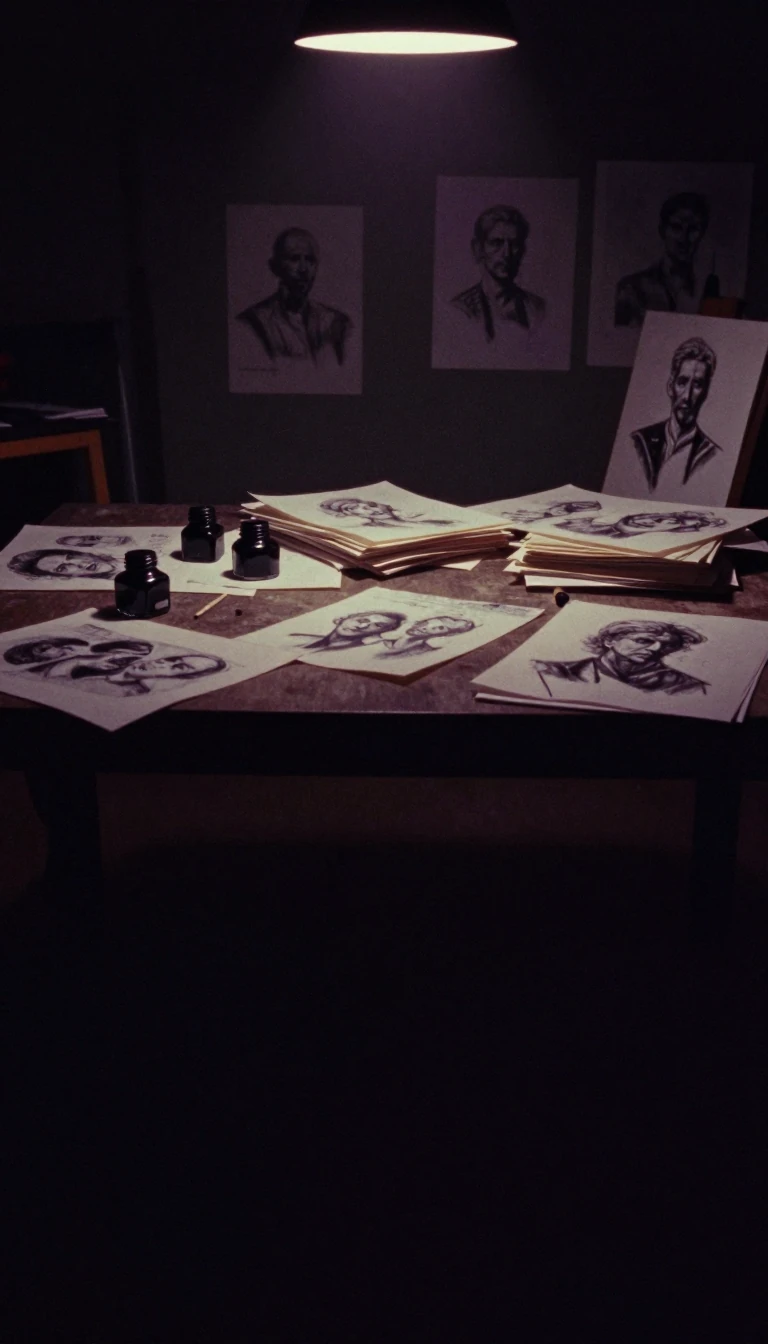 Dmitri Prigov: The Soviet conceptualist who wrote 36,000 poems on tin cansDmitri Prigov was a titan of the underground, a sculptor-turned-poet who navigated the absurdity of the Soviet era by turning everyday objects into canvases. From psychiatric dete…
 Dorothy Parker: The caustic wit who became a civil rights champion and literary iconDorothy Parker was the sharp-tongued star of the Algonquin Round Table, famous for her biting verse and legendary wisecracks. Yet, beneath the cynical veneer of her literary succe…
- How a Malagasy poet became the voice of a nation's soul and identityJean Verdi Salomon Razakandraina, known as Dox, transformed Malagasy literature by blending romanticism with traditional proverbs. From surviving a nationalist uprising to shaping…
 Dragotin Kette: The Tragic Prodigy Who Revolutionized Modernist Poetry in SloveniaDying in poverty at age 23, Dragotin Kette was a foundational force in Slovenian modernism. Though his life was cut short by tuberculosis, his lyrical, impressionistic work left a…
 Are your dreams divine messages, repressed desires, or just random neural noise?For millennia, humans have treated dreams as everything from prophetic warnings to hidden psychological blueprints. Whether viewed as a dialogue with the unconscious or a byproduc…
 Can you master your own mind by learning to wake up inside your dreams?Dream yoga, or milam, is an ancient Tibetan tantric practice designed to cultivate awareness within the dream state. By mastering lucidity, practitioners aim to realize the illuso…
 Why the ancient concept of duḥkha means far more than just human sufferingOften translated as suffering, the Sanskrit term duḥkha captures a deeper, pervasive sense of unease or incompleteness. Whether viewed as a poorly fitting axle on a cart or an uns…
 Why did ancient Mesopotamians mourn a shepherd god every single summer?Dumuzid, the ancient shepherd deity, was the original dying-and-rising god. His myth defined the seasons, inspired the Greek legend of Adonis, and left a lasting mark on religious…
 Dzogchen: The Ancient Tibetan Path to Discovering Your Innate, Unchanging State of AwarenessDzogchen, or Great Perfection, is a profound tradition within Tibetan Buddhism that bypasses complex rituals to focus on the direct realization of one's true nature. By recognizin…
 Why the greatest Portuguese novelist spent his most productive years complaining about English vegetables.Eça de Queiroz, a titan of realist literature, found his creative stride while serving as a diplomat in England. Though he famously detested the local cuisine and limited social t…
 Why E. E. Cummings wanted you to stop trying to understand his poetryE. E. Cummings is famous for his lowercase i and scrambled syntax, but he viewed his work as a living experience rather than a puzzle to solve. By breaking the rules of grammar, h…
 Edith Södergran: The tuberculosis-stricken poet who redefined modernism from a remote villageLiving in a war-torn village on the Karelian Isthmus, Edith Södergran transformed her isolation and chronic illness into a radical new poetic language. Though she died at 31 in ob…
 Edith Sitwell was a towering, six-foot poet who wore gold turbans and fought critics.Dame Edith Sitwell was a formidable literary force, known as much for her exotic, brocade-clad appearance as for her precise, rhythmic verse. Though she faced virulent personal at…
 Edna St. Vincent Millay: The Bohemian Poet Who Became a Literary Icon and ActivistRenowned as a vibrant symbol of the Roaring Twenties, Edna St. Vincent Millay was the first woman to win the Pulitzer Prize for Poetry. Beyond her lyrical mastery, she was a fierc…
- The Soviet children's author who created a cultural icon and challenged national propagandaEduard Uspensky was a prolific Soviet writer whose whimsical characters, like the beloved Cheburashka, defined childhood for millions. Yet, beyond his literary success, he was a c…
 Is education a science or an art? The debate that shaped modern classrooms.Educational psychology bridges the gap between scientific inquiry and the classroom. From ancient philosophical roots to modern cognitive science, this field explores how we learn…
 The forgotten poet who saved a language while his neighbors mocked himEdward Faragher was the last great first-language poet of Manx Gaelic, yet he died in an unmarked grave, shunned by his own community. While he preserved thousands of legends and …
- Did a wealthy recluse invent the most famous Persian poem in English literature?Edward FitzGerald was a quiet, eccentric Englishman who spent his life in Suffolk, far from the literary spotlight. Yet, his 1859 adaptation of Omar Khayyám’s quatrains became a g…
- The melancholy genius behind the limerick was a master of topographical precisionEdward Lear is remembered for popularizing the limerick and crafting whimsical nonsense verse, yet he viewed himself primarily as a serious landscape painter. Behind his fantastic…