 Intellect Plus
Ideas & Philosophy
17,867 cards. Each one is a 40-second story with a five-minute read behind it. Page 186 of 298.
Subtopics: Abrahamic religions · Artificial intelligence · Attention · Classic philosophy · Cognitive biases · Consciousness · Cooperation · Cynicism · Decision making · Decision theory · Descartes · Dharmic religions · Dreams · Eastern philosophy · Eastern religions · Epistemology · Ethics · Evidence · Existentialism · Fairness · Famous psychology experiments · Free will · Game theory · Greek mythology · Historians · Identity · Infinity · Justice · Logic · Logical fallacies · Mathematics · Medieval philosophy · Mind · Mythology · Mythology of the ancient world · Other religions · Paradoxes · Philosophers · Philosophers, historians, political and social scientists · Philosophy · Philosophy of mind · Philosophy of science · Political philosophy · Probability · Psychology · Reality · Religion · Religion and spirituality · Religious figures · Self knowledge · Statistics · Stoicism · Strategy · Taoism · Thought experiments · Trivia & curiosities · Truth · Utopias & ideal worlds · Wellbeing · World religions · Writers
 How a Danish Nobel laureate used medical science to redefine modern literatureJohannes V. Jensen abandoned medical school to become a pioneer of Danish modernism. By blending Darwinian evolution with lyrical prose, he created an expansive body of work that …
 Why John Banville prioritizes the poetic possibilities of language over conventional storytellingJohn Banville is a master of paradox, known for complex, referential fiction that explores loss and obsession. While he gained fame for his literary novels, he also writes gritty …
 How John Berryman transformed his childhood trauma into a landmark of confessional poetryWhen John Berryman was twelve, he witnessed his father take his own life. This singular, haunting tragedy became the engine of his artistic life, driving him to pioneer a style of…
 John Betjeman: The Poet Laureate Who Championed the Architecture of a Vanishing EnglandSir John Betjeman was a beloved British poet and architectural authority who captured the social nuances of a disappearing world. As poet laureate, he used his rhythmic, satirical…
 A Quaker poet who used his pen as a weapon against American slavery.John Greenleaf Whittier was a frail, color-blind farm boy who became a fierce abolitionist lobbyist. While his Quaker faith preached peace, he spent decades using poetry and polit…
 Why did a brilliant Elizabethan playwright choose to dedicate his tomb to oblivion?John Marston was a firebrand of the late Elizabethan stage, famous for his savage satires and bitter feuds with Ben Jonson. Yet, after a decade of literary success, he abruptly ab…
- How a runaway sailor became England's longest-serving Poet Laureate of the twentieth centuryJohn Masefield began his career jumping ship in New York to work as a barkeeper, yet he rose to become a literary giant. As Poet Laureate for thirty-seven years, he transformed pu…
 How a radical poet’s ten-year prison sentence for two joints changed American constitutional law.John Sinclair was a counterculture icon who managed the MC5 and founded the White Panther Party. When he was sentenced to a decade in prison for giving two joints to an undercover…
 Why did the 17th-century audience hate the plays we now consider absolute masterpieces?John Webster, a contemporary of Shakespeare, wrote tragedies so dark and intellectually complex that they baffled his original working-class audiences. Today, his unsparing vision…
 How a failed lawyer became one of Norway's four literary giantsJonas Lie began his career as a struggling small-town lawyer with failing eyesight. After his legal practice faltered, he turned to journalism and literature, eventually rising to…
 The Argentine journalist who defined a national identity through the voice of a gaucho.Born on a farm in 1834, José Hernández lived a life defined by the volatile civil wars of Argentina. Yet, he is remembered today not for his political maneuvering or his journalis…
 How one Brazilian novelist captured the fading heartbeat of a feudal plantation societyJosé Lins do Rego remains a titan of Brazilian regionalist literature. Best known for his semi-autobiographical Sugar Cane Cycle, he chronicled the inevitable collision between tr…
 Was the quintessential Romantic wanderer actually a homebody who rarely left his desk?Joseph Freiherr von Eichendorff is celebrated as the literary father of the wandering spirit, yet his life was defined by bureaucratic stability rather than the open road. While h…
 Why joy is more than just a fleeting moment of happinessWe often confuse joy with happiness or pleasure, but experts argue they are distinct experiences. While happiness reflects on our life as a whole, joy is a process-oriented emotio…
 How a Nobel laureate’s quest for poetic purity led to a lifetime of exileJuan Ramón Jiménez, the 1956 Nobel laureate, transformed Spanish literature by stripping his verse of all excess. From his early, color-drenched romanticism to his later ascetic s…
 A writer of only two books who changed Latin American literature foreverJuan Rulfo produced a remarkably slim body of work, yet his influence on 20th-century literature is seismic. By weaving rural violence with spectral, stream-of-consciousness narra…
 Judith Wright: The Australian Poet Who Turned Environmental Activism Into Mythic VerseJudith Wright was a towering figure in Australian literature and a fierce environmental campaigner. While her poetry probed the deep relationship between humanity and the natural …
 The brothers who turned their housekeeper’s secret life into a literary revolutionJules and Edmond de Goncourt were inseparable collaborators who pioneered French Naturalism. By documenting the gritty realities of social classes—often inspired by their own hous…
 Jules Supervielle: The Franco-Uruguayan poet who charted a path beyond surrealist dogmaBorn in Montevideo and raised between two continents, Jules Supervielle carved a unique literary identity that rejected the automatic writing of his surrealist contemporaries. A t…
 A poet who gambled everything to be herself, dying in anonymity before global recognition.Julia de Burgos was a trailblazing Puerto Rican poet and activist whose work challenged colonialism and gender norms decades before the women's liberation movement. Despite her pr…
 The French novelist who famously rejected the country's most prestigious literary prizeJulien Gracq was a master of dreamlike prose who lived a quiet life as a geography teacher. Despite his literary fame, he remained fiercely independent, famously refusing the Prix…
 How Julio Cortázar invited readers to dismantle the traditional novel and rebuild it themselvesJulio Cortázar was an Argentine master of experimental fiction who transformed the literary landscape. His masterpiece, Hopscotch, shattered the linear novel, inviting readers to …
 Why a medical school graduate chose to become Japan's master of the surrealKōbō Abe was a doctor who never practiced, a communist who broke with the party, and a writer who felt like a man without a home. His surreal, nightmarish fiction, often compared …
 Kachinas are not just dolls: they are the living spirits of the entire universe.In Pueblo cultures, kachinas are powerful supernatural beings representing everything from stars to ancestors. They are not worshipped as gods, but respected as essential partners…
 How an 11th-century Buddhist school vanished but shaped all of Tibetan practiceThe Kadam school, founded by the Bengali master Atisa in 11th-century Tibet, ceased to exist as an independent institution by the 16th century. Yet, its core teachings—including t…
 The Kagyu school of Tibetan Buddhism is a lineage defined by oral transmission.Known as the Oral Lineage, Kagyu traces its roots to 11th-century Indian masters. It evolved from a tradition of solitary, householder yogis into a structured monastic system. Tod…
 The Japanese river-child: a shape-shifting monster that loves cucumbers and sumo wrestlingIn Japanese folklore, the kappa is a legendary water-dwelling creature known for its turtle-like shell, webbed limbs, and a water-filled dish atop its head. While once feared as a…
 Why did one of the 20th century's greatest satirists obsess over a single comma?Karl Kraus, the Austrian writer who weaponized language against the corruption of his era, believed that linguistic precision was a moral imperative. To Kraus, a misplaced comma w…
- Karuṇā is not just a feeling; it is an active, intentional commitment to others.Often mistranslated as pity, the Sanskrit concept of Karuṇā demands action. Rooted in the word for doing, it is a foundational virtue across Indic religions. Whether in Hinduism, …
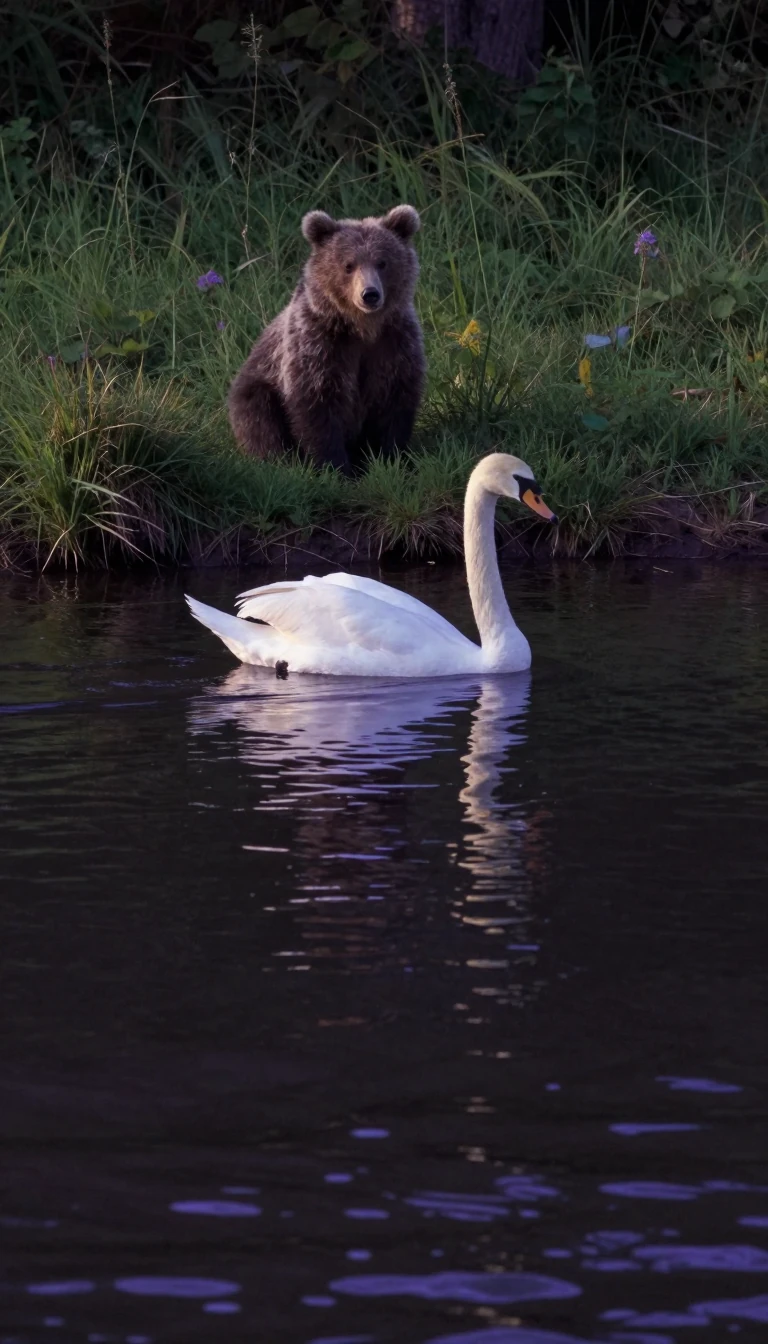 The Scottish kelpie is a shape-shifting water spirit that hides in plain sightIn Scottish folklore, the kelpie is a malevolent water spirit that often takes the form of a horse to lure victims into the depths. While these legends served as cautionary tales …
 Why did one of Australia's most influential poets stop writing poetry at age forty-three?Kenneth Slessor was a titan of Australian modernism, celebrated for his technical mastery and urban sensibility. Yet, after publishing his definitive collection in 1944, he abrupt…
 How Keorapetse Kgositsile bridged the gap between African poetry and the American jazz age.Exiled from South Africa for his activism, Keorapetse Kgositsile became a central figure in the American Black Arts Movement. By blending the rhythmic urgency of jazz with a milit…
 Kim Dong-in: The Korean literary pioneer who championed art over ideologyBorn into wealth, Kim Dong-in rejected the didactic, message-driven literature of his peers to pursue pure aestheticism. His career, marked by naturalist masterpieces and a contro…
 Can a novelist redefine the boundaries of modern identity and urban alienation?Kim Young-ha emerged as a defining voice of contemporary Korean literature by dissecting the anxieties of modern capitalism. From professional suicide assistants to North Korean s…
 Is kindness a natural human instinct or a rational moral obligation we must learn?Kindness is more than a fleeting feeling; it is a complex, multidimensional construct that shapes human relationships. From ancient philosophical debates to modern psychological r…
 How a traumatized monk became the voice of South Korean political resistance and poetryKo Un emerged from the horrors of the Korean War and a decade of monastic life to become a central figure in South Korean literature. His work, characterized by a passionate, bras…
- Is the Southwest's favorite icon a fertility god, a traveling trader, or an insect?Kokopelli, the humpbacked flute player, is a fixture of Southwestern art and modern kitsch. While often reduced to a symbol of regional tourism, this ancient figure is a complex d…
 Konstantin Balmont was the Russian Symbolist poet who believed in the power of spontaneity.A central figure of Russia's Silver Age, Konstantin Balmont was a prolific poet who famously refused to revise his work, trusting entirely in his first burst of inspiration. His l…
 Korney Chukovsky: The Self-Taught Critic Who Revolutionized Russian Children’s LiteratureBorn into poverty and expelled from school for his low origin, Korney Chukovsky rose to become Russia’s most beloved children’s poet. Beyond his whimsical verse, he was a formidab…
 Kosta Khetagurov: The Painter and Poet Who Defined a Nation's Literary SoulBorn in a remote mountain village, Kosta Khetagurov rose to become the foundational figure of Ossetian literature. A master of both brush and pen, he navigated imperial censorship…
- The Kraken was likely a misunderstood encounter with sperm whales hunting giant squids.For centuries, Norwegian sailors feared a gargantuan sea monster capable of dragging ships into the abyss. While legends described a many-armed beast, modern analysis suggests the…
 The Krasue is a floating, disembodied head trailing internal organs through the Southeast Asian night.Across Southeast Asia, folklore describes a nocturnal spirit consisting of a woman's head with dangling viscera. Known by names like Krasue in Thailand and Ahp in Cambodia, this e…
 Why Western development theories failed to understand Thailand's unique political landscapeIn the 1950s, M.R. Kukrit Pramoj challenged American and Soviet advisors who tried to force Thailand into European historical models. He argued that Thailand's social structure, r…
- How a Thai novelist became a political exile for the sake of his conscienceKulap Saipradit, better known by his pen name Siburapha, was a titan of 20th-century Thai literature and journalism. His commitment to human rights and peace eventually cost him h…
 The Kuntilanak is a vengeful spirit that haunts the folklore of Southeast AsiaOften appearing as a beautiful woman with long, dark hair, the Kuntilanak or Pontianak hides a terrifying, monstrous reality. This vengeful spirit, linked to women who died during…
- Lêdo Ivo: The Brazilian literary giant who turned transgression into a poetic movementBorn in 1924, Lêdo Ivo was a prolific Brazilian writer whose career spanned poetry, novels, and essays. Following the death of Mário de Andrade in 1945, Ivo became a central figur…
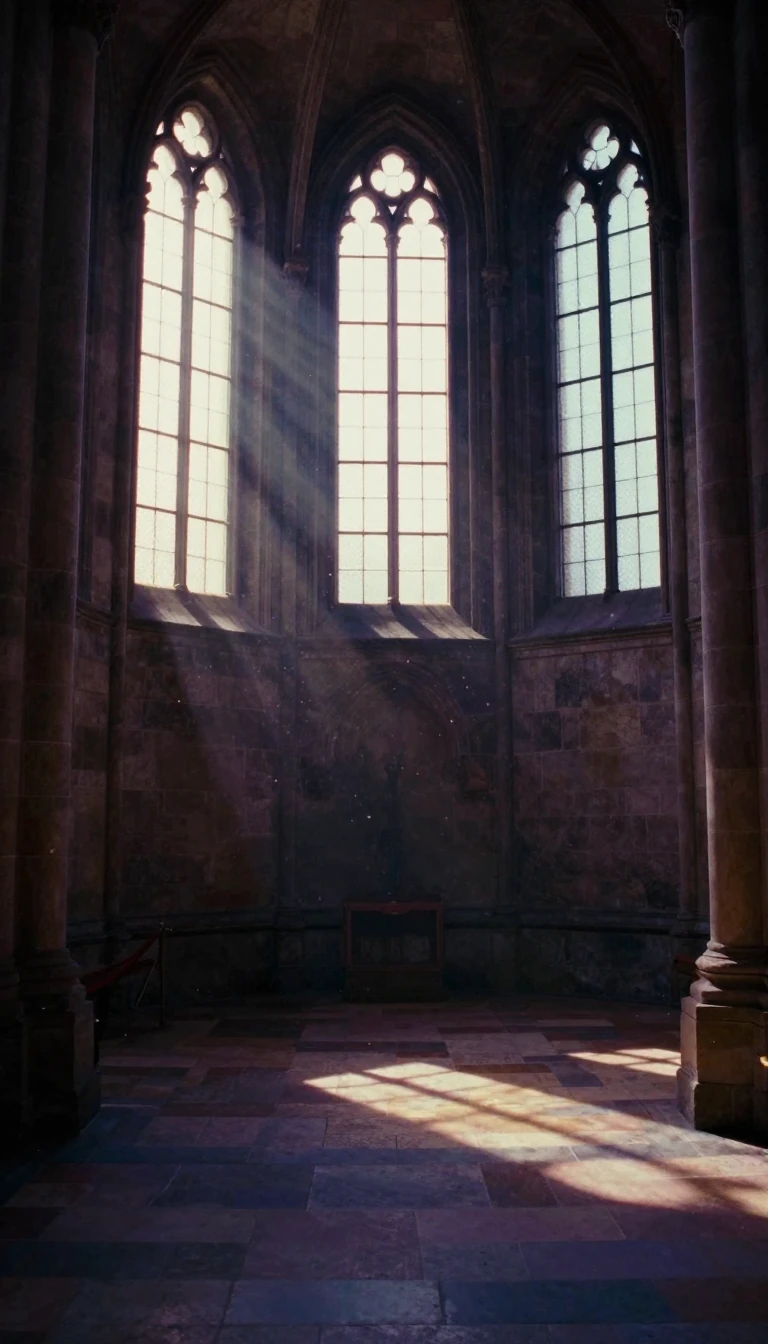 Why the Supreme Deity of Yoruba Religion Has No Shrines or Direct WorshipỌlọrun is the omnipotent, omnipresent creator of the universe in Yoruba tradition, yet this supreme being remains distant and inaccessible. Unlike the divine beings who govern the…
 How a Hungarian novelist built an entire literary world out of endless, winding sentences.László Krasznahorkai, the 2025 Nobel laureate, crafts labyrinthine prose that stretches across hundreds of pages with few, if any, full stops. His work explores the grotesque and …
 Why the legendary brother of Rama is the namesake of modern naval admiralsLakshmana is celebrated in the Ramayana as the ultimate symbol of fraternal devotion. Beyond his role as Rama's loyal shadow, his name has transcended mythology to become a formal…
 How Tibetan Buddhism organizes the complex journey toward enlightenment into a single, logical path.Tibetan Buddhism uses a structured framework called lamrim to guide practitioners through the vast, often contradictory teachings of the Buddha. By categorizing spiritual developm…
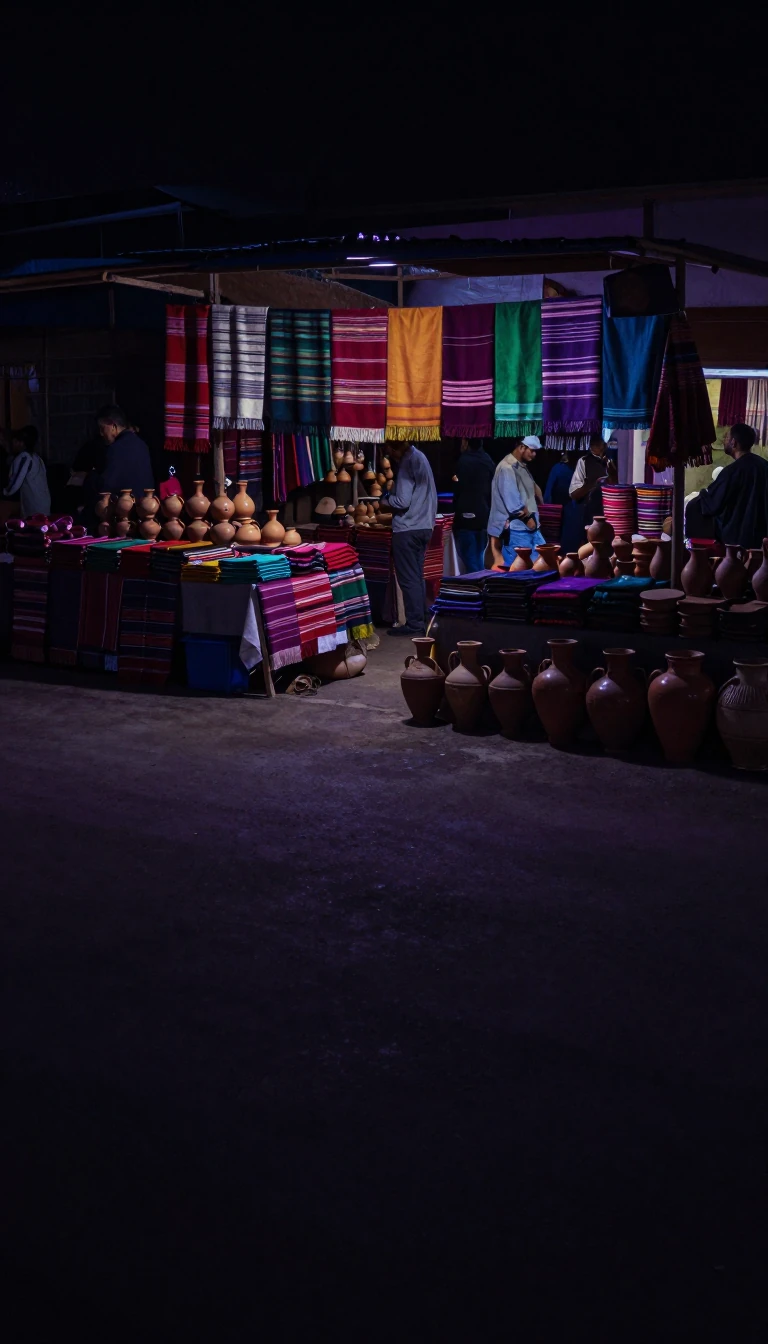 Is laziness a moral failing, a survival strategy, or a simple biological necessity?We often dismiss laziness as a character flaw, yet psychology and economics suggest it is far more complex. From the biological drive to conserve energy to the spiritual warnings …
- Is leadership an innate gift, a learned behavior, or just a situational accident?For centuries, we hunted for the secret traits that make a leader. Then, mid-century research suggested leadership was merely situational. Today, the debate has evolved into a com…
 How a Parnassian poet navigated the turbulent politics of nineteenth-century FranceCharles Marie René Leconte de Lisle was a central figure in the Parnassian movement, bridging the gap between Romanticism and Symbolism. Despite his fervent Republicanism, he navi…
- From RAF photographer to spy novelist: the unlikely career of Len DeightonLen Deighton began writing his debut spy thriller for a lark while working as a graphic artist. The book became an instant sensation, selling out its entire initial print run on t…
 How Clarín transformed Spanish literature through the intimate lens of the internal monologueLeopoldo Alas, known by his pen name Clarín, was a formidable Spanish intellectual whose sharp journalism and realist novels redefined 19th-century prose. By pioneering techniques…
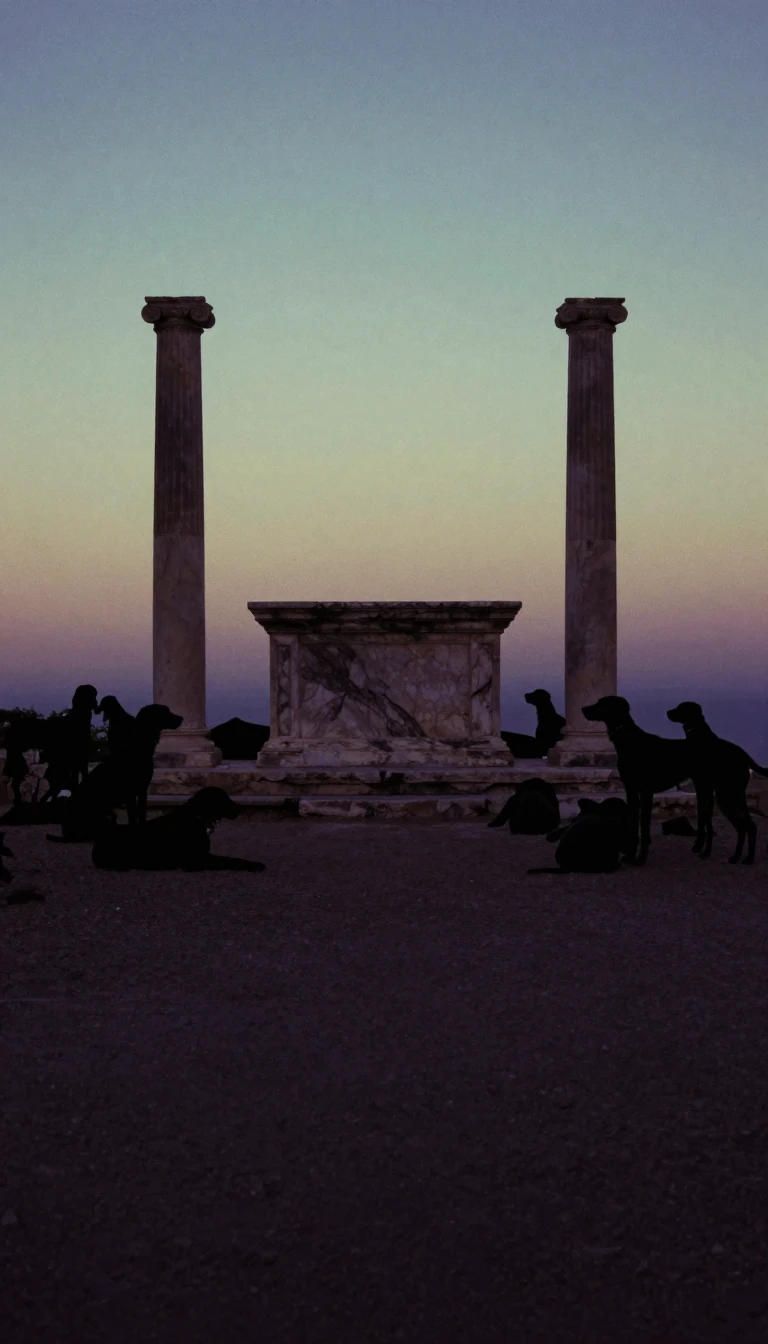 Why the ancient Greek Hydra became the ultimate symbol of an impossible, never-ending task.The Lernaean Hydra was more than a multi-headed monster; it was a biological nightmare that could regenerate two heads for every one severed. This lethal creature, born of Typhon …
 Was Les Murray the last true bush-bard or a master of modern polemic?Les Murray was a towering figure in Australian letters, celebrated as a leading poet of his generation. Yet, his legacy remains a paradox: he was a traditionalist who championed t…
- How a bedridden poet became the defiant voice of a nation's cultural rebirthBorn Larysa Kosach, Lesya Ukrainka overcame chronic bone tuberculosis to become a titan of Ukrainian literature. Writing under a pseudonym to bypass imperial bans on her native la…
- Why Brazil’s most biting satirist was persecuted for writing in plain, accessible language.Lima Barreto was a literary outsider who rejected the ornate, baroque style favored by the Brazilian elite. By choosing simplicity, he aimed to reach the common people, but his re…
 Why China's most famous science fiction writer believes humanity is ultimately insignificantLiu Cixin, a former computer engineer, has redefined hard science fiction by centering his narratives on the vast, indifferent scale of the universe. By prioritizing scientific ma…