 Intellect Plus
World Heritage Sites
1,540 cards. Each one is a 40-second story with a five-minute read behind it. Page 8 of 26.
 The Marsh Arabs of Iraq have survived centuries of displacement and environmental destruction.Inhabiting the Mesopotamian marshlands for generations, the Ahwaris developed a unique culture built on reed architecture and water buffalo pastoralism. Once numbering half a mill…
 The Matrikas: Ancient Hindu mother goddesses who are both life-givers and terrifying destroyersThe Matrikas are a powerful group of Hindu mother goddesses, often depicted as seven or eight distinct energies. While they are revered as protective, nurturing figures, ancient t…
 How did ancient Mesoamerican civilizations evolve across thousands of years of complex history?Mesoamerican history is not a single story, but a layered sequence of distinct eras. From the early Paleo-Indian period to the rise of the Aztec Empire, these cultures developed m…
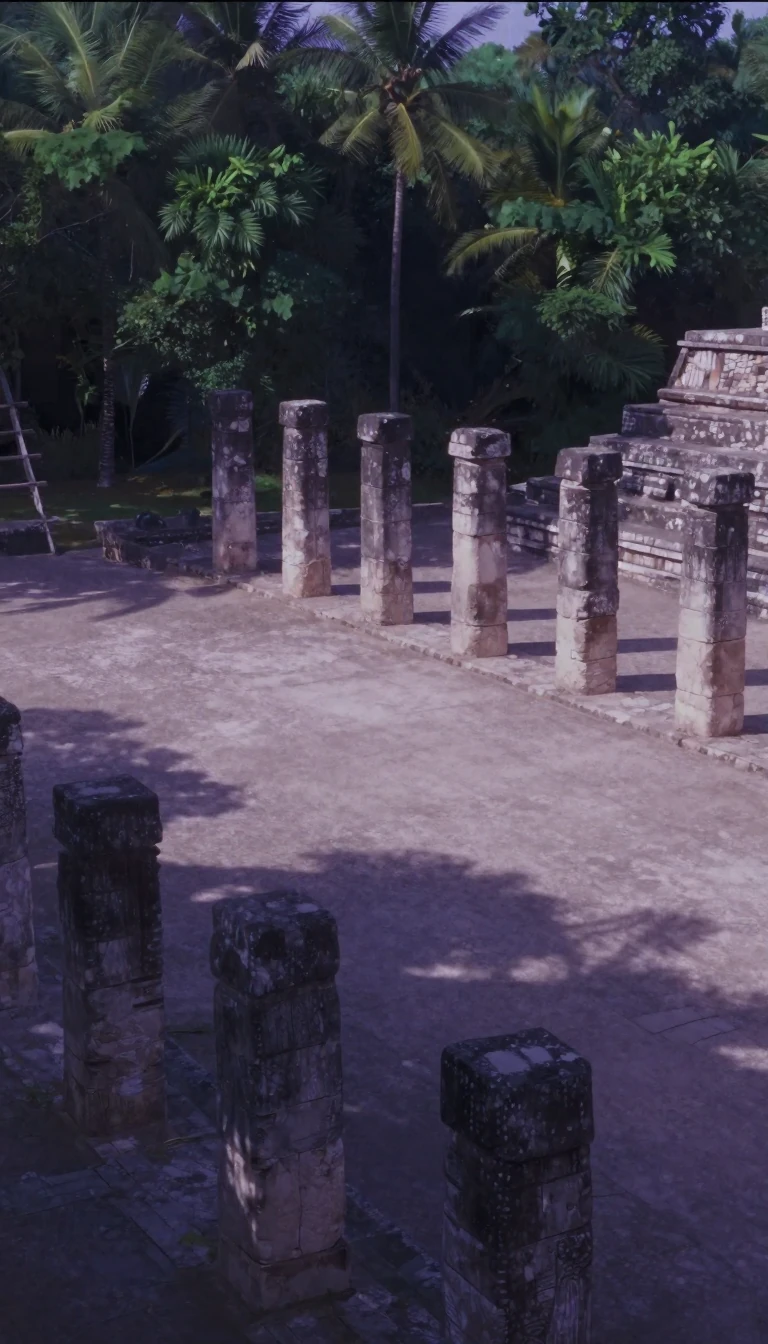 Mesoamerican pyramids were not just tombs but complex stages for ritual and mythUnlike their Egyptian counterparts, Mesoamerican pyramids were flat-topped platforms designed for temples and public ceremony. These structures evolved from simple burial mounds i…
 How a language of the Sasanian Empire became the ancestor of modern PersianMiddle Persian, or Pahlavi, served as the official language of the Sasanian Empire from 224 to 651 CE. Evolving from Old Persian, it bridged the gap between ancient traditions and…
 Beneath the streets of Paris lies a vast, forgotten labyrinth of ancient stone mines.Paris is built upon a complex network of abandoned subterranean quarries, originally excavated for limestone and gypsum. While these tunnels once fueled the city's growth, they ev…
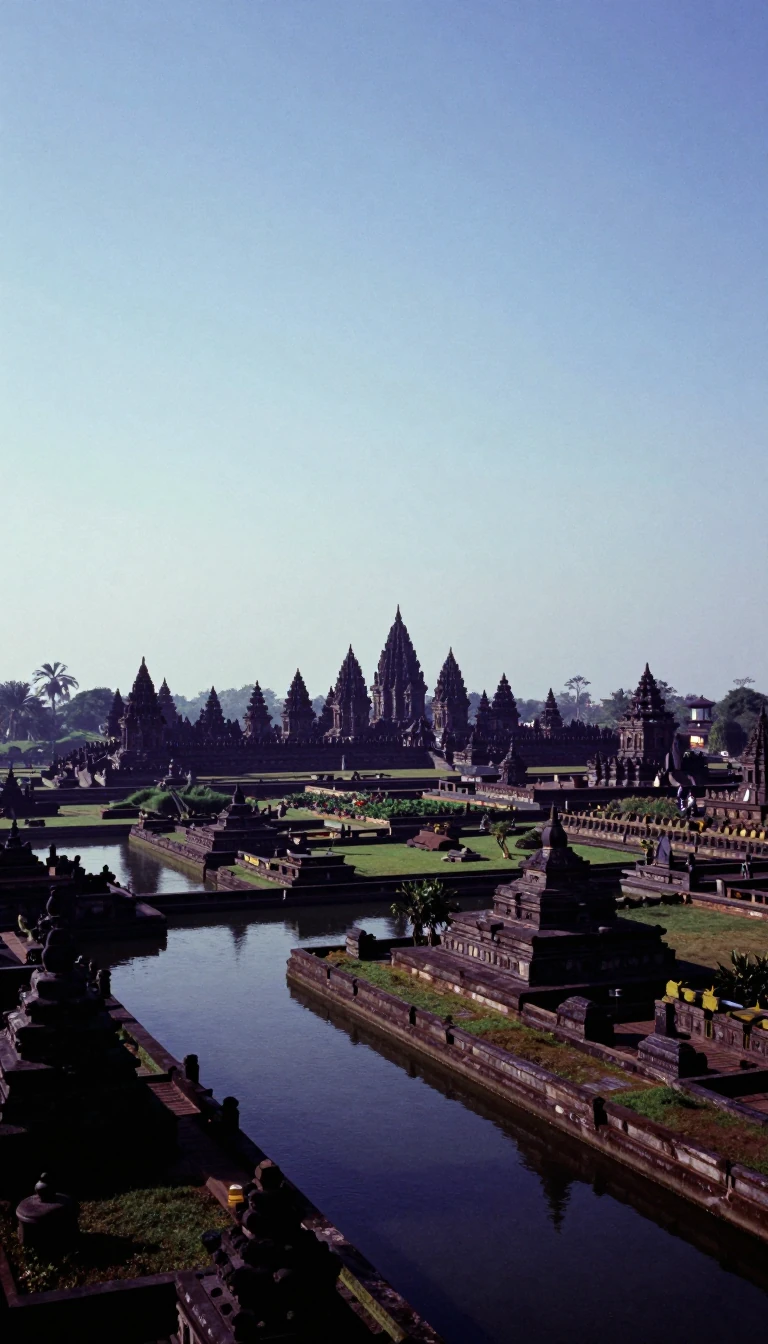 How ancient architects carved a sacred capital directly into the top of a mountain.Monte Albán is a masterpiece of Mesoamerican engineering, where successive civilizations transformed a rugged ridgeline into a sprawling ceremonial center. By leveling the mountai…
 Why ancient Indian astronomers tracked the moon using a clock of 27 or 28 starsLong before modern calendars, ancient Indian astronomers mapped the moon's path against the stars to create the nakshatra system. These lunar mansions functioned like numbers on a…
 Beyond the Yoga Studio: The Ancient Roots and True Meaning of NamasteNamaste is far more than a modern yoga class sign-off or a T-shirt slogan. Rooted in Vedic literature and ancient temple art, this gesture of reverence—known as Añjali Mudrā—carri…
 Why the New Testament assigns nearly 200 distinct names and titles to JesusThe New Testament does not rely on a single name for Jesus. Instead, it employs a vast array of titles—nearly 200 by some counts—to articulate his mission, divinity, and relations…
 Before it was Australia, the continent was known to Europeans as New Holland.For over two centuries, European maps identified the Australian landmass as New Holland. While Dutch explorers first charted the coast in 1606, they never established a permanent …
 Why the North Caucasian Federal District is Russia's most unique administrative regionEstablished in 2010, the North Caucasian Federal District stands apart from all other Russian administrative divisions. It is the only federal district in the country that lacks a…
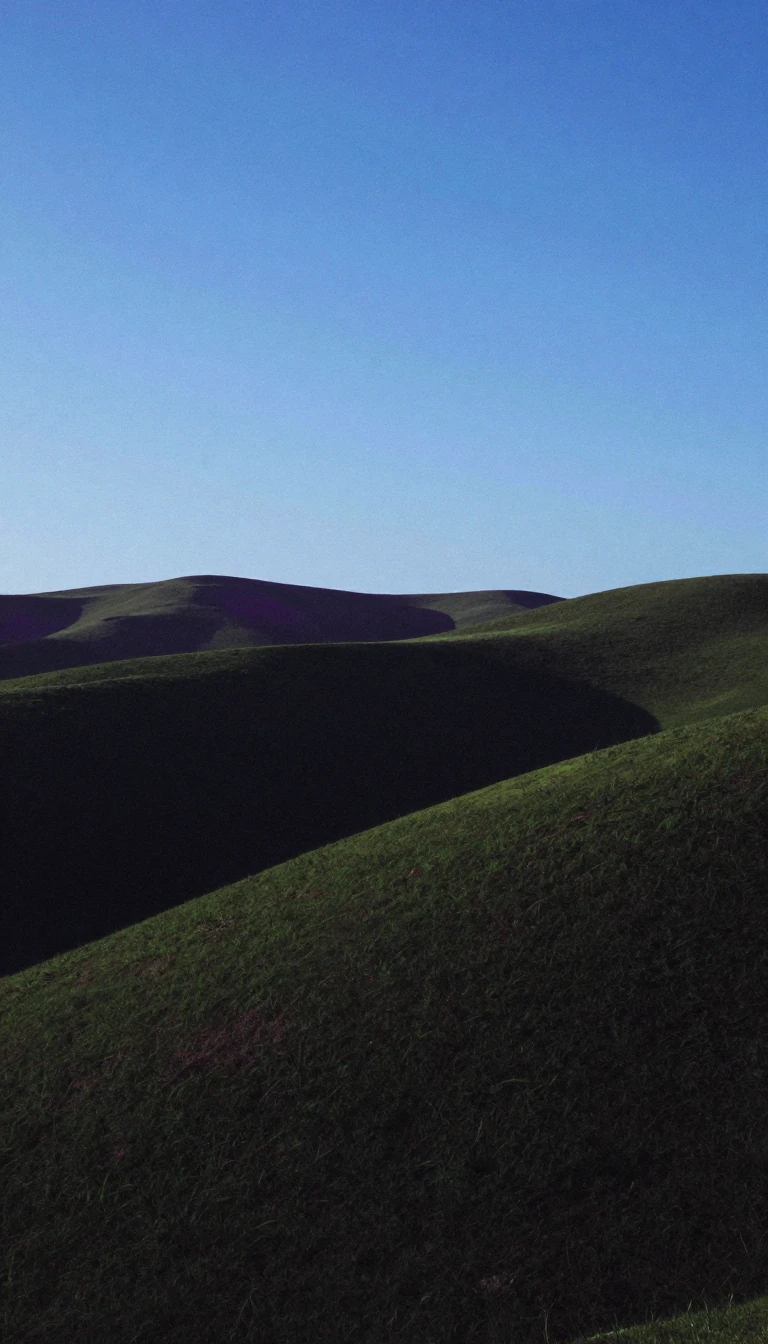 How a massive French region redefined its identity through the lens of wineNouvelle-Aquitaine, France's largest region, emerged in 2016 from a merger of three historic territories. While its vast geography spans from the Pyrenees to the Atlantic, its glo…
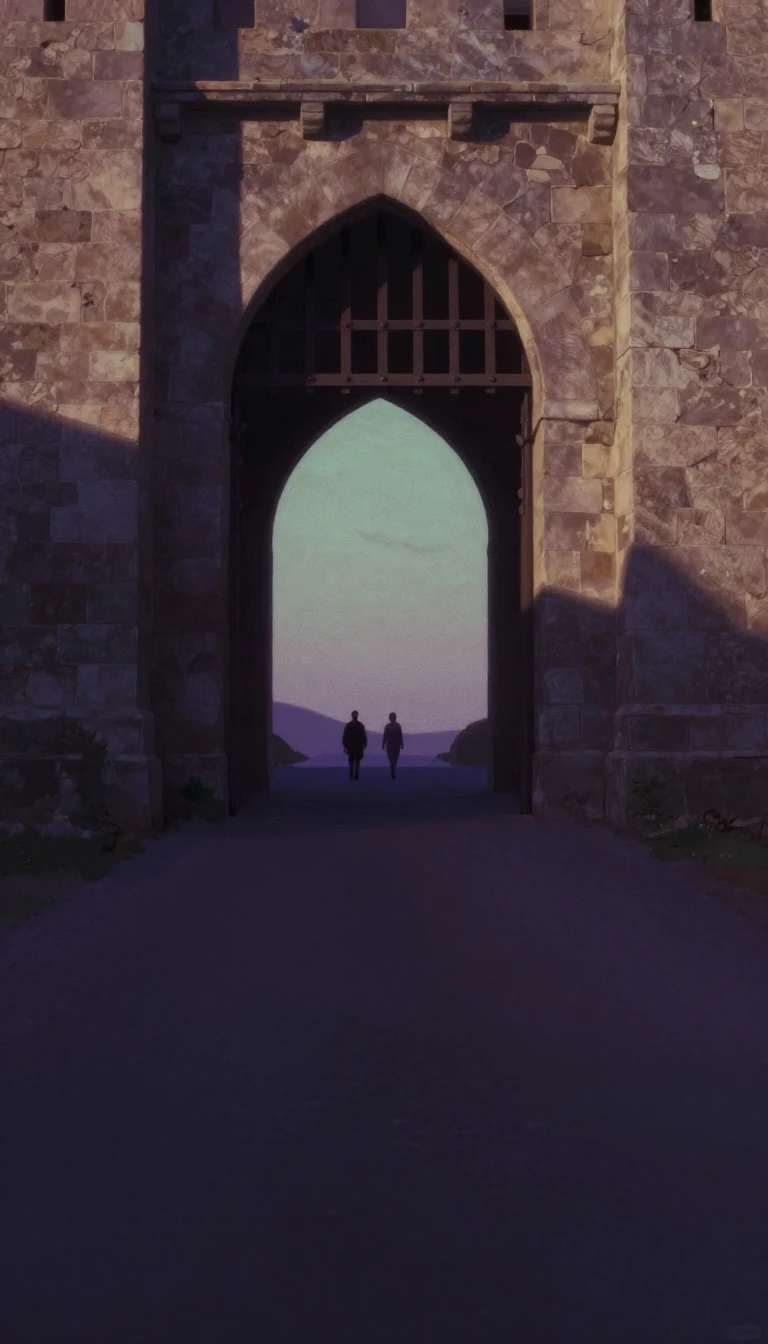 Is England's most famous border monument actually a centuries-old misunderstanding of history?Long attributed to the 8th-century Mercian King Offa, this massive earthwork was once thought to span from sea to sea. Modern archaeology now suggests a far more complex, multi-ge…
 How a small French town gave its name to the Dutch royal familyOrange, a commune in southeastern France, was once a miniature Rome. Though its name predates the citrus fruit, it became inextricably linked to the House of Orange-Nassau. Today,…
 Osaka Castle: A Monument Built, Destroyed, and Reborn Through Centuries of ConflictOsaka Castle is not just a landmark; it is a survivor of centuries of fire, siege, and total reconstruction. From its origins as a symbol of Toyotomi Hideyoshi's power to its role…
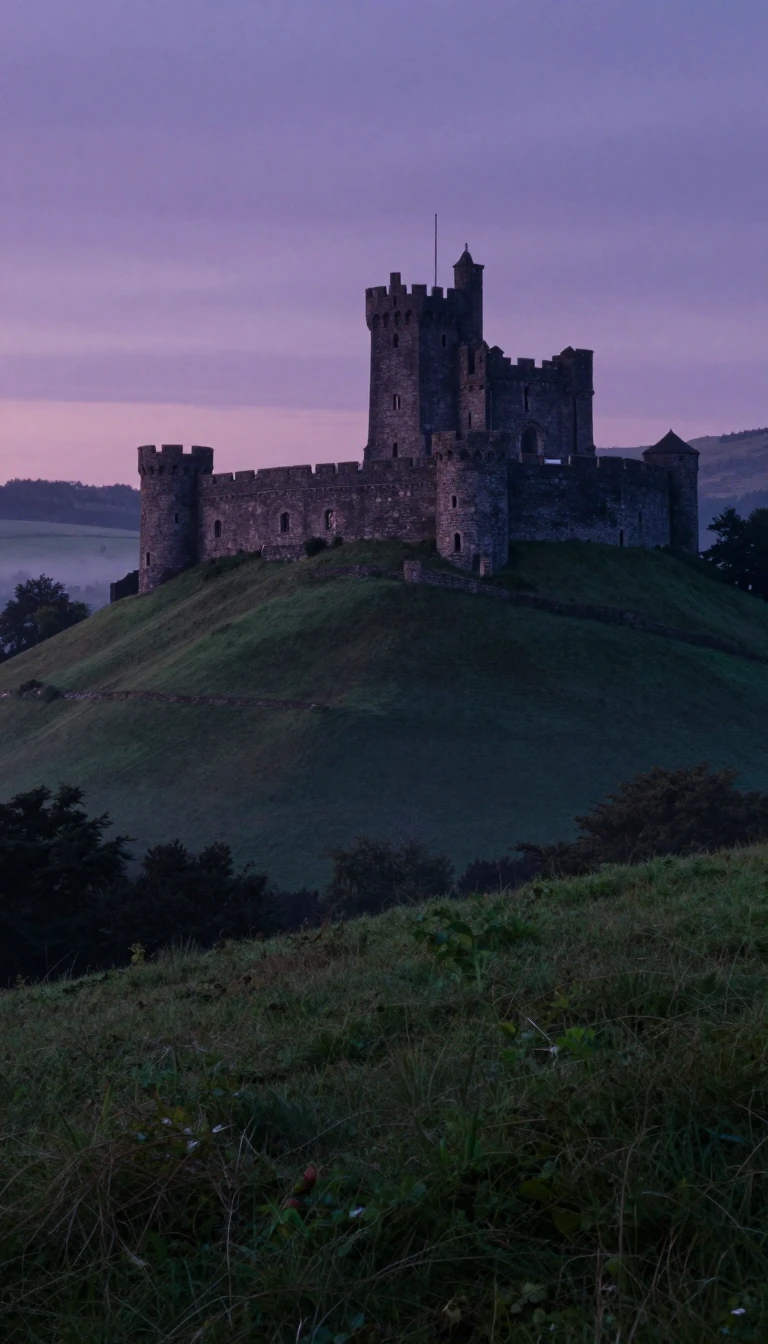 Why a town that never saw its own castle inspired the first Gothic novel.Otranto is Italy’s easternmost outpost, a historic port defined by ancient Greek roots, Ottoman sieges, and a strategic strait. Yet, its most enduring global legacy is literary: H…
 For four centuries, Ottoman Syria was a complex mosaic of shifting borders and autonomy.Following the 1516 Battle of Marj Dābiq, Syria became an integral part of the Ottoman Empire for 400 years. While governed from Damascus, Aleppo, and Sidon, the region functioned …
 The 14th-century fortress that transformed the Catholic Church into a centralized administrative power.The Palais des Papes in Avignon is more than a massive Gothic monument. During the 14th century, this fortress served as the epicenter of Western Christianity, housing a burgeonin…
 How a shipwrecked cargo of coconuts gave Palm Beach its iconic namePalm Beach County is defined by its dramatic relationship with the Atlantic. While its modern identity is rooted in luxury and agriculture, its namesake trees are not native to Fl…
 How a freak Siberian freeze preserved an ancient nomadic civilization in iceIn the Altai Mountains, a natural deep-freeze once sealed Iron Age tombs, trapping organic treasures for millennia. These Pazyryk burials offer a rare, vivid window into a nomadic…
 How a film set in Lebanon became so realistic it triggered a military alertWhen filming the 2015 thriller Phantom, the production team recreated a Syrian refugee camp in Lebanon using 400 local extras as militia. The sets were so convincing that the Leba…
 The North Star is not fixed, but a temporary title in a cosmic relayWe rely on Polaris to find north, but this celestial anchor is merely a transient guest. Due to the Earth's 25,770-year axial precession cycle, the role of the North Star shifts a…
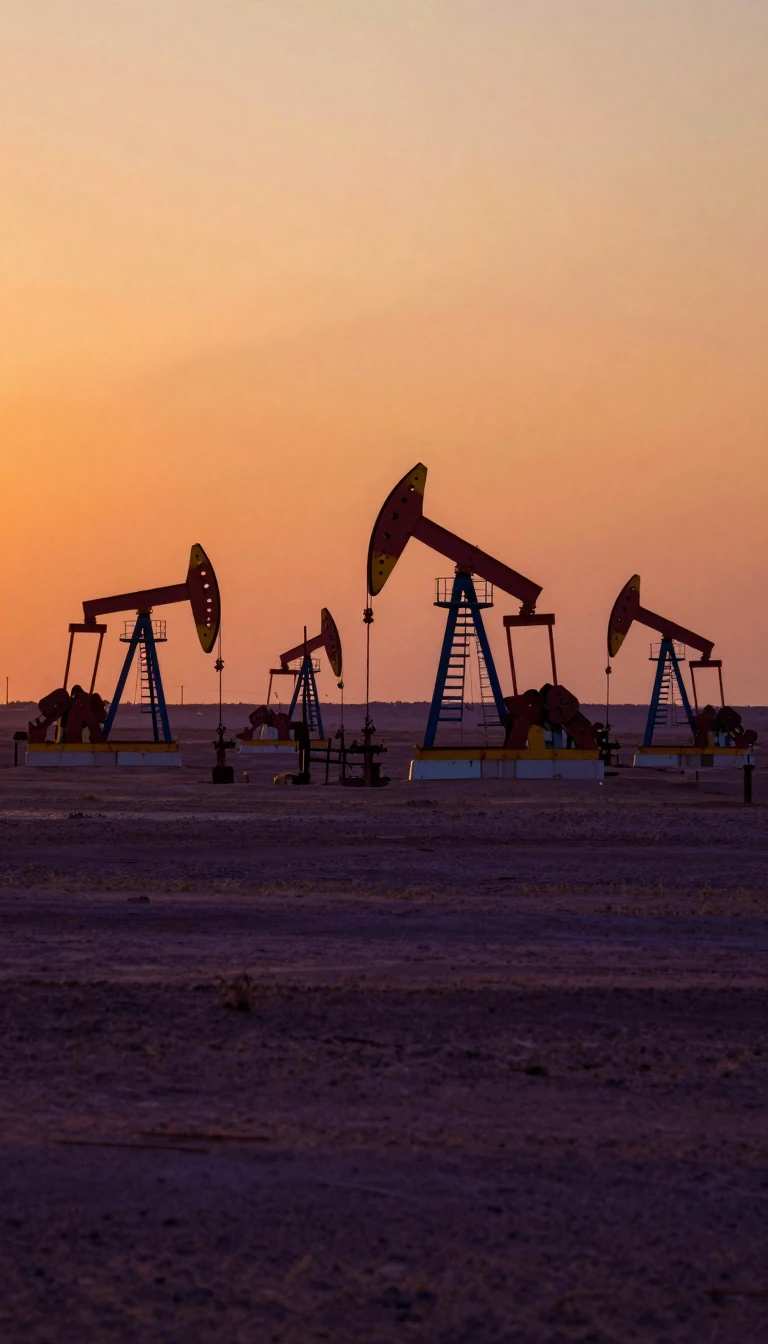 Why the global price of oil is no longer a simple matter of supplyFor decades, oil prices were kept stable by a cartel of companies known as the Seven Sisters. That era ended in the 1970s, replaced by a volatile landscape driven by geopolitical …
- Prosecco is a protected geographical name, not a grape variety or a single village.Once known as the grape variety Glera, Prosecco has been transformed by Italian law into a strictly defined geographical designation. While the world associates the name with spar…
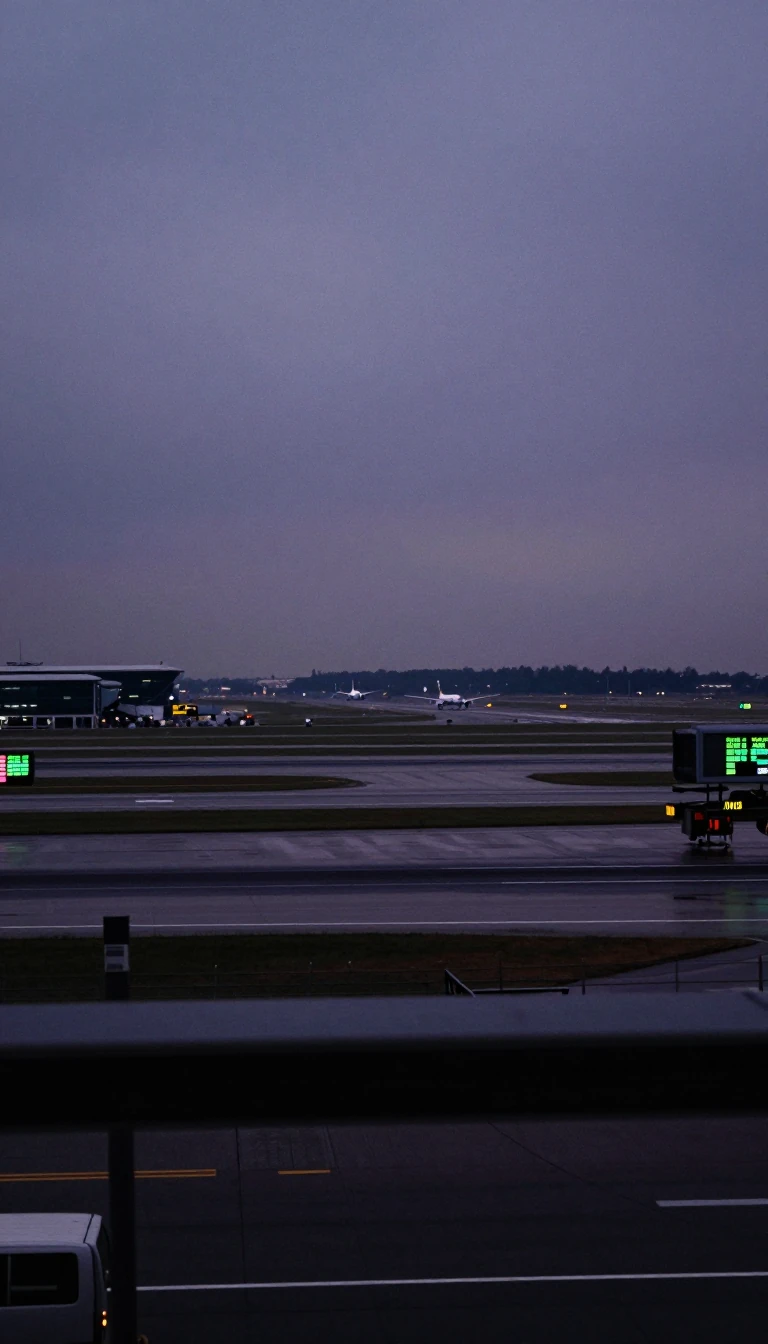 Why this Canadian airport features secret holes designed specifically for aviation photographersBeyond its role as a major transit hub, this airport caters to a niche community of enthusiasts. By collaborating with local spotters, authorities installed ten specialized apertu…
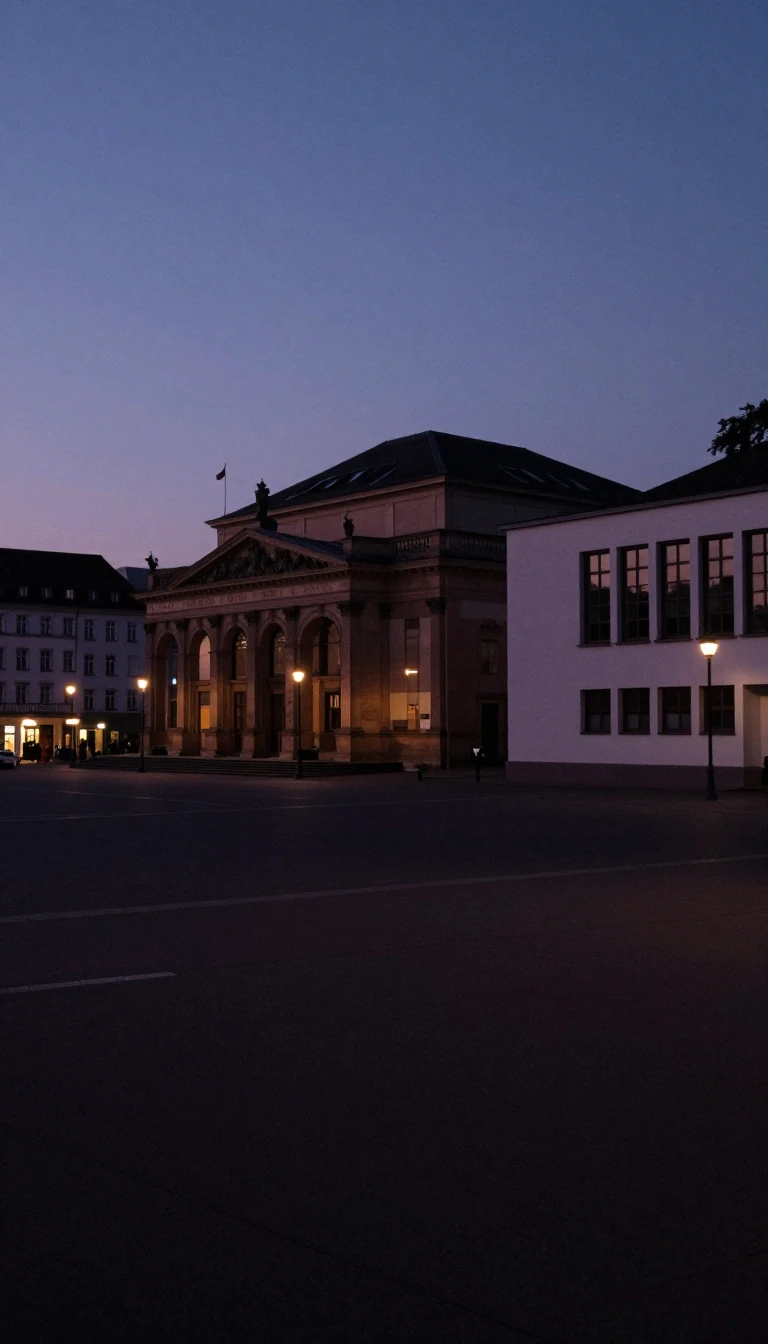 Quedlinburg: The Medieval German Town That Became a Nazi Cultist ObsessionKnown as the cradle of the German Reich, this UNESCO-listed town boasts thousands of timber-framed houses and a history spanning over a millennium. Yet, beneath its Romanesque arc…
 Rivendell: The Hidden Valley That Shaped Modern Fantasy and CountercultureTolkien’s Rivendell is more than a fictional sanctuary; it is a meticulously crafted literary space inspired by Swiss landscapes and Celtic myth. From its role as the staging grou…
 Robert Culp: The Prolific Actor Who Shaped Television Espionage and WesternsRobert Culp was a versatile force in American television, spanning five decades of performance. From his breakout as a Texas Ranger in the 1950s to his iconic partnership with Bil…
- How Rome transformed a collection of warring tribes into a unified Italian nationThe concept of Italy was not a natural birth but a long, complex political construction. Starting as a loose confederacy of disparate tribes and city-states, Rome gradually absorb…
 Why did the Bourbon kings build a massive palace they never truly inhabited?Commissioned by Charles of Bourbon to rival Versailles, the Royal Palace of Caserta was designed as a self-contained administrative city. Yet, its royal creators barely used it. T…
 A private company once governed a massive territory spanning over one-third of modern Canada.For two centuries, the Hudson's Bay Company operated as the absolute authority over Rupert's Land, a vast wilderness stretching from the Atlantic to the Rockies. This corporate-ru…
- Why this medieval Italian hill town once built seventy-two skyscrapers to settle family feuds.San Gimignano is famous for its iconic skyline, but its signature towers were not built for beauty. During the Middle Ages, rival families engaged in a competitive architectural a…
- Who were the seven sages of ancient India and why do they still matter?The Saptarshi are the seven legendary seers of ancient Indian literature, whose identities have shifted across centuries of Vedic and post-Vedic texts. From celestial constellatio…
 Why the Seven Last Words of Jesus are a masterful feat of biblical harmonyThe seven final expressions attributed to Jesus on the cross do not appear in any single gospel account. Instead, they are a liturgical synthesis, woven together from four separat…
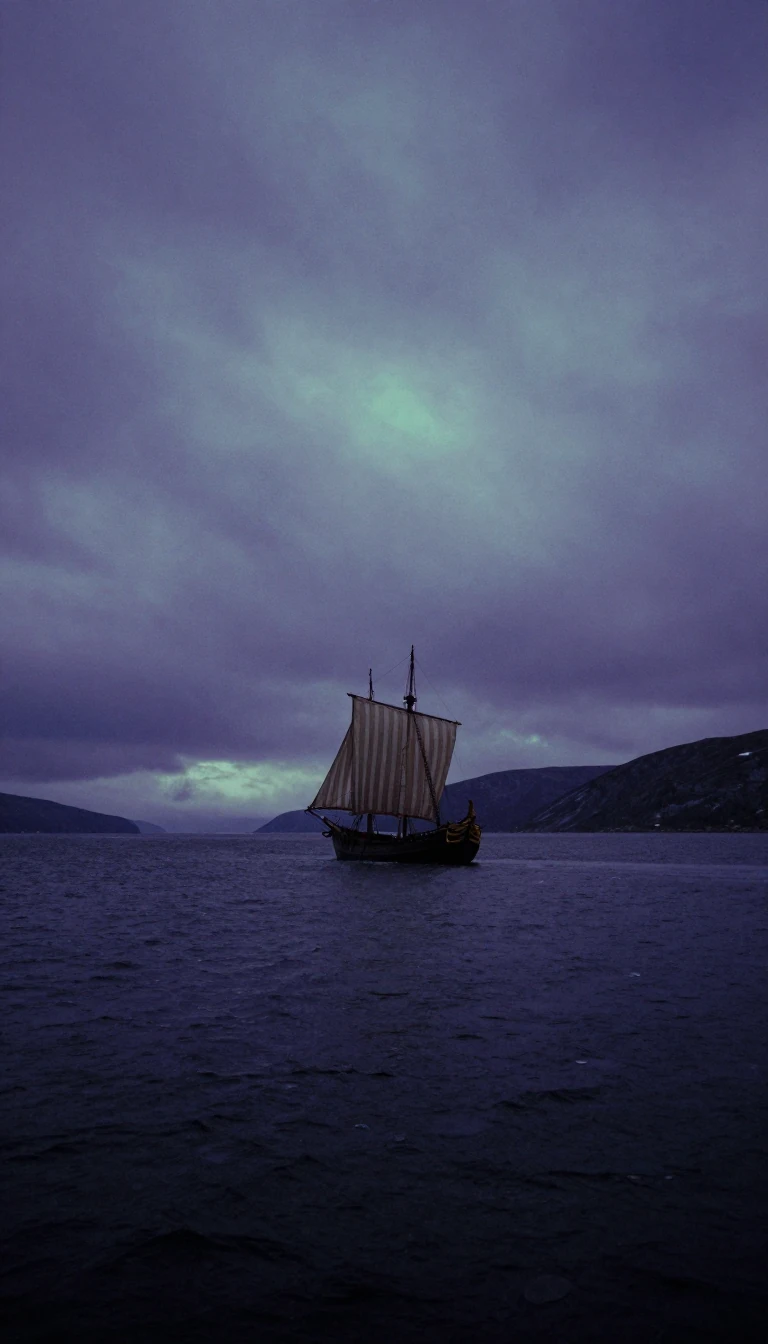 How Viking Kings and Anglo-Saxon Earls Fought for Control of Medieval YorkFor nearly two centuries, York was a volatile prize caught in a tug-of-war between Viking invaders and Anglo-Saxon rulers. From the arrival of the Great Heathen Army in 865 to the…
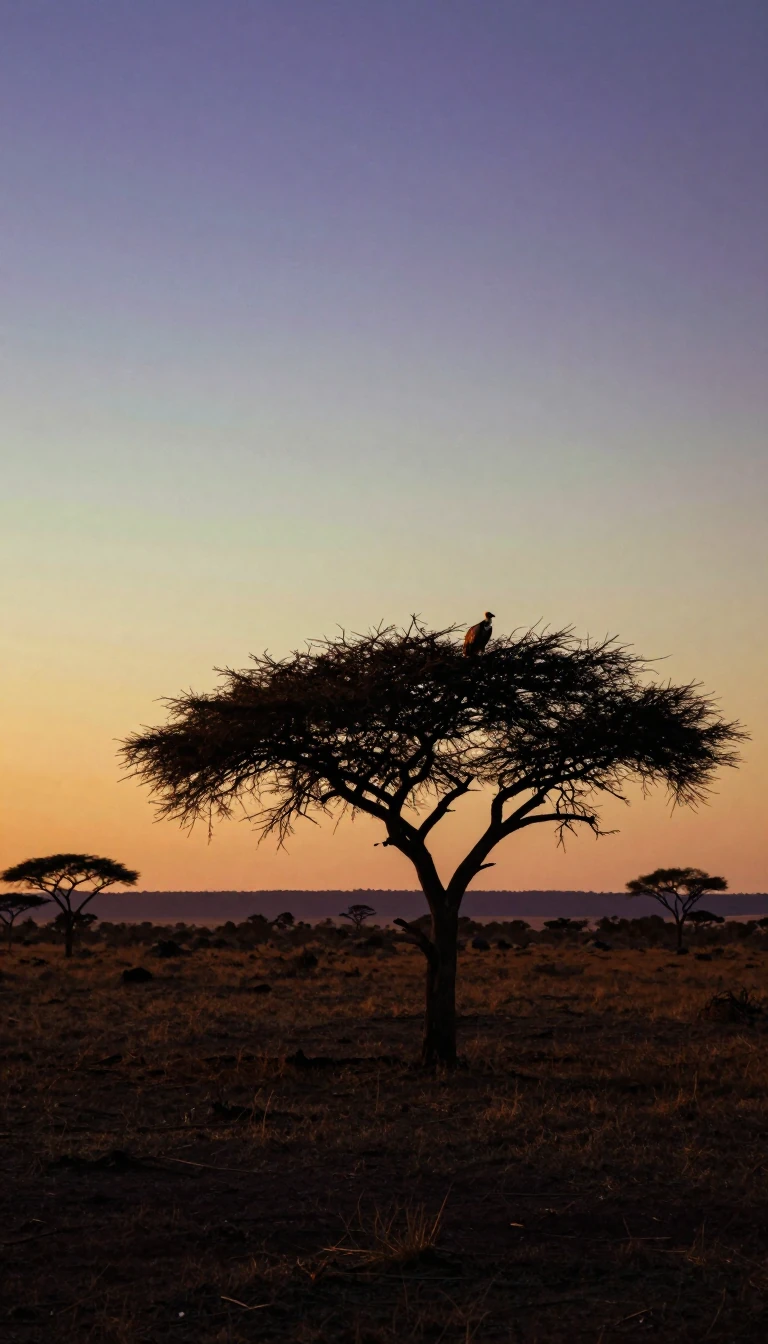 Why do some of the world's most vibrant birds eat clay from riverbanks?The scarlet macaw is a striking parrot known for its brilliant red, yellow, and blue plumage. Beyond its beauty, this gregarious bird possesses a powerful, sickle-shaped beak used…
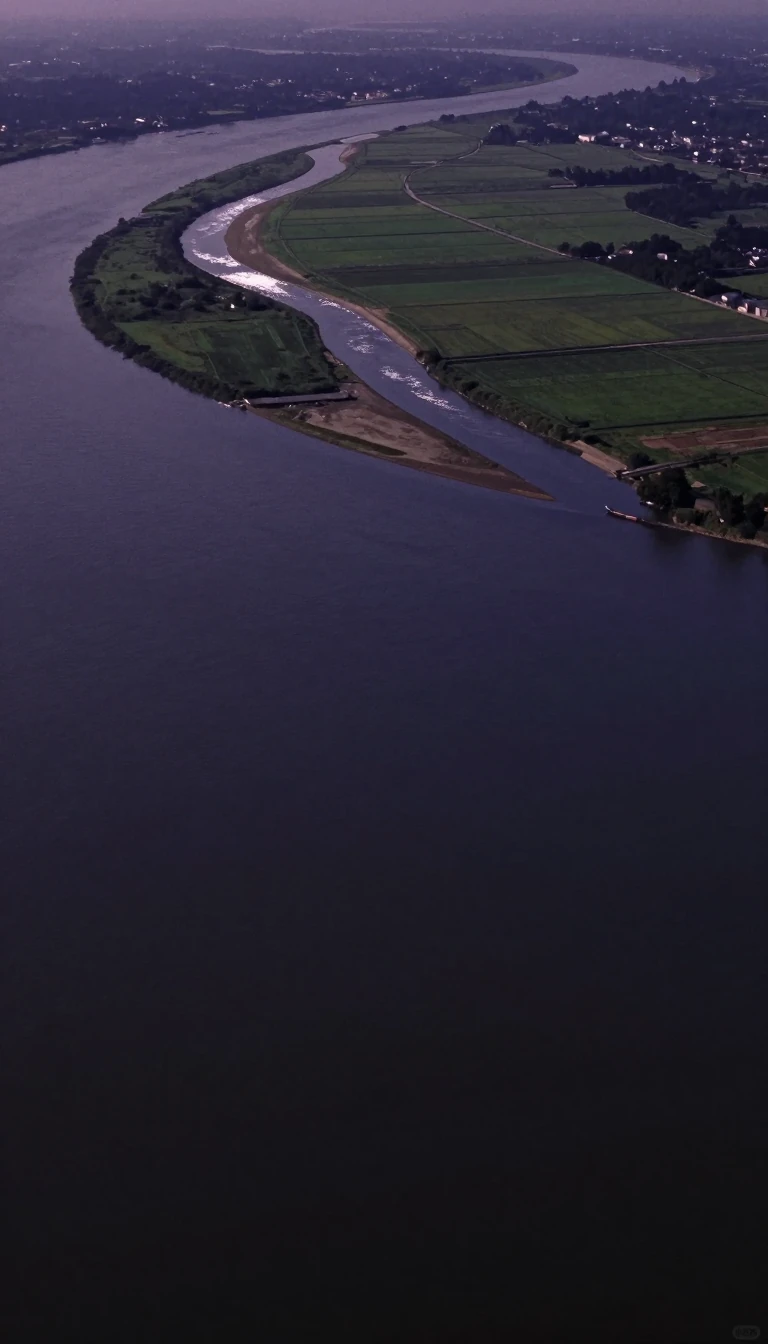 How a Roman engineering marvel defined the skyline of a medieval Spanish strongholdPerched on a limestone ridge between two rivers, Segovia is a city of layers. From its ancient Roman aqueduct to the fortified Alcázar where Isabella I was crowned, this UNESCO Wo…
 The Siberian Federal District covers nearly one-third of Russia's vast total land areaEstablished by presidential decree in 2000, the Siberian Federal District is a massive administrative region spanning the heart of Asia. While it encompasses over 4.3 million squa…
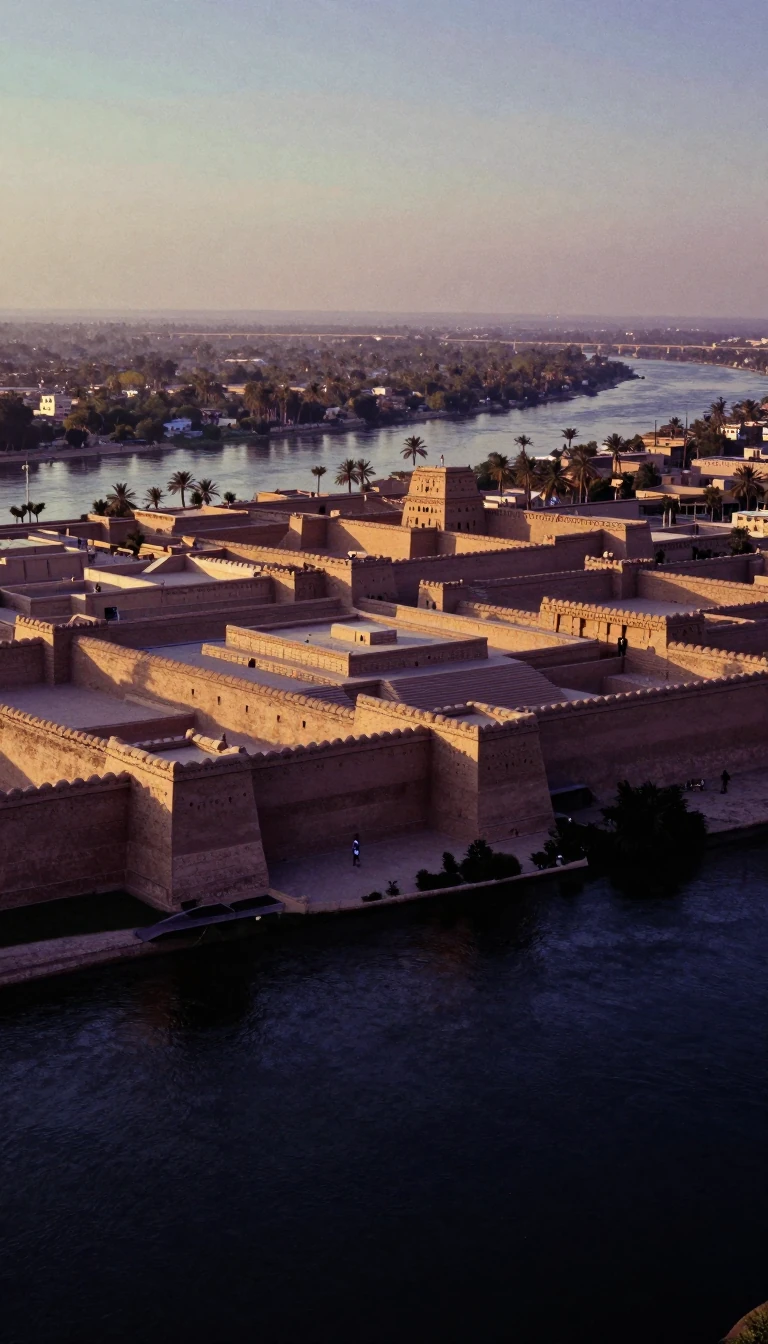 How the Babylonian siege of Jerusalem permanently reshaped the trajectory of Jewish religious thought.In 587 BC, the Neo-Babylonian Empire razed Jerusalem and Solomon’s Temple, triggering a profound cultural crisis. This catastrophe forced a radical reinterpretation of national id…
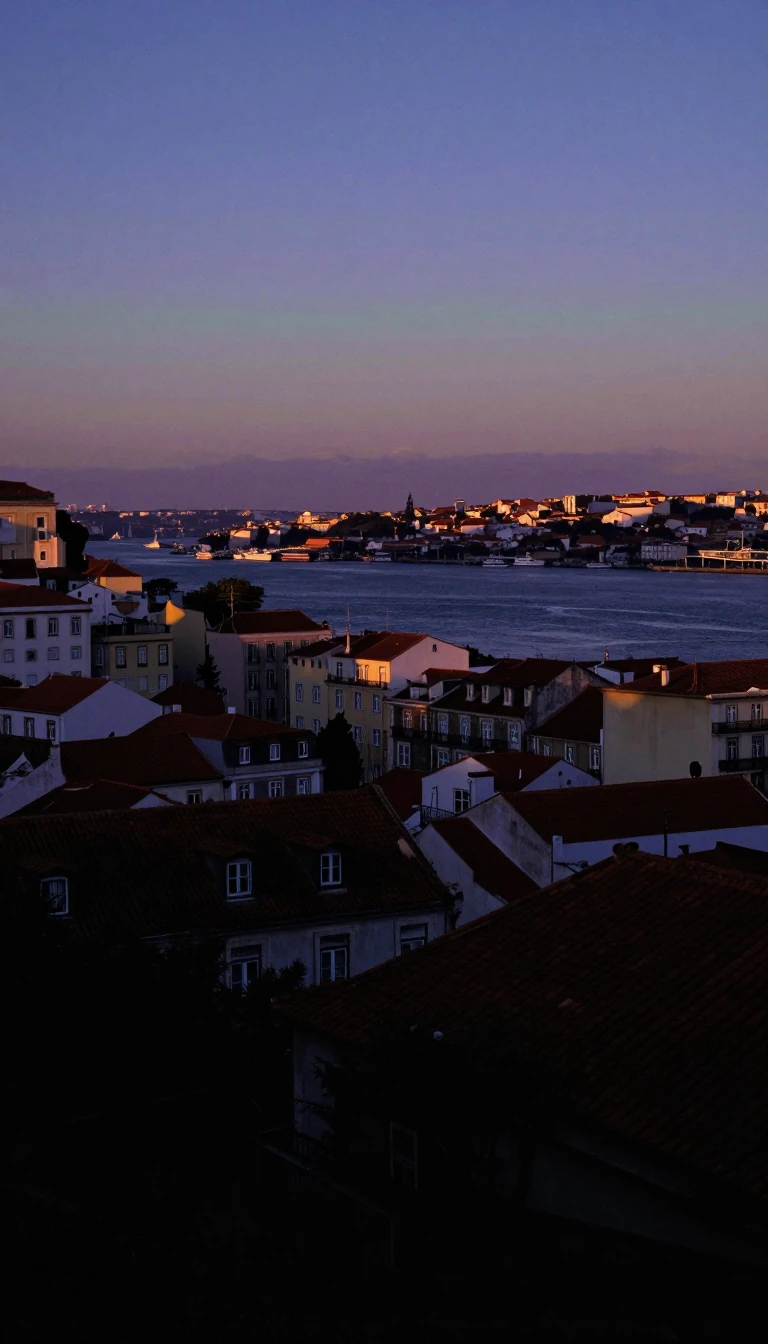 Why did Europe’s royals and poets flock to this fog-drenched mountain near Lisbon?Sintra, a UNESCO World Heritage site, has long captivated the imagination. From its Neolithic roots to its status as a 19th-century Romanticist playground, this Portuguese municip…
 Why the southernmost region of the United States defies simple map-making and political bordersSouth Florida is a place of shifting definitions, where tropical climates meet a unique linguistic blend. It is not just a geographic location but a vernacular region with no offi…
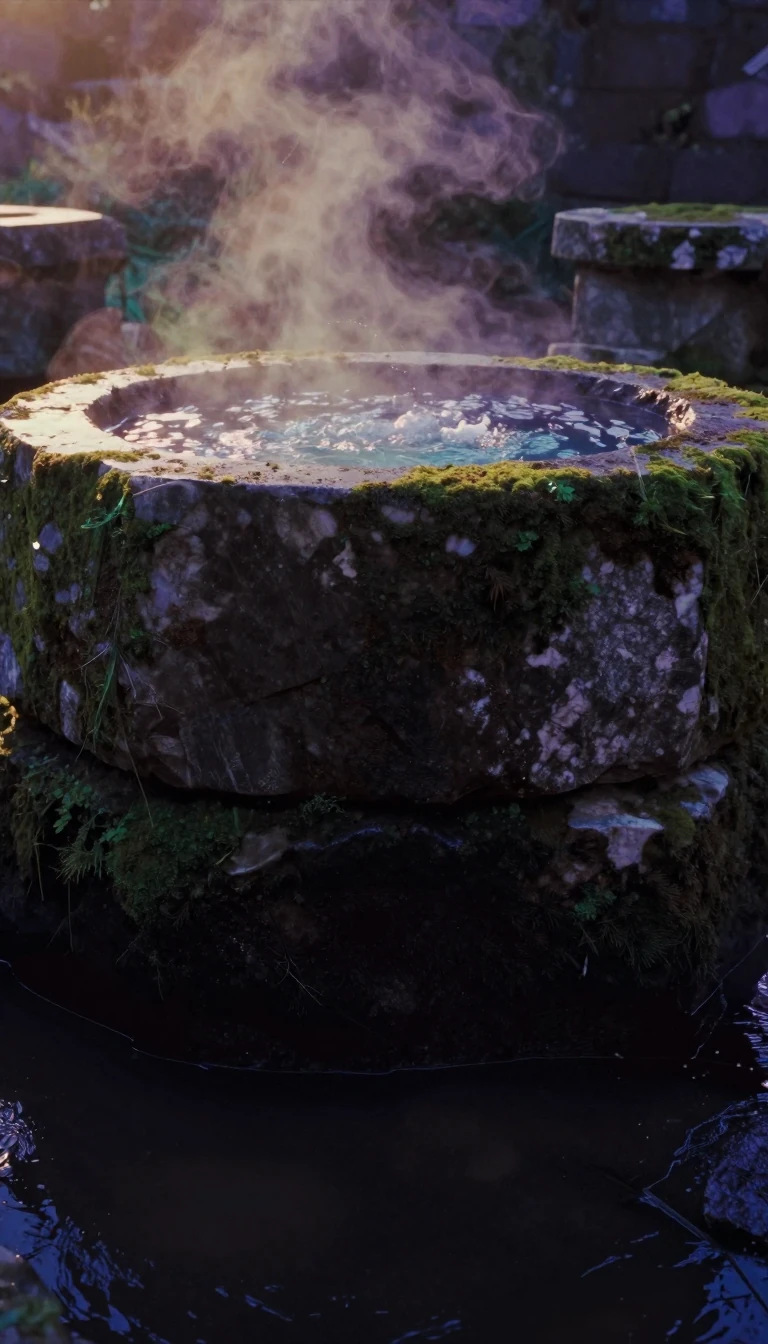 How a small Belgian town became the global namesake for every mineral bathLong before the word spa described a modern wellness center, it was a specific town in the Ardennes mountains. Renowned for its cold, iron-rich springs since Roman times, this Bel…
- A massive pile of mining waste became a deadly tsunami in a Welsh villageOn October 21, 1966, a saturated coal waste heap in Aberfan, Wales, collapsed. The resulting landslide of liquefied sludge raced down a hillside at 80 miles per hour, engulfing a …
 How a Swiss city built on unstable turf became a global textile powerhouseSt. Gallen began as a 7th-century hermitage on marshy ground, requiring modern engineers to drive hundreds of piles into the earth to support its infrastructure. Despite this prec…
- Is this Finnish-Swedish forest giant the world's oldest limited liability company?Stora Enso is a modern powerhouse in renewable materials, but its roots reach back to 1288. A single preserved share certificate from a Swedish copper mine suggests the company ma…
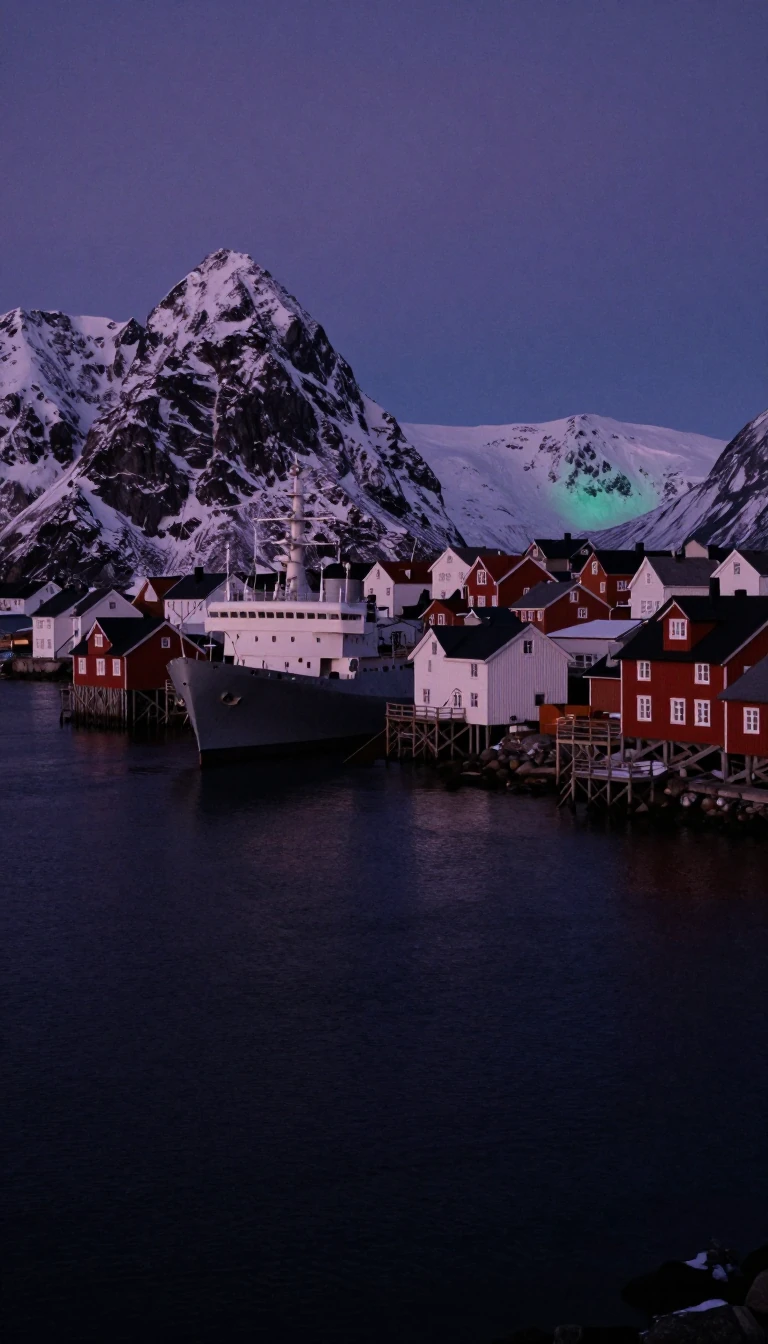 How a medieval Baltic trading hub became a Swedish capital and UNESCO treasureStralsund, the oldest city in Pomerania, has survived sieges, Swedish rule, and the ravages of war to emerge as a preserved masterpiece of Brick Gothic architecture. Once a powerh…
 Beyond the map: How Scotland balances modern governance with its layered historical identityScotland operates under a deceptively simple system of 32 council areas, yet this modern structure masks a complex web of overlapping historical, judicial, and ceremonial division…
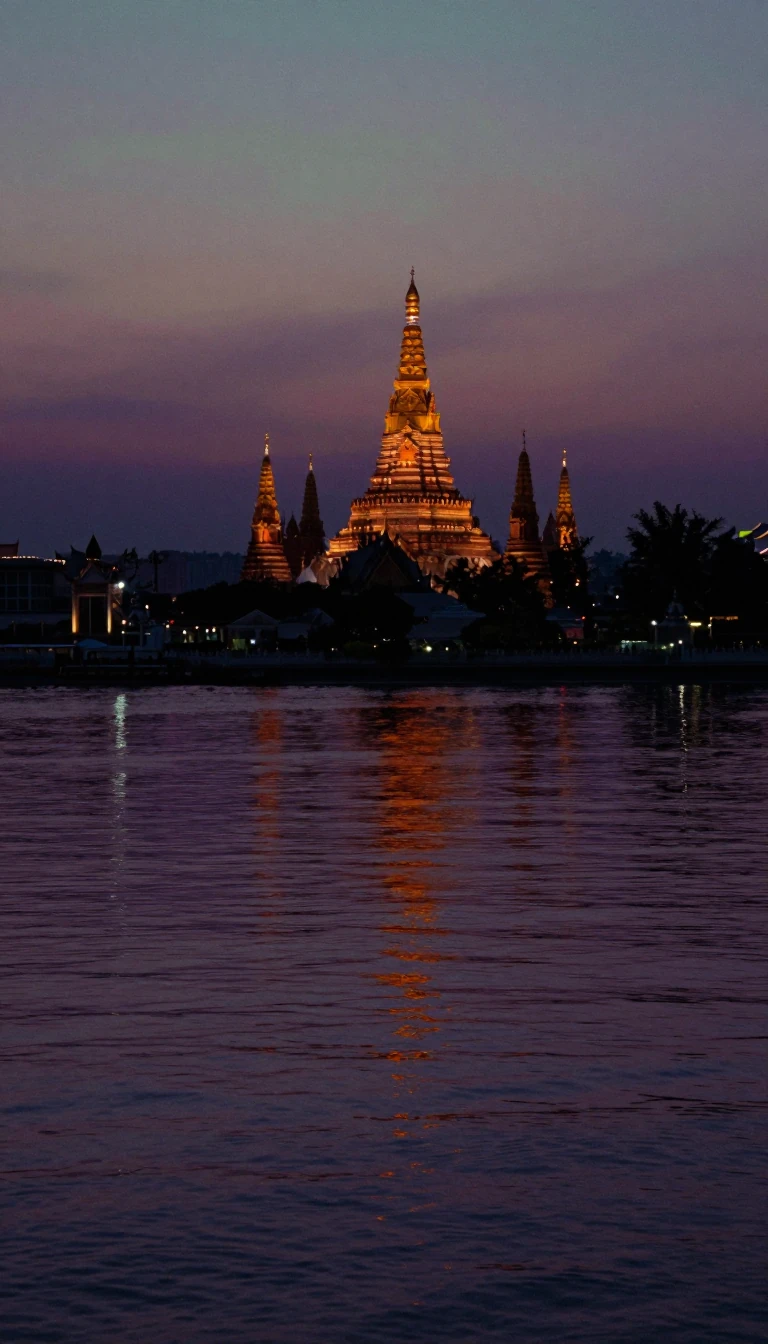 From the Yangtze to the Mekong: The enduring migration of the Tai peoplesThe Tai peoples, a diverse linguistic family spanning Southeast Asia and southern China, trace their origins to the Yangtze River valley. Forced south by historical pressures, the…
- Why Richard Wagner’s Tannhäuser remains a haunting masterpiece of sacred and profane loveRichard Wagner’s 1845 opera weaves together medieval legend and romantic obsession. Centered on a knight torn between the sensual allure of Venus and the promise of divine redempt…
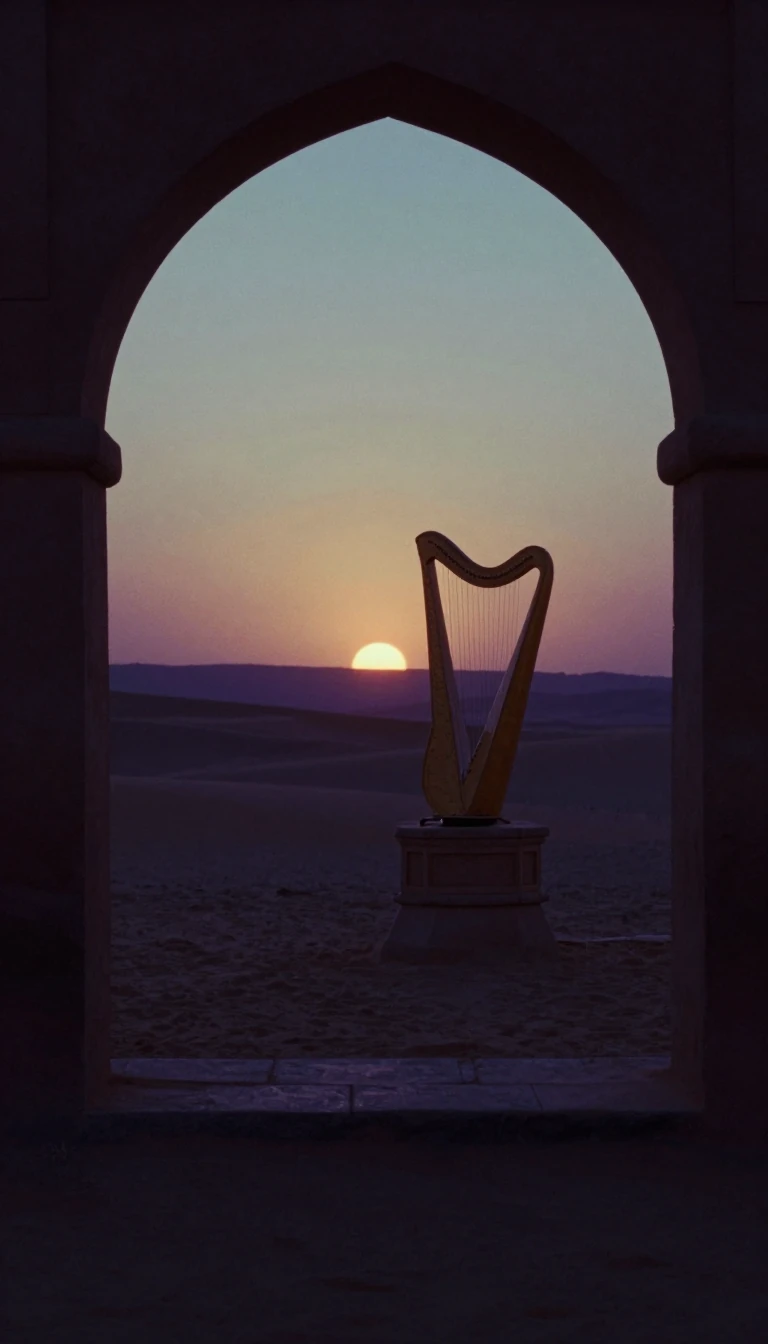 Was the Oracle of Delphi truly intoxicated by geological gases from the earth?For centuries, the Pythia delivered cryptic prophecies from a sacred vault at the Temple of Apollo. Ancient accounts describe her entering a tranced state, possibly triggered by f…
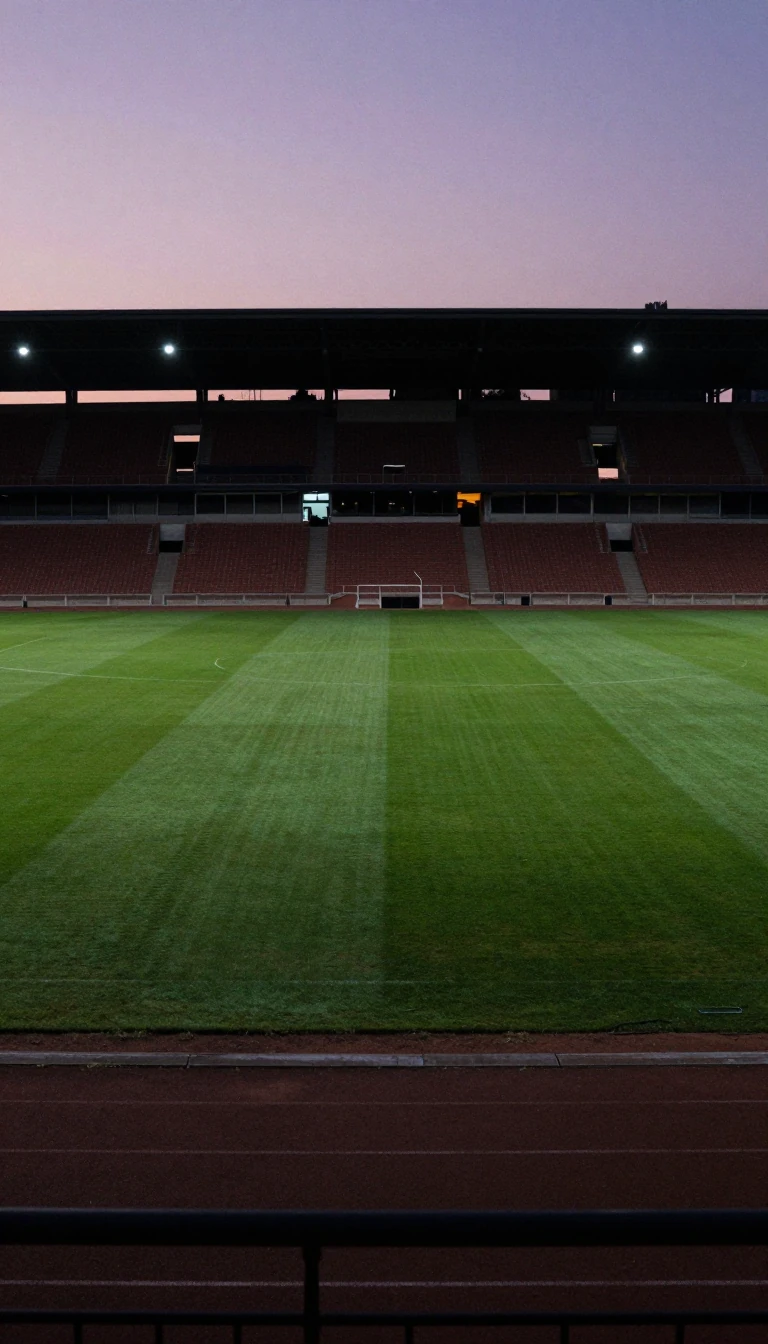 How a historical drama reshaped the true story of football's working-class originsThe English Game dramatizes the birth of professional football in 1870s England, centering on the clash between wealthy elites and working-class pioneers. While the Netflix series…
- From Wooden Blocks to Global Empire: How Lego Built a Plastic LegacyFounded during the Great Depression by a struggling carpenter, the Lego Group evolved from a small wooden toy workshop into the world's largest toy manufacturer. Beyond the iconic…
- A Nine-Year-Old's Desperate Quest to Bake a Birthday Cake for a DictatorIn the shadow of the Gulf War, a young Iraqi orphan is forced to secure ingredients for a mandatory birthday cake honoring Saddam Hussein. Amidst extreme scarcity and the threat o…
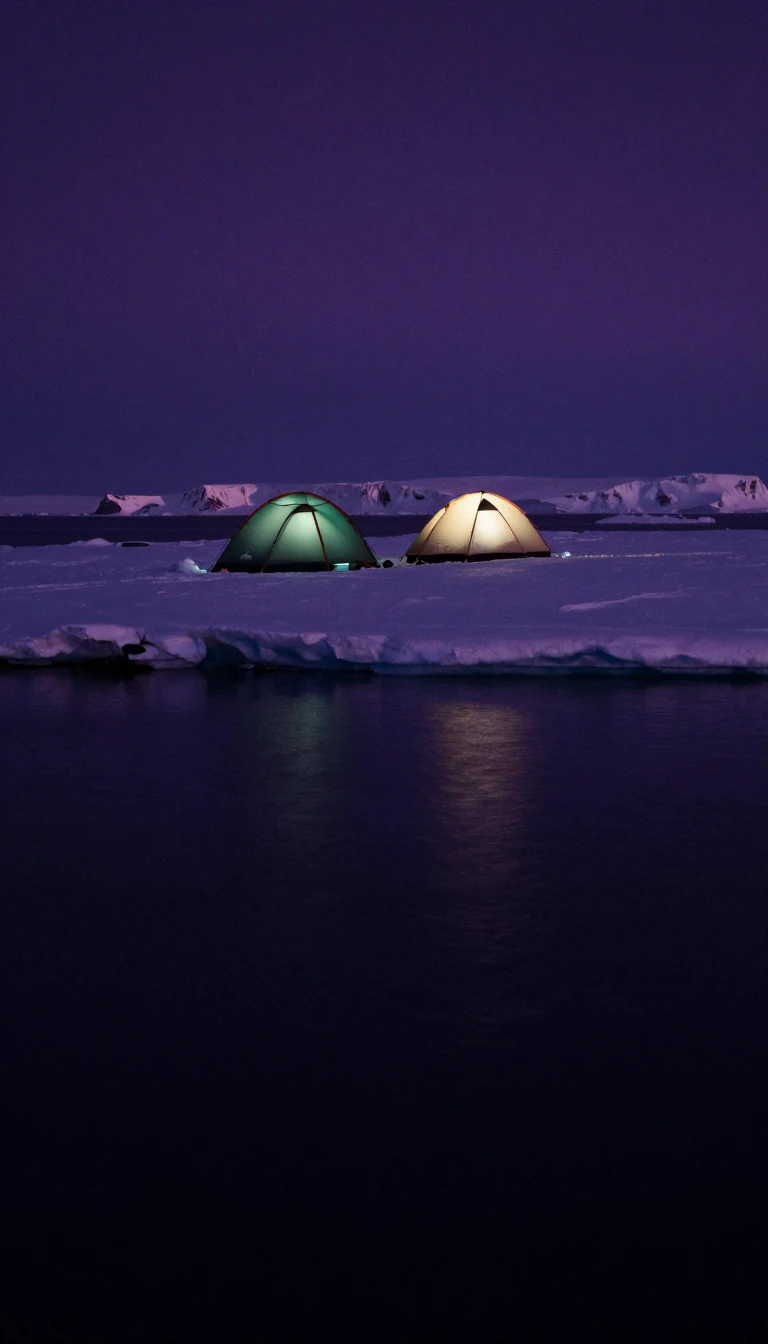 Did a medieval Icelandic explorer really lead the first European settlement in North America?Thorfinn Karlsefni is a central figure in the Vinland Sagas, credited with leading a daring expedition to the New World around 1010. While his son Snorri was the first child of Eu…
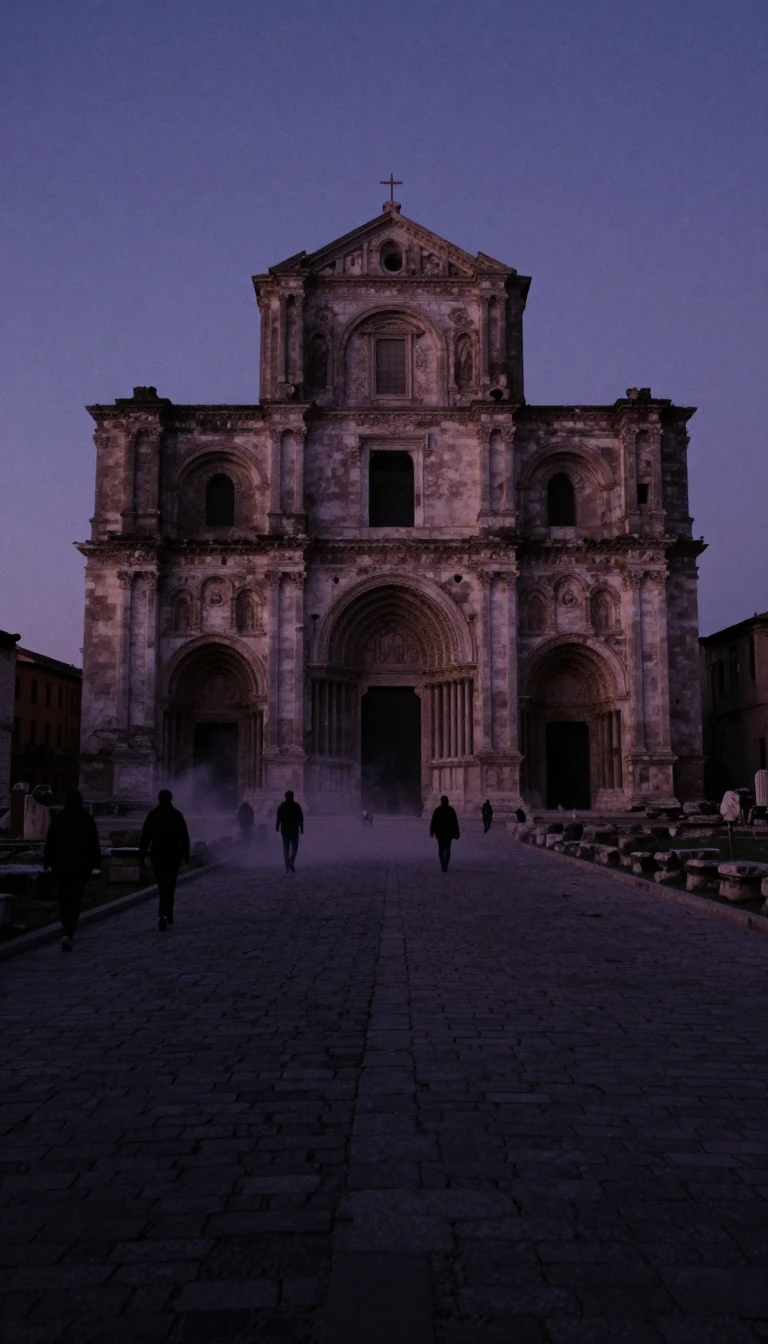 Why the Catholic Church appoints bishops to dioceses that no longer existA titular see is a dead diocese, a territory that has vanished or been abandoned. Yet, the Church continues to name bishops to these ghosts. This practice preserves ancient aposto…
 The Big Egg: How a pressurized Tokyo stadium became a cultural iconTokyo Dome is more than a baseball field; it is a marvel of air-supported engineering. Known as The Big Egg, this venue redefined Japanese entertainment, hosting everything from h…
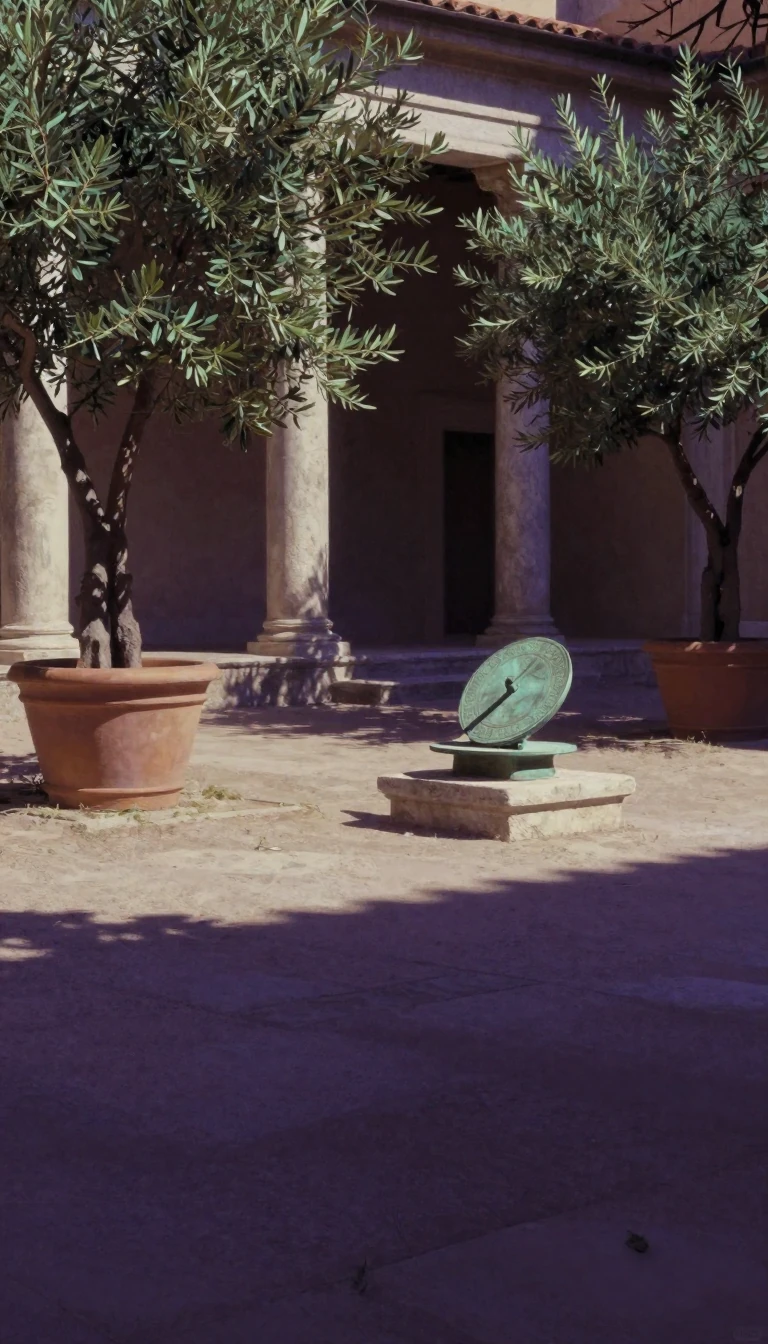 Travertine is the living, breathing stone that built the Roman Colosseum and modern skyscrapers.This versatile limestone forms when mineral-rich water meets the air, creating everything from delicate cave stalactites to massive, durable building blocks. Prized for millennia,…
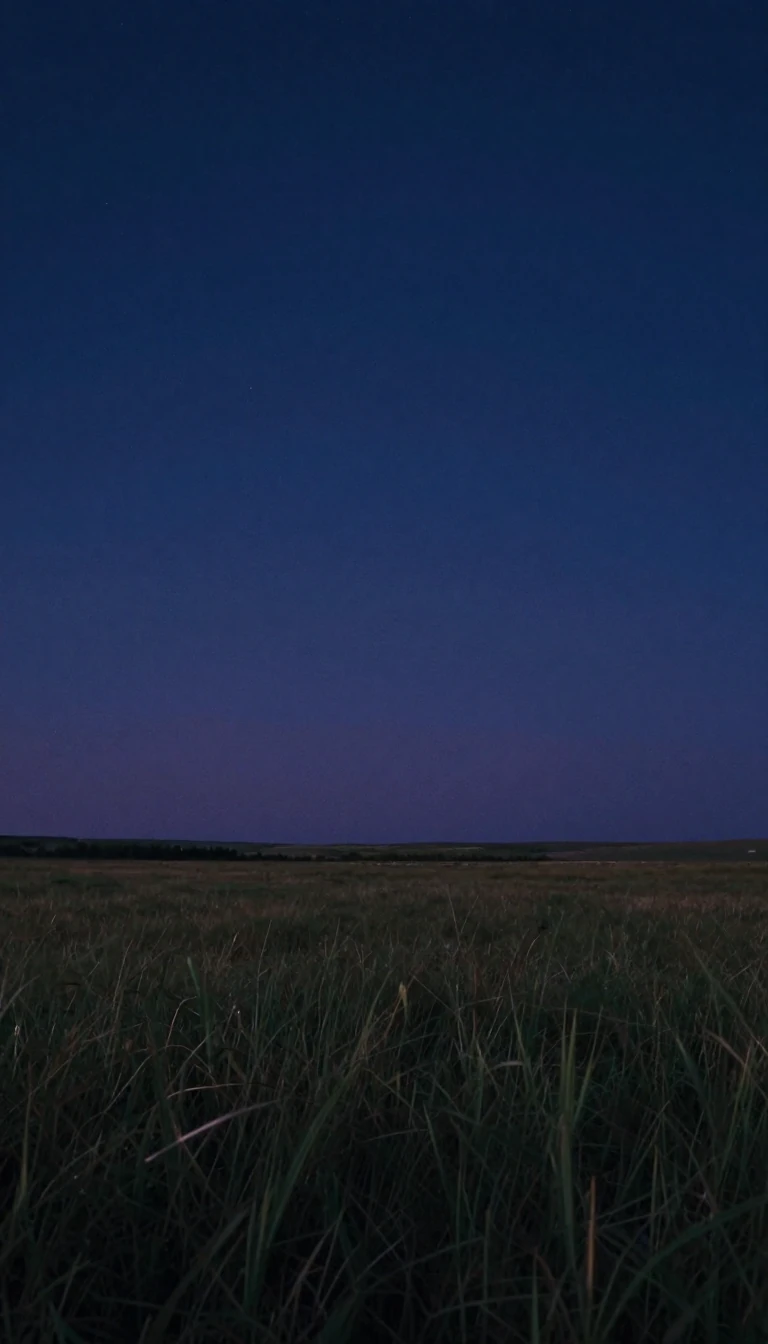 Turan: A vast, shifting landscape between ancient myth and Central Asian geographyTuran is both a physical lowland in Central Asia and a legendary realm of ancient conflict. While geographers define it as a sweeping, arid plain across Kazakhstan, Uzbekistan, an…
 How Rome's first written laws turned a class struggle into a thousand-year legal foundation.In 449 BC, Rome transformed its unwritten customs into the Twelve Tables, a public code born from intense friction between patricians and plebeians. By inscribing these rules on b…