 Intellect Plus
Countries & Cities
15,123 cards. Each one is a 40-second story with a five-minute read behind it. Page 227 of 253.
Subtopics: Africa · Americas · Ancient cities & ruins · Asia · Australia & New Zealand · Basics · Bodies of water · Canada · Capes · Capital cities · Caribbean & Pacific islands · Castles & palaces · Cathedrals & churches · China · Cities · Countries · Countries and other regions · Countries of the world · Countries: General · Deserts · Eastern Europe · Europe and Russia · Famous landmarks · Famous streets & squares · Flags & symbols · France · Germany & Central Europe · Ghost towns · Greece & Turkey · Historical cities · Historical cities, towns and archaeological sites · India & South Asia · Islands · Isthmuses · Italy · Japan & Korea · Land relief · Major world cities · Maps & cartography · Microstates & enclaves · Middle East · Mountain peaks and volcanos · Mountains · National parks · Non-city settlements · Oceania · Other hydrological features · Other terrestrial features · Parks, preserves, and World Heritage Sites · Peninsulas · Polar regions · Ports & harbours · Regions and country subdivisions · Rivers & lakes · Scandinavia · Seaside towns · South America · Southeast Asia · Spain & Portugal · Technical geography · UK & Ireland: places · UK & Irish cities · United States landmarks · Urban studies and planning · US cities · Vegetation features · World Heritage Sites
 From Central Banker to Prime Minister: The Unconventional Rise of Mark CarneyMark Carney, the first prime minister in Canadian history to reach office without ever holding an elected seat, has redefined the path to power. After leading the central banks of…
 Medieval Latin was not a dead language, but a living, evolving tool of power.Far from being a static relic of Rome, Medieval Latin was a dynamic, evolving language used for law, science, and faith. It absorbed vocabulary from Germanic tribes and Greek phil…
 NATO is a 32-nation alliance, but its security guarantees have surprising geographic limits.Spanning 27.5 million square kilometers, NATO unites 32 countries under a collective defense pact. While the alliance is often viewed as a monolith, its reach is strictly defined …
 How a military officer extended his family's three-decade grip on power in ChadMahamat Déby ascended to the presidency following his father's death in 2021, initially promising a swift transition to civilian rule. Instead, he dissolved the transitional counc…
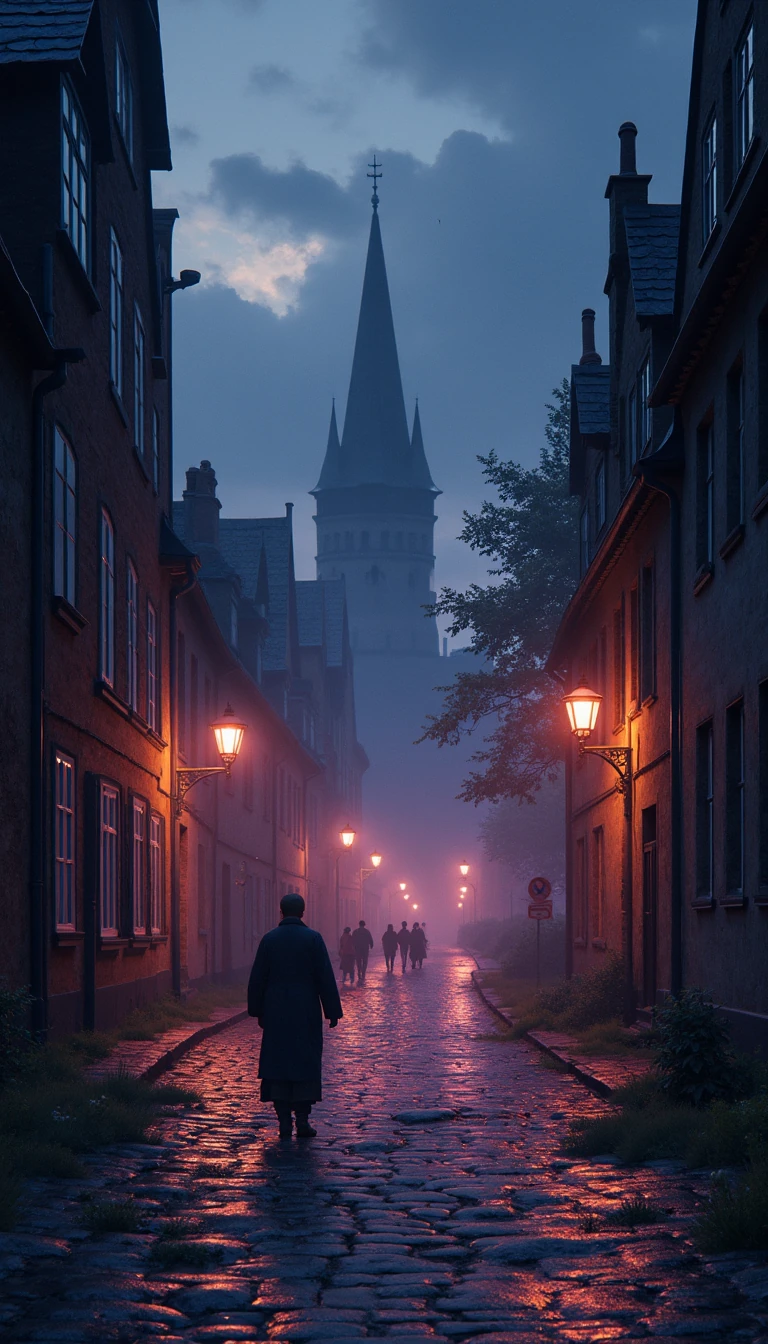 How a medieval fortress on the Elbe became a crucible of European historyMagdeburg has survived centuries of near-total destruction, from the Thirty Years' War to the firestorms of 1945. Yet, this resilient city on the Elbe remains a pivotal site of sc…
 The Malagasy people are a unique genetic fusion of Southeast Asia and AfricaThe Malagasy people emerged from a remarkable convergence of Austronesian settlers from Maritime Southeast Asia and Bantu migrants from Africa. This blend created a distinct natio…
 Why a Canadian city was named after London and intended to be a capitalIn 1793, John Graves Simcoe selected a site at the confluence of the Thames River to serve as the capital of Upper Canada. Though it never became the seat of government he envisio…
 How a failed joint tank project birthed the most iconic American battle tankThe M1 Abrams began as a troubled collaboration with West Germany that nearly collapsed under budget overruns and design disputes. Yet, from the ashes of the canceled MBT-70, the …
 How a bedroom recording propelled a Scottish singer to global chart-topping successLewis Capaldi went from uploading songs on SoundCloud to becoming a record-breaking artist. His breakthrough single dominated charts worldwide, yet his rapid ascent brought unexpe…
 Lignite is the world's most harmful coal, yet it powers entire national grids.Often called brown coal, lignite is a soft, sedimentary rock formed from compressed peat. While it is the lowest-ranking coal due to its high moisture and low energy content, it r…
 Limpopo: The South African province where rural tradition meets vast mineral wealthAs South Africa's northernmost province, Limpopo is a land of striking contrasts. It holds the nation's largest platinum deposits and 40% of its coal reserves, yet it remains one …
 How do we actually measure the size of a nation on a map?Defining the size of a country seems straightforward, but it is a complex exercise in geography and politics. Beyond simple landmass, measurements must account for inland water bo…
 How the United Nations identifies the world's most economically vulnerable nationsThe United Nations classifies 44 nations as least developed countries, a status reserved for those facing the most severe socioeconomic hurdles. These countries are not merely poo…
- The Leopard 2: How a Cold War Tank Became Europe's Most Versatile Battle MachineBorn from the ashes of a failed joint project with the United States, the Leopard 2 evolved into a global standard for armored warfare. From its 1979 debut to modern combat in Ukr…
 Why the Philippines is home to over 180 distinct and complex native languagesThe Philippines hosts between 130 and 195 languages, most belonging to the Malayo-Polynesian family. While Filipino and English serve as official languages, the archipelago’s ling…
 Zainichi Koreans: A complex history of migration, division, and cultural evolution in JapanZainichi Koreans are ethnic Koreans who settled in Japan during the era of Japanese rule. Distinct from later migrants, this community has navigated decades of political division,…
 Krasnodar Krai: A Russian region defined by its complex history and diverse geographySpanning from the Don Steppe to the Mediterranean-like Black Sea coast, Krasnodar Krai is a vital Russian federal subject. Home to over 5.8 million people, this region—historicall…
 This vast Siberian region holds the keys to Russia's industrial and energy futureSpanning over two million square kilometers, Krasnoyarsk Krai is a colossal Russian territory that acts as a powerhouse for natural resources. From its massive hydroelectric dams …
 The lance was not just a weapon, but a complex, evolving military system.From its origins as a simple Roman javelin to the steel-tubed lances of the 20th century, this weapon defined cavalry warfare for centuries. It was a tool of shock, a symbol of st…
 From Industry Pariah to Global Power: The Complex Evolution of Korean AirOnce notorious for a series of fatal accidents, Korean Air transformed its safety culture through massive investment and international partnerships. Today, the flag carrier stands…
 Kikongo: The Bantu language that shaped the Americas and modern African administrationKikongo is a tonal Bantu language spoken by millions across Central Africa. Beyond its African roots, it left an indelible mark on the Americas, influencing creole languages and r…
 The Khoekhoe people are not just a historical footnote but a resilient, evolving culture.Long dismissed by colonial labels, the Khoekhoe are the indigenous pastoralists of Southern Africa. Their history is marked by deep ancestral roots, brutal colonial displacement, …
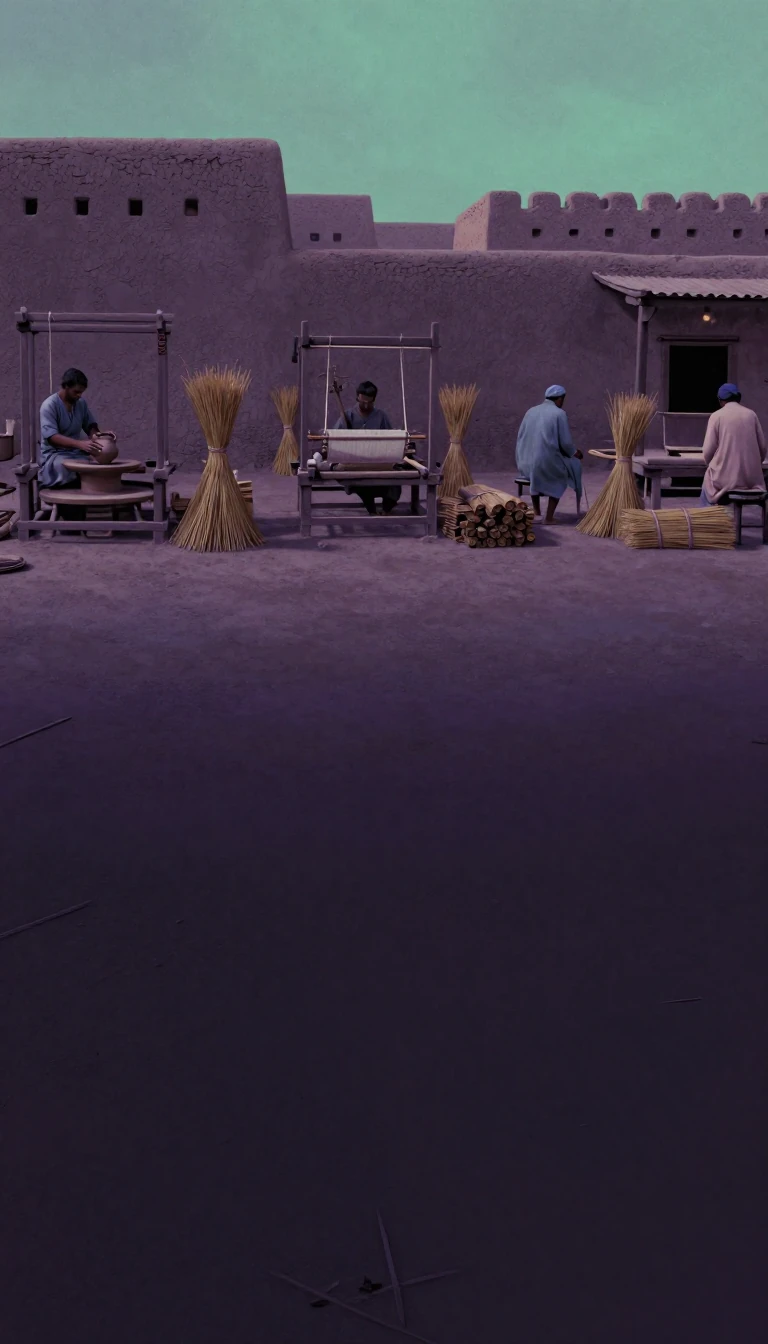 Khwarazm: The ancient Central Asian oasis that once bridged Persian and Turkic worldsNestled on the Amu Darya delta, Khwarazm was a powerhouse of Iranian civilization for centuries. From its origins as a legendary cradle of the Aryan tribes to its transformation i…
 Kava is a Pacific tradition that offers relaxation without the typical cognitive impairment of alcohol.Native to the Pacific Islands, kava is a psychoactive beverage derived from the Piper methysticum plant. Traditionally consumed in communal ceremonies, it is prized for its calmin…
 Khabarovsk: A Russian Frontier City With Ancient Roots and a Turbulent Modern HistoryLocated just 30 kilometers from the Chinese border, Khabarovsk is a major Russian industrial hub with a climate of extreme seasonal swings. From its origins as an ancient capital …
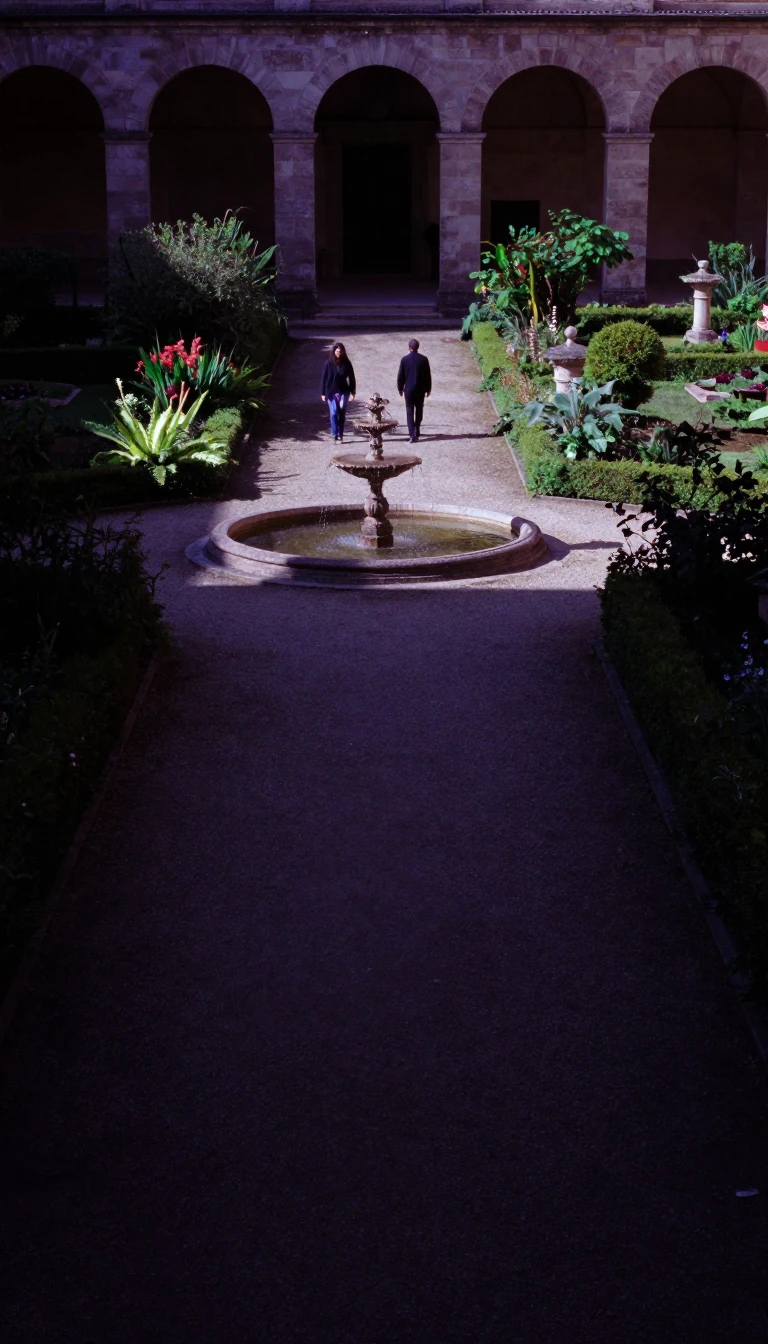 Why the garden of children is a global metaphor for early human growthCoined in 1840 by Friedrich Fröbel, the term kindergarten literally means garden of children. It reflects a philosophy that young minds should be nurtured like plants in a natural…
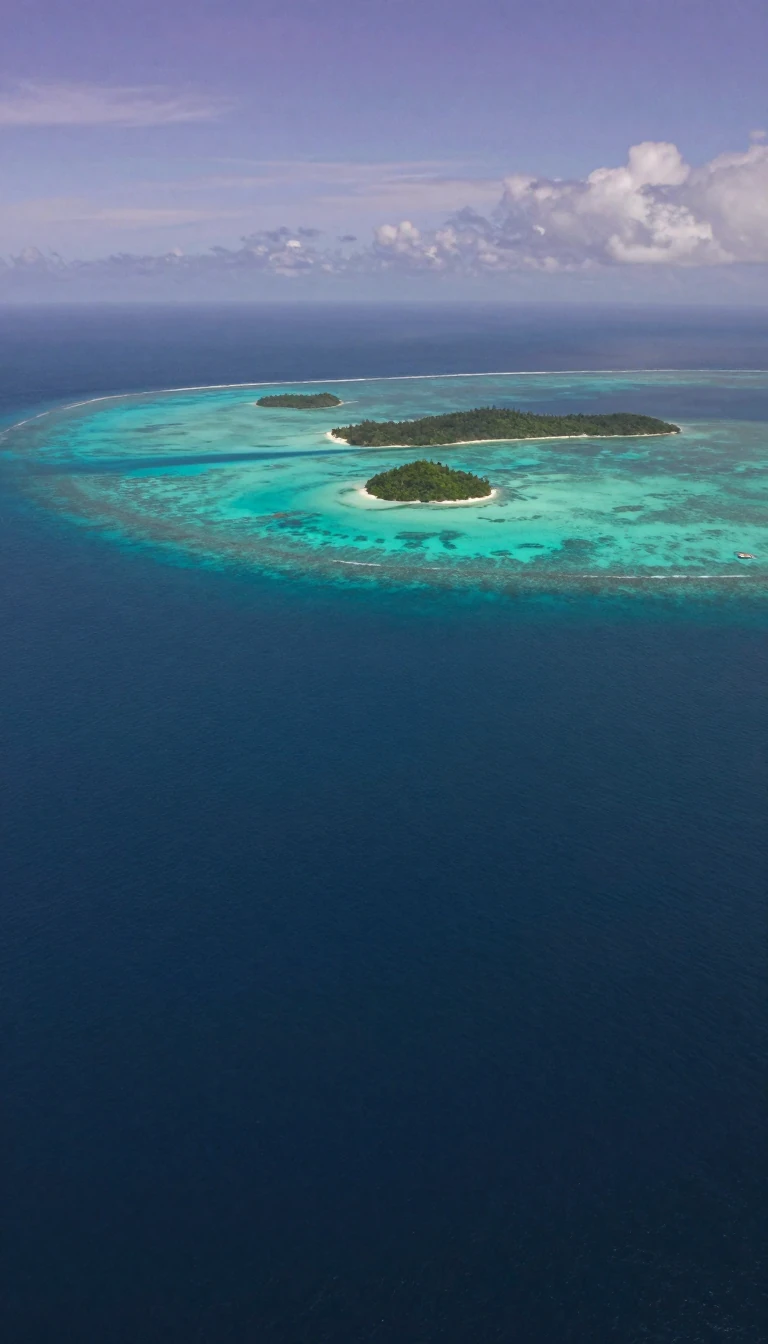 A remote Pacific atoll transformed from a guano mine into a nuclear testing ground.Johnston Atoll, an isolated U.S. territory, has served as a naval refueling depot, a secret missile base, and a storage site for chemical weapons. Once a hub for high-altitude nuc…
- Why the golden fiber of Bangladesh is staging a global industrial comebackKnown as the golden fiber, jute has transitioned from ancient textile staple to a vital tool in the modern fight against plastic waste. This versatile, biodegradable plant fiber i…
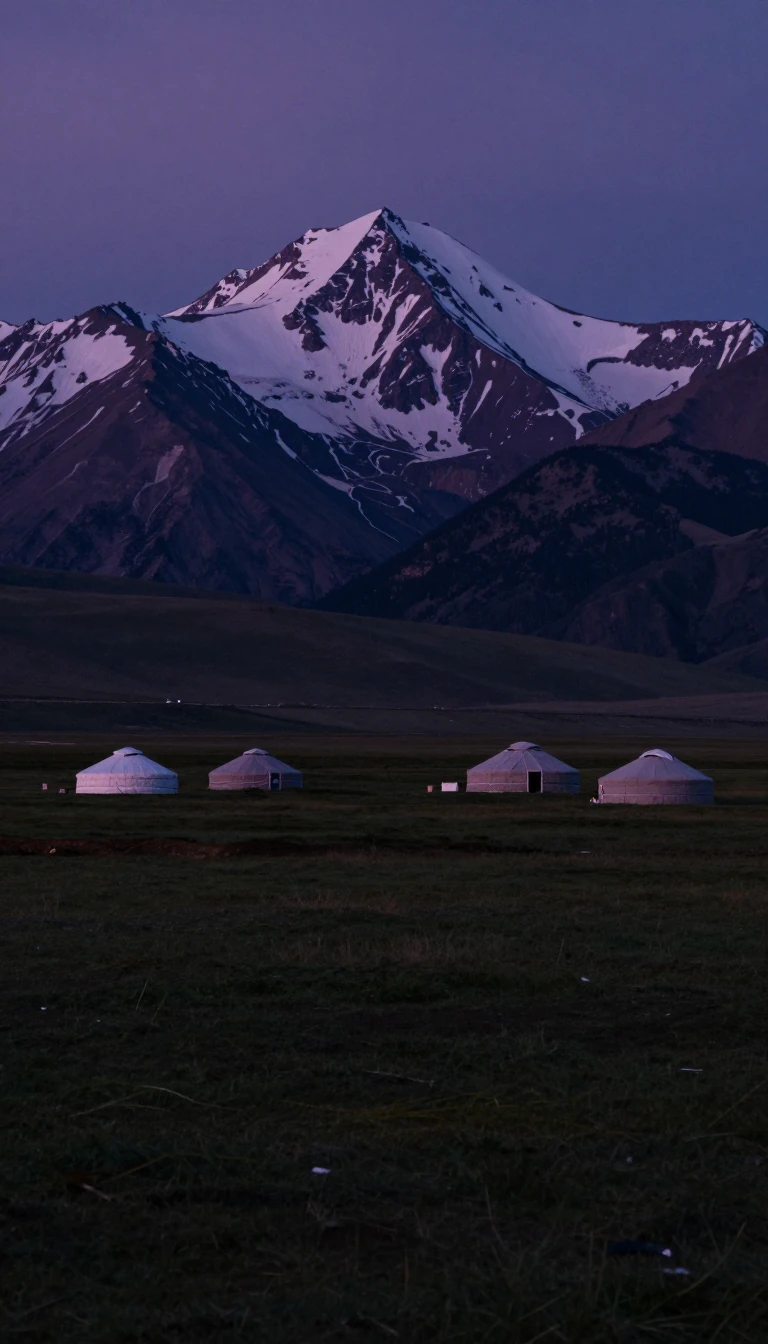 Kalmykia is the only place in Europe where Buddhism is the majority religionLocated in Southern Russia, this republic is home to the Kalmyks, a people of Oirat Mongolian origin. Their history is a complex tapestry of nomadic migration, religious shifts, a…
- Why the world’s most common country codes are often ignored by the expertsISO 3166-1 alpha-2 codes are the two-letter shorthand for countries used everywhere from internet domains to shipping manifests. Yet, major organizations frequently bypass these s…
 Jayapura: A City of Victory Built on Ancient Trade and Colonial AmbitionOnce a quiet trading hub for bird-of-paradise and spices, Jayapura has transformed into a bustling Indonesian capital. From its Dutch colonial roots as Hollandia to its current st…
- From British auxiliary to a 135,000-strong force: the evolution of Indian air powerBorn in 1932 as a small auxiliary unit for British India, the Indian Air Force has transformed into a massive strategic pillar. From fighting in the jungles of Burma to managing c…
 How the world agrees on a three-letter shorthand for every nation on EarthEvery time you enter a country code online, you are using a global standard that quietly organizes the world. ISO 3166-1 provides the universal language for identifying nations, t…
- Why humans are the primary architects of global biological redistribution and ecosystem changeAn introduced species is any organism living outside its native range due to human activity. While often associated with ecological damage, these species are also the backbone of …
 Is Islamic terrorism a religious phenomenon or a political strategy using religious language?The term Islamic terrorism is heavily contested, with experts debating whether violence is driven by theological fervor or secular political grievances. While attacks are often ju…
- Is the modern Islamic revival a historical cycle or a reaction to the West?The Islamic revival is not a monolith, but a complex, centuries-old phenomenon of renewal. While often associated with political Islam and Sharia, it encompasses everything from q…
- Did a single, massive island once exist where the Isles of Scilly now stand?The Isles of Scilly are a cluster of 55 islands today, but evidence suggests they were once a single landmass called Ennor. Rising sea levels around 400–500 AD submerged the centr…
- Ismailism: The Shia Branch That Prioritizes Esoteric Truth Over Literal Religious LawIsmailism is a distinct denomination of Shia Islam that emphasizes the hidden, esoteric meaning of faith over literal interpretations. Born from a succession crisis in the 8th cen…
 Why Indonesia’s currency bears a Sanskrit name and a history of extreme revaluationThe Indonesian rupiah, derived from the Sanskrit word for wrought silver, has navigated a turbulent economic history. From the hyperinflation of the 1960s to the 1997 Asian financ…
 Indian South Africans are a community forged by colonial labor and apartheid-era racial classification.Descending from indentured laborers and traders who arrived from British India starting in 1860, Indian South Africans have navigated over 150 years of shifting legal status. From…
- Why the world remains deeply divided over the sovereign status of KosovoSince declaring independence in 2008, Kosovo has existed in a state of diplomatic limbo. While over half of UN member states recognize its sovereignty, others—including major powe…
- Why treating discrimination as a single-axis problem often fails the most vulnerable peopleIntersectionality is an analytical framework revealing how social identities like race, gender, and class interlock to create unique forms of privilege and oppression. Coined by K…
 IMAX was born from a lunch meeting and a desire for maximum image impact.Originally named Multiscreen, the company behind the world's most immersive cinema experience was founded in Canada in 1967. To solve the problem of generic branding, the founders…
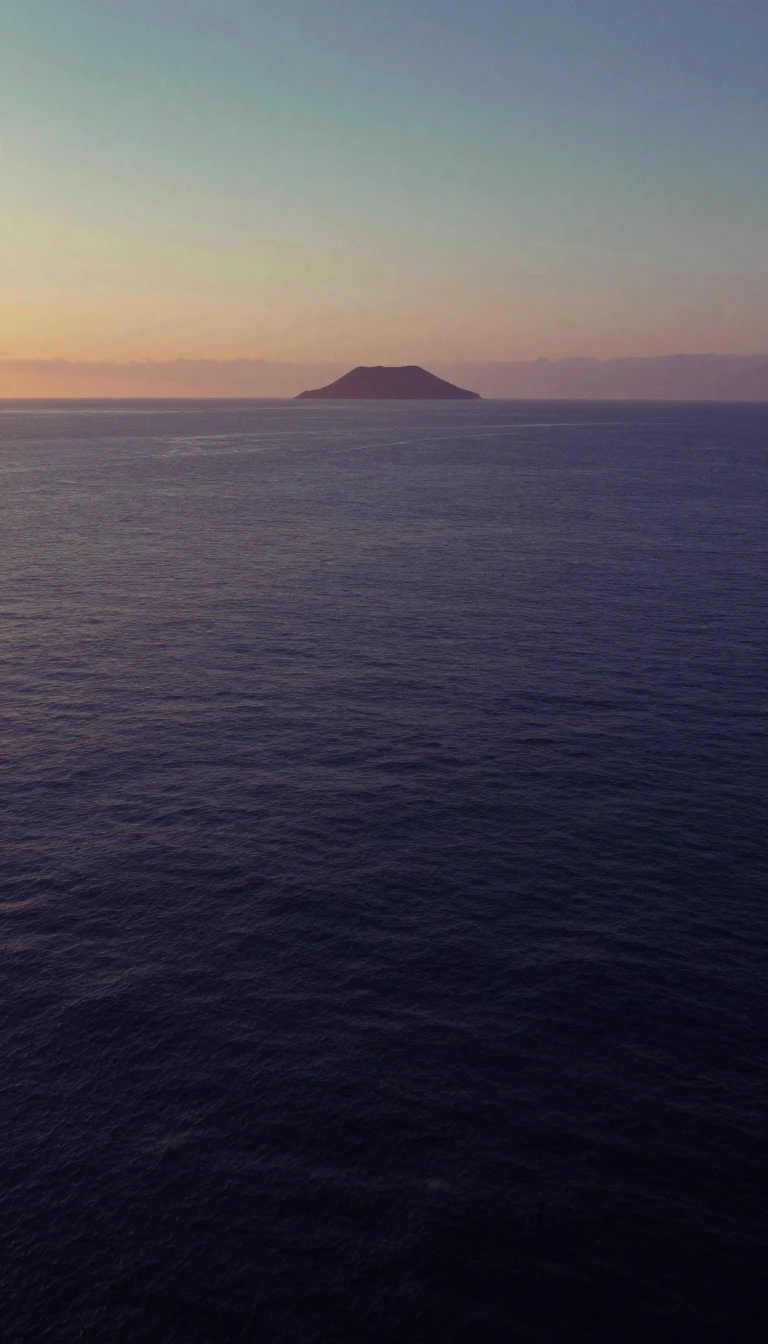 The remote Pacific atoll where time literally ends for the entire planetHowland Island is a tiny, uninhabited coral speck in the central Pacific, famously linked to the disappearance of Amelia Earhart. Beyond its tragic history, this U.S. territory oc…
- Hispanic America is defined by more than just a shared language and colonial history.While often grouped as a monolith, Hispanic America is a complex tapestry of indigenous roots, African influence, and European heritage. From the rigid colonial hierarchies of the…
- Who are the Hazaras, the ancient and often persecuted people of central Afghanistan?The Hazaras are a principal ethnic group in Afghanistan, primarily inhabiting the central Hazarajat region. Their origins remain a subject of intense historical and genetic debate…
- How Paraguay defied the global trend of losing indigenous languages to colonial tonguesWhile most indigenous languages in the Western Hemisphere have faded in favor of European ones, Guarani remains a vibrant, widely spoken language in Paraguay. It is not just a rel…
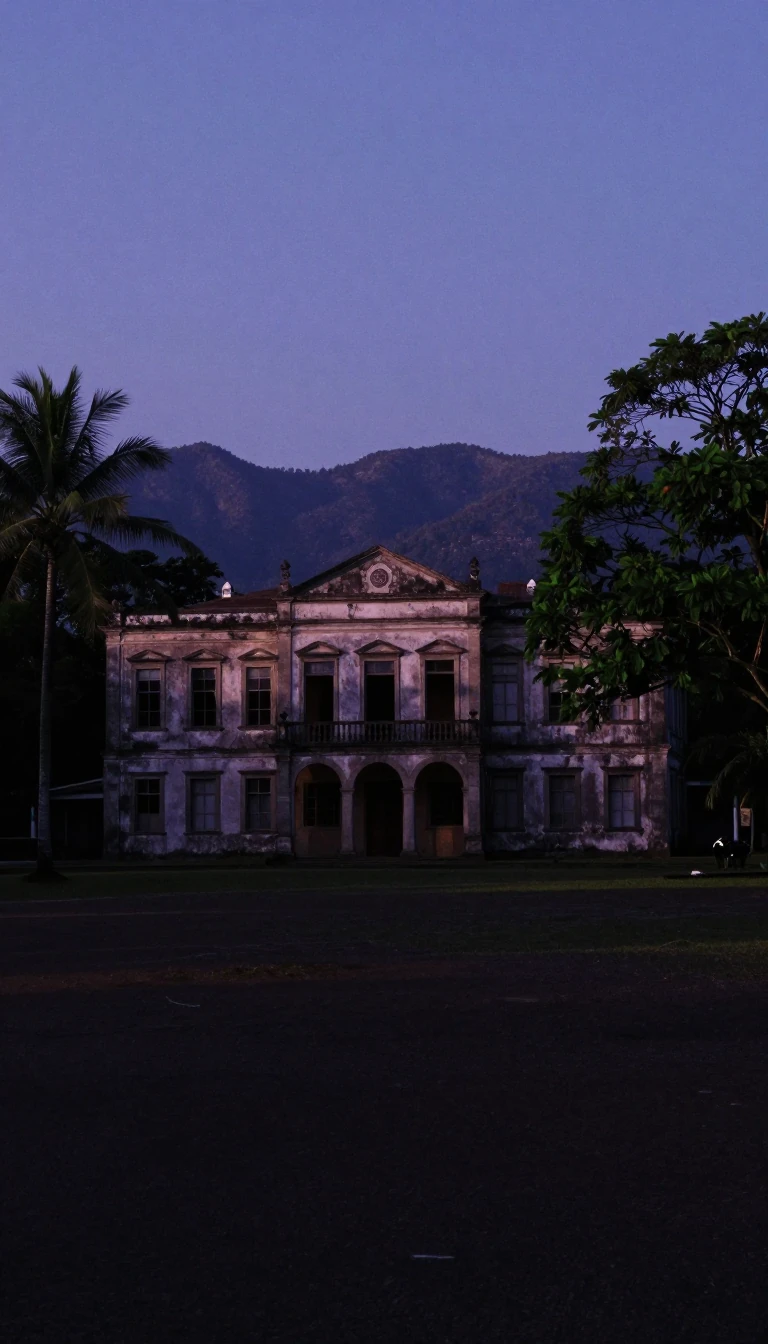 How a tiny patch of Cuba became the oldest overseas American naval baseGuantanamo Bay Naval Base is a unique anomaly in international relations. Occupying 45 square miles of Cuban territory, this U.S. military installation has existed since 1903 unde…
 Is Hadhramaut the court of death or a lush green oasis?The name of this ancient Arabian region is shrouded in mystery. Some traditions translate it as a grim warning of mortality, while scholars suggest it describes the fertile, well-…
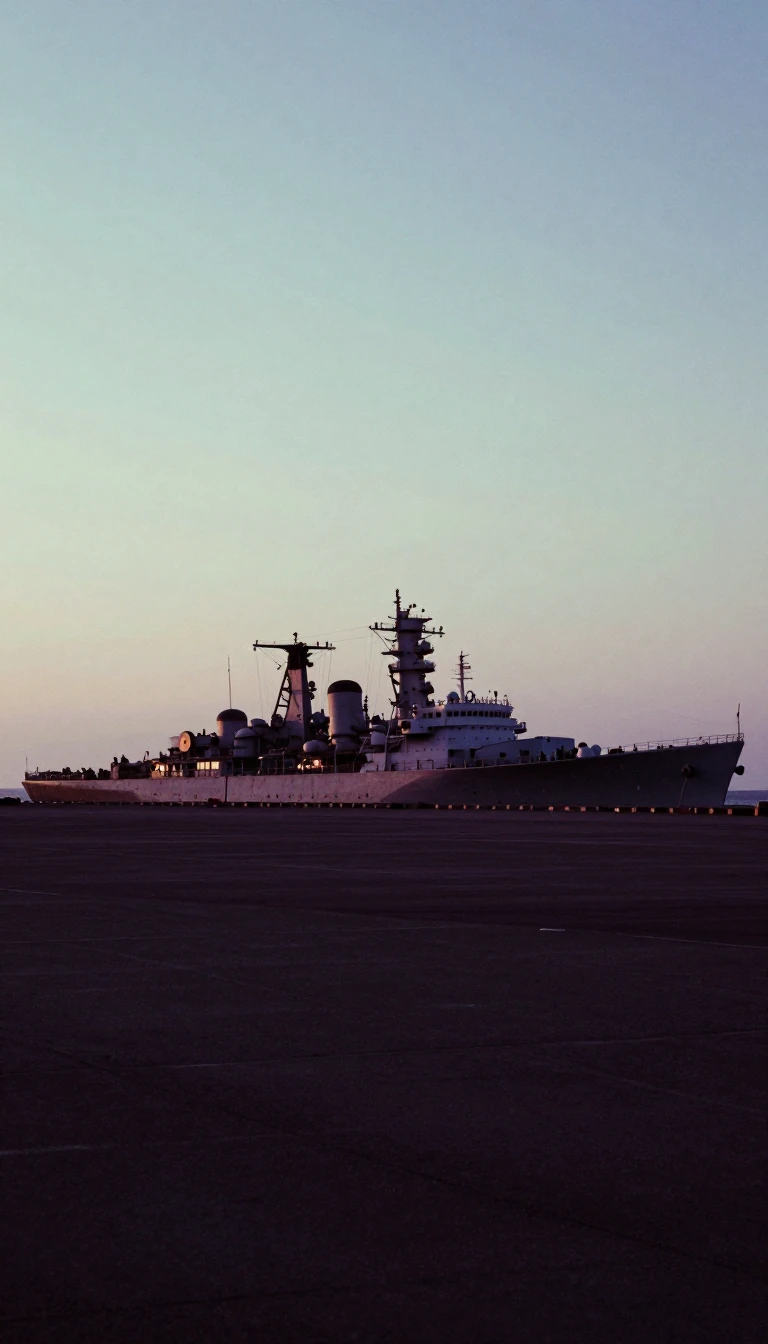 The Grumman Hellcat was the Pacific War's most lethal and rugged carrier-based fighter.Designed to outmatch the Japanese Mitsubishi A6M Zero, the F6F Hellcat became the U.S. Navy's primary ace-maker. With a staggering 19:1 kill-to-loss ratio, this rugged aircraft wa…
 The enduring legacy of the Guarani people, from Jesuit missions to modern national identityThe Guarani people, an indigenous group of South America, have shaped the history and culture of Paraguay and beyond for centuries. Once numbering 400,000, they navigated coloniza…
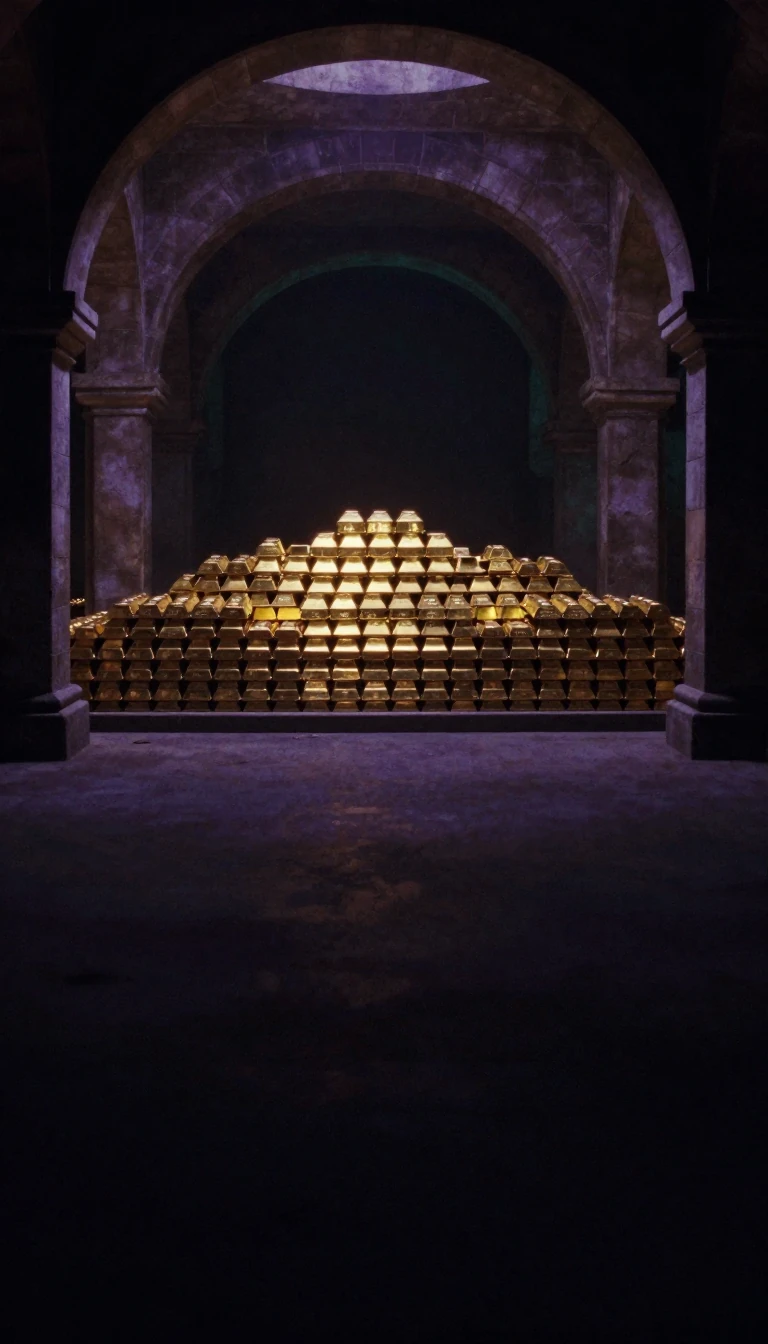 Why the world spent centuries obsessed with gold as a foundation for moneyFor most of human history, silver was the true backbone of daily commerce. Gold was a rare, high-value outlier, often too cumbersome for local trade. Yet, through a series of acci…
 Beyond the board: how chess terminology reveals the game's hidden history and mechanicsChess is more than just moving pieces; it is a language of strategy, etiquette, and historical deception. From the mysterious automatons of the 18th century to the modern Basque s…
 What does it actually mean to be German in a world of shifting borders?German identity is a complex tapestry woven from centuries of political fragmentation, linguistic roots, and a profound, often painful, historical reckoning. While today it is anc…
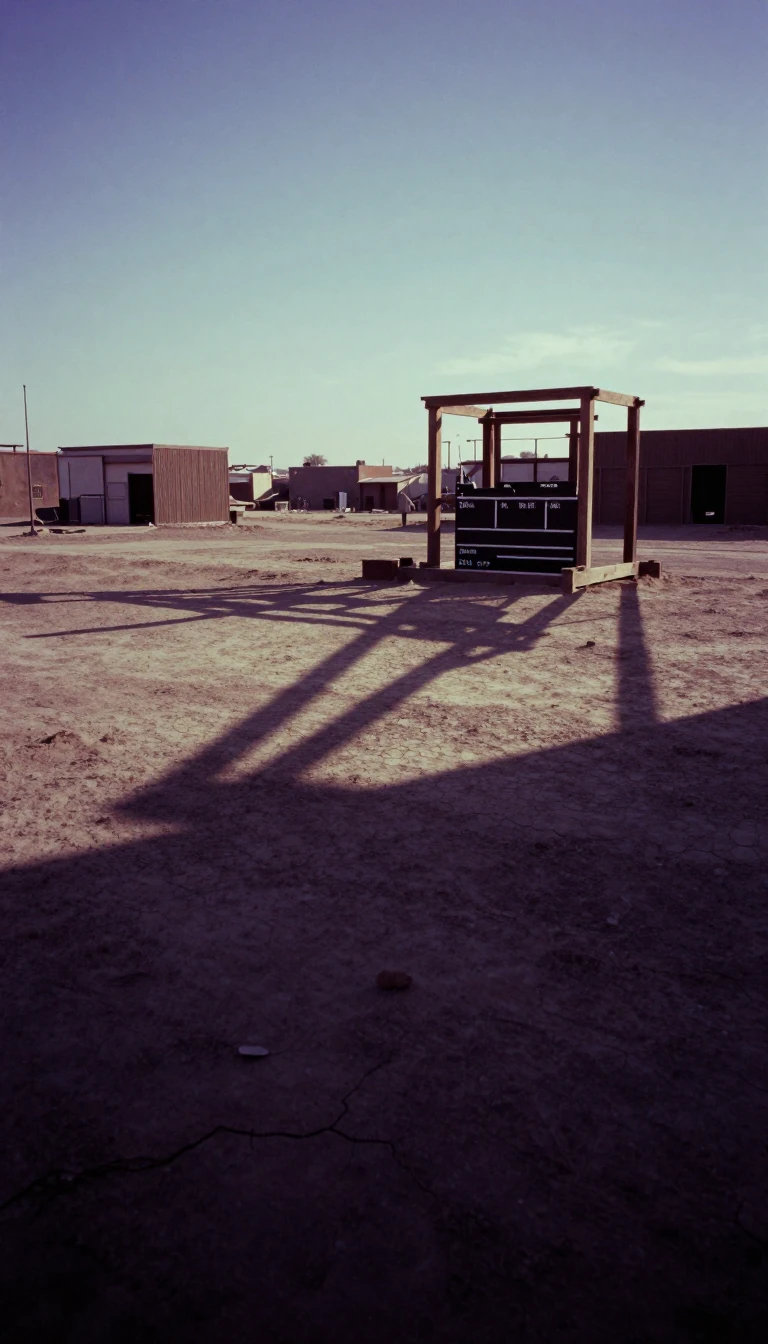 How Ridley Scott finally resurrected the Roman epic after two decades of development hellAfter the 2000 original, a sequel seemed impossible. Writers proposed wild ideas, including a time-traveling Maximus fighting in the Vietnam War. It took over twenty years, a shif…
- Can a single index truly capture the complex, global pulse of human innovation?The Global Innovation Index ranks nations by their capacity for progress, influencing policy from Geneva to Lagos. Yet, critics argue its aggregated metrics—ranging from electrici…
 Is the Global Peace Index actually measuring peace or just the absence of war?The Global Peace Index is the world's leading metric for national peacefulness, yet critics argue it fundamentally misinterprets the concept. By focusing on the absence of violenc…
 Gainesville, Florida: A university town balancing historic preservation, solar innovation, and complex social challenges.Beyond its reputation as a college town, Gainesville is a city of surprising contradictions. It is a global leader in solar energy adoption and the birthplace of Gatorade, yet it …
 The F-16 Fighting Falcon: How a Fighter Mafia Redefined Aerial Combat AgilityBorn from a rogue group of innovators known as the Fighter Mafia, the F-16 Fighting Falcon revolutionized military aviation. By intentionally designing an aerodynamically unstable…
 France's hidden territory: a vast, uninhabited wilderness of volcanoes, penguins, and scientific outposts.The French Southern and Antarctic Lands are not a typical overseas territory. With no permanent residents, this remote collection of islands and an Antarctic sector serves as a vi…