 Intellect Plus
Technology
10,995 cards. Each one is a 40-second story with a five-minute read behind it. Page 178 of 184.
Subtopics: 3D printing & manufacturing · AI & machine learning: practical · Aircraft · Automata · Aviation · Batteries · Binary · Biotechnology · Bridges · Cameras & imaging · Cars · Chemical engineering · Chips · Codes · Compression · Computing · Computing and information technology · Computing history · Cryptography · Cybersecurity · Electric vehicles · Electronics · Energy · Engineering · Everyday tech · Famous patents · Future Frontier · How it works · How Things Work: GPS to the Phone · How Things Work: Jets, Propellers and Ships · Industry · Infrastructure · Internet · Inventions · Inventors · Machinery and tools · Maths · Media and communication · Medical technology · Medieval clockmaking · Mercedes-Benz Engineering · Military technology · Motorbikes · Navigation and timekeeping · Networks · Nuclear power · Optical technology · Physics · Pioneers · Programming · Programming languages · Radar · Radio · Researched · Robotics: practical · Robots · Rockets · Security · Semiconductors · Ships & boats · Skyscrapers · Smartphones · Software · Sound & audio technology · Spaceflight · Super-series Wave 1: Car To Wheels · Super-series Wave 1: From Power Station To Pc · Super-series Wave 1: The Journey Of Crude Oil · Technology today · Technology: General · Textiles · Trains & locomotives · Transportation · UK & Ireland: inventions · Video game technology · Web · Wireless
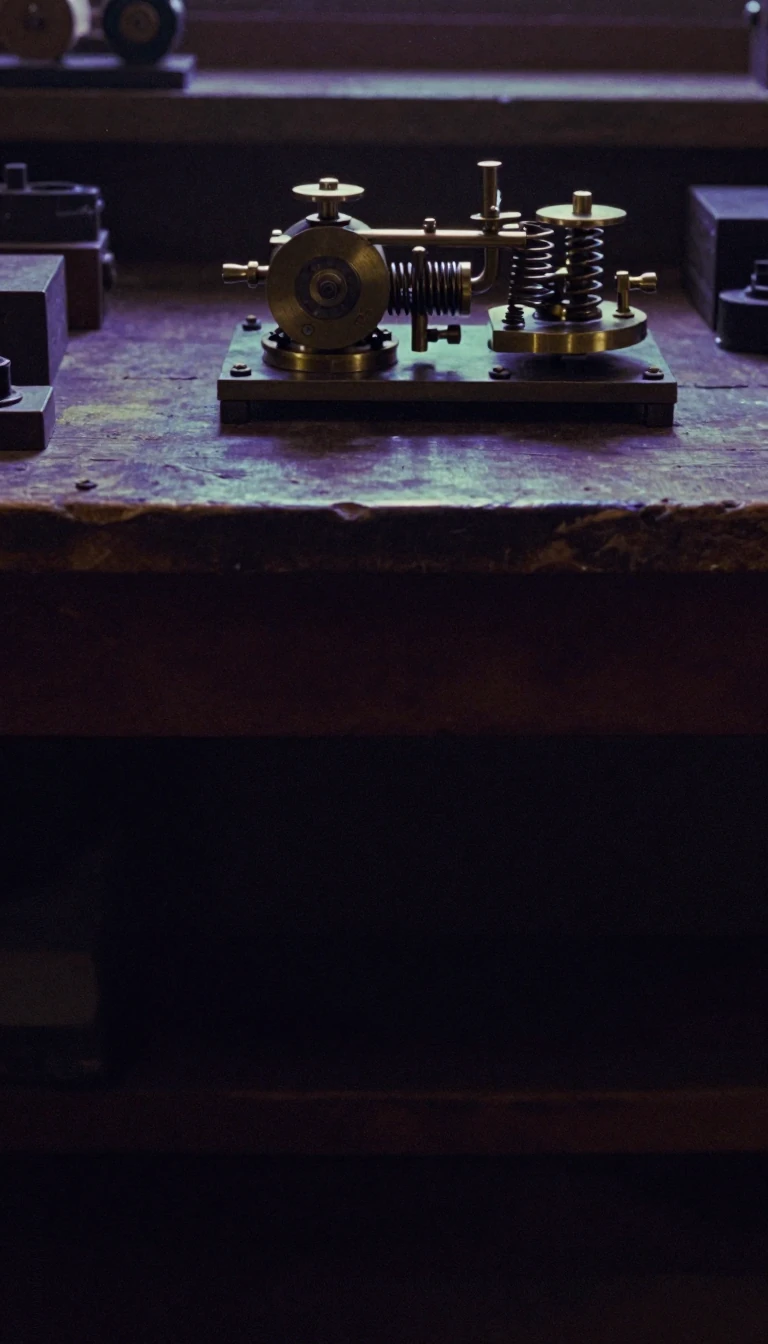 Hiram Maxim made guns reload themselves using their own recoilThe Gatling gun of 1862 fired fast, but a person still had to turn its crank. Hiram Maxim's breakthrough was to capture each shot's recoil energy and use it to reload, creating a …
 Military aviation began with a French observation balloon in 1794Just eleven years after the first practical balloons rose in 1783, the French Aerostatic Corps sent one up to watch the Battle of Fleurus, the first major battle observed from the…
 Missiles descend from rocket-powered arrows flown in tenth-century ChinaChinese archers were strapping rockets to arrows by the 10th century. Iron-cased rockets from Mysore and the Maratha Empire later inspired Britain's Congreve rocket, and today's g…
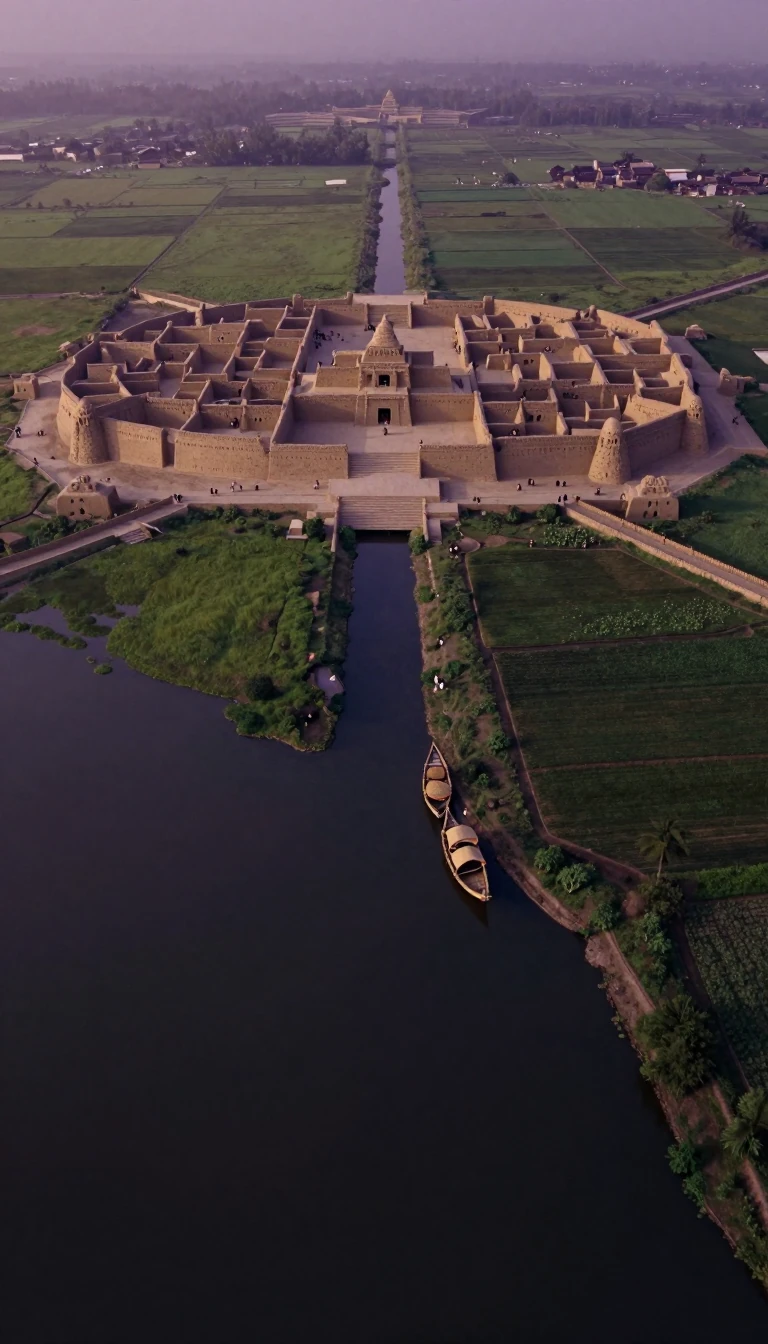 Benin City's moats and ramparts stretched some 16,000 kilometresThe walls of Benin, in present-day Nigeria, combined ditches and earth ramparts across more than 500 linked settlement boundaries. Journalist Fred Pearce put their length at four …
 The mortar takes its name from the kitchen bowl it resembledThe first mortars were squat iron bowls, so like the apothecary's mortar and pestle that they borrowed the name. Early ones lobbed stones so high that, at Belgrade in 1456, lookou…
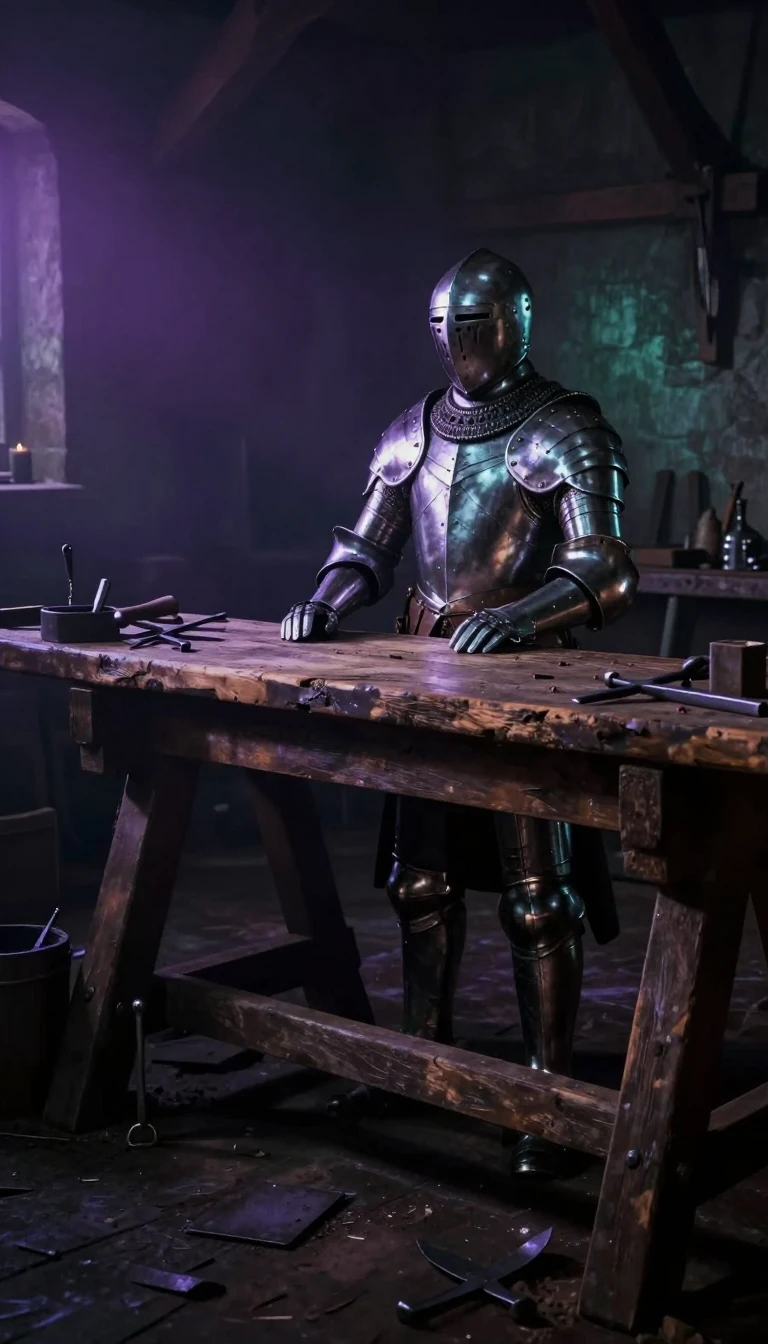 'Lock, stock and barrel' comes from the three main parts of a musketThe phrase lock, stock and barrel names a musket's firing mechanism, wooden body and tube. The weapon itself began around 1521 as an arquebus so heavy it rested on a forked stick,…
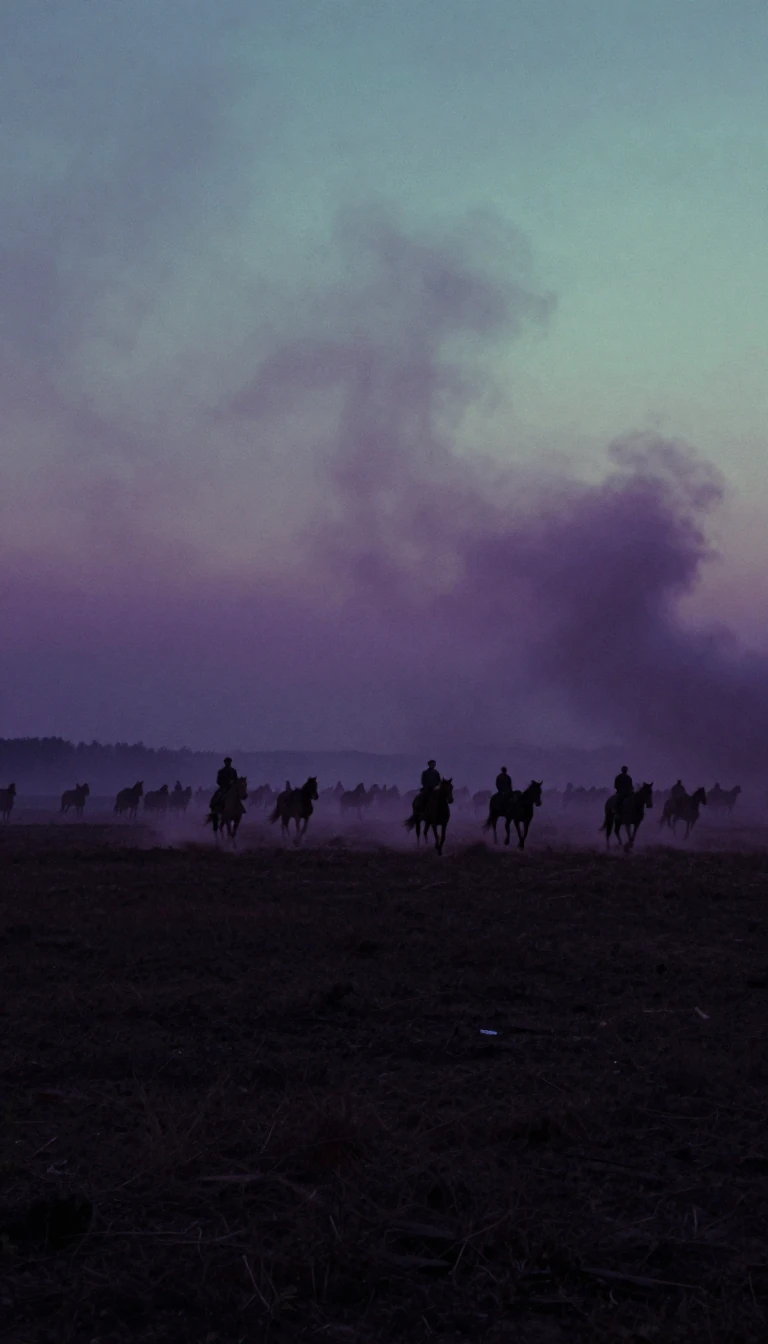 War horses came in three sizes, each trading speed for carrying powerA horse can carry roughly 30 percent of its own weight, but pulling a wheeled load on a paved road it can shift about eight times its weight. That simple gap shaped millennia of w…
 Where a katana's signature sits reveals which way up it was wornJapanese smiths carved their signature on the side of the tang that faced outward when worn. Because the older tachi hung edge-down and the katana was thrust through the sash edge…
 Knives are at least 2.5 million years old and still evolvingStone cutting tools from the Oldowan culture show that people have been making knives for at least 2.5 million years. Blades have since moved from flint and obsidian through coppe…
- From straw and bramble to Kevlar, helmets kept reinventing themselvesSome eighteenth-century British gamekeepers protected their heads with straw bound together by cut bramble. Their successors wear aramid fibre, and so do soldiers. In between came…
 Chinese city walls grew so thick they held back cannon developmentJericho had a wall around it in the eighth millennium BC, making walls one of humanity's oldest large projects. For thousands of years nearly every city needed one. In China they …
 Fighter planes went from fabric biplanes to stealth jets in a centuryThe first fighters were wooden frames wrapped in fabric that topped out near 160 kilometres an hour. Today's fighters are bigger and heavier than Second World War medium bombers, …
- Firearms began as bamboo tubes of gunpowder strapped to spearsThe ancestor of every rifle and pistol was a Song dynasty invention: a bamboo tube packed with gunpowder and pellets, lashed to a spear so one soldier could carry it. This fire la…
- Every new weapon forced fortresses to reinvent themselvesFortifications have always chased weapons. Tall medieval walls fell to fourteenth-century cannon, so builders went low, sinking walls into ditches behind earth slopes. Nineteenth-…
 Oar-driven galleys ruled Mediterranean seas for over two thousand yearsPhoenicians, Greeks and Romans all fought in long, slim rowing ships, and the design refused to die. Galleys carried pilgrims, guarded precious cargo, pioneered ship-killing canno…
 The grenade takes its name from the pomegranateByzantine soldiers hurled jars of Greek fire, Song Chinese troops packed gunpowder into iron shells they called thunder crash bombs, and in 1433 a Catalan fleet sailed for Sicily …
- The word gun may come from a giant crossbow named Lady GunildaIn the fourteenth century Windsor Castle housed an enormous mechanical bolt-thrower nicknamed Domina Gunilda. Her name, likely from the Old Norse Gunnhildr, built from two words f…
 Gunpowder was an accident of the search for eternal lifeChinese alchemists hunting for an elixir of immortality kept mixing sulfur, saltpeter and other ingredients, and one ninth-century Daoist text warns that such experiments burned p…
 Korea's tiny se-chongtong was an early handgun carried by spiesIn 1432, under Sejong the Great, Joseon Korea introduced the se-chongtong, a gun under 14 centimetres long that fired small arrows. Officials first wrote it off as a failure becau…
 The cannon began as a Chinese fire-lance and conquered EurasiaThe oldest cannon with its production date inscribed on it, the Xanadu Gun of 1298, is only about 35 centimetres long and weighs just over 6 kilograms. Within two centuries its de…
 Castles were private homes built to fight from, not just hide inHistorians define a castle narrowly: a lord's private fortified residence. That rules out walled cities, Anglo-Saxon burhs and most things crusaders called castles. It also explai…
- Greek catapults grew from bows, and turned engineering into scienceA catapult hurls things without any gunpowder, storing energy slowly in bent bows, springs or twisted rope and releasing it all at once. Greek engineers began by beefing up the hu…
 Mail armour guarded warriors for two millennia and now stops sharksLink enough small metal rings together and you get mail, armour that protected European soldiers from the third century BC into the 1500s. It is far from obsolete. Butchers wear m…
 The spoked wheel made the war chariot possibleA chariot was barely more than a floor on two wheels with a waist-high rail, pulled by horses harnessed side by side. What made it fast enough to reshape Bronze Age warfare was a …
 The humble club has had a surprisingly long careerA stick swung hard may be the simplest weapon ever made, and people have used one since prehistory. Yet the club never really retired. It evolved into the metal mace, became a bad…
 The crossbow traded speed for patience, and changed who could shootA longbow demands years of practice and serious muscle, because the archer must draw and loose almost in one movement. The crossbow sidestepped both problems. A trigger holds the …
 Tutankhamun was buried with a dagger forged from a meteoriteWhen archaeologists opened Tutankhamun's tomb in 1924, they found two daggers: one with a golden blade and one of iron, a metal Egypt had no ore for. In 2016 x-ray analysis confir…
 Battle axes were lighter than you think and cheaper than swordsPicture a war axe and you may imagine something huge and heavy. Real battle axes usually weighed between about half a kilo and three kilos, far lighter than a modern wood-splittin…
 One British ship in 1906 made every battleship afloat obsoleteIn 1906 Britain launched HMS Dreadnought, armed with ten big guns of one size and none of the usual medium weapons. Overnight every earlier battleship looked outdated, and navies …
 The first bayonets plugged the barrel, so muskets could not fireEarly bayonets simply jammed into the muzzle of a musket, turning it into a spear but making it impossible to shoot. Soldiers had to wait until the last moment to fix them. At Kil…
 Divers found medieval Mongol bombs in a shipwreck off JapanWhen Mongol fleets attacked Japan in the 13th century, they brought thunder-crash bombs: iron shells packed with gunpowder. Centuries later, underwater archaeologists recovered so…
 The first air-dropped bombs were hand grenades nicknamed ballerinasOn 1 November 1911, over Libya, Italian second lieutenant Giulio Gavotti leaned out of a plane never meant for bombing and dropped four specially made grenades on Ottoman position…
 The oldest known boomerang was carved from mammoth tusk in PolandBoomerangs are icons of Australia, yet the oldest certain find comes from a cave in Poland's Carpathian Mountains. Carved from mammoth tusk, it is thought to be around 40,000 year…
 Arrowheads from an Uzbek cave push archery back 80,000 yearsIn Obi-Rakhmat Grotto in Uzbekistan, researchers found tiny stone points about 80,000 years old. They are too small for spears and too big for blowgun darts, yet just right for ar…
- A silk handkerchief in Tombstone inspired the first bulletproof fabricIn 1881 a Tombstone, Arizona doctor named George Goodfellow noticed something odd about a gunshot victim: one bullet had been stopped by a silk handkerchief in his breast pocket. …
 From tethered balloons to floating airbases: the aircraft carrier's riseThe first ships to carry aircraft were wooden vessels lofting single tethered observation balloons. A little over a century later, nuclear-powered supercarriers each hold dozens o…
- Why French and Belgian farmers still dig up First World War shellsMore than a century after the guns fell silent, farmers in France and Belgium keep turning up unexploded First World War ammunition in their fields, and it occasionally still kill…
- The Black Death helped make plate armour cheaper than chain mailFull plate armour looks like the luxury option, yet by the 15th century it cost less than mail. Linking thousands of iron rings by hand took enormous labour, and after the Black D…
- From Roman catapult to battleship gun, artillery's energy grew 20,000-foldA Roman catapult of the 1st century BC hurled a 6.55-kilogram stone with about 16 kilojoules of energy. A mid-19th-century 12-pounder cannon delivered around 240. The main guns of…
- Only one plane in the US Air Force wears a pure A for attackAmerican military aircraft carry letter codes, and A stands for attack. Yet only a single type in the current US Air Force inventory has a plain, unmixed A: the A-10 Thunderbolt I…
 The ballista stored its punch in twisted ropes, not a bowA crossbow gets its power from a bent bow. The ancient ballista worked differently: two separate arms slotted into tightly twisted bundles of rope made from animal sinew. Cranking…
- Why battering rams worked: stone walls crack under repeated blowsA battering ram is basically a heavy log with momentum, yet it toppled city walls for thousands of years. The secret lay in the walls themselves. Stone and brick resist being sque…
 A paraplegic watchmaker built the first self-propelled wheelchair in 1655In 1655 Stephan Farffler, a 22-year-old watchmaker who could not walk, built himself a three-wheeled chair driven by hand cranks and cogwheels. It looked more like a hand-cycle th…
 A wooden toe from Egyptian Thebes shows prosthetics are ancientIn 2000, pathologists examining a mummy from a cemetery near ancient Thebes found an artificial big toe of wood and leather, worn from use and dated to between 950 and 710 BC. Whe…
 The first X-ray of a human hand made its owner say she saw her deathSoon after discovering X-rays in November 1895, Wilhelm Rontgen placed his wife's hand in front of a photographic plate. The result, bones and a ring floating in faint flesh, was …
 The humble syringe is really a tiny pump named after a fluteStrip away the needle and a syringe is simply a pump: a piston sliding inside a tube, pulling fluid in and pushing it out. Its name comes from the Greek syrinx, the panpipe. Versi…
 Ultrasound images rest on a guess about the speed of soundAn ultrasound machine never measures depth directly. It times how long each echo takes to come back and converts that into distance by assuming sound always travels at 1,540 metre…
 The word ambulance first meant a hospital that walked along behind an armyAmbulance comes from the Latin ambulare, to walk about, and originally named a mobile hospital following troops on the march. Spanish forces first used ambulancias to carry casual…
 Why a dialysis machine does not count as an artificial kidneyA dialysis machine does nearly all of a failing kidney's work, yet by the usual definition it is not an artificial organ. To qualify, a device must live with the body and not stay…
- How surgeons stop a heart for hours and keep the patient aliveDuring many heart operations the organ is deliberately brought to a halt while a machine outside the body does its job and the lungs' job at once. A specialist called a perfusioni…
 George Washington's false teeth were never wooden, but Japan's really wereGeorge Washington lost his first adult tooth at 22 and had one left when he became president. Contrary to legend, none of his false teeth contained wood; his presidential set was …
 A standard twelve-lead heart tracing uses only ten electrodesThe classic hospital heart tracing is called a 12-lead ECG, yet only ten sticky pads go on the limbs and chest. A lead is not a wire but a viewpoint: the machine compares pairs of…
 The CT scanner was invented by an engineer at a British music companyIn 1972 Godfrey Hounsfield, an engineer at the British firm EMI, unveiled a machine that fired X-rays through a slice of the head and let a computer rebuild a cross-section. Three…
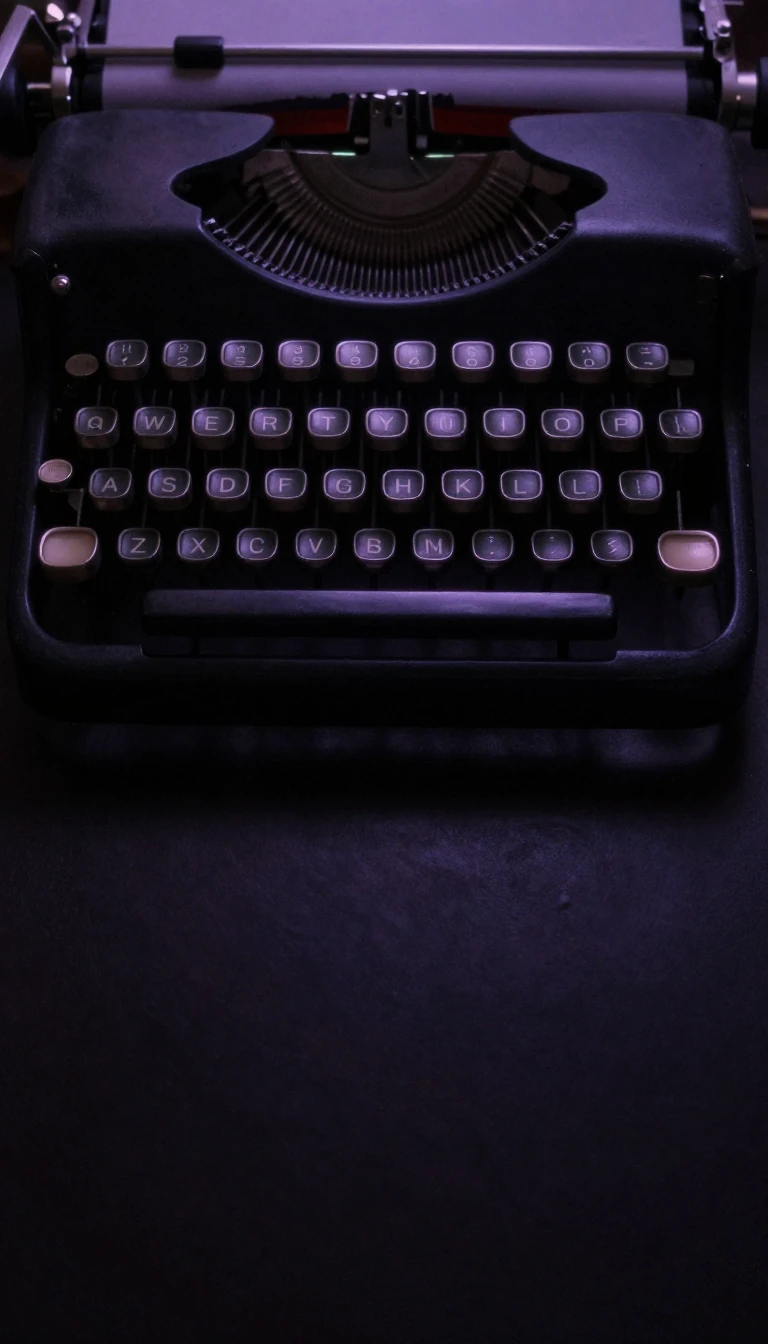 Many of the earliest typewriters were built so blind people could writeAround 1802 in Italy, Pellegrino Turri built a writing machine for his blind friend, Countess Carolina Fantoni da Fivizzano. It was far from alone. Inventors in Britain and Americ…
 Digital video quietly discards most of its colour information, and you never noticeHuman eyes pick up fine detail in brightness far better than in colour, and video engineers exploit that. A common trick keeps the brightness of every pixel but shares one colour …
 John Logie Baird recorded television in 1927 that nobody could watch for decadesIn 1927 John Logie Baird captured television pictures on discs he called Phonovision, the first somewhat successful attempt to record video at all. No machine of the day could pla…
- The inventor of holography fought a years-long patent war over flat TV screensIn 1958 Dennis Gabor, later famous for holography, patented a flat cathode-ray tube so similar to William Aiken's design that the two spent years in court. By the time the rulings…
 Persistence of vision does not explain movies, despite what you were taughtFilms run at 24 still frames a second, a standard fixed when talking pictures arrived in the late 1920s. The popular explanation, that each picture lingers on the retina, is not s…
- The first image scanned into a computer was a photo of a babyIn 1957 Russell Kirsch and his team at the US National Bureau of Standards built a drum scanner that fed pictures into the SEAC computer. They tested it on a snapshot of Walden, K…
 Before magnets got cheap, some loudspeakers were powered by compressed airAround 1900 a few record players pushed sound out with blasts of compressed air. Horace Short patented the idea in 1898 and sold it to Charles Parsons, and companies like Pathé bu…