 Intellect Plus
Technology
10,995 cards. Each one is a 40-second story with a five-minute read behind it. Page 181 of 184.
Subtopics: 3D printing & manufacturing · AI & machine learning: practical · Aircraft · Automata · Aviation · Batteries · Binary · Biotechnology · Bridges · Cameras & imaging · Cars · Chemical engineering · Chips · Codes · Compression · Computing · Computing and information technology · Computing history · Cryptography · Cybersecurity · Electric vehicles · Electronics · Energy · Engineering · Everyday tech · Famous patents · Future Frontier · How it works · How Things Work: GPS to the Phone · How Things Work: Jets, Propellers and Ships · Industry · Infrastructure · Internet · Inventions · Inventors · Machinery and tools · Maths · Media and communication · Medical technology · Medieval clockmaking · Mercedes-Benz Engineering · Military technology · Motorbikes · Navigation and timekeeping · Networks · Nuclear power · Optical technology · Physics · Pioneers · Programming · Programming languages · Radar · Radio · Researched · Robotics: practical · Robots · Rockets · Security · Semiconductors · Ships & boats · Skyscrapers · Smartphones · Software · Sound & audio technology · Spaceflight · Super-series Wave 1: Car To Wheels · Super-series Wave 1: From Power Station To Pc · Super-series Wave 1: The Journey Of Crude Oil · Technology today · Technology: General · Textiles · Trains & locomotives · Transportation · UK & Ireland: inventions · Video game technology · Web · Wireless
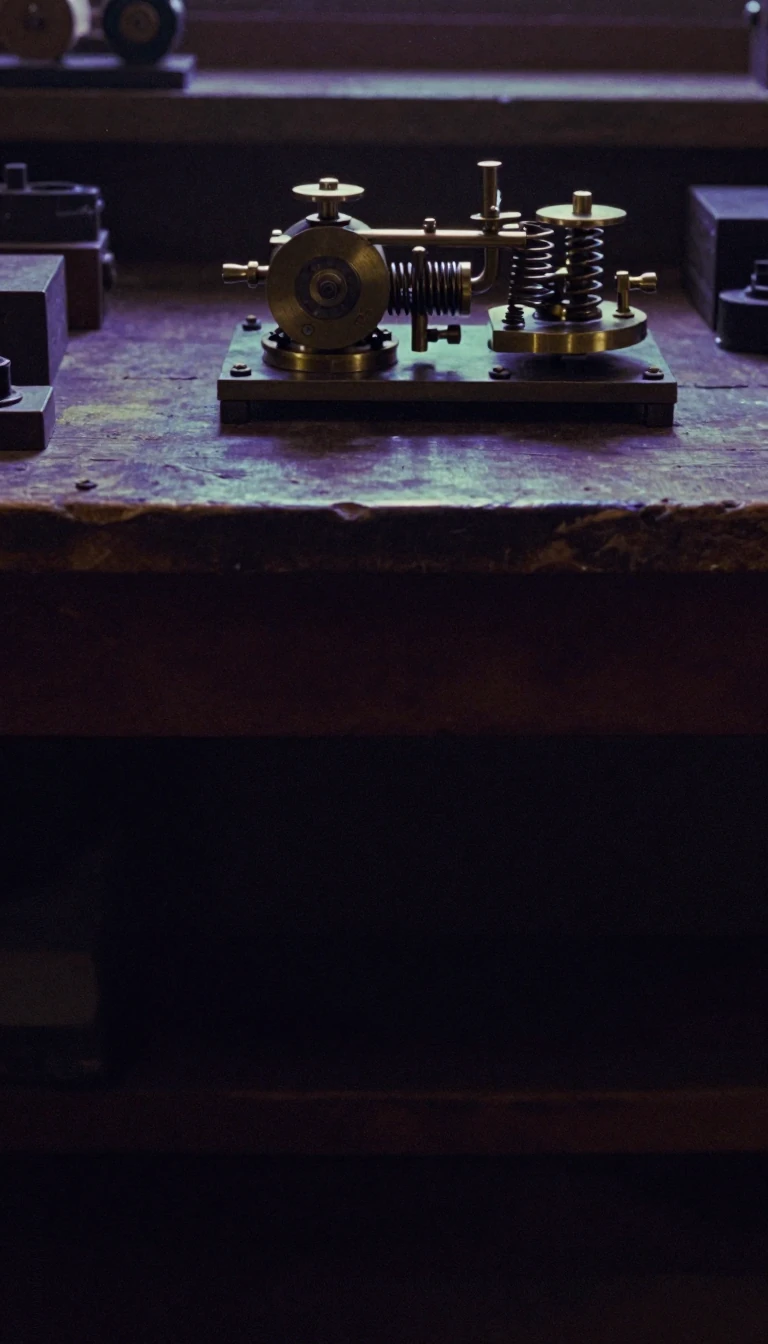 Eli Whitney's famous musket demonstration hid a handmade secretIn 1801 Eli Whitney took apart ten muskets before Congress, mixed the pieces in a pile and reassembled them. Lawmakers were thrilled and ordered standard equipment across the mili…
 A kerosene lamp once lit an emergency operation in LvivOn the night of 31 July 1853, surgeons in Lviv faced an urgent operation that candlelight could not support. They sent for Ignacy Lukasiewicz, a local pharmacist tinkering with a …
 A modern landfill is really a giant, slow-cooking microbial reactorRubbish dumped in a sanitary landfill does not just sit there. Engineers design these sites as bioreactors where microbes spend decades dismantling food scraps, paper and garden w…
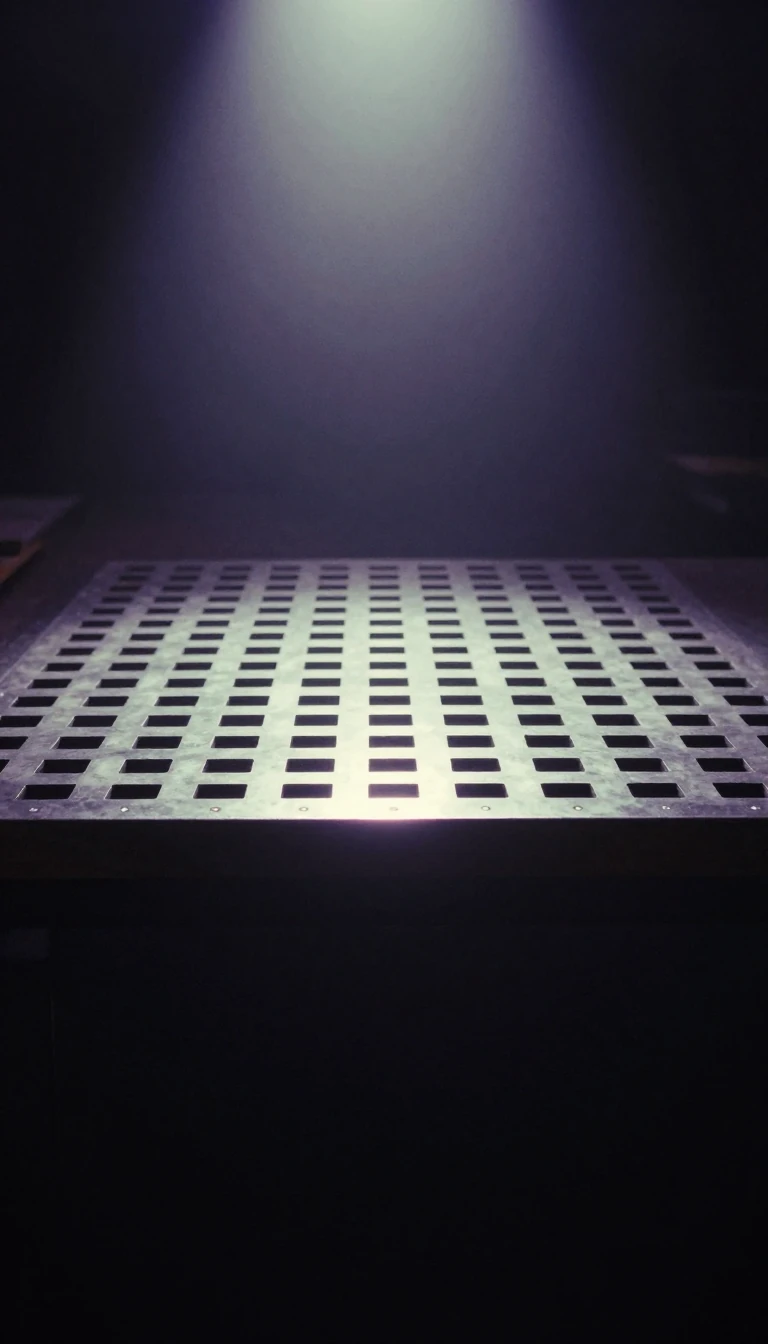 The first production laser cutter drilled holes in diamondLaser cutting started with about the hardest job imaginable. In 1965 a machine from the Western Electric Engineering Research Center went into production boring holes through diam…
 In Catalan, to do the laundry means to gossipAcross Europe, villages that could afford it built a lavoir, a wash-house fed by a stream, where women beat and rinsed their families' clothes every week. It became a women-only m…
 Plunge hot steel into water and its crystals rearrange near sound speedHeat steel until it glows red to orange, around 820 to 870 degrees Celsius, then dunk it in water. Carbon atoms get trapped before they can escape the shifting crystal lattice, st…
 Hydroelectricity began with one lamp in a Victorian art galleryIn 1878 the industrialist William Armstrong rigged a water-driven generator at Cragside, his Northumberland house, to light a single arc lamp in his picture gallery. It was the fi…
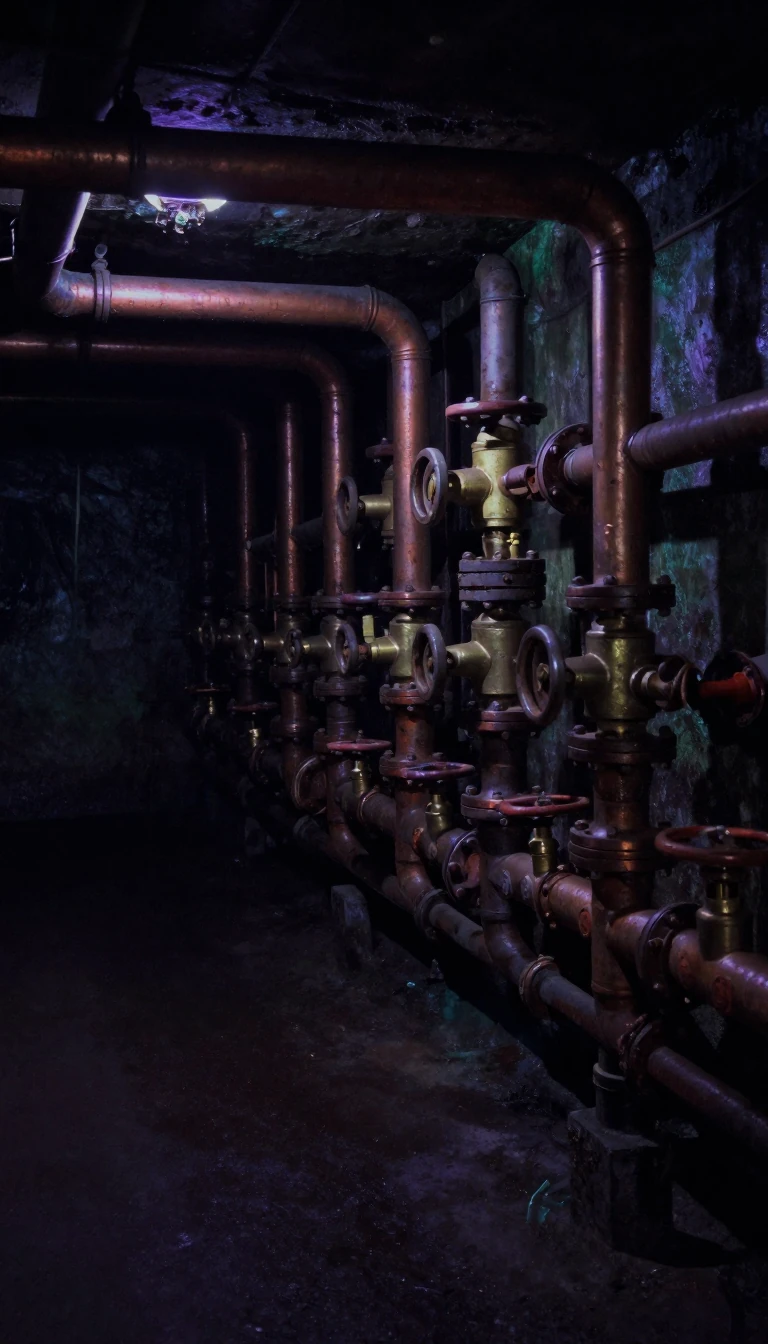 A waterfall can compress air for mines with no moving partsIn 1910, on the Montreal River near Cobalt, Ontario, engineers built a trompe. Water tumbled down a shaft dragging air bubbles into an underground chamber, where the trapped air w…
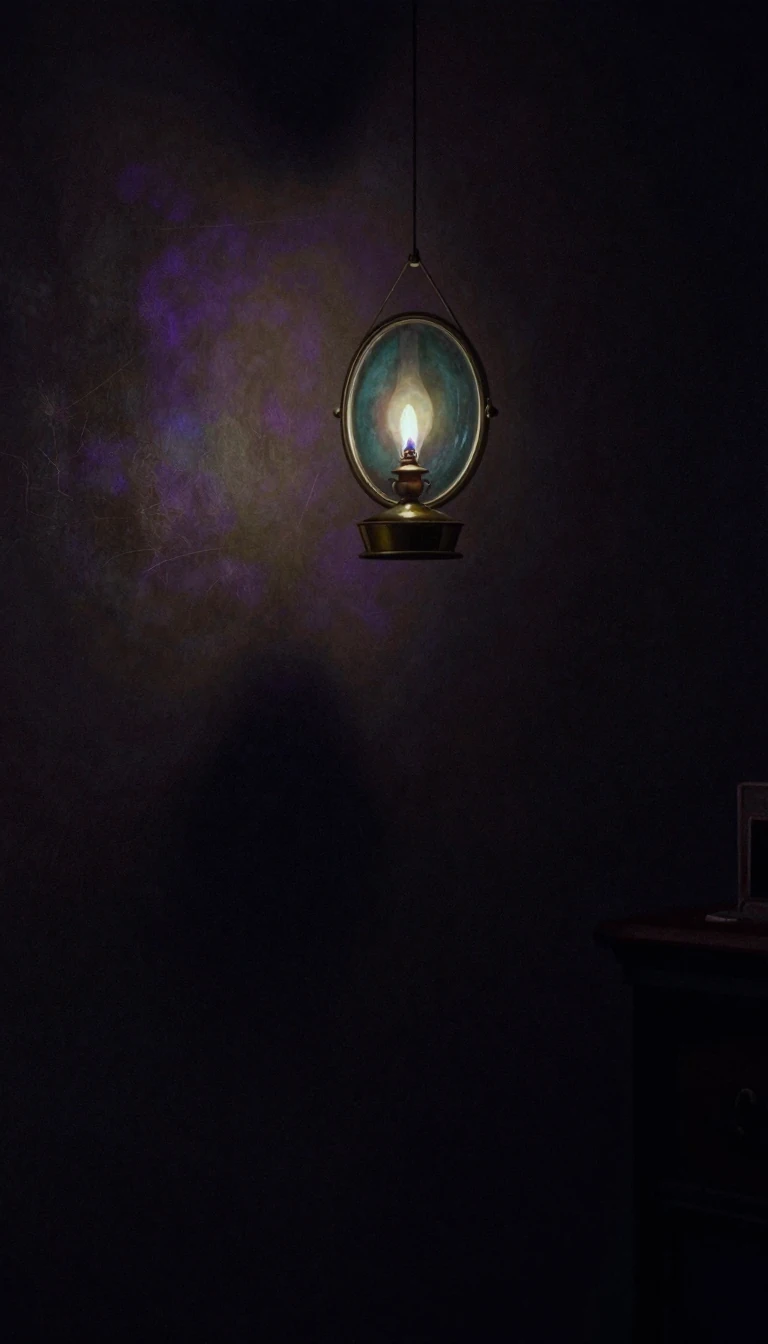 A famous stage magician was showing off light bulbs before Edison was bornIn 1851 the French illusionist Jean Eugene Robert-Houdin lit incandescent bulbs on his estate at Blois, and they now sit in the town's chateau museum. He was one of dozens who glo…
 An early rocket firework called the earth rat once startled a Chinese empressAt a feast given in her honour by Emperor Lizong in the 13th century, Empress Dowager Gong Sheng was badly startled when a dilaoshu, or earth rat, went off near her. This scurryin…
 Why a hammered car part beats a cast one by a fifthSqueeze or pound metal into shape instead of pouring it into a mould, and it comes out tougher. Forged parts typically have about 20 percent more strength for their weight than ca…
 Medieval Baghdad had tar-paved streets and a doctor who distilled keroseneLong before the oil age, the streets of Baghdad were paved with tar from nearby petroleum fields, and the Persian physician al-Razi wrote down how to distil crude oil into kerosen…
 The first geothermal generator in 1904 lit exactly four light bulbsOn 4 July 1904 at Larderello in Italy, Prince Piero Ginori Conti hooked a generator up to volcanic steam and switched on four light bulbs. Seven years later the same spot hosted t…
 An old-style light bulb turns about 95 percent of its power into heatA classic incandescent bulb heats a tungsten coil until it glows, and only 2 to 5 percent of the electricity comes out as visible light. Getting even that far took more than a cen…
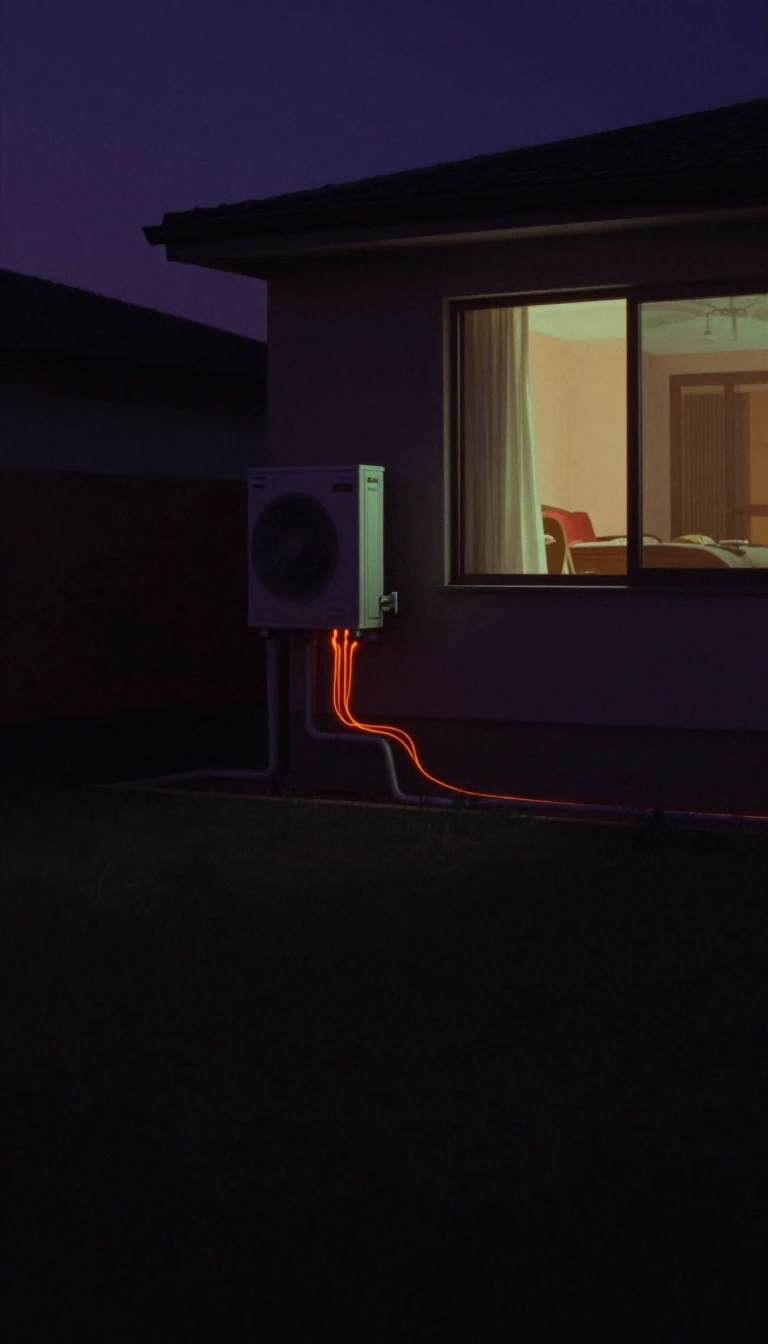 The last few miles of wire between the power grid and your socketElectricity crosses the country at enormous voltages, but it would be lethal and useless at that level inside a house. Distribution is the final stage: substations and pole transf…
 Power lines run at huge voltages so less energy is lost as heatPush electricity down a long wire and some of it warms the metal instead of reaching anyone. Raising the voltage lowers the current and cuts that waste, which is why transmission …
- Across a whole continent, grid generators turn in lockstepOn a synchronous electrical grid, every generator's alternating current rises and falls at almost the same instant, across areas as large as continental Europe. North American gri…
 Chinese alchemists seeking eternal life invented the first explosiveTaoist alchemists in China, searching for an elixir of immortality, produced something very different: gunpowder. It went to war by 1161 and remained the only chemical explosive f…
 Extrusion shapes metal, plastic and pasta the same way you squeeze toothpastePush soft material through a shaped opening and it comes out with that exact profile, as long as you like. Extrusion makes window frames, pipes, tubes and even food this way. When…
 Venice was mass-producing ships on assembly lines centuries before steamThe factory seems a child of the Industrial Revolution, yet the Venice Arsenal, founded in 1104, was already building ships on assembly lines from standard parts. What changed in …
 Die casting began as a way to make printing typeThe machines that now stamp out car parts and appliance housings trace back to 1838, when die casting was invented to produce movable type for printers. By forcing molten metal in…
 Fossilised algae from the Elbe made nitroglycerin safe to carryNitroglycerin was far more powerful than gunpowder but so unstable it was useless for business. Alfred Nobel tried mixing it with cement, coal and sawdust before hitting on diatom…
- Michael Faraday's spinning copper disc started the age of generated powerAlmost all electricity reaching homes comes from spinning machines that turn motion into current. The principle behind them was discovered by Michael Faraday in 1831 and 1832, and…
 Turning seawater into drinking water now takes a tenth of the energyIn 1970, stripping the salt from a cubic metre of seawater took roughly 20 to 30 kilowatt hours of energy. By 2018 the global average had fallen to about 3. That tenfold improveme…
 Modern detergent was born from a wartime shortage of soap fatsSoap has washed clothes since Sumerian times, around 2,500 BC. But when the First World War left Germany short of fats, chemists turned to coal tar for substitutes. Those early ef…
 A carpenter was originally a maker of carriages, not housesCarpenter traces back through Old French to the Latin carpentarius, a maker of carriages. English once had its own word for a builder in wood, wright, related to work, and it surv…
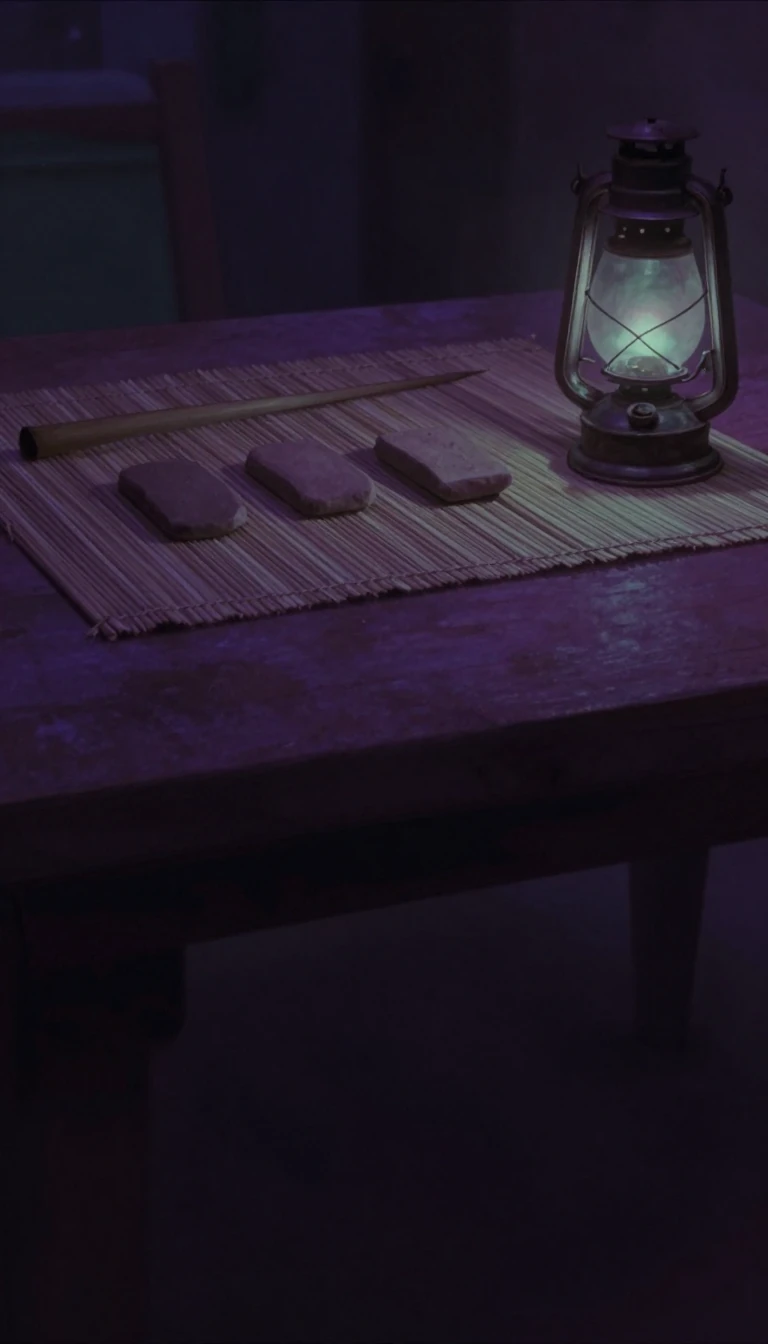 People fired clay figurines thousands of years before they made potsThe oldest known ceramics, from southern central Europe and at least 26,000 years old, are sculpted figures rather than dishes. Everyday pottery became common only around 10,000 y…
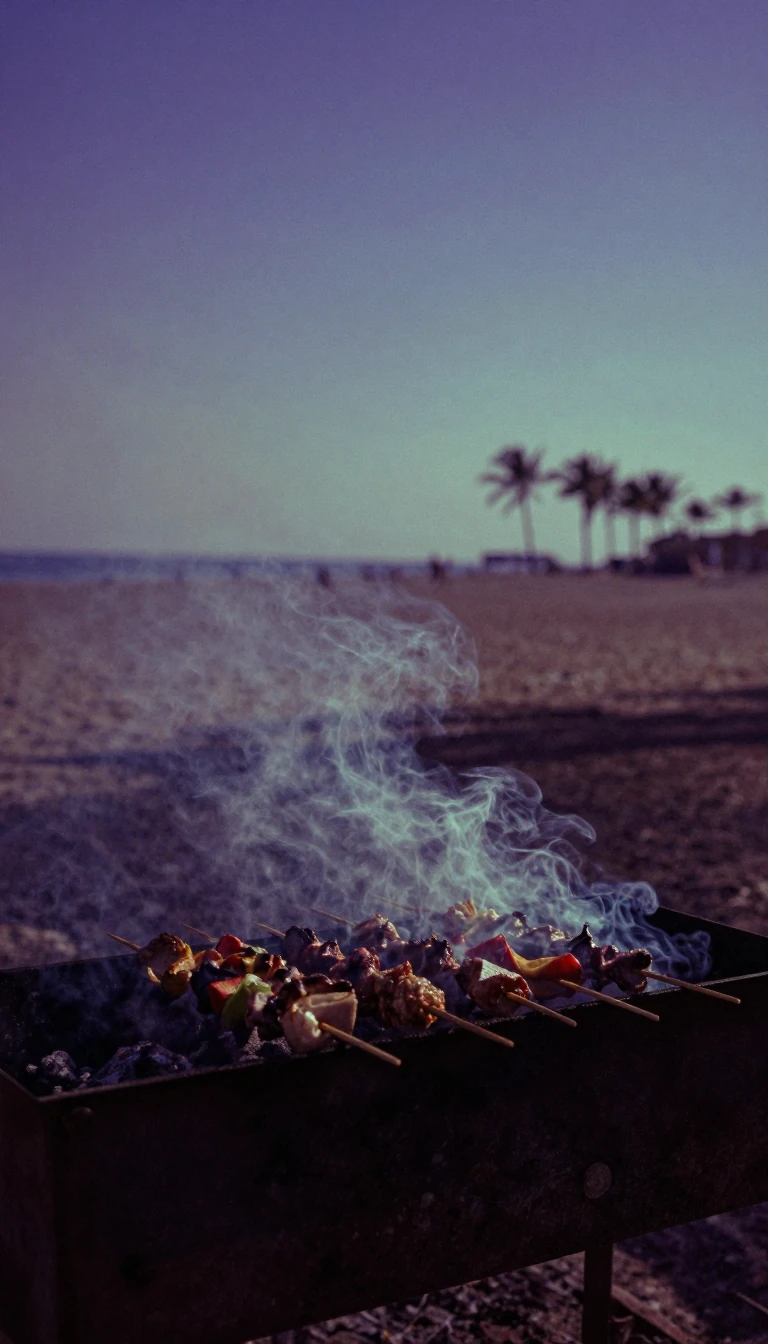 Henry Ford turned car-factory sawdust into the Kingsford charcoal briquetteBackyard barbecue briquettes owe a debt to the car industry. Ellsworth Zwoyer of Pennsylvania patented the American briquette in 1897, but Henry Ford popularised it by feeding lef…
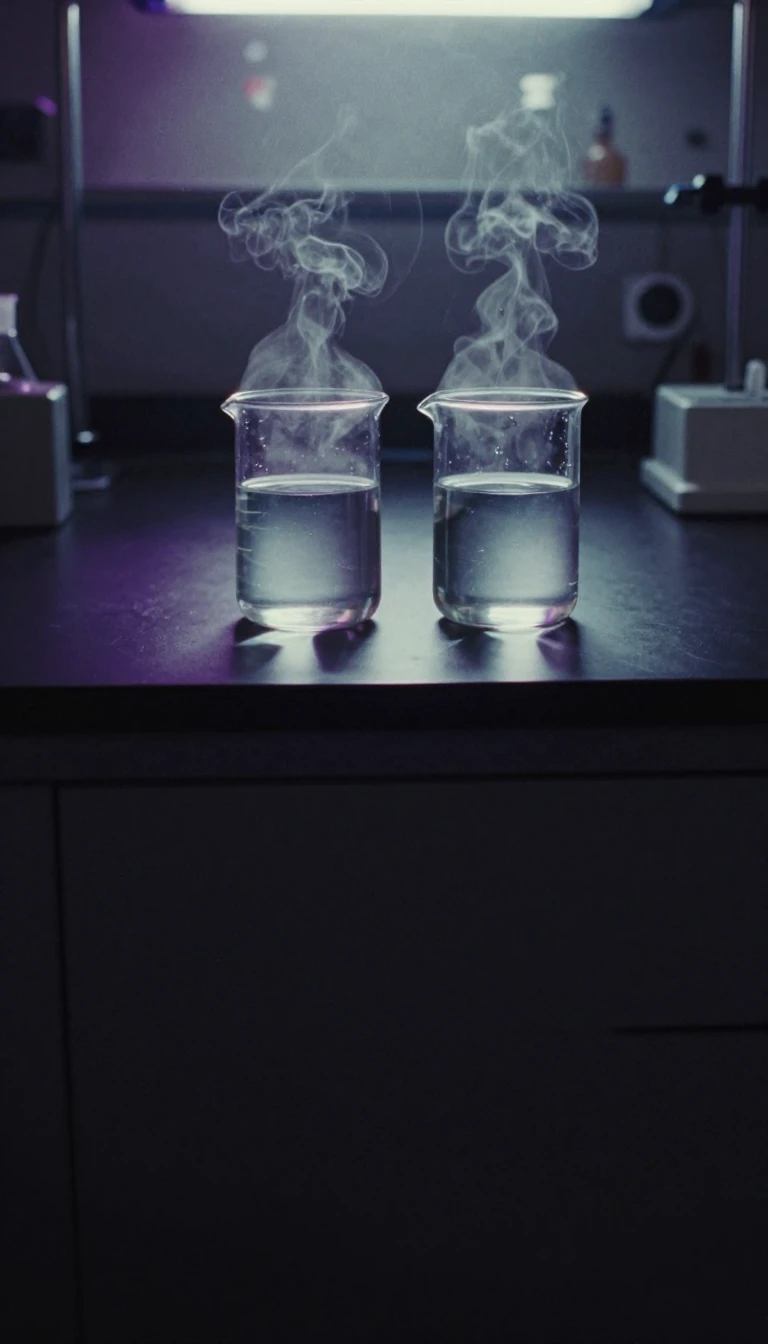 Fewer than one in a hundred chemical plant designs ever gets builtBefore a new chemical plant rises, engineers sketch dozens of alternatives, and typically under 1 percent of design ideas reach commercial use. Cost studies kill most of them earl…
 A Roman recipe for underwater concrete still matches modern practiceWriting around 25 BC, the Roman architect Vitruvius advised mixing one part lime with two parts volcanic ash from Pozzuoli, near Naples, for concrete meant to sit underwater. That…
- Those giant power station towers are breathing out mostly water vapourThe huge waisted towers beside power stations look like smokestacks, and many people assume they pour out fumes. What rises from them is almost entirely water vapour. Their job is…
 Whether biofuel helps the climate depends on where its crops are grownBurning biofuel releases carbon that the crops pulled out of the air only months before, which is why it is often called carbon-neutral. Yet if forests or grasslands are cleared t…
 Bleaching linen once took six months and involved sour milkIn 17th-century Western Europe, whitening cloth was a slow industry. Fabric was soaked in alternating baths of lye and acid, the acid often lactic acid from soured milk, and the w…
 Modern candle wicks are designed to trim themselves as they burnBefore the 19th century, anyone burning a candle had to keep trimming the wick with scissors or snuffers, or it would smoke and gutter. Today's wicks are built to curl over as the…
 Your toothpaste and a glacier both work as abrasivesAn abrasive does not strictly need to be harder than what it wears down. Any two solids rubbed together long enough will erode each other: soft shoe soles hollow out stone steps o…
- Neanderthals were making glue from birch bark 200,000 years agoThree stone tools found in central Italy, about 200,000 years old, still carry traces of birch bark tar used to fix them to wooden handles. They are the oldest known hafted tools …
 Aqueducts are older than Rome by well over a thousand yearsAqueducts call to mind Roman arches, but the Minoans of Crete were probably building them around 2000 BC. By the 7th century BC the Assyrians had run an 80-kilometre limestone cha…
 Ford's moving assembly line was inspired by a Chicago slaughterhouseThe idea behind the Model T production line came from a place that took things apart. After watching carcasses glide along a conveyor at a Chicago meatpacker, with each worker cut…
- Ancient Egyptian jewellers made wire by pulling metal strips through stone beadsLong before anyone drew wire through a steel die, Egyptian craftsmen of the 2nd Dynasty, nearly 5,000 years ago, cut strips from metal sheet and tugged them through holes in stone…
 Signal processing quietly cleans up almost every sound and picture you consumeWhen a phone call sounds clear despite a noisy street, or a night photo comes out less grainy than it should, signal processing is doing the work. The field treats sound, images, …
 Signal-to-noise ratio measures how far a message stands out from the hissEvery radio broadcast, radar echo, photograph and recording carries some unwanted background along with the part you care about. Engineers boil the contest down to one number, the…
 A flicked switch bounces several times before it settles, and organists love itPress a light switch and it seems to snap cleanly from off to on. Inside, the springy metal contacts actually slam together and rebound a few times, sending a stutter of pulses be…
 Aircraft run on 400 hertz power because it makes transformers lighterPlanes and much military gear use electricity alternating 400 times a second, far faster than household mains. The reason is weight. A transformer handling a given amount of power…
 The vacuum tube grew out of the light bulb and created electronicsHeat a filament inside an airless glass bulb and it sheds electrons. Add a positively charged plate and they flow one way only. That trick, first packaged as a practical device in…
 Whale song and microwave ovens both rely on waveguidesA layer of ocean called the SOFAR channel traps sound so well that whale calls can travel enormous distances through it. Engineers build the same kind of trap on purpose. A wavegu…
 Why people call the TV remote a clicker: early ones really clickedThe first popular wireless TV remote had no batteries for its signal. Pressing a button made a tiny hammer strike a metal bar, which rang at a pitch too high for people to hear, a…
 The humble resistor spans more than nine orders of magnitude in valueFew components are plainer than a resistor, a two-legged part whose whole job is to get in the way of current. Yet commercial resistors are made in values ranging across more than…
 Roughly 13 sextillion MOSFETs were made between 1960 and 2018One kind of switch dominates the modern world so thoroughly that it makes up at least 99.9 percent of all transistors ever built. An estimated 13 sextillion of these MOSFETs were …
 Every sensor nudges the very thing it is trying to measureDrop a room-temperature thermometer into hot coffee and the reading is already slightly wrong, because the glass has cooled the drink while the drink warms the glass. Sensors alwa…
- Every electronic filter is a compromise between flat, sharp and smoothAn ideal filter would let wanted frequencies through untouched and block everything else instantly. No real circuit can. Engineers instead pick a family, such as Butterworth, Cheb…
- A fuse protects a circuit by deliberately destroying itselfInside a fuse sits a thin strip of metal designed to be the weakest link. Normal current barely warms it. Too much current heats it until it melts, breaking the circuit before wir…
 An inductor is a coil of wire that resists any change in currentWind a wire into a coil and it gains a stubborn streak. Try to push more current through and it pushes back; try to cut the current and it fights to keep it flowing. That electric…
- White LED lighting had to wait decades for someone to crack blueRed LEDs glowed on gadgets for decades, but bright white lighting needed a blue one, and blue proved stubbornly hard. When Shuji Nakamura, Hiroshi Amano and Isamu Akasaki finally …
 The oscilloscope lets engineers watch electricity change in real timeA multimeter tells you a voltage. An oscilloscope shows you its whole life story, drawing the signal as a moving line against time so you can see spikes, wobbles and distortion. T…
 The humble power brick exists mainly to keep mains voltage out of your gadgetsThat bulky box halfway along a laptop cord is doing a safety job. It steps hazardous 120- or 240-volt household current down to something gentle before any of it reaches the devic…
- Before circuit boards, electronics were hand-wired tangles bolted to metal pansOld radios were built by soldering each component lead to the next inside a sheet-metal pan, sometimes with a wooden base. The results were heavy, fragile and expensive. The print…
 The relay let a feeble telegraph pulse travel as far as anyone wantedTelegraph signals faded over long wires until someone had a clever idea: let the weak incoming current flip a switch that sends a fresh, strong copy down the next stretch. That sw…
- Unplugging and replugging a connector really can fix it, and here is whyThe old trick of pulling a plug out and pushing it back in has a physical basis. Metal contacts slowly grow a thin film of corrosion that raises resistance and causes flaky connec…
 The 160-character text limit came from an engineer counting letters at homeIn 1984, Friedhelm Hillebrand of Deutsche Telekom sat at his home typewriter writing random sentences and tallying every letter, digit, space and punctuation mark. Nearly every me…
 The first capacitor was a jar of water that delivered a brutal shockIn October 1745, Ewald Georg von Kleist ran a wire from an electrostatic generator into water held in a glass jar. When he touched the wire, the jolt was far worse than anything t…