 Intellect Plus
Technology
10,995 cards. Each one is a 40-second story with a five-minute read behind it. Page 85 of 184.
Subtopics: 3D printing & manufacturing · AI & machine learning: practical · Aircraft · Automata · Aviation · Batteries · Binary · Biotechnology · Bridges · Cameras & imaging · Cars · Chemical engineering · Chips · Codes · Compression · Computing · Computing and information technology · Computing history · Cryptography · Cybersecurity · Electric vehicles · Electronics · Energy · Engineering · Everyday tech · Famous patents · Future Frontier · How it works · How Things Work: GPS to the Phone · How Things Work: Jets, Propellers and Ships · Industry · Infrastructure · Internet · Inventions · Inventors · Machinery and tools · Maths · Media and communication · Medical technology · Medieval clockmaking · Mercedes-Benz Engineering · Military technology · Motorbikes · Navigation and timekeeping · Networks · Nuclear power · Optical technology · Physics · Pioneers · Programming · Programming languages · Radar · Radio · Researched · Robotics: practical · Robots · Rockets · Security · Semiconductors · Ships & boats · Skyscrapers · Smartphones · Software · Sound & audio technology · Spaceflight · Super-series Wave 1: Car To Wheels · Super-series Wave 1: From Power Station To Pc · Super-series Wave 1: The Journey Of Crude Oil · Technology today · Technology: General · Textiles · Trains & locomotives · Transportation · UK & Ireland: inventions · Video game technology · Web · Wireless
 The ancient mechanics of weaving define both the clothes we wear and our languageEvery piece of fabric is a structural dance between two perpendicular forces: the stationary warp and the traveling weft. This fundamental tension, which has shaped human industry…
 More than just a spacer: the hidden engineering behind the humble hardware washer.A washer is far more than a simple metal disk. From preventing galvanic corrosion to acting as a precision bearing or a vibration-dampening spring, these components are critical t…
 The hidden environmental and health costs behind your daily water bottle choiceFrom the convenience of single-use plastic to the rise of smart, connected hydration, the humble water bottle is a complex piece of engineering. While reusable options promise sus…
 Beyond firefighting, water cannons have evolved into sophisticated, remotely operated tools for crowd control.Originally developed for fireboats to reach dangerous blazes, water cannons have transitioned into controversial instruments of state power. Today, these high-velocity devices are…
 From simple fountains to complex filtration, the water dispenser is a marvel of engineering.Invented in 1906, the water dispenser has evolved from a basic cooling device into a sophisticated appliance. Whether using gravity-fed bottles or direct-plumbed municipal connect…
 How a water-powered invention turned the rhythm of the clock into industrial goldBefore the water frame, textile production was a slow, manual affair. By harnessing water power to drive spinning machinery, Richard Arkwright did more than just speed up thread p…
- From Victorian geysers to modern heat pumps, how we heat our water has evolved.Water heating is a fundamental domestic process, yet the technology behind it varies wildly by region and energy source. Whether you rely on a traditional tank that stores heat or…
 London uses 2.6 billion litres of water daily, but the city is running dry.London faces a paradox: it is the driest part of the United Kingdom, yet it supports the largest population. With demand rising and climate change threatening summer availability,…
 Before steam and electricity, the waterwheel was humanity's primary engine for industrial scale production.Long before the Industrial Revolution, waterwheels replaced human and animal muscle to grind grain, full cloth, and crush ore. By harnessing the kinetic energy of rivers and tides…
 Wattle and daub is an ancient, enduring method for creating weatherproof, durable human shelters.Long before synthetic materials, humans mastered the art of weaving wooden stakes with mud to build homes. This ancient technique, known as wattle and daub, provided a reliable wa…
 Why the most powerful AI in the world is actually quite weakModern artificial intelligence is everywhere, from your phone's autocorrect to complex medical diagnostic tools. Yet, despite its sophistication, almost every system we use today …
 Was Web 2.0 a genuine revolution or just a clever marketing label?The term Web 2.0 promised a democratic, user-driven internet, but its inventor, Tim Berners-Lee, dismissed it as mere jargon. While we associate the era with social media and clou…
 Why your browser is the most powerful piece of software you own todayWeb applications have quietly replaced the traditional desktop software of the past. By running on remote servers and accessed through a browser, these programs eliminate the need…
 From static pages to intelligent apps: the rapid evolution of web developmentSince the public release of the World Wide Web in 1993, the craft of building websites has transformed from simple static HTML files into complex, interactive ecosystems. Today, d…
- A web page is more than just text; it is a complex digital assembly.When you visit a website, your browser is doing far more than displaying a simple document. It is orchestrating a sophisticated retrieval process, pulling together scripts, styles…
 From CERN experiment to global backbone: how web servers evolved to power the internet.A web server is more than just a host for files; it is the silent engine of the internet. Born from a 1989 proposal at CERN, these programs have evolved from simple document retri…
 The first webcam was a low-tech solution for a lazy coffee-drinking researcher.Born in 1991 to monitor a coffee pot at Cambridge University, the webcam evolved from a niche tool for stationary internet shots into a global necessity. Today, these devices powe…
 Before the browser became our inbox, webmail was a radical experiment in connectivityToday, checking email in a browser feels mundane, but it began as a technical test at CERN in 1993. Within two years, a wave of developers raced to build the first web-based inter…
- How a 19th-century circuit design remains the gold standard for precision measurementThe Wheatstone bridge is a deceptively simple electrical circuit that turns the act of measuring into a game of balance. By comparing an unknown resistance against known values, i…
 The wheellock was the first self-igniting firearm, but its complexity made it a luxury.Before the flintlock, the wheellock revolutionized weaponry by allowing soldiers to fire instantly without a burning match. It functioned like a modern lighter, using a spinning s…
 The simple mechanical bar that balances everything from horse teams to space telescopesA whippletree is a deceptively simple linkage mechanism that distributes force evenly across multiple points. Originally designed to keep draught animals pulling in harmony, this …
 How a failed flight simulator project birthed the foundation of modern digital computing.Developed at MIT in the late 1940s, Whirlwind I was the first digital computer designed for real-time operation. While its original mission to simulate bomber aerodynamics faltere…
 Why this waxy, garlic-scented solid is a battlefield staple and a medical nightmareWhite phosphorus is a versatile military tool used for illumination, signaling, and creating dense smoke screens. Yet, its unique chemical properties—specifically its tendency to …
 The whiteboard was not invented in the 1950s, but two decades earlier in 1937.While many credit mid-century innovators with the whiteboard's birth, the concept actually debuted in an Illinois classroom in 1937. Long before they became office staples, these …
 Whole genome sequencing reads every letter of your DNA, but rarely uses them all.While the technology can map an entire genetic blueprint, clinical practice often filters this vast data through virtual panels. This approach balances the power of comprehensive …
 How massive electrical grids keep millions of devices in perfect, synchronized harmonyA wide area synchronous grid is a massive, interconnected machine where generators across entire continents lock into a single, shared rhythm. By balancing energy production and c…
 From ancient pontoon bridges to modern rescue missions, the winch is a mechanical marvel.A simple spool and crank can move mountains, or at least heavy machinery. Whether it is pulling a glider into the sky, rescuing survivors from the sea, or shifting scenery on a th…
 How a 1992 operating system became the ghost in the machine of modern infrastructure.Released in 1992, Windows 3.1 was a massive commercial success that defined the early graphical user interface. Yet, long after its official retirement in 2001, the system refused…
 The Windows 9x era: How Microsoft bridged the gap between DOS and modern computingBefore Windows XP unified the consumer and business lines, Microsoft relied on the Windows 9x series to power home desktops. Spanning from 1995 to 2000, these operating systems ba…
 Why the Windows API is the invisible engine powering decades of desktop softwareThe Windows API is the foundational interface allowing programs to tap into the Microsoft Windows operating system. From managing files and memory to rendering buttons and windows…
- Windows NT: The hidden engine powering almost every modern Microsoft operating system todayWhile the name vanished from consumer marketing decades ago, Windows NT remains the bedrock of Microsoft's software empire. Originally a high-end workstation project designed to r…
 How Wine runs Windows software on Linux without using any actual Windows codeWine is a compatibility layer that allows Windows applications to run on Unix-like systems like Linux and macOS. Rather than using emulation or virtualization, it acts as a transl…
 Why modern aircraft wings are sprouting complex, upward-curving extensions at their tipsWingtip devices do more than just look sleek. By manipulating airflow at the edge of a wing, these structures reduce lift-induced drag, boost fuel efficiency, and increase range. …
 How a decades-old file archiver became a permanent fixture of the digital landscapeWinRAR has been a staple of Windows computing since 1995, evolving from a simple utility into a powerhouse of data compression and security. While its trialware model is legendary…
- Why wire rope replaced chains to become the backbone of modern industrial engineeringBefore the 1830s, heavy lifting relied on wrought iron chains prone to sudden, catastrophic failure. The invention of wire rope changed everything, offering superior strength and …
 Wireless technology is far older than the digital revolution of the 1990s.While we associate wireless with modern Wi-Fi and smartphones, the quest to transmit information without cables began in the 1880s. From light-beam telephones to induction telegra…
 Wireless mesh networks turn individual devices into a resilient, self-healing web of connectivity.Imagine a network that grows stronger as you add more devices. Wireless mesh networks allow laptops, sensors, and routers to act as cooperative nodes, passing data along like a di…
 Wireless networks are not just invisible signals; they are complex, self-healing, multi-layered digital architectures.We take Wi-Fi and cellular data for granted, but these systems rely on sophisticated hardware like MOSFETs and intricate routing protocols. From self-healing mesh networks to sate…
 Why drying wood is a high-stakes balancing act for global timber industriesWood is never truly static. Even after felling, it constantly exchanges moisture with the air, causing it to shrink, swell, or warp. Mastering the drying process is essential to p…
 Wood-plastic composites offer durability, but they are not the perfect replacement for natural lumber.Wood-plastic composites blend wood fibers with thermoplastics to create versatile building materials. While they resist rot and require less maintenance than traditional wood, the…
- Why bending metal makes it stronger, harder, and eventually prone to snappingWhen you permanently deform a metal, you are not just changing its shape. You are forcing its internal crystal structure to tangle, creating a microscopic traffic jam of defects. …
 Why your computer slows to a crawl and how the working set prevents itEver wondered why your computer suddenly freezes when you have too many apps open? It is likely thrashing, a state where your system spends more time moving data than actually pro…
 Why the high-performance workstation evolved from a specialized tool into a commodityBefore personal computers dominated our desks, workstations were the elite machines of the technical world. These powerful systems pioneered 3D graphics, networking, and multitask…
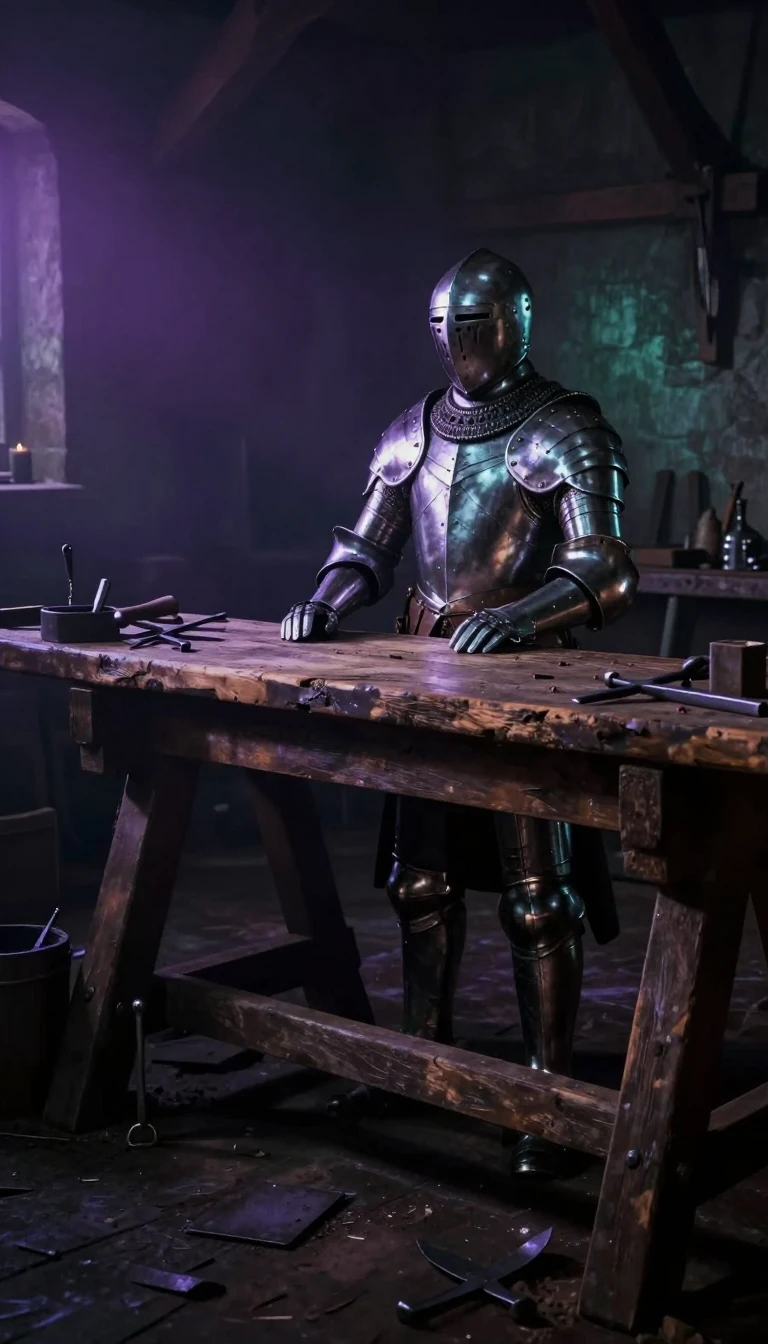 Why the tool in your hand is called a wrench or a spannerDepending on your geography, the tool you use to turn a bolt is either a wrench or a spanner. While these terms are often used interchangeably, their origins trace back to distinc…
 How two bicycle makers launched the aerial age from a sandy North Carolina beach.In December 1903, Wilbur and Orville Wright achieved the first sustained, controlled flight of a powered aircraft. Their machine, a fragile biplane of spruce, ash, and muslin, rel…
- Why the X Window System calls your computer a server and your apps clientsIn the world of the X Window System, your local computer is the server, while the applications you run are the clients. This reversal of standard terminology reflects X's design: …
 The XNOR gate is the digital logic equivalent of a perfect equality test.Known as the equivalence gate, the XNOR gate outputs a high signal only when its two inputs match. It is the logical inverse of the XOR gate, acting as a fundamental building bloc…
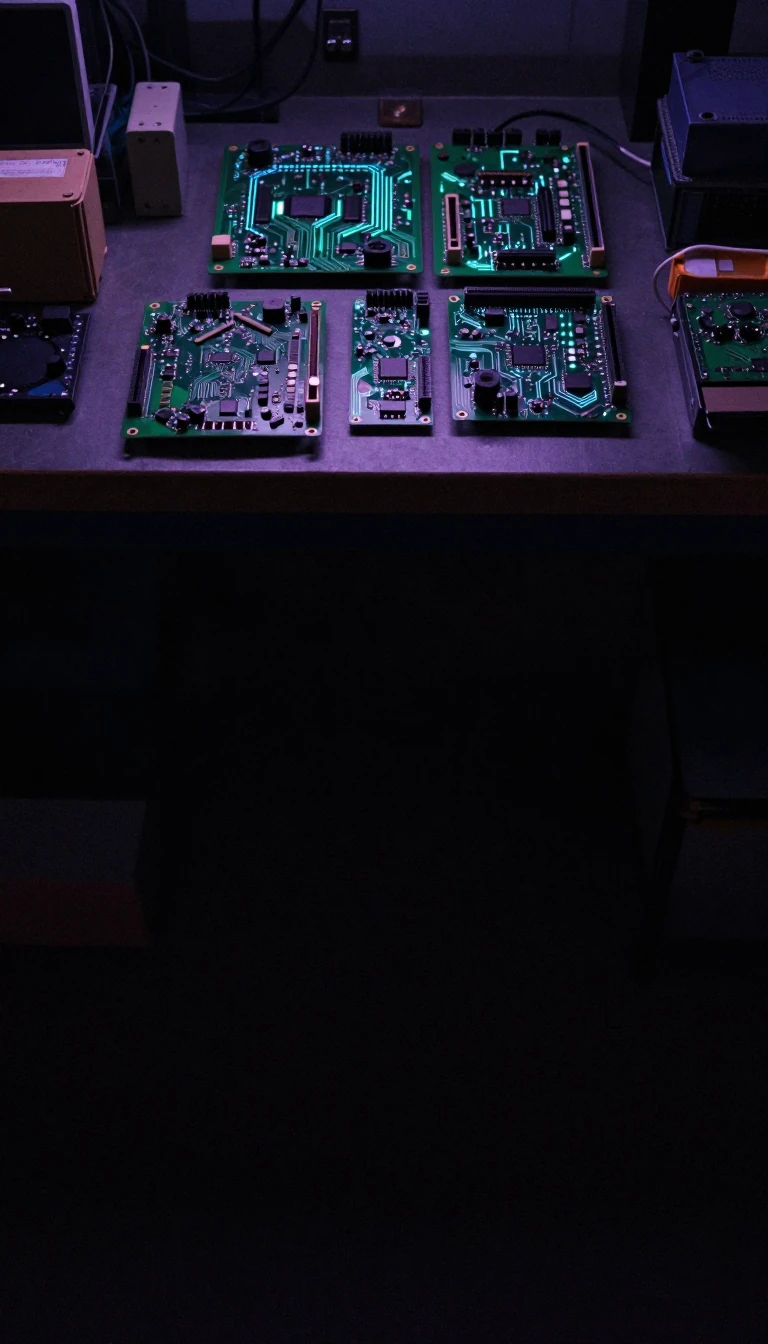 The XOR gate is the digital logic switch that demands difference, not agreement.In the world of binary logic, the XOR gate is a unique operator. Unlike standard gates that look for consensus, XOR produces a true output only when its inputs are unequal. It is …
 The heaviest battleships in history were built to win wars with a single shot.The Yamato-class battleships were Japan's answer to American industrial might. Designed to outclass any enemy vessel, these 72,000-ton behemoths carried the largest naval guns eve…
 The first programmable computer was built in a Berlin apartment during the Second World War.While the world focused on the war, German engineer Konrad Zuse quietly completed the Z3 in 1941. It was the first program-controlled processor, a machine that used binary logic a…
- How a legal battle over file compression gave us the ubiquitous ZIP formatBorn from a 1989 lawsuit, the ZIP format was designed to outpace existing technology. By releasing the specification into the public domain, its creators ensured it became the uni…
 How the Dutch turned a dangerous sea into a massive, life-sustaining agricultural engineFor centuries, the Netherlands fought a losing battle against the North Sea. By the 20th century, they stopped merely defending their borders and began a radical transformation: d…
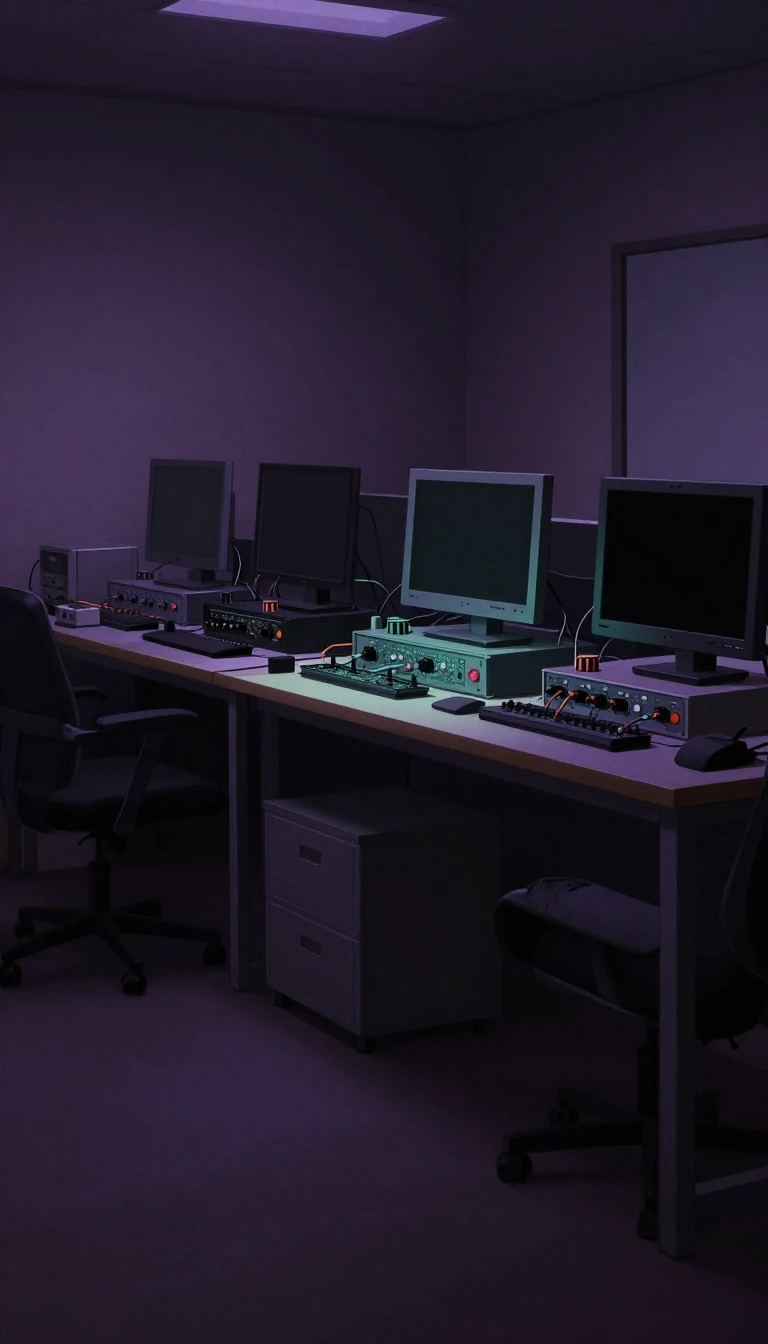 How a rubber-keyed British computer sparked a revolution in home gaming and software.Developed by Sir Clive Sinclair in 1982, the ZX Spectrum was an inexpensive, 8-bit marvel that brought computing to the British masses. Despite its quirky rubber keyboard and tech…
 Bastnäsite: The Rare Earth Mineral Powering Modern Technology and Color TelevisionThis wax-yellow to reddish-brown mineral is a primary source of cerium and other rare-earth elements. While often overlooked, bastnäsite became a cornerstone of industrial product…
- Why this ancient cobalt mineral is now a key to modern thermoelectric technologyKnown since the Middle Ages for producing smalt, skutterudite is more than just a cobalt ore. Its unique atomic structure, featuring large internal voids, allows scientists to tra…
- This versatile mineral is a secret weapon for greener concrete and stronger plasticsWollastonite is a calcium inosilicate mineral that does far more than sit in the ground. From reinforcing high-performance plastics to slashing the carbon footprint of modern cons…
- The accidental color space that changed how we see digital images foreverAdobe RGB was born from a technical error in 1998. Designed to improve upon the limited gamut of sRGB, this color space was built on miscopied specifications. Despite its flawed o…
 Why your modem speed is not the same as your data transfer rateBaud is often confused with bits per second, but they measure entirely different things. While baud tracks the frequency of signal changes, bit rate counts the actual data being m…
 Carbon steel is defined by its simplicity, yet its performance is a complex balancing act.Carbon steel is the backbone of modern infrastructure, ranging from simple nails to high-strength wires. While it lacks the exotic alloying elements of premium steels, its mechani…
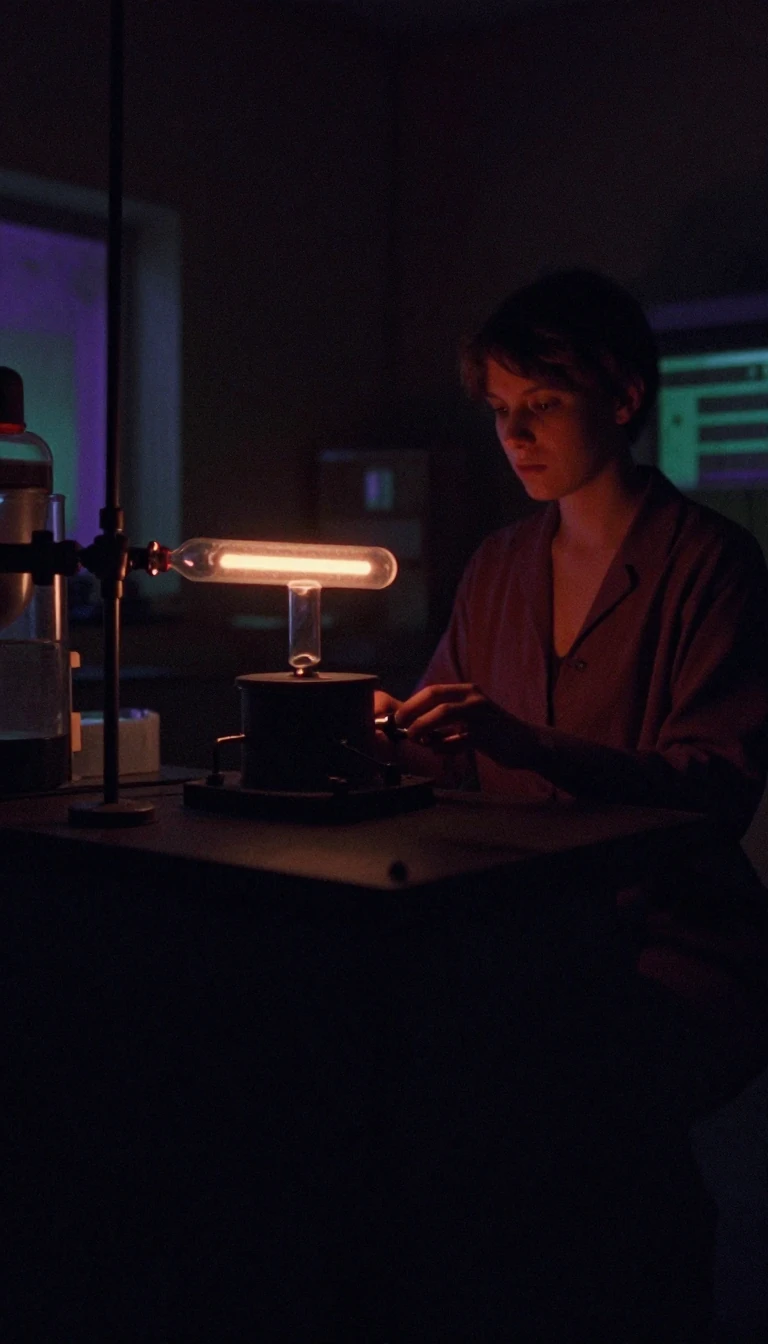 How do we measure the invisible movement of fluids through pipes and rivers?Quantifying fluid flow is a fundamental engineering challenge, whether tracking water in a home or natural gas in a pipeline. From simple mechanical buckets to complex differentia…