 Intellect Plus
Health
6,621 cards. Each one is a 40-second story with a five-minute read behind it. Page 98 of 111.
Subtopics: Ageing & longevity · Anaesthesia · Anatomy and morphology · Bacteria · Biology · Blood · Bones & muscles · Brain · Clinical trials · Consciousness · Diabetes · Diagnosis · Digestion · Dreams · Drugs and medication · Epidemiology · Ethics · Exercise · Exercise & fitness · Eyes & vision · First aid · Future Frontier · Germ theory · Global health · Health and fitness · Health, medicine and disease · Heart & circulation · History of medicine · Hormones · Hygiene · Immunology · Infection · Medical basics · Medical history · Medical procedures · Medicine · Medicines · Memory · Mental health · Mind · Morbidity · Neuroscience · Nutrition · Pandemics & epidemics · Psychiatry · Public health · Researched · Skin & hair · Sleep · Surgery · Teeth & dentistry · Vaccines · Vitamins
 The prostate is a gland that also works as a muscular switchWalnut-sized and weighing about 11 grams, the prostate does two jobs. It makes a slightly alkaline fluid that helps sperm survive, and its internal muscles flip the urethra betwee…
 Dutch psychiatrists must sit through 50 sessions of their own therapyA psychiatrist is a medical doctor first, which is why the job can involve brain scans, blood tests and prescriptions as well as talking. In the Netherlands, trainees need at leas…
 Traffic jams may stress you more than getting marriedWeddings, divorces and house moves feel like the big stressors, but because they are rare, researchers find they matter less than the small stuff. Daily hassles such as deadlines,…
 A drooping eyelid can be the first clue to a hidden aneurysmPtosis, a sagging upper eyelid, is often just a sign of ageing muscles. But it can also flag diabetes, a tumour pressing on a nerve, a silent brain aneurysm or myasthenia gravis. …
 The brown surgical antiseptic works by rationing its iodine very slowlyPlain iodine kills germs well but stings, stains and poisons tissue. In 1955 two Philadelphia researchers bound it to a polymer called povidone, so only a trickle of free iodine e…
 The playground was invented by a nineteenth-century London schoolmasterEarly schools admitted only children who could already read, which shut out orphans and factory workers' kids. Reformers answered with infant schools: Robert Owen's in New Lanark …
 Each extra week in the womb transforms a premature baby's oddsA baby born at 22 weeks has roughly a 6 percent chance of surviving. By 25 weeks that climbs to about 72 percent. Preterm birth, any delivery before 37 weeks, is the leading cause…
 In this rare brain disease, trouble looking down causes the fallsProgressive supranuclear palsy often begins with unexplained falls in people in their sixties. One reason is striking: patients gradually lose the ability to move their eyes volun…
 Oral cancer makes up 40 percent of cancers in parts of IndiaIn Britain, cancers of the mouth account for about 4 percent of all cancers. In India the figure reaches up to 40 percent. Much of that gap traces to chewing betel quid and areca …
 Every heartbeat is a 0.8-second relay timed by a built-in delayAt a resting rate of around 70 to 75 beats a minute, one full heartbeat lasts about 0.8 seconds. In that sliver of time four chambers fill, squeeze and seal in strict order, and t…
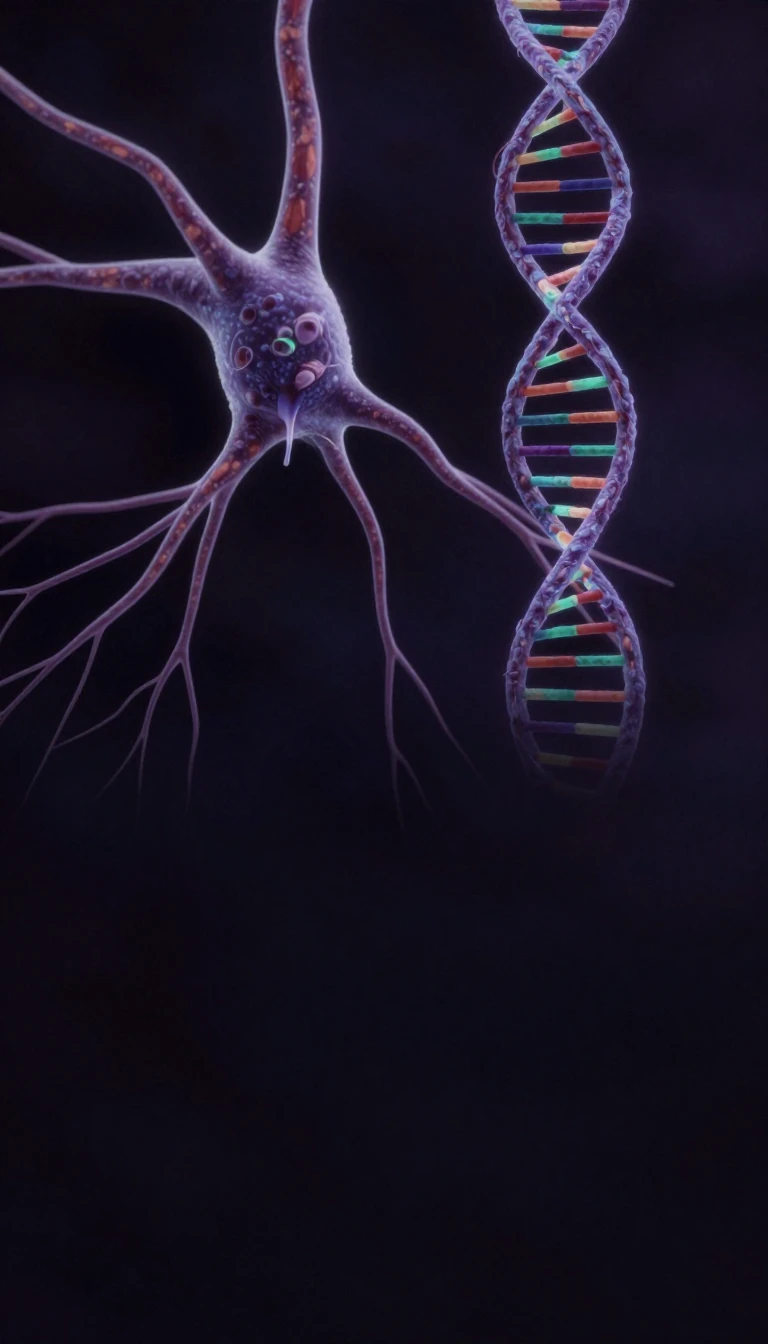 Heart muscle wrings out blood like someone twisting a damp clothLayers of muscle around the heart's left ventricle run at right angles to one another. When they contract together, the chamber shortens, narrows and twists all at once, much like…
- The world's leading cause of blindness is usually curable with surgeryCataracts, a clouding of the eye's lens, leave around 12 to 15 million people blind worldwide and over 200 million with impaired sight. Replacing the cloudy lens with an artificia…
 Rheumatology swapped the scalpel for the pill around the year 2000Rheumatologists handle more than a hundred inflammatory conditions, from gout to lupus, many now understood as the immune system misfiring. In 1970 a Norwegian estimate held that …
 Richard Dawkins coined the word meme in a 1976 biology bookLong before memes meant internet jokes, a young Oxford zoologist invented the term in The Selfish Gene, a book arguing that evolution is best seen from the gene's point of view. R…
 Fluid in the lungs is usually a heart problem wearing a disguisePulmonary edema means the tiny air sacs of the lungs are filling with fluid, so oxygen struggles to cross into the blood. It looks like a lung disease on an X-ray, but very often …
 Why the biggest lung clots are often the ones that don't hurtA pulmonary embolism is usually a clot that breaks off in a leg vein and lodges in a lung artery. You might expect bigger clots to cause worse pain. Often the reverse holds: large…
 A random forest gets smarter by making each tree slightly ignorantOne decision tree trained on data tends to memorise noise and predict badly. Grow hundreds of them, show each a different random slice of the examples and hide some features from …
 Medical residents are called that because they once lived in hospitalsIn the 19th century, young doctors in training slept in hospital dormitories, on call every second or third night, paid in little more than meals, a bed and clean laundry. The nam…
 In Rett syndrome, brain cells go quiet rather than dieRett syndrome strikes almost only girls, usually after a normal-seeming first six months, taking away speech and purposeful hand use. For years it looked like a brain slowly wasti…
 How a warning label nearly wiped out a deadly childhood brain diseaseIn 1980 American doctors reported 555 cases of Reye syndrome, a rare, fast-moving illness that swells the brain and damages the liver in children recovering from flu or chickenpox…
 Rheumatoid arthritis is an immune attack that reaches far beyond jointsRheumatoid arthritis is often pictured as sore knuckles in older age. In reality it is the immune system turning on the lining of the joints, most often starting in middle age and…
 Bladder cancer is often first noticed as painless blood in the urineEach year about 500,000 people learn they have bladder cancer, most after spotting blood in their urine without any pain. Tobacco smoking causes roughly half of all cases, and the…
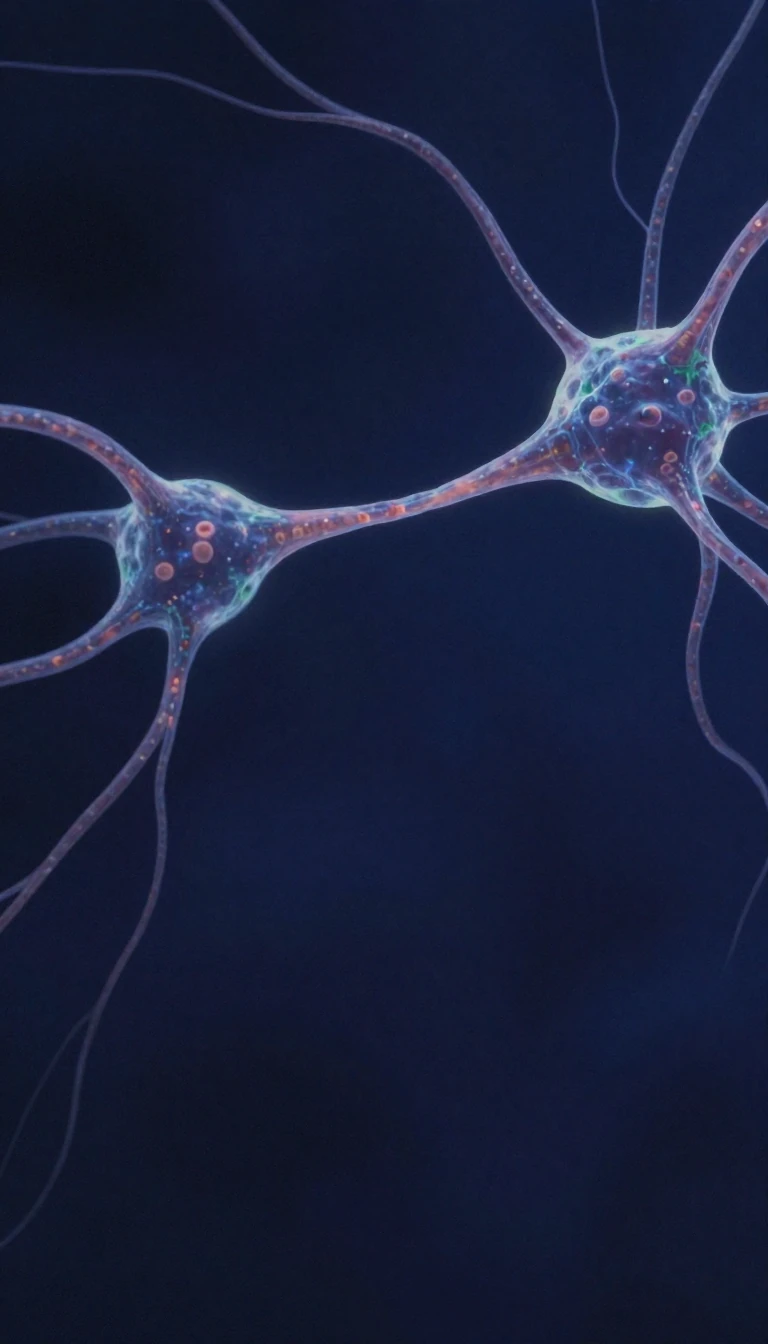 The blood-brain barrier keeps over 98 percent of small-molecule drugs out of the brainAround 1900, Paul Ehrlich injected dyes into animals and found they coloured every organ except the brain. The reason is the blood-brain barrier, a lining of tightly sealed cells …
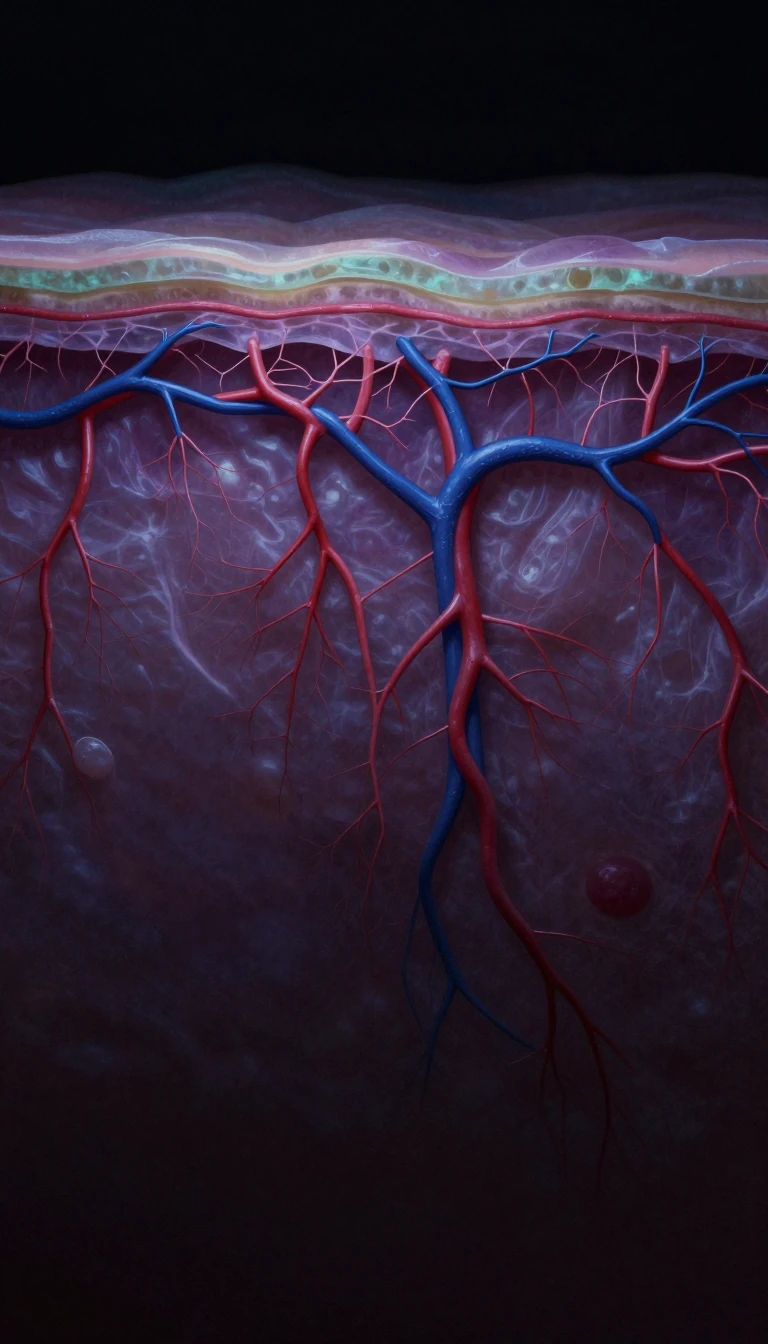 Your muscles alone may contain 9,000 to 19,000 kilometres of capillariesAugust Krogh once estimated that the capillaries in a heavily muscled human body might stretch about 100,000 kilometres. Later studies, using better density figures and average ad…
 Your shoulder is a golf ball on a tee, held by four small musclesThe shoulder's ball sits in a socket so small and shallow that anatomists compare it to a golf ball balanced on a tee. Four muscles, the rotator cuff, clamp it in place so the big…
 The sacred bone at the base of your spine starts out as fiveThe sacrum, the triangular bone wedged between the hip bones, begins as five separate vertebrae that fuse only between the ages of 18 and 30. Its name comes from the Latin os sacr…
 Salt marshes build themselves out of mud, grass and the rising tideA salt marsh begins as bare tidal mud. Sticky mats of blue-green algae grab silt, pioneer plants such as glasswort trap more around their stems, and roots bind it into terraces th…
 Sarcomas are cancers of the body's scaffolding: bone, muscle, fat and vesselsCarcinomas are far more common, but sarcomas grow from connective tissue such as bone, cartilage, muscle and fat. They account for only about 1% of adult cancer diagnoses yet roug…
 SARS disappeared in 2004, beaten by isolation and quarantine rather than drugsSARS killed about one in nine of the 8,422 people recorded as infected by June 2003, yet no new case has surfaced anywhere since 2004. No drug ever proved effective against it. Wh…
- The COVID virus's closest known relative was found in bats in LaosSARS-CoV-2, the virus behind COVID-19, is the seventh coronavirus known to infect people. Its nearest known cousin, BANAL-52, was found in bats in Feuang, Laos, and shares 96.8% o…
 Half of savants are autistic; many others gained their gifts through brain injurySavant syndrome pairs a dazzling talent, often in memory, music, art or calculation, with social or intellectual impairment. It affects around one in a million people. Roughly hal…
- Rituximab wipes out the body's B cells so healthy ones can regrowRituximab is a lab-made antibody that latches onto CD20, a protein carried by the immune system's B cells, and marks them for destruction. Approved in 1997 for stubborn lymphomas,…
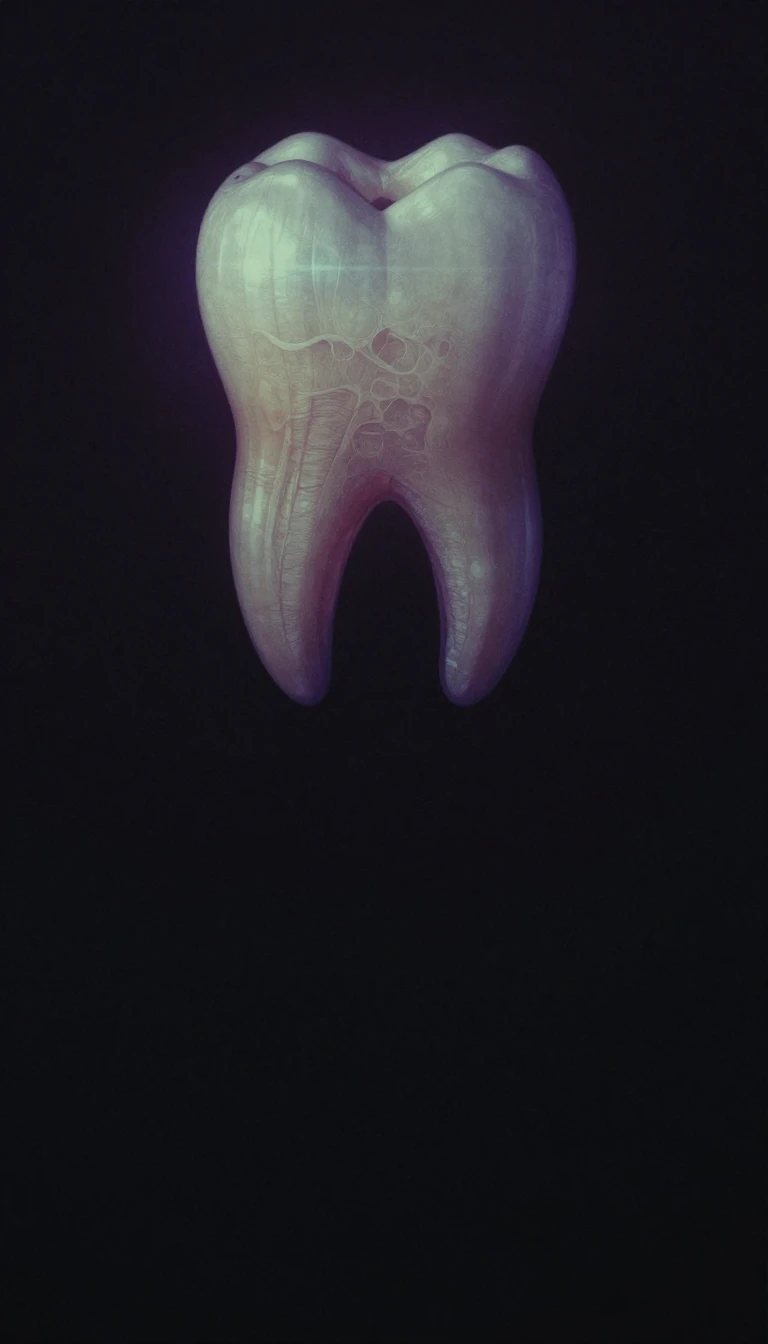 A root canal hollows out a tooth's living core and refills it with tree latexInside every tooth runs a hollow of nerves and blood vessels. When that pulp becomes infected, root canal treatment drills in, scrapes the channels clean with tiny files, floods t…
- Arteriosclerosis is the slow stiffening of the body's blood pipesThe word comes from Greek for artery and hardened, and that is the core of it. Artery walls thicken, stiffen and lose their stretch, gradually squeezing the flow of blood to organ…
 Fainting at the sight of blood may be an ancient trick for playing deadRoughly 15 percent of people react to blood, needles or injury by feeling faint. One evolutionary idea holds that collapsing once helped our ancestors survive attackers and slowed…
 A fever convinced an 18th-century doctor that thought is made of fleshWhile ill with a fever, the French physician Julien Offray de La Mettrie noticed his thinking change as his blood raced. He concluded the mind is simply the brain and nerves at wo…
 Semaglutide lingers in the blood for a week thanks to one fatty tailSemaglutide, sold as Ozempic, Rybelsus and Wegovy, mimics a gut hormone that tells the body it has eaten. Natural GLP-1 breaks down fast, but chemists swapped two amino acids and …
- Sensory processing disorder is widely treated, yet the major diagnostic manuals leave it outFor some people a clothing label feels unbearable, ordinary light hurts, or even their own heartbeat is distracting. Occupational therapists call this sensory processing disorder.…
- Sepsis was linked to one in five deaths worldwide in 2017Sepsis is not an infection itself but the body's runaway reaction to one, damaging its own organs. In 2017 it affected about 49 million people and was tied to 11 million deaths, o…
 America's favourite psychiatric drug works about as well as its rivalsSertraline, best known as Zoloft, was the most prescribed psychotropic medicine in the United States in 2016, and in 2023 it filled more than 42 million American prescriptions. De…
- The panda's thumb is not a thumb but a bone grown inside a tendonSesamoid bones sit embedded in tendons, named for their resemblance to sesame seeds. Your kneecap is the largest. In giant and red pandas an enlarged sesamoid in the wrist became …
 Your shoulder blade keeps knitting itself together until about age 25The scapula, named from the Latin for a trowel, starts forming in the second month of fetal life, yet parts of it stay cartilage for years. It grows from seven or more separate ce…
 Schizoaffective disorder sits awkwardly between schizophrenia and mood illnessSchizoaffective disorder combines psychosis with bipolar or depressive episodes, and its defining test is timing: psychotic symptoms must persist for at least two weeks with no pr…
- One condition, two filing cabinets: personality disorder in America, psychotic disorder elsewhereSchizotypal personality disorder brings odd beliefs, suspicion of others and a distinctive social anxiety, affecting roughly 3% of people. The American DSM-5 files it among person…
- Scleroderma literally means hard skin, but the damage starts in blood vesselsScleroderma is a family of autoimmune diseases in which connective tissue overgrows, leaving skin thick, hard and ivory-smooth. The leading theory places the first injury in the l…
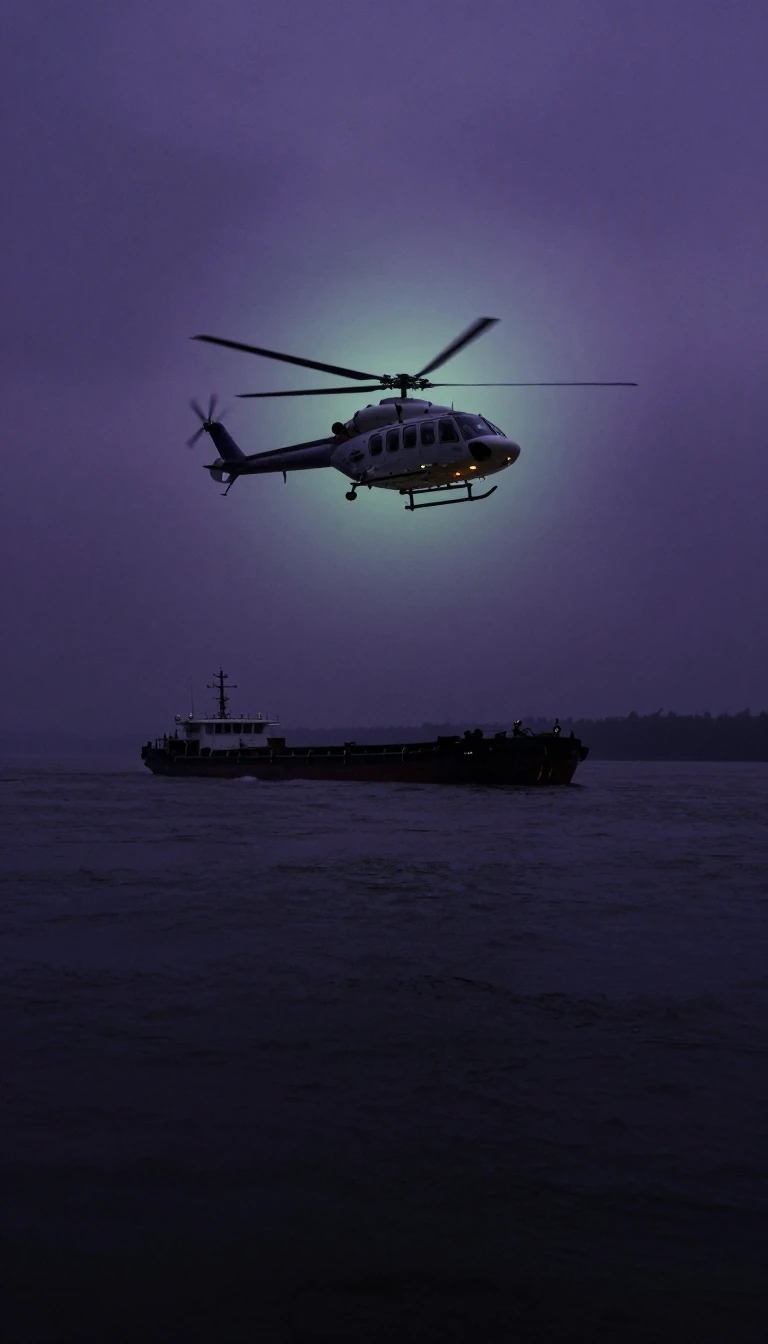 The first civilian helicopter rescue plucked five men off a sinking barge in 1945On 29 November 1945 a Sikorsky R-5, flown by the company's chief pilot Dmitry Viner with an experimental hoist, lifted all five crew from an oil barge stranded on Penfield Reef be…
 Mercury climbs the food chain, concentrating most in the biggest predatory fishSmall organisms absorb a little mercury, the fish that eat them store more, and the hunters at the top carry the most. This build-up, called biomagnification, is why tuna and swor…
 The second most common element on Earth can slowly scar a worker's lungsSilicon and oxygen make up about three quarters of the Earth's crust, so silica is everywhere: in granite, sandstone, sand and mortar. Cutting, drilling or blasting those material…
 Most so-called sinus headaches may actually be migraines in disguiseA throbbing face and forehead feels like a blocked sinus, yet a 2005 review concluded that most sinus headaches are really migraines. The same trigeminal nerve serves both the sin…
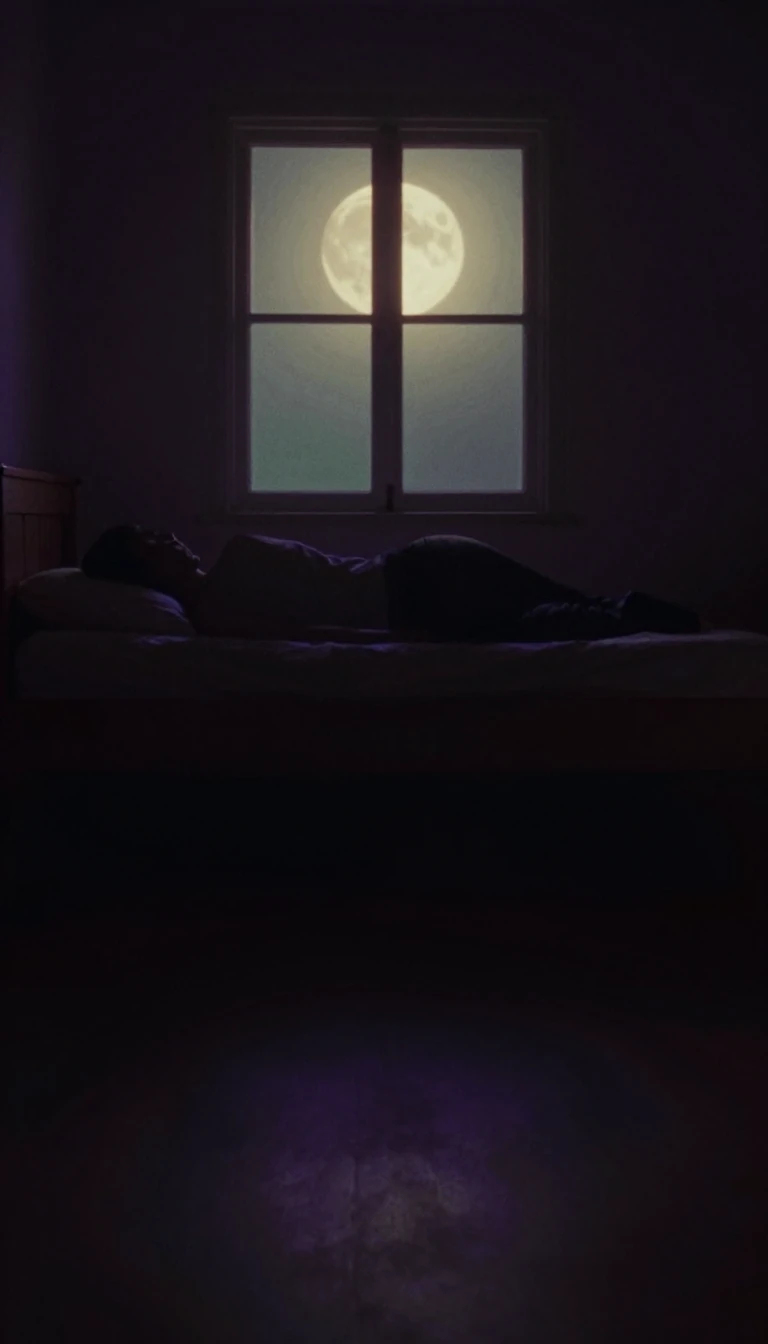 Roughly one in ten adults aged 30 to 69 may stop breathing in their sleepA 2019 analysis estimated that obstructive sleep apnea affects between 936 million and a billion people aged 30 to 69 worldwide. Many never realise it; a partner often notices fir…
 Sheffield's knives were famous enough for Chaucer to mention themSheffield was already known for blades in the 14th century, when Chaucer name-checked them in The Canterbury Tales. Fast streams turned grinding wheels and local gritstone sharpen…
 Shingles is childhood chickenpox waking up decades later along a single nerveThe virus behind chickenpox never fully leaves. It hides in nerve clusters beside the spine or at the base of the skull, sometimes for decades, then can travel back down one nerve…
- One diagnostic database counted 497 separate causes of breathlessnessFeeling short of breath is a single sensation with a staggering list of possible origins. An online medical expert system tallied 497 distinct causes in 2010, spanning heart, lung…
 A sore right shoulder can really be a message from the gallbladderMedicine draws a sharp line between what you feel and what a doctor can observe. A headache is a symptom; a high thermometer reading is a sign. The two often overlap, sometimes mi…
 Viagra began life in a Pfizer search for a chest-pain drugIn 1989 Pfizer chemists were hunting for a treatment for angina, the chest pain of a starved heart. The compound they found, sildenafil, went on to become Viagra, approved in 1998…
- Your ankle is built like a carpenter's mortise and tenon jointWoodworkers join timber by slotting a tongue into a snug rectangular socket. The human ankle uses the same trick, and it is the only joint in the body to do so. That design explai…
 The first US Social Security payout was just 17 centsIn January 1937 Ernest Ackerman collected a lump sum of 17 cents, the first money Social Security ever paid out. Three years later Ida May Fuller received the first monthly cheque…
 Marco Polo did not bring spaghetti from China, despite the legendThe story that Marco Polo carried pasta home from China began with a 16th-century misreading of his travels, and a 1929 trade newsletter even invented a sailor named Spaghetti. Th…
 Staphylococcus is named after the grape bunches its cells formUnder a microscope, staphylococci pile up in irregular clusters that reminded early scientists of grapes, and the name joins the Greek words for a bunch of grapes and a berry. Mos…
 The refrigerator may have helped cut stomach cancer in the WestBefore the 1930s, stomach cancer was among the leading causes of cancer death in Western countries. Rates have since fallen sharply among younger Westerners, a decline often credi…