 Intellect Plus
Health
6,621 cards. Each one is a 40-second story with a five-minute read behind it. Page 110 of 111.
Subtopics: Ageing & longevity · Anaesthesia · Anatomy and morphology · Bacteria · Biology · Blood · Bones & muscles · Brain · Clinical trials · Consciousness · Diabetes · Diagnosis · Digestion · Dreams · Drugs and medication · Epidemiology · Ethics · Exercise · Exercise & fitness · Eyes & vision · First aid · Future Frontier · Germ theory · Global health · Health and fitness · Health, medicine and disease · Heart & circulation · History of medicine · Hormones · Hygiene · Immunology · Infection · Medical basics · Medical history · Medical procedures · Medicine · Medicines · Memory · Mental health · Mind · Morbidity · Neuroscience · Nutrition · Pandemics & epidemics · Psychiatry · Public health · Researched · Skin & hair · Sleep · Surgery · Teeth & dentistry · Vaccines · Vitamins
 Up to one in twelve men inherit red–green color blindnessColor vision deficiency ranges from a mild shade mix-up to seeing no color at all. The usual culprit is a sex-linked quirk in retinal cone cells. Congenital red–green forms, inclu…
 Clothing lice ferry typhus when hygiene collapsesThe body louse lives in the seams of clothing rather than on the scalp and spreads only by close contact. It looks exactly like a head louse yet keeps to a different habitat, and …
 Machine-made cigarettes turned a niche into a pandemicPaper-wrapped tobacco smolders at one end so smoke can be drawn at the other—the world's dominant way to consume tobacco. Filters do not make that smoke meaningfully safer, and th…
 Most heart disease deaths track diet, not destiny aloneCardiovascular disease covers everything from angina and stroke to congenital defects and aneurysms. Roughly half of related deaths link to dietary risk factors, and researchers e…
 Cerebral palsy is common yet still has no known cureAbout 2.1 in every thousand live births involve cerebral palsy, the most common childhood movement disorder. Damage or disrupted development in motor-control brain regions—usually…
 Chemo is systemic poison timed against dividing cellsChemotherapy floods the bloodstream with drugs that jam mitosis or damage DNA so repair pathways tip cells toward death. That systemic reach can hit cancer anywhere—and healthy fa…
 Rice-water diarrhea can empty twenty litres a daySome Vibrio cholerae strains turn the small intestine into a floodgate. Untreated patients may lose ten to twenty litres of watery stool daily, racing toward shock within hours—ye…
 COPD ranked fourth among global killers in 2021Chronic obstructive pulmonary disease slowly wrecks airways and air sacs until every breath costs more effort. About 213 million people lived with it in 2021, and that year it cau…
 Cosmetics once poisoned wearers for pale skinThe Greek root kosmos meant order and ornament—technique of dress, not just lipstick. Renaissance ceruse and white lead rouge could swell eyes, rot teeth, and kill. A safer indust…
 Cannabis is ancient medicine with only a few proven modern usesPeople have grown Cannabis since at least the third millennium BCE and smoked it for psychoactive effect by about 500 BCE in the Pamirs. In 2013 between 128 and 232 million people…
 Most solid tumours take ten to forty years after the first hitCarcinogens—chemicals, radiation, viruses, bacteria—nudge cells toward cancer, usually by mutating DNA. For many solid tumours the lag between exposure and disease stretches a dec…
 Half of cardiac arrests give no warning before the pulse vanishesWhen the heart suddenly stops producing a pulse, brain blood flow collapses within seconds. About half of victims feel nothing beforehand. U.S. guidelines for 2015 counted roughly…
 Cardiologists and pediatric heart doctors train on separate tracksCardiology studies the heart and vessels as a branch of internal medicine, yet adult and child pathways diverge completely. An adult cardiologist is not trained to manage paediatr…
 Most chest colds are viruses—yet U.S. clinics still hand out antibioticsAcute bronchitis usually means a cough lasting about three weeks. More than ninety percent of cases are viral, so antibiotics rarely help. Still, among more than ten million Ameri…
 A bruise is bleeding you can see without breaking the skinTrauma crushes capillaries; blood seeps into tissue and paints the surface red, blue, or nearly black. Petechiae stay under three millimetres, purpura span three to ten, and large…
 Most burns happen at home—and nearly 176,000 still kill yearlyIn 2015 fire and heat caused about 67 million injuries, 2.9 million hospital stays, and roughly 176,000 deaths, concentrated in the developing world. U.S. data blame flames for 44…
- One in three cancer deaths ties to habits we already knowTobacco, alcohol, obesity, scant produce, and inactivity together explain about a third of cancer deaths. Infections add another sixteen to eighteen percent worldwide. In 2019 som…
 BMI began as social physics, not a clinical destinyBody mass index divides weight in kilograms by height in meters squared. Belgian mathematician Adolphe Quetelet sketched the ratio between 1830 and 1850 while building social phys…
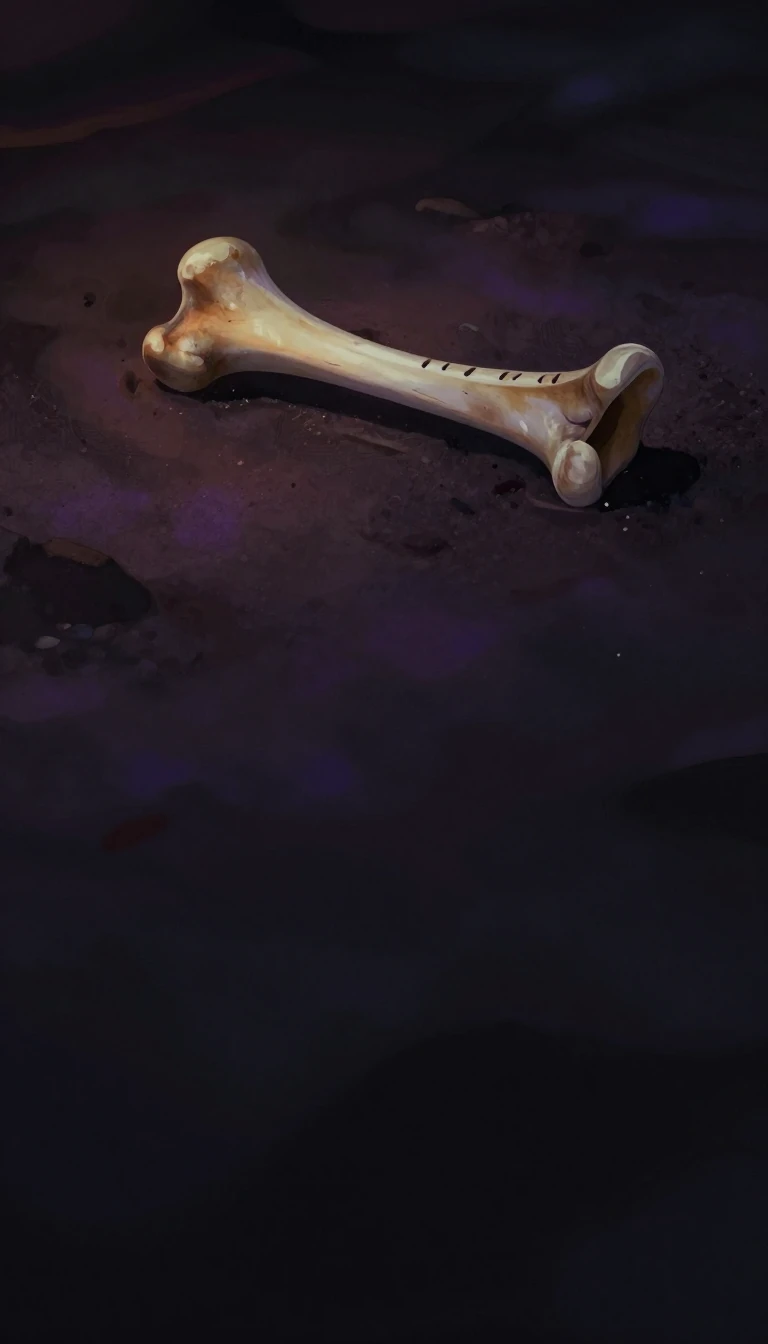 Bones feel no pain, yet fractures hurt for many reasonsA fracture is a break in bone continuity from trauma or from diseases that weaken the skeleton. Bone tissue itself lacks pain receptors. The agony comes from torn periosteum, swel…
 Botulism toxin is destroyed by heat the spores surviveRare but potentially fatal, botulism comes from botulinum toxin made by Clostridium botulinum. Spores lurk in soil and water, then release toxin in low oxygen. Heating above 85°C …
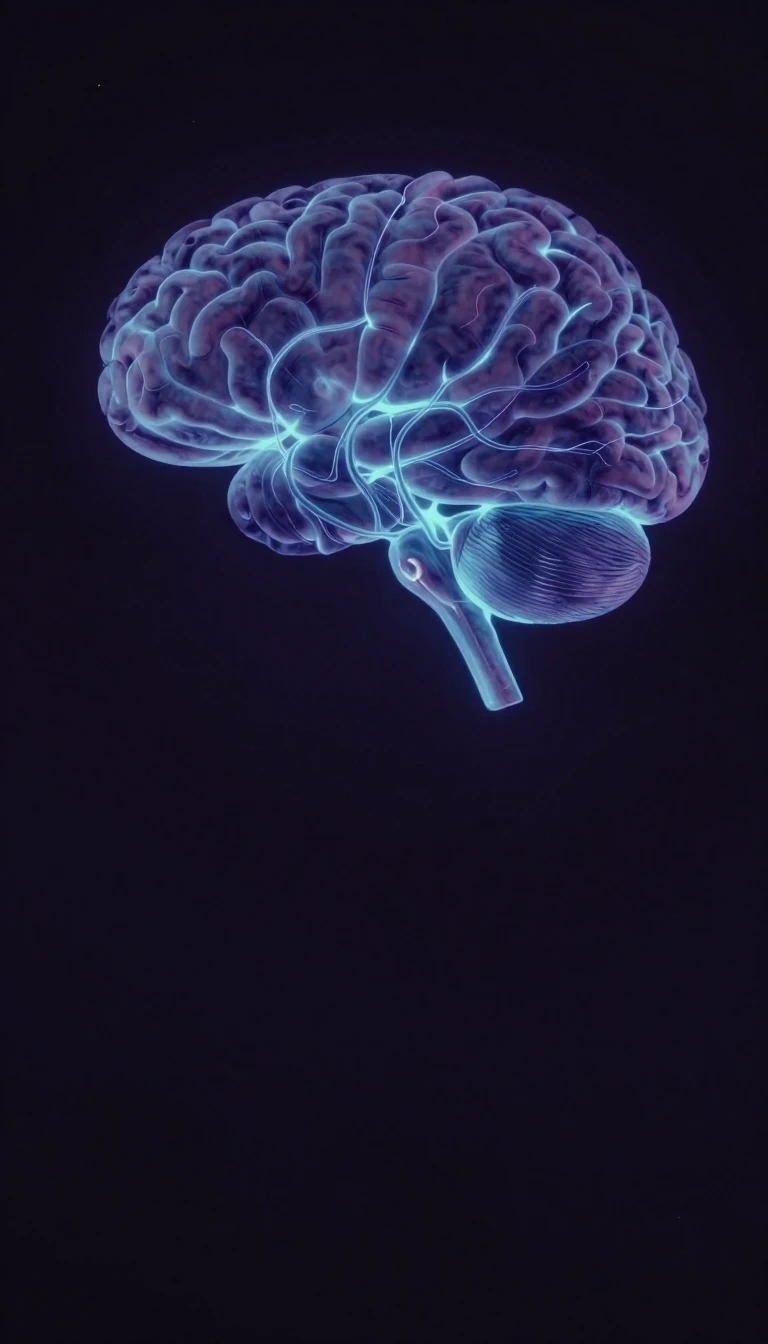 Brain damage splits into the hit and the aftermathBrain injury destroys or degrades neural cells through blows, falls, stroke, infection, or lack of oxygen. Traumatic injury from outside force is the most common form. Doctors sep…
- Metastases outnumber primary brain tumors four to oneA brain tumor is a mass of cells growing beyond control inside the skull—malignant or benign. Causes are usually unknown, though imaging radiation may explain a small share of cas…
 Most breast cancers are found before symptoms appearBreast cancer arises in breast tissue and may announce itself with a lump, shape change, skin dimpling, or nipple fluid—yet many cases have no symptoms when screening finds them. …
 Scaling up breastfeeding could prevent 820,000 child deaths a yearBreastfeeding delivers milk to a baby straight from the breast or through a pump. If poorer countries brought it close to universal coverage, one estimate says they could avert ro…
 Acne is mostly inherited, not a hygiene failureAbout eight in ten cases track back to genes, not dirty skin or too little sun. Androgens push oil glands harder, a skin bacterium piles on, and by 2015 roughly 633 million people…
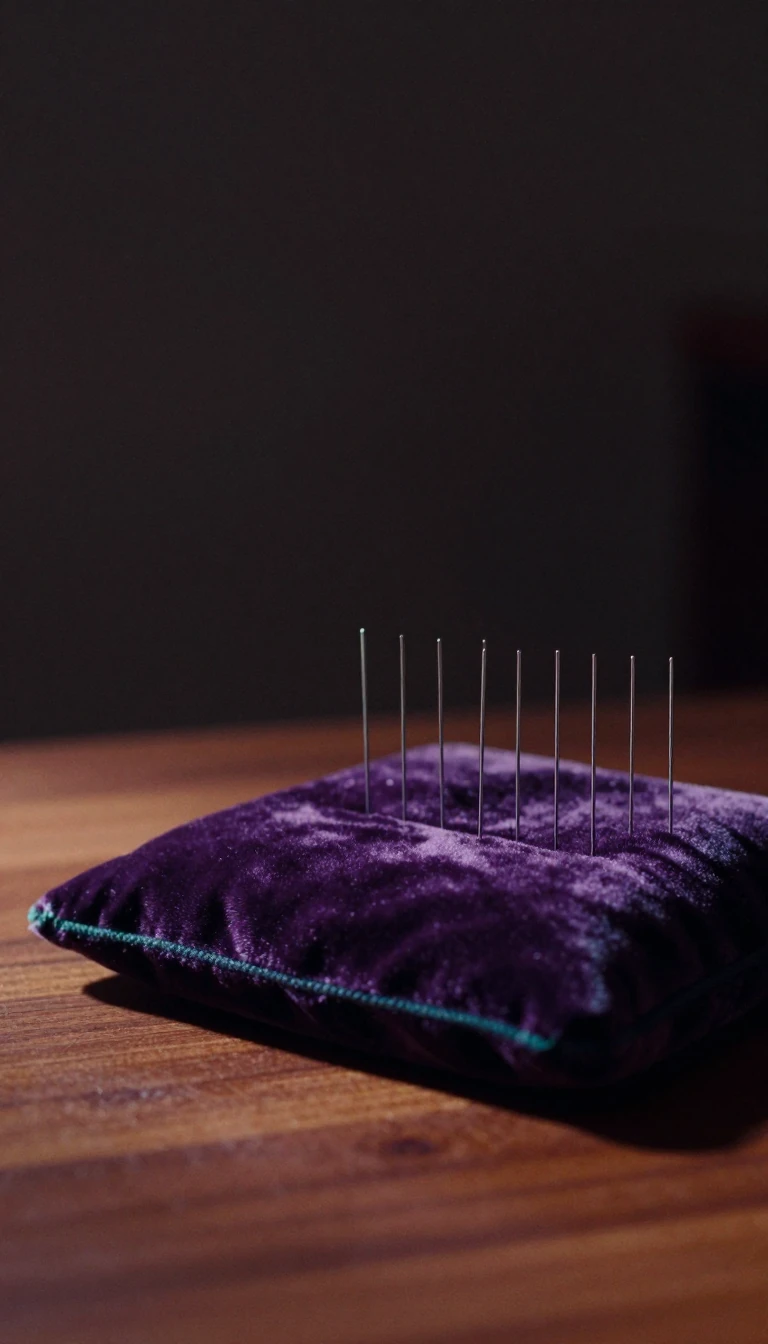 Acupuncture built a huge market on unproven scienceNeedles, moxa, and cupping travel under traditional Chinese medicine, yet histology finds no qi or meridians. Trials and reviews generally show no solid benefit. Still, the global…
 Addiction rewires control, not just willpowerTwin studies put heritability of alcohol use disorder near half, with similar figures for other drugs. Diagnostic manuals prefer substance use disorder over the loaded word addict…
- Two-thirds of daily deaths track age-related causesOf roughly 150,000 people who die each day worldwide, about 100,000 die from ageing-linked disease. Reaction time may slow, yet vocabulary often holds; leading theories still spli…
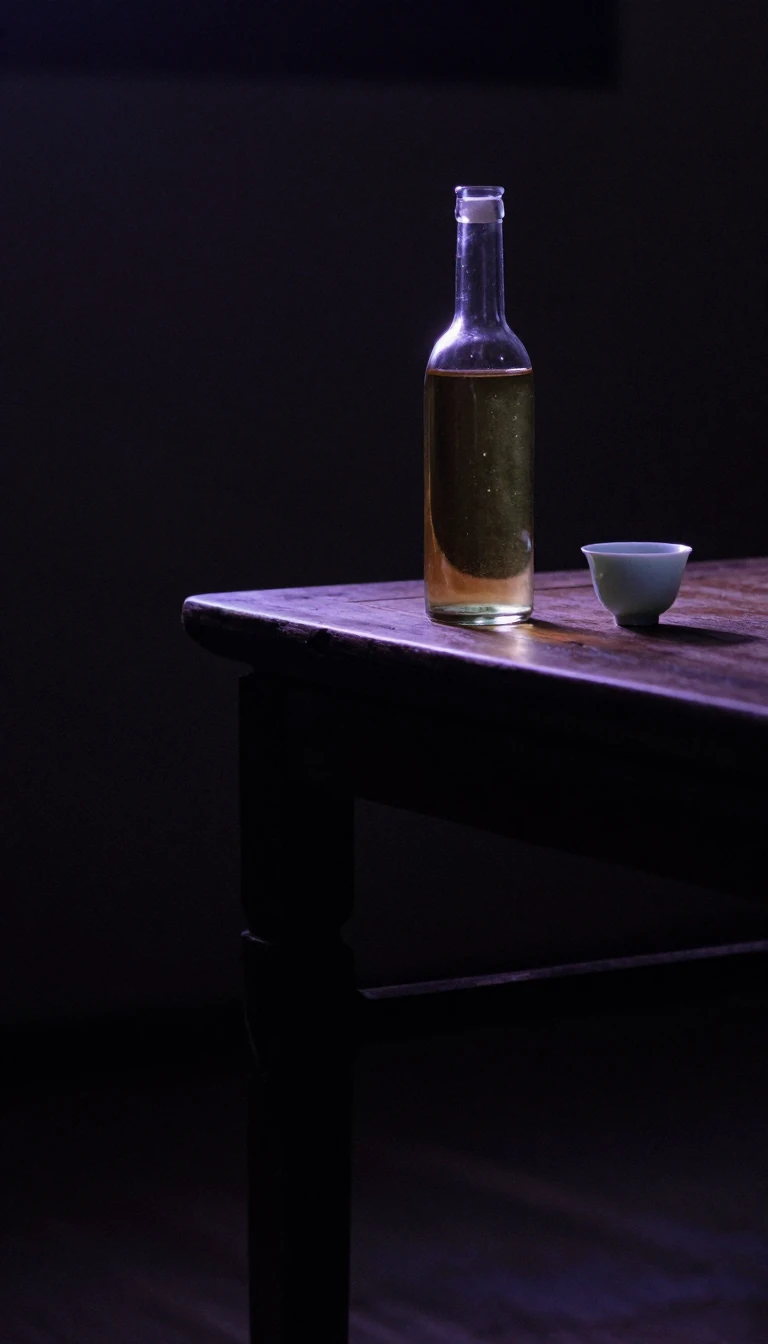 Ethanol is humanity’s second-favorite psychoactive drugOnly caffeine outranks alcohol worldwide. Natufian beer goes back at least 13,000 years, global beverage sales topped US$1.5 trillion in 2017, and ethanol still acts as a brain de…
 A normal liver clears only about eight grams of ethanol hourlyThat equals one British standard unit—and damaged livers run slower. Intoxication usually starts after two or more drinks; legal BAC cutoffs often sit between 0.025 and 0.080 perc…
- WHO counted 283 million people with alcohol use disordersThat 2016 estimate sits beside a word coined in 1852 that clinics now often avoid. Genes and environment share the risk roughly equally, and a first-degree relative with the disor…
- Allergy means harmless things treated as invadersIgE antibodies tag pollen, food, or latex, then mast cells dump histamine. Clemens von Pirquet coined the word in 1906. In rich countries roughly one in five people get allergic r…
 If a therapy works, it usually stops being alternativeAlternative medicine promises healing without the scientific method’s usual proofs—plausibility, controlled trials, and repeatable benefit. History’s pattern is blunt: methods tha…
 Alzheimer’s still has no treatment that reverses itIt drives about 60–70 percent of dementia cases. Roughly 50 million people lived with it worldwide by 2020, yet medicines only ease symptoms for a time. Plaques and tangles build …
 Amphetamine treats ADHD—and can also hijack rewardLazăr Edeleanu isolated the chemical in 1887; medicine adopted it in the late 1920s as Benzedrine. Today it is first-line for ADHD and narcolepsy, while recreational megadoses ris…
 Surgeons name amputations by the joint they spareBelow-knee and above-knee cuts dominate major lower-limb work, while Chopart, Lisfranc, and Syme label subtler foot and ankle levels. Rotationplasty even flips the foot so an ankl…
 Painkillers dull pain without erasing all sensationThat is the conceptual line between analgesics and anesthetics. Greeks gave us the word—without pain—and before the twentieth century English speakers often said anodynes. Today t…
- Anemia is the world’s most common blood disorderIt affects roughly one-fifth to one-third of people globally. Iron deficiency alone touches nearly a billion, and hemoglobin cutoffs differ by sex and pregnancy—under 130 g/L for …
 Anesthesia is a reversible shutdown, not mere sleepClinicians carefully dial hypnosis, analgesia, amnesia, and muscle relaxation to fit each surgical procedure and each patient. General anesthesia erases awareness entirely; sedati…
- An aneurysm is a ballooning weak spot in a vessel wallAs the bulge grows, rupture risk rises toward uncontrolled bleeding. True aneurysms involve all three arterial wall layers; false ones are contained leaks beside the vessel. The d…
- Anthrax’s black scar named the disease after coalGreek anthrax meant coal, echoing the painless black eschar of cutaneous infection. Robert Koch identified Bacillus anthracis as the cause; globally at least two thousand human ca…
 Nubians drank tetracycline centuries before FlemingChemical traces in skeletons from northern Sudan, about 350 to 550 CE, show systematic tetracycline intake—likely from Streptomyces-fermented grain beer. Antibiotics remade twenti…
 Anxiety disorders hit nearly three in ten adults everThey rank second only to depression among mental disorders worldwide, with about 5.8 percent of people affected at any moment. Clinically, anxiety is dread without a clear, contro…
 Anatomists restrict “arm” to shoulder-to-elbow onlyEveryday speech calls the whole upper limb an arm. Strict anatomy reserves the word for the humerus segment between shoulder and elbow; beyond that lies forearm, then hand—and a r…
 Arthritis means joint cartilage worn until bone grindsPain and stiffness follow; swelling, warmth, and lost motion often join. Osteoarthritis tops the list at over 3.8 percent of people, rheumatoid arthritis about 0.24 percent—yet in…
 Aspirin began as willow bark’s synthetic cousinSalicin from Salix trees has been used for at least 2,400 years. Bayer branded acetylsalicylic acid “Aspirin” by 1899; today humans swallow an estimated 40,000 tonnes yearly—some …
- Asthma has no cure, yet most flares are controllableIn 2023 it affected an estimated 363 million people and caused about 442,000 deaths, mostly in lower-income countries. Airways tighten and mucus thickens when triggers hit—an anci…
- ADHD sits at the extreme low end of self-regulationTwin and genetic work put heritability near 70–80 percent. It is not a social fashion of childhood: environmental hits act early—prenatal or soon after birth—and there is no biolo…
 WHO estimates about one in a hundred children are autisticFigures for 2012–2021 put childhood diagnosis near one percent, and the share is climbing with broader criteria and awareness rather than a sudden biological jump. Autism is highl…
 Autoimmunity turns the adaptive immune system inwardMore than eighty recognized diseases—possibly over a hundred—follow that misfire. A UK study found about one in ten people affected, women more often than men. Fatigue is not a so…
- Ayurveda mixes ancient surgery with modern pseudoscience labelsUp to 80 percent of people in India and Nepal report using it. Classical texts taught rhinoplasty and cataract work, yet today’s overviews call the theory pseudoscientific—and som…
- Han officials once got a bathing holiday every five daysFrom Shang cauldrons three millennia ago to Roman thermae with libraries, washing has been hygiene, ritual, medicine, and social theater. Indian grihya sutras from about 500 BCE e…
- Benzodiazepines were the world’s top prescriptions by 1977Leo Sternbach stumbled onto chlordiazepoxide in 1955; Librium arrived in 1960 and Valium followed in 1963. They calm by boosting GABA at GABAA receptors—useful for a few weeks, an…
 Biopsy means taking living tissue for a closer lookThe Greek roots say life plus sight. Ernest Besnier coined biopsie in 1879, but Abulcasis was already needling thyroid goiters around the eleventh century. Today pathologists read…
 “Normal” blood pressure still depends who you askAmerican AHA/ACC guidance wants adults under 120/80 mmHg at rest; European ESC prefers under 120/70 instead. Global age-standardized averages have hovered near 127/79 in men and 1…
- Blood tests are medicine’s most common lab windowA vein draw or fingerstick samples a fluid that visits every organ, so chemistry and cell counts reveal disease, drugs, minerals, and organ function. Panels bundle many assays fro…
- Modern transfusion prefers parts of blood, not the wholeRed cells, plasma, platelets, and clotting factors travel separately; white cells almost never do. Triggers once sat near 100 g/L hemoglobin; evidence now often waits until about …
 Until insulin arrived in 1922, type 1 diabetes was effectively a death sentence.People with type 1 diabetes usually died within months of diagnosis, and doctors' best treatment was a near-starvation diet. Then, in a Toronto lab in 1921, a young surgeon, Frede…
 A doctor drank a broth of bacteria to prove what really causes ulcers.For decades, stomach ulcers were blamed mainly on stress, spicy food and too much acid. In 1984 the Australian doctor Barry Marshall, struggling to convince colleagues otherwise, …
 A hole in one man's stomach revealed how digestion works.In 1822 a young fur trader named Alexis St. Martin was shot at close range and survived with a permanent opening into his stomach. An army surgeon, William Beaumont, spent years l…