 Intellect Plus
Health
6,621 cards. Each one is a 40-second story with a five-minute read behind it. Page 102 of 111.
Subtopics: Ageing & longevity · Anaesthesia · Anatomy and morphology · Bacteria · Biology · Blood · Bones & muscles · Brain · Clinical trials · Consciousness · Diabetes · Diagnosis · Digestion · Dreams · Drugs and medication · Epidemiology · Ethics · Exercise · Exercise & fitness · Eyes & vision · First aid · Future Frontier · Germ theory · Global health · Health and fitness · Health, medicine and disease · Heart & circulation · History of medicine · Hormones · Hygiene · Immunology · Infection · Medical basics · Medical history · Medical procedures · Medicine · Medicines · Memory · Mental health · Mind · Morbidity · Neuroscience · Nutrition · Pandemics & epidemics · Psychiatry · Public health · Researched · Skin & hair · Sleep · Surgery · Teeth & dentistry · Vaccines · Vitamins
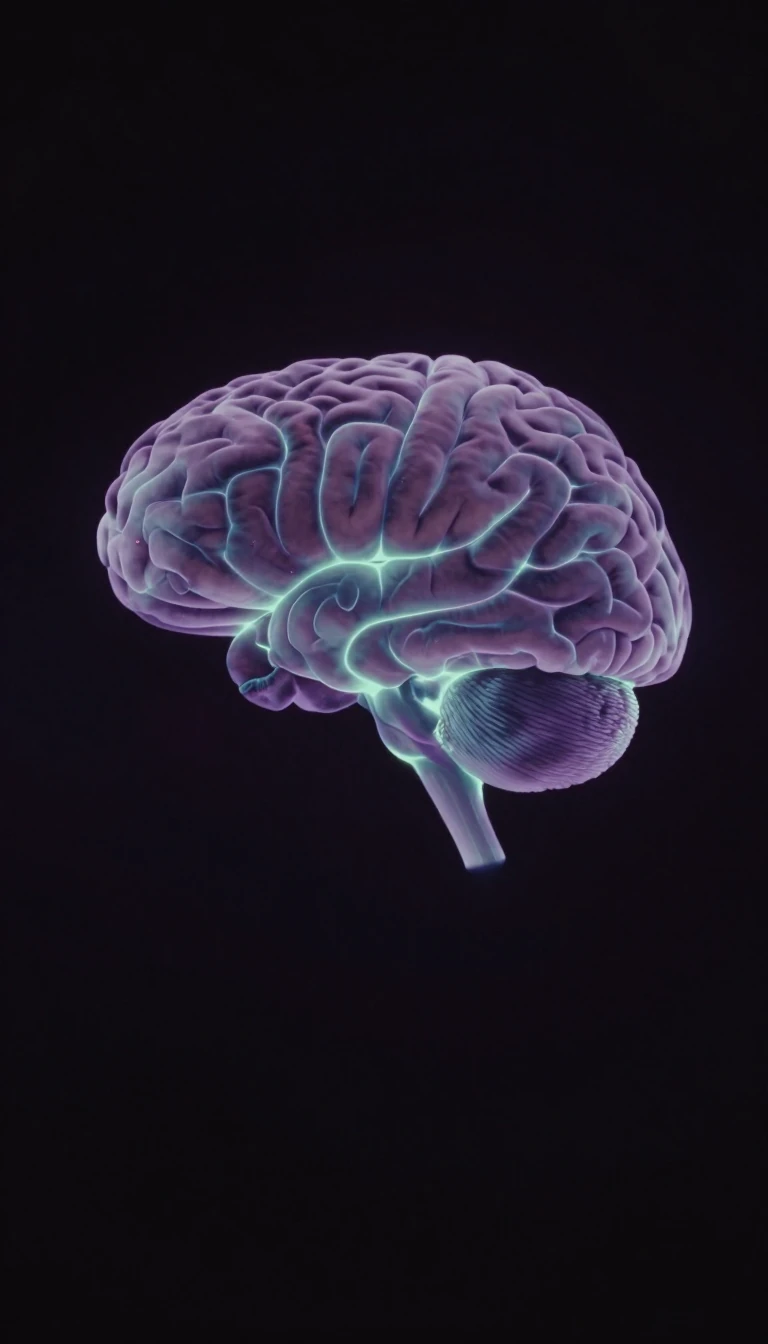 The most neocortical neurons belong to a dolphin, not to usThe neocortex, a folded sheet only 2 to 4 mm thick, handles perception, planning and language and makes up about three-quarters of the human brain. Yet among mammals studied so fa…
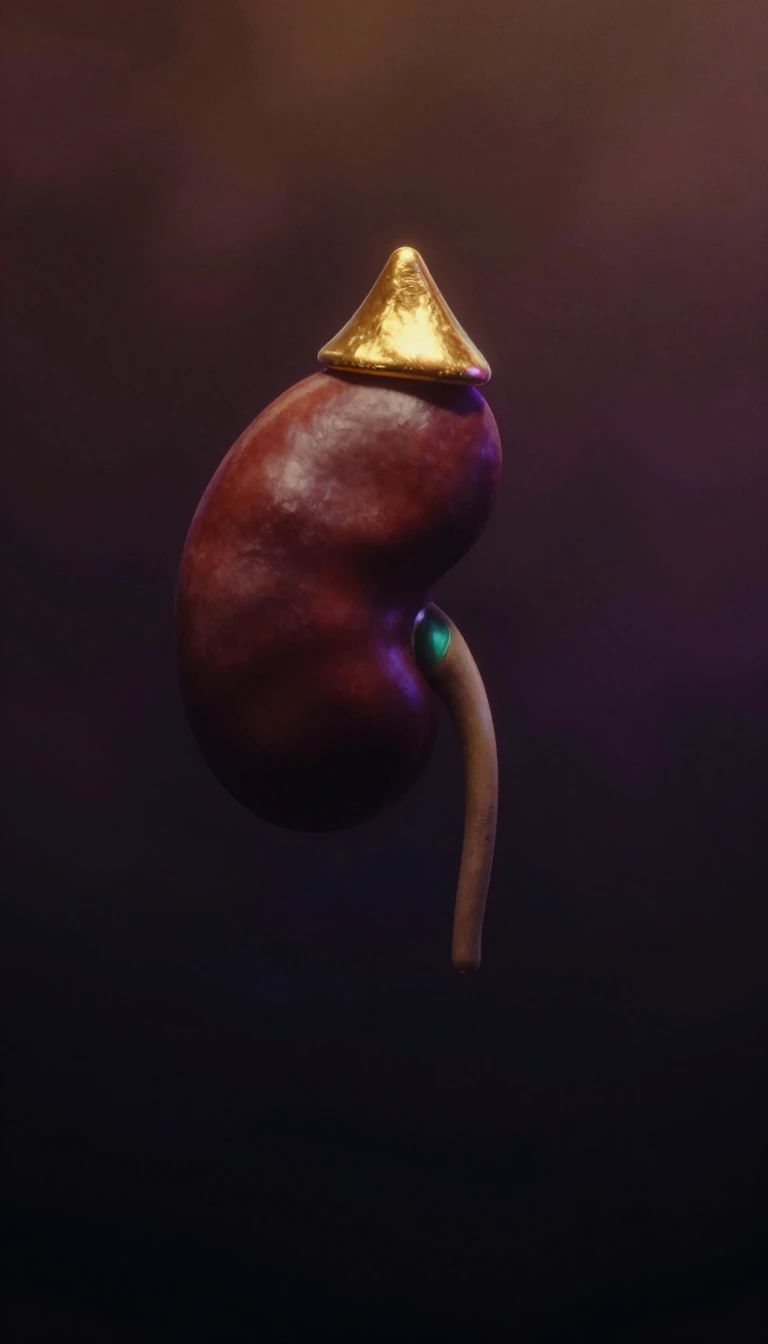 Your kidneys filter over 150 litres a day and hand back 99%Each day an adult pushes more than 150 litres of fluid through the kidneys' microscopic filters, then reclaims 99% of the water before it can leave. The work is done by one to one…
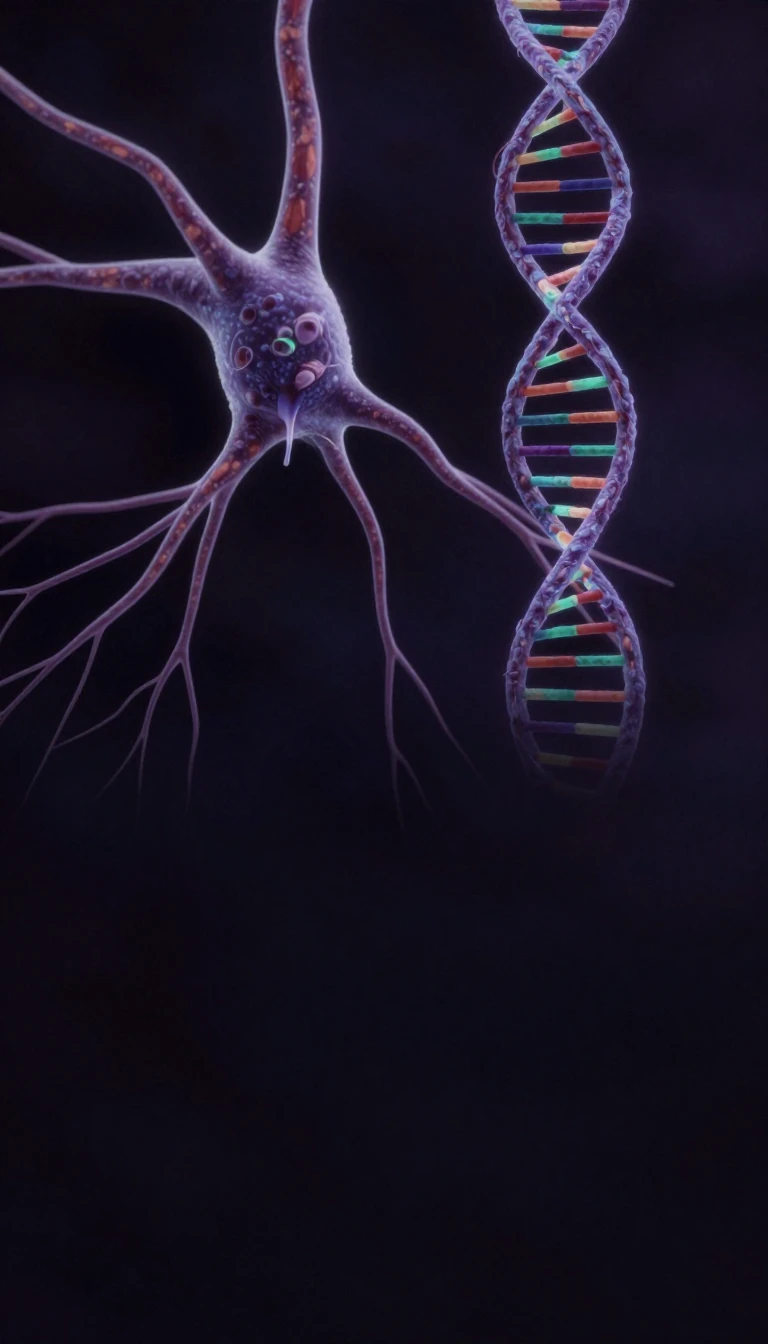 One giant neuron lets a fish flee in millisecondsEvery fish carries two huge Mauthner cells in its brainstem, one per side. A single impulse from one is enough to bend the whole body into a C and fling the fish away from danger …
 Alzheimer's drug trials have failed 99.5% of the timeBillions of dollars have gone into Alzheimer's research, yet in clinical trials 99.5% of attempted treatment strategies have failed. Wrong doses, wrong targets and poorly chosen v…
 In pleurisy, fluid flooding the chest can actually ease the painThe lungs normally slide inside two thin, smooth membranes. In pleurisy those layers become inflamed and grate against each other with every breath, producing a stabbing pain and …
 Monitor lizards can count to six and smell in stereoRock monitors fed different numbers of snails can tell quantities apart up to six. Nile monitors team up to raid crocodile nests, one acting as decoy. Their forked tongues sample …
 The Parkinson's lookalike whose damage hides in the brain's support cellsMultiple system atrophy can look like Parkinson's disease, with stiffness, slowness and tremor, but it usually barely responds to Parkinson's drugs. The reason lies deep in the ti…
 Before plants had roots, fungi did the job for themWhen plants first crept onto land, they had no roots and the soil held little they could reach. Fungi threaded into their cells and fetched minerals such as phosphate in exchange …
 Deer can die from the stress of being caughtChase and restrain a wild deer or kangaroo and its muscles can break down from the strain, sometimes fatally. Vets call it capture myopathy. It belongs to a sprawling family of di…
 Lead poisoning is ancient, preventable and still one of the world's largest hidden health burdensWriters described lead poisoning at least as far back as 200 BC, yet exposure actually peaked in the twentieth century, when industry put the metal into countless products. The Wo…
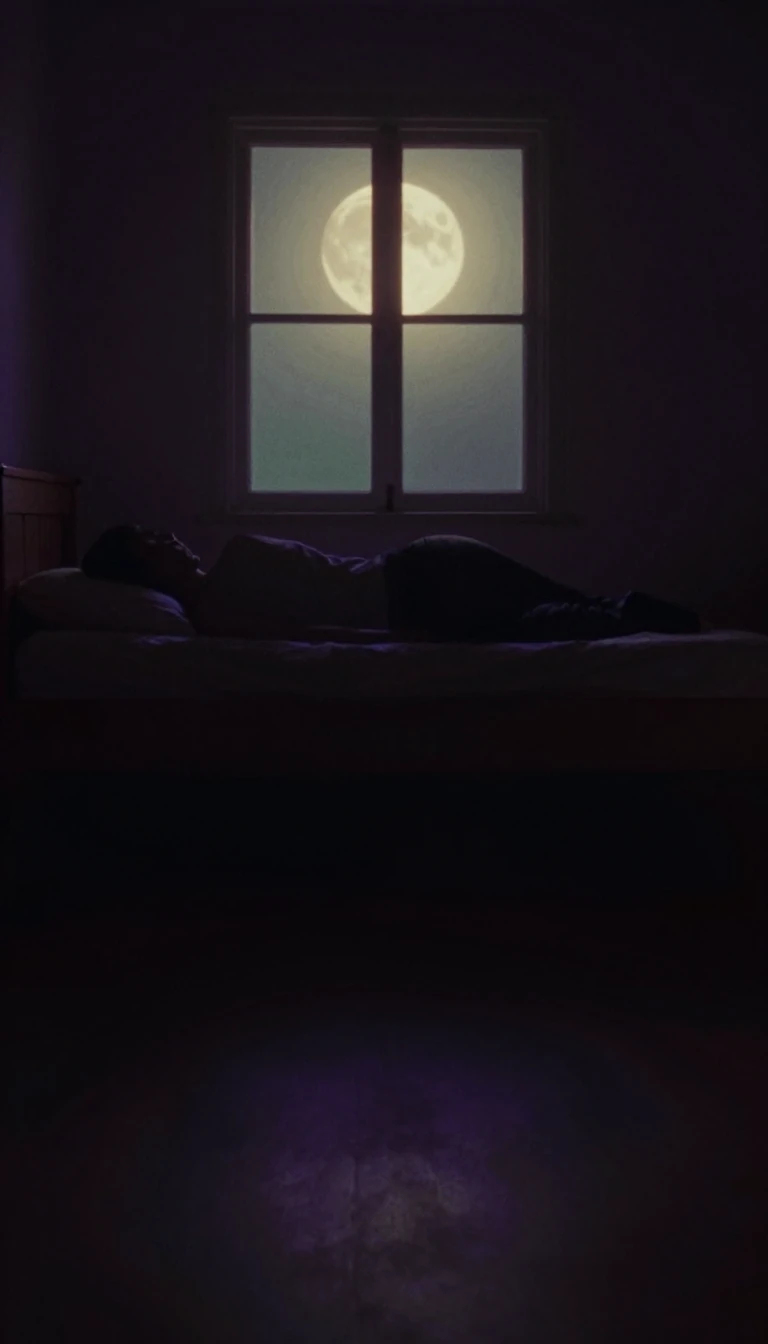 Why waking up paralysed so often comes with a figure in the roomYou wake up, fully aware, but cannot move or speak. A dark shape seems to stand by the bed, or something presses on your chest. Somewhere between 8% and 50% of people go through s…
- Manatees grow new teeth on a conveyor belt, like elephants doA manatee chews gritty plants all day with molars whose enamel is weak. Its answer is endless replacement: fresh teeth erupt at the back of the jaw and creep forward as worn ones …
 The cell behind a mosquito bite's itch is roughly 500 million years oldThat red, itchy bump appearing seconds after a mosquito bite is the work of mast cells dumping histamine. These immune sentinels are thought to date back nearly 500 million years …
 A cave in India's rainiest state names the age we live inMeghalaya, the abode of clouds, soaks up around 12,000 mm of rain a year in its wettest hills. It also lends its name to geological time: since 2018 the latest slice of the Holoce…
 Your brain is wrapped in a tough mother, a spider web and a tender motherThree membranes sheathe the human brain and spinal cord. Their Latin names are surprisingly affectionate: the dura mater, or tough mother, lines the skull; the gauzy arachnoid is …
 Why nobody thinks a monarch looks like a crownWhen a newspaper reports that the Crown or the White House has decided something, no one pictures jewellery or a building making choices. That shortcut is metonymy: naming a thing…
 Microcephaly usually begins with too few brain stem cells in the wombA smaller-than-normal head is the visible sign, but the underlying story of microcephaly is about the cerebral cortex failing to grow. Too few neural stem cells, neurons made too …
 Miscarriage is far more common than most people realise, and rarely anyone's faultAmong women who know they are pregnant, roughly one pregnancy in ten to one in five ends in miscarriage; counting every fertilised egg, the share may reach a third to a half. In a…
 The Viking longship's design was already ancient when the Vikings set sailRock carvings in Sweden made between 1800 and 500 BC already show long boats with raised, animal-headed ends. A key leap came around 300 AD with overlapping clinker planks. By the…
- For people with non-24, bedtime creeps later every single dayMost body clocks run slightly longer than 24 hours, and morning light nudges them back into line each day. Without that reset, sleep drifts steadily around the clock. That is life…
 Doctors kept bleeding patients for two centuries after Harvey disproved the ideaFor over 2,000 years, draining blood was medicine's default treatment. William Harvey undercut its theory in 1628, and by the 1830s careful counting showed it did nothing for pneu…
 The same oil that binds oil paint can set a pile of rags alightLinseed oil hardens because it reacts with oxygen, which made it the backbone of oil painting, window putty and linoleum. That reaction also gives off heat. Leave oil-soaked rags …
 Your lips look red because their skin is almost see-throughLip colour is not really pigment. The skin there has just three to five cell layers, against as many as sixteen elsewhere on the face, so in lighter-skinned people the blood vesse…
 Why some flower spikes keep growing forever while others stop at one bloomLook at the tip of a flower cluster and you can read its growth plan. Some stems never finish with a flower, their growing tip adding blooms along the sides indefinitely. Others c…
 Irritable bowel syndrome hits women twice as often in the West, but not everywhereIrritable bowel syndrome affects roughly one person in nine worldwide, yet its pattern shifts with geography. In Western countries women get it about twice as often as men. In Eas…
 A childhood fever of unknown cause that targets the heart's arteriesIn 1967 a Japanese paediatrician, Tomisaku Kawasaki, described a puzzling illness in small children: days of stubborn fever, red eyes, a strawberry-red tongue, swollen hands. Near…
 The knee is not a simple hinge but a rolling, sliding spiralBabies are born without bony kneecaps. The patella starts as cartilage and only turns to bone somewhere between three and five years of age, slowly because it is the largest sesam…
 Victorians sent coded messages in bouquets, and even the hand that gave them matteredA Victorian suitor could propose without saying a word, and be refused the same way. Flowers handed over with the right hand meant yes; with the left, no. Where a woman pinned a p…
 The milky latex in rubber gloves evolved as a sticky plant weaponSnap a milkweed leaf and white fluid wells up. That latex is not sap. It is a defensive cocktail packed with toxins that clots in air, gumming up insect mouthparts, and in one mil…
 A sickly boy who could barely lift his head became yoga's global guruB. K. S. Iyengar was born during the influenza pandemic and spent his childhood battling malaria, tuberculosis and typhoid, so frail he had to lift his drooping head by effort. Yo…
 Most people catch the kissing disease as children and never noticeNearly 95 percent of adults have been infected with the Epstein-Barr virus, the usual cause of glandular fever. Catch it as a small child and you may barely feel it. Catch it as a…
 Digestion starts before the first bite, with the sight of foodYour stomach begins preparing for a meal the moment you see or smell it, releasing juices before anything reaches your mouth. From there, food travels a tube roughly nine metres l…
- Humpty Dumpty never says he is an egg, because he was a riddleRead the nursery rhyme closely and nothing in it calls Humpty Dumpty an egg. That omission is the point: it probably began as a riddle, playing on slang for a short, clumsy person…
- The one bone in your body that touches no other boneTucked in your neck between chin and Adam's apple sits a small horseshoe of bone held in place only by muscles and ligaments. The hyoid touches no other bone, yet it steadies the …
- An overactive thyroid can mimic an endless shot of adrenalineWhen the thyroid gland pumps out too much hormone, the whole body speeds up: a racing heart, trembling hands, sweating, sleeplessness and weight loss even with a hearty appetite. …
 Hypospadias affects roughly one boy in 250, and its cause is unknownIn hypospadias the urinary opening forms somewhere other than its usual spot at the tip of the penis. It ranks as the second most common birth difference of the male reproductive …
- An almond-sized patch of brain runs your temperature, hunger and sleepDeep beneath the thalamus sits a structure roughly the size of an almond that steers body temperature, hunger, thirst, fatigue and daily rhythms. The hypothalamus is the brain's b…
 In 2025 lasers let people see a colour nobody had seen beforeNo light in nature can stimulate just one kind of green-sensing cone in your eye. In April 2025 researchers did it anyway, steering a laser onto individual cells. Volunteers saw a…
- A stomach bug can trigger the immune system to attack its own nervesAbout 30% of Guillain–Barré cases follow infection with Campylobacter jejuni, a common cause of diarrhoea. Weeks later, the immune system turns on the insulation of the body's per…
 An El Niño year in 1993 unmasked a deadly virus carried by deer miceIn 1993 a cluster of sudden deaths in the Four Corners region of the American Southwest led to the discovery of hantavirus pulmonary syndrome. The culprit, Sin Nombre virus, lives…
- Left alone, your heart would beat about 100 times a minuteThe heart's built-in pacemaker, the sinoatrial node, would fire at roughly 100 beats per minute with no input from the brain. Resting rates are lower because the vagus nerve rides…
 When the female clownfish dies, her mate becomes the new femaleA sea anemone usually shelters one large female clownfish, a smaller breeding male and a few even smaller hangers-on. Remove the female and the male changes sex to replace her, wh…
 More than a quarter of men will develop a groin herniaRoughly 27% of men, and about 3% of women, get a groin hernia at some point. The idea is ancient: an Egyptian medical text, the Ebers Papyrus, described one by around 1550 BC. Yet…
- Asia's rubber empire grew from seeds smuggled out of the Amazon in 1875In 1875 Henry Wickham carried about 70,000 rubber tree seeds from Brazil to London's Kew Gardens. Only around four percent sprouted, but those seedlings went to Ceylon and Singapo…
 A tissue biopsy becomes a slide through formalin, wax and a bladeBefore a pathologist can spot cancer under a microscope, a lump of tissue must be preserved in formaldehyde, soaked in alcohol, packed in hot wax and shaved into slices a few thou…
- Some people can raise goose bumps at will, and most never realise it's rareA small, unmeasured share of people can summon goose bumps on command, with no cold, fear or music to trigger them. The knack seems to be inborn rather than learned, tends to go w…
 A night terror is not a bad dream, and the sleeper rarely remembers itA child sits bolt upright a couple of hours after falling asleep, eyes wide, screaming, heart racing, unable to recognise the parent at the bedside. Minutes later the child is asl…
- Most of the energy you burn each day goes on simply staying aliveLying still, awake and unfed, the human body still spends roughly seven tenths of its daily calories just running itself: breathing, pumping blood, holding its temperature, firing…
 Fragile X comes from a short genetic stutter that grows across generationsMost people carry somewhere between 5 and 40 copies of a three-letter DNA sequence, CGG, in a gene called FMR1. Push that count past 200 and the gene shuts down. The result is fra…
 Glycine, the simplest amino acid, was first called sugar of gelatinIn 1820 a French chemist boiled gelatin with sulfuric acid and got sweet white crystals he named sugar of gelatin. It was glycine, the smallest amino acid, whose side chain is a l…
 Goji's superfruit fame rests partly on a man said to have lived 256 yearsOne marketing booklet claimed a Chinese man named Li Qing Yuen ate wolfberries daily and lived from 1677 to 1933. That tale, along with a false claim about cancer research, helped…
 The first recorded fire extinguisher put out flames by setting off gunpowderIn 1723 the English chemist Ambrose Godfrey patented a cask of extinguishing liquid with a pewter chamber of gunpowder inside. Lit fuses blew the charge and sprayed the liquid ove…
 The gut hormone behind today's weight-loss drugs survives about two minutesGLP-1, the natural hormone that modern diabetes and obesity drugs imitate, is released by your gut after a meal and then shredded almost at once. Enzymes cut it apart so quickly t…
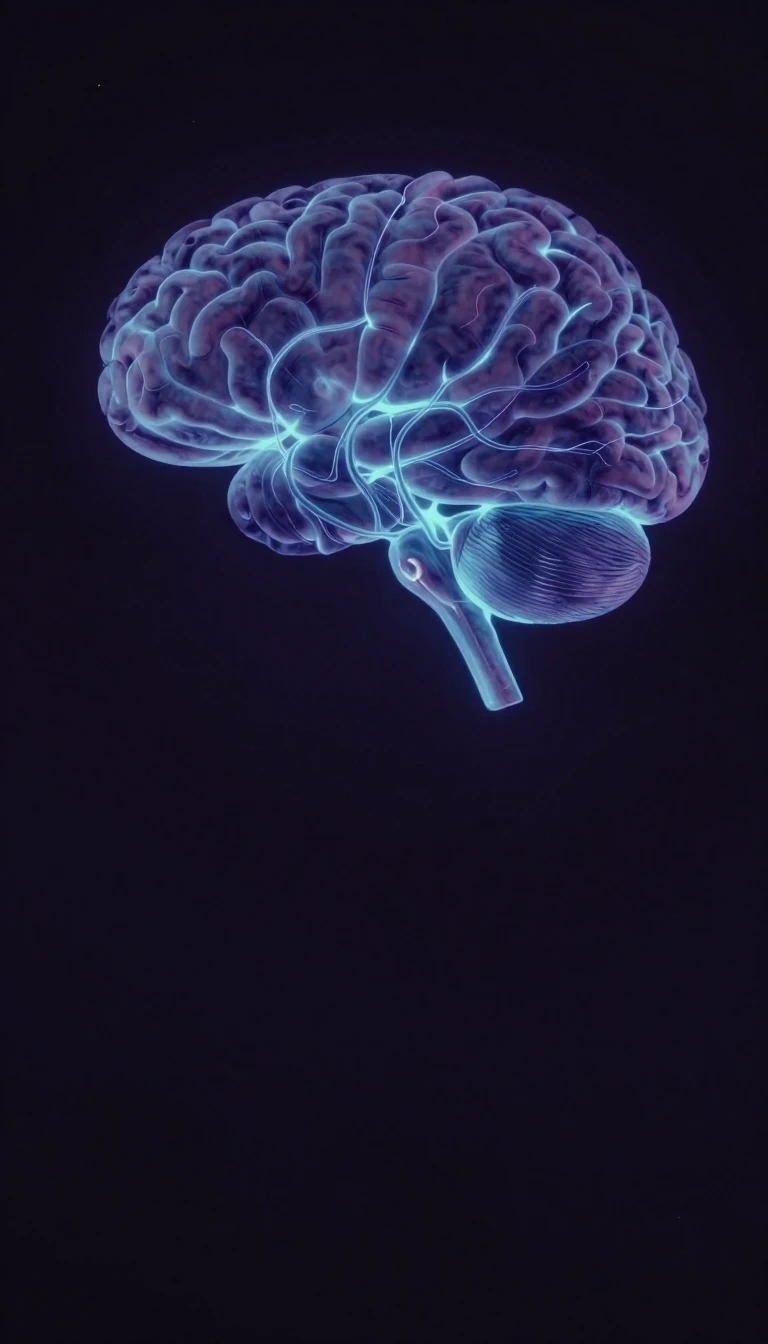
 The molecule that makes food taste savoury also fires most of your neuronsGlutamate gives parmesan, soy sauce and seaweed broth their deep savoury taste, the flavour a Japanese chemist named umami in 1908. The very same molecule is the brain's main acce…
 The pharynx is a shared tube where food always gets right of wayEvery breath and every swallow pass through the same short stretch of throat. The pharynx channels air towards the lungs and food towards the stomach, and a flap of cartilage call…
- For true night owls, a normal workday feels like permanent jet lagSome people cannot fall asleep until hours after midnight, however hard they try, yet drift off at the same late hour every night and sleep perfectly well. Their body clock is sim…
- Four lentil-sized glands in your neck keep your blood calcium on a knife edgeTucked behind the thyroid sit usually four tiny glands, each about 6 millimetres long and weighing roughly 30 milligrams. Despite the similar name, they have nothing to do with th…
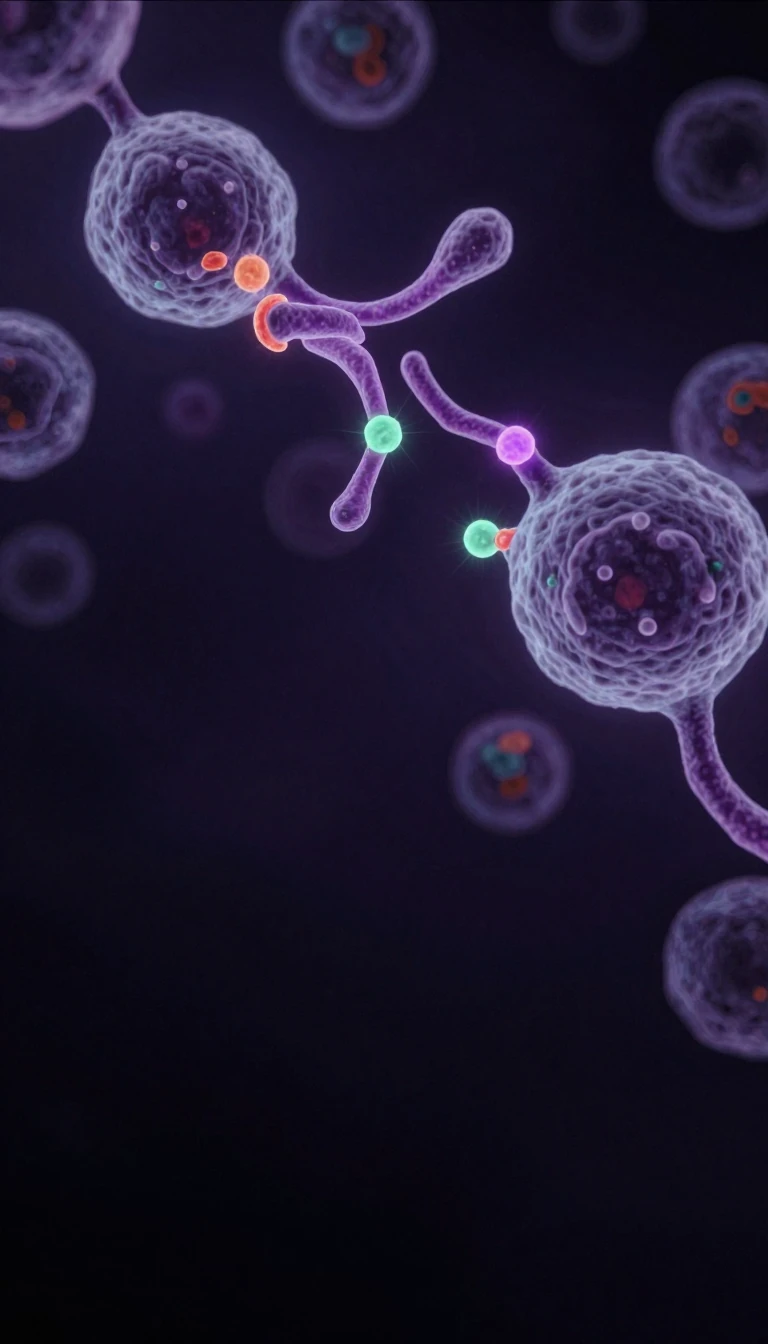 Your immune cells defend you by literally eating invaders wholeWhen bacteria slip into a wound, some of the first responders simply swallow them. The cell wraps its membrane around the intruder, seals it inside a bubble and digests it. This c…
 A normal EEG cannot rule out epilepsy, and an abnormal one can misleadElectrodes on the scalp can catch the brain's electrical chatter within milliseconds, faster than any MRI or CT scanner. Yet a standard half-hour recording misses the telltale sig…
 Essential oils are not essential to anything, the word means essenceCalling clove or lavender oil essential says nothing about health. The term refers to essence: the volatile compounds that carry a plant's scent. The world makes an estimated 100,…