 Intellect Plus
History
21,006 cards. Each one is a 40-second story with a five-minute read behind it. Page 320 of 351.
Subtopics: 19th century · 20th century · Africa · Age of Exploration · Ages & eras · Ancient · Ancient China · Ancient egypt · Ancient greece · Ancient rome · Ancient trade · Archaeological discoveries · Archaeology · Astronomy · Australia · Auxiliary historical sciences · Babylon · Basics · Born on this day · Bronze age · Buddhism · Case studies · Chefs, bartenders and winemakers · China · Cities · Climate · Columbus · Contemporary (1945-) · Cosmetics people · Crime · Criminals · Decipherment · Deep time · Disasters · Early modern · Education · Egypt · Empires · Empires & civilisations · Exploration · Explorers · Extinction · Fandom, conventions and festivals · History by continent and large region · History by continent and region · History by country · History by country, small region and city · History by ethnicity · History by subject matter · History by topic · Inca · India · Industrial Revolution · Japan · Kings & queens · London · Mass hysteria · Medicine · Medieval kingdoms · Medieval life · Mediterranean · Mercedes-Benz History · Mesopotamia · Middle ages · Military leaders and theorists · Military leaders, personnel, and theorists · Ming dynasty · Misconceptions · Modern · Modern (1800-1945) · Napoleon · Navigation · North africa · Other · Pacific · Pharaohs · Philippines · Pirates · Post-classical · Prehistory · Propaganda · Public health · Rebels, revolutionaries and activists · Renaissance · Researched · Second world war · Shipwrecks · Silk Road · South america · Tradespeople · UK & Ireland: history · United states · Vikings · Volcanoes · Women in history
 An earthquake in 1953 lifted the whole of Cephalonia 60 centimetresIn August 1953 a run of four earthquakes flattened almost every house on Cephalonia, the largest Ionian island. The strongest, magnitude 6.8, raised the entire island about 60 cen…
 Israel's first president was a chemist whose bacteria helped make British explosivesChaim Weizmann is remembered as a Zionist statesman and Israel's first president. He was also the father of industrial fermentation: a bacterium he harnessed in Manchester produce…
 Spain's last Habsburg king was sicker than most, but not as simple as legend saysCharles II inherited the Spanish throne as a small child in 1665 and spent his whole reign with Europe waiting for him to die. Generations of close-kin marriage had left him frail…
 A patronage machine insider, Chester Arthur surprised everyone by signing civil service reformChester A. Arthur rose as a loyal cog in Roscoe Conkling's New York political machine and was fired from a plum patronage job. After James Garfield's assassination made him presid…
 The Hohenzollerns bought Brandenburg for 400,000 guilders and ended up ruling GermanyFrom a castle on a Swabian mountain, a family of minor counts first recorded in 1061 climbed through marriage, loyalty and shrewd purchases to become kings of Prussia and, from 18…
 The Dutch royal family owes its name to a small principality in southern FranceThe House of Orange-Nassau led the Dutch revolt against Spain, supplied the Dutch Republic with several stadtholders, put a prince on the English throne in 1689, and has reigned a…
 Selling arms to Iran to fund Nicaraguan rebels: the Iran-Contra affair explainedWhile publicly urging the world not to arm Iran, senior Reagan administration officials were secretly selling it weapons, partly to win freedom for American hostages in Lebanon, a…
 Modern Japanese ancestry blends ancient potters with later rice-farming migrantsThe people of the Jōmon era made some of the oldest pottery on Earth, up to 16,000 years ago. Around 300 BC newcomers from Northeast Asia arrived with paddy rice, bronze and iron.…
 Christians call Jesus fully God and fully human; agreeing how took until 451For most Christians, Jesus is the promised Messiah, the Son of God and the second person of the Trinity, whose death and resurrection open the way to salvation. How one person cou…
 England's first explorer of North America was a debt-ridden Venetian named ZuanIn 1497 a small Bristol ship called the Matthew reached the coast of North America, the first known European visit since the Norse reached Vinland. Its captain, known in England a…
 Medieval Chinese merchants pooled investors' money long before Amsterdam's stock exchangeThe idea of splitting a business into tradable shares is usually credited to the Dutch East India Company. Yet Tang and Song China had investor partnerships, a French milling comp…
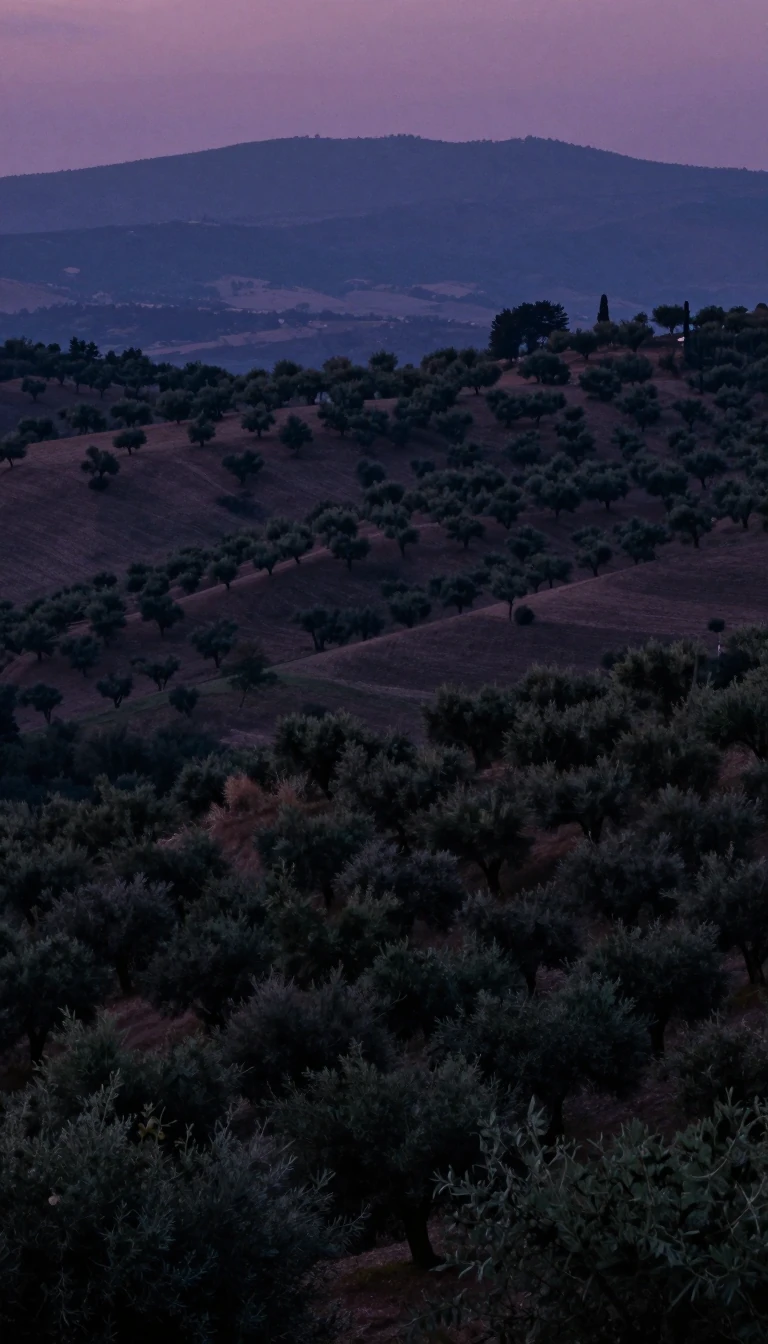 Catalans mark their national day on the anniversary of a defeat in 1714Every 11 September, Catalonia commemorates the day Barcelona surrendered to Bourbon forces, ending its status as a separate state within the Spanish crown. That choice says much a…
 Cavalier began as a Parliamentarian insult before royalists proudly adopted itIn June 1642, Parliament used the word Cavaliers to condemn the swaggering men around Charles I. The king's party turned the jibe into a badge of honour and answered by calling th…
 Historians agree Jesus existed; they agree on almost nothing else about himThe idea that Jesus was invented is treated by virtually all scholars of antiquity as a fringe theory. Yet when historians try to reconstruct the man behind the faith, only two ev…
 Everyone blamed their neighbours for syphilis; its DNA points to the AmericasWhen syphilis tore through Europe after 1494, Italians called it the French disease and the name stuck for decades. For centuries historians argued over whether Columbus's sailors…
 Why white people got named after a mountain range between Europe and AsiaCalling people of European descent Caucasian goes back to eighteenth-century scholars who believed humanity began in the Caucasus Mountains, where Noah's Ark was said to have land…
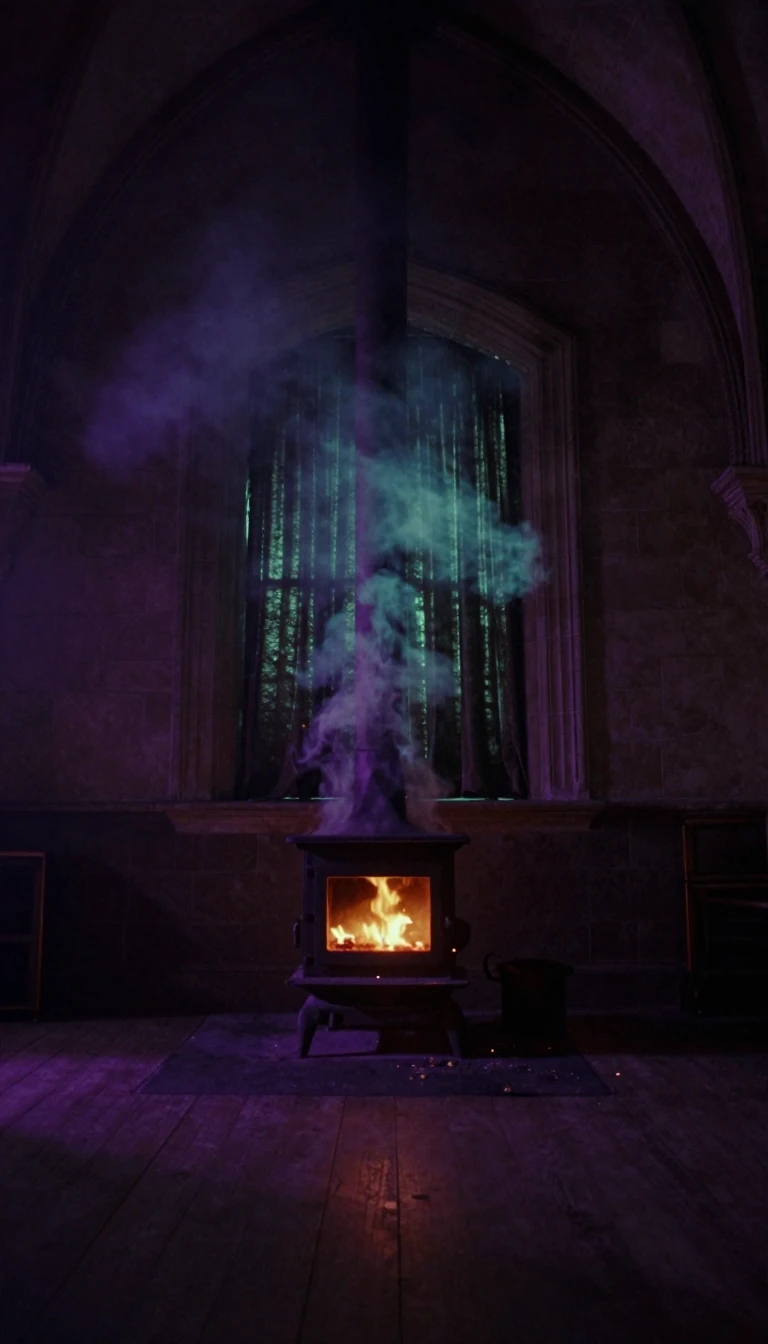 London's rebuilt Globe got the only thatched roof allowed since the Great FireAfter the Great Fire of 1666, London stopped letting anyone put thatch on a roof. Shakespeare's Globe, rebuilt beside the Thames and opened in 1997, is said to be the one exceptio…
 Shashi Tharoor came second in the 2006 race to lead the United NationsHad one Security Council veto gone the other way, Shashi Tharoor might have become the second-youngest UN Secretary-General, aged 50. India nominated him in 2006, and he finished …
 Pounds, shillings and pence were Charlemagne's idea and lasted over a thousand yearsBritain's old money, with 12 pence to the shilling and 20 shillings to the pound, was not a quirky island invention. It came from the Frankish emperor Charlemagne around the 780s,…
 The humble slash once did the job of the full stop and the commaMedieval scribes used a slanting stroke called the virgule, Latin for little twig, to end sentences, mark pauses and break lines of verse. Over the centuries those duties drifted …
 Camden's canal bridges still bear grooves cut by barge-towing ropesAlong the Regent's Canal in Camden Town, handrails near the bridges are scored with deep marks left by the ropes of horses that hauled barges until the 1950s. Ramps on the bank on…
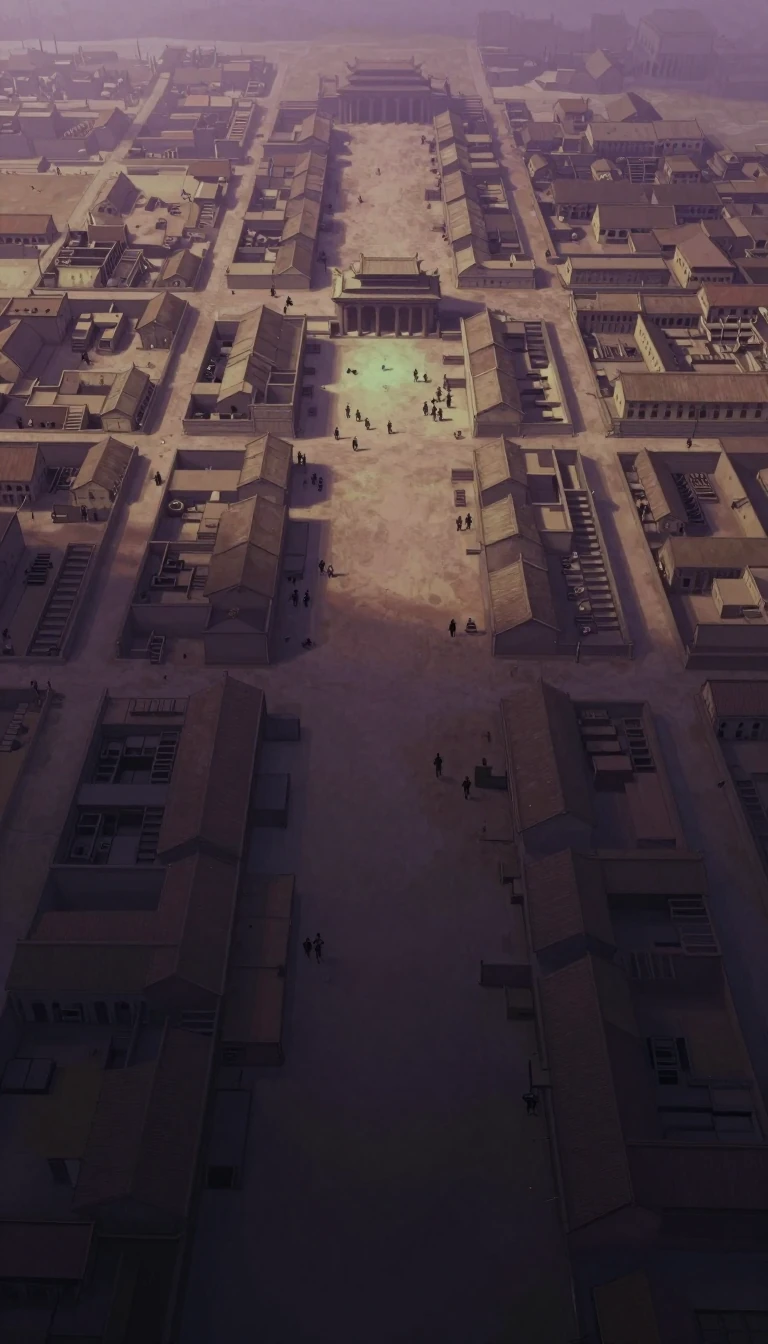 Michelangelo turned Rome's sacred hill to face St Peter's instead of the ForumFor centuries the Capitoline Hill looked down on the Roman Forum. When Pope Paul III asked Michelangelo in 1536 to redesign its square, he completed a reversal begun in medieval t…
 The Irish pirate queen who sailed to England to confront Elizabeth IIn 1593 Gráinne O'Malley, chief of a seafaring Mayo clan, sailed to England to demand the release of her son and half-brother from an English governor's prison. English officials …
 China's reforming emperor spent his last decade under house arrest, then was poisonedThe Guangxu Emperor took the throne at three, chosen by his aunt, the Empress Dowager Cixi. When he finally tried to modernise the failing Qing state in the Hundred Days' Reform o…
 Halifax suffered the largest man-made blast before the atomic bombOn December 6, 1917, a French munitions ship collided with a Belgian relief vessel in the Narrows of Halifax Harbour. The resulting explosion flattened the city's Richmond distric…
 Hausa farmers outsmarted British planners and grew groundnuts instead of cottonWhen the railway reached Kano in 1911, British officials expected Hausa farmers to grow cotton. The farmers judged that cotton needed more labour and groundnuts fetched better Eur…
- The Byzantines never called their empire Byzantine; a German historian did in 1555For a thousand years the people of the eastern empire called their state the Empire of the Romans. The label Byzantium, taken from the old Greek city beneath Constantinople, was a…
 Italy got its name from the toe of the boot, CalabriaAncient Greek settlers called the native people of what is now Calabria the Italoi, supposedly after a legendary king, Italus. Over centuries the label spread up the peninsula unt…
 Germany's liberal emperor waited decades for the throne and reigned 99 daysFrederick III spent twenty-seven years as Crown Prince of Prussia, dreaming of a British-style constitutional monarchy. When his father finally died in March 1888, Frederick was a…
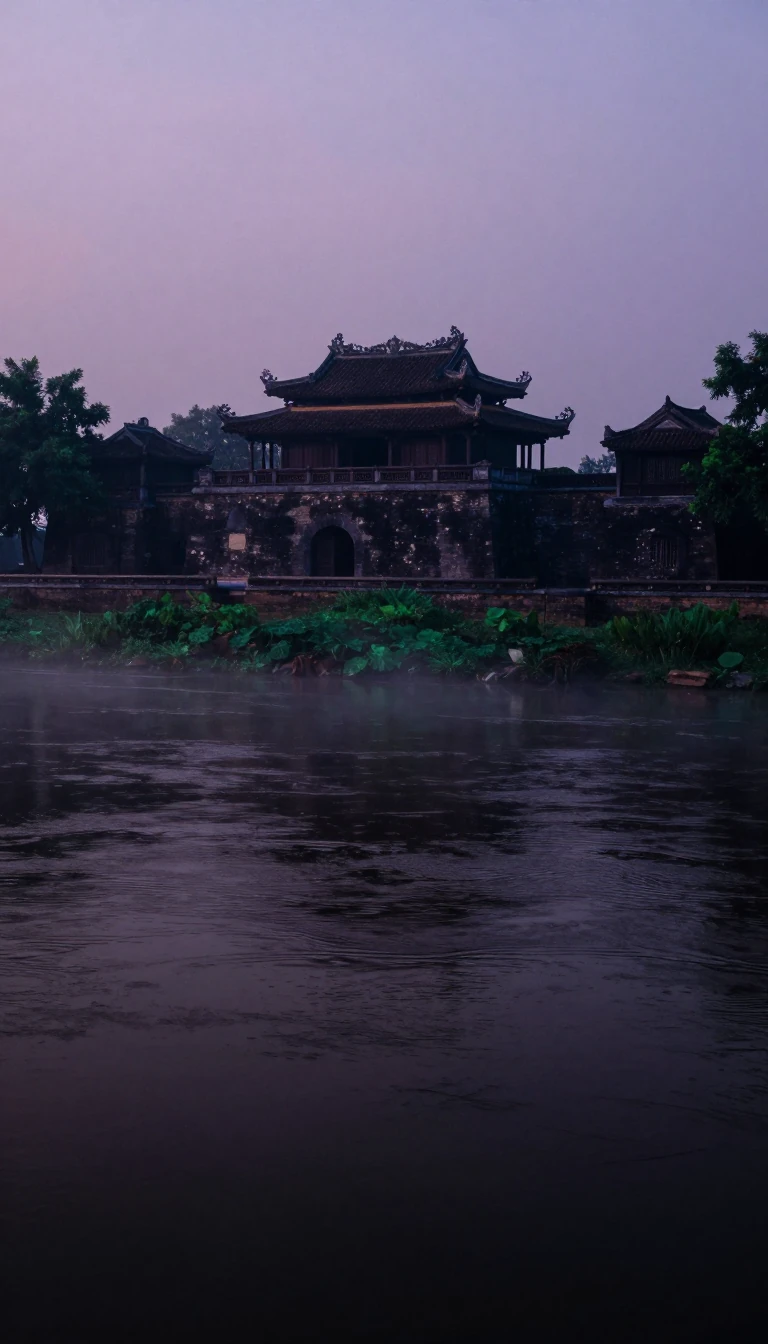 France ruled southern Vietnam directly for decades and built it around rubberFrom 1862 to 1949, the Mekong Delta and Saigon formed French Cochinchina, the only part of Vietnam governed straight from Paris, with its own deputy in the National Assembly. Its …
 France's navy launched the first ironclad, steel warship and mechanical submarineIn just four decades of the 19th century, the French Navy put to sea the first steam-powered ship of the line, the first seagoing ironclad, the first mechanically propelled submar…
 Friars are not monks, and the colours of their cloaks became their namesA monk vows to stay in one monastery for life. A friar does the opposite, moving between houses across a whole province and living among ordinary people on donations. Medieval Eng…
 Why an island in Sydney Harbour is called PinchgutGibbeting, or hanging in chains, meant displaying an executed criminal's body in public as a warning. Britain wrote it into law in 1751 and abolished it in 1834. The practice left…
- A 99-year lease decided when Britain would hand Hong Kong backHong Kong Island and Kowloon had been ceded to Britain permanently, but the New Territories, making up 86.2 per cent of the colony's land and over half its people, were only lease…
 Decatur, Illinois, once processed a third of the world's soybeansFor much of the 20th century a mid-sized city on the Sangamon River proudly called itself the Soybean Capital of the World. The grain processor A. E. Staley popularised soy oil, m…
 London's Pall Mall hosted the first reliably dated department store in 1796Behind glazed partitions on Pall Mall, shoppers in 1809 could move from furs and fans to silks and lace, then jewellery, French clocks, perfume and finally dresses. Harding, Howel…
 Sevenoaks keeps replanting the oaks that gave the town its nameAround 1100 the Kent settlement appeared in records as Seouenaca, the place of the seven oaks. The original trees in Knole Park have been replaced many times. Seven planted beside…
 The Daily Mail once paid aviators to cross the Channel and the AtlanticPunch thought the offer was absurd and mocked it with a £10,000 prize for flying to Mars. Yet by 1910 both of the Daily Mail's early aviation prizes, for London to Manchester and …
 Regent's Park was financed by a builder after the Crown backed outThe Prince Regent dreamed up a pleasure garden in the 1810s, and John Nash got the credit. Yet when the Crown Estate withdrew its funding, property developer James Burton paid for…
 Brixham's sleek sailing boats launched the age of deep-sea trawlingOverfishing off South Devon pushed Brixham's fishermen farther out in the early 19th century, so they built fast, tall-rigged boats strong enough to drag big nets in deep water. T…
 Primary school's name was borrowed from French in 1802The English phrase primary school is a calque of the French école primaire, first appearing in the London Times in April 1802. Whatever it is called, from elementary school in the…
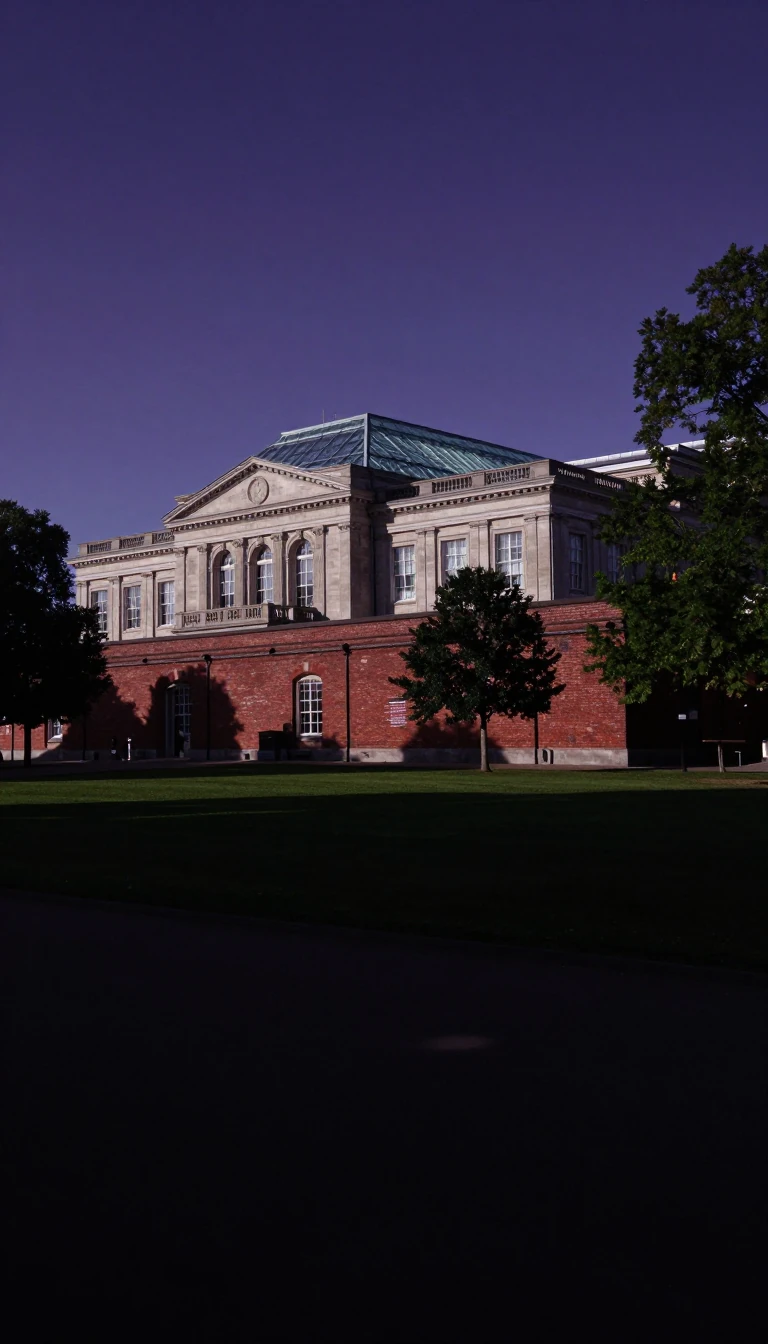 Chicago's Field Museum grew out of the 1893 World's FairWhen the 1893 World's Columbian Exposition closed, Edward Ayer persuaded department-store magnate Marshall Field to fund a museum for its exhibits. The result now holds over 24 mi…
 A Calcutta prayer meeting in 1828 helped spark the Bengal RenaissanceOn 20 August 1828, Raja Ram Mohan Roy and Dwarkanath Tagore gathered people of any caste, creed or gender in a Calcutta house to worship a single, nameless God. Their Brahmo Samaj…
 The emperor who ended the Thirty Years' War also composed musicFerdinand III inherited the Holy Roman Empire in 1637, deep into the Thirty Years' War, and set aside his father's rigid belief in divine right to seek a way out. Defeats forced p…
 Spain's Desired king became known as the Criminal KingWhile Napoleon held him captive, Spaniards fought in the name of Ferdinand VII and nicknamed him the Desired. Once home in 1813 he tore up the liberal constitution drawn up in his…
 The Bolshoi was co-founded by an English tightrope walkerRussia's grandest opera house began in 1776 when Catherine II licensed a prince to stage entertainments, and he teamed up with Michael Maddox, an English tightrope walker. Two of …
 Most scholars doubt the Exodus happened as the Bible tells itExodus gives Israel its founding story: slavery in Egypt, ten plagues, the parted sea and the covenant at Sinai. The scholar Carol Meyers calls it arguably the Bible's most import…
 Genesis tells creation twice, a clue to its many authorsRead Genesis closely and the world is created in two different accounts, Abraham twice sends Hagar into the desert, and a wife-sister story appears three times. Those repetitions …
 The Book of Isaiah was probably written by several prophetsThe book bears the name of an 8th-century BCE prophet from Judah, yet from chapter 40 onward Isaiah's name vanishes, the style shifts and the text speaks as if the Babylonian exil…
 Kings turns four centuries of royal history into a theological verdictThe Books of Kings trace Israel and Judah from King David's death to an exiled Judean king's release in Babylon, roughly 400 years. Their authors blended court annals with legends…
 Church dioceses borrowed their name and map from Roman bureaucracyA diocese began as a Roman civil unit, a grouping of provinces named from the Greek word for administration. Once Christianity became legal in 313, churches organised along those …
 Asia's last great nomadic empire was destroyed by imperial orderFor over a century the Dzungars, a confederation of Oirat Mongol tribes, were the last nomadic power able to threaten China. After their leader Amursana rebelled in 1755, the Qian…
 China's last imperial eunuch lived until 1996For some two thousand years Chinese emperors staffed their palaces with eunuchs, trusting that men who could never found a family would never found a dynasty. Some became more pow…
- Russia's February Revolution actually happened in MarchIn about eight days of 1917, bread queues and strikes in Petrograd brought down three centuries of Romanov rule. Nobody seems to have planned it. Russia still ran on the old Julia…
 RCA was born because the US Navy feared British control of radioAfter the First World War, American naval officers worried that a British-linked company would dominate transatlantic wireless. Their solution was to press General Electric into b…
- The Ark of the Covenant's biblical journey ends in a mystery nobody has solvedThe Book of Exodus gives the Ark exact dimensions: two and a half cubits long, one and a half wide and high, roughly 131 by 79 by 79 centimetres of acacia wood covered in gold. Wh…
 Cotton turned Ashton-under-Lyne from damp farmland into a booming mill townUntil cotton arrived in 1769, Ashton-under-Lyne was dismissed as soggy, barren land of little value. Within a century mills, canals and railways had multiplied its population more…
- Class action lawsuits descend from medieval English villages suing as oneFrom about 1200, English courts routinely let whole villages, parishes and guilds sue or be sued as a single body, and nobody questioned it. Roads, messengers and royal officials …
 A British bid for red dye left Australia smothered in prickly pearIn 1788 Captain Arthur Phillip picked up cactus plants crawling with cochineal insects in Brazil, hoping to break the Spanish and Portuguese grip on red dye for British uniforms. …
 New York once allowed prizefights only between members of the same private clubIn 1900 New York's Lewis Law banned prizefights except bouts held in private athletic clubs between members. Announcers got around it by introducing fighters as both members of th…