 Intellect Plus
History
21,006 cards. Each one is a 40-second story with a five-minute read behind it. Page 350 of 351.
Subtopics: 19th century · 20th century · Africa · Age of Exploration · Ages & eras · Ancient · Ancient China · Ancient egypt · Ancient greece · Ancient rome · Ancient trade · Archaeological discoveries · Archaeology · Astronomy · Australia · Auxiliary historical sciences · Babylon · Basics · Born on this day · Bronze age · Buddhism · Case studies · Chefs, bartenders and winemakers · China · Cities · Climate · Columbus · Contemporary (1945-) · Cosmetics people · Crime · Criminals · Decipherment · Deep time · Disasters · Early modern · Education · Egypt · Empires · Empires & civilisations · Exploration · Explorers · Extinction · Fandom, conventions and festivals · History by continent and large region · History by continent and region · History by country · History by country, small region and city · History by ethnicity · History by subject matter · History by topic · Inca · India · Industrial Revolution · Japan · Kings & queens · London · Mass hysteria · Medicine · Medieval kingdoms · Medieval life · Mediterranean · Mercedes-Benz History · Mesopotamia · Middle ages · Military leaders and theorists · Military leaders, personnel, and theorists · Ming dynasty · Misconceptions · Modern · Modern (1800-1945) · Napoleon · Navigation · North africa · Other · Pacific · Pharaohs · Philippines · Pirates · Post-classical · Prehistory · Propaganda · Public health · Rebels, revolutionaries and activists · Renaissance · Researched · Second world war · Shipwrecks · Silk Road · South america · Tradespeople · UK & Ireland: history · United states · Vikings · Volcanoes · Women in history
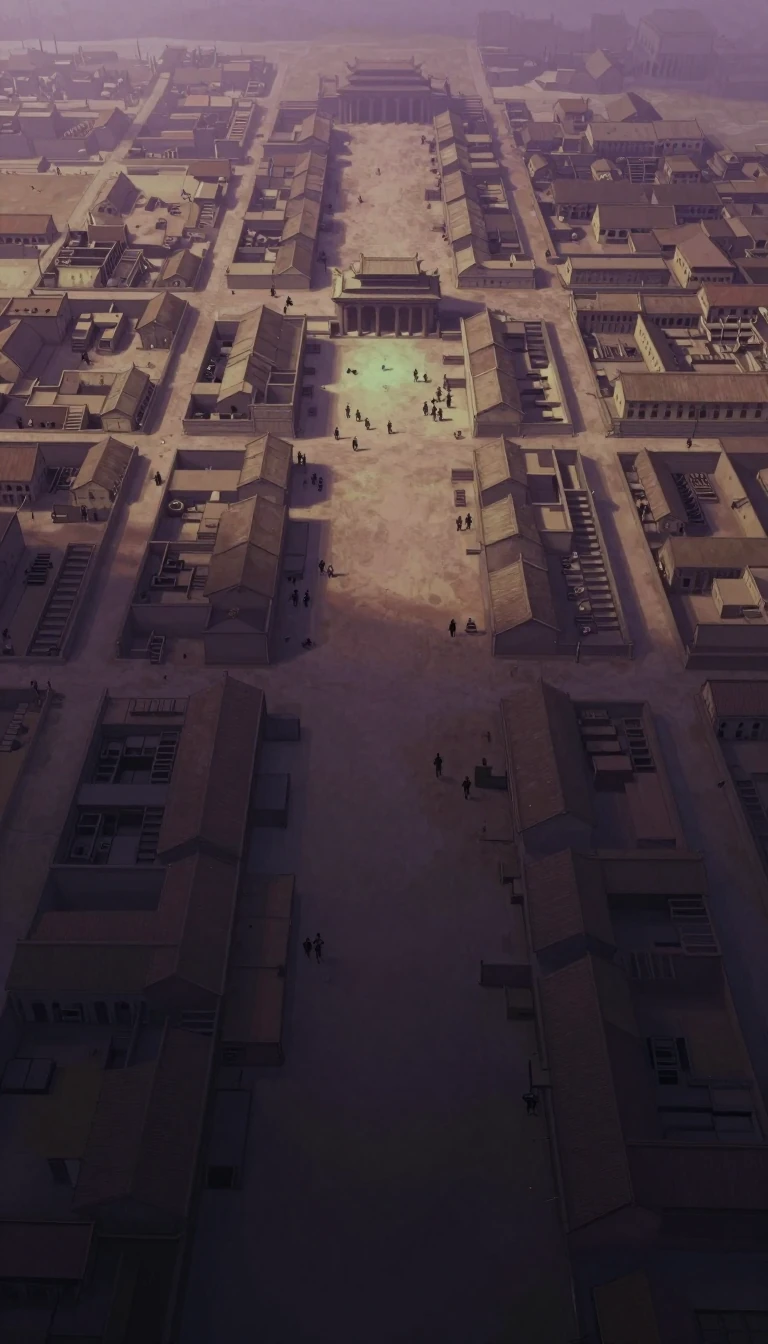 The Delian League began as anti-Persian and became Athens' empireIn 478 BC, between about 150 and 330 Greek cities joined a confederacy on Delos under Athenian leadership to keep fighting Persia. Allies increasingly paid cash instead of ships. …
 Ebla's archive age made a Syrian kingdom briefly immortalEbla rose from an Early Bronze Age village about 3500 BC into a trading power that dominated stretches of Syria. Its palace archives around 2400–2300 BC still define the site—even…
- Elam was a Mesopotamian label for many highland peoplesElam occupied lowlands and highlands of what is now western Iran and bits of southern Iraq. Writing appears around 3000 BC beside Sumer. Scholar Daniel Potts argues the name itsel…
 Did Fear, Not Force, Make Blackbeard the Ultimate Pirate Icon?Edward Teach, better known as Blackbeard, cultivated a terrifying reputation, reportedly using lit fuses under his hat to intimidate foes. Yet, historical accounts suggest his tru…
 Medieval elites once skipped breakfast on purposeIn the European Middle Ages, morning eating marked laborers, children, the sick, or the poor who needed fuel before noon dinner. Nobles kept to two formal meals—midday and evening…
 Cyrus built the largest empire the world had yet seenFrom a corner of the Iranian plateau, Persian nomads forged a state that at its height covered roughly 5.5 million square kilometres—from the Balkans to the Indus. It fell to Alex…
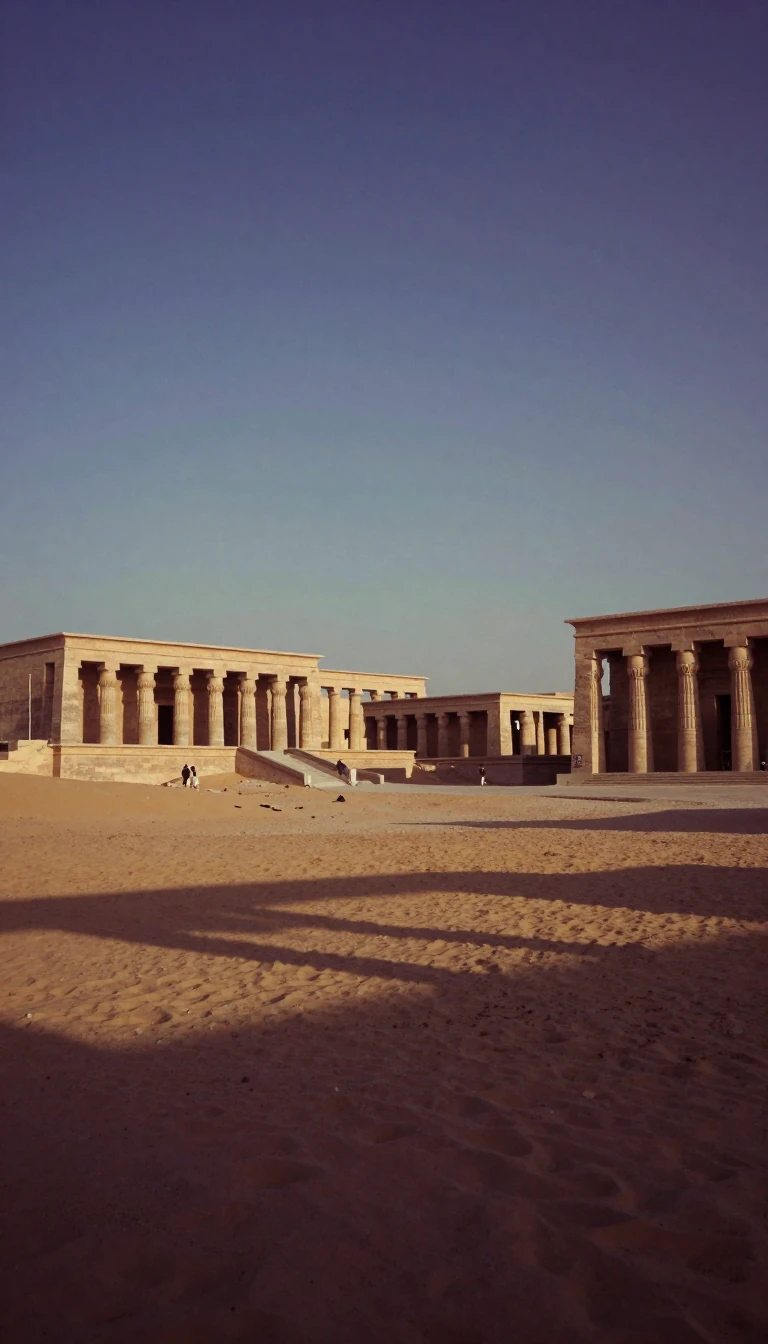 The first empire's capital still has no known addressAround 2300 BCE Sargon of Akkad welded Sumerian and Semitic city-states into one kingdom—often called history's first empire. Over eight thousand tablets document its later kings.…
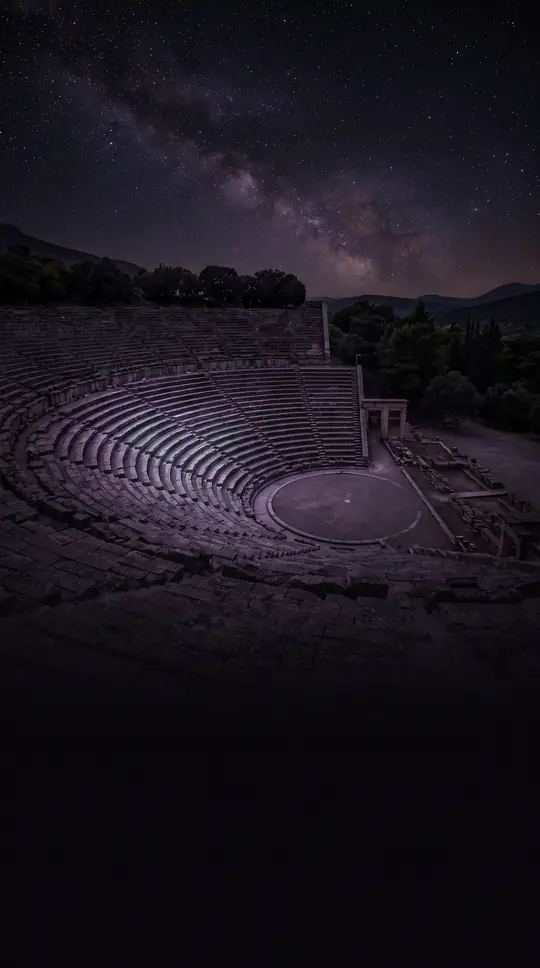 Alan horsemen carried an Iranian name into medieval EuropeTheir ethnonym is a dialect form of Old Iranian Aryan—the same root behind Iran. From the Pontic steppe they rode into Gaul, Spain, and North Africa, taught Romans the feigned ret…
- Amorite outsiders founded Babylon and ruled an Egyptian dynastyFirst named in Sumerian records around 2500 BC, these Northwest Semitic speakers were mocked as tent-dwellers who ate forbidden food. Within centuries their chiefs ruled Isin, Mar…
 Cliff cities rose where winter snow was the water planAcross the Four Corners, Ancestral Pueblo communities turned pit houses into cliff pueblos reachable only by rope or climb. They tracked the sky in stone, painted black-on-white p…
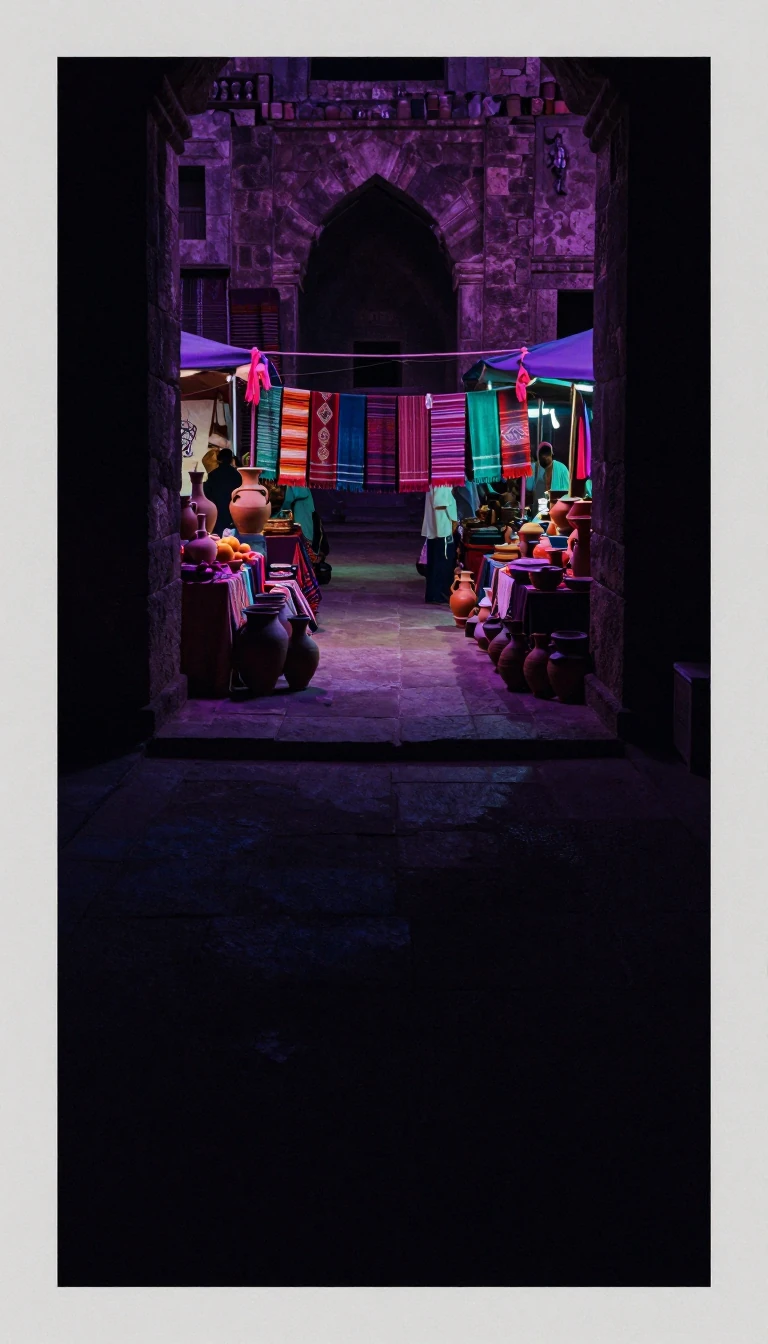 Rome wrote Carthage's history after burning its librariesFounded by Tyrian merchants around 814 BC, Carthage grew into the west Mediterranean's richest naval power. Almost no Punic books survived the Third Punic War, so the city that ri…
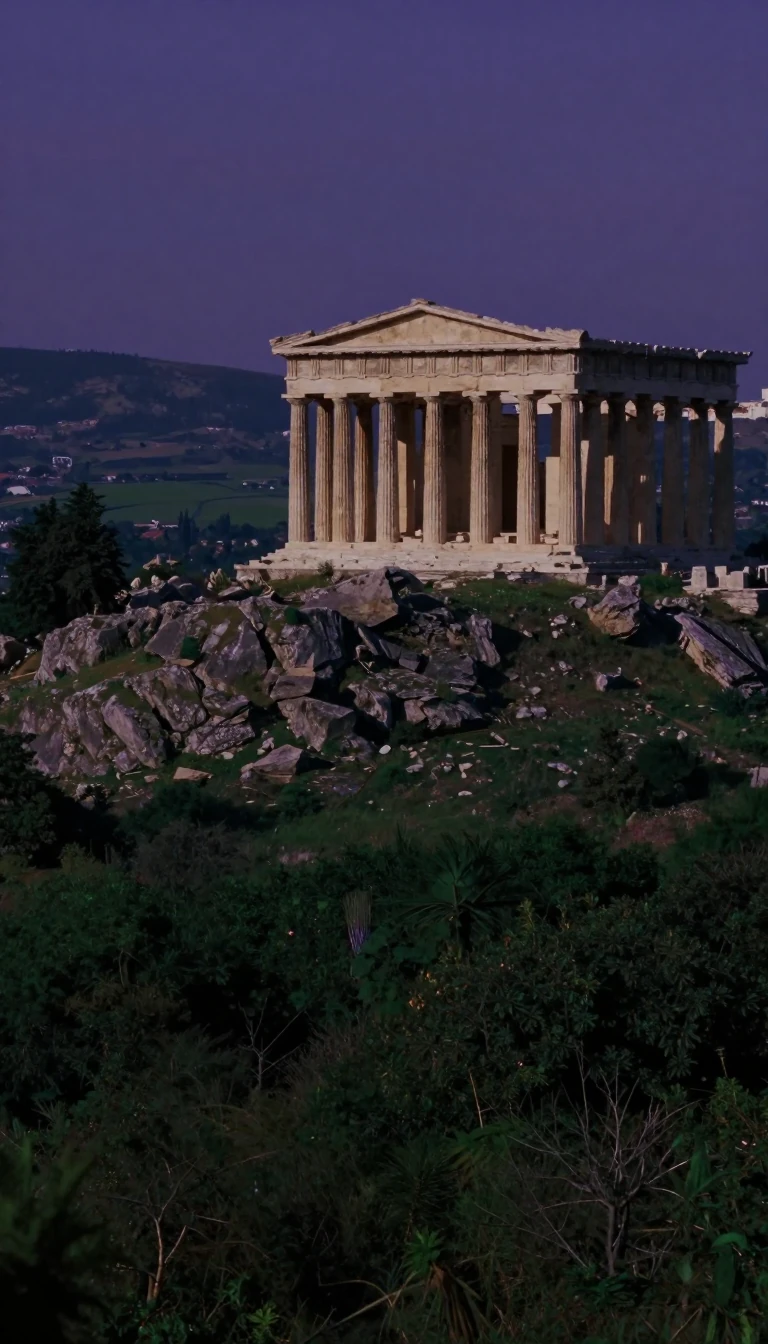 Greece wrote history before it finished living itFrom Dark Age villages to Alexander's death, Greek poleis never formed one lasting state—yet Herodotus, Thucydides, and Athenian philosophers left the first full narrative histori…
- Israel's first mention is an Egyptian victory boastAround 1208 BCE the Merneptah Stele names Israel among peoples Pharaoh claimed to crush. Archaeology now sees early Israelites rising mainly from Canaan's own hill country after B…
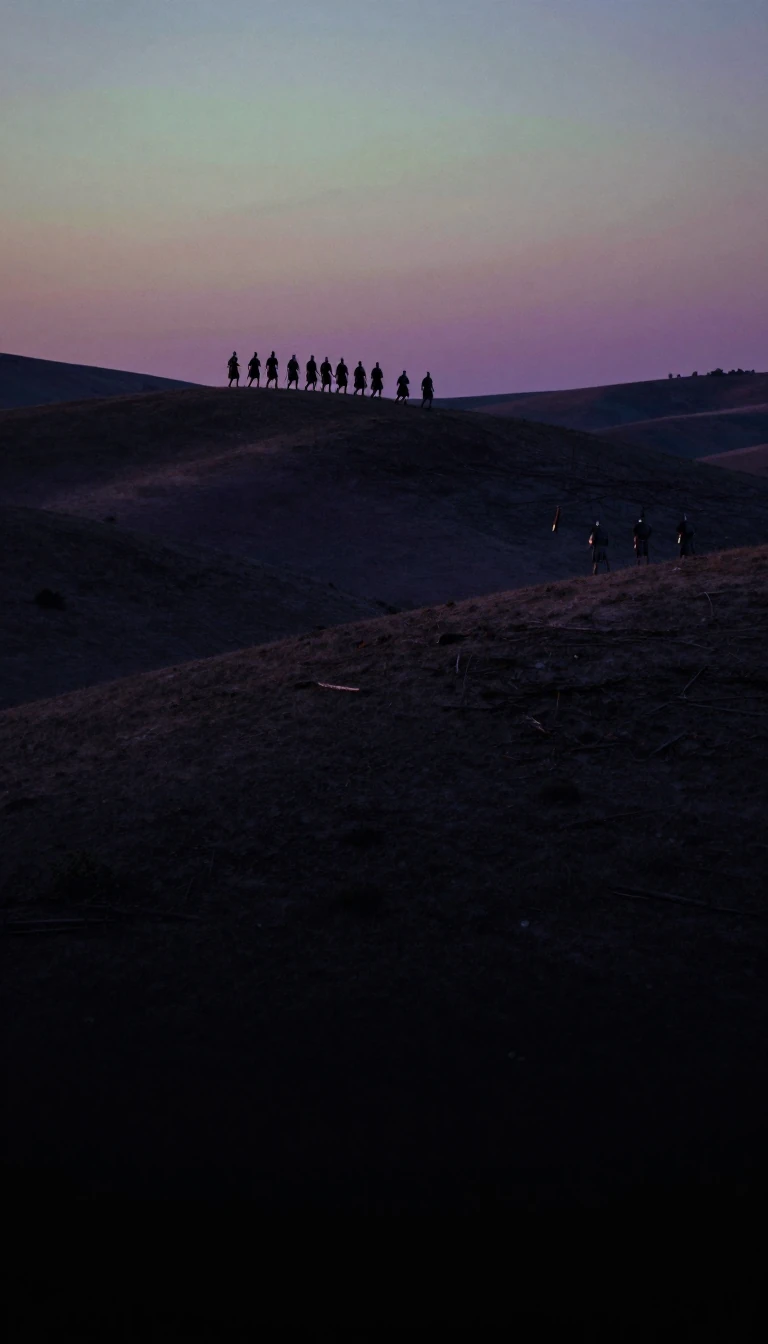 Rome began as a riverside town that rewrote the MediterraneanTradition dates the city's founding to 753 BC beside the Tiber. From kingdom to republic to empire, Rome absorbed Greek southern Italy, beat Carthage, then governed a world whose …
 Andean states built empires without wheels, writing, or moneyAlong 4,000 kilometres of Andes and desert coast, societies domesticated potatoes and built roads while recording accounts on knotted quipus. Scholars call them a pristine civiliz…
- Assyria invented the template for a military superpowerFrom a trading city on the Tigris, Assyria grew into what many call history's first true military superpower—pioneering libraries, provincial rule, and war machines later empires …
- A Persian satrap's name became Iranian AzerbaijanAfter Alexander shattered the Achaemenids, the Median commander Atropates carved out a northern kingdom around 323 BC. The Old Persian form Ātṛpātakāna stands behind the later nam…
- Babylon began as an Amorite city-state in 1894 BCLong after Sumer and Akkad, an Amorite dynasty planted itself at Babylon around 1894 BC. Officials still wrote Akkadian, priests kept Sumerian sacred, and under Hammurabi the town…
- Beautiful Bactria sat where empires kept collidingSouth of the Oxus and north of the Hindu Kush, Bactria was praised in the Avesta as a perfect Iranian land. Alexander's heirs, Greco-Bactrian kings, Kushans, and Sasanians all fou…
 One language family remapped half of AfricaBetween about 4000 BC and 500 AD, Proto-Bantu speakers left the Cameroon–Nigeria highlands and spread across Central, Eastern, and Southern Africa. Related languages still carpet …
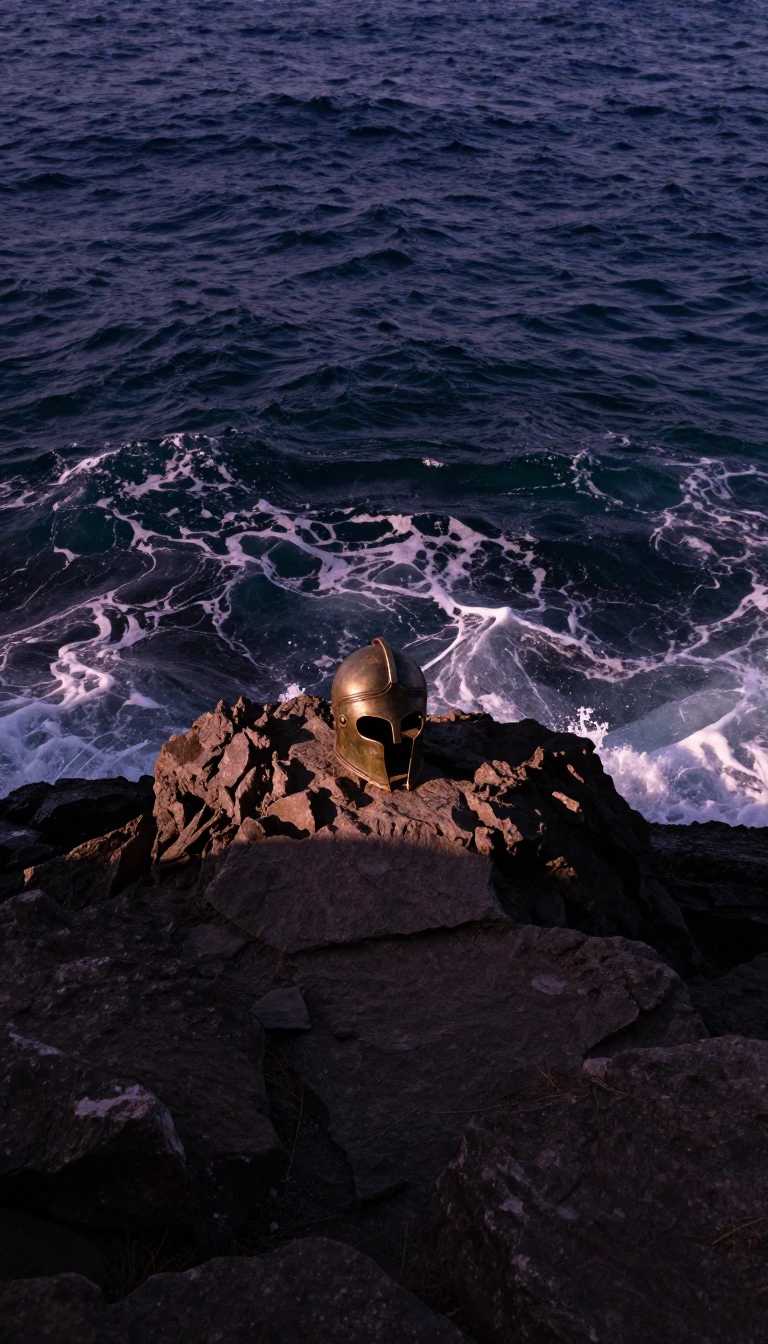 Athens beat Persia at Marathon without Sparta's helpIn 490 BC Athenian and Plataean hoplites smashed a Persian landing force under Datis and Artaphernes. The victory proved the empire could be stopped—and that Greece's second city …
 Modern minds may be older than their flashiest fossilsBehavioral modernity names abstract thought, planning, cumulative culture, and symbolic art. Anatomy for those tricks existed by about 300,000 years ago, yet clear archaeological …
 Bronze needed tin, and tin made empires tradeSmelting copper with tin produced tools harder than anything common before iron furnaces ran hot enough. West Asia entered the Bronze Age first in the mid-fourth millennium BC, wh…
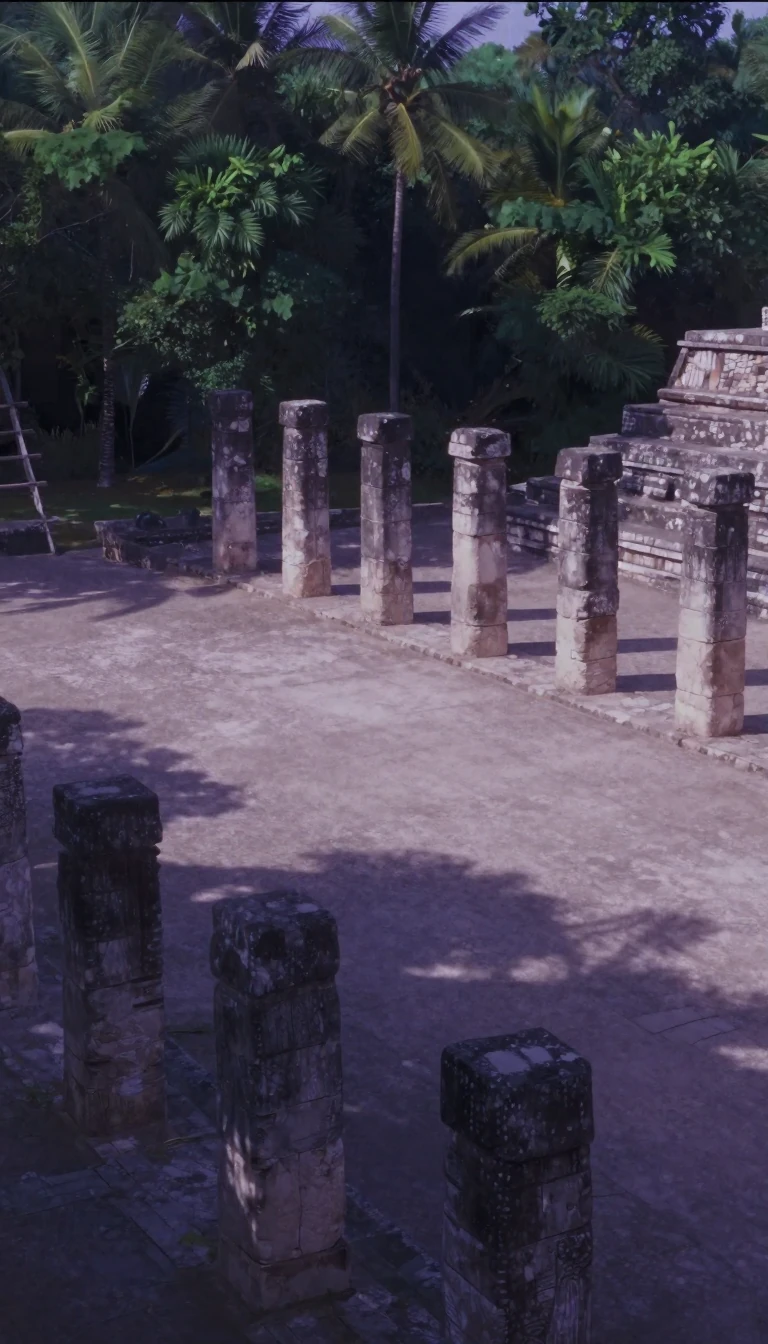 America's first cities rose without pottery or artOn Peru's desert coast, Caral–Supe built monumental platform mounds between the fourth and second millennia BCE—contemporary with Egyptian pyramids, a millennium after Sumer, and …
 Caucasian Albania is not the Balkan countryAncient authors used Albania for a Caucasian kingdom mostly in today's Azerbaijan. The prefix Caucasian exists only to stop modern readers confusing it with Adriatic Albania—a nam…
 Celtic named a language family, not one ancient nationGreek writers first recorded Keltoi near Marseille in 517 BC. Today Celtic usually means Ireland, Scotland, Wales, Cornwall, Mann, and Brittany—where related tongues survive—while…
- The Copper Age had three names and one argumentBetween stone and bronze, people learned to smelt copper—yet Europe invented three labels for the same span: Copper Age, Eneolithic, Chalcolithic. Serbia's Belovode site holds the…
- Chaldea was a marsh tribe, not all of BabyloniaBetween the eleventh and ninth centuries BC, West Semitic Kaldu settled the southeastern marshes of Babylonia. Hebrew and Greek writers later stretched Chaldea across the whole so…
 Chavín engineers drained a temple to survive highland rainsAround 900 to 250 BCE, Peru's Chavín culture spread highland cult styles to the coast. At UNESCO-listed Chavín de Huántar, builders hid canals under the temple floor so Andean dow…
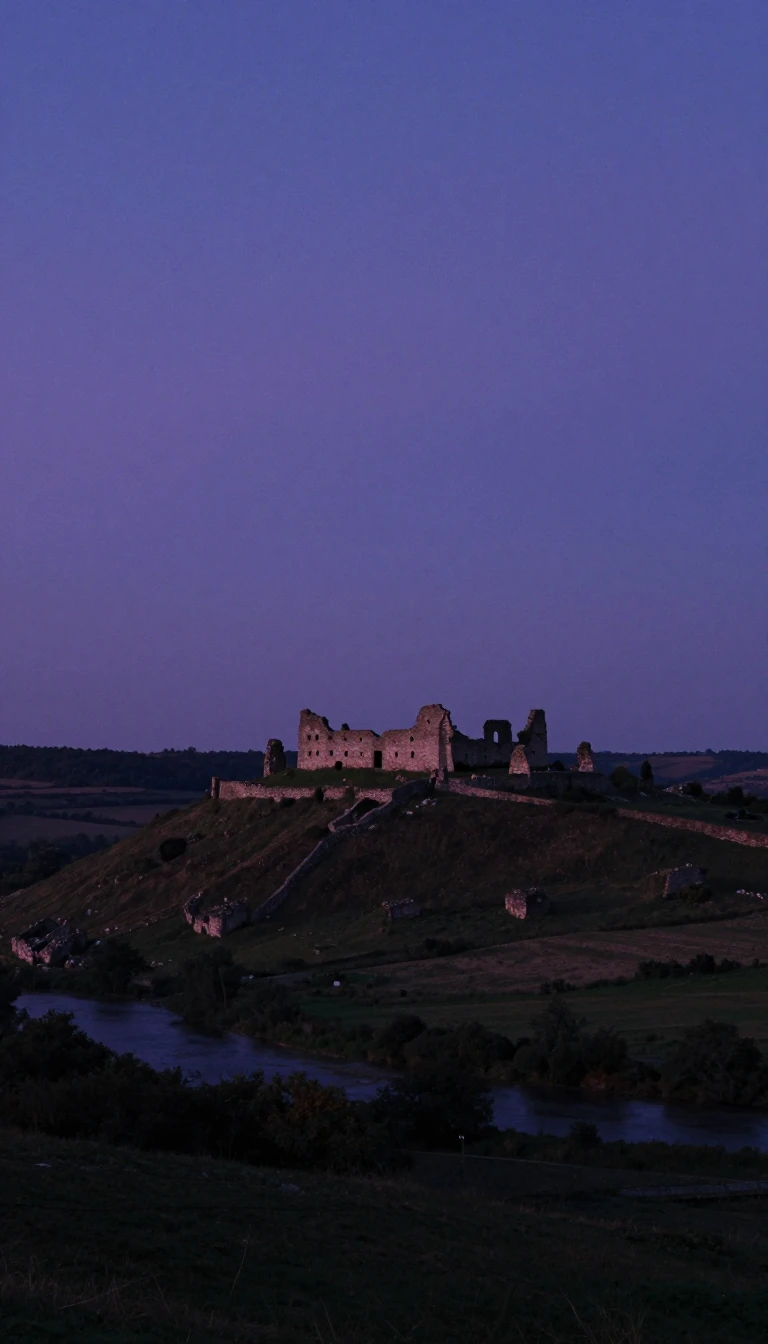 Chola fleets turned a river valley into a Bay empireTamil Cholas appear in Ashoka third-century BCE inscriptions, yet their imperial surge came under Vijayalaya from 848 CE. Rajaraja I and Rajendra I made the Kaveri heartland a Bay…
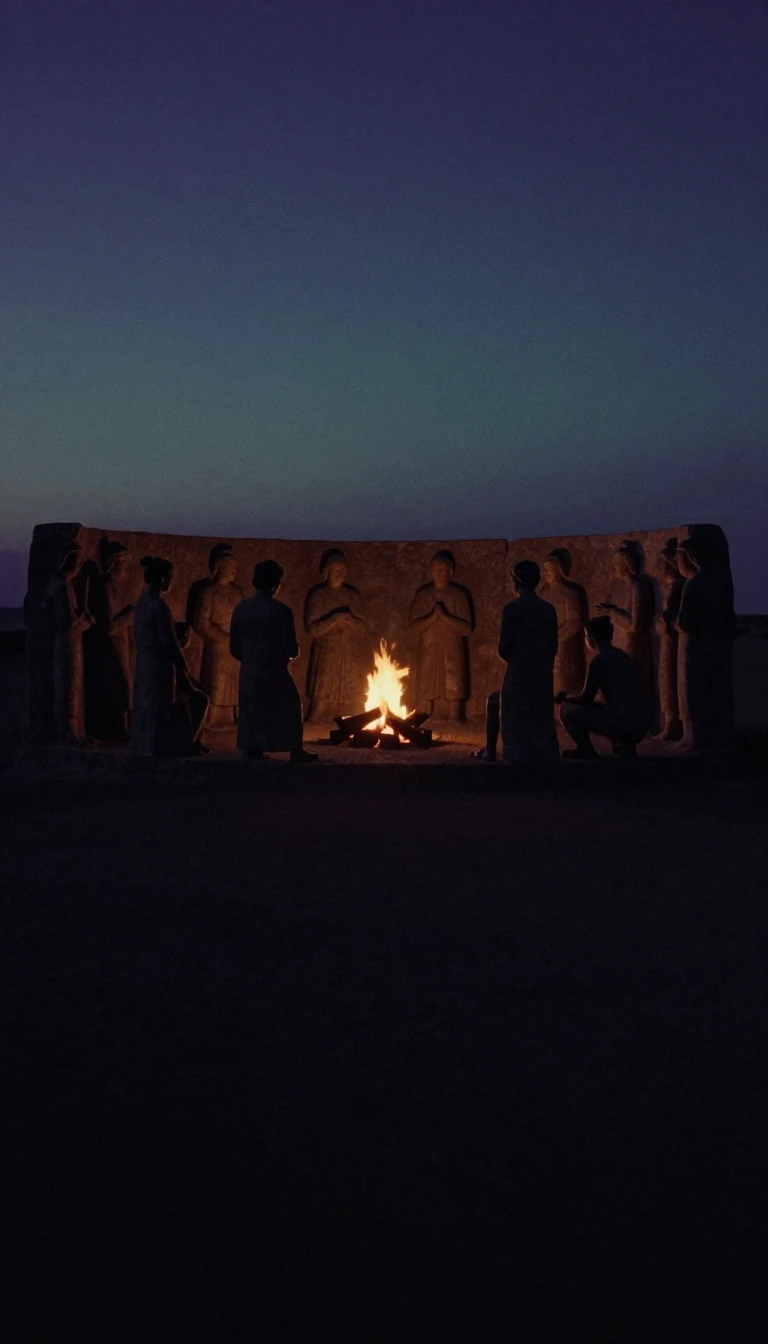 Carrying embers came long before striking sparksFire warmed nights, cooked food, and kept predators back—but the first human flames were likely stolen lightning. Claims of use stretch toward two million years ago; definitive fi…
 Leaving Africa took more than one departureHomo erectus walked out about 1.8 million years ago; Homo sapiens later left in pulses, with a major 70 to 50,000-year wave peopling Eurasia. We carry under ten percent archaic DN…
- Stone tools are older than the genus HomoThe Lower Paleolithic once began with Homo habilis and Oldowan choppers. Then Lomekwi 3 in Kenya yielded tools dated to 3.3 million years ago—before Homo, in late Pliocene time—fo…
 The Middle Stone Age was invented to fill a gapJohn Lubbock coined Paleolithic and Neolithic in 1865; Hodder Westropp added Mesolithic in 1866 and sparked a fight. Some preferred Epipaleolithic—a final Old Stone coda—until eno…
 Middle Paleolithic humans buried their dead and traded ochreFrom about 300,000 years ago, Middle Paleolithic and African Middle Stone Age societies show early behavioral modernity—burials, pigments, beads, and long-distance exchange—while …
 Jericho figs may be the first farmed cropThe New Stone Age began about 12,000 years ago when West Asian foragers turned wild cereals into fields. In a Jericho house dated 9400 BC, mutant figs that cannot be insect-pollin…
- Farming was a revolution that sometimes made people sickerV. Gordon Childe coined Neolithic Revolution in 1936 for the shift from foraging to farming after the last Ice Age. Villages, hierarchies, and writing became possible—yet staple c…
 Almost all human technology time was the Old Stone AgeFrom the first stone tools about 3.3 million years ago to roughly 12,000 years ago, the Paleolithic covers nearly the whole of prehistoric technology. John Lubbock named it in 186…
 Prehistory is anonymous because writing had not begunFrom stone tools about 3.3 million years ago until scripts appear, human prehistory has no named kings—only archaeological cultures. The English word surfaced in 1836, and ninetee…
 A reconstructed language implies a people without a nationProto-Indo-European is a language rebuilt from Latin, Sanskrit, and kin—so someone must have spoken it. Philologist Martin West stressed they need not have been one race or state,…
- The Stone Age lasted 3.4 million years and 99 percent of usStone tools with edges, points, or striking faces define a span from roughly 3.4 million years ago until metalworking between 4000 and 2000 BC. In Western Asia bronze's spread by …
 After 50,000 years ago, stone tools suddenly look modernThe Upper Paleolithic, about 50,000 to 12,000 years ago, brings camps with storage pits, cave art, and blade industries. Richard Klein notes that before then archaic kits look alm…
 A third-century prophet ranked this African kingdom alongside Rome, Persia and China.The Kingdom of Aksum, in what is now Eritrea and northern Ethiopia, controlled trade between Rome and India, minted its own gold coins and raised giant carved stone stelae. The pr…
 The Library of Alexandria didn't burn down in one great fire.The popular image is a single catastrophic blaze that wiped out ancient knowledge. Historians tell a slower story: centuries of declining funding, purges of scholars and scattered…
 Divers found a 2,000-year-old computer in a Greek shipwreck.In 1901, sponge divers pulled a lump of corroded bronze from a Roman-era wreck off the Greek island of Antikythera. Hidden inside were dozens of interlocking gears. The device cou…
 India's greatest ancient emperor was nearly forgotten until his inscriptions were read.Ashoka ruled most of the Indian subcontinent in the third century BC. After a brutal war he carved messages of remorse and moral conduct into rocks and pillars across his empire. …
 Around 1200 BC, the great civilisations of the eastern Mediterranean fell apart.Mycenaean palaces burned, the Hittite Empire vanished and Egypt was badly weakened, all within a few generations. Greece entered centuries of dark age. The cause has been argued o…
 History's most successful pirate may have been a woman who retired rich.In the early 1800s, Zheng Yi Sao led a pirate confederation in the South China Sea that at its height counted hundreds of junks and tens of thousands of pirates. She fought the Qi…
 In 1518, hundreds of people in Strasbourg couldn't stop dancing.One July day, a woman began dancing in a Strasbourg street and didn't stop for about a week. Within days dozens had joined her; by August, somewhere between 50 and 400 people were…
 In 1932, Australia sent soldiers with machine guns against emus. The emus won.Around 20,000 emus were devouring wheat in Western Australia, so the army sent a major, two soldiers and two machine guns. The birds scattered into small groups, outran a gun-moun…
 Medieval scholars knew the Earth was round. The flat-Earth story is the myth.You may have learned that Columbus had to convince people the world wasn't flat. He didn't. Educated Europeans had known Earth was a sphere since ancient Greece. The idea that the…
 London's river smelled so foul that Parliament finally fixed the sewers.In the hot summer of 1858, the Thames was effectively an open sewer and the smell engulfed Westminster. MPs soaked curtains in chemicals and talked of fleeing to Oxford. Within we…
 Colonial authorities pressured archaeologists to deny Africans built Great Zimbabwe.Great Zimbabwe's mortarless stone walls, up to 11 metres high, make it the largest stone structure in precolonial southern Africa. It was built between the 11th and 15th centuries…
 The world's most famous ancient law code may not have been law at all.Composed in Babylon around 1753 BC, the Code of Hammurabi sets out a long list of rulings, including 'an eye for an eye'. It is celebrated as a founding text of law. Yet among tho…
 Egypt's most successful female pharaoh was almost erased from history.Hatshepsut ruled Egypt for about two decades, around 1479 to 1458 BC, commissioned hundreds of building projects and sent a famous trading mission to the land of Punt. She was oft…
 A Japanese soldier kept fighting the Second World War until 1974.Hiroo Onoda was ordered never to surrender. So when leaflets announced Japan's defeat in 1945, he dismissed them as enemy tricks and stayed in the jungle of a Philippine island fo…
 In 1919, a wave of molasses swept through Boston at about 35 mph.On a mild January day, a giant tank holding 2.3 million gallons of molasses burst in Boston's North End. A syrup wave up to 25 feet high tore through the streets, flattening build…
 Napoleon wasn't short. British cartoonists just kept drawing him that way.Napoleon Bonaparte is estimated to have stood about 1.67 metres, roughly average for a Frenchman of his day. Part of the confusion came from old French inches, which were longer t…
 Oxford University is older than the Aztec Empire.Teaching at Oxford existed by 1096. The Aztecs founded their capital, Tenochtitlan, in 1325, more than two centuries later. By the time Europeans arrived in 1519, it was one of th…
 Polynesians crossed thousands of miles of ocean with no instruments at all.Long before European explorers arrived, Polynesian navigators found and settled almost every island in a vast triangle of the Pacific, from Hawaii to New Zealand to Easter Island.…