 Intellect Plus
History
21,004 cards. Each one is a 40-second story with a five-minute read behind it. Page 323 of 351.
Subtopics: 19th century · 20th century · Africa · Age of Exploration · Ages & eras · Ancient · Ancient China · Ancient egypt · Ancient greece · Ancient rome · Ancient trade · Archaeological discoveries · Archaeology · Astronomy · Australia · Auxiliary historical sciences · Babylon · Basics · Born on this day · Bronze age · Buddhism · Case studies · Chefs, bartenders and winemakers · China · Cities · Climate · Columbus · Contemporary (1945-) · Cosmetics people · Crime · Criminals · Decipherment · Deep time · Disasters · Early modern · Education · Egypt · Empires · Empires & civilisations · Exploration · Explorers · Extinction · Fandom, conventions and festivals · History by continent and large region · History by continent and region · History by country · History by country, small region and city · History by ethnicity · History by subject matter · History by topic · Inca · India · Industrial Revolution · Japan · Kings & queens · London · Mass hysteria · Medicine · Medieval kingdoms · Medieval life · Mediterranean · Mercedes-Benz History · Mesopotamia · Middle ages · Military leaders and theorists · Military leaders, personnel, and theorists · Ming dynasty · Misconceptions · Modern · Modern (1800-1945) · Napoleon · Navigation · North africa · Other · Pacific · Pharaohs · Philippines · Pirates · Post-classical · Prehistory · Propaganda · Public health · Rebels, revolutionaries and activists · Renaissance · Researched · Second world war · Shipwrecks · Silk Road · South america · Tradespeople · UK & Ireland: history · United states · Vikings · Volcanoes · Women in history
 A Nobel playwright wrote a termite book about insects he had never seenMaurice Maeterlinck was hailed across Europe as a sage and won the 1911 Nobel Prize in Literature. Fifteen years later he published a book on termites so close to a South African …
 An Omani sultan moved his capital from Arabia to the island of ZanzibarAt its peak the Omani Empire reached from the coasts of modern Iran and Pakistan to northern Mozambique. In 1832 Said bin Sultan shifted his seat of power across the Indian Ocean …
 Excavations suggest a third of the fallen at one samurai battle were womenWhen archaeologists examined 105 sets of remains from the 1580 battle of Senbon Matsubaru, 35 turned out to be women. There was no castle nearby for them to have been defending, w…
 Knightly orders began as armed monks guarding pilgrims and ended as medalsThe first knightly orders were brotherhoods of soldier-monks sworn to poverty, obedience and chastity, escorting pilgrims to the Holy Land. Over centuries kings borrowed the idea …
- The dropped-garter origin story of England's top knighthood came a century lateLegend says Edward III rescued a countess's slipped garter at a ball and scolded the sniggering courtiers, coining the motto of Britain's most senior order. The earliest written v…
 Hidden desert cisterns let the Nabataeans outlast armies sent to conquer themThe Nabataeans turned an empty desert into a fortress. They dug covered cisterns marked with signs only they could read, so when an enemy came, they simply withdrew into the water…
 The Indian kingdom that helped persuade Alexander's army to turn backWhen Alexander's troops reached Punjab after nearly a decade of marching, they heard of a kingdom to the east whose army was said to be five times the size of their own. Exhausted…
 A three-and-a-half-year state quietly built the legal skeleton of modern GermanyBetween July 1867 and December 1870, Germany north of the River Main was a single federal state led by Prussia. It lasted barely three and a half years, yet it introduced universa…
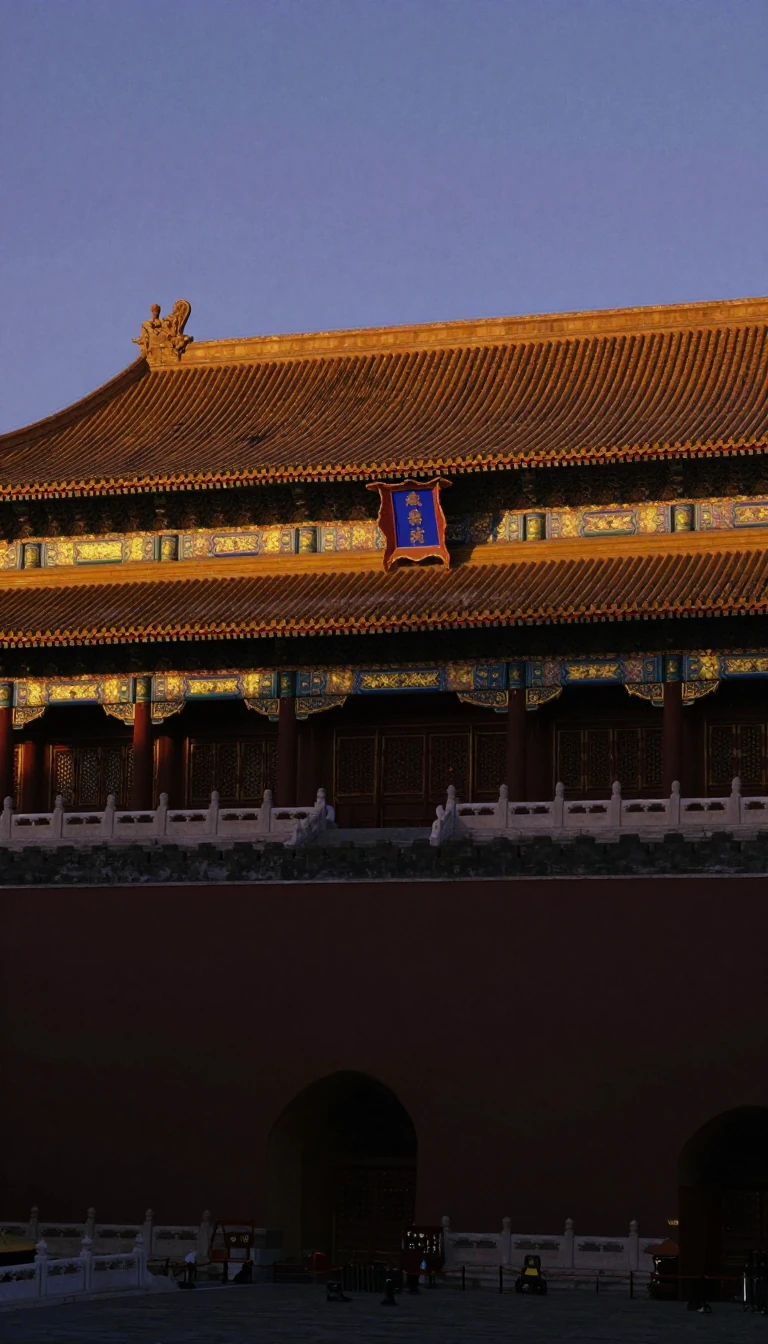 After losing China, the Mongol court kept ruling the steppe for 267 yearsWhen Ming armies closed on Beijing in 1368, the last Yuan emperor did not surrender; he rode north. His descendants kept the grand title of Great Yuan and a claim to China for gen…
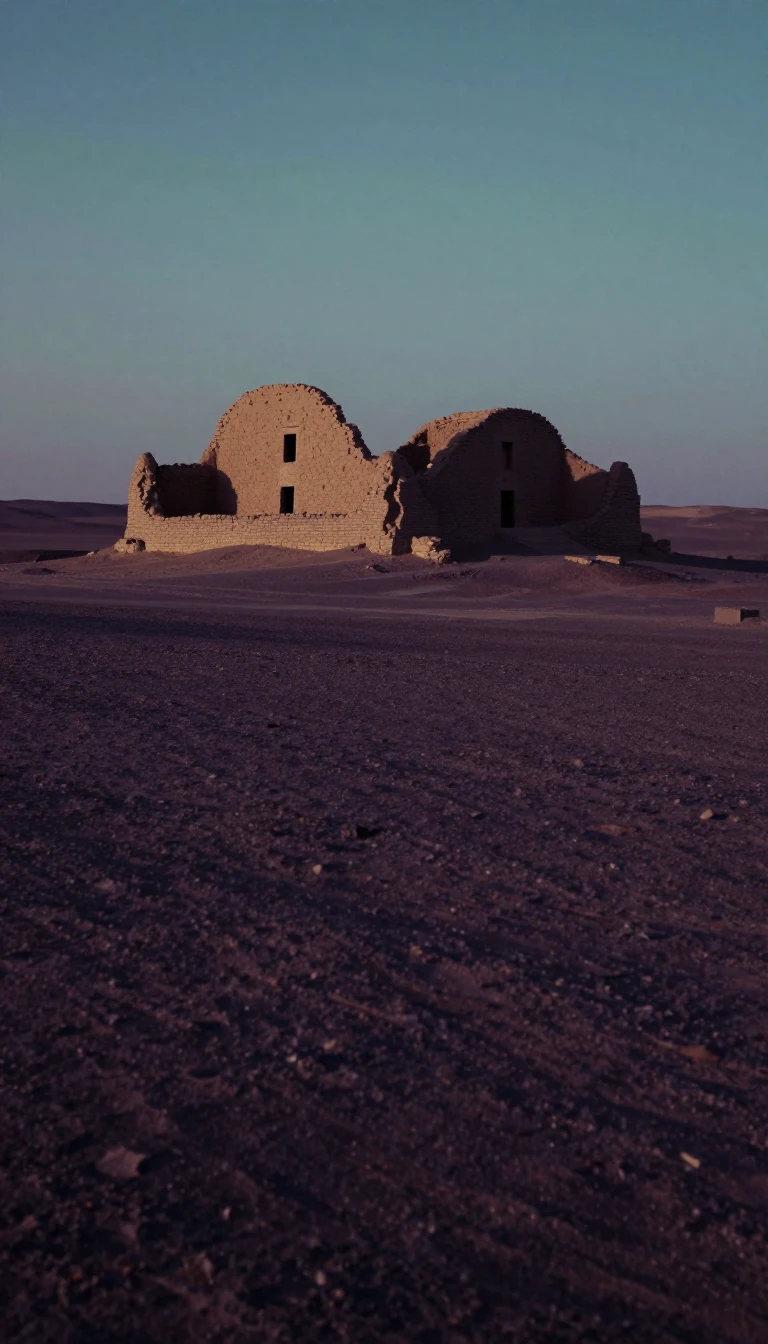 Turks, Azerbaijanis and Turkmen all trace their roots to one steppe confederationTheir name simply meant tribe in Common Turkic. From the steppes north of Lake Balkhash, Oghuz herders rode west, converted to Islam and became empire-builders. Their descendants …
 Two brothers from Thessaloniki gave the Slavs their first written languageIn 862 or 863 a Moravian duke asked Byzantium for a Slavonic liturgy, and the missionaries Cyril and Methodius delivered astonishingly fast: a brand-new alphabet and translated sc…
 Sumerians pictured a Gulf trading hub called Dilmun as a paradise gardenLong before Islam, Bahrain sat at the heart of Dilmun, a Bronze Age trading power whose sweet groundwater and safe anchorages drew goods from as far as the Indus Valley. Mesopotam…
 Malaysia has had ten premierships but only nine prime ministersMahathir Mohamad is counted twice in Malaysia's list of leaders, as fourth and seventh prime minister. On his return he took the oath 62 days short of his 93rd birthday and left o…
 A painter was billed for rebuilding the Paris column he helped toppleIn May 1871 the Paris Commune pulled down the Vendôme Column, Napoleon's bronze-clad salute to Austerlitz. Once order returned, Gustave Courbet was ordered to fund its reconstruct…
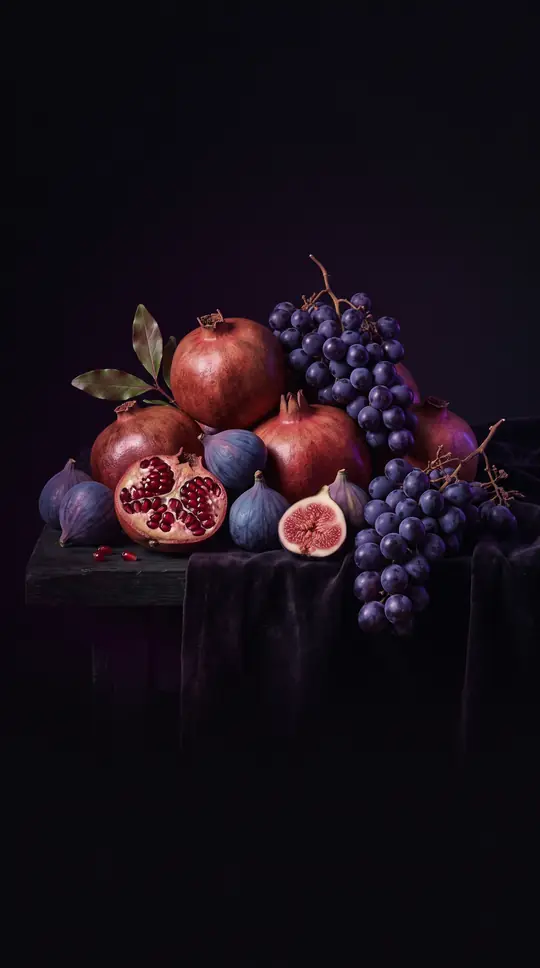 Chios built its mastic villages with no street-level doors to guard a tree resinUnder Ottoman rule, a sticky resin from a shrub on the Greek island of Chios was worth its weight in gold. Villages that produced it were walled like fortresses, hidden from the s…
- Martha's Vineyard once threatened to leave Massachusetts and join HawaiiIn 1977, angry at losing their guaranteed seat in the state legislature, residents of Martha's Vineyard talked seriously about seceding. Vermont and Hawaii both offered to take th…
 Elizabeth I paid 300 pounds in gold to learn how to grow saltpetreFor centuries, whoever controlled saltpetre controlled gunpowder. England had no supply of its own, so in 1561, at war with Spain and cut off from imports, Elizabeth I paid a Germ…
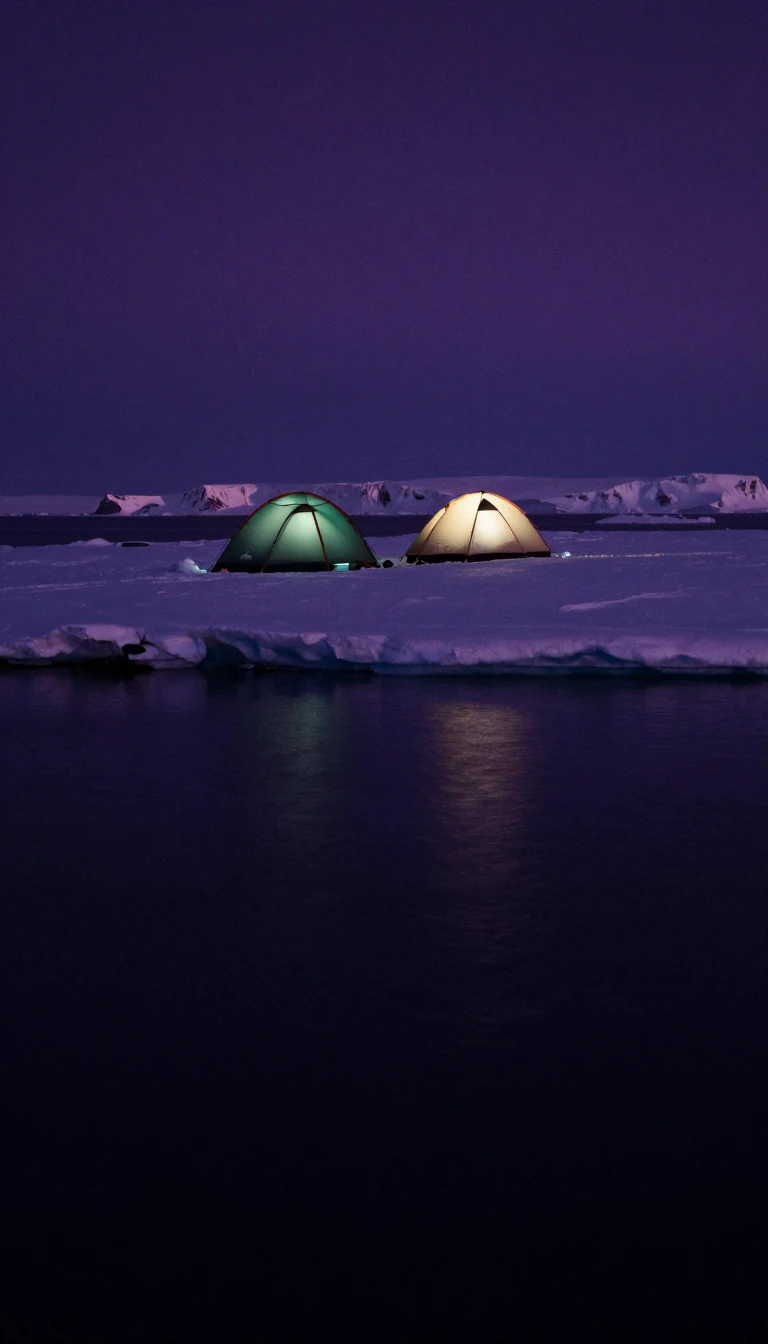 Norway claimed Queen Maud Land five days before a German expedition arrivedOn 14 January 1939 Norway annexed a slice of Antarctica about the size of India. Five days later a German ship reached the pack ice offshore, and its aircraft began dropping swast…
 The golden apples of Greek myth may really have been quincesHard, sour and gritty when raw, the quince hardly sounds like a legendary fruit. Yet the ancients called it a golden apple, dedicated it to Aphrodite and used it in wedding rites.…
 Quirino province stayed beyond Spain's reach for most of the colonial eraThrough more than three centuries of Spanish rule in the Philippines, the jungle-clad hills that are now Quirino province stayed almost untouched. Spain sent a single military exp…
- Radio Free Europe once sent 350,000 balloons of leaflets across the Iron CurtainBetween 1951 and 1956, Central European skies filled with weather balloons carrying more than 300 million leaflets, posters and books. They came from Radio Free Europe, a station …
 The US Navy was disbanded after independence and revived to fight piratesIn August 1785 Congress sold off Alliance, the Continental Navy's last ship, because it could not afford to keep her. For nearly a decade the United States had no navy at all, unt…
 UBC students marched through Vancouver to shame the government into building their campusIn 1922 more than 1,200 University of British Columbia students were crammed into makeshift quarters at Fairview, their promised campus unbuilt. So they marched through Vancouver,…
 The Victorian era was really three different eras hiding under one long reignQueen Victoria reigned for 63 years and seven months, longer than any monarch before her, and that single stretch can make the period look uniform. The writer Michael Sadleir disa…
 Przemyśl's ring of 44 forts held off a Russian army for months in 1914Przemyśl sits in a natural gap between mountains and lowlands on the San River, which is why it has changed hands so often. Before the First World War, Austria ringed it with 44 f…
 Trinity College, Cambridge exists because a queen talked Henry VIII out of closing collegesIn 1545 Henry VIII took the power to seize any college he liked. Catherine Parr persuaded him to build one instead, and he merged two old foundations into Trinity. Its members hav…
 Udmurtia's name probably means 'meadow people', a label recorded back in 1557West of the Urals, between the Kama and Vyatka rivers, lies a Russian republic named after a Finno-Ugric people whose ancestors may never have moved. Scholars consider the Udmurts…
 A Byzantine monk was condemned for insisting Christ had two willsMaximus gave up a powerful post at the court of Emperor Heraclius to become a monk, then spent his last decades defying emperors over a single theological point: whether Jesus had…
 The 'Azerbaijani Molière' was nearly trained as a Shia clericMirza Fatali Akhundov was being groomed for the clergy until a poet and calligrapher asked him whether he wanted to become a hypocrite. He changed course, moved to Tiflis as a Rus…
 Orléans has thanked Joan of Arc every May since 1432On 8 May 1429 Joan of Arc broke the English siege of Orléans at the fortified gatehouse guarding its bridge. Three years later the city began an annual festival in her honour, and…
 Three shepherd children, a promised miracle and a crowd of thousands at FátimaIn 1917 three Portuguese shepherd children said a lady brighter than the sun was visiting them on the 13th of each month, and that in October she would perform a miracle. Newspape…
- Dungeons and Dragons paladins descend from Charlemagne's legendary twelve peersBefore paladins were holy warriors and healers in fantasy games, they were Charlemagne's twelve greatest knights, led by Roland, in medieval French epics. The word itself goes bac…
 Rome needed two centuries and a brutal revolt to win PannoniaThe Roman province of Pannonia stretched across what is now western Hungary, eastern Austria, northern Croatia and parts of four other countries, bounded by the Danube. Rome's fir…
 The Black Death and three poll taxes lit England's great rising of 1381After plague killed an estimated half of England's people, surviving labourers could suddenly demand higher pay. Lords and Parliament tried to freeze wages, then taxed every adult…
 The Pechenegs were named in Arabic, Tibetan, Georgian and Greek textsA semi-nomadic Turkic people from Central Asia, the Pechenegs dominated the steppes of southeast Europe and Crimea in the 9th and 10th centuries and raided the lands of Rus for ov…
 Philip the Good sent Jan van Eyck to Portugal to paint his brideBefore marrying Isabella of Portugal, Duke Philip of Burgundy dispatched Jan van Eyck in 1428 to paint her portrait for him. It was typical of a ruler whose court set Europe's fas…
- One medieval order of knights now has two rival grand mastersPhilip the Good founded the Order of the Golden Fleece at his wedding in 1430. Three centuries later a succession war split it in two, and ever since the King of Spain and the hea…
 The Spanish university town that helped shape the modern calendarSalamanca's university, founded in 1218, ranks among Western Europe's oldest. Its scholars wrote the first grammar of Spanish, debated Columbus's voyage and sent calendar studies …
 Paris's first great salons were held around a hostess's bedBefore the late 17th century, a French literary gathering often meant a lady reclining on her bed while friends pulled up stools beside it. The gap between bed and wall, the ruell…
- Schönbrunn began as a Habsburg hunting ground stocked with boar and pheasantsVienna's most visited sight started life in 1569 as a fenced floodplain where an emperor kept deer, ducks and boar for sport. It grew into a 1,441-room Baroque summer palace, host…
 Why nearly every French king was crowned in one Gothic cathedralReims Cathedral rose unusually fast after a fire in 1210, partly because its builders used stones cut to standard sizes. The church already had centuries of royal prestige behind …
 Madison, Wisconsin: a capital chosen on paper and sold with buffalo robesIn 1836 Wisconsin's territorial lawmakers chose a capital that existed only as a surveyor's plan on an isthmus between two lakes. James Duane Doty had lobbied hard, handing out bu…
 How a salt town in upstate New York borrowed its name from SicilyIn 1820 a would-be post office town in central New York was refused the name Corinth because another village already had it. John Wilkinson, having read about Syracuse in Sicily, …
 Syracuse University exists partly because Ezra Cornell was once cheated of his wagesSyracuse wanted Cornell University, and Andrew Dickson White pushed hard for the city. But Ezra Cornell had once been cheated of his wages as a young carpenter there, so he put hi…
 Why Nathaniel Hawthorne added a W to escape a Salem witch judgeNathaniel Hawthorne was born a Hathorne, great-great-grandson of John Hathorne, one of the judges at the Salem witch trials. Probably in his early twenties, just after college, he…
 The crusader lord whose raids provoked Saladin into destroying Jerusalem's armyRaynald of Châtillon arrived in the Holy Land as a younger son of French nobility and married his way into ruling Antioch and later Transjordan. His raids on Muslim caravans and a…
 Columbia's longest-serving president won a Nobel and blocked Hemingway's PulitzerNicholas Murray Butler ran Columbia University for 43 years, the longest tenure in its history, shared the 1931 Nobel Peace Prize and even stood in as a vice-presidential candidat…
 The cardinal who exposed the Donation of Constantine as a forgeryIn 1433 the German churchman Nicholas of Cusa identified the Donation of Constantine as a forgery, a verdict Lorenzo Valla confirmed a few years later. The same polymath wrote on …
 The crusade that sacked a Christian capital instead of reaching the Holy LandIn April 1204 an army of the Fourth Crusade, diverted from its original course, stormed Constantinople, capital of the Byzantine Empire. The crusaders plundered it for three days,…
 Franco's chosen heir turned out to be a key to Spanish democracyFrancisco Franco named Prince Juan Carlos his successor in 1969, and for six years the prince seemed content to follow the dictator's path. Yet after Franco died in November 1975,…
 A Persian official's dreamlike awakening sent him on a seven-year journeyAround the age of 41, Nasir Khusraw, a financial administrator in Khurasan, had a sudden spiritual awakening he likened to a dream. He quit his post, converted to Isma'ili Islam a…
 The September Pope reigned only 33 days, and never wanted the jobAlbino Luciani told friends he would refuse the papacy, then accepted it in August 1978 out of duty. He took the first double papal name, John Paul, and died 33 days later, creati…
 One threatening letter captured Fort Detroit, and leaflets later helped break armiesIn August 1812 the British general Isaac Brock sent Fort Detroit a letter hinting he could not restrain his Native American allies once fighting began. A day later the American co…
- The exiled Khitans who built a Central Asian empire and helped name CathayWhen the Jurchens toppled the Liao dynasty, a Khitan noble named Yelü Dashi led refugees west and founded a new empire in Central Asia. It ruled mostly Turkic and Iranian subjects…
 India's upper house can never be dissolved, and a third retires every two yearsThe Rajya Sabha, India's Council of States, is a permanent chamber: members serve staggered six-year terms, with about a third stepping down every second year, so the house itself…
 From Vladimir's baptism to Soviet atheism, Russian faith refused to disappearIn 987, according to the Primary Chronicle, Vladimir the Great made Orthodox Christianity the state religion of Kievan Rus', picking it because it was Byzantium's faith. Religion …
 Spain's Restoration kept the peace for decades by rigging elections in turnsFrom 1874 to 1931, Spain's restored Bourbon monarchy bought stability with a remarkable fix: Conservatives and Liberals took turns in power by agreement, and local bosses called c…
 Russia most likely owes its name to Swedish rowersThe Rus', who gave their name to Russia and Belarus, were most likely Norsemen from what is now Sweden. From the 8th to the 11th centuries they settled and ruled along the rivers …
 How a handful of Soviet insiders became billionaires in Russia's wild ninetiesWhen the Soviet Union collapsed, ownership of vast state assets was suddenly up for grabs. A few well-connected men bought key companies at a fraction of their value, bankrolled B…
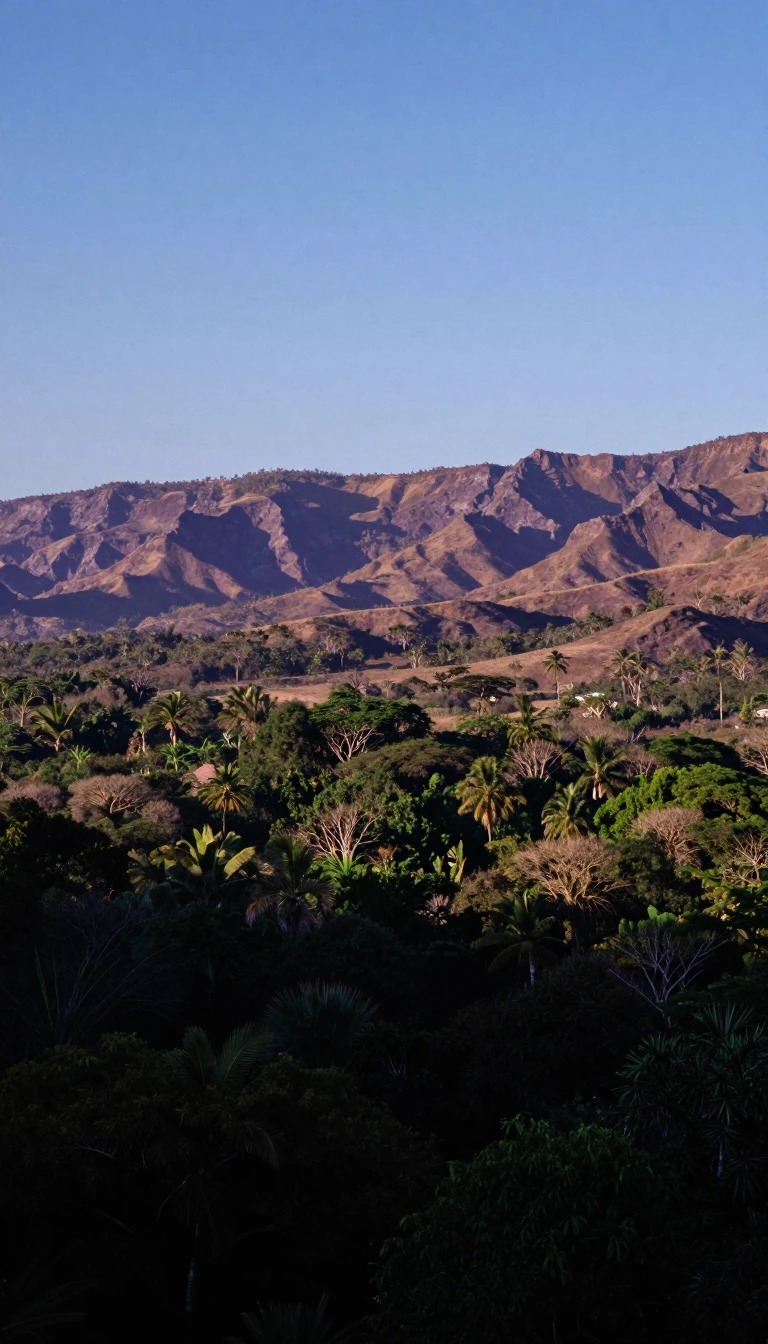 Mexico's rain-soaked Tabasco holds the heartland of the Olmec civilizationUnlike most of Mexico, Tabasco gets heavy rain all year, around 2,550 millimetres on average, so rainforest and wetlands cover much of it. The south-eastern state also holds La Ve…