 Intellect Plus
History
21,006 cards. Each one is a 40-second story with a five-minute read behind it. Page 310 of 351.
Subtopics: 19th century · 20th century · Africa · Age of Exploration · Ages & eras · Ancient · Ancient China · Ancient egypt · Ancient greece · Ancient rome · Ancient trade · Archaeological discoveries · Archaeology · Astronomy · Australia · Auxiliary historical sciences · Babylon · Basics · Born on this day · Bronze age · Buddhism · Case studies · Chefs, bartenders and winemakers · China · Cities · Climate · Columbus · Contemporary (1945-) · Cosmetics people · Crime · Criminals · Decipherment · Deep time · Disasters · Early modern · Education · Egypt · Empires · Empires & civilisations · Exploration · Explorers · Extinction · Fandom, conventions and festivals · History by continent and large region · History by continent and region · History by country · History by country, small region and city · History by ethnicity · History by subject matter · History by topic · Inca · India · Industrial Revolution · Japan · Kings & queens · London · Mass hysteria · Medicine · Medieval kingdoms · Medieval life · Mediterranean · Mercedes-Benz History · Mesopotamia · Middle ages · Military leaders and theorists · Military leaders, personnel, and theorists · Ming dynasty · Misconceptions · Modern · Modern (1800-1945) · Napoleon · Navigation · North africa · Other · Pacific · Pharaohs · Philippines · Pirates · Post-classical · Prehistory · Propaganda · Public health · Rebels, revolutionaries and activists · Renaissance · Researched · Second world war · Shipwrecks · Silk Road · South america · Tradespeople · UK & Ireland: history · United states · Vikings · Volcanoes · Women in history
 What can a hidden wall and a forgotten grave reveal about the Third Reich?From a secret cache of Nazi badges behind a German wall to skeletal remains found beneath a high-ranking official's former residence, physical fragments of the Second World War co…
 An arrow to the face: the 1403 battle that nearly ended a dynastyIn the summer of 1403, the English crown hung in the balance. At the Battle of Shrewsbury, a bloody civil war pitted brother against brother, leaving the future King Henry V with …
 Was Robin Hood a real man or merely a collection of historical fragments?Beyond the Hollywood archery and green tunics lies a profound historical mystery. Survival expert Ray Mears ventures into the English wilderness to investigate whether the legenda…
 Were the Dark Ages actually a period of chaos and collapse?For centuries, the early medieval period has been defined by images of violence and societal decay. However, new archaeological investigations into Anglo-Saxon graves are beginnin…
 Beyond the myth of medieval chaos: the sophisticated strategy of the Middle AgesMany believe medieval warfare was merely a product of religious fanaticism and banditry. However, the era was defined by complex strategic thought, ranging from the high-tech liqu…
 Beyond Silk: The Ancient Network That Linked Rome to ChinaXi’an is a modern metropolis of 10 million people, yet its true identity lies in the past. Once the golden age capital of the Tang Dynasty, this city served as the vital terminus …
 Beyond the armor: the brutal reality of the 1265 Battle of EveshamStepping into a medieval reenactment reveals more than just heavy steel and sweat. To truly understand the Second Barons War, one must look past the spectacle to the high-stakes p…
 The tangible remnants of Nelson’s final stand at TrafalgarBeyond the grand monuments and history books lie physical fragments of the 1805 naval battle. From pieces of a battle-worn flag to a lock of hair, these rare artefacts offer a vis…
- The Thames is a liquid archive of four millennia of human historyFor hours at low tide, Londoners swap their shoes for rubber boots to scavenge the riverbed. These mudlarks hunt for traces of a city's evolution, unearthing everything from Bronz…
 How the Normans used stone fortresses and propaganda to conquer IrelandBeyond the brutal weapons of the 1167 invasion, a different kind of conquest was underway. Discover how the Normans used massive stone citadels like Trim Castle to cement their po…
 The 14th-century pandemic that rewrote the social contract of EuropeBetween 1347 and 1351, the Black Death decimated Europe, claiming nearly 60% of its population. While the biological devastation was unprecedented, the aftermath was not merely a …
 The mystery of the square holes in medieval skulls has been solvedFor centuries, archaeologists have puzzled over the gruesome remains found at the 1361 Battle of Visby. Skeletal remains featuring strange, square-shaped fractures suggested a wea…
 A hidden hoard of coins reveals the chilling reality of the Glencoe MassacreIn the Scottish Highlands, an archaeological discovery is shedding new light on a 1692 betrayal. A recently uncovered cache of coins suggests that the MacDonald clan was preparing…
 How a wave of European revolutions collapsed, only to be crushed by the old guardIn 1848, a sudden surge of republican revolts swept across the continent, toppling monarchies and redrawing the political map. Yet, despite the initial chaos, the movement fractur…
 How the largest dam removal in US history restored a legendary salmon runFor centuries, the Klamath River flourished with massive salmon migrations. Then, a century of industrial extraction and a series of dams nearly silenced the water. Now, a histori…
 How two revolutions in a single year transformed Russia into a global superpowerIn 1917, Russia underwent a violent political metamorphosis. From the collapse of the Romanov dynasty to the rise of the Bolsheviks, a series of rapid-fire upheavues dismantled an…
 The floating fortress that defined the fate of the British EmpireIn 1805, one vessel stood at the center of a naval clash that altered world history. HMS Victory was not merely a ship, but a massive engine of war, serving as the flagship for Vi…
 How a twenty-six-year-old novice transformed a broken army into a conquerorIn 1796, Napoleon Bonaparte arrived in Northern Italy with a command he had never held before. Tasked with leading shattered, demoralized troops, the young officer faced a formida…
- The Admiral who rose to command a nation in the midst of chaosAs World War One ended in Europe, a much deadlier conflict ignited across the Russian Empire. Amidst a civil war claiming nine million lives, one naval officer emerged as the 'Sup…
 The Admiral who rose to become Russia’s only Supreme RulerAs the First World War drew to a close in November 1918, a much more devastating conflict was erupting across the former Russian Empire. Amidst a civil war claiming nine million l…
 The Mediterranean Ambition That Ended in a French Military SetbackIn 1798, Napoleon Bonaparte launched a daring naval expedition to Egypt. His goal was to dismantle British influence in the Mediterranean by seizing a wealthy Ottoman province. Ho…
 The overlooked military defeat that shaped the early American frontierBefore the United States became a continental power, a fatal miscalculation on the frontier led to its first major military defeat. As the young nation looked westward toward the …
 How a daring Alpine crossing turned the tide for NapoleonIn 1800, France faced a desperate military crisis. With massive Austrian armies threatening the Republic, Napoleon Bonaparte chose a path of extreme risk. By executing one of hist…
 How a daring tactical maneuver saved the British Empire from naval collapseIn the heat of the French Revolutionary War, a massive new alliance threatened to dismantle British global supremacy. To survive, the Royal Navy had to prevent the French and Span…
- Native American History: A Story Beyond 1492 and 1900The narrative of Native American history is often mistakenly framed by specific dates. In reality, this vast and complex story predates the arrival of Europeans by millennia and c…
 Beyond the written word: the oral origins of Latin American literatureBefore the printing press arrived in the New World, literature lived in the breath of the people. From ancient myths to medieval Spanish ballads, explore how a vast, diverse regio…
 How a Philippine industrial pioneer lost its global potentialOnce the crown jewel of Philippine industry, the National Steel Corporation was a rare success story of government-led enterprise. At its peak, it employed thousands and positione…
 How a fifty-year colonial experiment transformed Taiwan into an East Asian powerhouseFollowing the 1895 Treaty of Shimonoseki, Japan turned Taiwan into its first major colonial laboratory. While the era was defined by strict rule and cultural suppression, it also …
- How post-war economic policies pushed Vietnam to the brink of famineAfter the 1975 reunification of Vietnam, the Communist Party of Vietnam implemented radical socialist measures to erase colonial influence. Instead of prosperity, these sweeping e…
 The hidden dinosaur tracks rewriting the history of southern AfricaFor decades, a massive volcanic event seemed to have erased the dinosaur record in southern Africa. But new discoveries near the Western Cape coast are proving that life continued…
 The 2014 vote that nearly rewrote the United KingdomOn 18 September 2014, Scotland faced a historic choice: remain part of the UK or become an independent nation. With a massive 84.6% turnout, the result was a narrow victory for th…
 The portable architecture that has anchored Central Asian life for millenniaFrom the horse-riding Scythians of 600 BC to modern-day luxury glamping, the yurt is a masterclass in mobile engineering. This circular, felt-covered dwelling is more than a tent;…
 From Scottish Village to Victorian Sage: How One Man Shaped English LettersThomas Carlyle, the celebrated Scottish essayist, rose to prominence by chronicling monumental events like the French Revolution. His early life involved rigorous academic pursuit…
 The beautiful, deadly history of the world's most famous red pigmentFor millennia, the brilliant orange-red of vermilion has adorned imperial palaces and sacred temples. Yet, this coveted hue hides a toxic secret. Derived from mercury sulfide, the…
 The resilient frontier that once stood independent from the Japanese Imperial CourtLong before it was known as Japan's scenic northeast, the Tōhoku region was a rugged stronghold for indigenous peoples. From the autonomous rule of the Northern Fujiwara to the ex…
 The Iron Lady’s revolt against the post-war consensusIn 1979, Margaret Thatcher inherited a Britain many called ungovernable. Her response was not just a change in policy, but a systematic reversal of decades of political agreement,…
 Was the Mongol Empire's expansion driven by a divine mandate from the sky?Long before the rise of modern nation-states, the vast Eurasian steppes were unified by Tengrism. This belief system, centered on the eternal blue sky, provided the spiritual legi…
- The surprising evolution of the sycophant from legal informer to insincere flattererToday, we use 'sycophant' to describe a person who uses insincere flattery for advantage. But in the courts of Classical Athens, the term described something far more predatory: a…
 The volcanic eruption that may have inspired the legend of AtlantisThousands of years ago, a massive volcanic explosion reshaped a Greek island, burying a sophisticated civilization under meters of ash. Today, the ruins of Akrotiri offer a haunti…
 From ancient empires to modern cabinets: the enduring legacy of the royal courtA royal court was never just a room; it was a living, breathing ecosystem of power. From the mobile, itinerant camps of medieval kings to the structured hierarchies of the Achaeme…
 The longest-serving Australian leader was a man of profound contradictionsHe was a brilliant lawyer who failed Latin, and a statesman who privately urged for peace while publicly declaring war. Sir Robert Menzies shaped modern Australia, yet his politic…
 The reactionary Prime Minister who feared the rising tide of democracyHe was a man of deep contradictions: a powerful statesman who viewed the masses as a dangerous mob. Driven by a childhood of intense bullying, the 3rd Marquess of Salisbury built …
- The seating arrangement that defined the modern political spectrumThe divide between Left and Right was not born from theory, but from where people sat. During the French Revolution, a simple choice of chairs in the National Assembly created a p…
 The legendary 'Sons of Kings' were actually mostly farmersWhile the name Rajput translates to 'son of a king,' the reality is far more complex. Far from a monolithic group of blue-blooded royals, this vast community was built through cen…
 The ancient Roman origin of a term that defines modern laborLong before Karl Marx, the 'proletariat' described a class of people whose only contribution to the state was their offspring. From Roman census records to the complexities of mod…
 The German Prince who quietly reshaped the British monarchyHe arrived from a minor German duchy with no official power, yet he became the architect of a new era. Beyond the romance of his marriage to Queen Victoria, Prince Albert transfor…
 The ancient Latin roots of a title that means to lead to pastureLong before it became a religious title, 'pastor' was a literal description of livestock management. Derived from the Latin verb 'pascere', the word describes the act of setting a…
 How a 15th-century printing decree shaped the world's largest university pressFrom printing the King James Bible to the massive Oxford English Dictionary, Oxford University Press has navigated centuries of royal grants, commercial near-misses, and internati…
 The date of New Year's Day has never been a fixed global constantWhile we now treat January 1 as a universal milestone, history reveals a fragmented landscape of shifting dates. From Roman religious reforms to the seasonal rhythms of the Nile, …
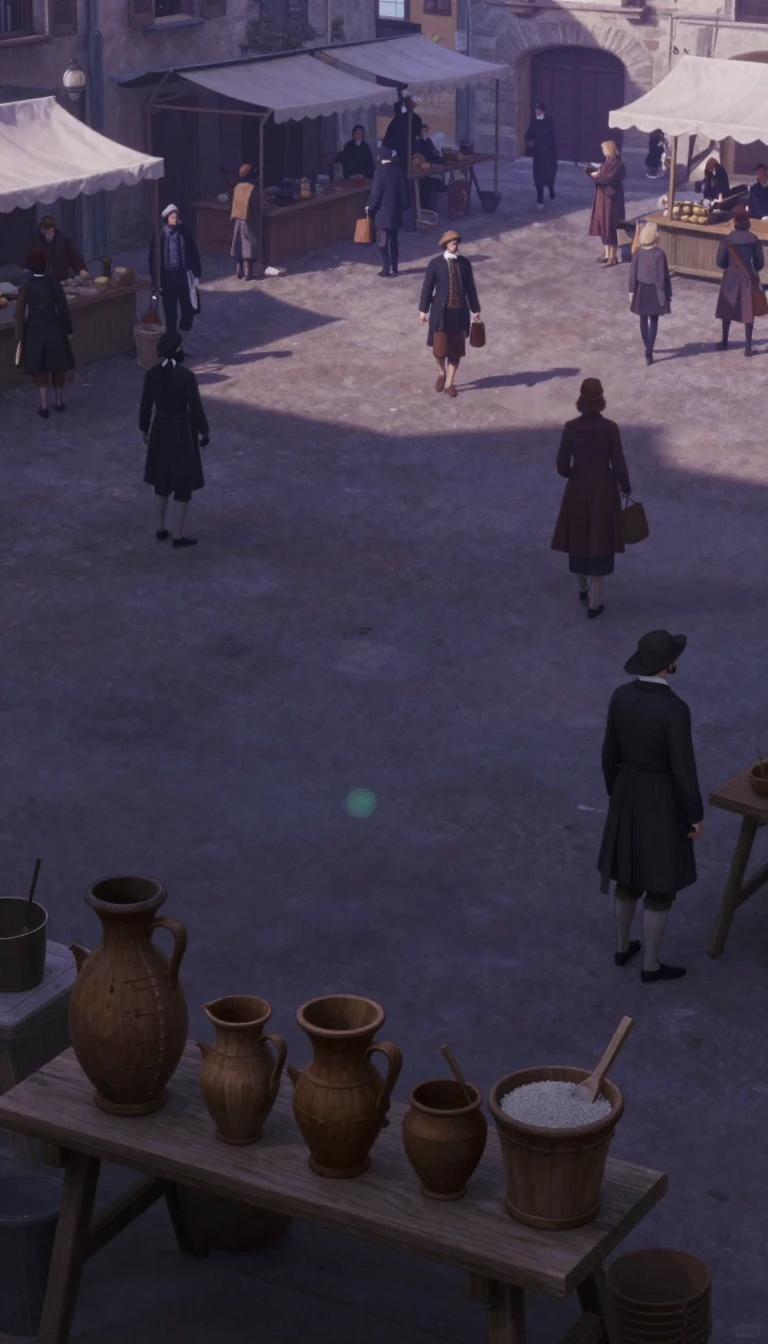 The unexpected, progressive DNA of a 17th-century Dutch outpostBefore it was New York, it was New Amsterdam—a commercial outpost driven by the fur trade. While often viewed through the lens of colonial conquest, the settlement’s early years w…
 The unlikely migration of the anti-Stalinist left to the American rightNeoconservatism is often viewed as a pillar of Republican foreign policy, yet its architects were once disillusioned liberals and moderate socialists. Born from a rejection of 196…
 How the rise of urban policing birthed the modern detective novelBefore the Industrial Revolution, crimes in small towns were often solved quickly by local constables. But as cities swelled, the need for professional investigators grew, creatin…
 Was the United States nearly a monarchy?While we celebrate the Republic, America's founding was fraught with royal ambitions. From George Washington being urged to take the crown to proposals for a Prussian prince, the …
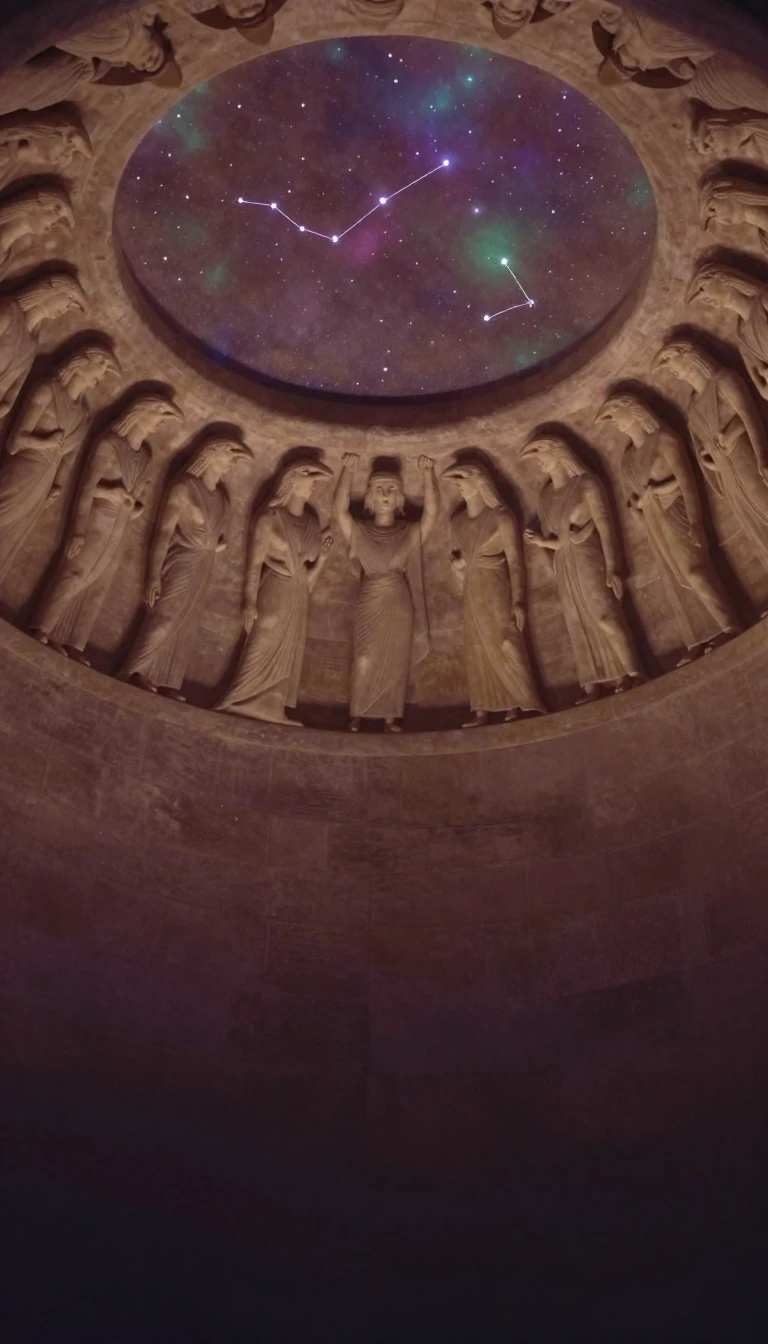 The underground cult that once rivaled early ChristianityBefore the rise of the Church, a mysterious brotherhood of soldiers and merchants met in subterranean caves. They shared ritual meals, swore sacred oaths, and worshipped a god def…
 The surprising history of how a colonial monopoly created India's favorite spiced teaToday, masala chai is a global icon, but it wasn't always a recreational staple. Originally viewed as an herbal medicine, tea's transformation into a sweetened, spiced beverage wa…
 Is this nursery rhyme a coded record of human sacrifice?We all know the melody, but the origins of London Bridge Is Falling Down are far from playful. From Viking raids to theories of burying children in bridge foundations, the lyrics …
 The human-powered engines that once drove global empiresBefore railways and steamships, the world moved on shoulders. From the silk-curtained palanquins of India to the elite sedan chairs of London, these wheelless vehicles were more t…
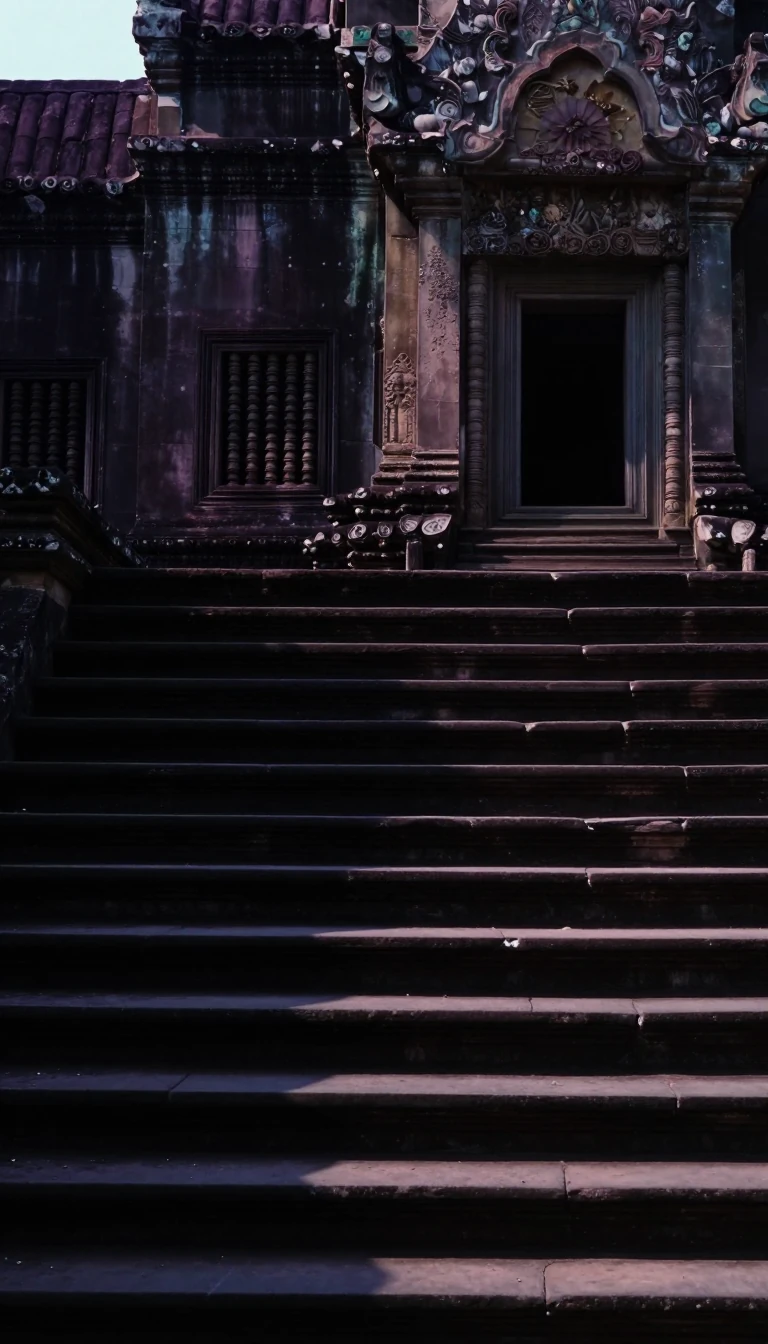 The revolutionary shift from political quietism to the rule of the juristFor over a millennium, Twelver Shia theologians practiced political quietism, waiting patiently for the hidden Twelfth Imam. Then came Ruhollah Khomeini. He didn't just propose a …
- The modern life of a man without a throneBorn into the shadow of the Austro-Hungarian Empire, Karl von Habsburg lives a life of contradictions. He is a former European Parliament member, a military captain, and a cultura…
- The éminence grise: How a twin brother became Poland's unofficial chief of stateHe rarely held the highest office, yet for years, Jarosław Kaczyński was the most powerful man in Poland. From anti-communist dissident to the architect of a 'moral revolution,' d…