 Intellect Plus
Ideas & Philosophy
17,867 cards. Each one is a 40-second story with a five-minute read behind it. Page 172 of 298.
Subtopics: Abrahamic religions · Artificial intelligence · Attention · Classic philosophy · Cognitive biases · Consciousness · Cooperation · Cynicism · Decision making · Decision theory · Descartes · Dharmic religions · Dreams · Eastern philosophy · Eastern religions · Epistemology · Ethics · Evidence · Existentialism · Fairness · Famous psychology experiments · Free will · Game theory · Greek mythology · Historians · Identity · Infinity · Justice · Logic · Logical fallacies · Mathematics · Medieval philosophy · Mind · Mythology · Mythology of the ancient world · Other religions · Paradoxes · Philosophers · Philosophers, historians, political and social scientists · Philosophy · Philosophy of mind · Philosophy of science · Political philosophy · Probability · Psychology · Reality · Religion · Religion and spirituality · Religious figures · Self knowledge · Statistics · Stoicism · Strategy · Taoism · Thought experiments · Trivia & curiosities · Truth · Utopias & ideal worlds · Wellbeing · World religions · Writers
 Why the Copernican Revolution was actually a victory of mathematical infiltration, not immediate truth.Nicolaus Copernicus did not just move the Earth; he challenged the very definition of scientific reality. While his heliocentric model eventually dismantled the geocentric univers…
 The horn of plenty: how an ancient goat's broken horn became a global symbolThe cornucopia is more than a Thanksgiving centerpiece. Rooted in classical mythology, this horn-shaped vessel represents divine abundance and prosperity. From the nursing goat of…
 Cosmogony: Why we struggle to define the beginning of our universeCosmogony seeks to explain the origin of the universe, yet it remains a field where ancient myth and modern physics collide. While science uses the Big Bang to map our past, it hi…
 Is freezing your body after death a scientific breakthrough or a modern form of quackery?Cryonics promises a second chance at life through ultra-low temperature preservation. While proponents argue that future nanotechnology could one day revive the dead, the mainstre…
 Why the most taboo word in English was once just a street nameLong before it became a modern profanity, the word was a neutral anatomical term and even a common address for medieval streets. Today, it remains a linguistic chameleon, shifting…
 Why a Roman donkey story became the ultimate allegory for the human soulOriginally a ribald tale embedded in a 2nd-century novel about a man transformed into a donkey, the myth of Cupid and Psyche evolved into a profound meditation on love and mortali…
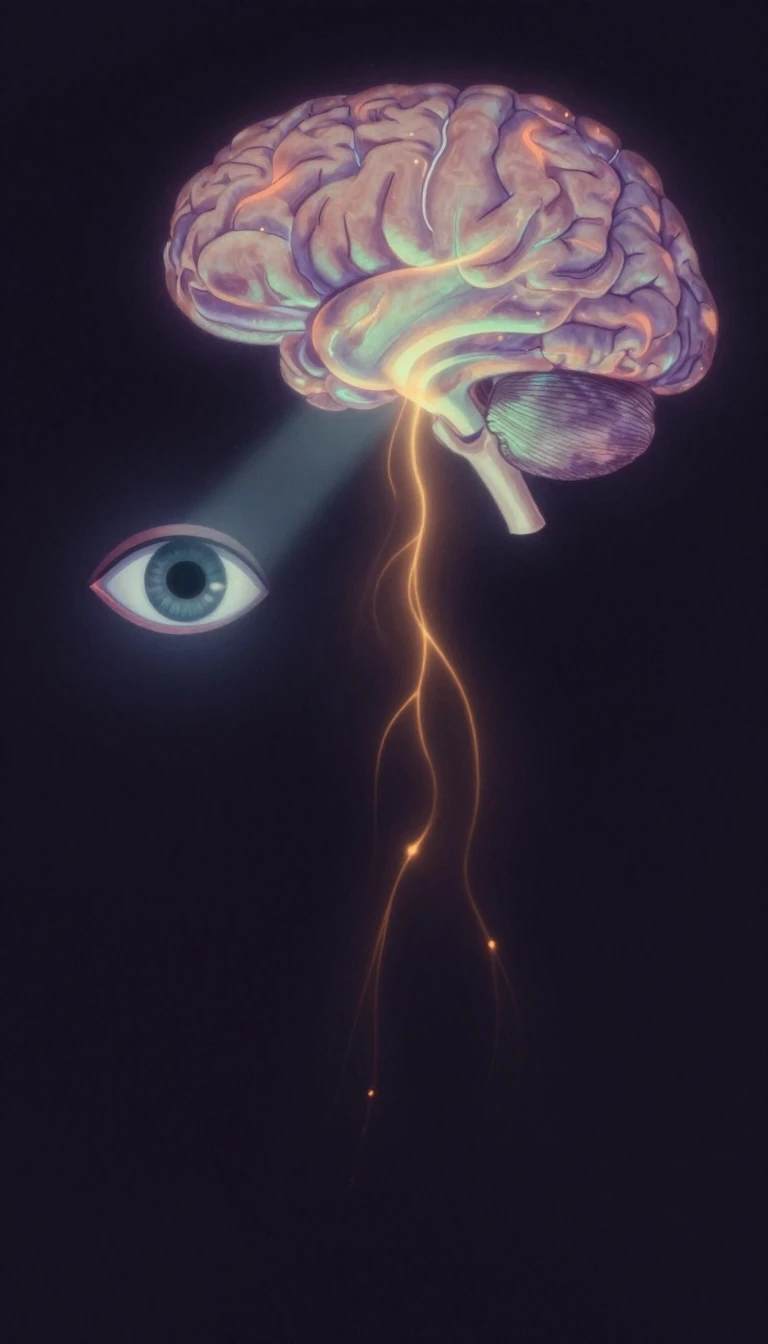 Why your brain occasionally tricks you into believing you have lived this moment before.Déjà vu is a fleeting, false sense of familiarity that strikes nearly everyone. It occurs when your brain misfires, blurring the boundary between a new experience and a stored mem…
 How a 19th-century Irish fishing village pioneered the global standard for competitive yacht racing.Dún Laoghaire is more than a coastal suburb of Dublin. It is the birthplace of the one-design sailing concept, a revolutionary idea that ensured winners were determined by skill r…
 The secret history of the Dönme: crypto-Jewish converts who shaped modern TurkeyIn 1666, a self-proclaimed Jewish messiah converted to Islam under pressure from the Ottoman Sultan. Many of his followers did the same, forming a clandestine sect known as the Dö…
 How the Grand Old Man of India challenged the British Empire from withinDadabhai Naoroji was a trailblazing merchant and scholar who became the first Asian Member of Parliament in Britain. Beyond his political milestones, he pioneered the drain theory…
 The daimon was not a demon, but a mysterious force between god and man.In ancient Greece, the daimon was a fluid, often invisible power that defied simple categorization. Far from the later, malevolent connotations of the word demon, the daimon repre…
 From Hollywood Replicant to Frontline Activist: The Unconventional Path of Daryl HannahDaryl Hannah’s career spans from iconic science fiction roles to relentless environmental advocacy. Beyond her performances in Blade Runner and Kill Bill, she has faced institutio…
 Dasein: Why Martin Heidegger believed human existence is a constant, urgent philosophical questionDasein is a German term meaning being-there, used by Martin Heidegger to describe the unique way humans exist. Unlike objects, humans are aware of their own mortality and the para…
 Why does the feeling of being alive exist, and can science explain it?David Chalmers is the philosopher who famously defined the hard problem of consciousness. He argues that while we can map the brain's physical functions, explaining why those proc…
 Is decadence a moral failure, or simply the inevitable exhaustion of a civilization?The term decadence has evolved from a neutral description of decline into a loaded weapon of cultural criticism. While often used to condemn perceived moral rot, historians and ph…
 A definition is not the meaning of a word, but a way to convey it.We often mistake definitions for the essence of things, but they are merely tools for communication. Whether you are pointing at a rabbit or calculating the properties of a triang…
 How a massive influx of foreign workers transformed Saudi Arabia's demographic landscapeSaudi Arabia has undergone a radical demographic shift, evolving from a largely nomadic society into a global hub for international labor. Today, over 40% of the population are no…
 The Roman Empire was a demographic pressure cooker of high mortality and constant migrationThe Roman Empire sustained a population of up to 76 million people despite a brutal mortality regime where half of all children died before age ten. This high-turnover society rel…
 Can a socialist state embrace capitalism to achieve prosperity without losing its ideological soul?Deng Xiaoping Theory transformed China from a closed command economy into a global powerhouse. By blending Marxist-Leninist roots with pragmatic market reforms, Deng argued that s…
 Why Denmark’s green energy transition is clashing with its rural heartlandDenmark is a global leader in wind power, yet its solar energy transition has sparked a fierce political backlash. Known as fields of iron, these massive solar parks have become a…
 Derek and the Dominos: The tragic, short-lived supergroup born from unrequited loveFormed in 1970 to escape the suffocating fame of previous bands, Derek and the Dominos produced one of rock's most enduring albums. Yet, the group was plagued by internal paranoia…
 Why early Christian hermits fled to the desert to build an alternative societyBeginning in the third century, thousands of Christians retreated into the Egyptian wilderness to escape the comforts of a newly legalized religion. By trading material possession…
 Bob Dylan’s Desire: A chaotic studio experiment that became a legendary folk-rock masterpieceReleased in 1976, Desire stands as one of Bob Dylan’s most collaborative and controversial records. Born from a haphazard, multi-musician recording process and a unique songwritin…
 Was the Greek flood hero Deucalion a real king or a mythic archetype?Deucalion is the central figure of Greek flood mythology, often compared to Noah. While some ancient accounts depict him as a legendary king who founded cities, others suggest his…
 Who was the Deuteronomist, the mysterious architect behind the foundational books of the Bible?The Deuteronomist is not a single person, but a source or school of thought identified by biblical critics. This group shaped the core of Deuteronomy and the historical books from…
 Devi is not just a goddess; she is the supreme power of the Hindu cosmos.While often paired with male deities, Devi represents the divine feminine as the ultimate truth. From the ancient Vedas to medieval Puranas, she evolved from a collection of cosmi…
 Was the Devil originally a loyal servant of God rather than a cosmic rebel?The figure of Satan underwent a profound transformation in religious history. Initially appearing in Hebrew scripture as a divine agent tasked with testing humanity, he later evol…
 Can a single book redefine the human mind and offer a complete mental cure?In 1950, L. Ron Hubbard published a work claiming to have unlocked the secret to human existence: the drive to survive. By identifying the reactive mind as the source of all menta…
 The failed poet who mentored Adolf Hitler and crafted the Nazi messiah mythDietrich Eckart was a morphine-addicted playwright who transformed from a failed artist into the spiritual architect of Nazism. He mentored a young, unpolished Adolf Hitler, teach…
 Why some letter pairs are treated as single letters in the alphabetA digraph is a pair of characters that function as a single unit, representing one sound or a unique sequence. While often just a spelling convention, some languages elevate these…
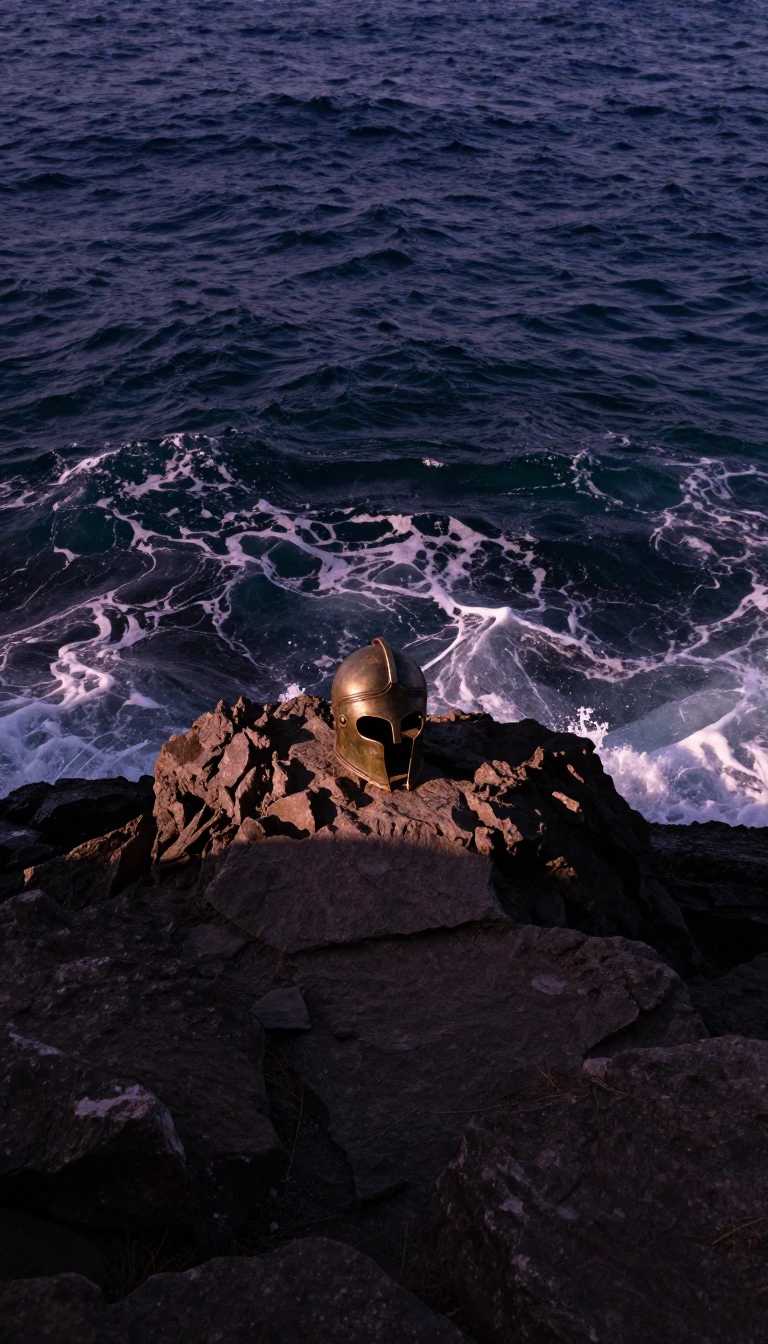 The Greek hero who fought gods and won, yet remained a model of restraint.Diomedes is often overshadowed by Achilles, yet he was arguably the most accomplished warrior of the Trojan War. A master strategist and the only mortal besides Heracles to wound …
 Why Disney's 'XD' Channel Has No Meaning and a Shrinking Global FootprintLaunched in 2009 to replace Toon Disney, Disney XD was designed to capture a pre-teen audience with a name chosen simply for its cool factor. While it once reached 82 million hous…
 England's local government is shifting toward a unified system of unitary authoritiesEngland's local government is a complex patchwork of districts, but the landscape is changing. While two-tier systems once dominated, the government is now moving toward an entire…
 Is divine retribution a literal act of cosmic justice or a metaphor for consequence?Across human history, cultures have grappled with the idea of supernatural punishment. From the great floods of ancient myth to the specific curses of the Tanakh, the concept of d…
- Did Jesus only seem to be human? The ancient mystery of Docetism explainedEarly Christian history was marked by a radical, controversial belief: that Jesus Christ was never truly human. Known as Docetism, this doctrine argued that his physical form was …
- How a disgraced Hollywood producer became the definitive voice of high-society true crimeDominick Dunne’s life was defined by two distinct acts: a chaotic career as a Hollywood producer and a second life as a celebrated investigative journalist. Driven by the tragic m…
 Doric Greek was the expansive, diverse language family that defined the ancient Hellenic world.Far from a monolithic tongue, Doric was a vast group of dialects spoken from the mountains of Epirus to the colonies of Sicily. While Attic-based Greek eventually dominated, Doric…
- Dumfries: The Scottish market town that shaped a kingdom and survived centuries of conflict.Known as the Queen of the South, Dumfries is a historic royal burgh with a legacy of rebellion and resilience. From the site where Robert the Bruce ignited the war for Scottish in…
 How a struggling, unlettered shoe salesman became the architect of modern mass revivalism.Dwight L. Moody rose from humble, impoverished beginnings to command audiences of up to 30,000 people. By blending business acumen with evangelical fervor, he transformed how reli…
 From cursed nymph to disembodied sound: the shifting legacy of EchoIn Greek mythology, Echo was a vibrant nymph whose chatter once protected her friends from Hera’s wrath. Yet, for her interference, she was stripped of her voice, condemned to rep…
 Ecofeminism reveals how the same systems that exploit nature also oppress women globally.Ecofeminism is not just environmentalism; it is a political framework linking the domination of the natural world to the subordination of women. By analyzing shared patterns of co…
 From Imperial Wealth to Modern Resilience: The Transformation of the Portuguese EconomyOnce the world's richest nation, Portugal’s economy spent centuries in decline before a radical 20th-century pivot. Today, the nation has moved beyond its colonial past, embracing…
 The Edict of Milan did not make Christianity the official religion of RomeHistory remembers the Edict of Milan as a landmark for Christianity, yet it was never a formal decree, nor did it establish the faith as the state religion. Instead, it was a prag…
 Was the architect of the Holocaust a monster, or merely a thoughtless bureaucrat?Hannah Arendt’s 1963 report on the trial of Adolf Eichmann challenged the world to reconsider the nature of evil. By observing the man behind the Final Solution, she proposed that…
 How a meteoric rise and plagiarism accusations defined the legacy of Britpop band ElasticaFormed in 1992, Elastica became a sensation with their record-breaking debut album. Yet, their trajectory was marred by internal strife, addiction, and high-profile plagiarism cla…
 From student activist to Supreme Court Justice: the trajectory of Elena KaganBefore she was a Supreme Court Justice, Elena Kagan was a student leader at Princeton calling for university reform and a law dean reshaping Harvard. Her path from a New York City…
 Why a South London landmark is named after a pub, not a royal princessThe name Elephant and Castle is a London staple, often mistakenly linked to Eleanor of Castile. In reality, the moniker likely stems from a random choice by an 18th-century public…
 How a childhood rivalry with her brother propelled Elina Svitolina to tennis stardomElina Svitolina became the first Ukrainian to reach the world top ten, a journey sparked by a simple desire to reclaim her father's attention from her older brother. From her earl…
 Does democracy actually exist, or is power always concentrated in the hands of few?Elite theory suggests that power in modern societies is not distributed among the masses, but concentrated within small, organized groups. From ancient political philosophy to mod…
 How a rejected ballet dancer became one of the world's most compelling screen actorsStanding nearly 6 feet 3 inches tall, Elizabeth Debicki realized early that her height made a professional ballet career impossible. She pivoted to acting, transforming her physic…
- Beyond the nativity story, who was Elizabeth, the mother of John the Baptist?Elizabeth is a pivotal figure in the Gospel of Luke, yet she remains a mystery outside of her role as the mother of John the Baptist. As a relative of Mary and a woman of priestly…
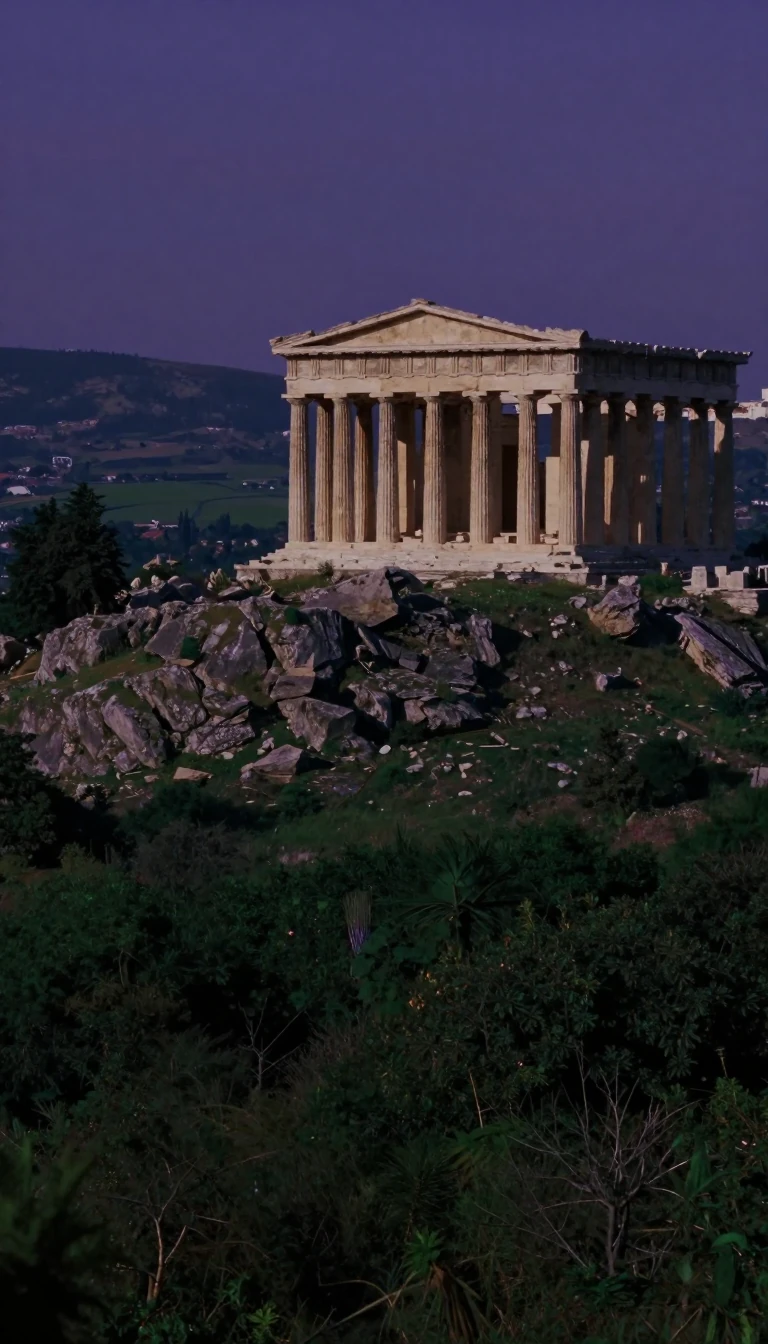 Elysium: From a Mythical Afterlife for Heroes to a Modern Symbol of LuxuryOriginally a restricted paradise for the heroic and divine, Elysium evolved from a shadowy Greek underworld concept into a versatile cultural shorthand for perfection. Whether as …
 How a California novelist turned a $2 million advance into a literary careerEmma Cline arrived on the literary scene with a record-breaking deal and a debut novel that captivated the public. Yet, her rise was marked by more than just commercial success; i…
- Was the 21st Emperor of Japan a bloodthirsty tyrant or a visionary state builder?Emperor Yūryaku, the first archaeologically verifiable Japanese sovereign, remains a figure of intense debate. Ancient chronicles paint him as a volatile, murderous ruler, yet mod…
 What actually exists? The philosophical puzzle of defining an entityAn entity is anything that exists, from a specific apple to the number seven. Yet, philosophers argue over whether empty space, shadows, or fictional characters qualify. Understan…
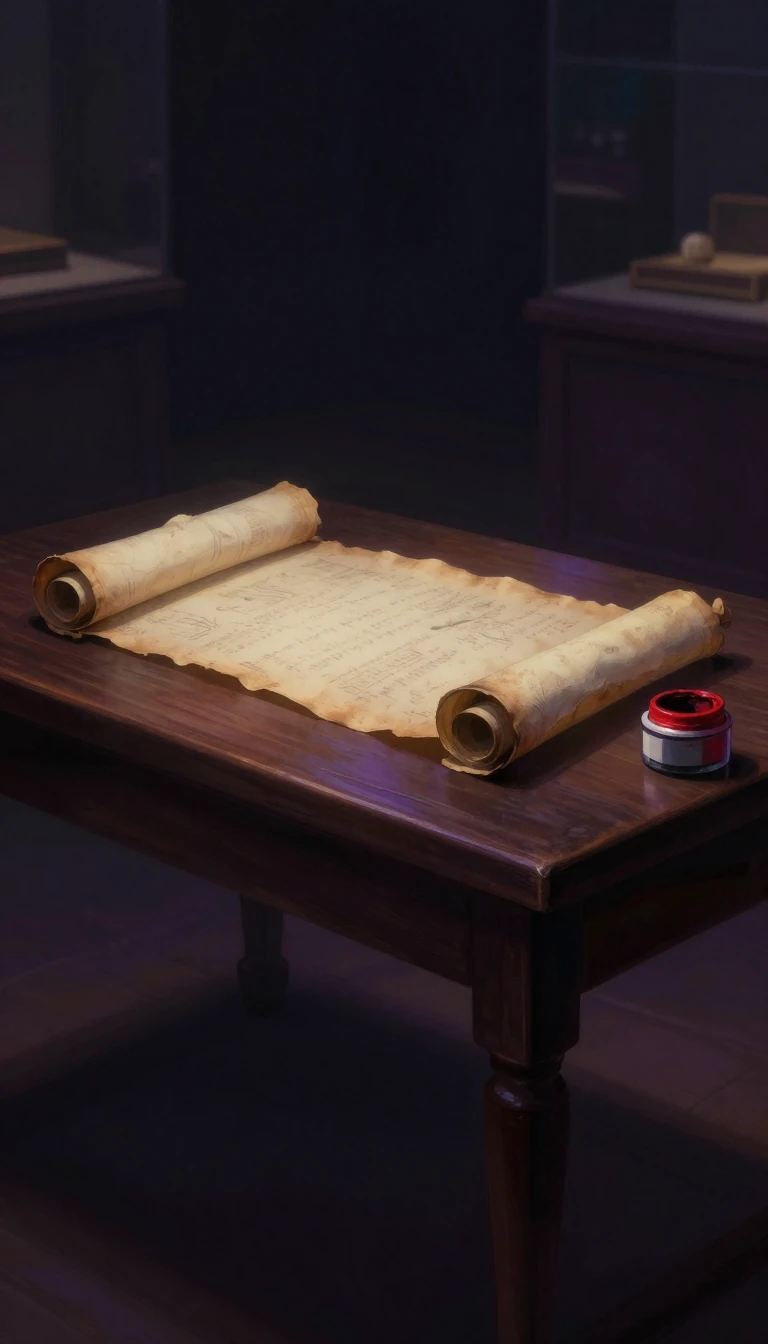 The ancient art of the epistle: more than just a formal letterLong before digital correspondence, the epistle served as a sophisticated literary genre. From Egyptian scribal schools to the foundational texts of early Christianity, these form…
- Equanimity is not a static state of cold indifference but a dynamic mental mobilityOften mistaken for dry neutrality or aloofness, true equanimity is a vibrant, active engagement with reality. Far from being a passive shield against emotion, it is a sophisticate…
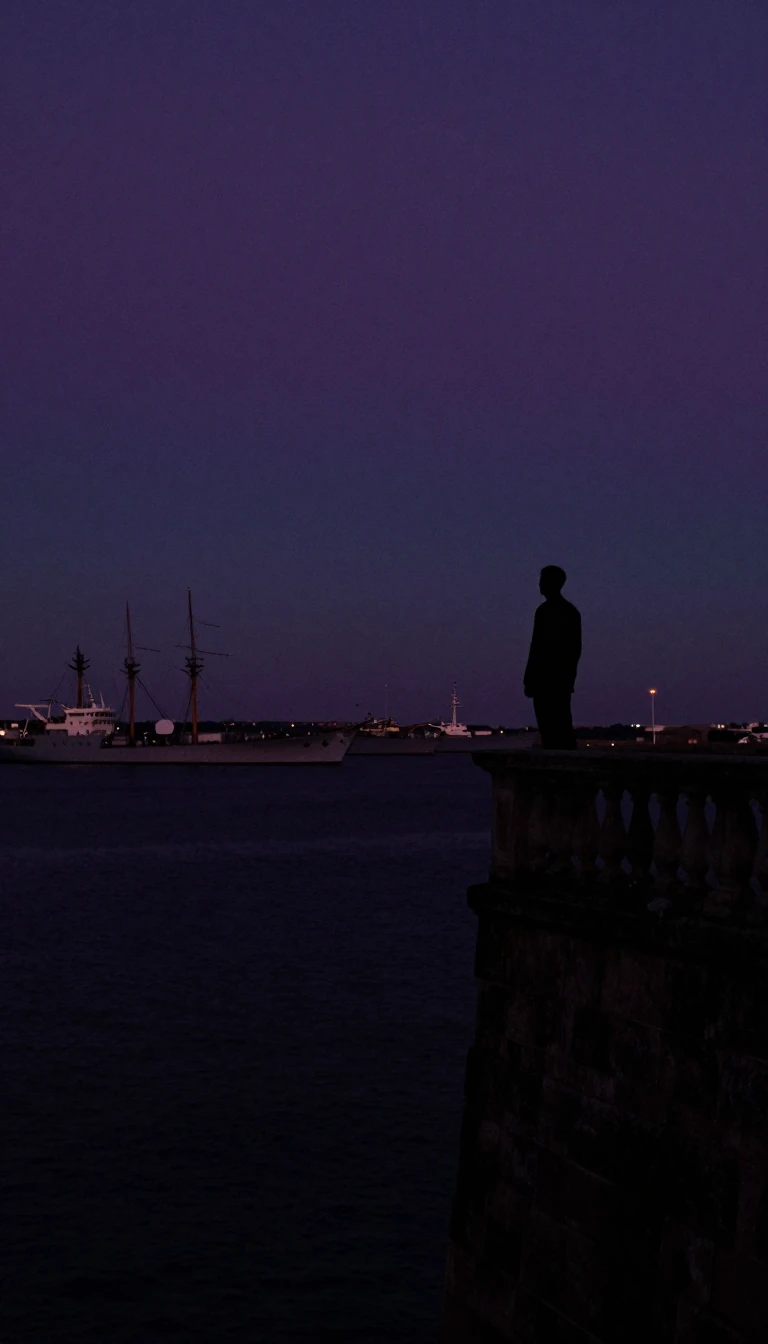 How a quiet Portuguese coastal town became the ultimate sanctuary for Europe's displaced royaltyEstoril is more than a luxury tourist destination on the Portuguese Riviera. During the Second World War, this strategic enclave transformed into a clandestine hub for spies and a…
 Your ears are connected to your throat by a hidden, pressure-equalizing anatomical valveDeep inside your head lies a narrow, complex passage that protects your hearing by balancing air pressure. When this tube fails to open, you experience muffled sounds, vertigo, or…
 How Three Distinct Lutheran Traditions Merged to Create a Unified American ChurchThe Evangelical Lutheran Church in America, the nation's largest Lutheran denomination, was not born overnight. It emerged in 1988 from a complex, century-long history of ethnic c…