 Intellect Plus
Geology
572 cards. Each one is a 40-second story with a five-minute read behind it. Page 7 of 10.
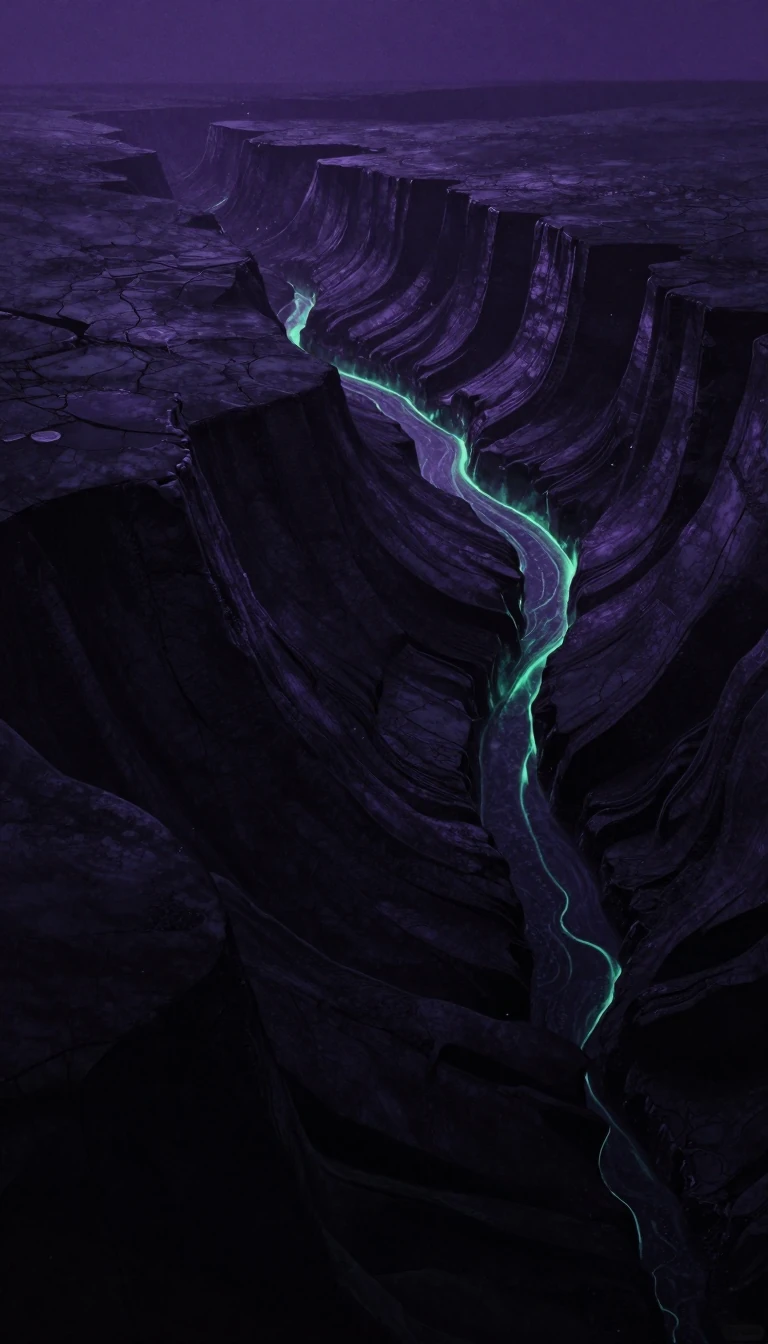 The North American plate is not just a solid slab of moving rock.While we often imagine tectonic plates as monolithic rafts, the North American plate reveals a complex, shifting mosaic. From the gradual transition of its western boundary to mys…
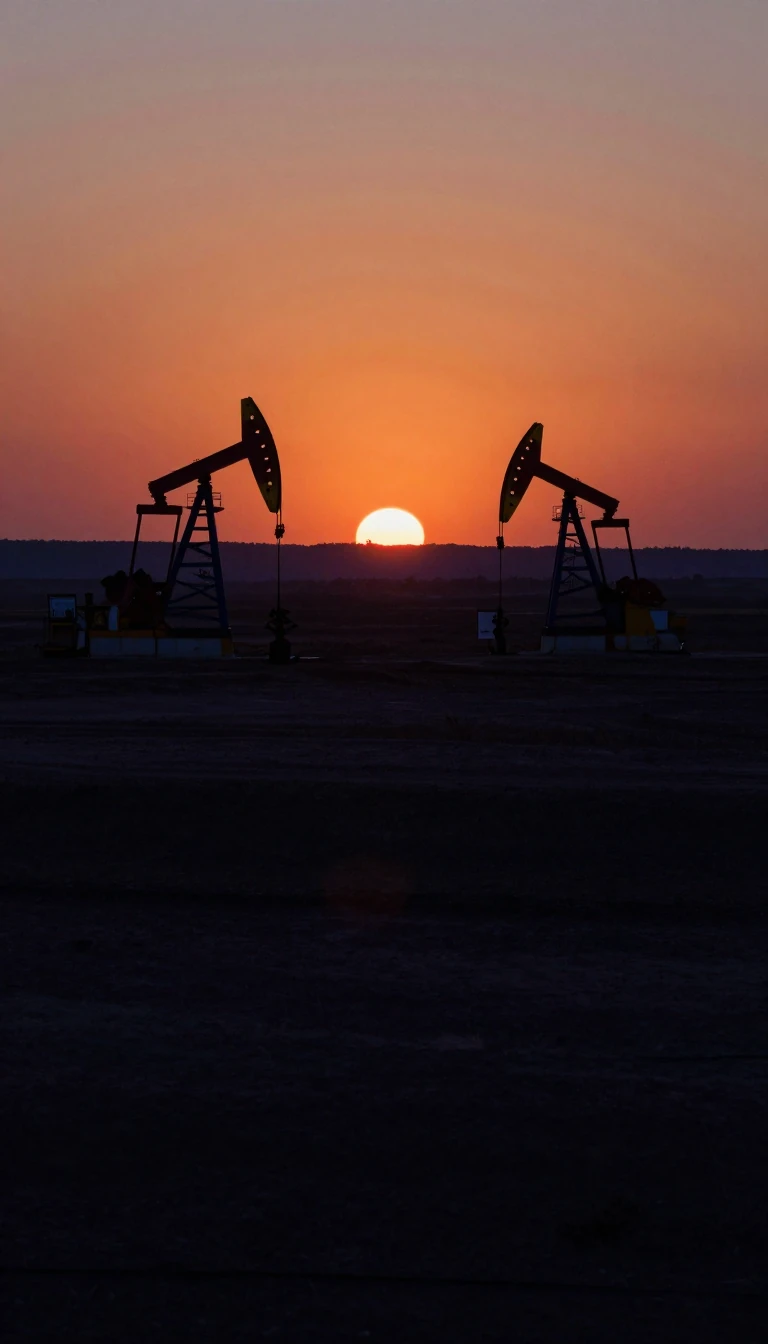 Why the world’s largest oil reserves are actually thick, sticky, and ancient molassesOil sands are not just a fuel source; they are a geological anomaly. These vast, unconventional deposits consist of sand and water saturated with bitumen, a viscous form of petrol…
 Is the Okhotsk plate a distinct tectonic entity or part of North America?Geologists are debating whether the Okhotsk plate is an independent tectonic block or merely the western edge of the North American plate. This minor plate, which encompasses part…
 This common mineral makes up the bulk of the Earth's upper mantleOlivine is more than just a pretty green gemstone. As the most abundant mineral in the Earth's upper mantle, it dictates the flow of solid rock that drives plate tectonics. Beneat…
 The black onyx in your jewelry is likely a clever chemical deceptionTrue onyx is a rare, naturally banded silicate mineral, yet most of what you see on the market is actually common agate treated with sugar and acid. This ancient technique, docume…
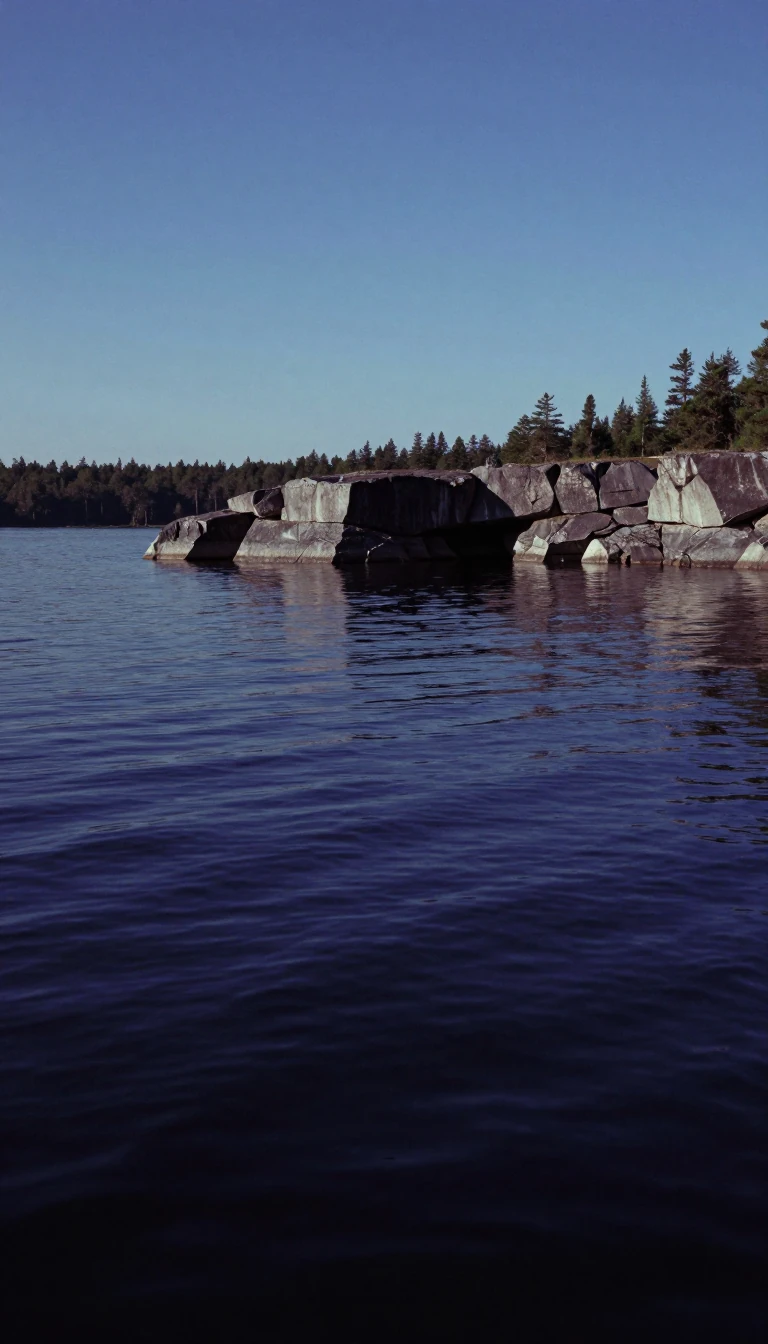 These tiny, egg-shaped stones are the secret building blocks of iconic architectureOolite, a rock formed from microscopic, spherical grains called ooids, is far more than a geological curiosity. These sugar-sized particles, born in turbulent, shallow waters, hav…
- Why the world's most mesmerizing gemstone is technically just a pile of glass spheresOpal is not a mineral, but a mineraloid—a hydrated, amorphous form of silica. Its famous play-of-color is not a pigment, but a structural illusion created by light diffracting thr…
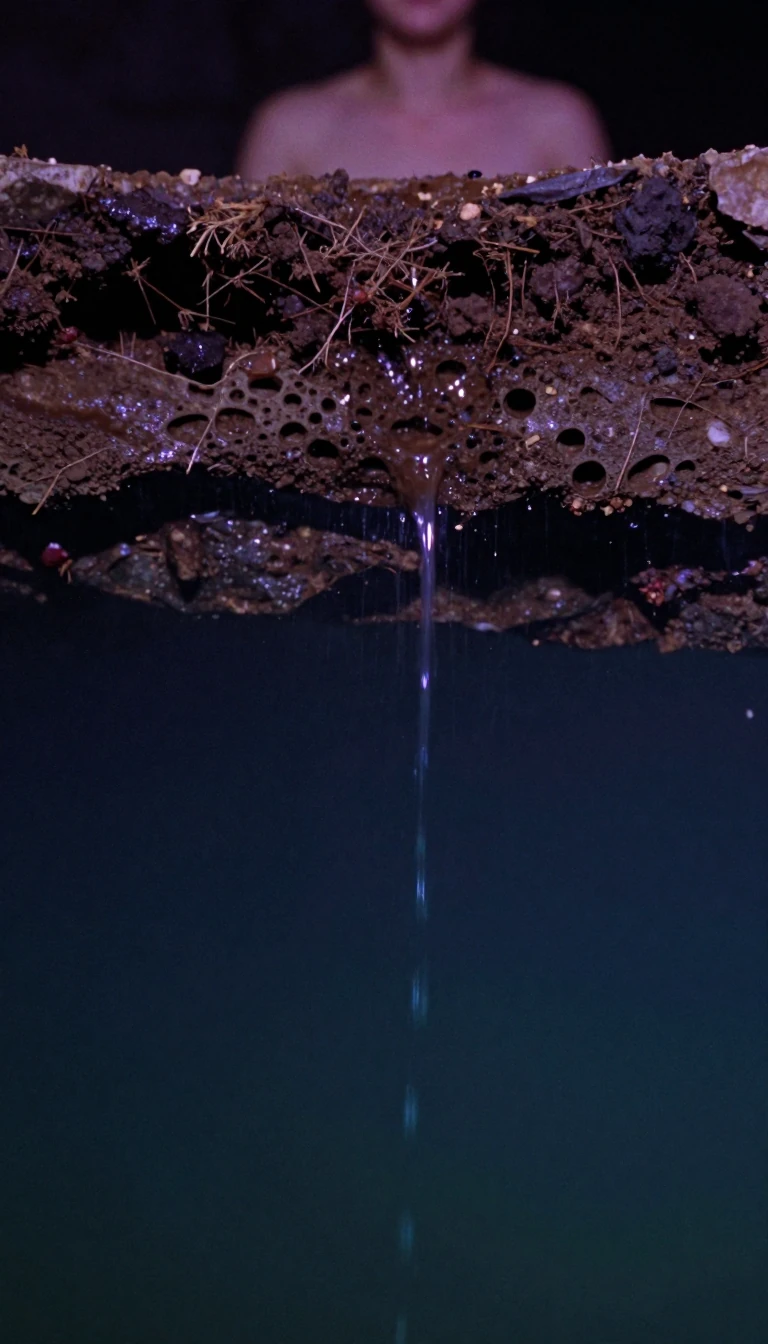 How molecular fossils in rocks reveal the secrets of Earth's ancient climate and lifeOrganic geochemistry tracks the transformation of biological matter over millions of years. By analyzing molecular fossils and biomarkers preserved in sediments, scientists recons…
 Mountains are not permanent fixtures but the scars of ancient tectonic collisionsMountains rise when tectonic plates collide, crumpling the Earth's crust like a rug. This process, known as orogeny, transforms sedimentary basins into towering peaks over tens of…
 This brilliant yellow mineral was once a prized pigment and a deadly alchemical secret.Orpiment, a vibrant arsenic sulfide, captivated artists from ancient Egypt to the Renaissance with its intense golden hue. Yet, this striking mineral is notoriously toxic and chem…
 Oxide minerals are the earth's hidden building blocks, defined by their oxygen-packed structures.Beyond simple rust, oxide minerals form a vast, diverse class of inorganic compounds. They are defined by their unique structural reliance on close-packed oxygen atoms, housing me…
 The fastest seismic waves are our best tool for mapping the Earth's hidden interior.P waves, or primary waves, are the first signals to reach a seismograph during an earthquake. Because they travel through solids, liquids, and gases, they act as a natural probe, …
- The Pacific Plate is a massive, shifting engine that shapes the Earth's largest ocean.Underneath the vast expanse of the Pacific Ocean lies a tectonic giant. This massive plate is not merely a static floor; it is a dynamic, moving entity that consumes its neighbors…
 Why this rare gemstone was mistaken for a common ruby for decadesPainite is a borate mineral so elusive that for half a century, only two faceted specimens were known to exist. Discovered in Myanmar by Arthur C.D. Pain, the stone was initially …
 Earth 3.5 billion years ago was a violent, water-covered world of microbial lifeThe Paleoarchean era, spanning 3,600 to 3,200 million years ago, offers our earliest glimpse into life on Earth. Amidst a landscape dominated by underwater crust and massive aster…
 Fifty-six million years ago, Earth experienced a massive, rapid spike in global temperatures.The Paleocene–Eocene Thermal Maximum stands as one of the most significant climate events in recent geological history. Occurring roughly 56 million years ago, this interval saw a…
 How ancient ice and coral reefs reveal the clockwork of Earth's climate historyEarth’s climate is not just a random sequence of weather, but a system governed by precise orbital mechanics. By analyzing ice cores, sea sediments, and fossilized reefs, scientis…
- Buried beneath the surface, ancient soils act as silent witnesses to Earth's deep history.A paleosol is a fossilized soil, preserved for eons under layers of volcanic ash or sediment. These subterranean time capsules offer geologists a rare, direct link to the atmosphe…
 Can we reconstruct the history of ancient hurricanes using only the earth beneath us?Paleotempestology attempts to map prehistoric storm activity by analyzing geological proxies like sediment layers. While researchers hope this data will reveal long-term recurrenc…
 Tiny sea snails are becoming the ocean's most precise new climate thermometersScientists have discovered that the shells of pteropods, small swimming sea snails, act as high-resolution recorders of past ocean temperatures. By analyzing the ratio of lithium …
 Did a massive, short-lived supercontinent once turn the world inside out?Geologists debate the existence of Pannotia, a proposed supercontinent that may have briefly united Earth's landmasses around 600 million years ago. If it existed, this giant land…
 Panthalassa: The colossal superocean that once defined our planet's entire surfaceBefore the modern Pacific existed, a single, hemisphere-sized ocean called Panthalassa wrapped around the supercontinent Pangaea. Covering nearly 70% of Earth, this ancient giant …
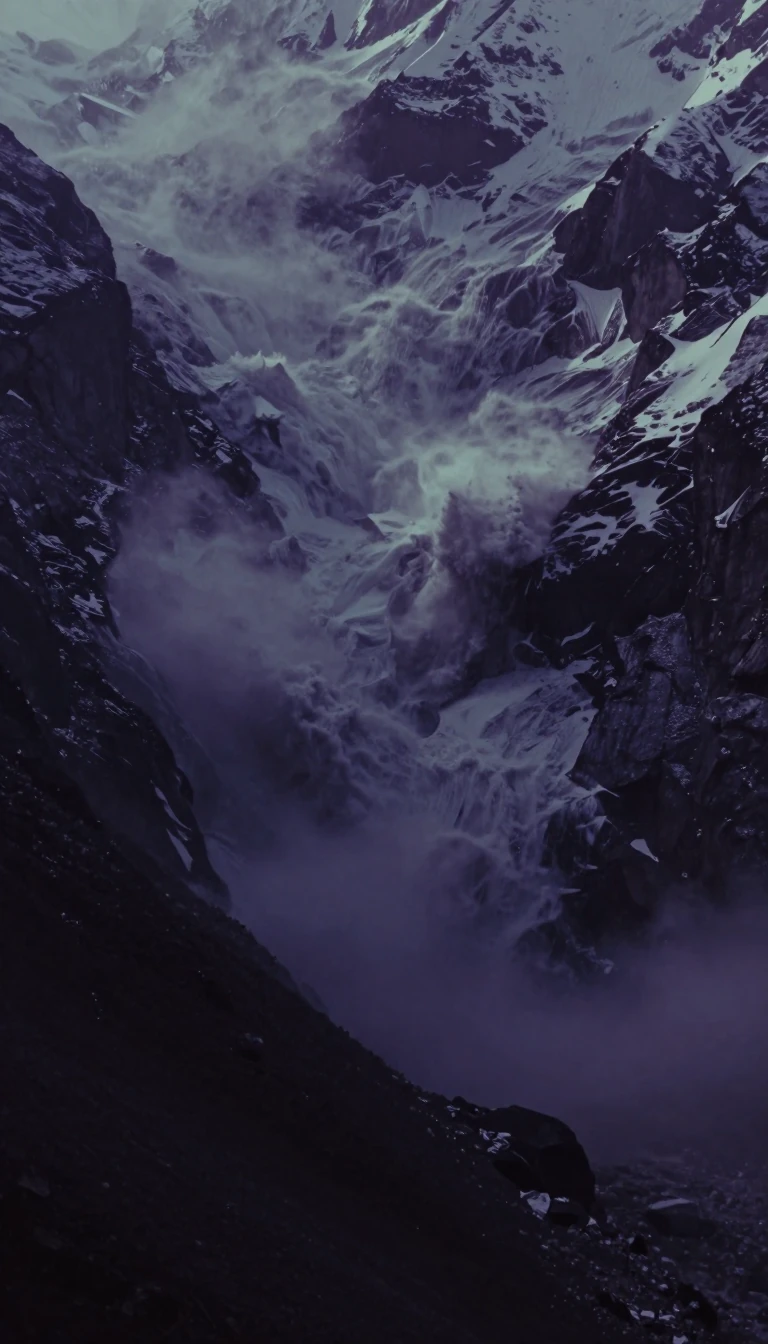 Partial melting is the hidden engine that reshapes the Earth's solid crustDeep beneath our feet, rocks do not always melt entirely. Instead, they undergo partial melting, a process where only specific minerals liquefy. This selective transformation crea…
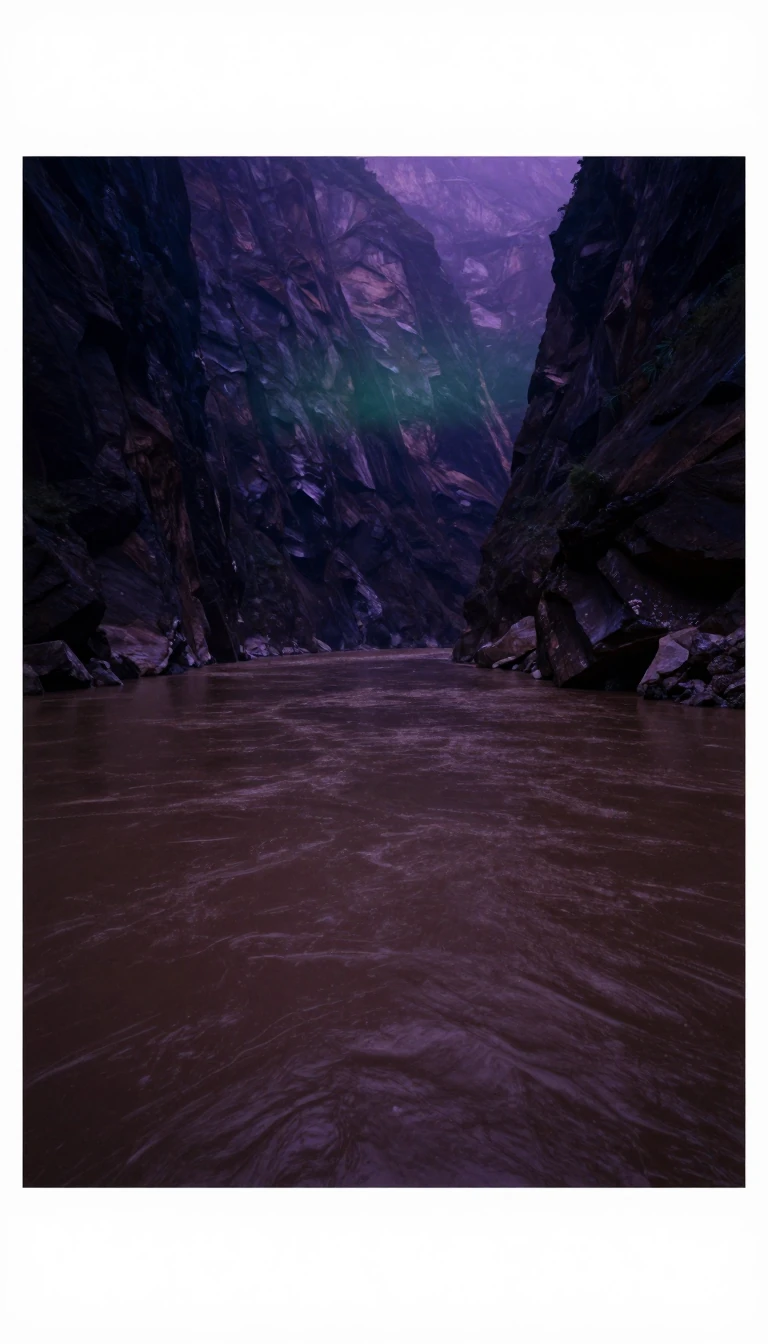 Passive margins are not inactive, but are the world's most productive geological frontiersFar from being geological dead zones, passive margins are dynamic, evolving structures that define the edges of our continents. They are the transition points between continental …
- Earth's rotating surface and shifting ice sheets have dictated sea levels for millions of years.Sea levels are not merely a product of melting ice. They are shaped by the complex interplay of planetary rotation, tectonic movement, and the massive weight of ice sheets pressin…
 Beyond the garden path: how pebbles reveal the history of Earth and MarsPebbles are more than decorative stones; they are geological time capsules. From the shingle beaches of England to ancient streambeds on Mars, these rounded clasts tell stories of…
 Soil is not just dirt; it is a complex, living record of Earth's history.Pedology, the study of soil, reveals that the ground beneath us is a dynamic, evolving system. Far from being a static medium for plants, soil acts as a critical interface between…
- Pegmatites are igneous rocks that grow crystals so large they weigh thousands of tons.While most igneous rocks cool into fine-grained textures, pegmatites defy the norm by producing gargantuan, interlocking crystals. These geological oddities form from the final, v…
 Pentlandite is the primary source of the nickel that powers our modern industrial world.This yellowish bronze mineral is the Earth's most significant nickel ore. Often found alongside pyrrhotite, it is the bedrock of stainless steel production and essential for moder…
 Peridot is one of only two gemstones formed in the Earth's molten mantleMost gemstones originate within the Earth's crust, but peridot is a rare exception. Born in the intense heat of the upper mantle, this olive-green gem is often carried to the surf…
- Peridotite is the dense, green engine of the Earth’s mantle and a diamond host.Deep beneath our feet, peridotite dominates the upper mantle, acting as a primary source for the planet's most precious treasures. This coarse-grained, ultramafic rock is not just…
 Could this mineral-inspired material finally make solar power cheaper than silicon?Perovskites are a versatile family of compounds that could revolutionize solar energy. By mimicking the crystal structure of a 19th-century mineral, these materials offer high eff…
 The Philippine Sea plate is Earth's most well-traveled tectonic record of the Cenozoic eraAs one of the largest marginal sea plates in Southeast Asia, the Philippine Sea plate has migrated over 2,000 kilometers northward from equatorial latitudes. This massive journey …
 Phosphate minerals are the unsung chemical workhorses of modern agriculture and industrial technologyBeyond their geological complexity, phosphate minerals are essential to human survival. While they form a vast, diverse class of crystalline structures, we rely heavily on a few s…
 The essential rock beneath our feet that fuels global food production and technologyPhosphorite is a sedimentary rock that powers modern life. From the fertilizers sustaining global agriculture to the rare earth elements critical for advanced technology, this una…
- This elusive mineral acts as a high-temperature thermometer for cooling volcanic magmaPigeonite is a rare, fleeting mineral that reveals the thermal history of igneous rocks. Because it only remains stable at high temperatures, its presence in volcanic stone serves…
 Plagioclase is the most common mineral group building the crust of our planet.Look closely at a piece of igneous rock and you are likely staring at plagioclase. This glassy, brittle mineral is not a single substance but a shifting spectrum of chemistry. It …
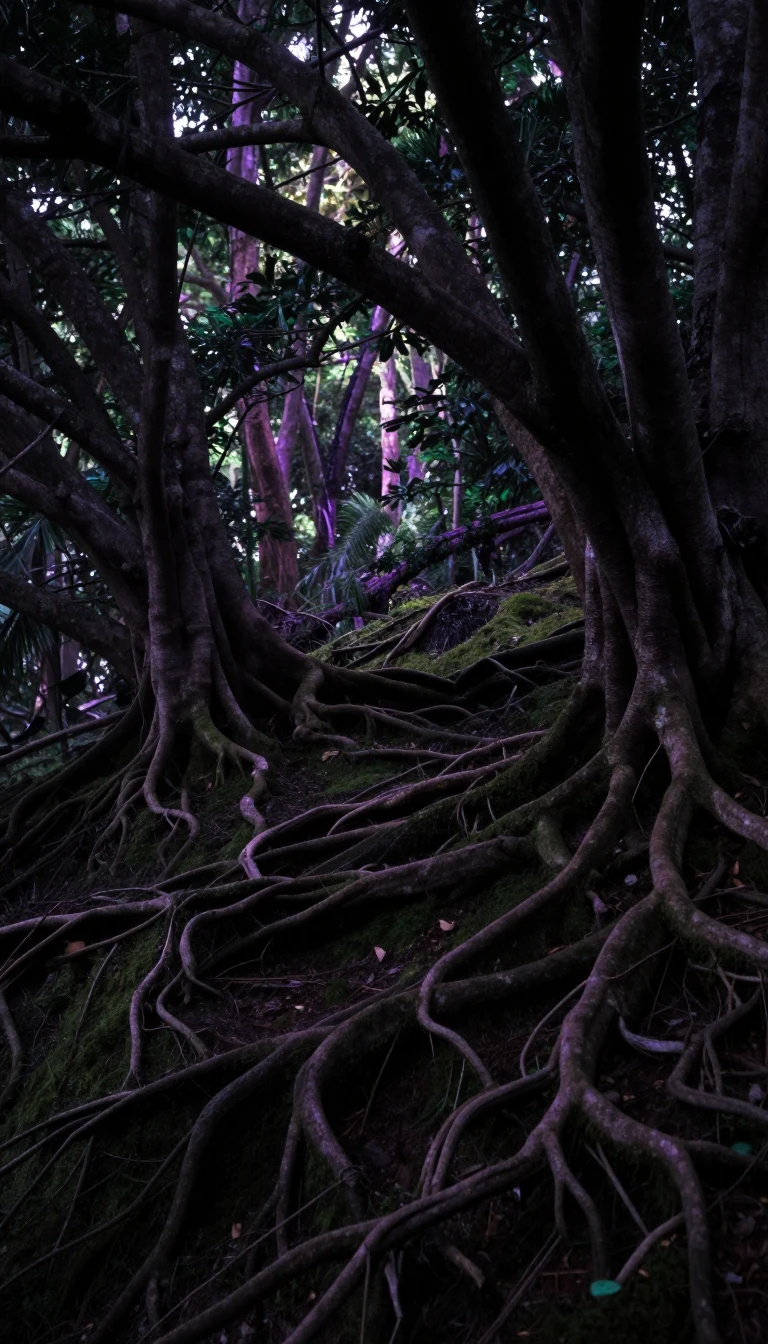 The thin layer of dead leaves on the forest floor is an ecosystem engine.Often overlooked as mere debris, plant litter is a vital biological machine. This accumulation of fallen leaves, twigs, and bark acts as a nutrient recycler, a moisture-retaining …
- Why Russian peasants named this soil after the ash hidden beneath the surfaceThe term podzol translates to under-ash, a name coined in 1875 by Vasily Dokuchaev. It describes the striking, bleached-grey layer that appears when farmers first plow virgin soil…
- Why this rare mineral is the primary source for the world's caesium supplyPollucite is a unique zeolite mineral that serves as the planet's most significant source of caesium. While often found in lithium-rich pegmatites, the vast majority of global res…
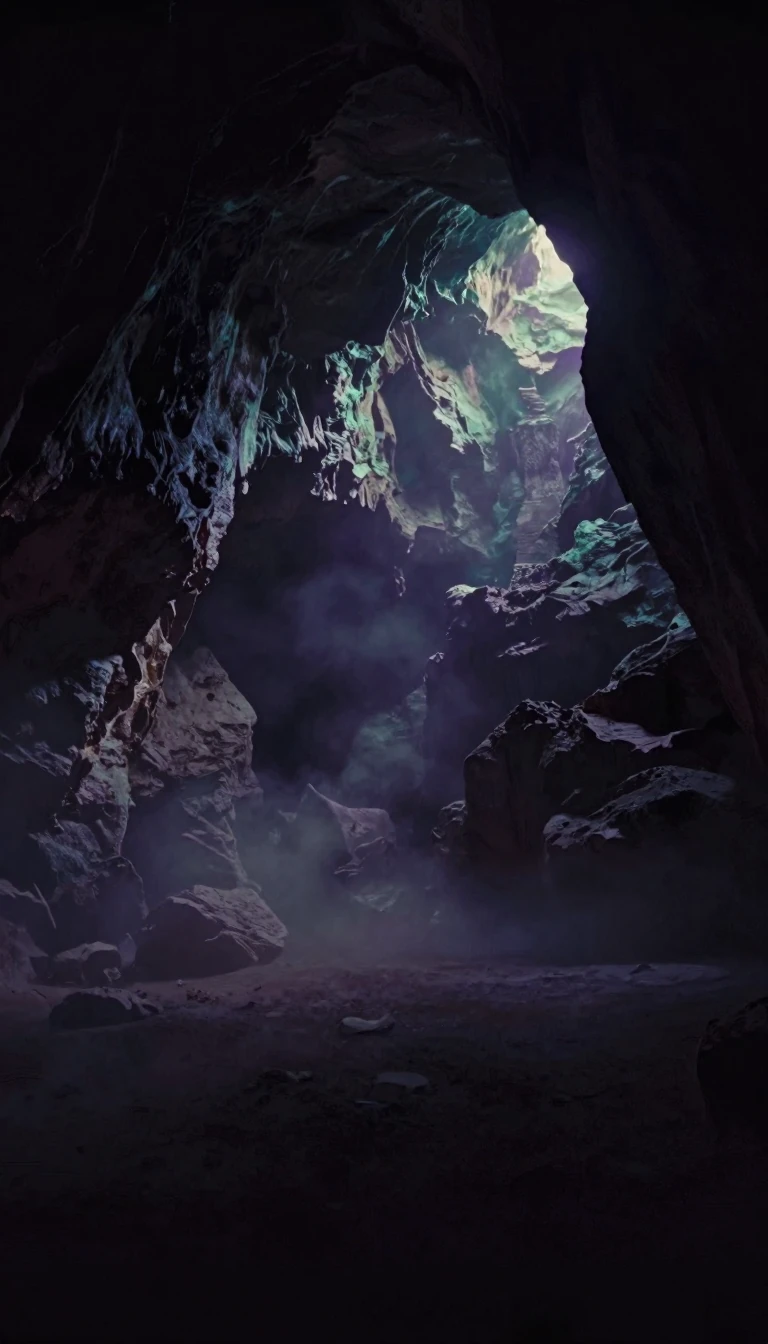 Why the solid ground beneath your feet is actually mostly empty spaceWhat appears to be a solid rock is often a complex lattice of hidden voids. Porosity, the ratio of empty space to total volume, dictates everything from how oil migrates through t…
- Porphyry is not a specific rock type, but a story of two-stage cooling.Porphyry is defined by its texture, not its chemistry. It features large, conspicuous crystals known as phenocrysts embedded in a fine-grained groundmass. This dual-sized structur…
 Earth is home to 286 ancient nuclides that predate the formation of our planet.Primordial nuclides are the atomic survivors of the solar nebula. While most are stable, 35 are radioactive isotopes that have persisted for billions of years. These ancient remna…
- How horizontal crustal movement creates deep, resource-rich depressions in the Earth's surfaceWhen tectonic plates slide horizontally past one another, they rarely move in perfectly straight lines. These jagged paths create step-overs and bends that literally pull the crus…
- This unassuming black mineral has been essential to human survival for tens of thousands of years.Pyrolusite, a common manganese dioxide ore, is more than just a modern industrial workhorse. While it is vital for steelmaking and battery production today, evidence suggests Nean…
 How scientists use the predictable decay of unstable atoms to clock Earth's ancient historyRadiometric dating turns radioactive decay into a precise geological stopwatch. By measuring the ratio of unstable parent isotopes to their stable daughter products, researchers c…
 Radium and its gaseous offspring radon are silent, naturally occurring hazards in our environment.Radium is a radioactive metal found in trace amounts in almost all soil and rock. As it decays, it transforms into radon, a gas that can accumulate in buildings and poses a signif…
 Realgar: The beautiful, toxic mineral that turns into dust in the lightKnown historically as ruby of arsenic, this vibrant orange-red mineral has been used for centuries as a pigment, medicine, and pesticide. Yet, its beauty is deceptive. Exposure to…
 How intense heat and pressure transform ordinary rocks into durable, crystalline masterpiecesDeep beneath the Earth's surface, rocks undergo a silent, solid-state metamorphosis. Without ever melting, minerals reorganize their internal structure to adapt to extreme environ…
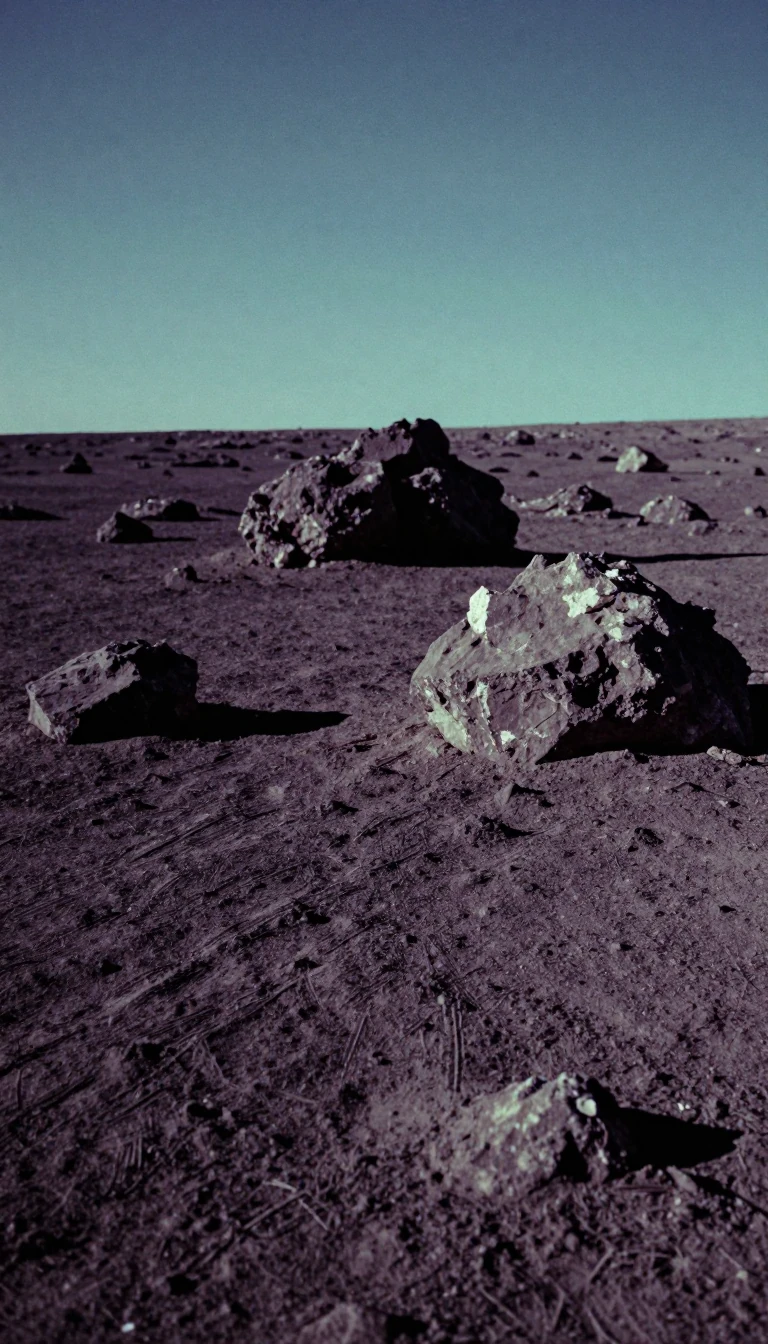 Regolith is the planetary blanket that makes life possible and hides vast mineral wealth.Derived from the Greek for blanket rock, regolith is the layer of loose dust and broken material covering solid bedrock. While we often call it soil on Earth, this geological mant…
 Before we could measure time in years, we mapped Earth's history through rock layers.Relative dating allows geologists to reconstruct the sequence of Earth's past events without needing numerical ages. By analyzing the relationships between rock strata and fossils…
- Remineralisation is the invisible engine that recycles life back into the ocean's food web.Every living thing eventually breaks down into its simplest inorganic parts. In the ocean, this process is called remineralisation. It is the vital mechanism that transforms organ…
- The lost ocean that once separated the continents and built the supercontinent PangaeaBefore the Atlantic existed, the Rheic Ocean dominated the Paleozoic world. Stretching across the globe, its birth and eventual closure reshaped Earth's geography, triggered massi…
 Why this rose-colored mineral was once discarded as trash by silver minersRhodochrosite is a striking manganese carbonate known for its vibrant rose-red hues. While prized today as a decorative stone and a national symbol in Argentina and Colorado, this…
 Why the Richter scale is a scientific ghost that still haunts modern news reportsThe Richter scale is a household name, yet it has been obsolete for decades. Devised in 1935 to compare moderate earthquakes in California, it fails to measure the world's largest…
- Rifts are the Earth's way of pulling itself apart to create new landscapes.A rift is a linear zone where the lithosphere stretches and breaks, forming deep valleys or even new oceans. These geological scars are not just tectonic curiosities; they are the…
 Ripple marks are nature's ancient shorthand for recording the movement of wind and water.Look closely at a sandy beach or a dry riverbed and you might see rhythmic, wave-like patterns. These are ripple marks, sedimentary structures that act as geological fossils. By a…
- The rock cycle is not just a terrestrial loop but a cosmic, interstellar process.For centuries, geologists viewed the rock cycle as a closed, Earth-bound system. Modern science reveals a far grander reality: rocks are part of a universal evolution, linking ste…
- How do we date the Earth's oldest rocks using the chemistry of ancient volcanoes?Rubidium-strontium dating is a powerful geological clock that tracks the radioactive decay of rubidium-87 into strontium-87. By measuring these isotopes in rock samples, scientist…
 Why this humble titanium mineral is the secret behind the world's most brilliant gemsRutile is more than just a common titanium ore; its microscopic needles create the mesmerizing star-like patterns in rubies and sapphires. While often hidden within other rocks, t…