 Intellect Plus
Geology
572 cards. Each one is a 40-second story with a five-minute read behind it. Page 3 of 10.
 Descending into the unknown: The search for hidden crystal cavesClimbers are pushing past the edge of known geography to explore a massive, unexplored shaft. This expedition seeks to uncover whether these subterranean depths house rare crystal…
 How tiny variations in oxygen isotopes reveal the history of Earth's ancient climateDeep beneath the ocean surface, microscopic shells hold a chemical diary of our planet's past. By measuring the ratio of oxygen-18 to oxygen-16, scientists can reconstruct ancient…
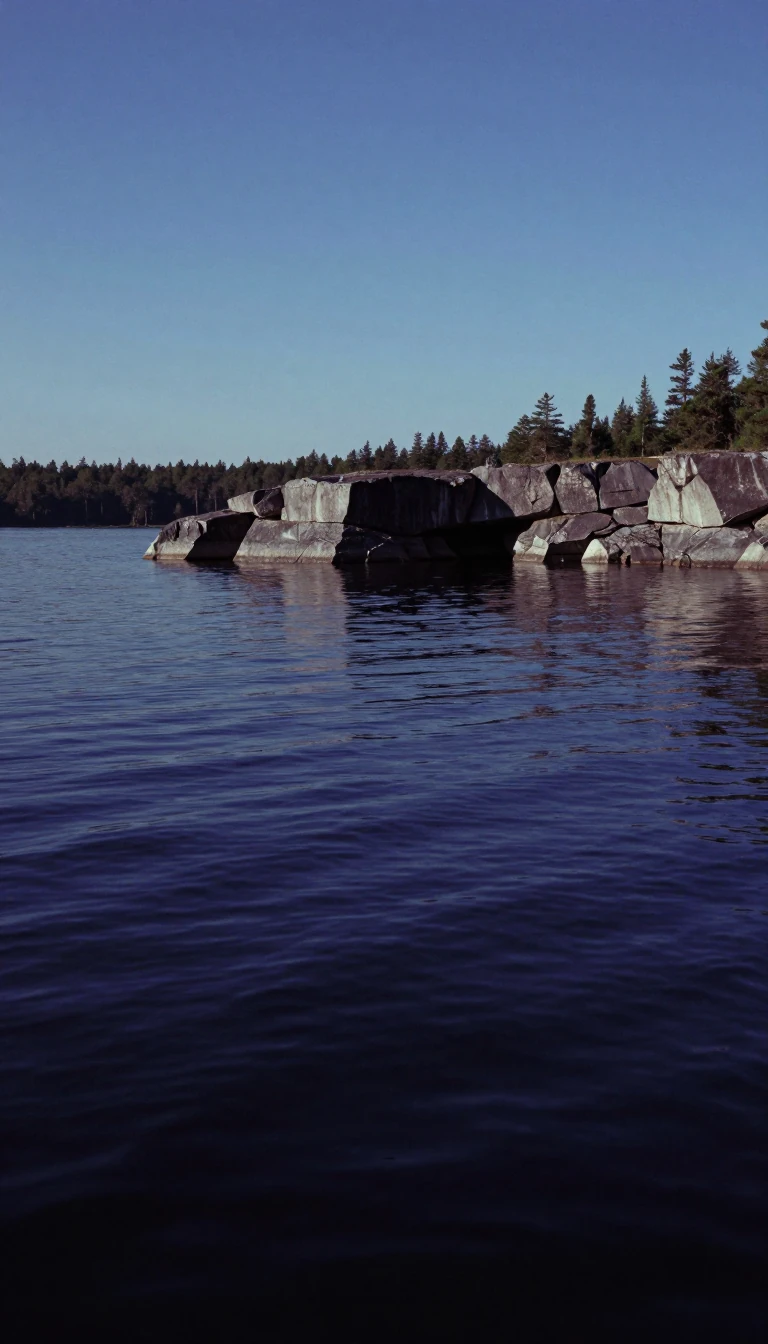 Deep in the Canadian wilderness lies rock that formed four billion years ago.The Acasta gneisses, found near Canada's Great Slave Lake, are among the oldest rocks on Earth. Radiometric dating places their formation between 4.0 and 3.9 billion years ago, of…
 How tectonic plates scrape off ocean floors to build entire mountain ranges and continents.When tectonic plates collide, they do not just slide past one another. Instead, they act like massive bulldozers, scraping marine sediments and oceanic crust off the seafloor. Thi…
 The African plate is slowly tearing itself apart, reshaping the continent from within.The African plate is not a single, solid block. Beneath the surface, it is actively rifting, creating a divide that separates the continent into two distinct pieces. This geologic…
 Why aftershocks can haunt a region for centuries after the ground stops shakingAftershocks are not just random tremors; they are the crust's way of settling after a major rupture. While most sequences fade within a decade, some regions remain active for cent…
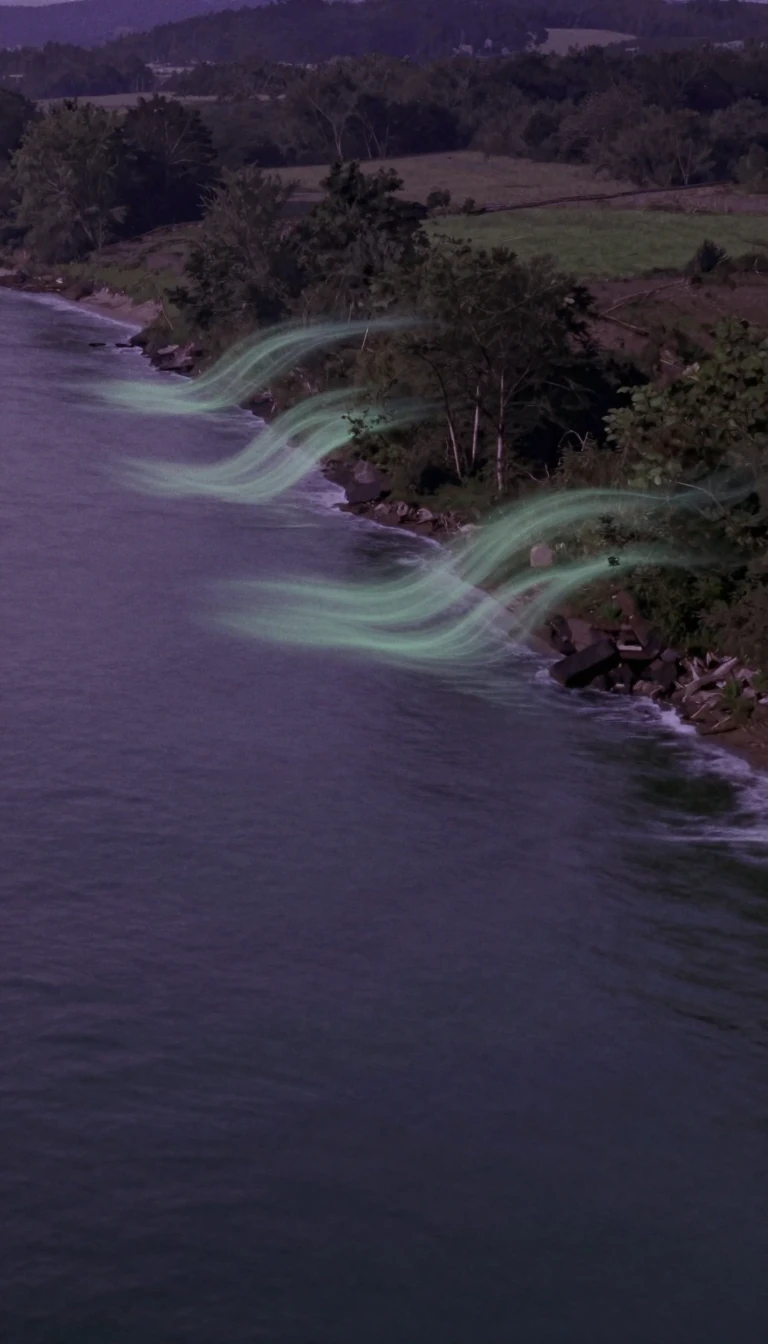 Why rivers sometimes choke on their own sediment, raising the land beneath themAggradation is the geological process where rivers deposit more sediment than they can carry, causing the land elevation to rise. This natural phenomenon reshapes landscapes, crea…
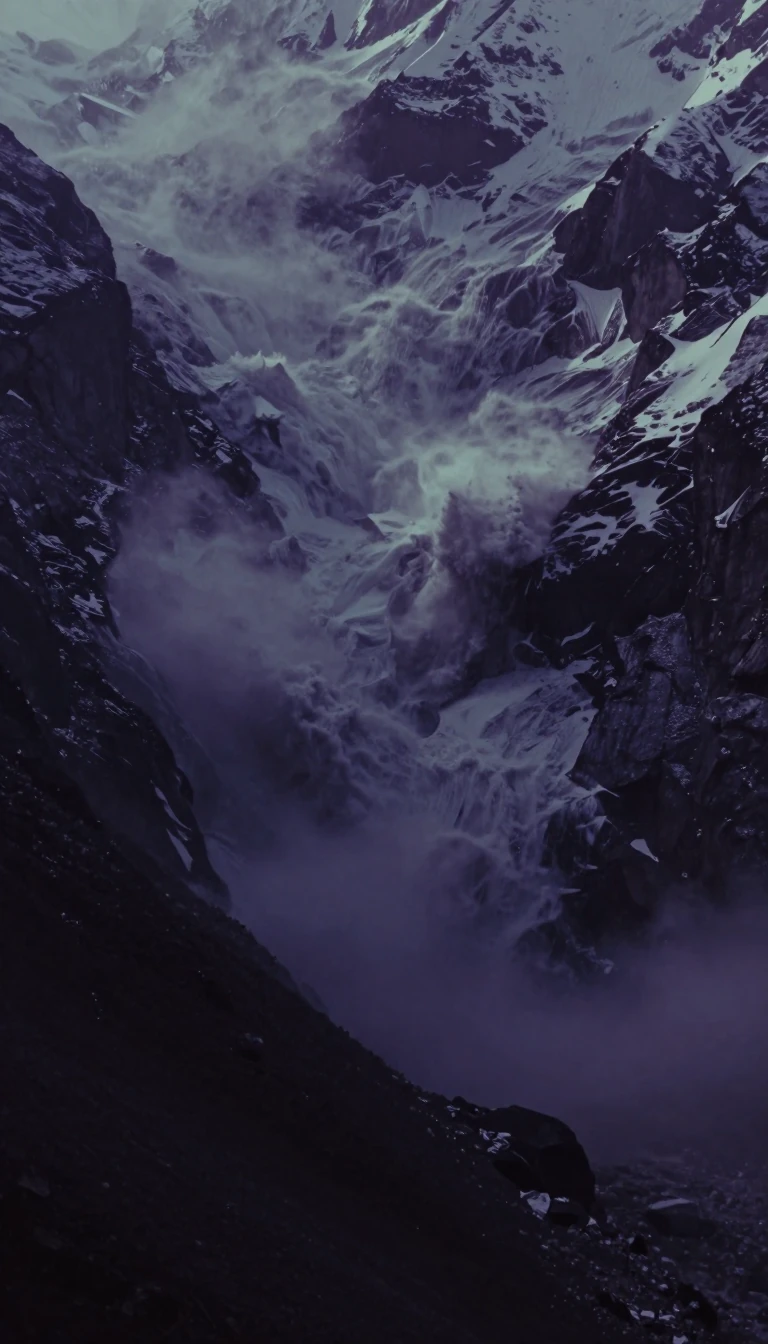 The Algoman orogeny was a violent, mountain-building collision that forged North America's ancient core.Around 2,700 million years ago, the Earth's crust underwent a massive transformation. Through repeated continental collisions and intense volcanic activity, the Algoman orogeny we…
 Allanite is a radioactive, glowing mineral that holds the secrets of rare-earth elementsOften appearing as a nondescript black crystal, allanite is far more than a simple rock. This mineral acts as a natural repository for rare-earth elements and radioactive material…
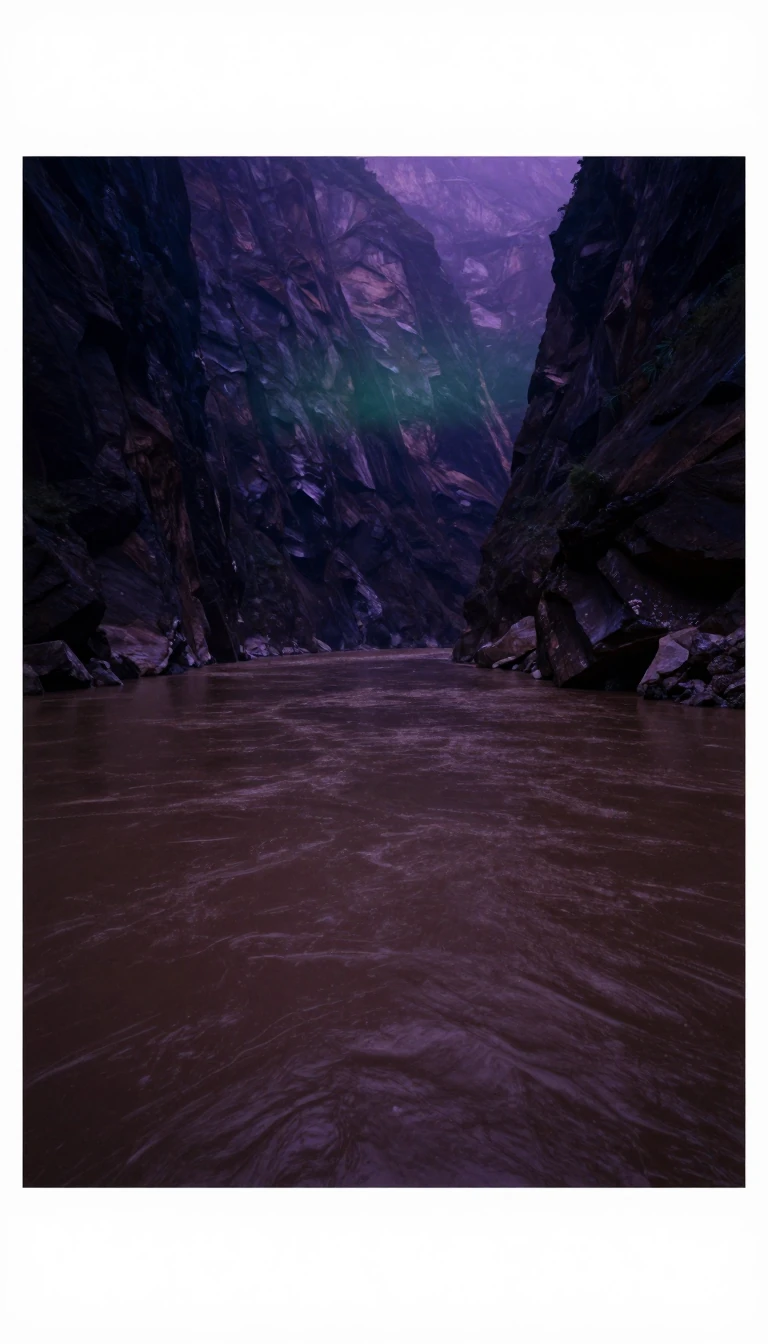 The loose river sediment that built the cradle of human civilizationAlluvium is the unassuming mix of clay, silt, sand, and gravel left behind by flowing water. While it may look like simple dirt, this geologically young deposit is the foundation …
 The invisible mineral framework powering everything from smartphone screens to industrial chemical catalystsAluminosilicates are far more than just rocks. These versatile materials, defined by their unique silicon-oxygen-aluminum molecular bonds, serve as the backbone for both natural m…
 Alunite: The Volcanic Mineral Once Chased as a Key to Eternal LifeBeyond its industrial history as a source of potash and alumina, this widespread sulfate mineral has a strange, mystical past. Thousands of years ago, Chinese alchemists combined …
 Did a single asteroid strike 66 million years ago end the age of dinosaurs?For decades, scientists debated whether volcanoes or an extraterrestrial impact caused the mass extinction of the dinosaurs. A breakthrough discovery of a rare metal in Italian li…
 Why these common rock-forming minerals were named after the Greek word for ambiguousAmphiboles are everywhere, yet they remain notoriously difficult to identify. Named for their protean variety in appearance and chemical makeup, these complex silicate minerals hi…
 Amphibolite: The metamorphic record of Earth's deep tectonic shifts and intense heatAmphibolite is a dense, dark metamorphic rock defined by its signature mineral group. Formed deep within the crust, it serves as a geological fingerprint for intense pressure and …
- The Amur Plate: A Hidden Tectonic Puzzle Beneath Northeast AsiaDeep beneath the surface of Northeast Asia lies the Amur plate, a minor tectonic entity often overshadowed by its larger neighbors. Named for the river marking the border between …
 Anatase: The Metastable Mineral That Powers Modern Self-Cleaning TechnologyAnatase is a brilliant, tetragonal crystal of titanium dioxide that defies thermodynamic stability. While rutile is the standard, stable form of this mineral, anatase remains a cr…
 Andalusite is a geological timekeeper that reveals the hidden history of the Earth's crust.This unassuming mineral is more than just a rock; it is a precise indicator of the intense pressures and temperatures that once shaped the ground beneath our feet. By studying its…
- How the sinking of the Nazca Plate builds the massive Andes mountain rangeThe Andes are not a static feature but a dynamic result of the Nazca Plate sliding beneath South America. This ongoing process involves complex mantle interactions, where fluid re…
 The mineral that swells with water and can destroy entire city foundationsAnhydrite is a rock-forming mineral that lacks water, making it the chemical opposite of gypsum. When exposed to moisture, it undergoes a dramatic transformation, absorbing water …
- Why the Moon is made of a mineral that is rare on EarthAnorthite is the calcium-rich endmember of the plagioclase feldspar series, a common mineral group in igneous rocks. While it is a fundamental building block of the lunar highland…
- The Antarctic plate is a massive, drifting engine reshaping the bottom of our world.Spanning over 60 million square kilometers, the Antarctic plate is Earth's fifth-largest tectonic giant. It is not merely a frozen foundation; it is a dynamic, moving entity that …
- Why these inverted V-shaped rock folds are the world's most valuable geological structuresAnticlines are arch-like folds in Earth's crust that trap vast quantities of natural resources. By bending rock layers into specific shapes, these formations create the structural…
 Why this radioactive mineral from Bavaria releases a pungent, ozone-rich scent when crushedAntozonite, a rare variety of fluorite, is famous for its foul odor. When broken, it releases trapped elemental fluorine, which reacts with the air to create ozone and hydrogen fl…
- Apatite is the deceptive mineral that builds your bones and hides water on the Moon.Named after the Greek word for deceit, apatite is a master of disguise that frequently mimics other minerals. Beyond its geological trickery, this phosphate group is essential to …
 The Arabian Plate is a restless giant reshaping the map of the Middle EastFor most of geological history, the Arabian plate was tethered to Africa. About 25 million years ago, it broke free, embarking on a northward journey that continues today. This te…
 Arsenate minerals are far more than just toxic rocks hidden in the earthWhile often associated with toxicity, arsenate minerals are a complex, diverse family of compounds. Classified alongside phosphates, these naturally occurring orthoarsenates exhib…
- Arsenide minerals are rare metal compounds defined by their unique atomic coordination structuresArsenide minerals are a rare group of compounds where metals bond with arsenic. While often overshadowed by their more common sulfide cousins, these minerals reveal complex atomic…
 This metallic mineral smells like garlic and acts as a hidden gold indicatorArsenopyrite is a striking, steel-grey mineral that hides a dangerous secret. Beyond its metallic sheen and high density, it serves as a primary source of arsenic and a vital geol…
- Augite: The Fire-Born Mineral That Records the Cooling History of Our PlanetAugite is the most common member of the pyroxene group, a family of rock-forming minerals named for the Greek word for fire. These dark, stubby crystals are found in everything fr…
 Azurite is the deep blue mineral that once defined the color of ancient history.This soft copper mineral has been prized since antiquity for its intense, electric blue hue. While often overshadowed by its green sister, malachite, azurite served as a primary p…
- Why do deep-sea basins form behind volcanic arcs instead of at mid-ocean ridges?Geologists once assumed convergent plate boundaries were strictly zones of compression. Yet, behind many island arcs, the seafloor is actually pulling apart. This counterintuitive…
 These ancient, striped rocks hold the secret to Earth's oxygen-rich atmosphereBanded iron formations are stunning, layered relics from the deep past. Composed of alternating bands of iron oxide and silica, these rocks tell the story of a planet undergoing a…
- Baryte is the heavy, inert mineral that keeps the world's oil wells from blowing out.Derived from the Greek word for heavy, this unassuming mineral is essential to modern industry. While it is the primary source of barium, its most critical role is acting as a den…
 The ancient, crystalline foundation beneath your feet is a complex quilt of colliding continents.Beneath the soil and sedimentary layers of our continents lies the basement: a thick, ancient foundation of metamorphic and igneous rock. Far from a static slab, this crystalline …
 Bastnäsite: The Rare Earth Mineral Powering Modern Technology and Color TelevisionThis wax-yellow to reddish-brown mineral is a primary source of cerium and other rare-earth elements. While often overlooked, bastnäsite became a cornerstone of industrial product…
 Beneath the surface of the Earth lie massive, hidden cathedrals of solid stoneA batholith is a gargantuan expanse of igneous rock, spanning over 100 square kilometers, forged deep within the Earth's crust. While they appear as singular, uniform monoliths, t…
 Geological beds are the fundamental building blocks for reading Earth's deep historyA bed is more than just a layer of rock; it is a frozen record of ancient environmental conditions. By analyzing the thickness, geometry, and composition of these sedimentary unit…
 How rivers sculpt their own beds through the constant motion of rolling stone particlesRivers do not just carry water; they transport a heavy cargo of sediment along their floors. Known as bed load, these particles roll, slide, and hop downstream. This process is no…
 How ripples and dunes reveal the hidden history of ancient river flowsBedforms are geological features formed where fluid meets a movable bed, like ripples on a river floor. By studying these structures, scientists can reconstruct ancient environmen…
- Beneath the soil you walk on lies a hidden foundation of solid stoneEvery landscape hides a secret architecture. Beneath the loose soil, sand, and debris known as regolith lies bedrock, the Earth's solid foundation. While often buried hundreds of …
 How chemical elements flow through living systems and shape the planet we inhabitBiogeochemistry explores the complex movement of essential elements like carbon, nitrogen, and phosphorus between living organisms and their physical environments. By studying the…
 How fossils allow geologists to synchronize the history of the Earth across continentsGeologists use fossilized remains to correlate rock layers that look entirely different but formed at the same time. By tracking the appearance and extinction of specific species,…
- Biotite is the dark, layered mineral that makes up much of Earth's crust.Often called black mica, biotite is a common rock-forming mineral found in igneous and metamorphic environments. Its unique sheet-like structure allows it to be peeled into thin, …
 Tiny creatures beneath the waves are the silent architects of our global climateBioturbation, the constant churning of sediment by benthic organisms, is far more than simple movement. By burrowing, feeding, and pumping water through the seafloor, these animal…
 How paleontologists use fossilized remains to map the deep history of our planetGeologists do not just look at rock layers to understand Earth's history; they look at the life trapped inside them. By tracking the appearance and disappearance of specific fossi…
- Boninite is the rare volcanic rock forged by two distinct stages of meltingDeep beneath the ocean, boninite emerges from a unique geological process. Unlike typical volcanic rocks, this magnesium-rich substance requires a rare double-melting event in the…
- Boron is a rare, versatile element that can save lives and nourish the Earth.Comprising only 0.001 percent of the Earth's crust, boron is a quiet powerhouse. From essential plant nutrients that prevent crop rot to high-tech medical therapies that target br…
 What defines a boulder, and how did they end up in the wrong place?In geology, a boulder is not just any large rock; it is a specific fragment exceeding 25.6 centimeters in diameter. Beyond their size, these stones tell stories of ancient ice she…
 Why do certain minerals appear together in rocks while others remain forever apart?The secret lies in the cooling of magma. As molten rock loses heat, minerals crystallize in a specific, predictable sequence known as Bowen's reaction series. This framework expla…
- Why rocks behave like glass at the surface and plastic deep undergroundUnder low pressure, rocks shatter like glass. But push them deep enough, and they begin to flow like thick honey. This brittle-ductile transition is a fundamental geological bound…
 Brookite is a rare titanium dioxide variant that outshines even diamond in refractive powerWhile most people know titanium dioxide as a common white pigment, nature arranges it into four distinct crystal structures. Brookite is the rarest of these polymorphs. With a ref…
- Brucite is a mineral that acts as both a concrete savior and destroyerThis magnesium hydroxide mineral is a versatile industrial flame retardant and a vital source of magnesium. Yet, when it forms inside concrete exposed to seawater, it triggers a c…
- The hidden geometry of the Earth's crust is built on simple carbonate trianglesCarbonate minerals are among the most common materials in the Earth's crust, yet they are defined by a singular, elegant structural secret. At their core lies a carbon atom locked…
- Carbonate rocks are the silent, stony archives of Earth's ancient climate historyBeyond their role in modern construction, carbonate rocks like limestone and dolomite act as geological time capsules. By analyzing the chemical composition and trace metal ratios…
 The Caribbean Plate is a restless wanderer that reshapes the seafloor beneath our feetThis oceanic microplate is not just a static piece of Earth's crust. It is a dynamic traveler that has spent tens of millions of years migrating eastward, constantly colliding wit…
 Carnallite: The elusive, water-hungry mineral powering the world’s agricultural growthThis soft, white halide mineral is a vital source of potassium for fertilizers, yet it is notoriously difficult to handle. Because it is highly hygroscopic, it absorbs moisture fr…
 Why this ancient red stone became the preferred seal for Roman wax documentsCarnelian is a silica mineral colored by iron oxide, prized since the Neolithic for its beauty and utility. Because hot wax does not adhere to its surface, it became the standard …
 Cassiterite is the heavy, metallic mineral that powered the dawn of the Bronze Age.Long before humans mastered pure tin, they relied on cassiterite to create bronze. This dense, hard oxide ore remains the primary source of tin today, fueling everything from mode…
- How the Earth’s largest mountain-building zone reveals the secret of how subduction beginsSubduction initiation—the moment a tectonic plate begins sliding beneath another—is a fundamental process that remains elusive because no active example exists today. By studying …