 Intellect Plus
Geology
572 cards. Each one is a 40-second story with a five-minute read behind it. Page 9 of 10.
 How rivers keep tons of earth afloat without ever touching the groundRivers are not just water; they are massive conveyor belts for earth. While heavy boulders roll along the bottom, finer particles like silt and clay are held aloft by the invisibl…
 Sylvite is the hidden key to the potassium that sustains all life on Earth.Potassium is essential for every plant and animal, yet it is notoriously difficult to extract from common rocks. We rely on sylvite, a rare evaporite mineral, to bridge this gap. …
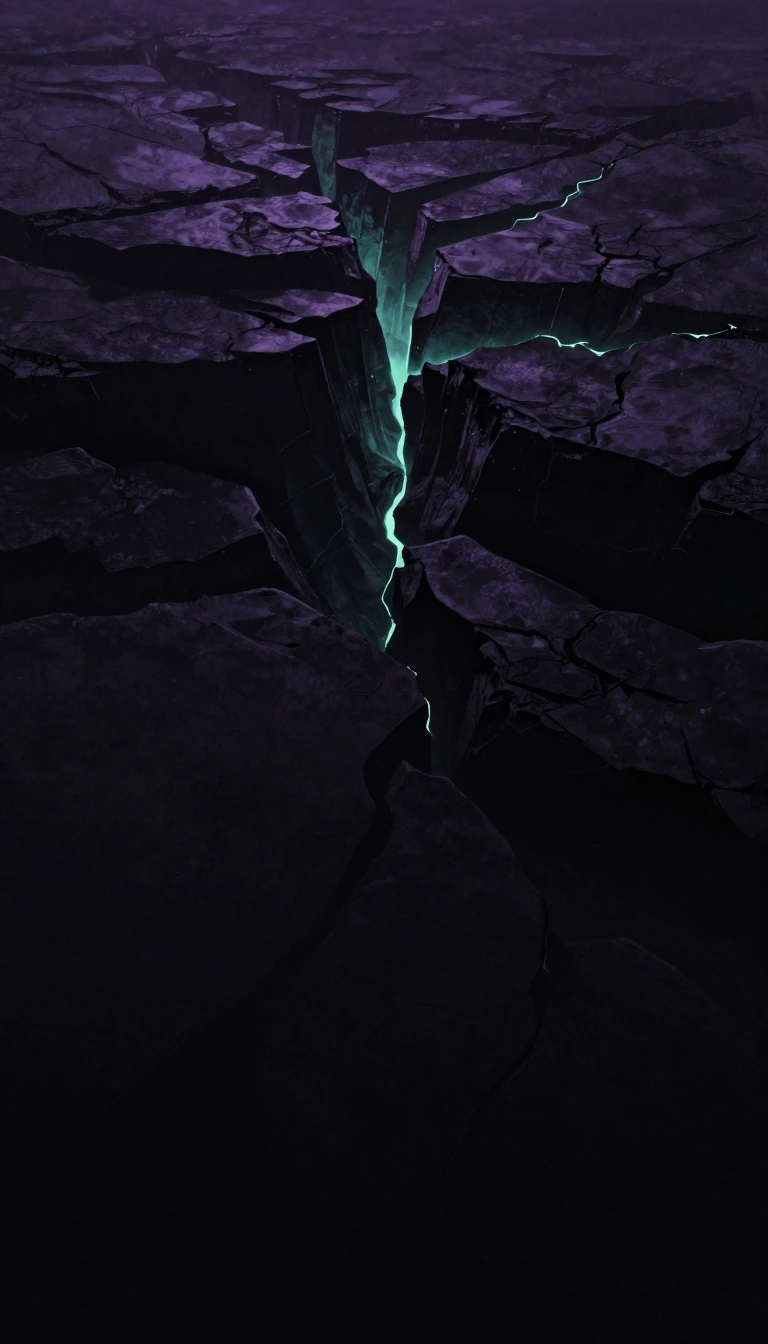 Why the Earth's crust ripples like a rug when continents collideWhen tectonic plates collide, the Earth does not just break; it bends. Synclines are the vast, trough-like folds in stratified rock that form when flat layers are warped by immens…
 How geologists use rock layers to define the history of our planetA system is not just a pile of rocks. It is a precise chronostratigraphic unit representing layers deposited during a specific geological period. By mapping these sequences, scien…
 Tantalite is the primary ore for tantalum, a metal defined by its chemical resilience.Tantalite is a dense, dark mineral that serves as the world's main source of tantalum. Often found alongside its chemical twin, niobium, this mineral is notoriously difficult to p…
 Found in only one place on Earth, tanzanite is rarer than the diamond.Tanzanite is a geological marvel, appearing in lush blues, vibrant violets, and rich purples depending on the angle of light. Unearthed near Mount Kilimanjaro in 1967, this rare v…
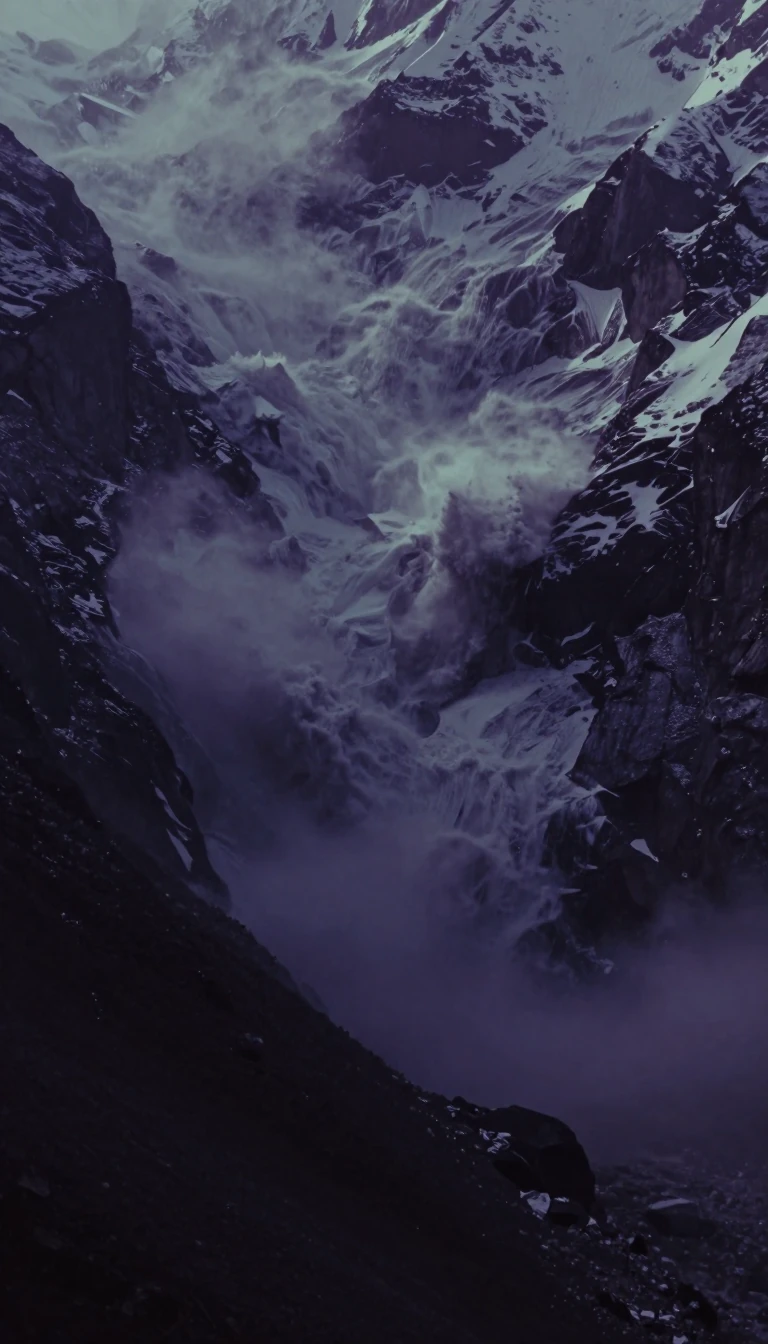 Why mountains rise and fall: the hidden physics of Earth's shifting crustTectonic uplift is more than just mountains rising; it is a complex dance between crustal thickening, gravity, and erosion. While we often view the landscape as static, the Earth'…
 Tectonites are geological archives that reveal how the Earth's crust flows under pressure.Deep within the Earth, rocks do not just break; they flow like thick syrup. Tectonites are metamorphic rocks that record this ductile deformation in their very fabric. By analyzin…
 Earth-born iron is so rare that scientists once mistook it for falling meteorites.Most metallic iron on Earth is locked away in ores, oxidized billions of years ago. Yet, in Greenland, a unique geological anomaly produces native iron that mimics the nickel cont…
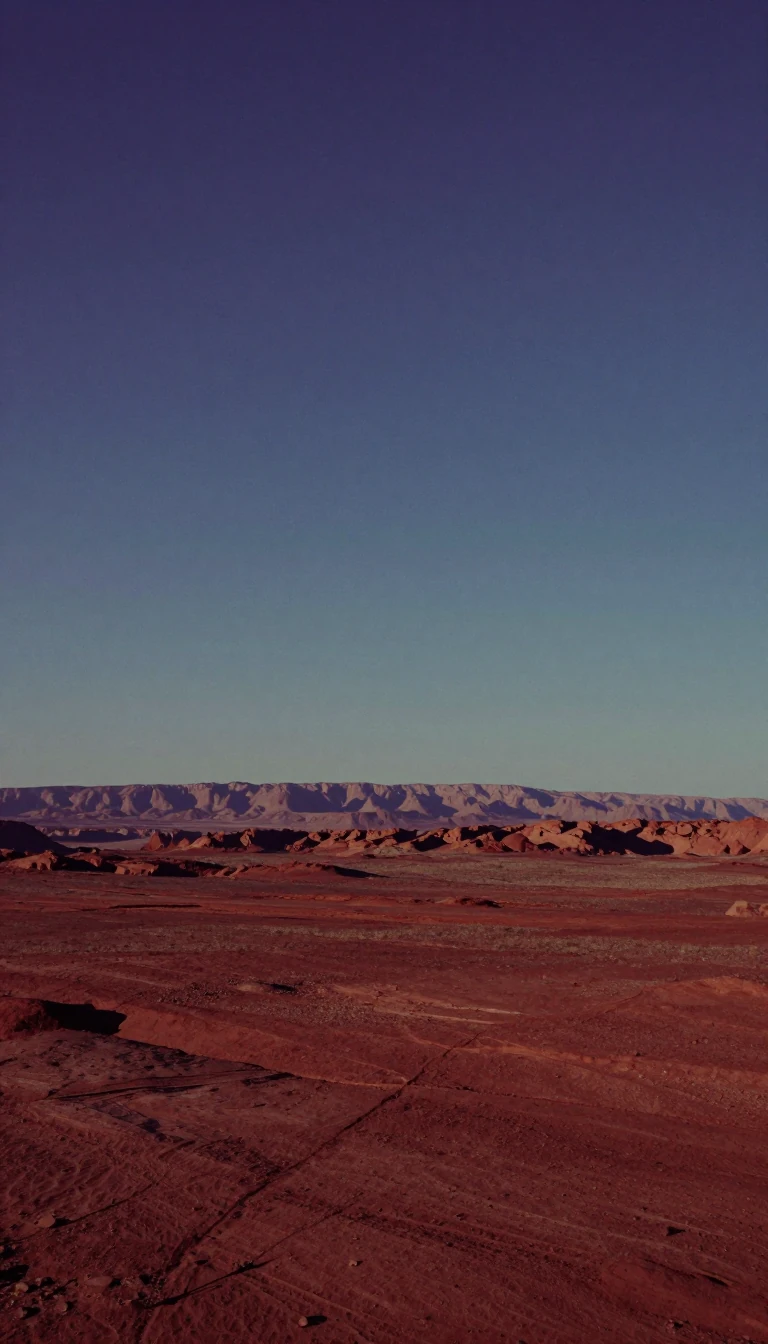 The colossal mountain belt that once defined the southern edge of the ancient worldSpanning 18,000 kilometers, the Terra Australis Orogen was one of the longest-lived active continental margins in Earth's history. This massive geological structure once traced th…
 Why the Moon and Sun are not the only architects of our shifting tidesFor centuries, thinkers blamed tides on breathing, spirits, or winds. Even Isaac Newton’s famous equilibrium theory, which correctly identified gravity as the driver, failed to ex…
 Rocks hold a secret clock that tracks how they cooled beneath our feetThermochronology uses the radioactive decay trapped inside minerals to reconstruct the thermal history of the Earth. By identifying the exact temperature at which a mineral stops …
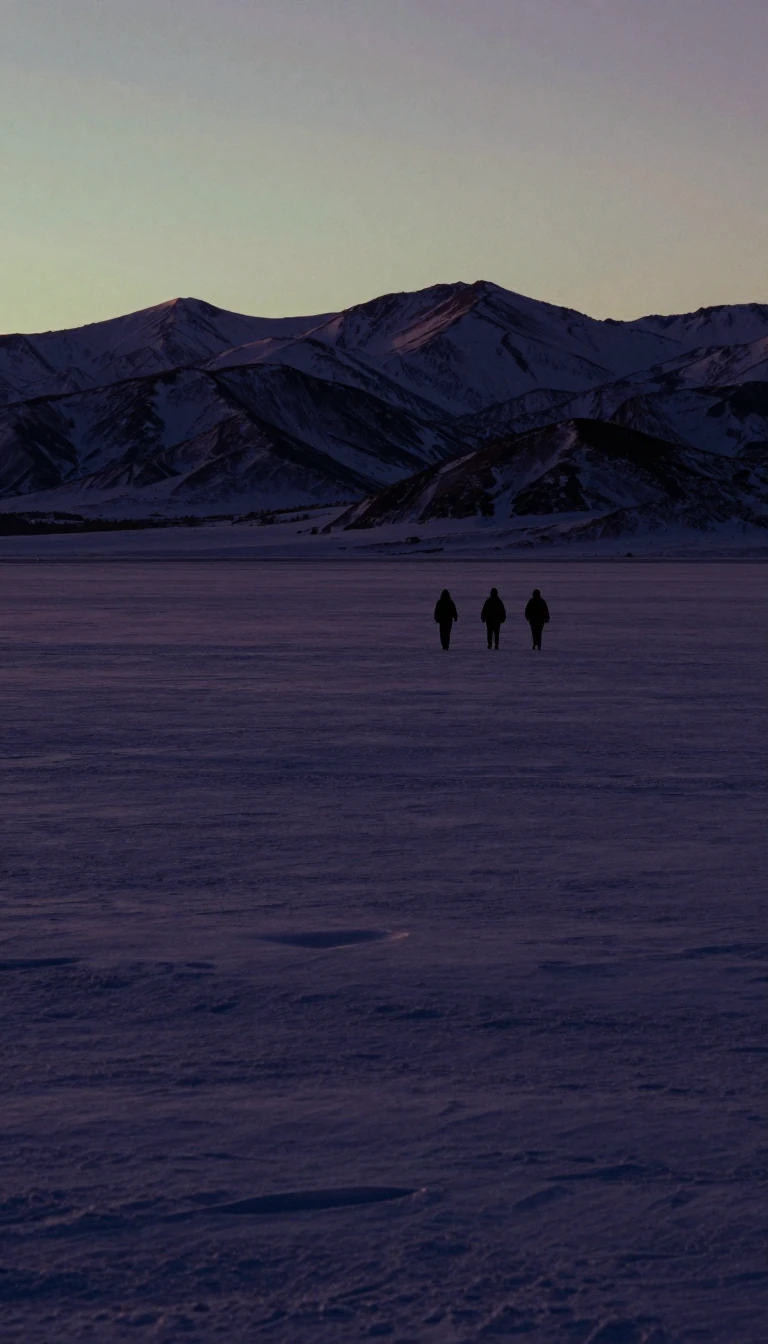 Glacial till is the unsorted, rocky debris left behind by the world's moving ice.When glaciers grind across the landscape, they act as massive conveyor belts, picking up everything from fine clay to massive boulders. The resulting sediment, known as till, is a…
 Why this hard, heavy gemstone is often mistaken for cheaper, lighter quartz alternativesTopaz is a remarkably dense silicate mineral, yet its history is clouded by confusion with other yellow stones. While it is one of the hardest minerals on Earth, its unique atomic…
 The thin, living skin of our planet is disappearing faster than it can regenerate.Topsoil is the Earth's most vital biological engine, yet we are losing it at an alarming rate. While it takes up to 1,000 years to form just one inch of this life-sustaining layer…
 Why your body requires tiny amounts of specific elements to function effectivelyTrace elements are chemical substances that living organisms require in minute quantities, typically less than 0.1 percent by volume. While these elements are needed in only tiny …
 Earth's mantle transition zone acts as a complex gatekeeper for deep planetary heat.Deep beneath our feet, between 410 and 660 kilometers down, lies a mysterious region called the mantle transition zone. This layer is not just a static boundary; it is a dynamic, …
 Why a rare iron sulfide from space is the gold standard for sulfur isotopesTroilite is a mineral rarely found on Earth, yet it serves as the international benchmark for measuring sulfur isotopes. While terrestrial sulfur fluctuates due to bacterial activ…
 How underwater avalanches create the deep ocean's most valuable geological structuresTurbidites are not formed by steady currents, but by violent, density-driven underwater avalanches. These sediment-heavy slurries transport massive amounts of material into the ab…
 Why geologists anchor the names of rocks and minerals to specific geographic locationsA type locality is the definitive site where a rock or mineral was first described. While essential for mineralogy and stratigraphy, this naming practice once caused chaos in petr…
 This common mineral acts like a natural fiber optic cable for your eyesUlexite is a rare borate mineral that possesses a remarkable, built-in ability to transmit light. Often nicknamed TV rock, its fibrous structure allows it to project images of obj…
 Is this ancient earth pigment the secret to the world's most famous shadows?Umber is one of the oldest pigments in human history, prized for its warmth and stability. From the depths of prehistoric caves to the masterpieces of the Renaissance, this iron-r…
 An unconformity is a missing chapter in the Earth's long and complex geological history.Imagine reading a book where several pages have been torn out, leaving a gap in the narrative. In geology, an unconformity is exactly that: a buried surface where the rock record …
- The upper mantle is a vast, malleable engine driving the movement of our continents.Beneath the thin crust of our planet lies a massive, hot layer of rock that behaves like a fluid over geological time. This upper mantle is the primary engine of plate tectonics, …
 Ur: The ancient, tiny supercontinent that may have been Earth's only landmassThree billion years ago, long before the familiar continents we know today, a small landmass called Ur likely stood alone as Earth's only continent. Though smaller than modern Aus…
 Uraninite is the dense, radioactive mineral that changed the course of modern historyThis black, greasy-looking rock is the primary source of uranium. Beyond its role in powering nuclear energy, uraninite served as the essential material for early scientific break…
 How geochemists use radioactive decay to pin down the age of our planetUranium-lead dating is the gold standard for measuring geological time. By tracking the decay of uranium into lead within resilient minerals like zircon, scientists can date rocks…
- Was the Earth's first supercontinent a pair of ancient cratons separated by vast oceans?Geologists debate whether the Kaapvaal and Pilbara cratons once locked together as Vaalbara, Earth's earliest supercontinent. While striking similarities in their rock layers and …
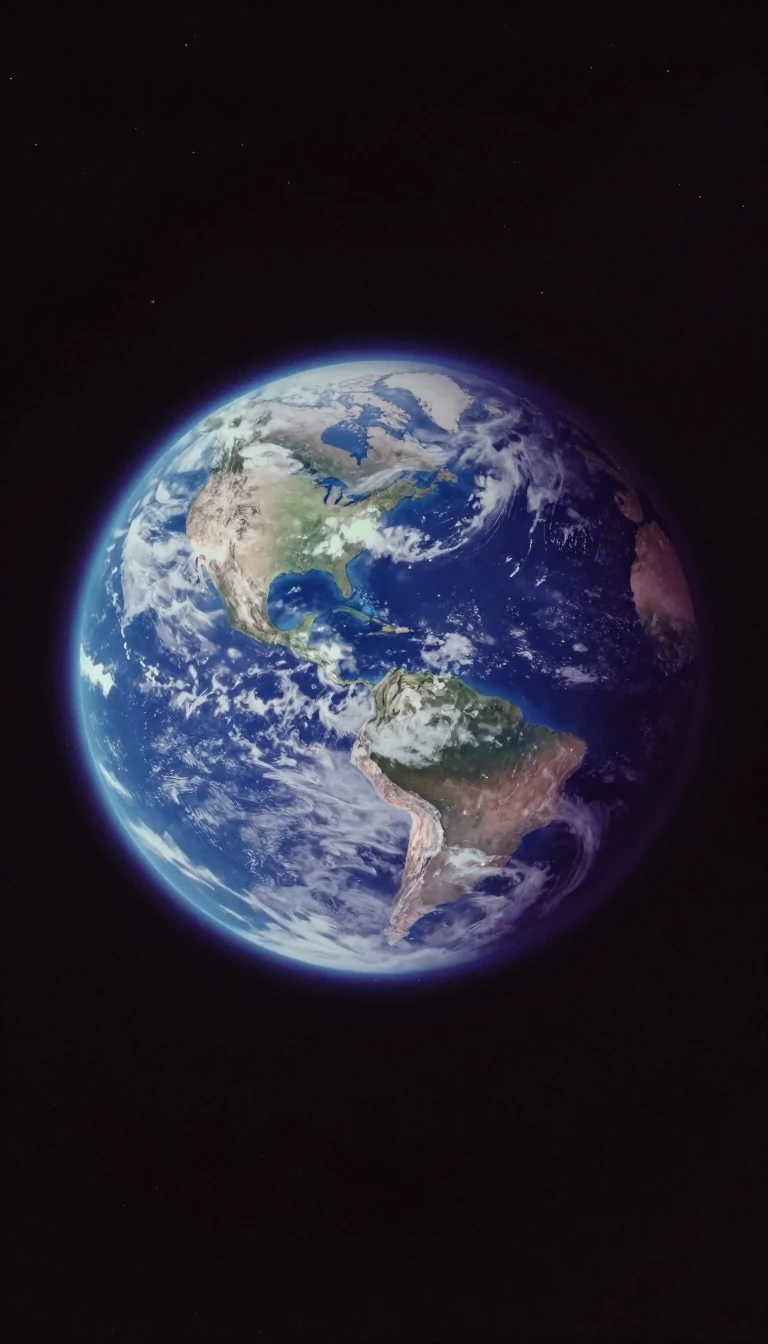 Earth is surrounded by donut-shaped zones of radiation that can change their shape.Discovered in 1958, the Van Allen belts are giant, magnetically trapped swaths of energetic particles circling our planet. While once thought to be two stable zones, modern probes…
 Veins are the earth's internal plumbing, recording the history of stress and fluid flow.Deep beneath the surface, rocks fracture and heal, leaving behind sheetlike mineral deposits known as veins. These structures are more than just pretty crystals; they act as geolo…
 This humble mineral expands like a worm when heated to become a global powerhouse.Named for the Latin word for breeding worms, vermiculite is a unique clay mineral that undergoes dramatic expansion when heated. From insulating molten steel to helping your garde…
 Volatiles are the hidden engines driving both planetary atmospheres and explosive volcanic eruptionsWhether shaping the icy depths of distant gas giants or triggering violent volcanic blasts on Earth, volatiles are substances that vaporize with ease. These chemical compounds, ra…
 Why volcanic glass is a fleeting masterpiece in the history of our planetVolcanic glass is a geological anomaly. Formed when molten lava cools too rapidly to crystallize, it exists in a state of suspended animation. Yet, this beauty is inherently unsta…
- When volcanoes die, they leave behind these towering, indestructible stone monumentsA volcanic plug is the hardened core of a volcano, left behind when softer surrounding rock erodes away. These geological remnants can act like corks in a bottle, trapping gas and…
- Volcanic rocks are not just lava, but a complex record of Earth's internal history.Volcanic rocks are more than hardened lava; they are intricate, multi-stage structures formed by cooling magma. From the glassy surface of obsidian to the gas-trapped voids of pum…
- Volcanoes are not just fire mountains; they are complex engines of planetary heat transport.Volcanism is the eruption of material from a planetary body's interior, but the mechanics vary wildly. While Earth's silicate volcanoes are driven by buoyancy, icy moons face a di…
 A massive, ancient sea once split North America into three distinct island continents.For 34 million years, the Western Interior Seaway carved through the heart of North America, connecting the Arctic Ocean to the Gulf of Mexico. This shallow, tropical waterway cre…
- This versatile mineral is a secret weapon for greener concrete and stronger plasticsWollastonite is a calcium inosilicate mineral that does far more than sit in the ground. From reinforcing high-performance plastics to slashing the carbon footprint of modern cons…
 Is the Yellowstone supervolcano finally running out of steam after millions of years?The Yellowstone hotspot has carved a path of massive eruptions across the American West for over 16 million years. As the North American tectonic plate drifts over this volcanic e…
 Boiling stones: how a porous mineral family cleans water and powers modern industryNamed for their ability to release steam when heated, zeolites are hydrated aluminosilicate minerals with a unique, rigid, microporous structure. Beyond their natural origins, the…
 Zircon is the oldest mineral on Earth, acting as a natural geological clock.Often confused with synthetic cubic zirconia, natural zircon is a complex, ancient gemstone. Found in Australia, some specimens date back 4.4 billion years, providing scientists w…
 Andean uplift helped shape the immense biodiversity of the Amazonian rainforestResearchers reviewing geologic and phylogenetic evidence found that the rising Andes mountains fundamentally transformed the Amazonian landscape. This tectonic activity reconfigur…
 Melting of hydrated basalt may have driven early continental crust growthResearchers who performed partial melting experiments on four types of natural amphibolites found that dehydrated metabasalt can produce highly silicic liquids. These experiments …
- The hidden engine of Earth's surface is a slow-motion collisionOur continents are drifting at the speed your fingernails grow, driven by a massive geological conveyor belt. This movement doesn't just reshape maps; it fuels the volcanoes that …
- The deceptive identity of the smooth, black manganese oreNature often hides complex mixtures behind a single name. Psilomelane appears as smooth, grape-bunch-shaped masses, but modern mineralogy reveals it is less of a single mineral an…
- Is the pursuit of perfect soil actually destroying the earth's carbon sponge?Farmers use mechanical tillage to improve tilth, the physical condition of soil. However, this short-lived manipulation often backfires. Instead of creating stable soil, intensive…
 The heavy stone that devours tin like a hungry wolfKnown as the primary source of tungsten, wolframite is a dense, dark mineral with a predatory history. Its name hints at a chemical process so aggressive it was once likened to a …
- Where three worlds collide: the delicate geometry of tectonic triple junctionsDeep beneath the ocean and high above the sea, the Earth's crust meets at singular, high-stakes intersections. These triple junctions are the meeting points of three tectonic plat…
- The shifting tectonic plate once thought to be part of EurasiaFor a long time, geologists believed Southeast Asia sat firmly atop the Eurasian plate. However, modern GPS measurements have revealed a different reality: a distinct, independent…
- The unseen allies driving 95 per cent of our food productionBeneath your feet lies a dynamic, living system that stores more carbon than the world's forests. While we often view soil as an inert medium, it is actually a complex web of micr…
 How geologists use rock layers to map the history of EarthEarth's history is written in stone, but reading it requires a precise language. Geologists use a hierarchical system of 'series' to divide rock layers by age, creating a chronost…
 The shimmering middle ground between slate and schistBetween the dull density of slate and the heavy flakes of schist lies a metamorphic mystery. Known for its silky, golden sheen, phyllite represents a precise moment in geological …
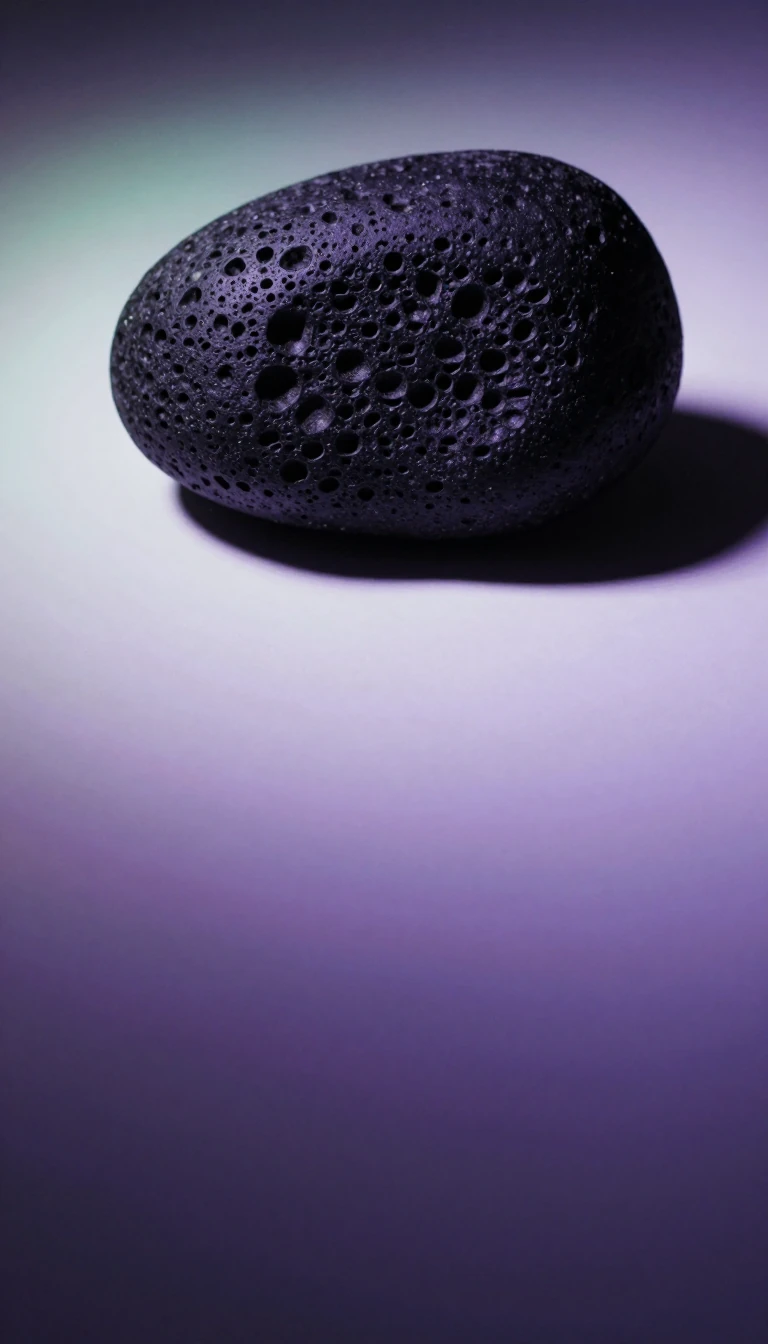 The ancient Greek secret behind the straight fractures of orthoclaseFrom the massive crystals of the Ural Mountains to the sands of Mars, orthoclasse is a geological heavyweight. This essential tectosilicate mineral does more than just form granit…
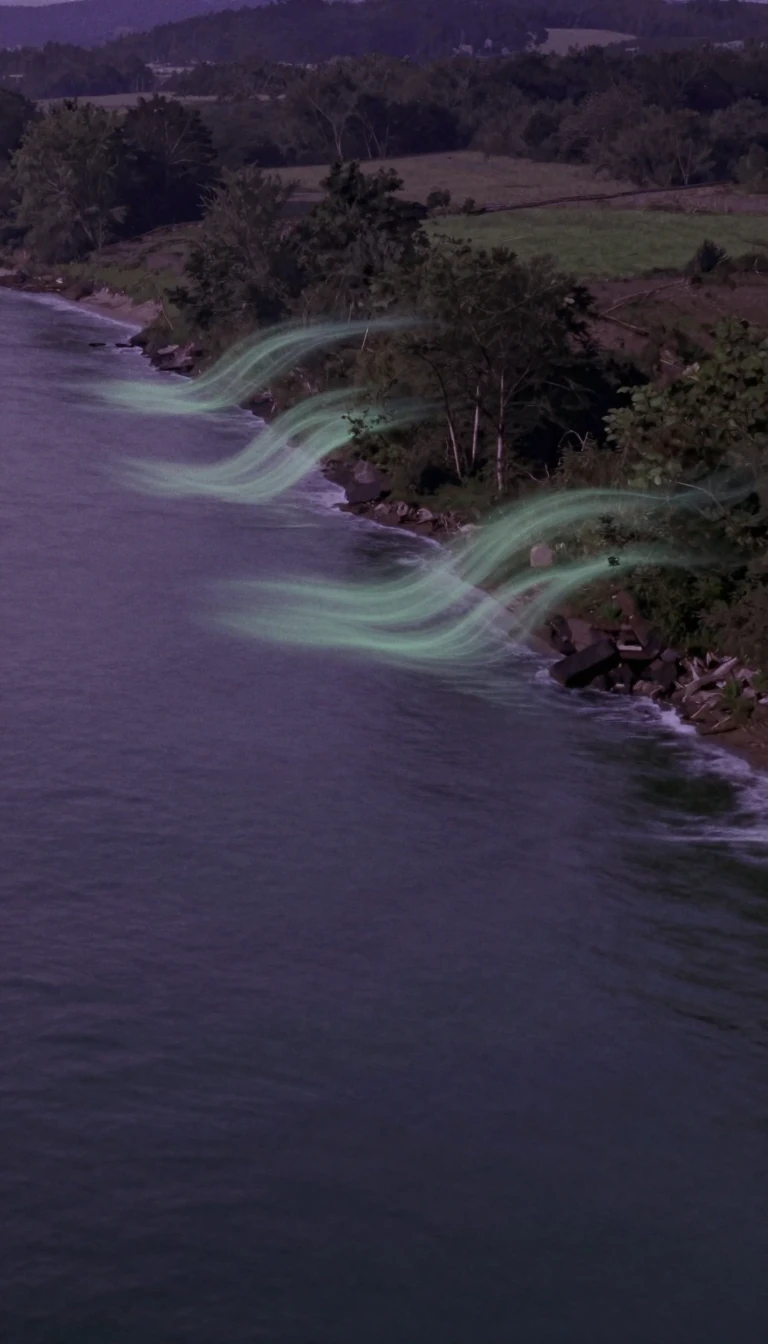 When the oceans reclaim the land: the mechanics of marine transgressionWhen sea levels rise relative to the land, the shoreline marches inland. This geologic phenomenon, known as marine transgression, can reshape entire continents, turning vast plain…
- How a slowing current writes history in the earth's crustGeologists can read the past by looking at the size of sand grains in a rock. By observing how sediments transition from coarse gravel to fine clay, they can reconstruct the dying…
 How vanishing water leaves behind a hidden mineral blueprintWhen water evaporates from a restricted basin, it leaves behind more than just dry ground. It leaves a precise, layered sequence of minerals that act as a geological clock, reveal…
 The hidden architecture of stone: how pressure creates the Earth's layered texturesFrom paper-thin sheets to massive bands over a meter thick, some rocks possess a striking, leaf-like structure. This phenomenon, known as foliation, is not merely aesthetic; it is…
- How rocks flow like fluids through brittle fractures in the EarthWhen tectonic plates grind against one another, they don't just snap; they crush and flow. This process creates cataclasite, a unique fault rock that behaves like a cohesive fluid…
- How liquid minerals weld grains into solid stoneSedimentation is only the beginning. To become true rock, loose grains must be welded together by mineral precipitation. This process, known as cementation, transforms shifting sa…
- Small mountainous rivers contribute more to ocean sediment than previously thoughtResearchers who analyzed data from 280 rivers found that sediment discharge to the ocean is primarily determined by a river basin's size and its maximum elevation. The study revea…