 Intellect Plus
Geology
572 cards. Each one is a 40-second story with a five-minute read behind it. Page 4 of 10.
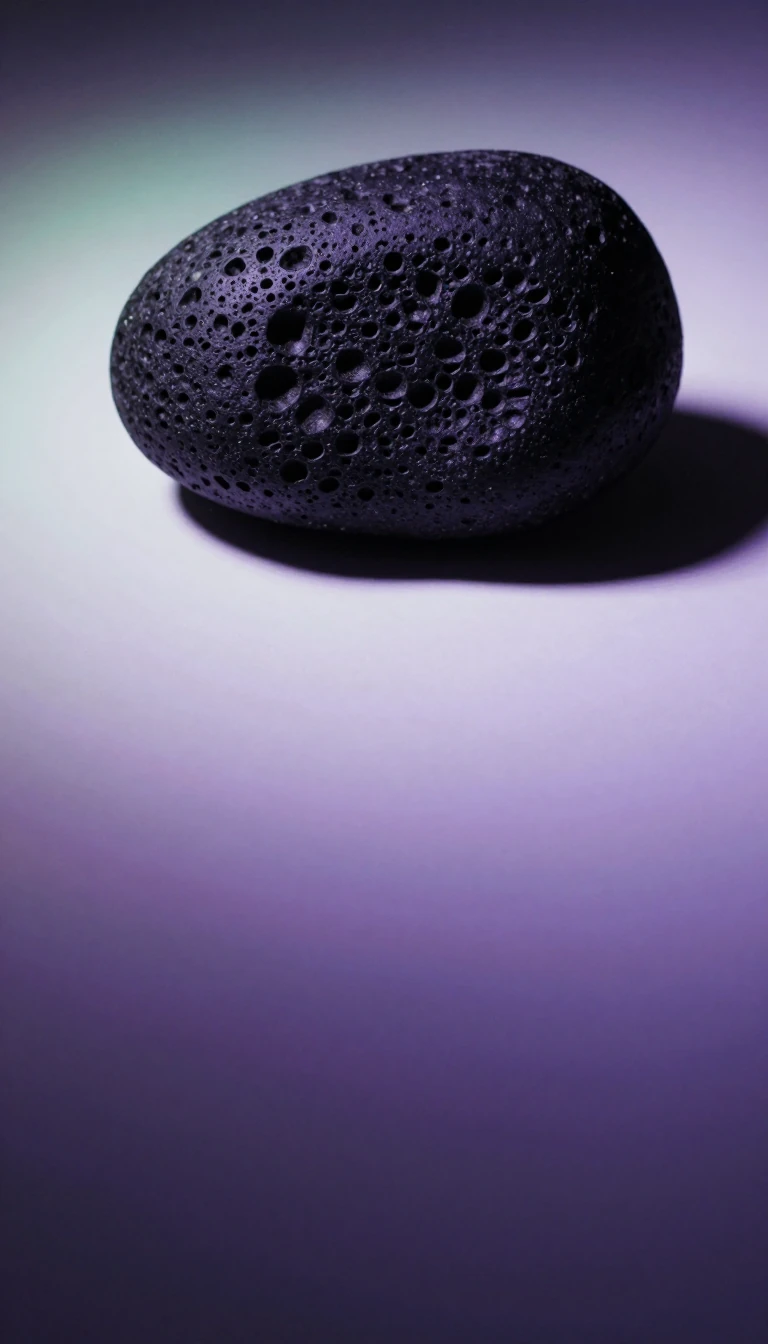 Chalcedony is a microscopic silica aggregate that has shaped human history for millenniaBeneath its waxy luster, chalcedony hides a complex internal structure of tiny, twisted silica fibers. While often mistaken for simple quartz, this mineral is a unique aggregate t…
 Why this brassy, golden mineral has been the world's primary copper source since antiquity.Often mistaken for gold or pyrite, chalcopyrite is the most abundant copper ore on Earth. While it lacks the highest copper content of any mineral, its widespread geological prese…
 Despite its name, the mineral chlorite contains absolutely no chlorine at all.Named for the Greek word for green, this common mineral group is a staple of metamorphic and igneous rocks. While it often resembles mica, its unique atomic structure—a sandwich o…
 This iron-black mineral is the essential, double-edged sword of modern industrial civilization.Chromite is the primary source of chromium, the critical ingredient in stainless steel and high-stress jet engine alloys. Yet, this same mineral hides a dangerous secret: industri…
 How geologists use igneous rocks to build a precise timeline of Earth's historyChronostratigraphy is the scientific endeavor to organize the Earth's rock record into a coherent temporal sequence. By mapping the age of strata, researchers reconstruct the plan…
 Chrysoberyl is a geological anomaly that produces the world's most elusive color-changing gemstone.Beyond its reputation as a durable, high-hardness mineral, chrysoberyl hides a rare secret. Its most famous variety, alexandrite, defies standard optics by shifting from emerald g…
 How a simple corn field eruption created one of the world's most famous volcanoesCinder cones are the earth's most straightforward volcanoes, built from loose, gas-rich debris blasted into the air. These symmetrical, bowl-topped structures often appear suddenl…
 Cinnabar: The toxic scarlet mineral that defined ancient art and deadly laborThis brilliant red mineral has captivated humanity for millennia, from Neolithic burials to Chinese lacquerware. Yet, its beauty masks a lethal secret. As the primary ore for merc…
 Clastic rocks are the geological record of ancient landscapes preserved in stone fragments.Every clastic rock tells a story of erosion, transport, and eventual burial. Formed from the broken remnants of older geological structures, these rocks act as physical archives o…
 Why these microscopic, sheet-like minerals are the unsung architects of Earth's surfaceClay minerals are far more than just mud. These hydrous aluminum silicates, defined by their tiny particle size and complex, layered atomic structures, are fundamental to geology …
 Why rocks split: Understanding the hidden planar architecture of the Earth's crustIn geology, cleavage is not just a single concept but a complex phenomenon describing how rocks deform under pressure. Whether it is the microscopic alignment of minerals or the l…
 Why medieval miners feared the bewitched ore that birthed the name cobaltCobaltite is a striking mineral that once terrified medieval miners. Its name derives from the German word for a goblin or underground spirit, reflecting the foul, poisonous fumes…
- Is a cobble just a rock, or is it a precise geological measurement?In geology, size matters. While we often use the word cobble to describe any loose stone, scientists define it by a strict diameter range. Understanding these dimensions reveals h…
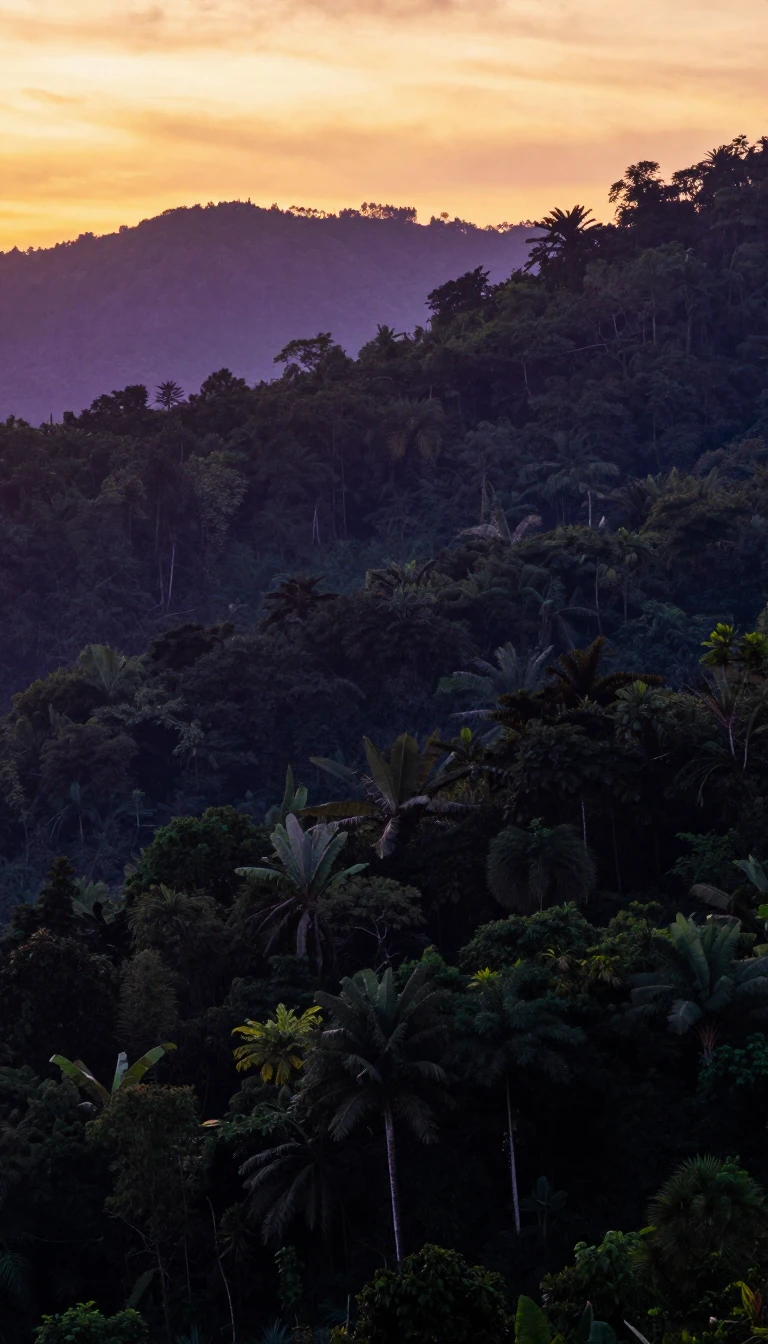 The Cocos Plate is a restless engine of volcanoes and earthquakes beneath the PacificBorn 23 million years ago from the fracturing of the Farallon plate, the Cocos plate is a young, oceanic tectonic force. It relentlessly slides beneath Central America, fueling a …
 The dull black ore powering your smartphone is fueling a humanitarian and ecological crisisColtan, a metallic ore, is the essential source of tantalum, a metal used in capacitors for nearly every modern electronic device. While it enables our digital connectivity, its e…
 The Columbia River Basalt Group: A massive, rapid volcanic event that reshaped the Northwest.Between 17 and 6 million years ago, a series of colossal volcanic eruptions flooded the Pacific Northwest with enough lava to create a plateau over a mile thick. These flows were …
 Why some volcanoes are not just single mountains but entire, shifting geological landscapesA complex volcano is not a simple peak, but a mixed landform built from shifting vents and changing eruptive habits. These structures can evolve from a single stratovolcano into a…
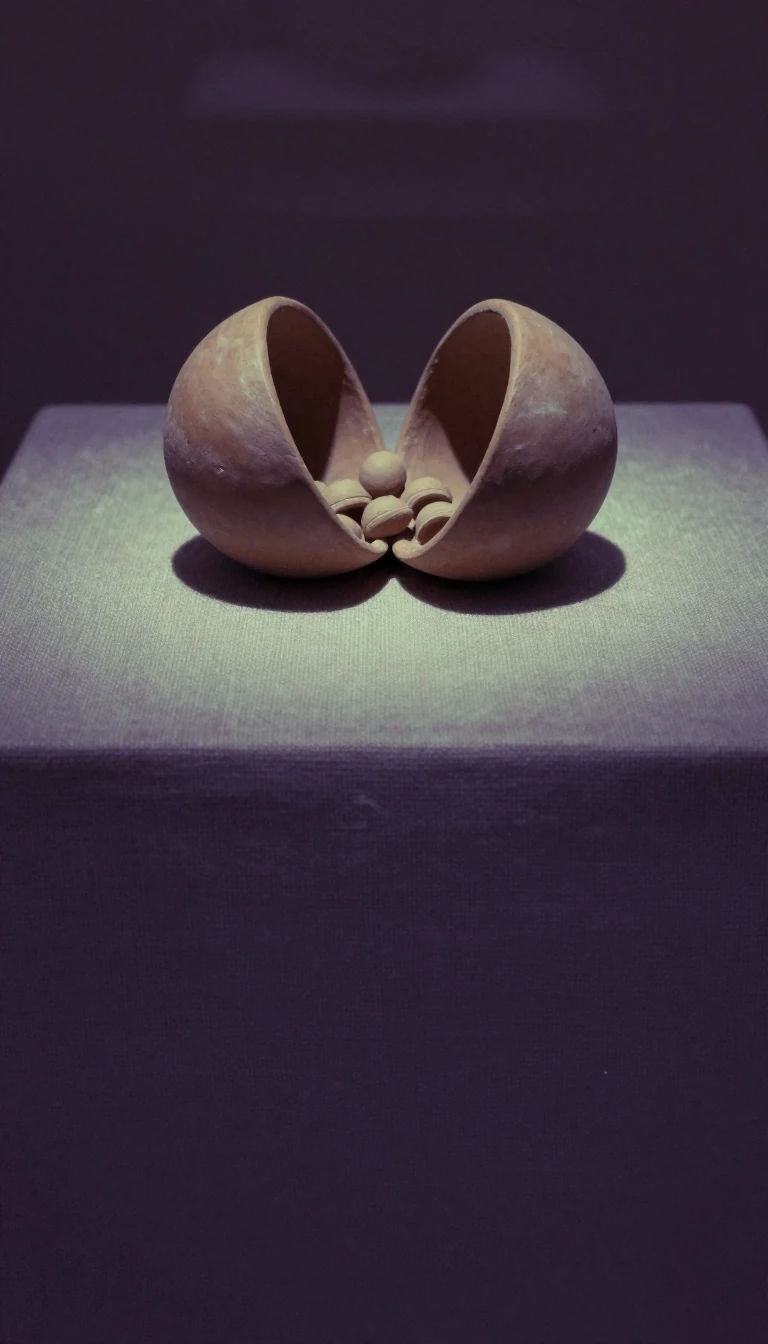 These bizarre, spherical geological formations are often mistaken for alien artifacts or dinosaur eggs.Concretions are compact mineral masses that grow within sedimentary rock, often forming around a nucleus like a fossil or shell. Because they appear in strange, sometimes perfectl…
 Every rock boundary tells a story of Earth's violent or quiet pastIn geology, a contact is the boundary between two rock bodies. These lines are not merely physical edges; they are historical records. Whether formed by the slow accumulation of s…
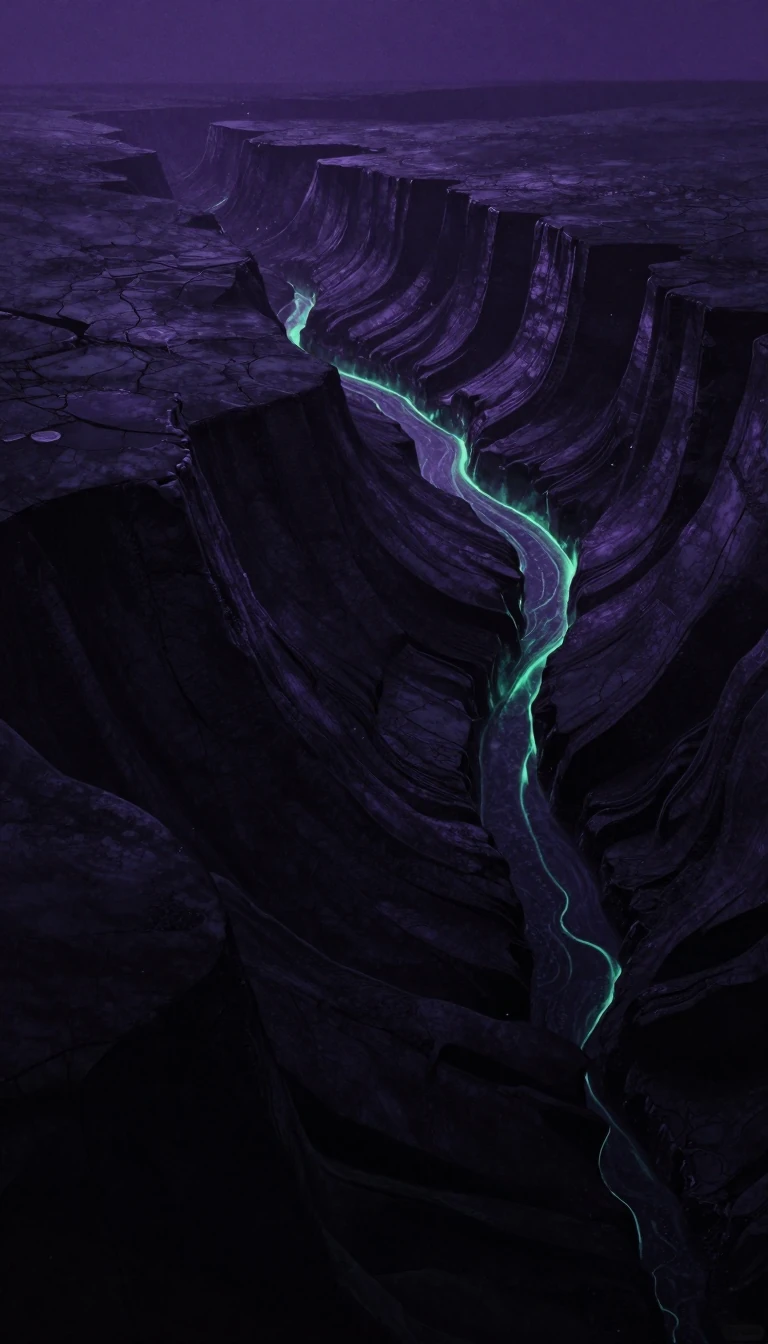 Why the continents are Earth's most enduring archive of its own ancient historyContinental crust is the buoyant, thick layer that forms our landmasses, separating them from the denser, ephemeral oceanic crust below. Because it resists subduction, it acts as …
- How massive chunks of continent drift away to become isolated, submerged islandsContinental fragments are pieces of land that break away from main masses, drifting hundreds of kilometers to form distinct islands. While they share the same crustal composition …
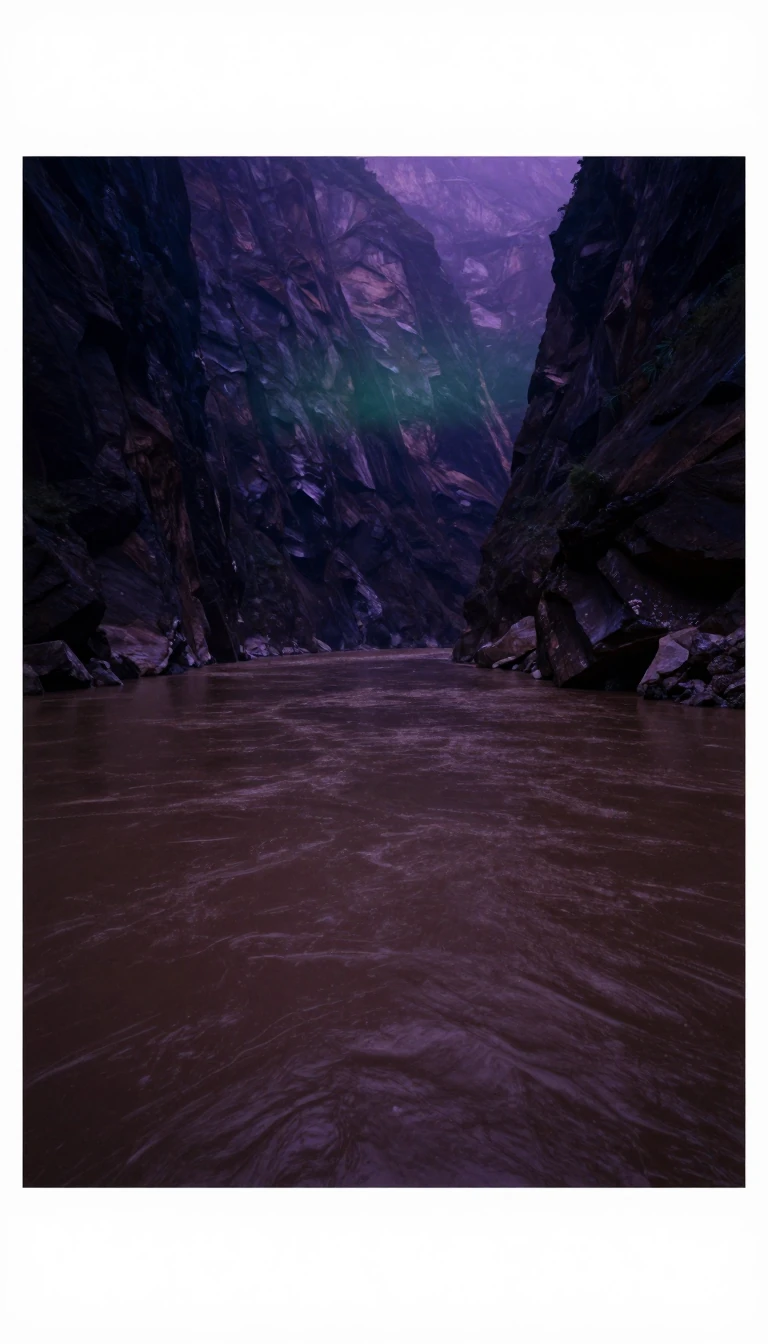 The hidden geography of the ocean floor determines who owns the sea's wealthThe ocean floor is not a uniform basin. It is divided into three distinct zones, with the continental margin acting as the vital transition between land and deep sea. Understandin…
- The continental rise is a vast, hidden landscape of sediment between slopes and plains.Tucked between the steep continental slope and the flat abyssal plain lies the continental rise. This massive depositional zone acts as a geologic sink for materials eroded from l…
- When Earth's giant plates collide, they reshape our planet through a destructive dance.Convergent boundaries are the violent collision zones where Earth's lithospheric plates meet. Because our planet maintains a constant volume, the creation of new crust at ridges m…
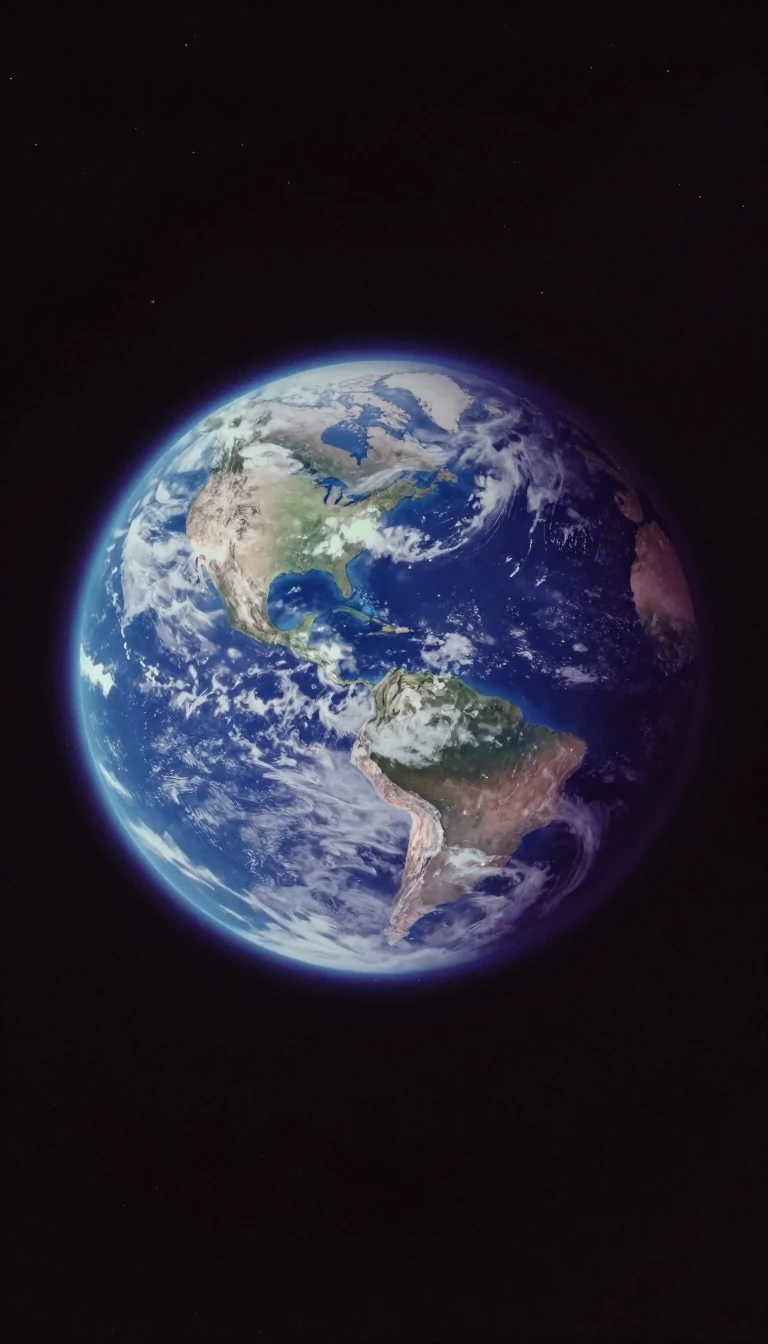 The core-mantle boundary is not a simple line, but a complex, active frontier.Deep beneath our feet, the interface between Earth's rocky mantle and liquid iron core was long viewed as a sharp, static divide. Modern seismology reveals a far more chaotic real…
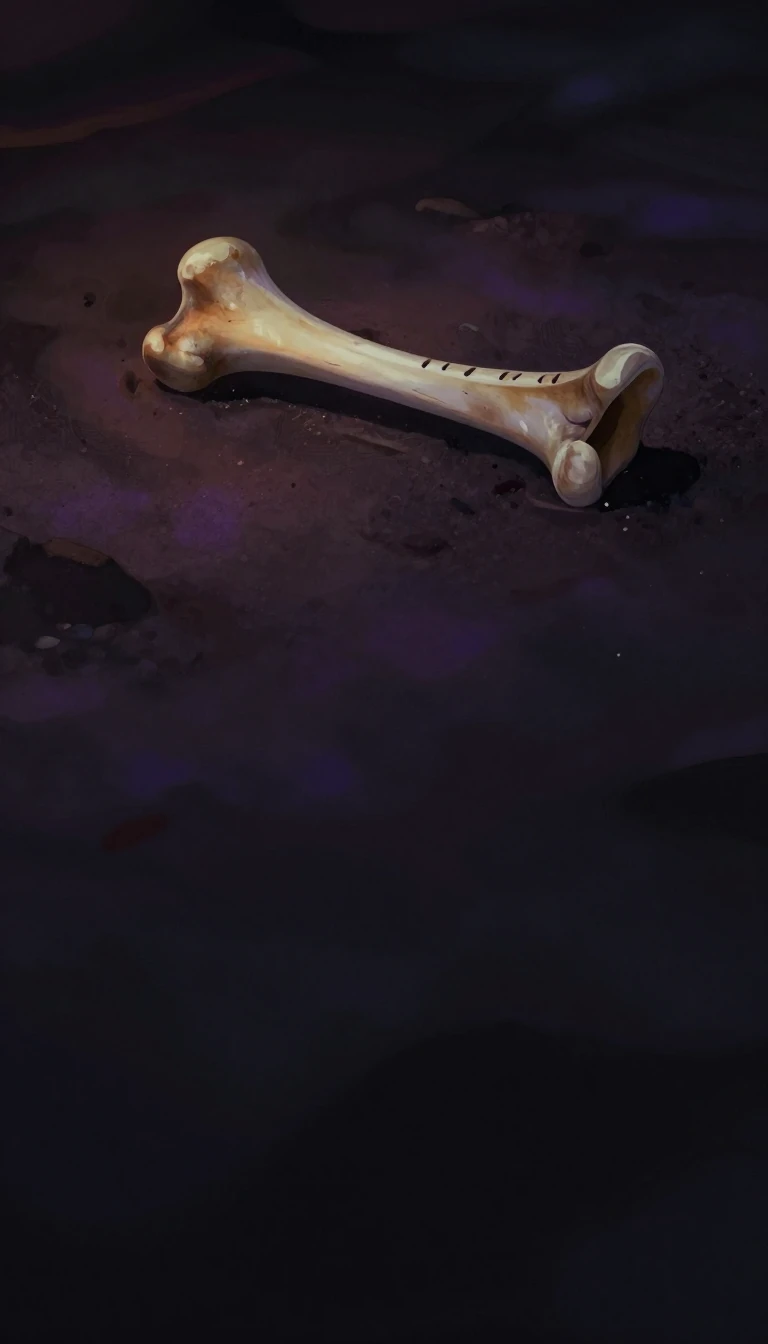 A core sample is a cylindrical time machine revealing Earth's hidden geologic history.By drilling into everything from deep-sea floors to ancient trees, scientists extract intact cylinders of material that act as physical records of the past. These samples reveal s…
 Cratons are the ancient, stable cores that hold our continents together for billions of years.Deep beneath the surface of our continents lie cratons, massive, stable slabs of rock that have survived eons of tectonic chaos. These ancient foundations possess deep, cold roots…
- The Grand Canyon is a giant record of ancient seas rising and fallingGeologists use cratonic sequences to track how massive inland seas once flooded North American continents. These cycles of transgression and regression left behind distinct layers…
- How metamorphic rocks record the complex history of Earth's shifting tectonic stressesCrenulation is a geological fingerprint, a microscopic texture formed when rocks undergo multiple, intersecting stress events. By overprinting one planar fabric with another, thes…
 A thin band of rock holds the secret to the dinosaurs' sudden, violent end.Sixty-six million years ago, a massive asteroid struck Earth, triggering a mass extinction that wiped out 75% of all species. While the Chicxulub impact is the primary suspect, sc…
 Crocoite: The brilliant, toxic, and rare mineral that defined the element chromiumWith its striking hyacinth-red prisms and adamantine luster, crocoite is a visual marvel. Yet this mineral is more than a collector's prize; it is a chemical curiosity that led to…
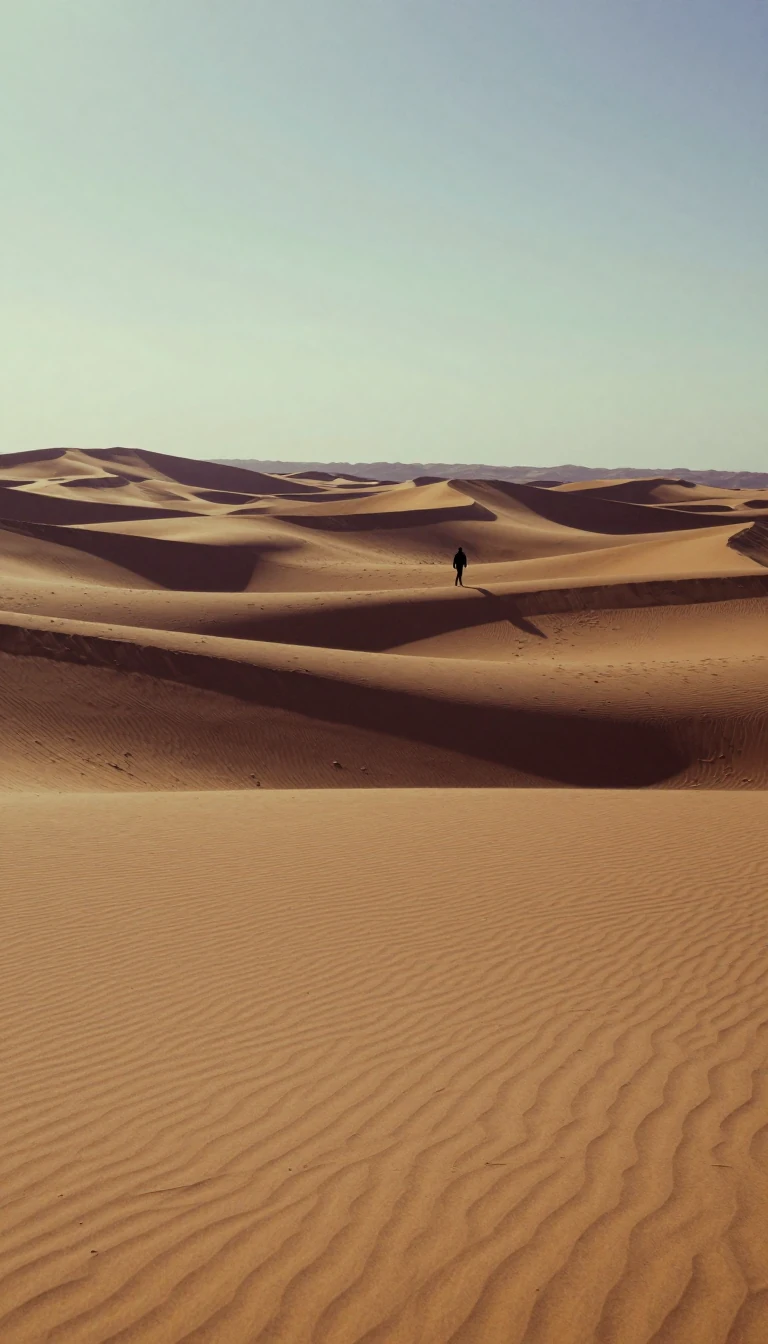 Ancient winds and rivers are frozen in the patterns of sedimentary rockLook closely at a sandstone cliff and you might see layers tilted at an angle to the main horizontal plane. This is cross-bedding, a geological signature left by migrating ripples…
 This rare, frost-like mineral is the secret ingredient behind the modern aluminum industry.Cryolite, a colorless mineral once found in massive quantities in Greenland, is the unsung hero of aluminum production. By acting as a solvent that drastically lowers the melting …
- Cummingtonite: The fibrous amphibole hidden within metamorphosed iron-rich rocks across WisconsinNamed for its unique crystalline structure, cummingtonite is a fascinating member of the amphibole family. Often appearing as elongated or fibrous green to brown grains, this mine…
- This brilliant red mineral is a hidden powerhouse behind the history of human metalwork.Cuprite, a striking red oxide, is far more than a collector's curiosity. As a secondary mineral formed through the weathering of copper deposits, it serves as a vital indicator fo…
 How massive rock layers glide across the Earth's crust like a tectonic slideDeep beneath the surface, entire mountain ranges can detach and slide over the bedrock below. This phenomenon, known as décollement, acts as a geological slip-plane, allowing mass…
- How do earthquakes happen hundreds of miles deep where rock should simply flow?Deep-focus earthquakes occur at depths exceeding 300 kilometers, where extreme pressure and heat should force rock to deform plastically rather than fracture. Yet, these events st…
 Why rivers carve deep into the earth, leaving ancient landscapes high and dryRivers are not just water flowing downhill; they are relentless architects of the landscape. Through a process called degradation, streams actively lower their beds by eroding bed…
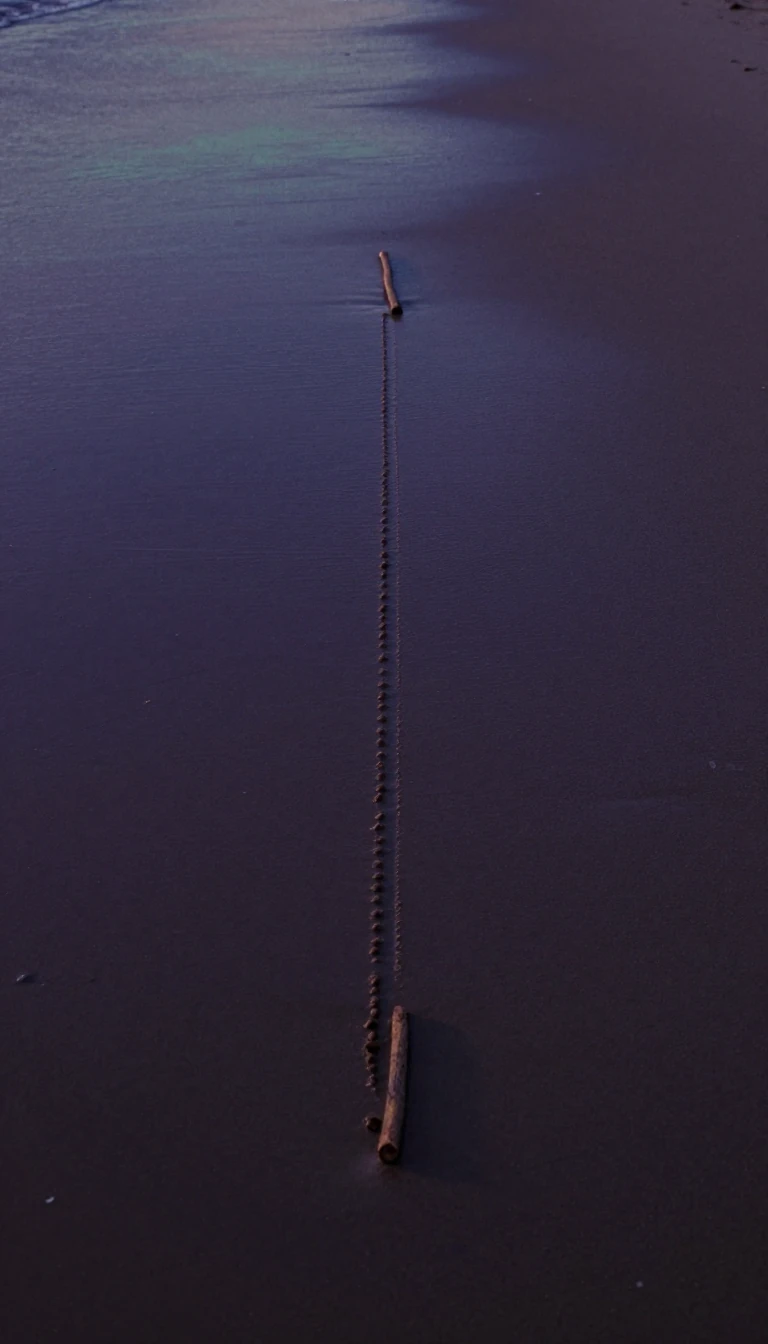 Why do beaches sort themselves by grain size? The mystery of the null point.Have you ever wondered why sand gets finer as you move from the shore into deeper water? It is not random. The null point hypothesis suggests that sediment particles naturally mig…
- How massive detachment faults reshape the Earth's crust across oceans and continentsDetachment faults are colossal, gently sloping structures that tear through the Earth's crust. Whether they are pulling apart continents or creating oceanic core complexes on the …
- Diagenesis is the silent architect transforming loose sediment into stone and bone into historyDeep beneath the surface, a quiet alchemy unfolds. Diagenesis is the process that turns soft, shifting sediment into solid rock and dictates the ultimate fate of buried biological…
 How cold, dense rock pierces the Earth's crust like a slow-motion liquidA diapir is a geological phenomenon where mobile, ductile material forces its way through brittle, overlying rock. Often compared to a Galilean thermometer, these structures rise …
 Diopside is a versatile mineral that acts as a thermometer for the Earth's mantleBeyond its role as a semi-precious gemstone, diopside is a critical geological tool. This monoclinic pyroxene mineral provides scientists with a window into the extreme temperatur…
- The invisible river: how dissolved minerals shape the Earth's climate and landscapeRivers carry more than just mud and silt. A significant portion of their burden is invisible, consisting of ions dissolved through chemical weathering. This dissolved load acts as…
- How the Earth creates new land by pulling itself apart at the seamsDivergent boundaries are the planet's construction zones, where tectonic plates drift away from each other to make room for new crust. Driven by mantle convection, these gaps are …
- The mineral that baffles geologists: why does dolomite refuse to form in labs?Dolomite makes up two percent of the Earth's crust, yet it remains a geological enigma. While it forms massive rock formations, scientists have never successfully synthesized it u…
 Why is the world's most common carbonate rock so difficult to create in labs?Dolomite is a geological paradox. While it makes up vast swaths of the Earth's crust, scientists have struggled for centuries to replicate its formation in laboratory settings. Th…
- Why rocks flow like fluids deep beneath the Earth's surfaceDeep inside the crust, the rigid stone beneath our feet begins to behave like a flowing liquid. This transition from brittle fracturing to ductile deformation is governed by extre…
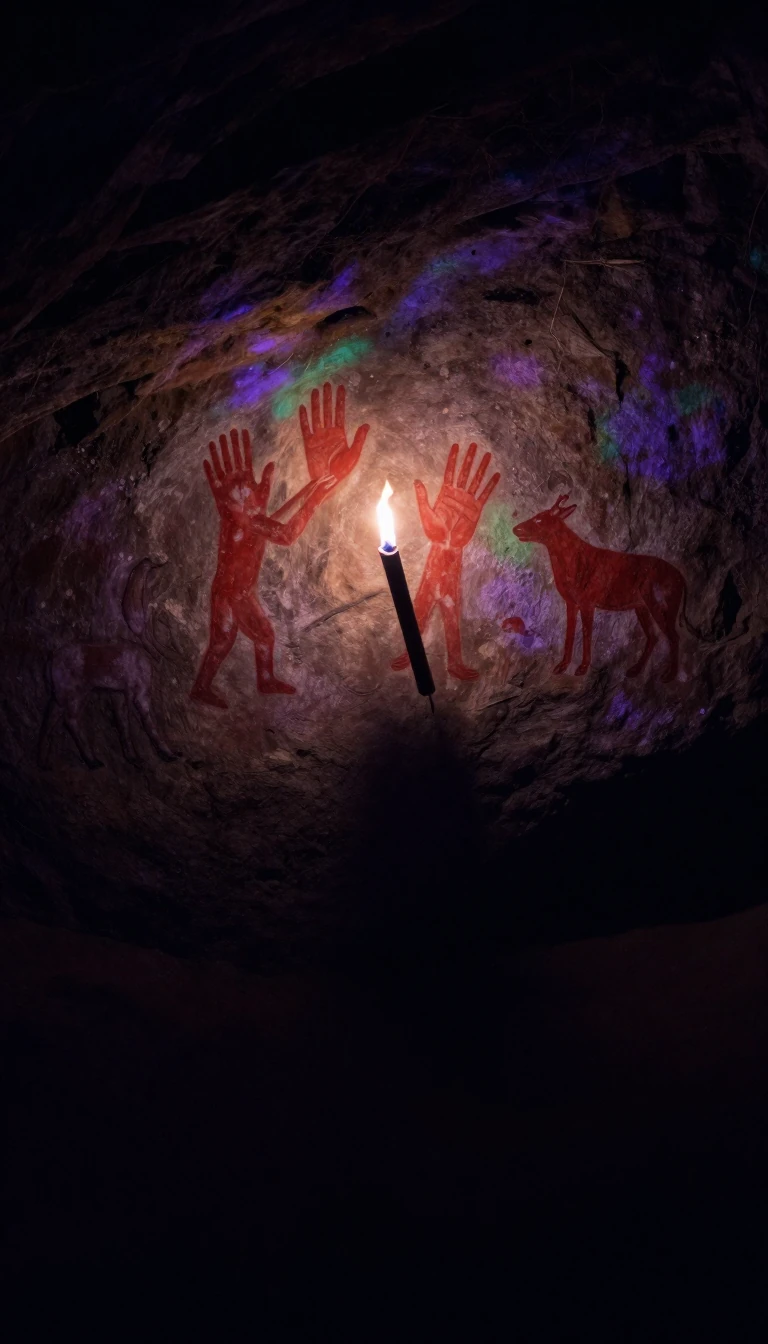 Why prehistoric cave art remains vibrant after thousands of years of exposure to timeThe secret to the longevity of ancient cave paintings lies in the earth itself. Naturally occurring minerals, specifically iron and manganese oxides, provide a durable foundation …
- Earth's internal heat is a massive engine, but it barely touches our daily lives.While Earth radiates 47 terawatts of internal heat, this energy is dwarfed by the 173,000 terawatts of solar radiation hitting the surface. Yet, this hidden subterranean furnace i…
 Earthquake early warning systems provide crucial seconds of notice, but they cannot predict quakes.These systems do not foresee seismic events; instead, they detect the initial ground motion of a quake already in progress. By transmitting electronic alerts faster than the destr…
 Can we predict earthquakes? Science says we are still waiting for a breakthrough.Earthquake prediction remains an elusive goal, often confused with forecasting or real-time warnings. Despite decades of searching for reliable precursors—from animal behavior to …
 Earthquake safety is not about building indestructible homes, but protecting the lives inside them.Most people assume building codes aim to prevent any structural damage during an earthquake. In reality, modern engineering prioritizes life safety over property preservation. By …
 Why the ground beneath your feet is more than just dirt for plantsEdaphology is the study of how soil shapes life, particularly plants and human land use. While often confused with pedology, this field bridges the gap between fundamental science…
 The Eoarchean Era: When Earth’s crust first hardened and life may have begunThe Eoarchean marks the dawn of the geological record, beginning four billion years ago. As the planet cooled from its molten Hadean state, the first stable crust formed, setting …
 The epicenter is not necessarily where an earthquake causes the most destructionWe often mistake the epicenter for the heart of an earthquake's damage, but geology tells a different story. While the epicenter sits directly above the underground rupture, the m…
 Why this common green mineral is named after the Greek word for increaseEpidote is a widespread rock-forming mineral known for its distinct pistachio-green hue. Its name, derived from the Greek word epidosis, refers to a unique structural quirk: one s…
- Erythrite: The Crimson Mineral That Acts as a Beacon for Hidden Cobalt DepositsKnown for its striking crimson or peach-red hue, erythrite is more than just a beautiful geological curiosity. This hydrated cobalt arsenate mineral serves as a vital field guide …
 The Eurasian Plate is a massive geological puzzle that continues to reshape our worldSpanning from the Mid-Atlantic Ridge to the edge of the Pacific, the Eurasian Plate is a tectonic titan. Its relentless collisions with neighboring plates have forged the world's …
 Why volcanic rock cools into glass instead of forming visible crystalsWhen magma erupts onto the Earth's surface, it undergoes a dramatic transformation. Unlike intrusive rocks that cool slowly underground, extrusive rocks solidify rapidly in the op…