 Intellect Plus
Organisms
1,988 cards. Each one is a 40-second story with a five-minute read behind it. Page 8 of 34.
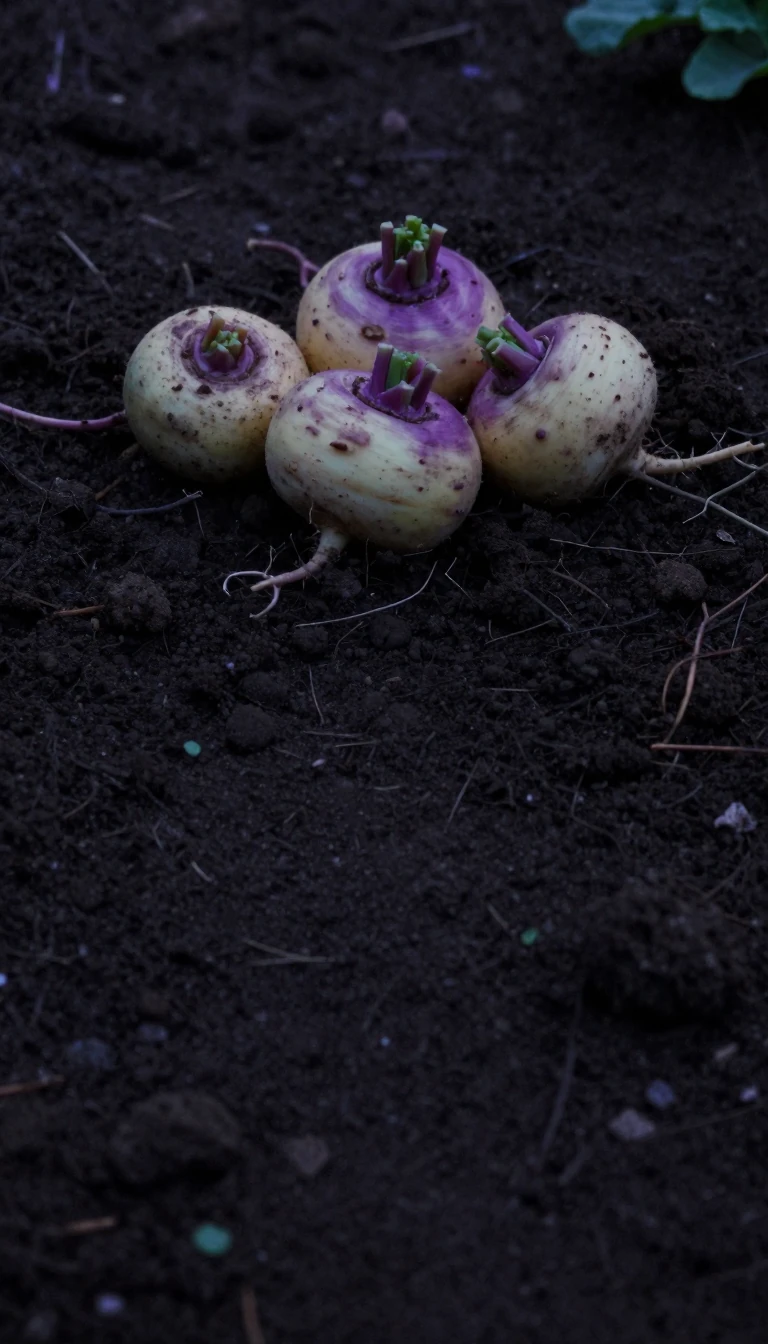 The ancient, slimy, and controversial green leaf that once sparked a royal banMulukhiyah, a dish made from jute leaves, is a staple across the Middle East and Africa. Known for its distinctively mucilaginous, or slimy, texture, it has been a culinary obsess…
 How the Haida Nation reclaimed their ancestral territory after centuries of colonial pressureThe Haida people have navigated centuries of existential threats, from devastating smallpox epidemics to the forced suppression of their language and the potlatch ceremony. Today,…
 Beyond its medieval roots, KU Leuven now hosts the world's largest banana genebank.While KU Leuven traces its academic lineage to 1425, the modern institution is a global powerhouse of innovation. From pioneering solar hydrogen technology that converts 15 percen…
 Marburg virus: A lethal hemorrhagic pathogen with a complex, century-long evolutionary historyDiscovered in 1967 after laboratory outbreaks in Germany and Yugoslavia, the Marburg virus remains one of the world's most dangerous pathogens. Despite its classification as a hig…
 France balances a sophisticated social market with persistent fiscal challenges and state-led industrial strategy.France operates a complex, highly developed economy where the state remains a central player. While it ranks among the world's most innovative nations and leads in sectors like ae…
 Is Australia's legendary economic resilience finally meeting its match in the modern era?Australia famously avoided a technical recession for nearly three decades, earning a reputation for unmatched stability. Yet, recent years have introduced a complex mix of stagnan…
 How North Korea’s centrally planned economy balances state control with hidden market forcesNorth Korea maintains a rigid, state-run economy rooted in the ideology of Juche, yet it has long grappled with the rise of informal markets. From the collapse of the Soviet Union…
 Is this syrup-soaked semolina cake named for a kiss or a tiger?Basbousa, the beloved semolina dessert found across the Middle East and Balkans, carries a history as layered as its ingredients. Whether you call it revani, nammoura, or harisa, …
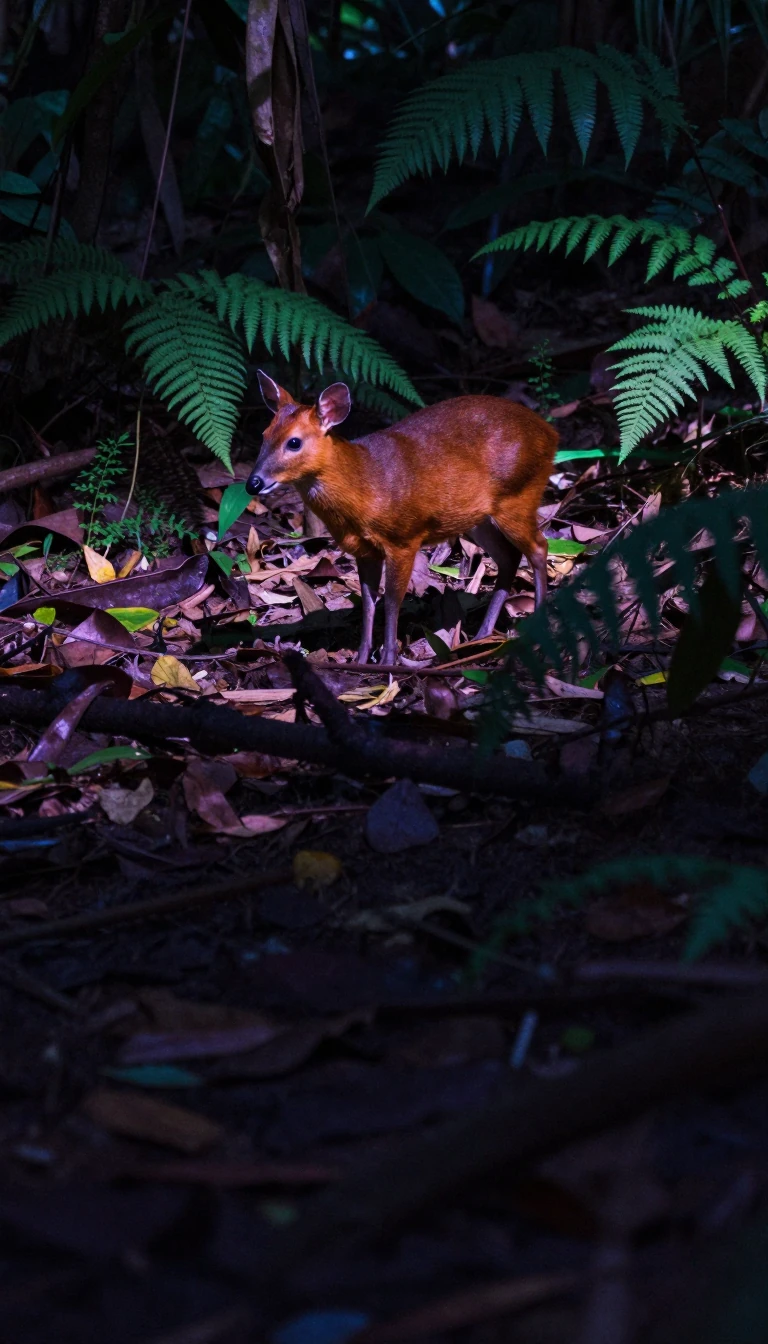 Why the twelve-horned swamp deer is a masterclass in wildlife recoveryKnown as the barasingha, this unique deer species is named for its distinctive antlers, which carry more than three tines. Once pushed to the brink of extinction by habitat loss a…
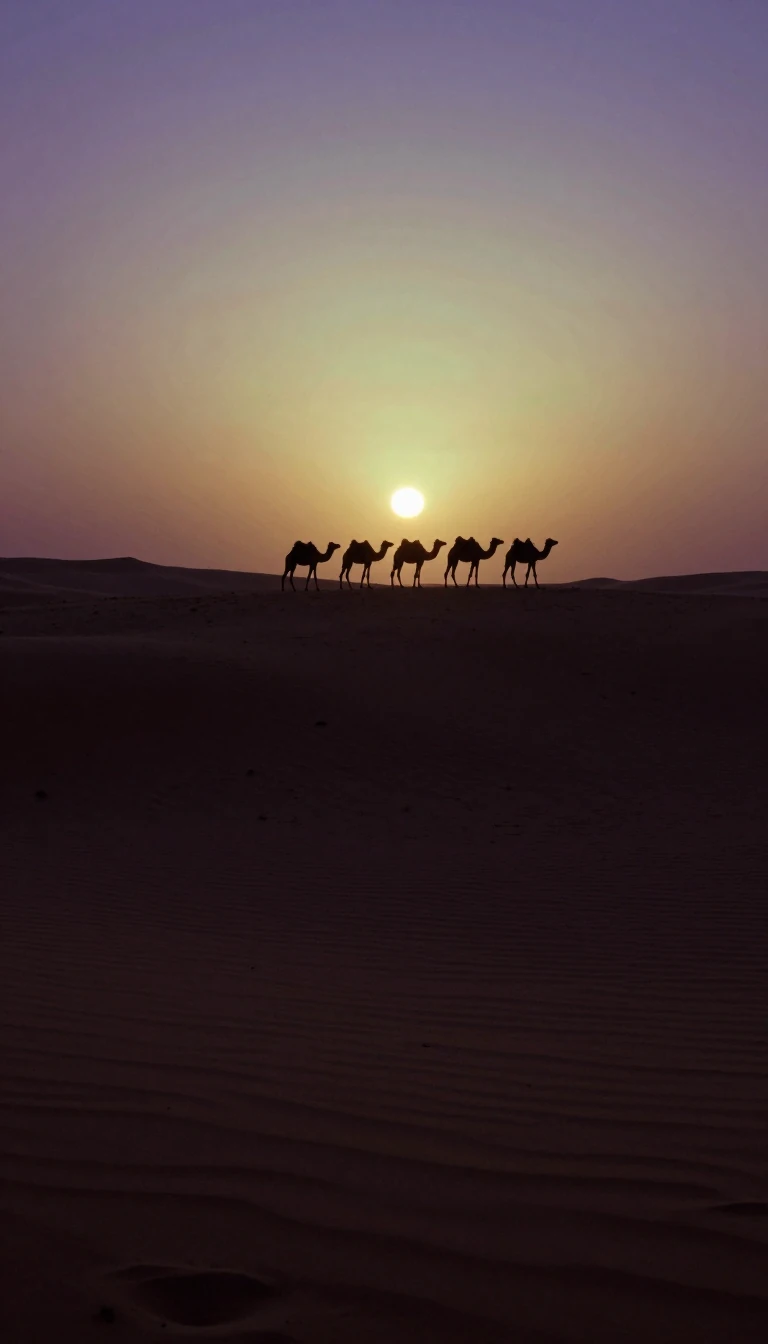 The resilient aoudad is a desert master that thrives where others simply cannot surviveNative to the rugged, arid mountains of North Africa, the Barbary sheep—or aoudad—is a master of survival. These agile creatures can extract all necessary water from their diet, a…
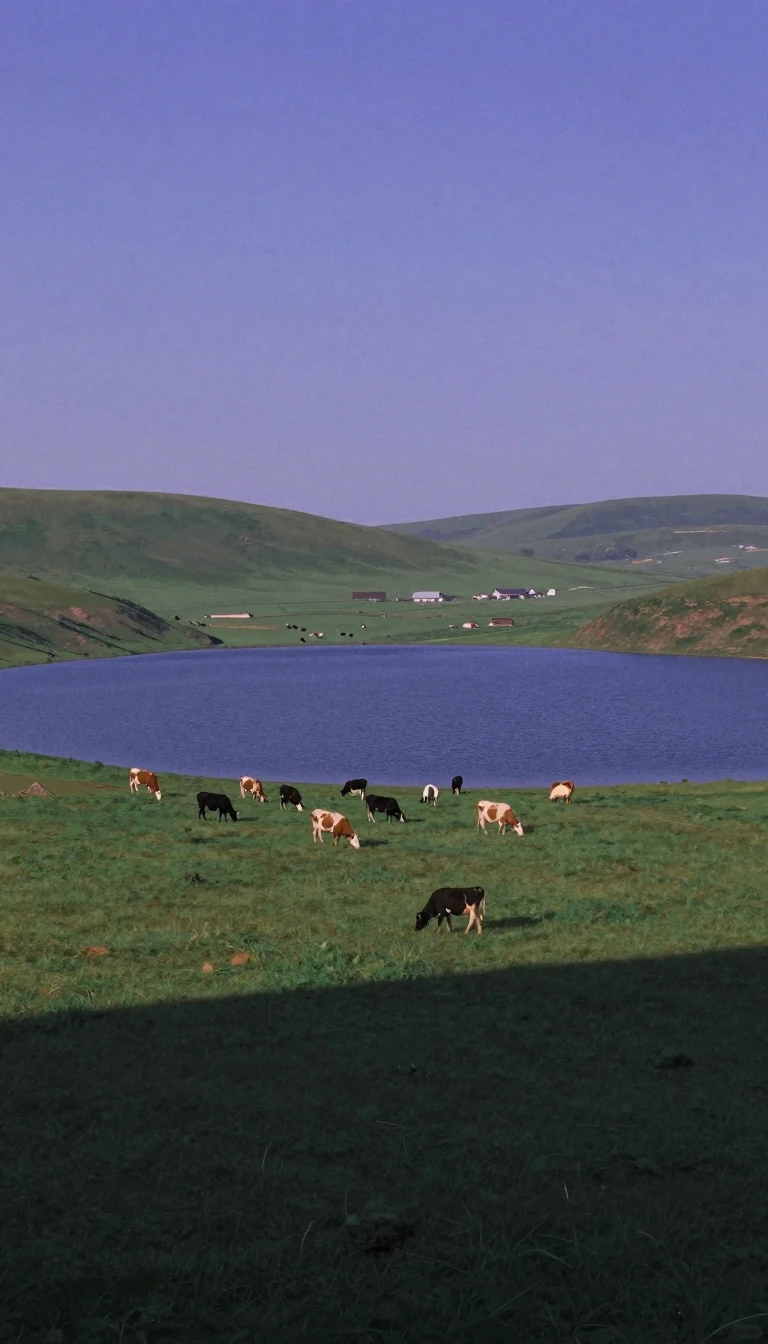 Why the world's largest cattle are not always what they seem to beFrom the antelope-like saola to the massive gaur, the tribe Bovini represents the largest members of the family Bovidae. While humans have successfully domesticated five of these …
 The giant beaver was a bear-sized rodent that never built a single dam.Castoroides, the Pleistocene giant beaver, reached lengths of over two meters and weighed up to 125 kilograms. Despite their name, these massive creatures were not close relatives…
 A banana duct-taped to a wall sold for millions, but is it art?Maurizio Cattelan’s Comedian is a fresh banana affixed to a wall with duct tape. It has sparked intense global debate, high-stakes auctions, and multiple public acts of consumptio…
 This resilient soil bacterium is a master of survival, industry, and space travel.Bacillus subtilis is a microscopic powerhouse found everywhere from subway tracks to the human gut. Beyond its role as a common soil dweller, this rod-shaped organism serves as a …
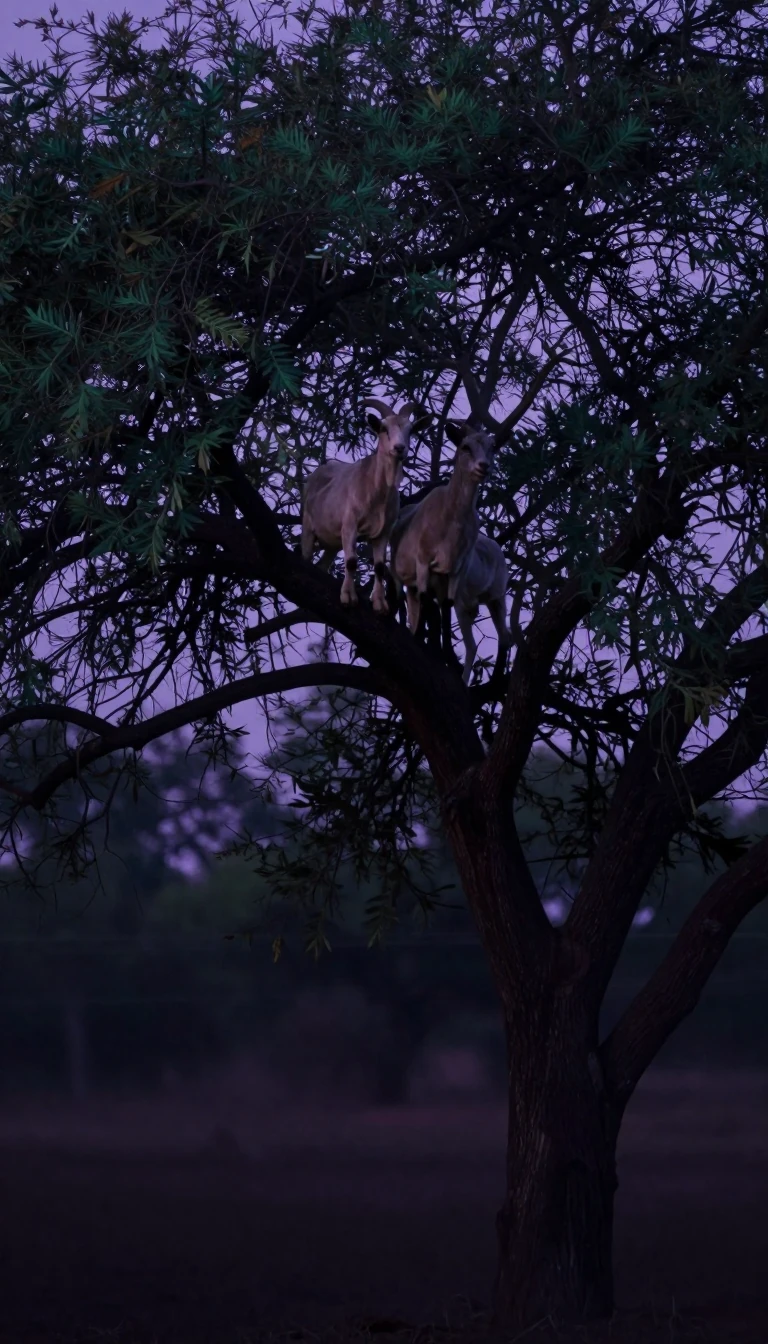 How a tiny population of mountain goats survived near-total extinction in the AlpsOnce hunted to the brink of disappearance, the Alpine ibex is a master of vertical survival. These resilient goats scale near-vertical dams and thrive in extreme alpine terrain. T…
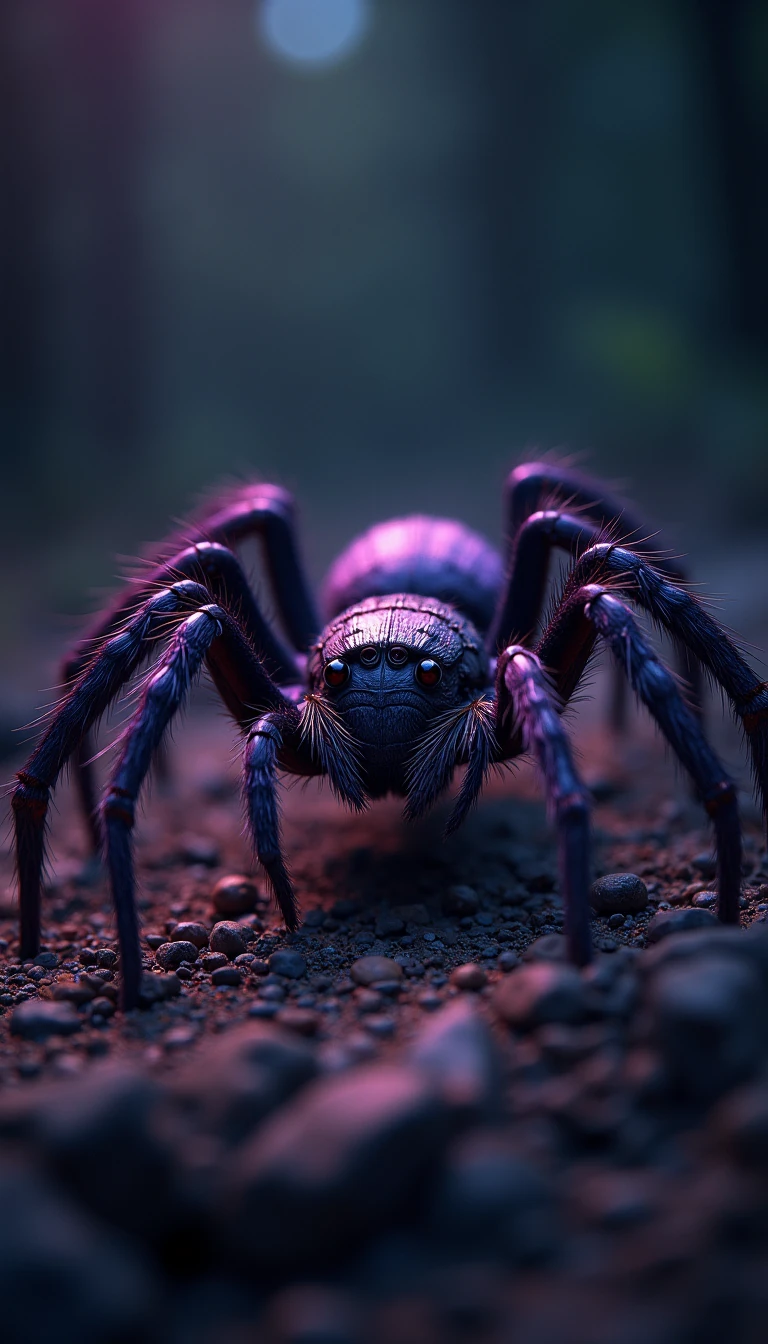 Sea spiders are not spiders, but bizarre marine arthropods with organs inside their legs.With bodies so small they cannot house their own digestive and reproductive systems, sea spiders have evolved to store these organs within their long, stilt-like legs. Despite the…
 Whangārei: A New Zealand city named for ancient legends and strategic ambushAs the northernmost city in New Zealand, Whangārei is a hub of maritime history and volcanic geography. Its name remains a subject of debate, with traditions linking it to migrato…
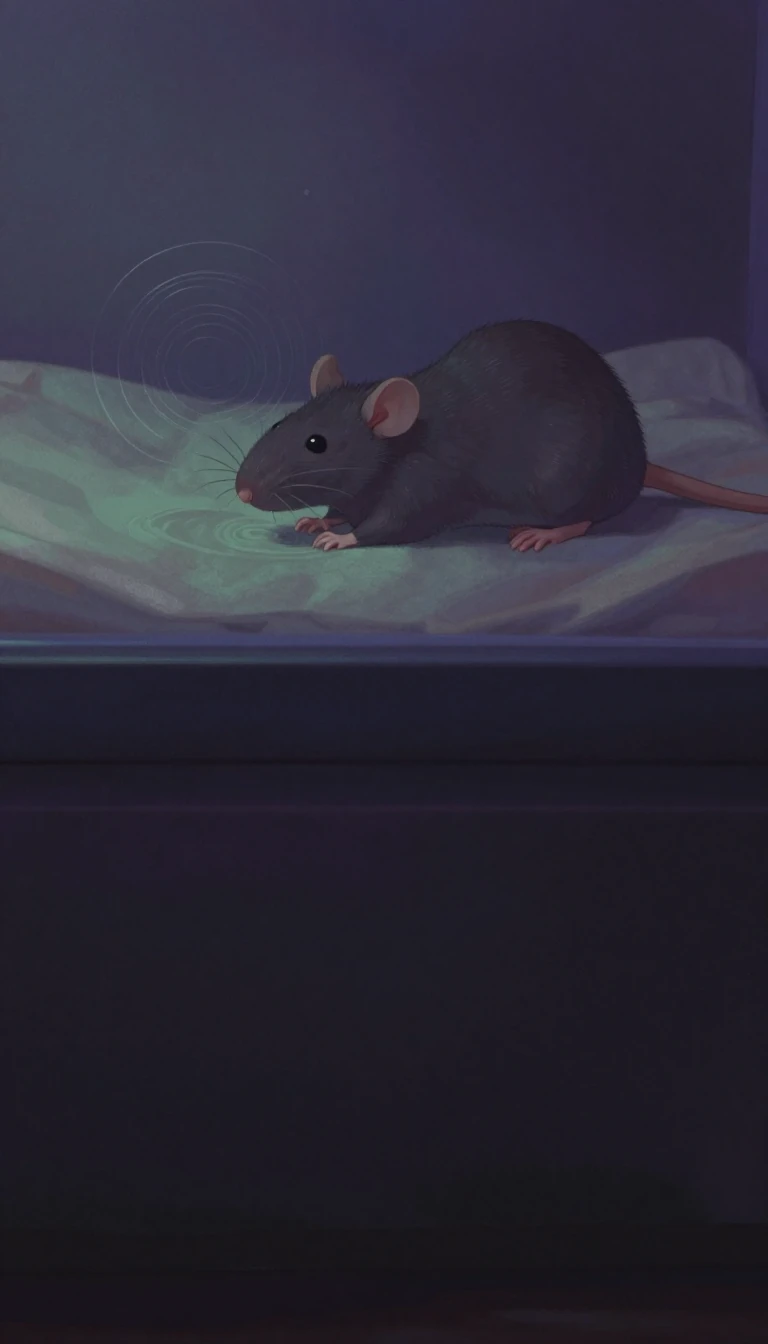 Voles are small rodents that can display surprisingly complex social and empathetic behaviorsOften mistaken for mice or moles, voles are prolific rodents with a secret life. Beyond their rapid reproduction and destructive burrowing, some species exhibit monogamous pair-bo…
 The ancient insect that looks like a wasp but lacks a waistSawflies are primitive, wasp-like insects that have thrived for 250 million years. Unlike their more famous cousins—the ants, bees, and wasps—sawflies lack the signature narrow wa…
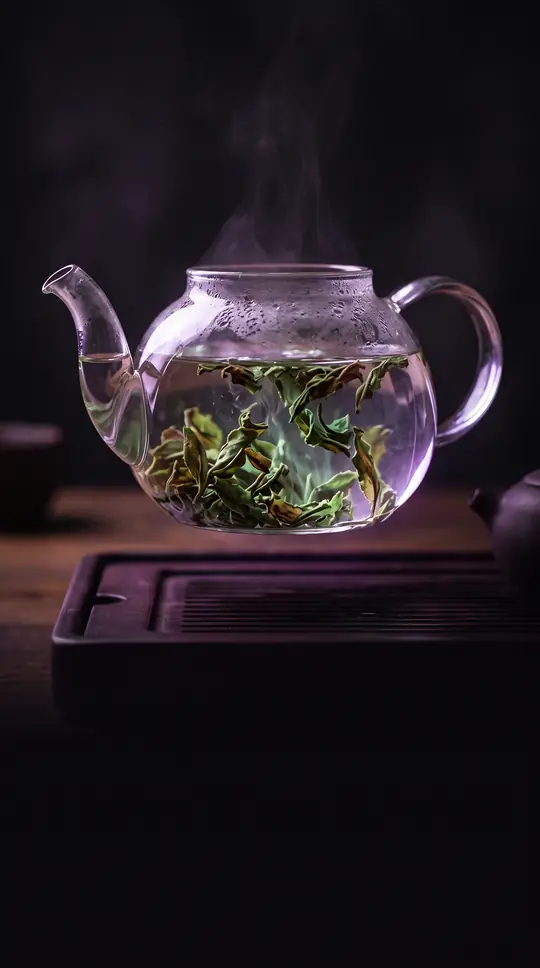 Why your morning cup of tea might be a hidden kidney stone riskOxalate is a naturally occurring anion found in many common plant foods, from spinach to black tea. While essential for plant defense, excessive consumption can lead to the format…
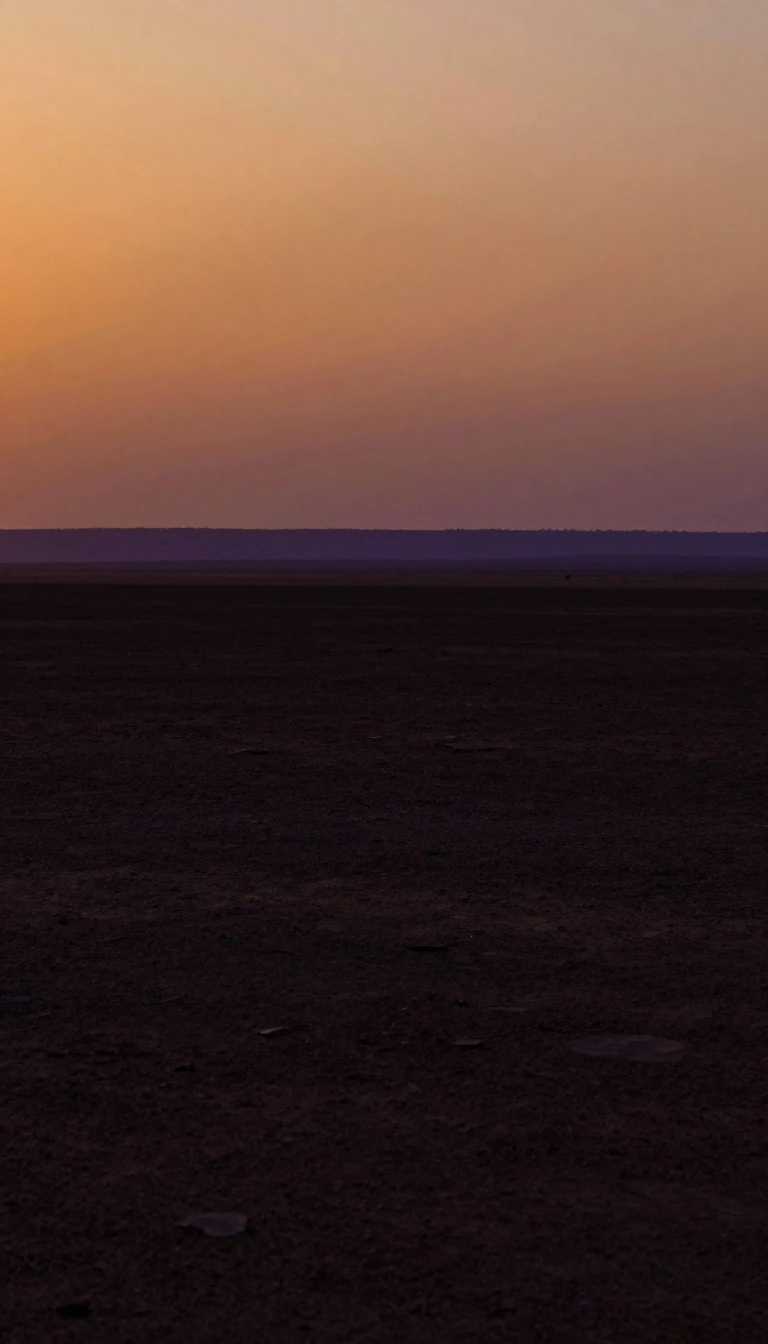 Two remote volcanic islands in the Indian Ocean host a fragile, struggling subantarctic ecosystem.The Prince Edward Islands are a pair of uninhabited, wind-battered volcanic outposts administered by South Africa. Once a hub for sealers and whalers, these islands now serve as a…
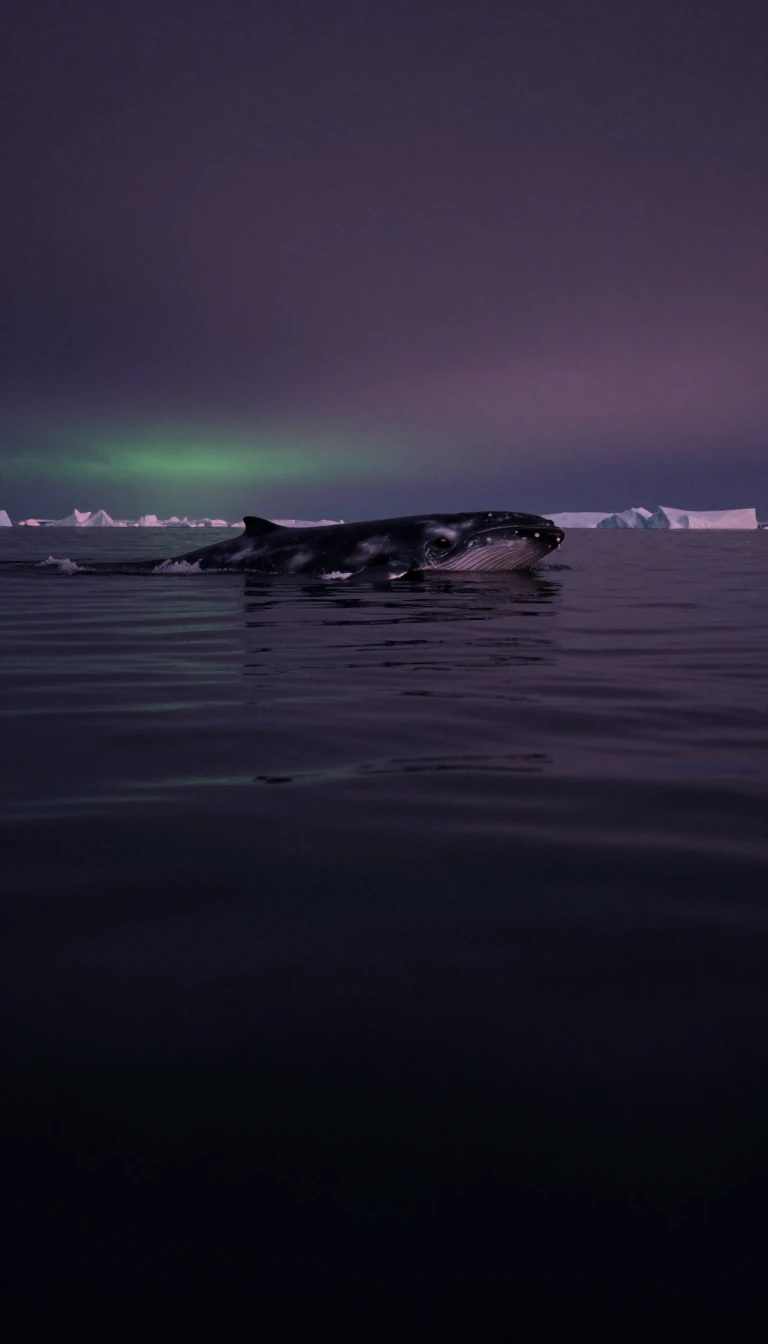 Why the right whale earned its name by being the perfect target for whalersRight whales were once the preferred target for whalers because they were docile, stayed near the coast, and possessed high blubber content that kept them afloat after death. Toda…
 Saaremaa: The Estonian Island Where Ancient Meteorites and Rare Flora CollideRising from the Baltic Sea, Saaremaa is a landscape shaped by both celestial impacts and unique biological evolution. Home to the rare Saaremaa yellow rattle and a rich tapestry o…
 Why Charles Darwin found the existence of parasitoid wasps deeply unsettling to his faithParasitoid wasps are nature's most efficient biological engineers, manipulating host immune systems and behavior to ensure their offspring survive. Yet, their brutal life cycle—of…
 How a land-grant university in Fargo maintains its vast, sprawling research landscapeNorth Dakota State University is more than a collection of classrooms. It is a massive research engine that manages over 18,000 acres of agricultural land across the state. From h…
- Why this small, fast whale was once ignored by the world's whaling fleetsThe minke whale is the second smallest baleen whale, a trait that initially saved it from the industrial-scale hunting that decimated its larger relatives. Today, these elusive, h…
 The elephant-sized Megatherium was a giant ground sloth that once roamed South America.Long before modern sloths hung from trees, the Megatherium walked the earth as a massive, four-tonne beast. This extinct genus, first identified by Georges Cuvier in 1796, could s…
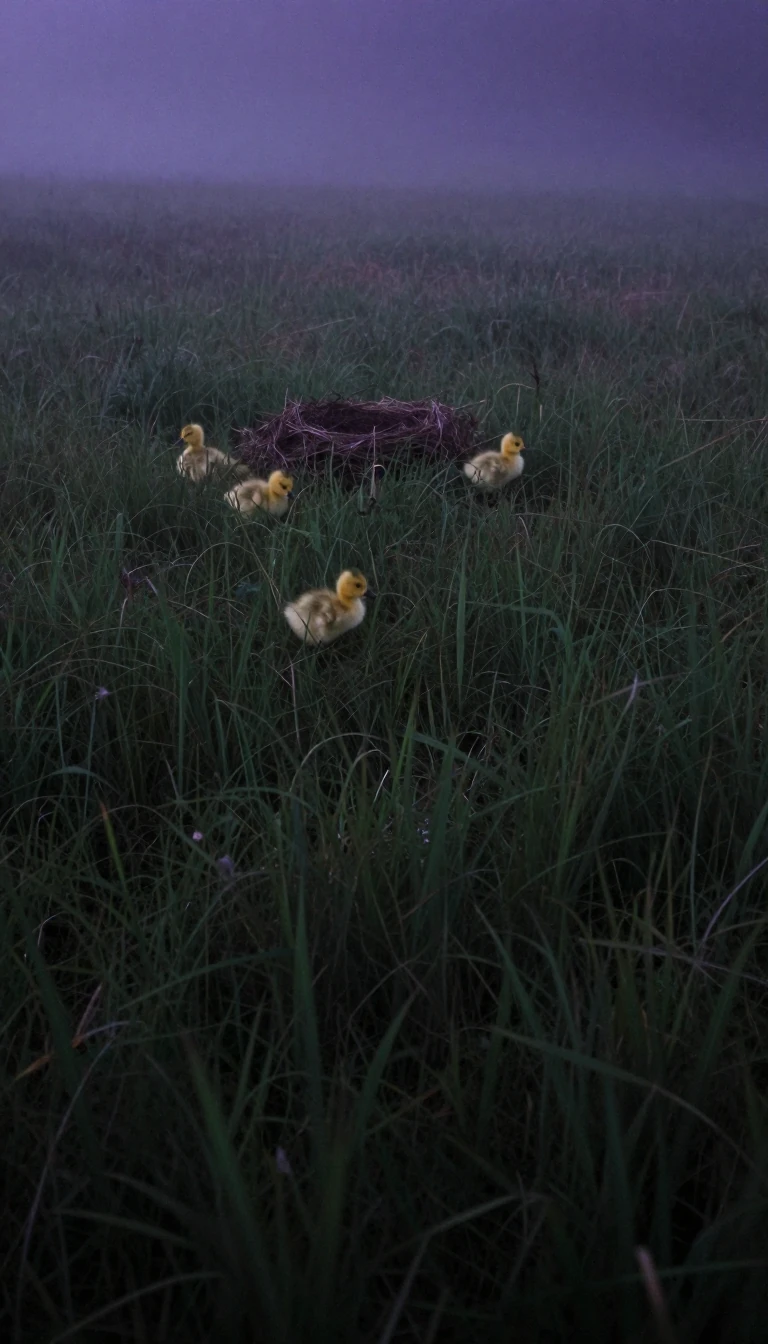 Neognathae: The Infraclass of Birds That Includes Nearly Every Living Species You KnowFrom the tiny hummingbird to the massive ostrich, birds dominate our skies. Yet, the vast majority belong to a single group: the Neognathae. Comprising nearly 10,000 species, thes…
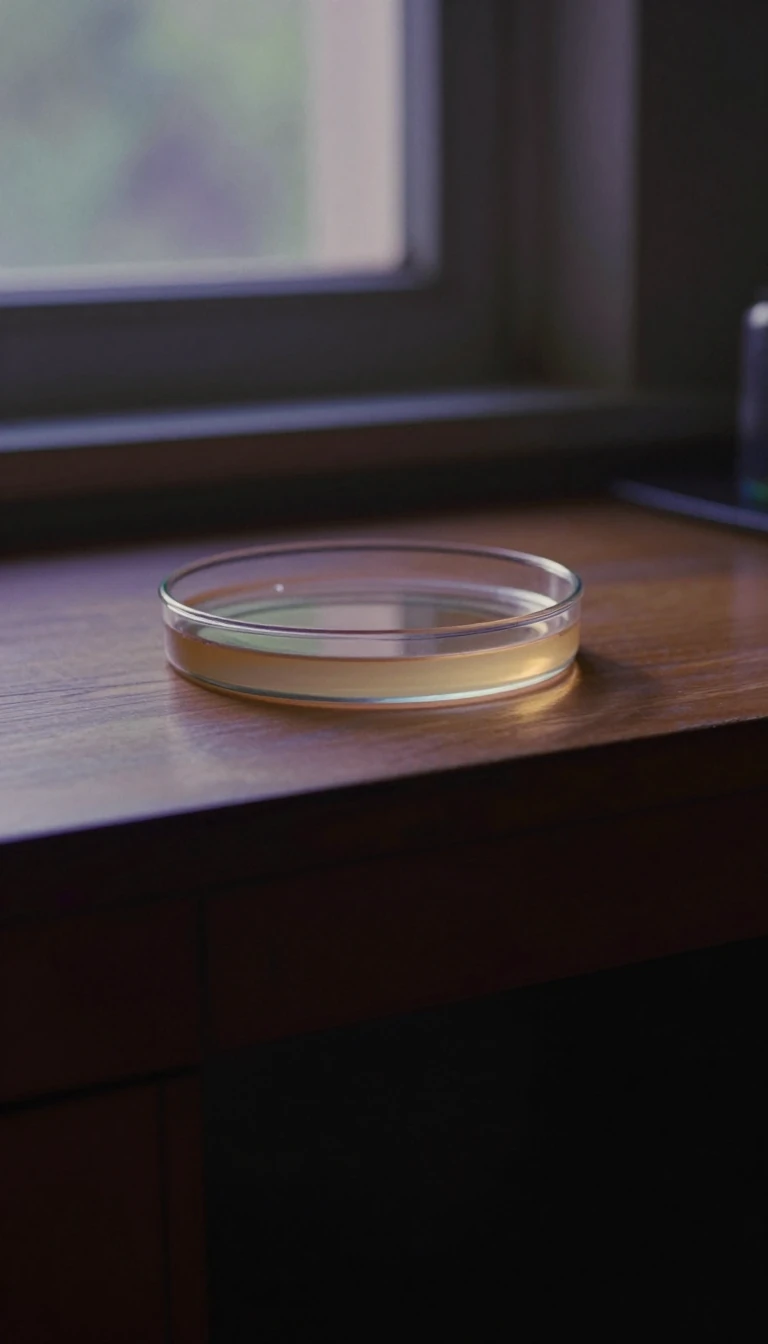 That mysterious jelly on your lawn might be a resilient, nitrogen-fixing space traveler.Often mistaken for fallen stars or witch's butter, Nostoc is a genus of hardy cyanobacteria that swells into gelatinous masses after rain. Beyond its strange appearance, this orga…
- A species can vanish from your backyard while thriving on the other side of Earth.Local extinction is the disappearance of a population from a specific region, even as the species persists elsewhere. It is a critical ecological signal, often driven by habitat l…
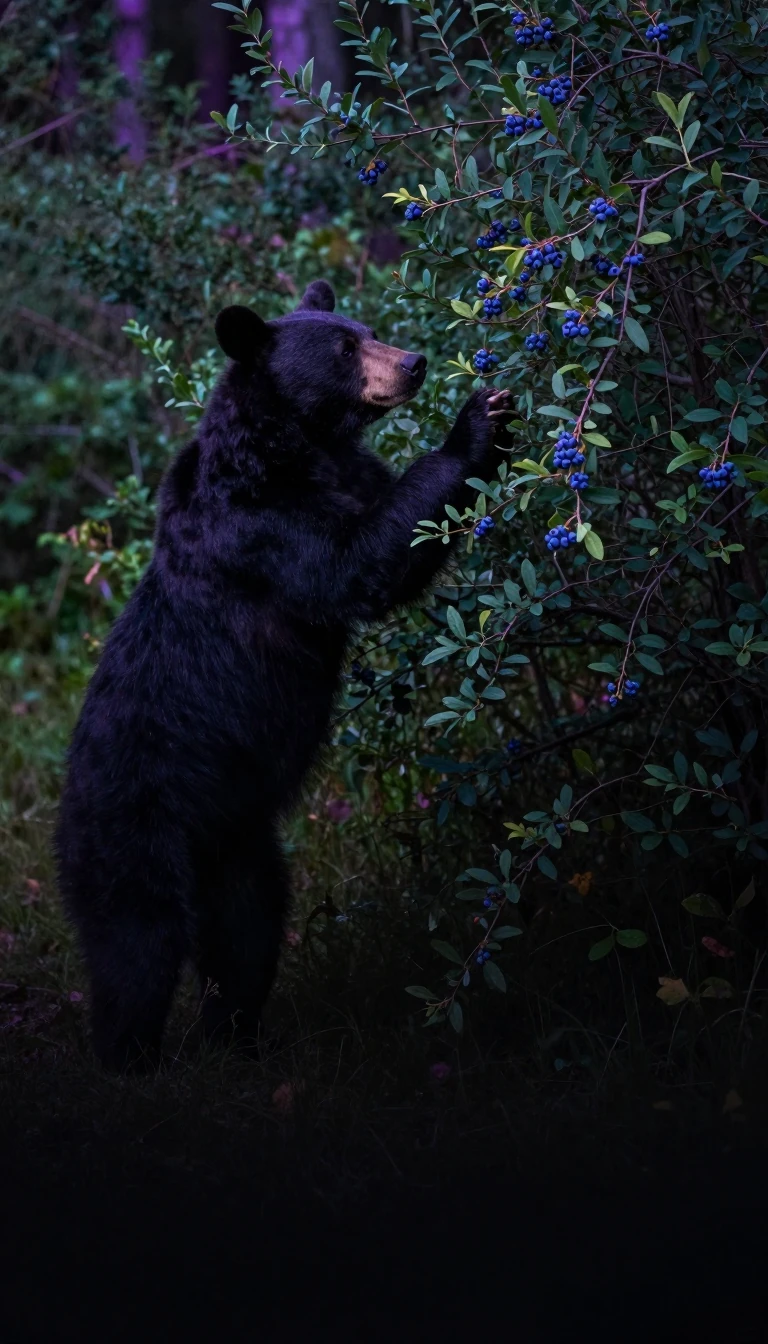 The Kodiak bear is a giant of the north, isolated for over 10,000 years.Inhabiting the islands of the Kodiak Archipelago, these massive brown bears are among the largest terrestrial carnivores on Earth. While they share a lineage with mainland grizzli…
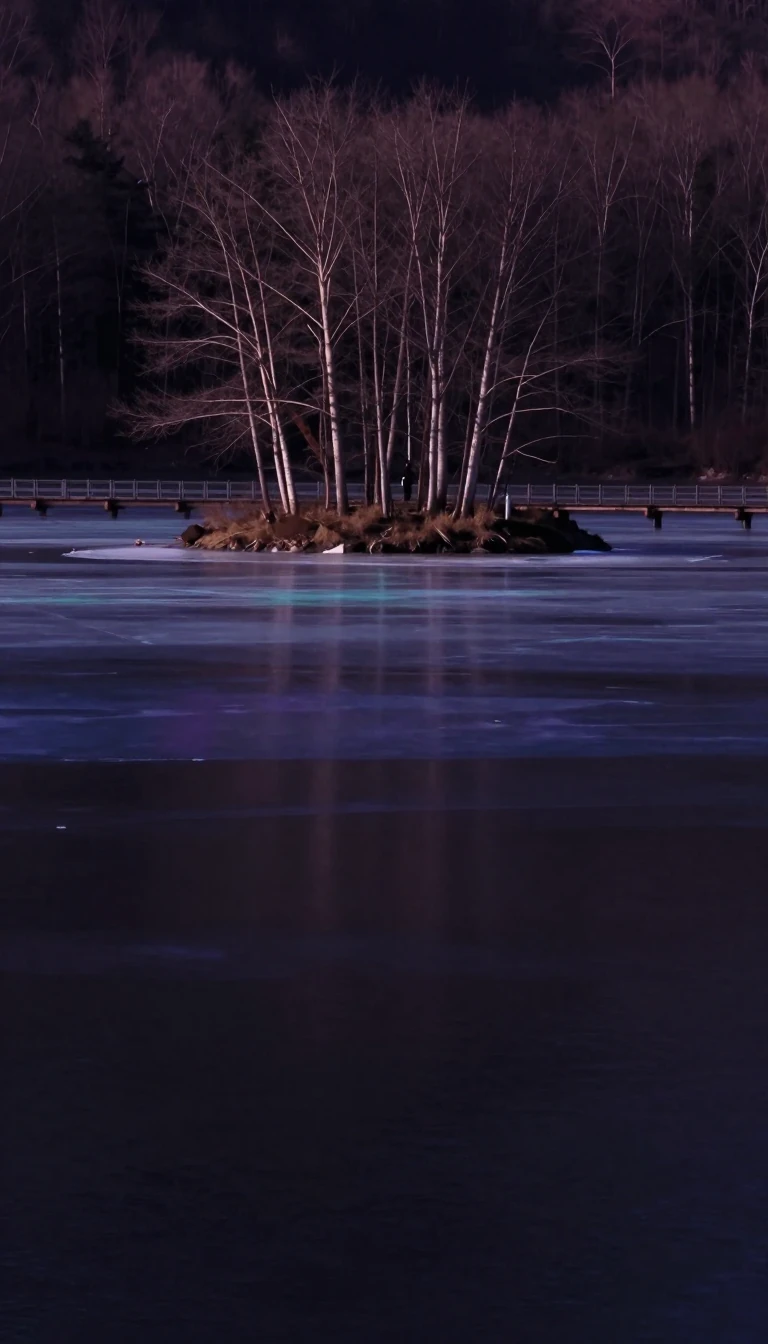 The Irish elk was neither Irish nor an elk, but a giant deer.This massive creature, which once roamed from Ireland to Siberia, is often misunderstood. Despite its name, it is not closely related to the modern elk. Instead, it was a master o…
 Why the Goldilocks principle is more than just a fairy tale about porridgeThe story of an intruder in a bear family home has evolved from a cautionary tale about bad manners into a universal scientific shorthand. By exploring the dialectical three, this…
 Hydrocortisone is a versatile hormone medication that balances inflammation, immunity, and even emotional resilience.As the pharmaceutical version of the body's natural cortisol, hydrocortisone is a cornerstone of modern medicine. Beyond treating common skin rashes and joint inflammation, this c…
 Meet the fairyfly, a microscopic wasp that swims through water and hunts insect eggs.Fairyflies are among the smallest insects on Earth, often measuring less than a millimeter. Despite their delicate, feathery wings and brief lifespans, these tiny parasitoids are …
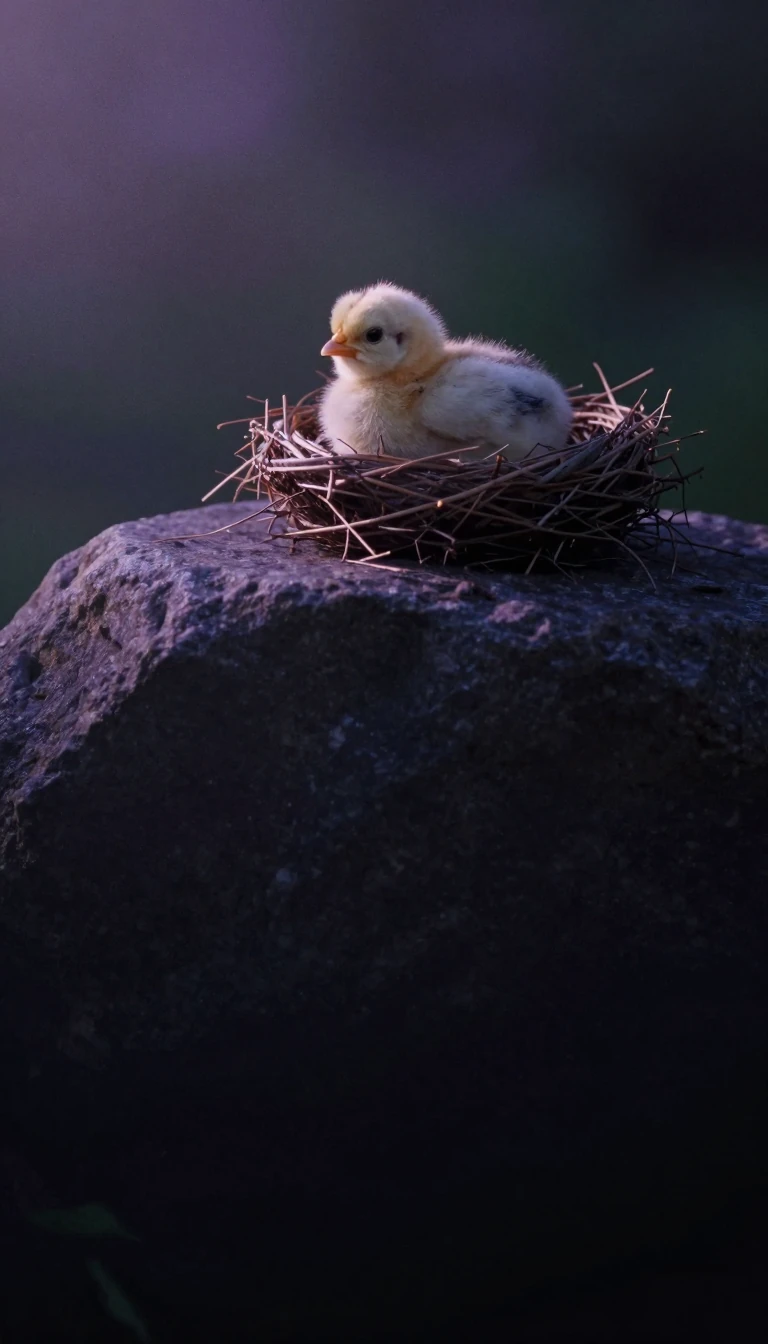 The Enantiornithes were the most successful birds of the Mesozoic, yet they vanished entirely.Known as opposite birds, the Enantiornithes dominated the skies during the Cretaceous period. While they looked remarkably like modern birds, their shoulder anatomy was reversed, …
 The blind, echolocating river dolphin that India recognizes as a nonhuman personIn the murky, sediment-heavy waters of South Asia, the Ganges river dolphin navigates by sound alone. This stocky, nearly blind creature is so culturally significant that India ha…
- Are these tiny freshwater creatures the key to unlocking biological immortality?Named after the mythical beast that grew two heads for every one severed, the Hydra genus is a marvel of biology. These simple, tubular animals appear to defy aging entirely, rege…
 Why do some surfaces change color when you move your head?Iridescence is not a pigment, but a trick of light. By manipulating waves through microstructures or thin films, nature creates shifting hues that dance as your viewing angle chan…
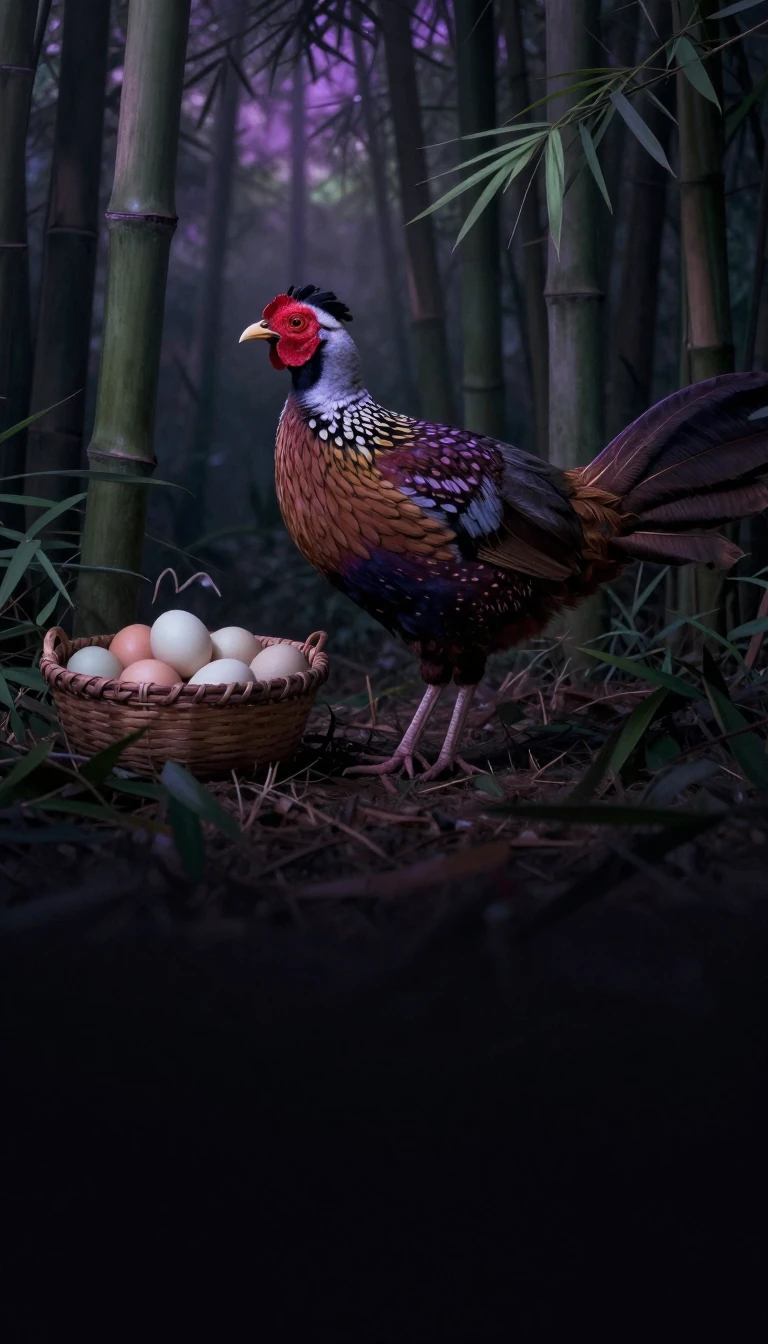 Darwin's famous finches were not even recognized as a distinct group by Darwin himself.When Charles Darwin visited the Galapagos, he largely ignored these birds, mistaking them for common blackbirds or grosbeaks. It was only after an expert ornithologist analyzed th…
- Is the Book of Ruth a historical record or a political parable about inclusion?The Book of Ruth tells the story of a Moabite woman who becomes the great-grandmother of King David. While traditionally viewed as a historical narrative, scholars debate whether …
 Brucellosis: The ancient, persistent zoonotic disease hiding in your glass of raw milkKnown historically as Malta fever, brucellosis is a stubborn bacterial infection that jumps from animals to humans. While often linked to unpasteurized dairy, it also poses a sign…
 The elusive bush dog is a pack-hunting canine that once seemed entirely extinct.First identified from fossils in 1839, the bush dog was long thought to be a ghost of the past. This rare, semi-aquatic South American predator lives in tight-knit family packs, u…
 These aquatic insects build their own homes from gold, sand, and precious stones.Caddisflies are master architects of the underwater world. While most adult caddisflies live short, terrestrial lives, their larvae spend years submerged, constructing intricate p…
- The sea wasp is a nearly invisible predator that can kill in five minutes.Known as the most lethal jellyfish on Earth, Chironex fleckeri haunts the coastal waters of northern Australia. This transparent, box-shaped predator uses tentacles reaching three…
 Your cornea is a living, breathing, transparent lens that defies biological norms.The cornea is a biological marvel: a transparent, avascular window that provides two-thirds of your eye's focusing power. It lacks blood vessels entirely, relying on tears and aqu…
 Is a mirror the only way to see the self?For decades, the 'mirror test' has been the gold standard for determining if an animal possesses self-awareness. But as researchers uncover more complex behaviors in non-human spe…
 The lemon shark's social brain may mirror that of mammalsUnlike many sharks viewed as solitary opportunists, the lemon shark exhibits complex social behaviors. Their brains possess a relative mass comparable to birds or mammals, suggest…
 Why a 1980s farming decision triggered a rare and fatal human brain epidemicVariant Creutzfeldt-Jakob disease is a rare, fatal brain disorder linked to consuming beef from cattle infected with bovine spongiform encephalopathy, or mad cow disease. Unlike o…
 Why the Great Ice Age was a moving target for modern geologistsThe Pleistocene is famously defined by its cycles of intense glaciation, yet for decades, scientists could not agree on when it actually began. The debate over its starting point …
 Why the release of Pokémon Sword and Shield triggered a massive fan controversyWhen Game Freak announced that many beloved creatures from past generations would be excluded from the Galar region, fans dubbed the decision Dexit. This move sparked an intense d…
 Why police dogs are trained in foreign languages and other K-9 unit mythsFrom the medieval use of bloodhounds to modern specialized units, police dogs have long served as essential law enforcement partners. While popular culture often suggests these an…
 The invisible architecture holding your internal organs in placeBeneath your abdominal muscles lies a complex, continuous sheet of tissue known as the peritoneum. It is not merely a lining, but a sophisticated structural network of folds and m…
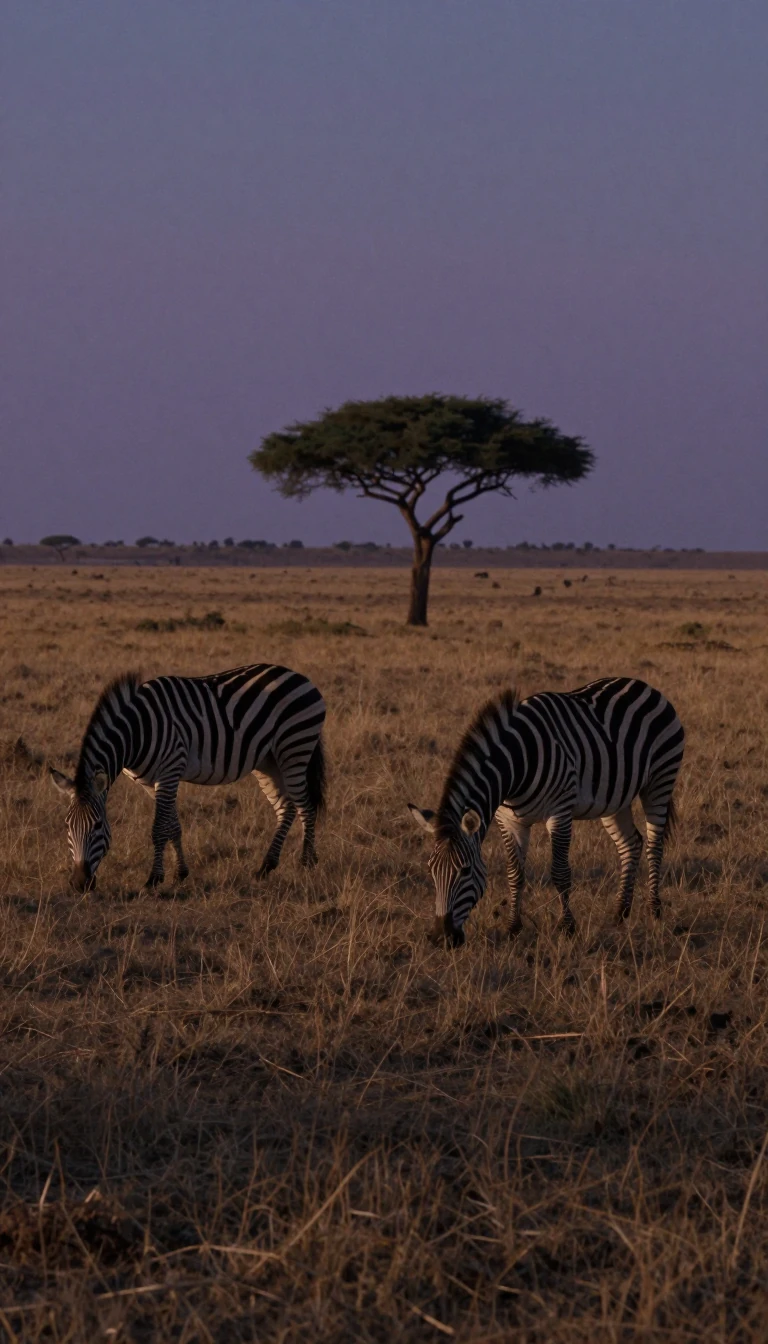 The plains zebra is a social pioneer that shapes the African savanna ecosystemBeyond their iconic black and white coats, plains zebras are complex social animals that function as essential ecosystem engineers. By grazing on tough grasses, they prepare pastu…
 Why the tree of life is a complex mathematical puzzle, not just biologyA phylogenetic tree is more than a simple diagram of ancestry. It is a rigorous mathematical model used to map the evolutionary history of life. While these branching structures h…
 The pangolin is a unique, armored mammal that challenges our understanding of evolution.Pangolins are solitary, nocturnal creatures protected by scales, yet they are among the most threatened mammals on Earth. Once misclassified alongside anteaters, these animals pos…
 Are biological phyla fundamental units of nature or just convenient human inventions?The phylum is a cornerstone of biological classification, yet its definition remains surprisingly fluid. Originally coined in 1866 to group organisms by shared evolutionary stock,…
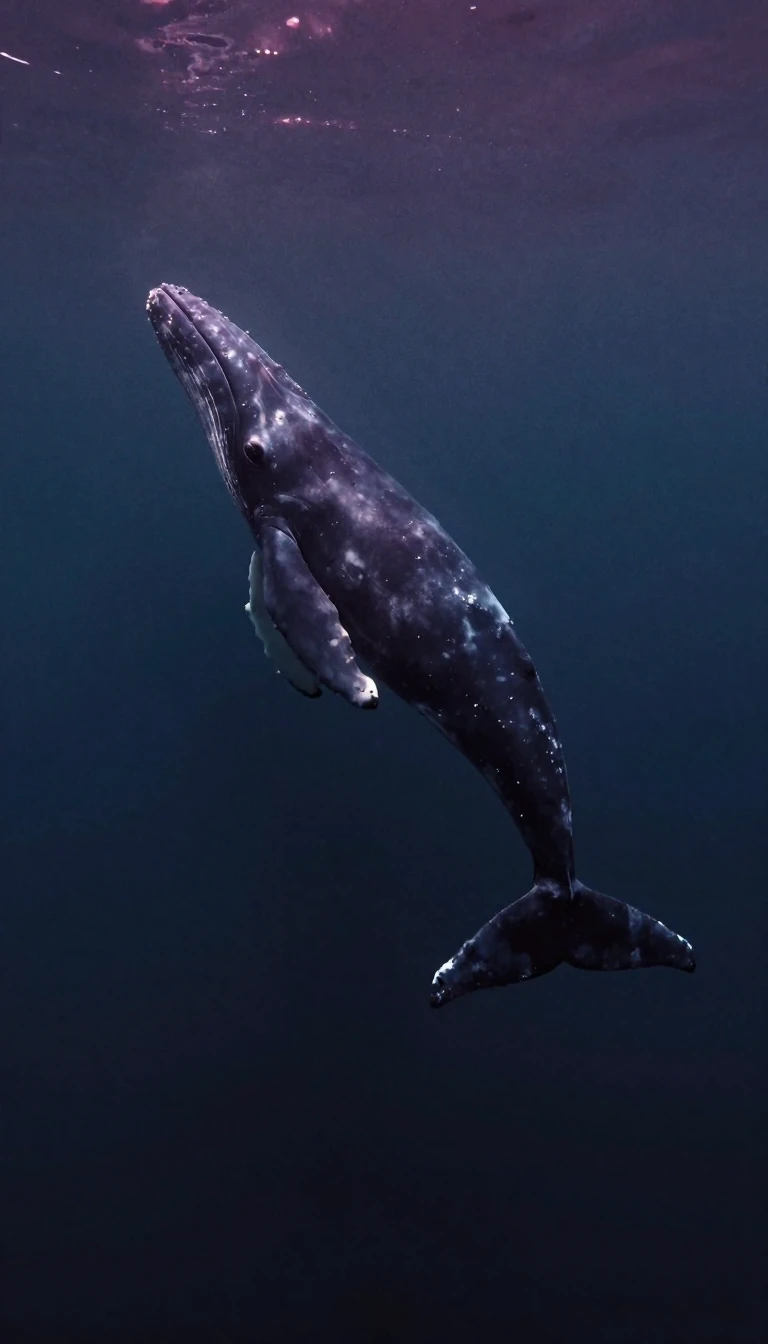 Why the long-finned pilot whale's tight-knit social structure became its greatest evolutionary vulnerabilityLong-finned pilot whales live in highly cohesive, maternally based pods of up to 100 individuals. While this deep social bond helps them survive in the open ocean, it historically…
- The daddy long-legs spider is not the world's most venomous, harmless arachnid.An enduring urban legend claims these spindly spiders possess lethal venom but lack the hardware to bite humans. While they are indeed equipped with hooked fangs, the reality is f…
- A synthetic derivative of the chrysanthemum flower that kills insects on contactDiscovered in 1972, permethrin is a potent insecticide that mimics natural compounds found in chrysanthemums. While it serves as a vital medical treatment for human scabies and li…