 Intellect Plus
Health
6,621 cards. Each one is a 40-second story with a five-minute read behind it. Page 108 of 111.
Subtopics: Ageing & longevity · Anaesthesia · Anatomy and morphology · Bacteria · Biology · Blood · Bones & muscles · Brain · Clinical trials · Consciousness · Diabetes · Diagnosis · Digestion · Dreams · Drugs and medication · Epidemiology · Ethics · Exercise · Exercise & fitness · Eyes & vision · First aid · Future Frontier · Germ theory · Global health · Health and fitness · Health, medicine and disease · Heart & circulation · History of medicine · Hormones · Hygiene · Immunology · Infection · Medical basics · Medical history · Medical procedures · Medicine · Medicines · Memory · Mental health · Mind · Morbidity · Neuroscience · Nutrition · Pandemics & epidemics · Psychiatry · Public health · Researched · Skin & hair · Sleep · Surgery · Teeth & dentistry · Vaccines · Vitamins
 Measles erases immune memory for years after the rash fadesMeasles is among the most contagious human infections: about nine in ten non-immune household contacts catch it. After the rash, “immune amnesia” can wipe antibody memory to other…
 Wrong calls stalk almost every lifetime of careA 2015 National Academies report concluded that nearly everyone encounters a missed or wrong diagnosis at some point. Diagnosis problems led medical malpractice payments for twent…
- “Physician” once meant drug doctor, not surgeon—with a 1400 quarrelIn British English a physician is still an internal-medicine specialist, opposed to a surgeon—the older sense of the word. A Middle English line from about 1400 already asked why …
 Four principles still steer bedside moral traffic jamsModern teaching often leans on Tom Beauchamp and James Childress’s four principles: respect for autonomy, beneficence, non-maleficence, and justice. None is permanently ranked; wh…
 A negative breast-cancer screen is good news, not a bad resultMedical tests do more than confirm illness. They diagnose, screen, or track treatment, and their "positive" and "negative" labels only mean a target was found or not. A negative b…
 About half of U.S. deaths in 2000 traced to preventable causesPreventive healthcare—also called prophylaxis—acts before illness fully shows. A 2004 study estimated that preventable behaviors and exposures accounted for roughly half of Americ…
 Multidrug therapy cut global leprosy cases below 200,000Leprosy, or Hansen’s disease, is a chronic infection by Mycobacterium leprae or M. lepromatosis that can damage nerves, skin, eyes, and airways. Spread needs close contact; about …
 Leukemia is the most common cancer in childrenLeukemia names blood cancers that usually start in bone marrow and flood the body with abnormal, immature blood cells. Genetics and environment—smoking, radiation, chemicals, some…
- World life expectancy at birth reached 73.3 years by 2019Life expectancy estimates average remaining years at a given age; life expectancy at birth is the headline number. Early Bronze Age remains imply about 24 years; by 2019 global LE…
 Heinrich Quincke introduced the spinal tap in 1891Lumbar puncture, or spinal tap, threads a needle into the spinal canal—usually to draw cerebrospinal fluid for diagnosis, sometimes to deliver drugs. German physician Heinrich Qui…
 Lung cancer led world cancer deaths with 1.8 million in 2020Lung cancer begins as malignant growth in lung tissue after DNA damage in airway cells, often from smoking or inhaled toxins. Early disease is frequently silent on symptoms and fo…
 Lyme is the Northern Hemisphere’s most common tick-borne infectionLyme disease, or Lyme borreliosis, spreads when Ixodes ticks pass Borrelia bacteria in a blood meal, and no tick-borne illness is commoner north of the equator. An expanding red e…
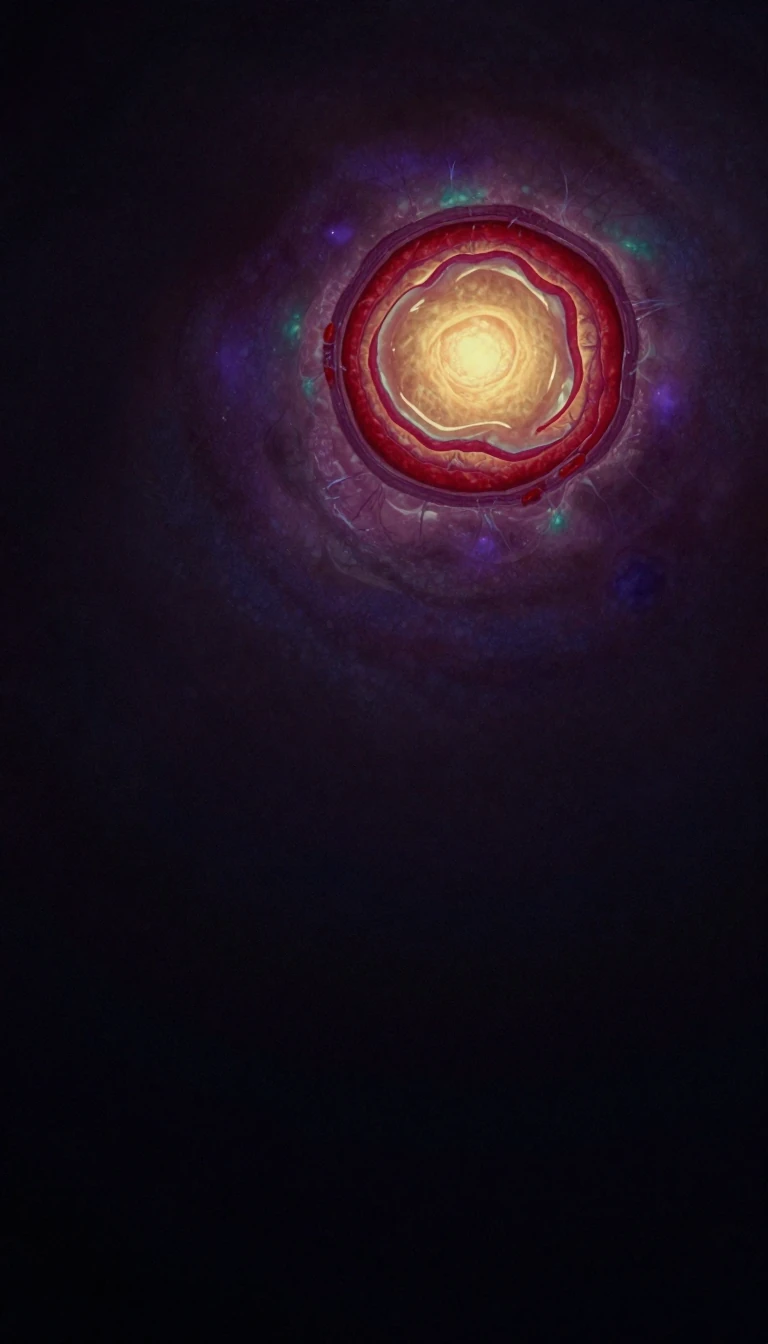 Celsus named four fiery signs of acute inflammationInflammation is tissue defence triggered by trauma, infection, toxins, and more—an innate, not adaptive, immune pattern involving cells, vessels, and mediators. Acute bursts recru…
 Flu still kills up to 650,000 people in a typical yearInfluenza is viral respiratory illness ranging from mild aches to severe pneumonia. Four virus types—A, B, C, and D—occupy separate Orthomyxoviridae genera; aquatic birds seed inf…
 Injury responses unite animals from worms to vertebratesInjury means physiological damage to an organism—humans, other animals, plants, fungi, even choanoflagellates. Causes include mechanical trauma, toxins, other organisms, and harsh…
 About two to three percent of people meet ID criteriaIntellectual disability—also disorder of intellectual development, and in UK usage sometimes “learning difficulty”—is a neurodevelopmental condition with major limits in intellect…
 Learning disabilities scramble how brains take in informationLearning disability or learning disorder names brain-based trouble comprehending or processing information that is not simply low overall intelligence. In US and Canadian usage th…
 Babies start with about 270 bones; adults keep roughly 206The human skeleton begins near 270 bones at birth and settles around 206 after fusions, not counting tiny accessory bits. Those bones support, move, protect, make blood cells, sto…
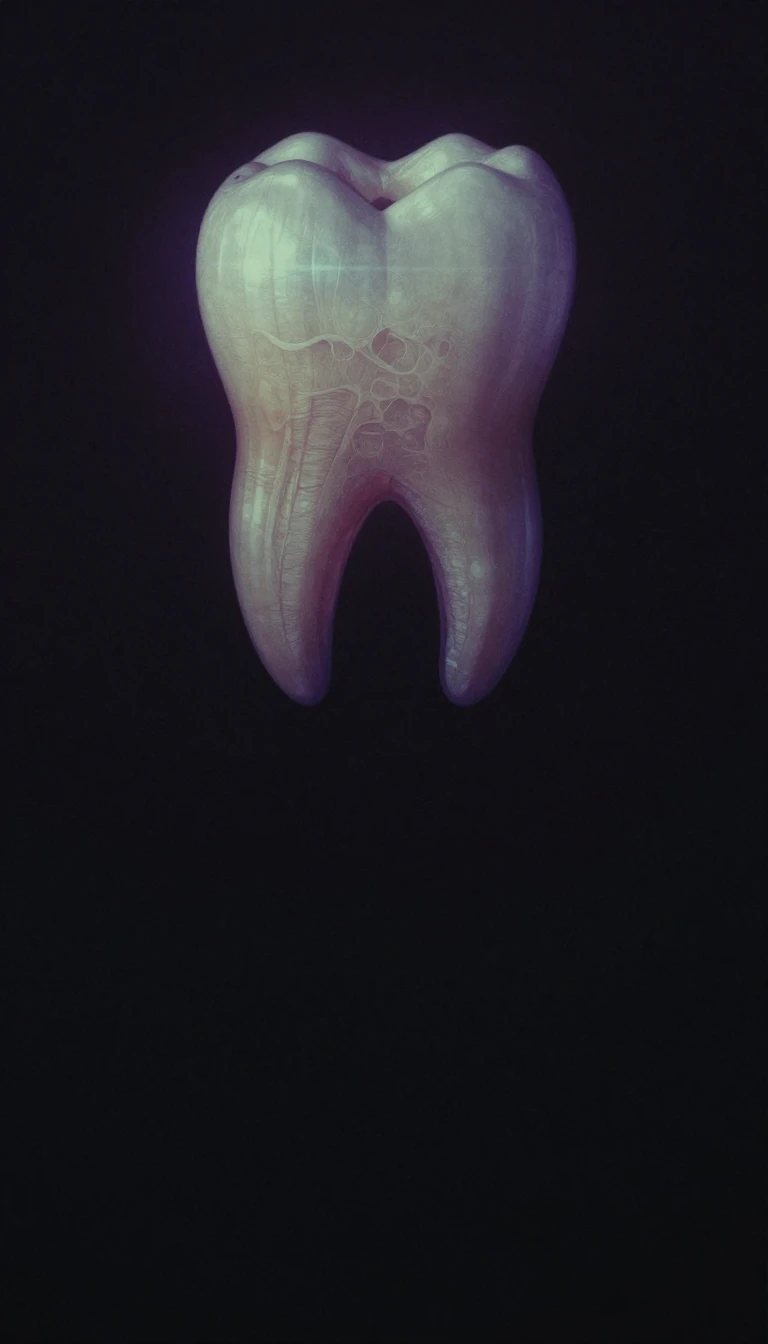 Twenty milk teeth give way to a permanent set of thirty-twoHuman teeth cut and crush food ahead of digestion, so they count as digestive organs. Like most mammals we are diphyodont: a deciduous set that normally reaches twenty teeth, then…
- Lungs, folds, and lips turn breath into every human voiceTalking, singing, laughing, crying: the human voice is sound shaped by the vocal tract. Three subsystems do the work. The lungs act as the pump, the vocal folds in the larynx as t…
 Hygiene is disease prevention, not merely a shine of cleanlinessThe World Health Organization defines hygiene as conditions and practices that keep people healthy and stop diseases spreading. Cleanliness overlaps with it, but hygiene is specif…
 Half of people with high blood pressure do not know itHypertension means arteries stay under persistently high pressure, usually without any warning symptoms. About ninety to ninety-five percent of cases are primary, driven by lifest…
 Below 35°C, shivering first helps, then dangerously stopsHypothermia means a human core colder than 35.0°C (95.0°F). Mild cases bring shivers and confusion; in moderate ones the shivering stops while confusion deepens; severe cases risk…
 Roughly one person in six faces infertility at some point in lifeMedically, infertility means no pregnancy after at least a year of regular unprotected sex. The World Health Organization reported in 2023 that about 17.5 percent of people experi…
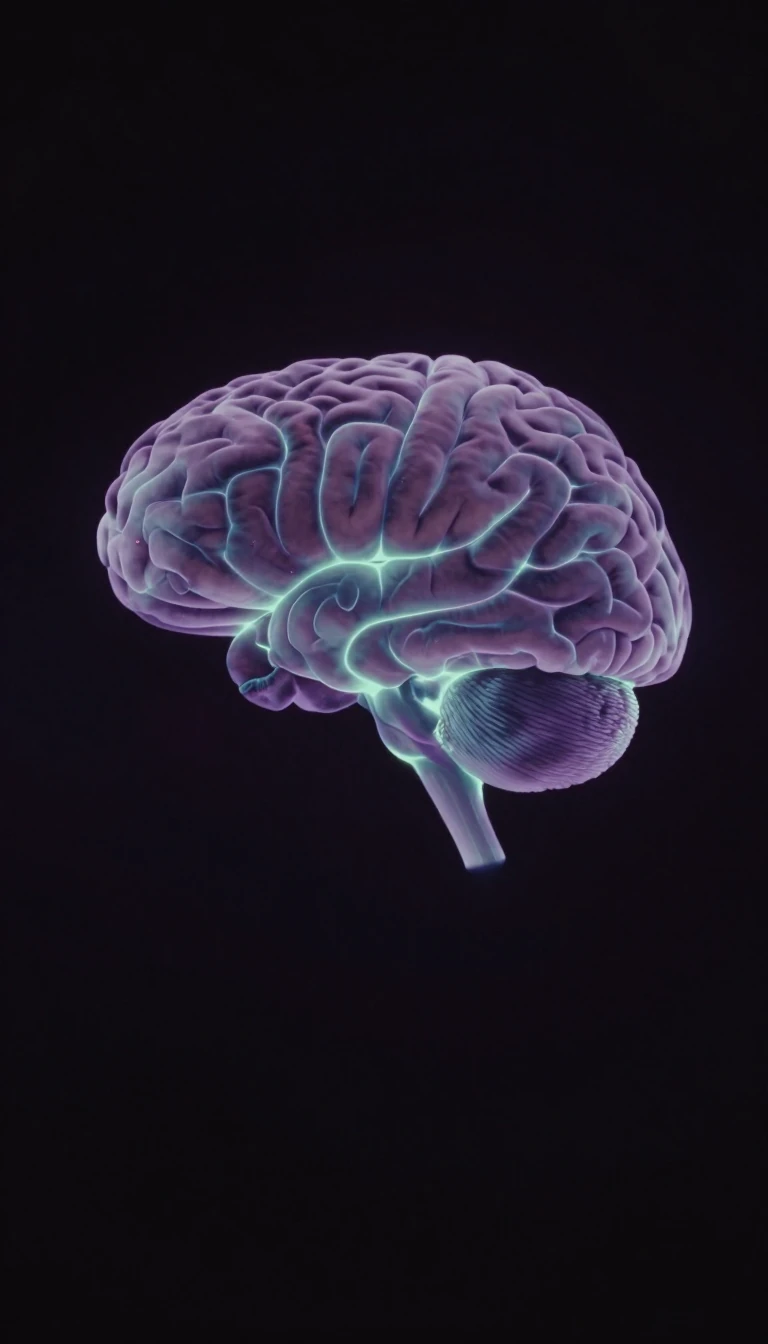 Eighty-six billion neurons fit in roughly two percent of body weightThe adult human brain averages about 1.2 to 1.4 kilograms—only around two percent of body mass—yet holds more than eighty-six billion neurons plus a similar count of other cells. …
 Your eye is a two-piece camera about twenty-four millimeters deepThe human eye turns visible light into sight while also helping set circadian timing and balance. It is roughly a sphere yet really a fused front-and-back unit: cornea, iris, and …
 Human legs are 171 percent of trunk length; chimps manage 128Each human leg holds thirty bones, anchored by the femur, tibia and fibula. Evolution reshaped the whole limb for walking upright efficiently, something other primates can only do…
 About 1.1 billion people live with some hearing lossHearing loss ranges from partial weakness to total deafness, in one ear or both, from birth or later. Roughly half of global cases could be prevented by vaccines, safer pregnancy …
 Hematologists treat blood from clotting to cancerHematology studies the causes, outlook, treatment, and prevention of blood diseases—cells, marrow, clotting proteins, and the vessels that carry them. These specialists run clinic…
 Five lettered viruses drive most hepatitis casesHepatitis means inflamed liver tissue—sometimes silent, sometimes marked by jaundice, fatigue, vomiting, and abdominal pain. The lettered viruses A through E cause most infections…
 Herbal medicine is ancient; hard proof is often thinHerbalism studies medicinal plants that underpin traditional care from Sumer to China. Written lists stretch more than five thousand years, and archaeology pushes plant use toward…
 HIV-1 is the virulent lentivirus behind most AIDSTwo lentiviruses, HIV-1 and HIV-2, infect humans and can end in AIDS as helper T cells collapse. HIV-1, once also called LAV or HTLV-III, is more infectious and virulent than HIV-…
 Undetectable HIV treatment blocks sexual transmissionHIV is a preventable retrovirus that can progress to AIDS without care, yet modern therapy can make it a long-term manageable condition. Someone kept at an undetectable viral load…
 Hospital, hotel, hostel and host all grew from one Latin wordA hospital gathers specialized clinicians, equipment, and support staff to treat patients, and the power to admit people overnight is what sets it apart from a clinic. Yet the wor…
- Your body carries about 38 trillion bacteria alongside 30 trillion cellsCells build tissues, tissues build organs, and organs lock into systems that keep the body alive. An adult carries roughly 30 trillion of its own cells and an estimated 38 trillio…
 The Rx on your prescription is a Latin command meaning takePrescription drugs may be dispensed only with a clinician's order, unlike over-the-counter remedies anyone can buy. North America prints ℞ or Rx from Latin recipe, meaning take, a…
 Health outgrew the old idea of merely lacking diseaseHealth is a multidimensional idea—physical and emotional well-being, day-to-day function without disabling pain or illness—not a single lab value. Determinants stretch from genes …
- Health care is organized prevention, diagnosis, and treatmentHealth care means maintaining or improving health by preventing, diagnosing, treating, or curing disease and injury. Access hinges on money, policy, and place. The WHO says a work…
 Tobacco smoking is the world’s top preventable killerHalf of people who smoke tobacco die from smoking-related complications, and active smokers lose about ten years of life on average. Smoke carries more than seventy carcinogens pl…
 The Pap smear hunts cervical cell changes before cancer spreadsA Pap test samples cells from the cervix’s transformation zone to catch precancerous or cancerous change—and, more rarely, anal cells. Guidelines usually start screening in the ea…
 Parkinson’s erodes dopamine cells that start and smooth movementParkinson’s disease slowly destroys dopamine-making neurons in the substantia nigra, producing tremor, rigidity, slowed starts, and unstable posture—parkinsonism. It usually appea…
 A pathogen is any agent that can make a host sickFrom Greek roots for suffering and producer, pathogen entered English in the 1880s for disease-causing organisms and agents—viruses, bacteria, protozoa, prions, viroids, fungi, an…
- Pathology studies disease’s causes, mechanisms, and tissue damagePathology means the study of disease—cause, pathogenesis, cell changes, and clinical effects. In hospitals the word often narrows to lab medicine reading tissues and fluids. The L…
- Pediatrics only became a dedicated specialty in the nineteenth centuryPediatrics is medicine for infants through young adults—into the late teens or early twenties depending on the country. Ancient texts noted childhood epilepsy and premature birth,…
 Fleming named penicillin in 1929 for a mould’s antibacterial juicePenicillins are β-lactam antibiotics first drawn from Penicillium moulds, chiefly P. chrysogenum and P. rubens. Alexander Fleming noticed the crude extract in 1928 and coined the …
 Eye medicine rewrote anatomy from guesswork to laser scansOphthalmology diagnoses, medicates, and operates on eye disease while spotting systemic illness through ocular signs. US physicians train four years after medical school; subspeci…
- Poppy latex shaped ritual, surgery, and modern lipid scienceOpium is dried latex from Papaver somniferum seed capsules—about twelve percent morphine plus codeine, thebaine, papaverine, and noscapine. Scoring immature pods yields sticky res…
 Measuring sight became a global profession in seven centuriesOptometry—from Greek for eye and measure—examines vision, prescribes lenses, and detects ocular disease. North American practitioners earn four-year Doctor of Optometry degrees; B…
- Brushing fights plaque biology older than the toothbrush itselfOral hygiene keeps the mouth free of disease and foul breath through brushing and interdental cleaning. Adults should brush twice daily with fluoridated paste, yet brushes reach o…
 Ear, nose, and throat surgeons stitch continents of anatomy togetherOtorhinolaryngology—ear, nose, throat, or head-and-neck surgery—manages senses and acts of breathing, swallowing, speaking, and hearing through a tube-linked system. US trainees s…
 Comfort medicine now starts long before the final bedside vigilPalliative care—from Latin to cloak—eases suffering and lifts quality of life for people facing serious, often terminal illness. WHO urges early use alongside curative treatment, …
- When infection crosses borders the whole world becomes the patientA pandemic is an epidemic that surges across continents or worldwide, infecting a substantial share of humanity. Seasonal flu recurrences spread widely yet stay endemic, so they u…
 Eleven years of schooling before anyone manages your pregnancyObstetrics and gynaecology merges pregnancy, childbirth, and postpartum care with health of the female reproductive tract and breasts. Combined residency programs train doctors fo…
- Workplace safety grew from mine fumes to global lawOccupational safety and health guards workers—and the public affected by workplaces—through medicine, hygiene, and promotion. United Nations estimates put annual work-related deat…
- Cancer medicine spans ancient tumors to climate-aware clinicsOncology studies, diagnoses, treats, and tries to prevent cancer. Egyptian records from around 3000 BCE described breast bulges; Galen coined onkos for tumors. Today pathologists …
- Myelin attack leaves millions navigating an unpredictable nerves diseaseMultiple sclerosis is a chronic autoimmune illness in which the immune system damages myelin around central-nervous-system nerves, scrambling signal traffic. Roughly 3.1 million p…
 MMR cut mumps hard after a grimace-named childhood virusMumps is a contagious paramyxovirus illness of humans alone, usually opening with fever and malaise before painful parotid swelling. Without shots it clustered in crowded childhoo…
 Look-alike wild mushrooms can kill days after a quiet mealMost mushroom poisonings start with foragers mistaking toxic look-alikes for edible species by colour and shape. Outcomes range from brief gut misery to organ failure and death ab…
- Heart muscle dies when a coronary artery suddenly loses flowA myocardial infarction—heart attack—happens when coronary blood flow falls enough to kill myocardium. Classic pain sits behind the breastbone and may radiate to left shoulder, ar…
 Neoplasm means new growth that ignores the tissue’s usual planA neoplasm is abnormal, excessive tissue growth that stays uncoordinated with its neighbours and keeps expanding even after the trigger is gone, usually as a mass called a tumour.…