 Intellect Plus
Health
6,621 cards. Each one is a 40-second story with a five-minute read behind it. Page 109 of 111.
Subtopics: Ageing & longevity · Anaesthesia · Anatomy and morphology · Bacteria · Biology · Blood · Bones & muscles · Brain · Clinical trials · Consciousness · Diabetes · Diagnosis · Digestion · Dreams · Drugs and medication · Epidemiology · Ethics · Exercise · Exercise & fitness · Eyes & vision · First aid · Future Frontier · Germ theory · Global health · Health and fitness · Health, medicine and disease · Heart & circulation · History of medicine · Hormones · Hygiene · Immunology · Infection · Medical basics · Medical history · Medical procedures · Medicine · Medicines · Memory · Mental health · Mind · Morbidity · Neuroscience · Nutrition · Pandemics & epidemics · Psychiatry · Public health · Researched · Skin & hair · Sleep · Surgery · Teeth & dentistry · Vaccines · Vitamins
 Neurologists map the nervous system from Willis to Charcot onwardNeurology diagnoses and treats diseases of brain, spinal cord, and peripheral nerves, leaning on neuroscience. Neo-Latin neurologia appears from 1610; the clinical field crystalli…
 Nightingale turned sanitation statistics into a professionNursing blends caring art with science to protect health, prevent injury, ease suffering, and guide healing. After Crimea, Florence Nightingale’s sanitation work—and her 1859 Note…
 Modern nutrition science began once vitamins got chemical namesNutrition is how organisms turn food and water into energy and structure; too little or too much of essentials breeds malnutrition. Chemists probed diets in the late eighteenth ce…
 Over one billion people lived with obesity in 2022Obesity is excess body fat that harms health; adults usually meet the label at BMI over 30 kg/m², with 25–30 called overweight. In 2022 more than one billion people were obese—879…
 OCD rituals steal an hour a day yet feel impossible to dropObsessive–compulsive disorder pairs intrusive thoughts with repetitive behaviours meant to quiet the dread, until function frays. Compulsions often consume at least an hour daily;…
 Hallucinations feel real while stimuli are missingA hallucination is a perception with the full force of reality but nothing outside to cause it. It differs from dreams, because you are awake, from illusions, where something real…
 Twenty-seven bones turn a forearm into a precision toolA human hand usually packs twenty-seven bones—fourteen of them phalanges—plus a variable set of sesamoids. Dense nerve endings and unmatched positioning make fingers the body’s ri…
 A daycare virus paints hands, feet, and mouths with blistersHand, foot, and mouth disease usually starts with fever and malaise, then flat spots or bumps that may blister on hands, feet, and mouth. It is mostly a mild childhood illness tha…
 Medicines are regulated molecules sold as treatmentsMedicines, known too as pharmaceutical drugs or medicinal products, are chemicals licensed to diagnose illness, heal it, manage it, or stop it starting. Pharmacotherapy leans on p…
- Healing craft blends labs with bedside judgmentCaring for the sick means juggling diagnosis, outlook, prevention, treatment, and comfort while still promoting health. English borrowed medicine from Latin medicus, a physician. …
 Melanoma is the deadliest common skin cancerMelanoma grows from melanin-making melanocytes, usually in skin but sometimes in mouth, gut, or eye. Roughly 3.1 million people had the active disease in 2015, and 59,800 died of …
 Inflamed meninges turn headache and stiff neck into emergencyWhen the membranes wrapping brain and spinal cord swell, fever, crushing headache, vomiting, and a rigid neck often follow; light or noise can become unbearable. Young children ma…
 Psychiatric labels track impairment, not mere oddityDiagnostic manuals describe mental disorders as patterns of behavior or inner life that bring major distress or block daily functioning—clear disturbance in thinking, feeling, or …
 Well-being means coping, not only lacking a diagnosisThe World Health Organization pictures mental health as realizing your abilities, handling ordinary stress, working productively, and contributing to community life. That makes it…
- A throbbing neurology problem shadows one in seven peopleRoughly fourteen percent of humanity—about 1.16 billion people—live with migraine, ranking it among the most disabling nervous-system conditions. Attacks often throb on one side w…
 Your foot packs 26 bones and more than a hundred soft tissuesThe human foot is a compact load-bearing machine: twenty-six bones, thirty-three joints, and over a hundred muscles, tendons, and ligaments arranged as hindfoot, midfoot, and fore…
 Frostbite freezes living tissue, often after milder frostnipWhen skin or deeper tissue actually freezes—especially fingers, toes, nose, ears, cheeks, and chin—frostbite begins, frequently after frostnip's pale or red warning. Mountaineers …
 Fungal disease hits over a billion people and killed millions in 2020Mycoses—illnesses caused by fungi—range from everyday skin tinea to deep lung and bloodstream infections. They affect more than one billion people yearly, and reports for 2020 cou…
- In 2021 gastroenteritis caused 4.67 billion cases worldwideAlso called infectious diarrhea, gastroenteritis inflames stomach and intestine with diarrhea, vomiting, and pain. Viruses usually drive it—rotavirus in children, norovirus in adu…
- Gastroenterology grew from ancient gut lore to lighted tubesNamed from Greek words for belly, intestine, and study, this specialty treats the digestive tube and its organs. Egyptian physicians already catalogued gut disease; by 1805 Philip…
 Your small intestine stretches about six to seven metersThe gastrointestinal tract is the mouth-to-anus passageway of digestion. In humans it includes esophagus, stomach, and intestines, split into upper and lower segments at the duode…
 Geriatrics treats older adults; gerontology studies aging itselfFrom Greek words for old man and healer, geriatric medicine focuses on elders' distinct needs, while gerontology studies aging as organ decline over time without injury. Mild stom…
 Gout crystals love the big toe—and hot, dry weatherNeedle-like monosodium urate crystals spark sudden red, hot, swollen joints when blood uric acid stays high. About half of attacks hit the big toe's base joint, diet explains only…
 One hundred fifty weekly minutes beats a magic pillPublic guidance usually urges about one hundred fifty minutes of moderate activity each week to cut disease risk, yet even tiny doses beat sitting still. Bill Bryson quipped that …
 Routine eye tests can reveal brain and body diseaseAn eye exam checks sharpness, focus, and far more: pupil behavior, eye-muscle alignment, pressure, fields, and the retina through a dilated pupil. Optometrists, ophthalmologists, …
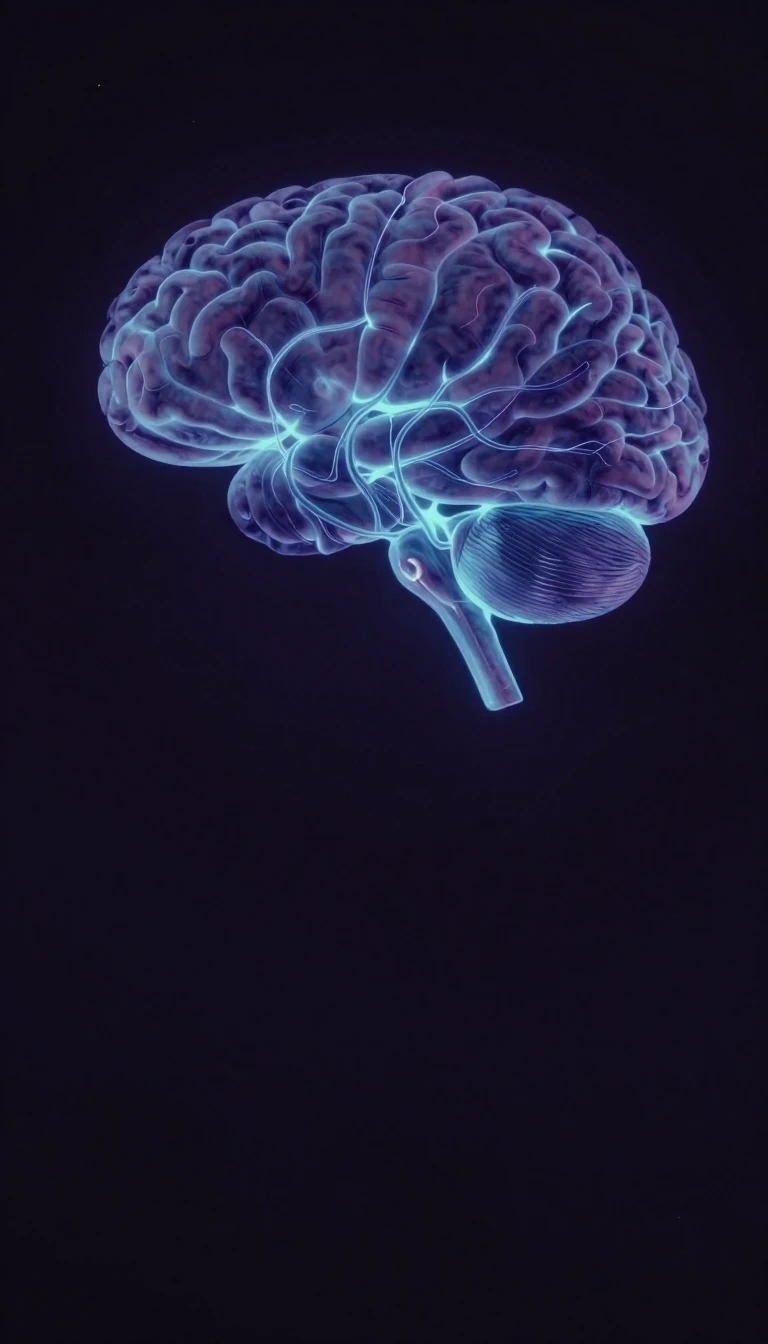 Your chin is a Homo sapiens exclusive among humanoidsA face is the front of the head—eyes, nose, mouth, and the landscape around them. Mammal heads diversified wildly as species filled niches for sensing and signaling. Primates brou…
 Period products split into disposable and reusable kitsFeminine hygiene covers pads, tampons, liners, cups, cloth pads, period underwear, sponges, discs, and cleansing items used around menstruation or vaginal discharge. Some are sing…
 Fourteen phalanges and a debated thumb make a handMost people count five digits per hand, built on metacarpal bones and fourteen phalanges—two in the thumb, three in each of the other fingers. Dictionaries disagree whether thumb …
 From Greek pottery to Red Cross: aid before the doctorFirst aid is the immediate help that preserves life, stops worsening, or supports recovery until professionals arrive. Classical Greek pots already show battlefield bandaging arou…
 USDA shuffled food groups from eight down to a plateFood groups began as teaching tools to stop nutrient gaps in monotonous diets, then pivoted toward obesity and heart disease in richer societies. Classical Greeks moralized with o…
- Contaminated meals sickened 600 million in 2010 aloneFoodborne illness covers sickness from bacteria, viruses, parasites, prions, or toxins such as aflatoxins and poisonous mushrooms. In low- and middle-income countries in 2010 it m…
- Hippocrates named the pattern; Snow mapped the pumpEpidemiology tracks who gets sick, when, where, and why—then turns those patterns into prevention. The Greek roots mean study of what is upon the people. From Hippocrates linking …
- Fifty million live with seizures; most can be controlledEpilepsy is a cluster of brain disorders marked by recurring unprovoked seizures—sudden electrical storms that range from brief blank stares to full convulsions. As of 2024 about …
 Extra chromosome 21 reshapes development, not destiny aloneDown syndrome, or trisomy 21, stems from an extra full or partial chromosome 21. Parents are usually genetically typical; risk rises with maternal age from under 0.1% at twenty to…
 A drug is chemistry with intent, not only illicit powderIn pharmacology, a drug is any non-nutrient chemical that changes a living organism—swallowed, injected, inhaled, patched, or dissolved under the tongue. Medicines treat, prevent,…
- Bloody flux still tracks sanitation more than climate dramaDysentery means gastroenteritis with bloody diarrhea—once called the bloody flux—often with fever, cramps, and tenesmus. Shigella bacteria cause shigellosis; the amoeba Entamoeba …
 Dyslexia is language-brain wiring, not seeing letters backwardOnce nicknamed word blindness, dyslexia is a learning disability that can hinder reading, writing, or speaking in different degrees. It affects about three to seven percent of peo…
 Eating disorders are mental illnesses measured in recovery oddsAn eating disorder is a mental illness marked by harmful eating patterns and body-image distress—restricting, bingeing, purging, or related behaviors. In wealthy countries, anorex…
- Four ebolaviruses drive a fever first reported in 1976Ebola virus disease is a zoonotic hemorrhagic fever of humans and other primates caused by four of six known ebolaviruses. Symptoms usually begin two to twenty-one days after expo…
 Triage sorts unscheduled crises while the clock never stopsEmergency departments—ER, A&E, casualty—treat acute illness and injury without appointments, often around the clock. Louisville's University Hospital opened a pioneering trauma ce…
 Ambulances evolved from Napoleon's flying carts to paramedicsEmergency medical services deliver urgent field care and transport to hospitals, usually after a public emergency call reaches a dispatch center. Dominique Jean Larrey, Napoleon's…
 Brain inflammation still leaves the culprit unknown in many casesEncephalitis means inflammation of the brain, spanning mild confusion to seizures, aphasia, and memory loss. Viruses such as herpes simplex and rabies are leading infectious cause…
 Epidemic means cases above the normal baseline, not any clusterAn epidemic is a disease's rapid spread through many hosts in a short time. For meningococcal disease, more than fifteen cases per 100,000 people for two straight weeks can qualif…
- A second dengue infection can turn the milder virus deadlyMost dengue cases barely register, yet a later bout with a different serotype raises the odds of severe disease through antibody-dependent enhancement. Four confirmed types circul…
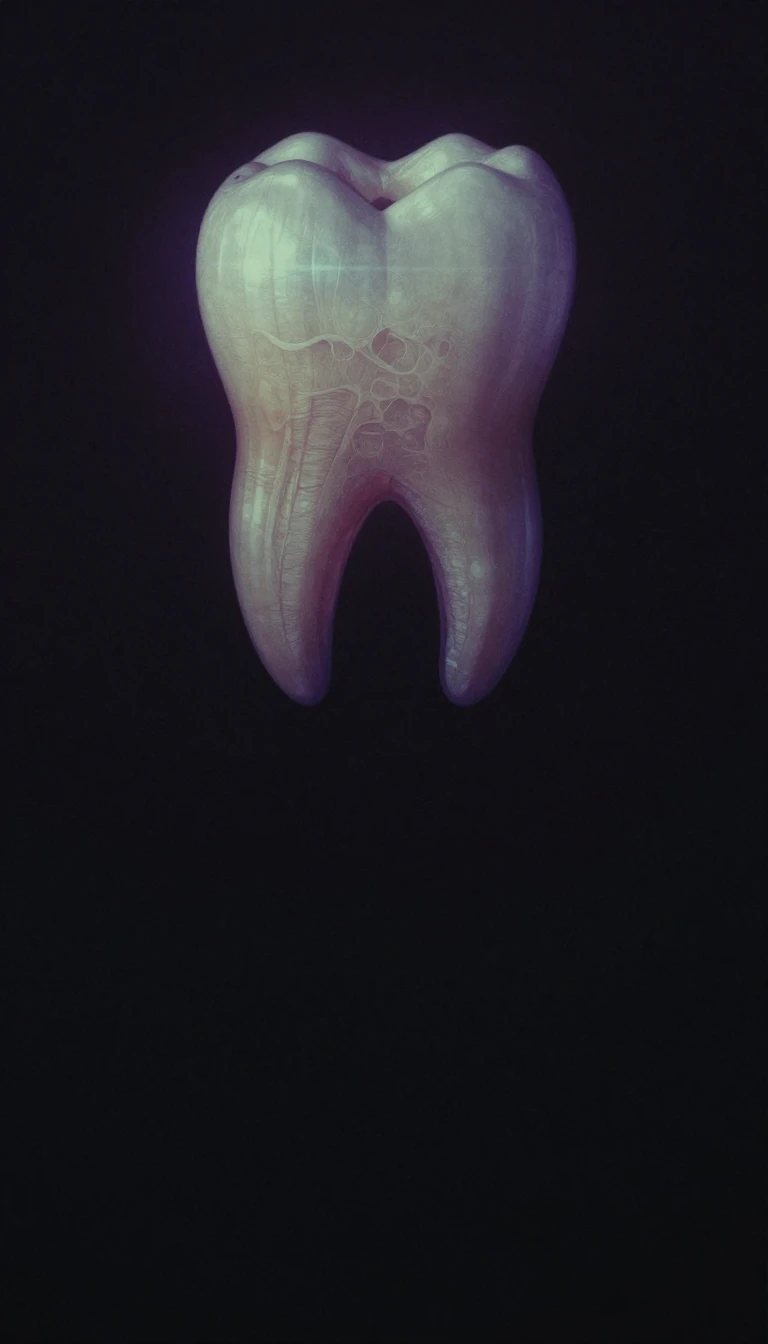 Humans were filling teeth thirteen thousand years agoPaleolithic Italy shows bitumen packed into a tooth some 13,000 years back; Neolithic Slovenia sealed a crack with beeswax about 6,500 years ago. Pliny already mentioned fillers f…
- Dentistry may be medicine’s oldest formal specialtyEvidence of dental work stretches tens of thousands of years, with rich finds from about 7000 BC onward. The field grew its own degrees and sub-specialties while still centering o…
 Paris built the first great dermatology school in 1708Dermatology manages skin as both medicine and surgery after roughly four years of training beyond medical school. The English word appears in 1819, from Greek for skin, yet Hôpita…
- Diabetes now touches one in seven adults worldwideDiagnosed cases jumped from about 200 million people in 1990 to 828 million in 2024—already past older forecasts for 2045. Type 2 drives more than ninety-five percent of that load…
- Simple sugar-salt water has saved fifty million childrenDiarrhea means three or more loose stools a day, and infection from contaminated food, water, or hands is the usual spark. Oral rehydration solution—clean water with modest sugar …
- Diet means everything you eat—not only a weight planIn nutrition science, diet is simply the sum of foods an organism consumes. Popular speech shrinks the word to temporary restriction, yet complete nutrition still demands vitamins…
 U.S. supplements are a $152 billion almost-food industryPills, powders, and liquids promising extra vitamins, minerals, fibers, fats, or amino acids filled an American market worth about $151.9 billion in 2021. More than 95,000 product…
- Disease is abnormal function—not every injury countsA disease harms an organism’s structure or function without being an immediate external wound. In everyday speech the word balloons to cover pain, disability, infection, and even …
 Half of colorectal cancers hide until screening finds themCancer of the colon or rectum can invade or spread while producing no warning at all. At least half of cases are asymptomatic until a routine check. That is why most countries scr…
 Forty percent of comas begin with drug poisoningA coma is prolonged deep unconsciousness: no waking, weak responses to pain, light or sound, and no normal sleep–wake cycle. Clinicians sometimes treat failure to obey even a sing…
 More than two hundred viruses can give you a coldThe common cold is humanity’s most frequent infection: adults average two or three a year, children six to eight, mostly in winter. Over two hundred viral strains can cause it—esp…
- Concussion is the most common traumatic brain injuryA concussion can follow a blow to the head or a jolt elsewhere on the body that whips the skull. Headache leads the list of symptoms, with dizziness, foggy thinking, poor sleep, b…
- Coronavirus means crown—named for spikes under the microscopeCoronaviruses are related RNA viruses that infect mammals and birds. In people they cause airway illness from ordinary colds to deadly outbreaks. June Almeida and David Tyrrell co…
 A delusion is a belief that evidence cannot pry loosePsychiatry reserves delusion for a fixed idea that refuses correction when contradictory evidence appears. That is different from ordinary error, dogma, illusion or hallucination—…
- Dementia is not normal aging—even past age ninetyDementia is a major neurocognitive syndrome: memory, thinking, behavior and motor control decline until everyday tasks fail. Alzheimer’s is the most common form, but strokes and m…
 Cirrhosis quietly swaps living liver for scar and nodulesOver months or years, chronic liver disease replaces working tissue with fibrosis and regenerative nodules until the organ fails. In 2015 about 2.8 million people lived with cirrh…