 Intellect Plus
History
21,004 cards. Each one is a 40-second story with a five-minute read behind it. Page 167 of 351.
Subtopics: 19th century · 20th century · Africa · Age of Exploration · Ages & eras · Ancient · Ancient China · Ancient egypt · Ancient greece · Ancient rome · Ancient trade · Archaeological discoveries · Archaeology · Astronomy · Australia · Auxiliary historical sciences · Babylon · Basics · Born on this day · Bronze age · Buddhism · Case studies · Chefs, bartenders and winemakers · China · Cities · Climate · Columbus · Contemporary (1945-) · Cosmetics people · Crime · Criminals · Decipherment · Deep time · Disasters · Early modern · Education · Egypt · Empires · Empires & civilisations · Exploration · Explorers · Extinction · Fandom, conventions and festivals · History by continent and large region · History by continent and region · History by country · History by country, small region and city · History by ethnicity · History by subject matter · History by topic · Inca · India · Industrial Revolution · Japan · Kings & queens · London · Mass hysteria · Medicine · Medieval kingdoms · Medieval life · Mediterranean · Mercedes-Benz History · Mesopotamia · Middle ages · Military leaders and theorists · Military leaders, personnel, and theorists · Ming dynasty · Misconceptions · Modern · Modern (1800-1945) · Napoleon · Navigation · North africa · Other · Pacific · Pharaohs · Philippines · Pirates · Post-classical · Prehistory · Propaganda · Public health · Rebels, revolutionaries and activists · Renaissance · Researched · Second world war · Shipwrecks · Silk Road · South america · Tradespeople · UK & Ireland: history · United states · Vikings · Volcanoes · Women in history
 A King's Vision for Saudi Arabia: Modernization, Diplomacy, and the Price of PowerKing Saud bin Abdulaziz Al Saud transformed Saudi Arabia from a nascent state into a modern nation, balancing deep-seated Islamic traditions with ambitious infrastructure and fina…
 How a Mauritian doctor became the architect of his nation's independence from BritainSeewoosagur Ramgoolam, born to an Indian immigrant laborer, rose from humble beginnings to become the founding father of modern Mauritius. A physician by training and a diplomat b…
 Beneath the sands of El-Lisht, modern technology reveals the hidden architecture of Senusret I.Senusret I, a powerful king of Egypt's 12th Dynasty, left behind a legacy that remains buried beneath the desert floor. While history remembers his expansionist reign and prosperi…
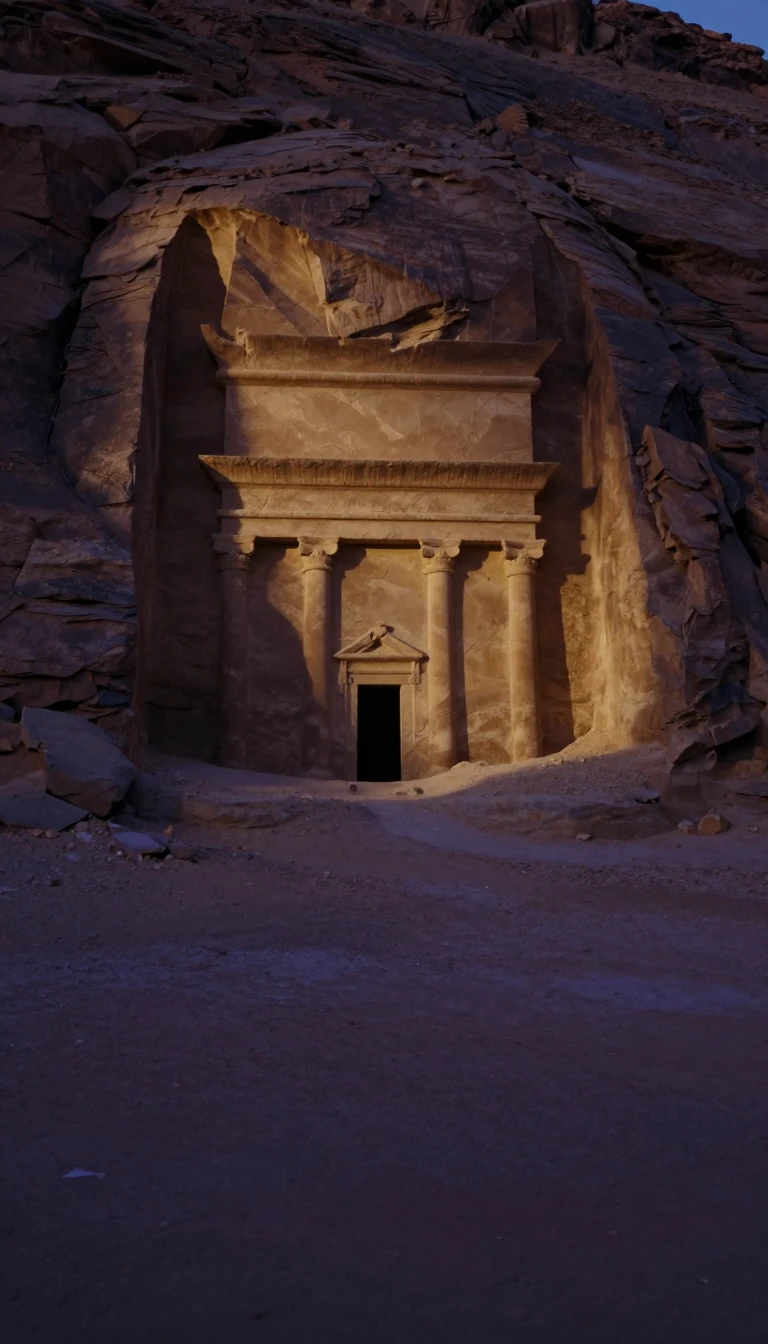 Why did an Egyptian Pharaoh move his capital to a desert oasis?Senusret II, the fourth ruler of the 12th Dynasty, made a radical choice: he relocated the royal necropolis to El-Lahun. This was not merely for burial, but to anchor his massive …
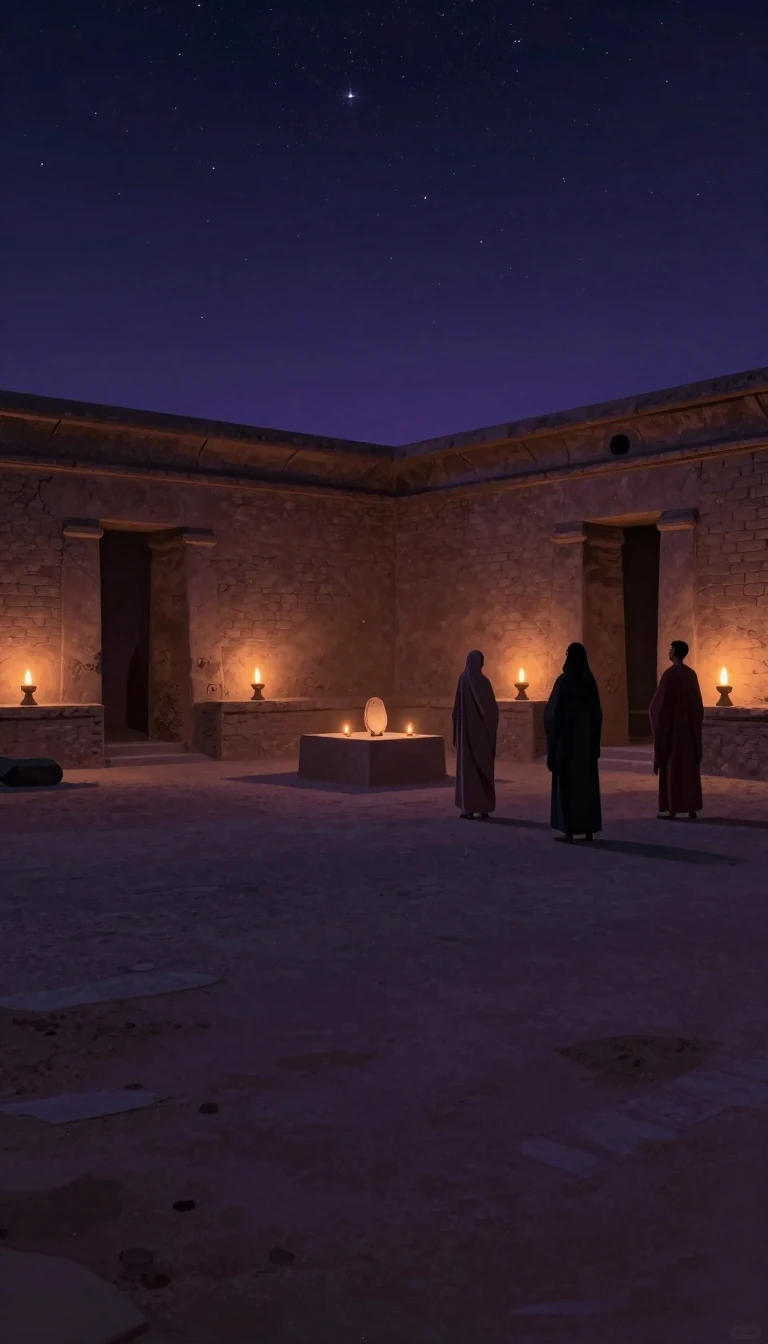 Why this Egyptian Pharaoh was worshipped as a living god during his own reignSenusret III, the fifth king of the 12th Dynasty, achieved a rare status in ancient Egypt: he was deified and honored with a cult while still alive. His reign, ending around 1839 …
 The railway clerk who became Russia's first prime minister and architect of its constitution.Sergei Witte rose from a humble railway traffic manager to lead the Russian Empire through its most volatile era. Neither liberal nor conservative, he modernized the economy, nego…
 How one king turned guerrilla warfare into a legacy of architectural grandeurSetthathirath, a 16th-century ruler of Lan Xang, defied the expansionist Burmese empire through relentless guerrilla tactics while simultaneously commissioning iconic Buddhist mon…
 Was the founder of the Ryukyu Kingdom actually a pirate from Kyushu?Shō Hashi is celebrated as the unifier of Okinawa, yet modern research suggests his origins may lie with seafarers from Japan. Rather than a traditional monarch, he likely leverag…
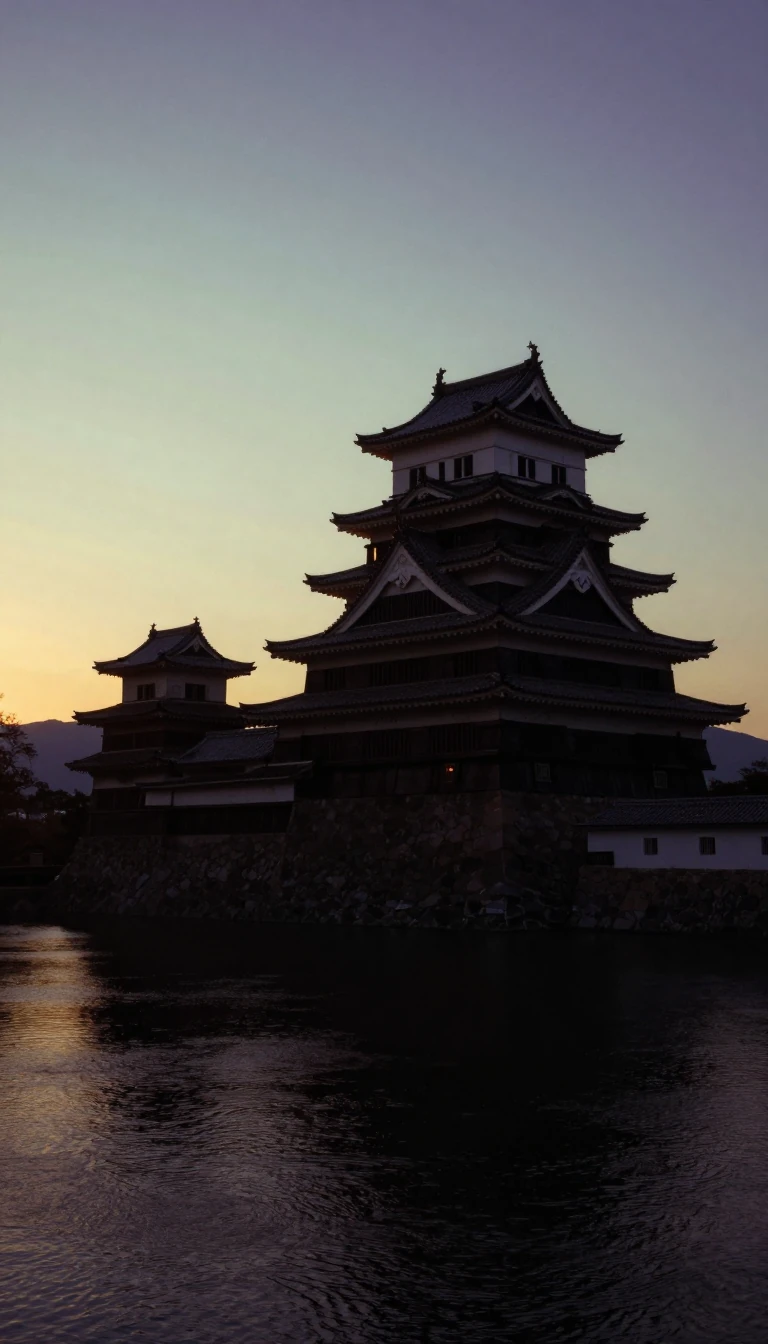 The final King of Ryukyu saw his kingdom vanish into the Japanese EmpireShō Tai ascended the throne at six, presiding over a kingdom caught between the Qing dynasty, the Satsuma Domain, and Western powers. His reign ended in 1879 when the Meiji govern…
 How a captive prince became the saintly architect of a dominant Maratha EmpireCaptured at age seven and raised in the Mughal court, Shahu I returned to reclaim his throne and transform the Maratha Empire into South Asia's leading power. Known as the saintly…
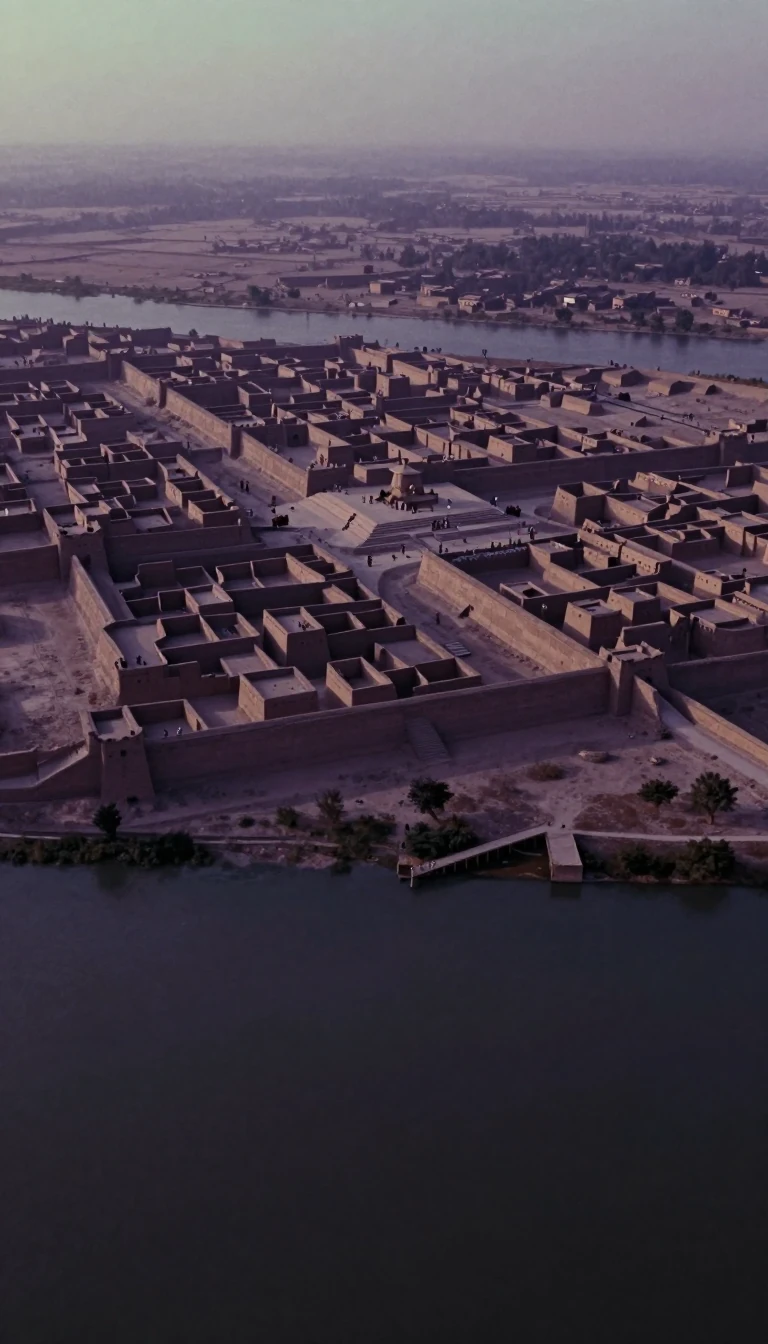 How a Sasanian King Turned Captured Roman Emperors Into Infrastructure and Urban PlanningShapur I, the second Sasanian King of Kings, did not just defeat Roman armies; he systematically repurposed them. By capturing thousands of Roman subjects and even an emperor, he …
 Crowned before birth, Shapur II ruled the Sasanian Empire for seventy years of expansion.Legend claims Shapur II was crowned while still in his mother's womb, a prophecy-driven start to a seventy-year reign. As the Sasanian Empire's longest-serving monarch, he transfo…
 Shehu Shagari was Nigeria's first democratically elected president, yet his legacy remains complex and contested.As the inaugural president of Nigeria's Second Republic, Shehu Shagari oversaw massive infrastructure projects and industrial growth during the oil boom. Yet, his tenure was defin…
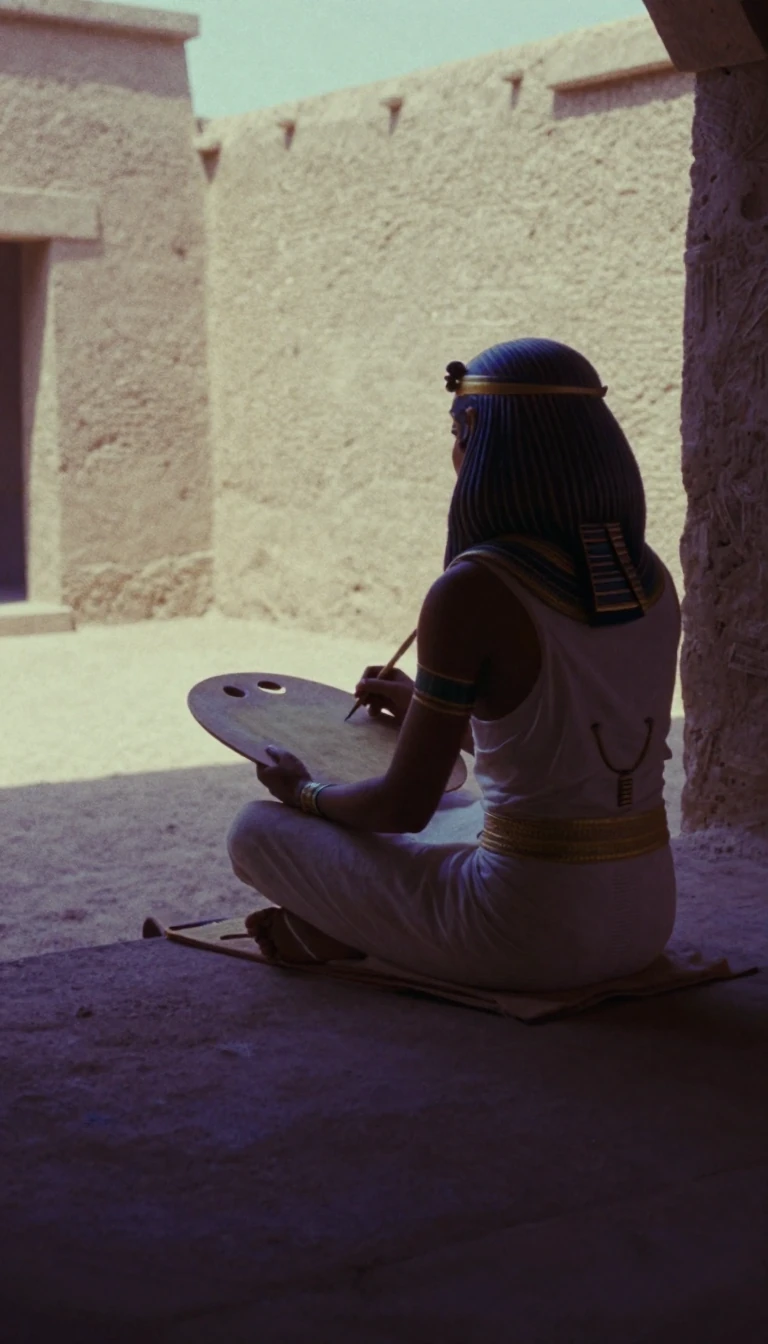 A mysterious ancient Egyptian ruler remains the best-attested king of his eraMaaibre Sheshi left behind hundreds of scarab seals scattered across the ancient world, yet his identity remains a puzzle. Scholars debate whether he was a powerful Hyksos invader…
 How a former diplomat steered Japan from post-war ruin to an economic miracleShigeru Yoshida, a career diplomat who once narrowly escaped political purging, became the architect of modern Japan. By prioritizing economic recovery over military expansion and…
 Was Siad Barre’s military regime actually the most promising era for Somali state-building?While often remembered for its eventual collapse, Siad Barre’s rule in Somalia challenged the era’s norms. By curbing corruption and standardizing national institutions, his gover…
 How Siaka Stevens transformed Sierra Leone from a democracy into a personal, repressive fiefdomSiaka Stevens rose from a railway worker to the leader of Sierra Leone, ruling from 1967 to 1985. While he championed African nationalism, his tenure was defined by systematic cor…
- The Last Jagiellon King Who Forged a Commonwealth and Lost His HeartSigismund II Augustus was the final male monarch of the Jagiellonian dynasty, a ruler whose personal life was defined by scandal and deep tragedy. Yet, his political legacy transf…
 The last king of Laos who could not speak his own native languageBorn into royalty, Sisavang Vatthana spent a decade of his youth in France, returning to his homeland unable to speak Lao. He eventually became the final monarch of a 600-year-old…
 How a French-backed monarch became the unlikely symbol of modern Lao national independenceSisavang Vong ruled for 55 years, navigating the collapse of colonial power and the rise of nationalism. Though he was a staunch ally of the French administration, he is remembere…
- Did Egypt's Pharaoh Sneferu design his pyramids as lethal traps for tomb robbers?Sneferu, the first pharaoh of the Fourth Dynasty, revolutionized pyramid construction. While historians traditionally viewed his Dahshur pyramids as consecutive projects, new rese…
 How a controversial warrior-king forged the Songhai Empire from the Niger River’s banksSonni Ali transformed a modest West African state into a dominant regional power through relentless military campaigns. By balancing the interests of pagan pastoralists and Muslim…
 Was Madame Chiang the most powerful woman in the world during the 20th century?As the First Lady of the Republic of China, Soong Mei-ling bridged East and West, captivating American audiences while navigating the brutal politics of a nation at war. Yet, behi…
 How a secluded princess shattered Muscovite tradition to rule as Russia's first female regent.In 17th-century Russia, noblewomen were confined to the terem, veiled and barred from public life. Yet, Sophia Alekseyevna defied these norms, orchestrating a coup to seize power …
 The Red Prince: How an Aristocratic Engineer Became the Face of Laotian CommunismPrince Souphanouvong was a royal engineer who traded his palace life for a revolutionary path. Known as the Red Prince, he navigated decades of civil war and shifting alliances to…
 The only British prime minister ever assassinated was a man of modest meansSpencer Perceval led Britain through the Napoleonic Wars and domestic crises, yet he died with barely enough money to support his twelve children. While he remains the only Britis…
 The Prime Minister who envisioned a nation of 100 million people through mass migrationStanley Bruce, Australia's eighth prime minister, believed his country could support a population sixteen times its size. His ambitious 'men, money and markets' strategy aimed to …
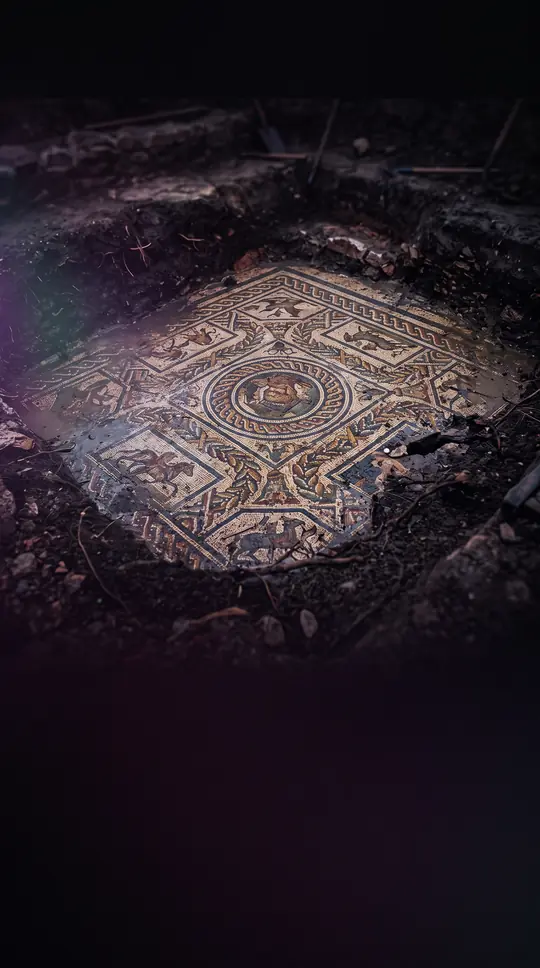 How a medieval Serbian ruler transformed from a Byzantine vassal into a national saint.Stefan Nemanja navigated the treacherous power struggles of the 12th-century Balkans, balancing the influence of Byzantium, Hungary, and the West. After decades of warfare and pol…
- Was the legendary strategist Su Qin a brilliant diplomat or a master of deception?Su Qin is remembered as the architect of the Vertical Alliance, a daring coalition of six kingdoms united against the rising power of Qin. Yet, modern historical analysis and unea…
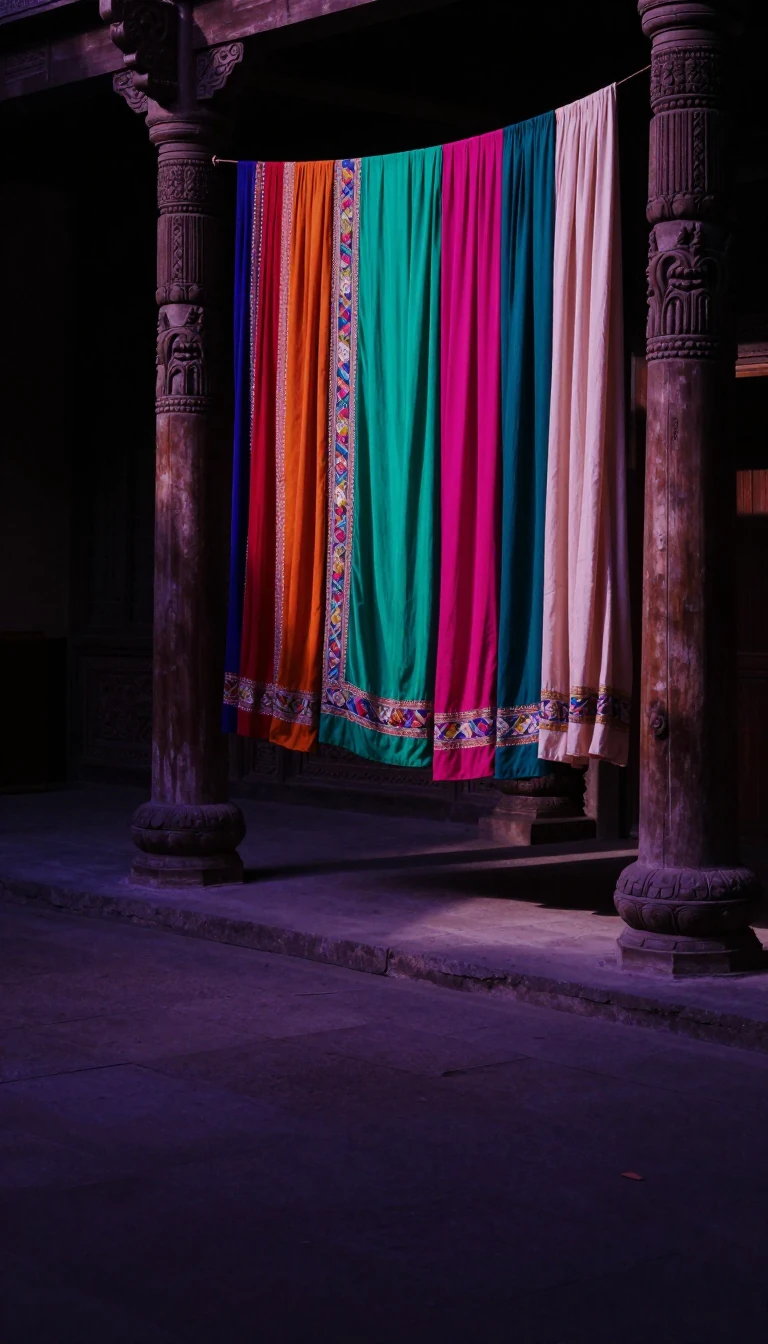 How a single ancient battle reshaped the power structure of northern India foreverKing Sudas, a leader of the Bharata tribe, secured a legendary victory at the Battle of the Ten Kings. This triumph near the Ravi River did more than settle a tribal feud; it pave…
- Sun Quan: The Warlord Who Built an Empire by Knowing When to DelegateInheriting a fragile warlord regime at eighteen, Sun Quan navigated the chaos of China's Three Kingdoms by mastering the art of delegation. While his rivals fought for ideological…
 The Ethiopian Emperor who briefly transformed his nation into a Catholic state by royal decree.Susenyos I, a Solomonic emperor, famously attempted to shift Ethiopia to Catholicism in the 1620s. Seeking military support against internal rebellions and Oromo incursions, he al…
 Sveinn Björnsson: The Architect of Iceland's Presidency and a Legacy of Diplomatic RigorAs Iceland transitioned from a kingdom to a republic in 1944, its first president, Sveinn Björnsson, faced the challenge of defining a new head of state. A former regent and legal…
 Sviatopolk II of Kiev: A controversial reign defined by rivalry and shifting alliancesGrand Prince of Kiev from 1093 to 1113, Sviatopolk II Iziaslavich remains a polarizing figure in history. His rule was defined by constant friction with his cousin Vladimir Monoma…
 Was the last Roman ruler of Gaul actually a king in all but name?Syagrius governed an isolated Roman enclave in northern Gaul long after the empire lost control of the region. While modern historians often label his state the Kingdom of Soisson…
 The austere president whose refusal to expand the military triggered Africa's first coupSylvanus Olympio, Togo's first president, was an intellectual aristocrat who prioritized fiscal discipline over military expansion. By rejecting the enlistment of ex-French soldie…
 Did a single Korean monarch truly reign for ninety-three years in the ancient world?King Taejo of Goguryeo is credited with a legendary 93-year reign, yet his story is shrouded in historical dispute. While traditional accounts claim he lived to be 118, modern sch…
 Was the legendary Tiger of Kai actually the architect of the Tokugawa Shogunate?Takeda Shingen was a brilliant Sengoku-era warlord whose military and administrative innovations were so formidable that his greatest rival, Tokugawa Ieyasu, eventually adopted th…
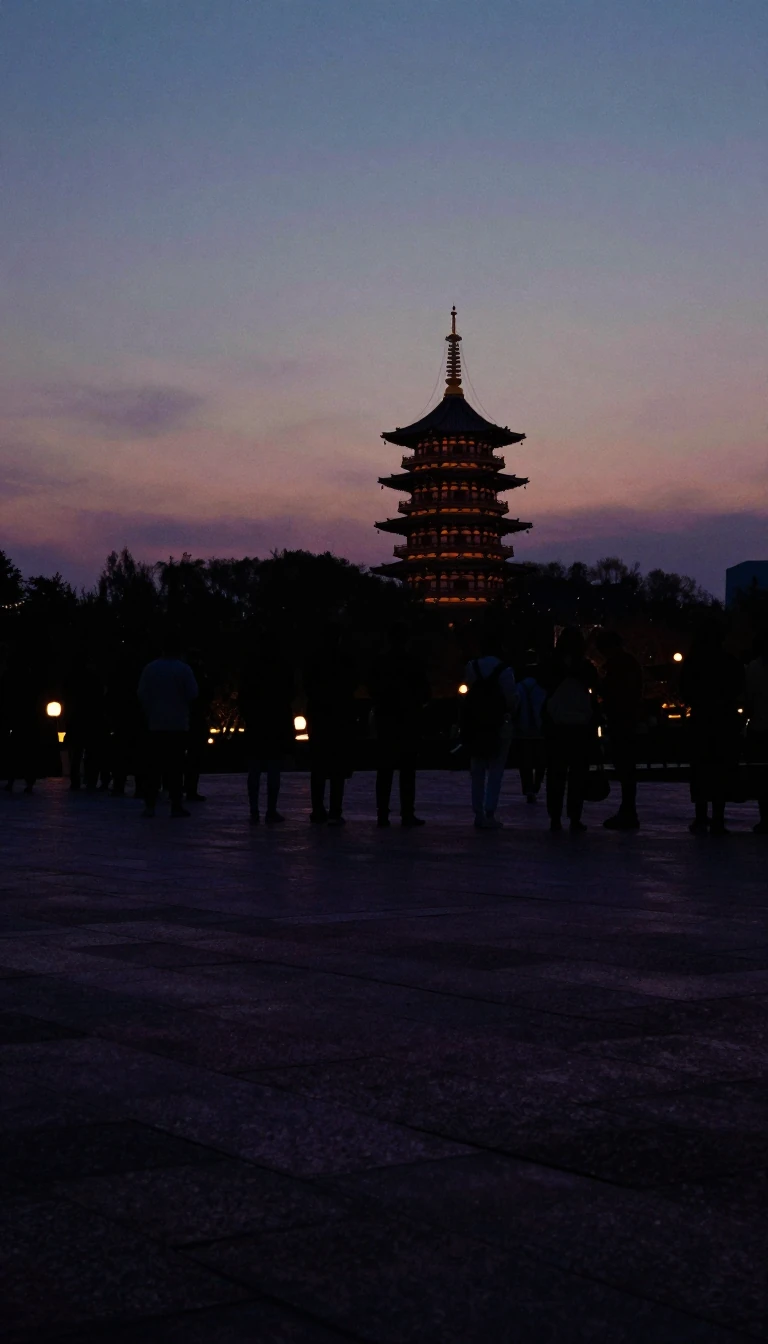 How a general who saved his nation was deposed for claiming he was divineTaksin the Great reunited Siam after the catastrophic fall of Ayutthaya in 1767. A brilliant military strategist, he drove out invaders and established a new capital at Thon Buri.…
 Was this 18th-century official a visionary reformer or the architect of Japan's corruption?Tanuma Okitsugu rose to immense power in the Tokugawa Shogunate by abandoning traditional frugality for bold economic intervention. While he modernized trade and industry, his leg…
 The Ethiopian Emperor who was deposed five times and sold titles to surviveTekle Giyorgis I, the last Ethiopian monarch to wield independent authority, endured a chaotic reign defined by constant betrayal and five separate depositions. Despite losing his…
 Temür Khan: The Iron Ruler Who Sought Peace Over Endless Mongol ExpansionAs the sixth Great Khan, Temür inherited a fractured empire. While his grandfather Kublai Khan pursued relentless conquest, Temür pivoted toward diplomacy, ending long-standing wa…
 The Amazon Queen of the South Pacific who defied the French EmpireTeriitaria II was a formidable warrior-queen of the Society Islands who commanded armies, repelled French invasions, and navigated the complex politics of 19th-century Polynesia. …
 Thaddeus Stevens: The Radical Architect of Reconstruction Who Fought for Equality and EducationBorn into poverty with a club foot, Thaddeus Stevens rose from a small-town lawyer to a formidable leader of the Radical Republicans. He was a fierce opponent of slavery, a champi…
 The Chancellor who tried to steer Germany between two worlds and failedTheobald von Bethmann Hollweg was an independent politician who sought a middle path for the German Empire. Appointed in 1909, he navigated a fractured society while balancing lib…
 The Byzantine noblewoman who became the most powerful regent in the Holy Roman EmpireWhen Theophanu married into the Ottonian dynasty, she was dismissed by some as an outsider. Yet, this Byzantine noblewoman defied expectations, governing alongside her husband and…
 The Senator who survived a duel, a cannon blast, and the rise of slaveryThomas Hart Benton was a political titan who served thirty years in the Senate, championing westward expansion and hard money. Yet, this architect of manifest destiny eventually f…
 The Duke who managed Britain’s power through patronage, riots, and relentless political maneuveringThomas Pelham-Holles, 1st Duke of Newcastle, dominated 18th-century British politics for decades. A master of patronage and party management, he served as a key minister under Wal…
- Thutmose I: The Pharaoh Who Redrew the Map and Pioneered Royal TombsAs the third pharaoh of Egypt's 18th Dynasty, Thutmose I transformed the kingdom into an unprecedented regional power. By pushing borders deep into the Levant and Nubia, he expand…
 Did a single Roman politician’s land reform trigger the collapse of the Republic?Tiberius Gracchus was a Roman aristocrat who broke centuries of political norms to redistribute state land to the poor. His assassination in 133 BC by a mob of senators marked a v…
 How a Honduran General maintained the longest continuous rule in his nation's historyTiburcio Carías Andino governed Honduras for sixteen years, from 1933 to 1949. While he brought a period of relative stability and fiscal discipline during the Great Depression, h…
- The last ruler of the Muisca Confederation whose name became the capital of Colombia.Tisquesusa was the fourth and final independent leader of the southern Muisca people. His reign, marked by internal conflict and the arrival of Spanish conquistadors, ended in tra…
 Titus Larcius: The first Roman dictator who set the precedent for stepping down early.In 501 BC, Rome faced internal unrest and the threat of war from the Latins. To secure the city, the Senate created a new, supreme office: the dictator. Titus Larcius was the firs…
- The final emperor of the Yuan dynasty ruled through chaos and cultural transformation.Toghon Temür reigned for 35 years, witnessing the collapse of Mongol power in China and the rise of the Ming dynasty. While his rule ended in retreat to the Mongolian steppe, his …
 The teenage shogun who broke two centuries of tradition to visit the imperial capitalTokugawa Iemochi took power at age twelve during a period of intense national upheaval. His brief, eight-year reign was marked by the forced opening of Japan to Western powers and…
 The Colombian President Who Switched Sides and Ruled as a DictatorTomás Cipriano de Mosquera was a political chameleon who defined 19th-century Colombia. Starting as a Conservative president, he later led the Liberal cause during a brutal civil …
- Cuba's first president was a US-based educator who resigned to trigger American intervention.Tomás Estrada Palma, the first president of Cuba, spent decades as an educator in New York before leading his nation. While he modernized infrastructure and public health, his leg…
 Was the Ostrogoth King Totila a legitimate monarch or merely a branded usurper?Known to history as Totila, the Ostrogoth king who nearly reclaimed Italy from the Eastern Roman Empire was actually named Baduila. Historians suggest his common moniker was a cal…
- How a 13-year-old King transformed Tibet into a Buddhist empire and occupied ChinaAscending the throne in 755, Trisong Detsen reversed a period of imperial decline to forge a formidable power. Beyond his military conquests, which included the brief capture of t…
 How a reluctant prince became the architect of a modern, multi-ethnic nationTunku Abdul Rahman, a Kedah royal who initially struggled with his studies, rose to lead Malaysia to independence. By rejecting the idea of a single, monolithic political party, h…