 Intellect Plus
History
21,006 cards. Each one is a 40-second story with a five-minute read behind it. Page 130 of 351.
Subtopics: 19th century · 20th century · Africa · Age of Exploration · Ages & eras · Ancient · Ancient China · Ancient egypt · Ancient greece · Ancient rome · Ancient trade · Archaeological discoveries · Archaeology · Astronomy · Australia · Auxiliary historical sciences · Babylon · Basics · Born on this day · Bronze age · Buddhism · Case studies · Chefs, bartenders and winemakers · China · Cities · Climate · Columbus · Contemporary (1945-) · Cosmetics people · Crime · Criminals · Decipherment · Deep time · Disasters · Early modern · Education · Egypt · Empires · Empires & civilisations · Exploration · Explorers · Extinction · Fandom, conventions and festivals · History by continent and large region · History by continent and region · History by country · History by country, small region and city · History by ethnicity · History by subject matter · History by topic · Inca · India · Industrial Revolution · Japan · Kings & queens · London · Mass hysteria · Medicine · Medieval kingdoms · Medieval life · Mediterranean · Mercedes-Benz History · Mesopotamia · Middle ages · Military leaders and theorists · Military leaders, personnel, and theorists · Ming dynasty · Misconceptions · Modern · Modern (1800-1945) · Napoleon · Navigation · North africa · Other · Pacific · Pharaohs · Philippines · Pirates · Post-classical · Prehistory · Propaganda · Public health · Rebels, revolutionaries and activists · Renaissance · Researched · Second world war · Shipwrecks · Silk Road · South america · Tradespeople · UK & Ireland: history · United states · Vikings · Volcanoes · Women in history
 The Duke of Wellington's son lived in the shadow of a legendary fatherArthur Wellesley, the 2nd Duke of Wellington, spent his life navigating the immense legacy of his father, the victor of Waterloo. While he pursued a career in politics and the mil…
 Ashur: The god who was a city, a state, and a cosmic kingAshur was the national god of the Assyrians, yet he lacked a distinct personality or mythology of his own. Instead, he functioned as a divine personification of the Assyrian state…
 How a Swedish Princess Became a Beloved Icon of Belgian National IdentityAstrid of Sweden was a royal outsider who captured the hearts of the Belgian people through her simplicity and social activism. Her life, marked by a fairy-tale marriage and a tra…
 Your focus is the currency of the digital age, and you are the product.In the modern attention economy, human focus is a finite resource harvested by platforms like Facebook and TikTok. By engineering algorithms to maximize engagement through outrage…
 The ANZAC acronym was a logistical shortcut that became a national identityOriginally a cumbersome administrative label for a World War I army corps, the term ANZAC evolved from a simple shorthand for clerks into a profound symbol of Australian and New Z…
 Austria-Hungary tried to invent a new national identity to stabilize its Bosnian colony.When Austria-Hungary took control of Bosnia and Herzegovina in 1878, it faced a fractured landscape of competing ethnic loyalties. To counter the rising tide of Serbian and Croati…
 Why the Orthodox Church views administrative independence as a matter of political geographyIn Eastern Orthodox tradition, autocephaly—literally meaning self-headed—grants a church total administrative autonomy. While rooted in ancient Roman provincial structures, this s…
 From Roman outpost to Burgundian jewel: the enduring evolution of AuxerrePerched on the Yonne river, Auxerre has transformed from a vital Gallo-Roman crossroads into a center of art and history. While its ancient roots are still being unearthed today, …
 How a Hungarian refugee transformed the Boy Scouts of America's leadership training modelBéla Bánáthy survived World War II, a displaced persons camp, and a nine-year separation from his children to become a pioneer in systems science. His most enduring legacy, howeve…
 Who was the mysterious lord of Carthage, the deity equated with Cronus and Saturn?Baal Hammon served as the supreme protector of ancient Carthage, a powerful figure often depicted with ram horns. While he once reigned as the undisputed king of the Carthaginian …
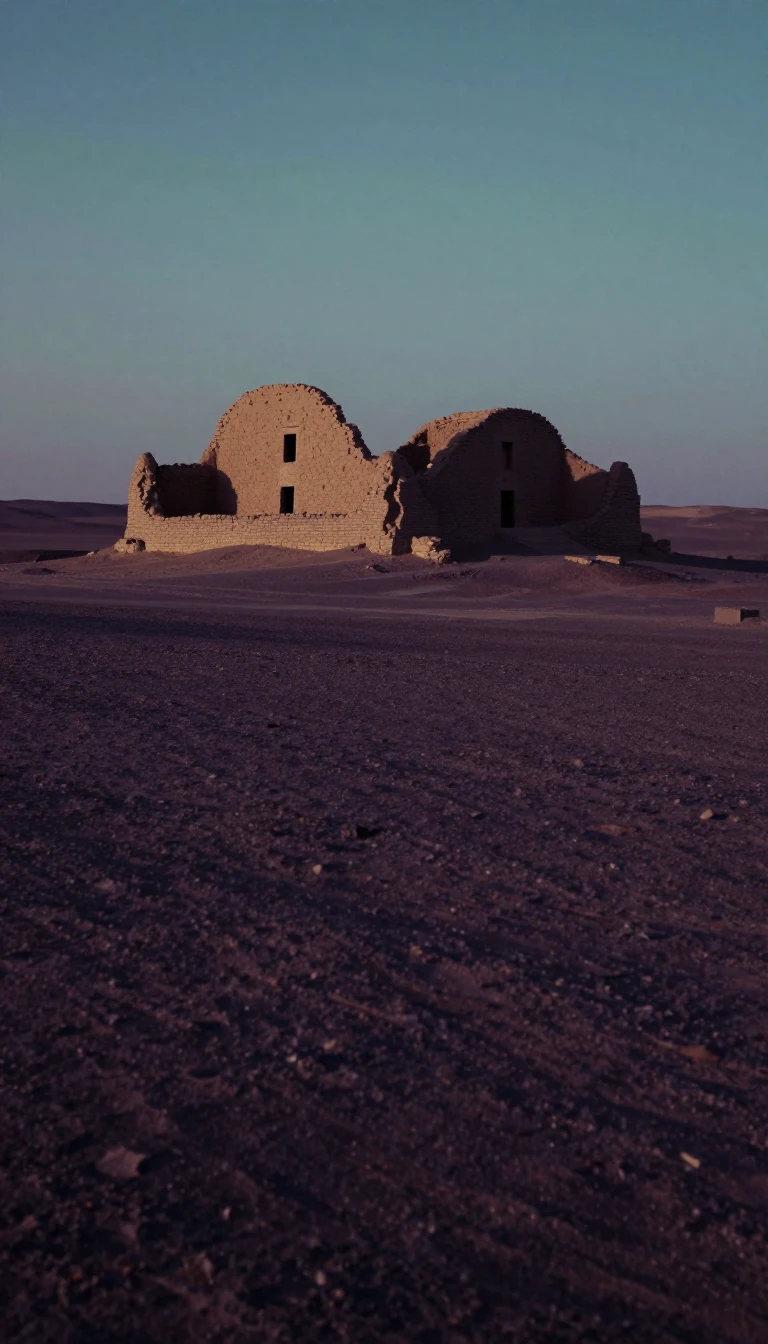 The Lost Language of the Kushan Empire Used Greek Letters to Record Iranian SpeechBactrian was once the official language of the powerful Kushan and Hephthalite empires in Central Asia. Though it belonged to the Iranian language family, it was uniquely written …
 Why a remote Himalayan town became one of India's most sacred pilgrimage sitesPerched 3,100 meters high in the Garhwal Himalayas, Badrinath is a legendary sanctuary where ancient tradition meets rugged terrain. Named for the jujube tree, this holy site has …
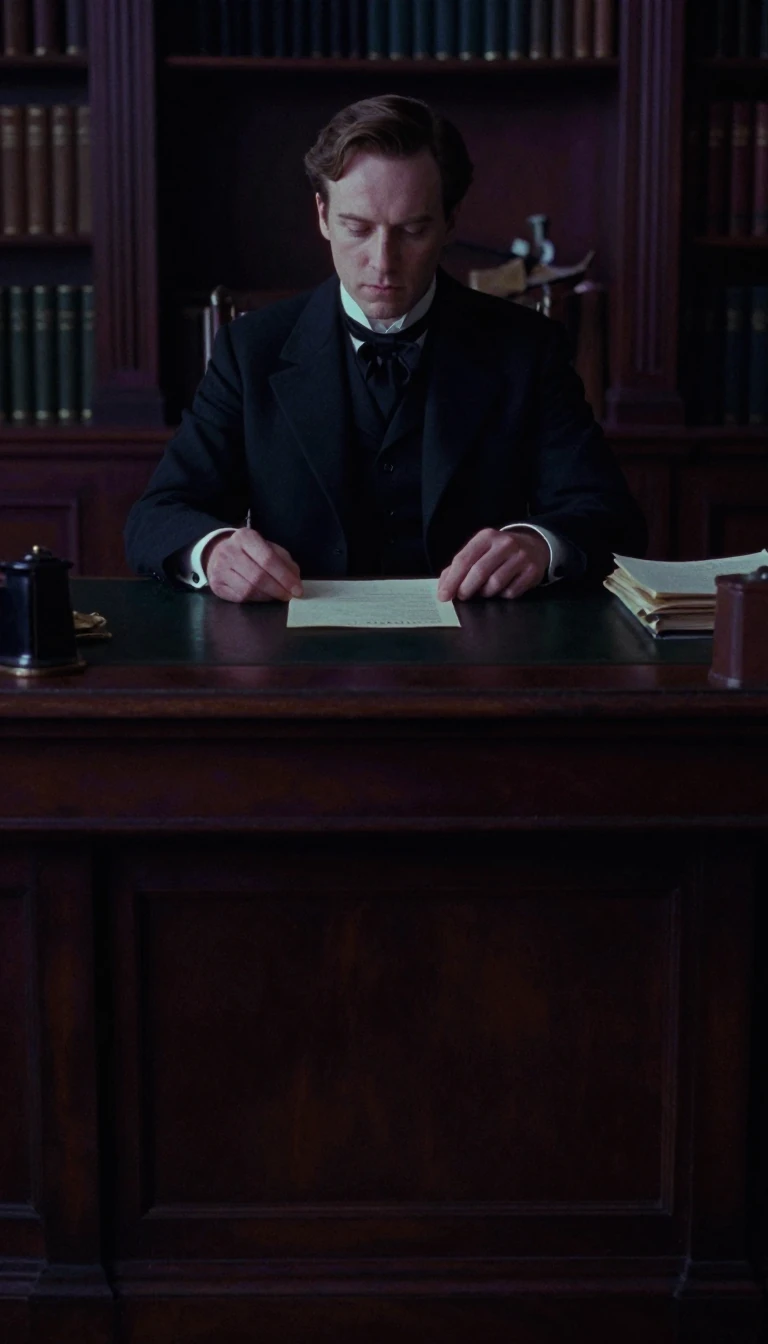 How Horatio Nelson Won a Battle by Pretending He Could Not See the SignalDuring the 1801 Battle of Copenhagen, Admiral Horatio Nelson faced a direct order to retreat from his cautious superior. Legend holds that Nelson, blind in one eye, raised his tel…
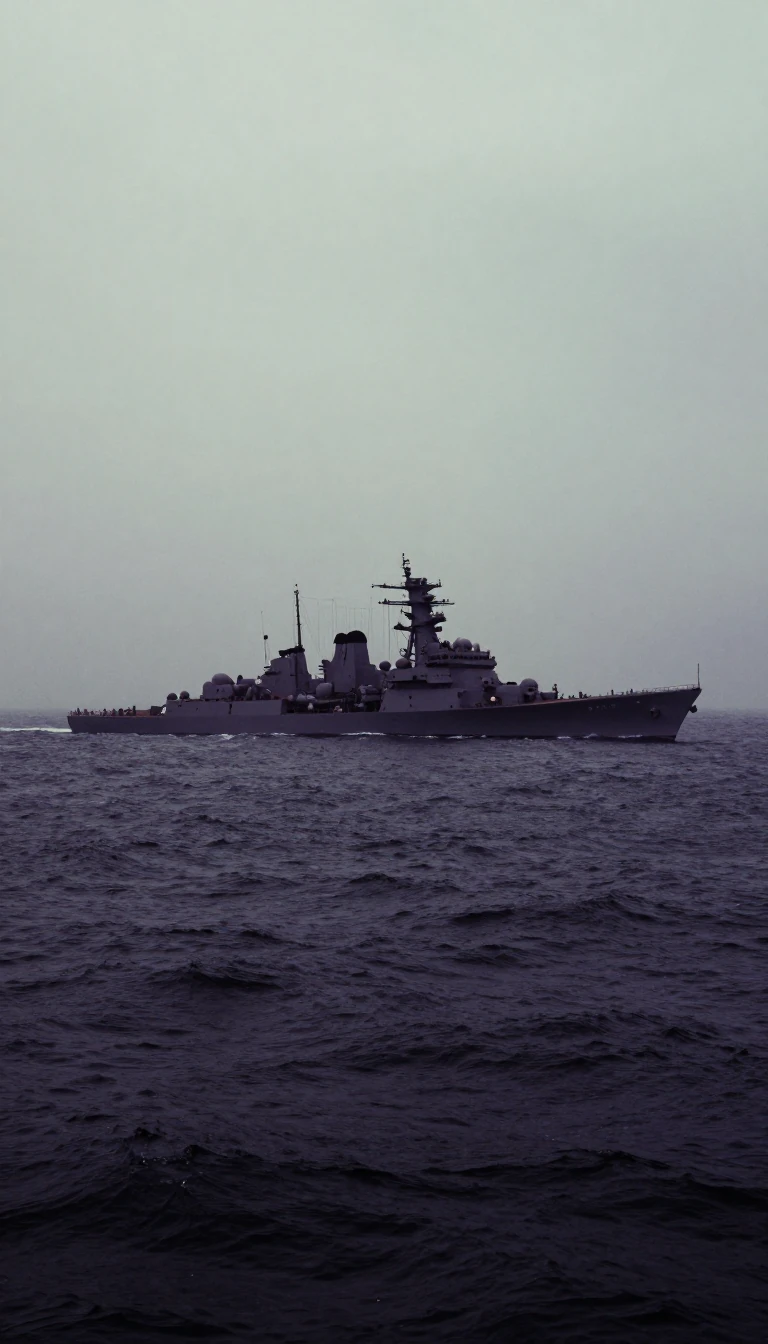 A tiny group of American ships faced the world's largest battleships and somehow survived.On October 25, 1944, a small, lightly armored American task unit known as Taffy 3 unexpectedly encountered the massive Japanese Center Force off Samar. Despite being hopelessly ou…
 Why Benjamin Crump is often called Black America's attorney generalBenjamin Crump has become the preeminent legal advocate for families seeking justice in high-profile civil rights and wrongful death cases. From representing the families of Georg…
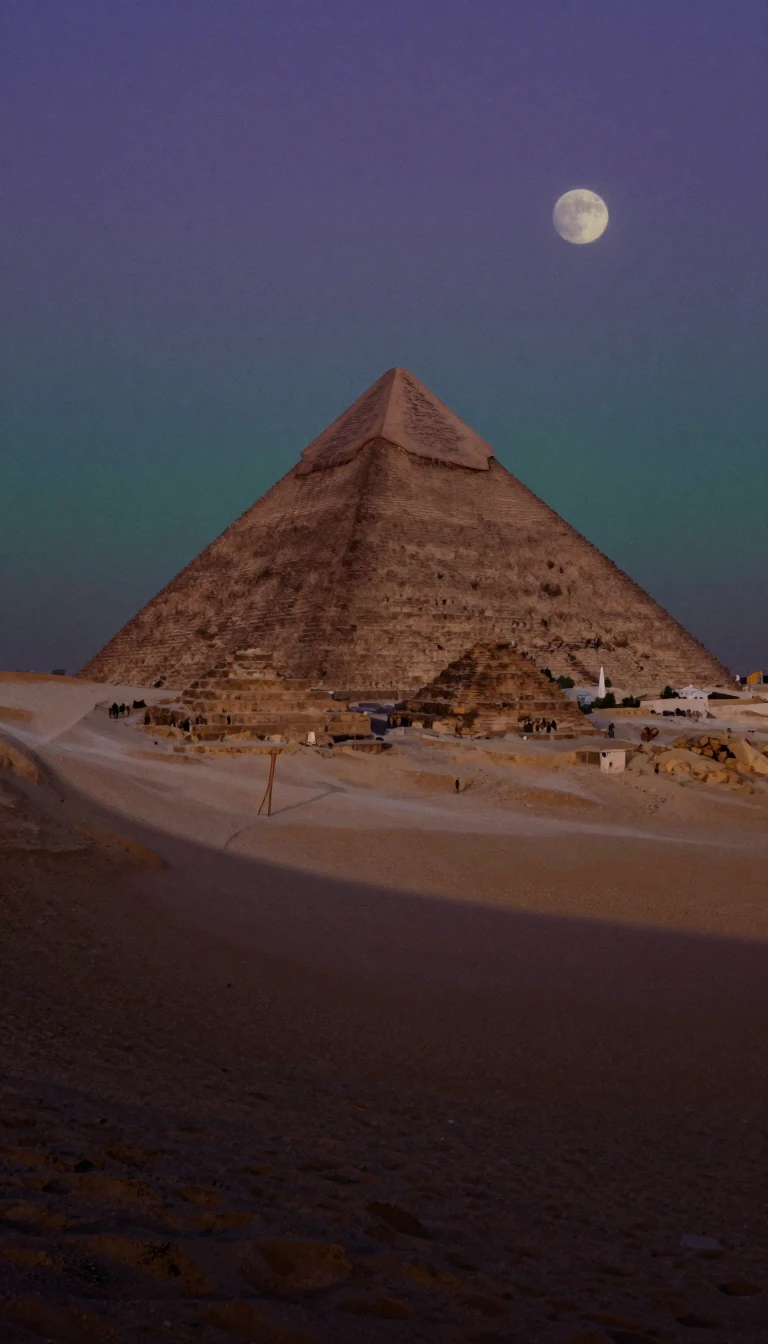 Why did the ancient Egyptians suddenly change the angle of the Bent Pyramid?Located at the royal necropolis of Dahshur, the Bent Pyramid stands as a singular anomaly in Egyptian architecture. Built for Pharaoh Sneferu during the Old Kingdom, its structure…
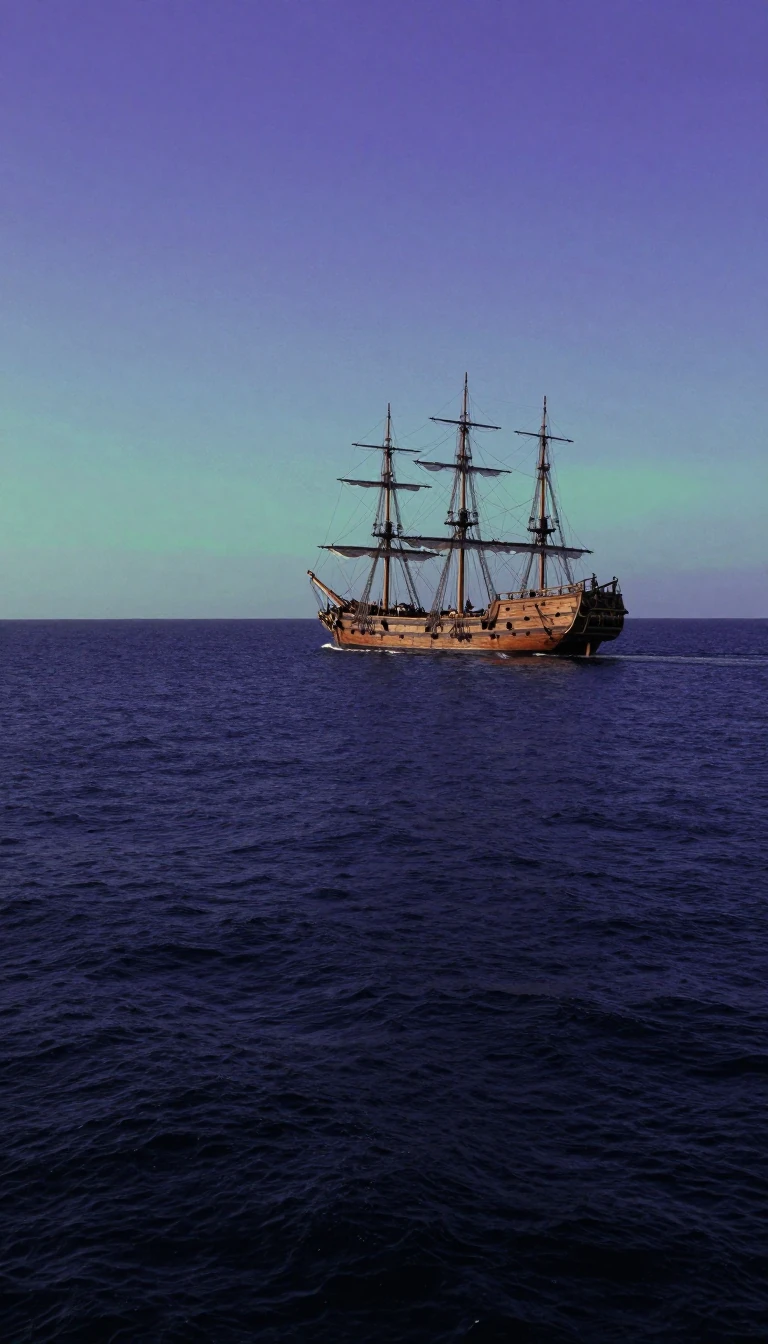 What defines a blue-water navy, and why is the term so notoriously slippery?A blue-water navy is a force capable of projecting power across the deep, open oceans far from home. While often associated with massive aircraft carriers and global reach, the te…
- How a German media giant rebuilt its music empire from the ashes of 2008After selling its stake in a major joint venture, Bertelsmann launched a new music company during the 2008 financial crisis. By merging publishing and label services under one roo…
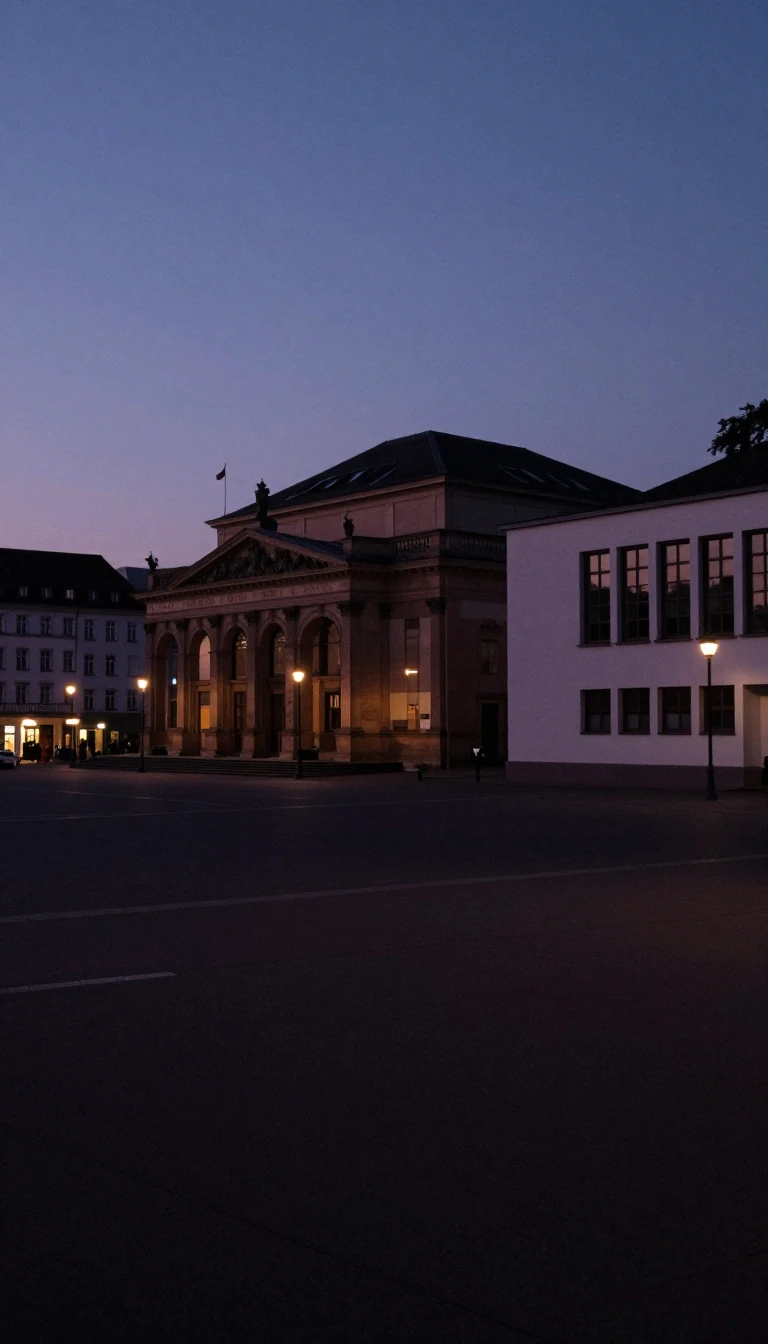 How a quiet Austrian border town spent decades wrestling with a dark legacyBraunau am Inn is a historic trading hub on the Bavarian border, known for its Gothic architecture and salt trade heritage. Yet, for nearly a century, the town has grappled with t…
 How Britain governed vast territories without ever technically owning themBritish protectorates were a clever exercise in indirect rule. By negotiating treaties with local leaders rather than outright annexation, the Crown secured control over defense a…
 The Bundeswehr: How Germany Rebuilt Its Military After Total DemilitarizationEstablished in 1955, the Bundeswehr was designed as a democratic citizen-defender force, explicitly rejecting the traditions of the Wehrmacht. Today, it stands as a major NATO pil…
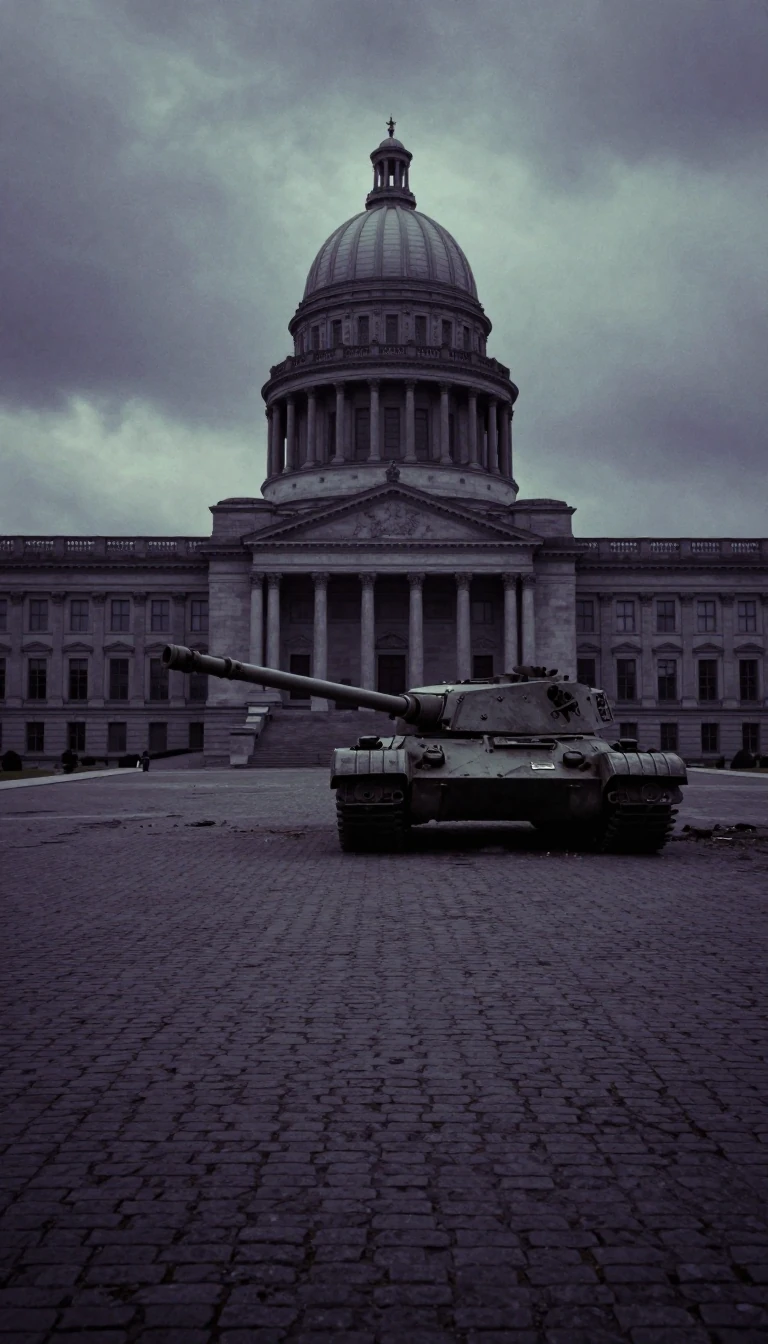 How a Soviet Republic navigated the chaos of the twentieth century to find independenceBorn from the wreckage of World War I and the Russian Revolution, the Byelorussian Soviet Socialist Republic spent seven decades as a tightly controlled constituent of the USSR. I…
 The Last Governor-General of India Who Once Polished His Own ShoesChakravarti Rajagopalachari was a singular figure in Indian history: the only Indian-born Governor-General, a trusted confidant of Gandhi, and a fierce advocate for free markets. …
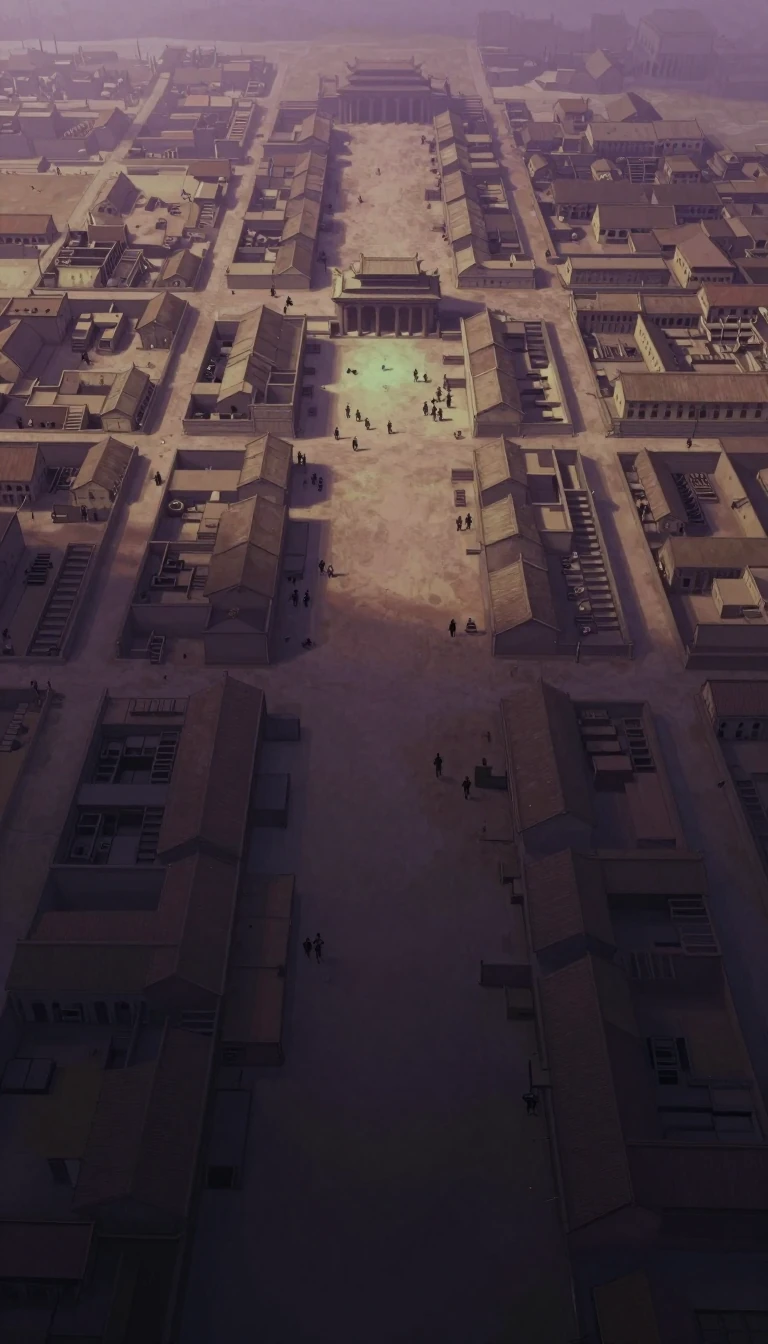 The Field of Mars: How Rome’s military training ground became a political stageOnce a swampy floodplain dedicated to the god of war, the Campus Martius evolved into the heart of ancient Rome. It transformed from a simple mustering field for soldiers into an …
 How a global trade hub created a unique, multi-ethnic society in South AfricaThe Cape Coloured community is not a single race, but a creolised society born from centuries of global migration. Formed by the mixing of indigenous Khoi and San, European settle…
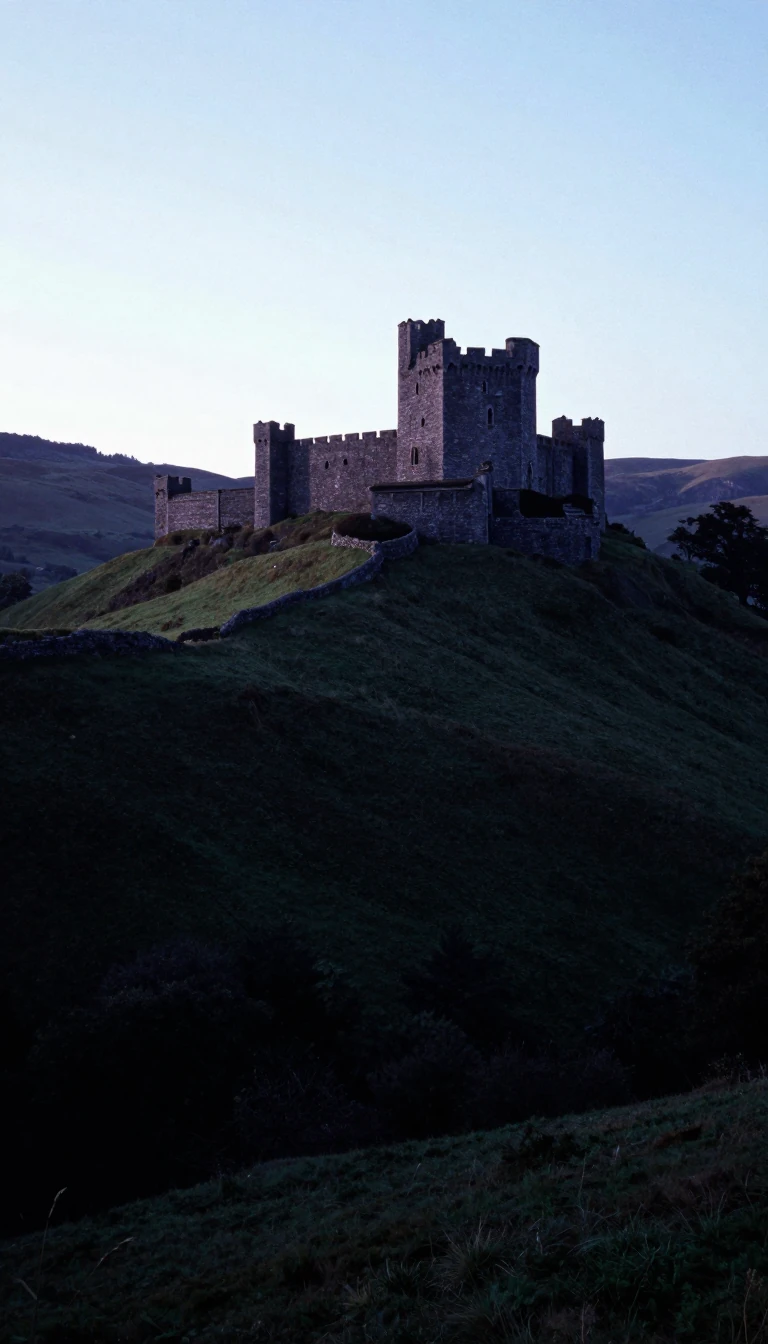 How a cadet branch of French royalty built a Mediterranean empire through strategic ambitionThe Capetian House of Anjou, a cadet branch of the French royal family, transformed from local counts into masters of Southern and Central Europe. Founded by Charles I of Anjou, t…
- When Seattle police abandoned their precinct, protesters created a self-governing zone in its place.In June 2020, following intense clashes over police brutality, the Seattle Police Department unexpectedly vacated its East Precinct. Protesters immediately occupied the area, esta…
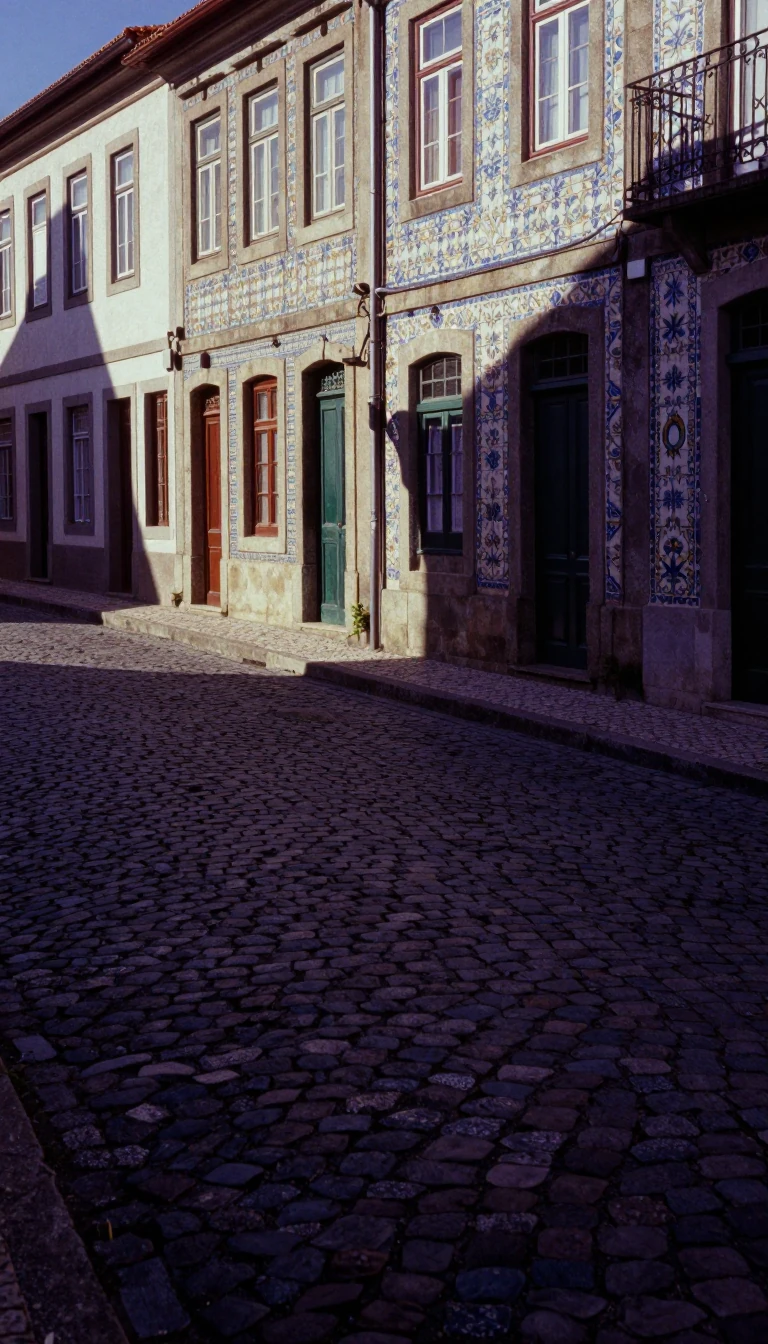 For a millennium, Greeks lived in secret underground cities beneath the volcanic plains of Cappadocia.In the heart of Anatolia, a resilient Greek community thrived for thousands of years, carving elaborate, multi-level cities deep into volcanic rock to survive centuries of invasio…
 How the Colombo family boss ruled a criminal empire from behind federal prison wallsCarmine Persico spent over three decades as the boss of the Colombo crime family while incarcerated. Despite receiving a 139-year sentence in 1987, he continued to manage his orga…
 How a scandal-ridden prince became Romania's last king and a failed dictatorCarol II of Romania was a man defined by his turbulent private life and authoritarian ambitions. After renouncing his throne for a mistress, he returned to seize power, only to pr…
 From White House child to diplomat: The enduring public life of Caroline KennedyCaroline Kennedy, the only surviving child of President John F. Kennedy, has navigated a life defined by immense public scrutiny and private tragedy. Beyond her famous lineage, sh…
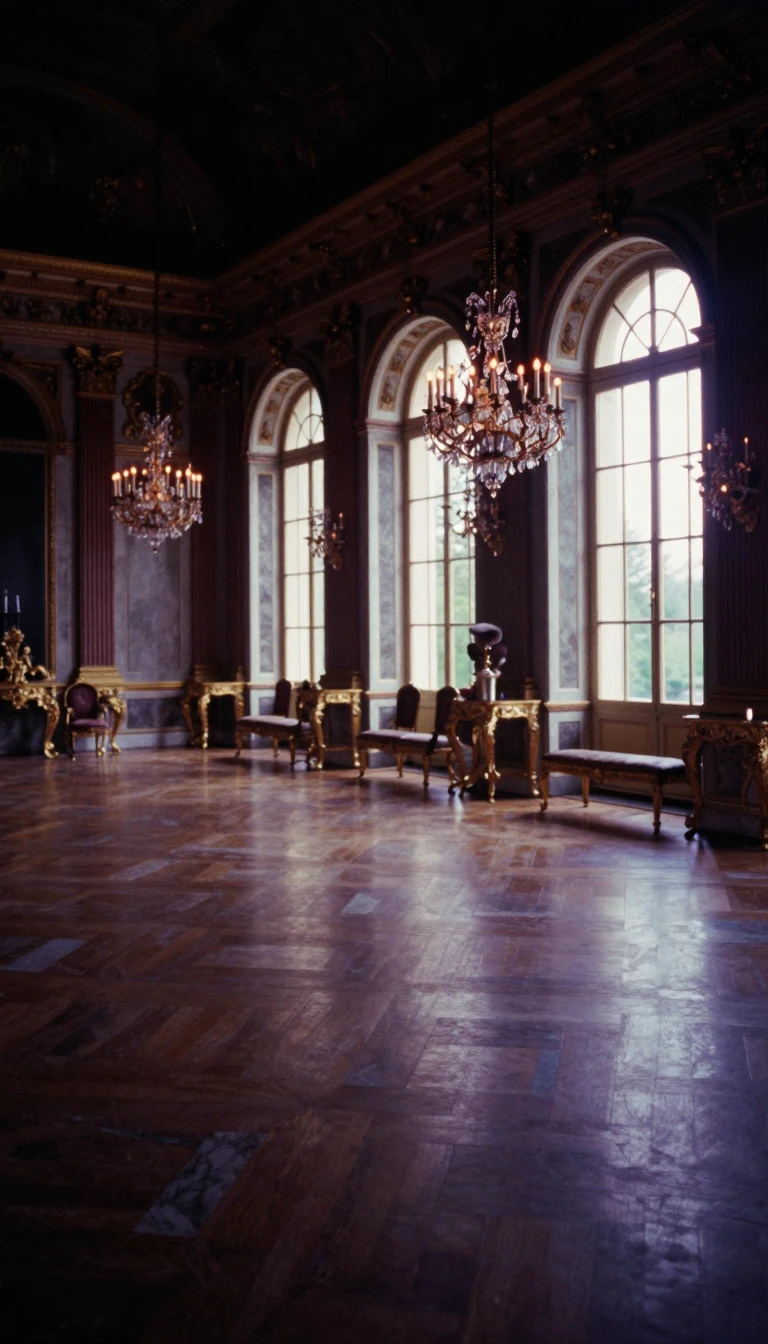 A royal marriage so disastrous it nearly toppled the British government in 1820Caroline of Brunswick was a queen who never wore a crown. Married to a husband who loathed her, she became a symbol of defiance against the establishment. Her struggle for legitim…
 The carrack was the heavy-duty workhorse that enabled the age of global exploration.Before the sleek galleon dominated the seas, the carrack reigned supreme. This massive, deep-hulled vessel was the first to bridge the gap between Mediterranean trade and the open…
- Why the true human cost of the Iraq War remains a subject of intense debate.The Iraq War, spanning from 2003 to 2011, left a legacy of profound loss. While American military casualties are documented at approximately 4,500 killed and 32,000 wounded, the t…
 The French château that survived centuries of royal intrigue and two world warsSpanning the River Cher, the Château de Chenonceau is a masterpiece of Renaissance architecture and a survivor of history. From the lavish parties of Catherine de' Medici to its r…
- Why the title of chancellor means everything in one country and nothing in another.Across the globe, the title of chancellor is a linguistic chameleon. In some nations, it denotes a powerful chief executive, while in others, it is a purely ceremonial figurehead.…
 Why did a failed lawyer and utopian commune member assassinate a U.S. president?Charles J. Guiteau, a man marked by delusions of grandeur and chronic instability, believed he was responsible for President James A. Garfield’s 1880 election victory. When his pe…
- World War I transformed the battlefield into a laboratory for lethal chemical experimentationDuring the first global war of the 20th century, major powers turned to chemical agents to break the stalemate of trench warfare. From tear-inducing irritants to deadly chlorine a…
 Before the jets arrived, a hotelier’s biplane made history in the skies over Madras.Long before Chennai International Airport became a bustling hub for millions, the city’s aviation story began with a humble biplane. In 1910, a local hotelier teamed up with a coa…
 Can the world's two largest economies balance fierce competition with necessary cooperation?The relationship between the United States and China is a complex web of economic interdependence and strategic rivalry. While both nations grapple with trade disputes, military m…
 How a Baptist split in Mississippi became a global Pentecostal powerhouseBorn from the expulsion of two ministers who embraced Wesleyan holiness, the Church of God in Christ evolved from a small 1897 fellowship into a massive international denomination…
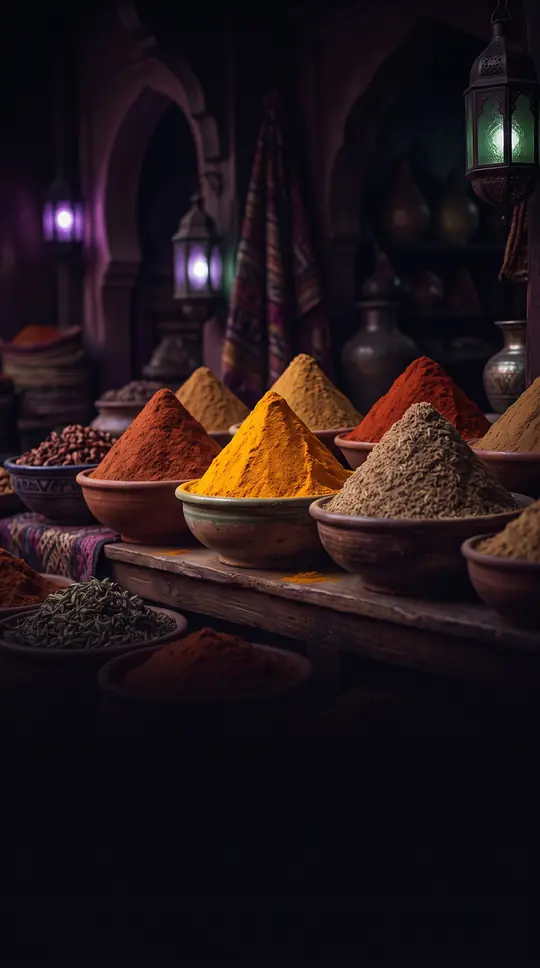 The cinnamon in your pantry is likely not the spice you think it is.Most cinnamon sold in North America is actually cassia, a thicker, more pungent relative of true cinnamon. While both share a history of being prized as highly as gold, cassia con…
 How a Roman Emperor's private retreat became the gateway to the modern MediterraneanCivitavecchia, meaning Ancient Town, began as an Etruscan settlement before Emperor Trajan transformed it into a vital imperial port. From hosting high-level advisory councils in …
- Was the Roman Emperor Claudius Gothicus the real inspiration for Valentine's Day?Claudius Gothicus was a legendary soldier-emperor who saved Rome from Gothic collapse in 269 AD. Yet, he is often remembered today for a different reason: a persistent, likely myt…
 Ancient Egyptian fashion was defined by white linen, heavy jewelry, and medicinal makeupWhile we often imagine ancient Egyptians in elaborate costumes, their daily reality was dominated by simple, white linen garments designed for a subtropical climate. Yet, beneath …
 The toga was not just a garment, but a complex symbol of Roman citizenship.In ancient Rome, clothing was a rigid visual language that instantly broadcasted a person's social rank, citizenship, and moral standing. While the iconic toga served as the ultim…
- How a medieval power struggle created the world's only shared diarchyAndorra is governed by two heads of state: the bishop of Urgell and the president of France. This bizarre arrangement, born from a 13th-century territorial dispute, has survived f…
 The German eagle is one of the world's oldest surviving national symbolsTracing its roots to Roman standards and Charlemagne, the German federal eagle has evolved through centuries of imperial, republican, and turbulent political shifts. Today, this b…
- The Mexican national emblem is built on a centuries-old linguistic misunderstandingThe iconic image of an eagle devouring a snake atop a cactus is a foundational symbol of Mexico. Yet, this dramatic scene likely stems from a mistranslation of an ancient text. Th…
 Why does Russia’s modern coat of arms feature symbols of a defunct monarchy?Russia’s state emblem features a double-headed eagle clutching an orb and scepter, symbols of imperial authority that persist despite the nation being a republic. Designed by Yevg…
 Is this 4th-century Greek manuscript the most reliable witness to the original New Testament?Kept in the Vatican Library since at least the 1400s, Codex Vaticanus is a foundational Greek Bible manuscript. Scholars prize it for its antiquity and textual quality, often usin…
 Why Colgate University considers the number thirteen its most auspicious and lucky charmAt Colgate University, thirteen is not a superstition but a foundational identity. From the thirteen men who founded the school to its zip code, address, and even a campus-wide sp…
 The Cominform: How Stalin Tried to Orchestrate Global Communism from a Small BureauEstablished in 1947, the Cominform was a Soviet-led coordination body designed to align European communist parties. While it lacked the formal power of its predecessor, the Comint…
- Why a global ban on nuclear testing remains technically unfinished after thirty yearsAdopted in 1996, the Comprehensive Nuclear-Test-Ban Treaty aims to silence every nuclear explosion on Earth. Despite near-universal support, the treaty has never officially entere…
 Can a nation manufacture its own cool to replace the power of its military?Following World War II, Japan was constitutionally barred from using hard military power. To rebuild its global standing, the government pivoted to a strategy of soft power, brand…
 The term coolie evolved from a word for wages into a global symbol of exploitation.Originating as a term for day laborers in the Indian subcontinent, the word coolie became synonymous with a brutal system of indentured labor. Following the abolition of slavery, …
 Why did ancient Romans view the Corsicans as more beast than man?The Corsicans are a resilient Mediterranean people with a history defined by isolation, vendettas, and a fierce spirit of independence. From their ancient roots as a tribal societ…
 Spain's parliament evolved from medieval royal councils to a modern bicameral legislative powerhouseThe Cortes Generales is the heartbeat of Spanish democracy, but its roots stretch back to the 12th century. From the first representative assembly in León to the turbulent shifts …
 How a fatal design flaw in the Enigma machine helped the Allies win the warThe Enigma machine was a masterpiece of mechanical complexity, capable of generating trillions of possible cipher settings. Yet, it possessed a single, devastating weakness: no le…
 From smuggling to border patrol, the versatile cutter has defined maritime speed for centuries.The term cutter describes everything from a specific sailing rig to a modern government patrol vessel. Originating in the 18th century as a fast, single-masted hull designed for s…