 Intellect Plus
History
21,004 cards. Each one is a 40-second story with a five-minute read behind it. Page 338 of 351.
Subtopics: 19th century · 20th century · Africa · Age of Exploration · Ages & eras · Ancient · Ancient China · Ancient egypt · Ancient greece · Ancient rome · Ancient trade · Archaeological discoveries · Archaeology · Astronomy · Australia · Auxiliary historical sciences · Babylon · Basics · Born on this day · Bronze age · Buddhism · Case studies · Chefs, bartenders and winemakers · China · Cities · Climate · Columbus · Contemporary (1945-) · Cosmetics people · Crime · Criminals · Decipherment · Deep time · Disasters · Early modern · Education · Egypt · Empires · Empires & civilisations · Exploration · Explorers · Extinction · Fandom, conventions and festivals · History by continent and large region · History by continent and region · History by country · History by country, small region and city · History by ethnicity · History by subject matter · History by topic · Inca · India · Industrial Revolution · Japan · Kings & queens · London · Mass hysteria · Medicine · Medieval kingdoms · Medieval life · Mediterranean · Mercedes-Benz History · Mesopotamia · Middle ages · Military leaders and theorists · Military leaders, personnel, and theorists · Ming dynasty · Misconceptions · Modern · Modern (1800-1945) · Napoleon · Navigation · North africa · Other · Pacific · Pharaohs · Philippines · Pirates · Post-classical · Prehistory · Propaganda · Public health · Rebels, revolutionaries and activists · Renaissance · Researched · Second world war · Shipwrecks · Silk Road · South america · Tradespeople · UK & Ireland: history · United states · Vikings · Volcanoes · Women in history
 Garibaldi's famous red shirts may have come from an Argentine meat trade orderBefore he helped unite Italy, Giuseppe Garibaldi spent 14 years as an exile fighting in South America's wars. Popular history says his Italian Legion in Montevideo got its tradema…
 The first crusader ruler of Jerusalem refused to call himself kingAfter the First Crusade took Jerusalem in 1099, Godfrey of Bouillon accepted its rule but reportedly balked at the royal title, calling himself Advocate of the Holy Sepulchre inst…
 Hannibal occupied southern Italy for 15 years and still lost the warHannibal marched an army and 38 elephants over the Alps, beat Rome again and again, and held much of southern Italy for a decade and a half. Rome's answer was to stop fighting him…
 Barbarossa, the Redbeard, may have been a mangled Baba, meaning fatherThe name Barbarossa sounds like Italian for Redbeard, and Europeans took it that way. One account says it began as Baba Oruç, Father Oruç, an honorific earned by a corsair who fer…
 Heinrich Himmler was a failed farm manager before he ran the SSHeinrich Himmler studied agriculture, never saw combat, and was out of work at 23. Six years later he led a Nazi bodyguard unit of about 290 men. He built it into a vast apparatus…
 The earliest-born person whose voice survives was a Prussian field marshalHelmuth von Moltke was born in 1800, and in October 1889 he spoke into a phonograph; two of those recordings still exist. The general who built the modern general staff was also a…
 The only Army general ever awarded the Nobel Peace PrizeWinston Churchill called George Marshall the organiser of victory for running America's war effort. Marshall then did something rarer for a soldier: as Secretary of State he champ…
 Months before Hitler invaded, Zhukov played the Germans in a war game and wonIn January 1941, Georgy Zhukov commanded the invading side in a Soviet staff exercise and, by his own account, attacked along lines strikingly close to the real German assault tha…
 The modern Olympics grew out of a Frenchman's failed school reformPierre de Coubertin's first mission was not a global sporting festival. He wanted French schools to adopt the games-playing ethos he admired in English public schools, and he fail…
 Ferdinand Foch's most famous battlefield message may never have been sentCentre giving way, right flank falling back, so attack: that defiant report from the marshes of the Marne in 1914 came to symbolise French defiance and Ferdinand Foch's leadership…
 Spain's Grand Duke of Alba is remembered by the Dutch as the Iron DukeIn Spain and Portugal he was the Grand Duke, one of the most skilled generals of his century. In the Netherlands he became the Iron Duke, a byword for tyranny, after the tribunal …
 The Roman who stopped Attila learned war as a boy hostage among the HunsAs a youth Flavius Aetius was handed over as a hostage, first to the Visigoth king Alaric and then to the court of the Huns. Those years gave him allies he later used to seize pow…
 An illiterate swineherd's son drew a line in the sand and toppled the Inca EmpireStranded on a Pacific island with orders to come home, Francisco Pizarro reportedly scratched a line in the sand: Peru and riches to the south, Panama and poverty to the north. On…
 Nothing written about Spartacus comes from anyone who saw his revoltSpartacus is one of antiquity's most famous rebels, yet every surviving account was written a century or more after his death, by authors who never met him and never spoke for the…
 A church floor at a student conference turned Steve Biko against liberal nonracialismAt a 1967 student conference, white and Indian delegates were given dormitory beds while black Africans were told to sleep in a church. Steve Biko walked out, and the insult convi…
 Subhas Chandra Bose passed the elite civil service exam, then refused the jobSubhas Chandra Bose sailed to England at his father's urging and did brilliantly in the crucial first Indian Civil Service exam. He then declined the routine final test, calling n…
 A sickly boy judged unfit for soldiering became Russia's undefeated generalissimoAlexander Suvorov's father thought his frail son belonged in the civil service. A visiting general, Gannibal, talked with the boy and persuaded the family otherwise. Suvorov went …
 Erwin Rommel's legend as the Desert Fox was partly built by propaganda on both sidesErwin Rommel became a larger-than-life figure in Nazi and Allied propaganda alike, and after the war a clean, apolitical commander was a useful image for rearming West Germany. Hi…
 Pablo Escobar negotiated a prison he designed himself, then walked out of itIn 1991 Colombia's most wanted man surrendered on his own terms: no extradition to the United States, and confinement in La Catedral, a jail he had built, complete with a football…
 The most influential book on war was unfinished, and his wife published itCarl von Clausewitz joined the Prussian army at twelve, was captured by Napoleon's forces at 26, and switched to the Russian side rather than serve alongside France. His great tre…
- Douglas MacArthur's mother moved into a hotel overlooking West Point to watch himWhen Douglas MacArthur entered West Point in 1899, his mother took a suite at a hotel with a view of the academy grounds. He graduated first in his class with the third-highest ma…
 Spain's greatest Christian hero carries a title borrowed from ArabicRodrigo Díaz de Vivar fought for Christian kings and Muslim rulers alike. His famous name, El Cid, comes from an Arabic word meaning lord. Exiled by his own king, he ended up conq…
 Ludendorff helped invent the lie that Germany was stabbed in the backFor two years Erich Ludendorff effectively ran Germany's First World War. When it collapsed in 1918, he blamed traitors at home rather than defeat in the field, spreading the stab…
 One Portuguese admiral tried to lock the entire Indian Ocean shutAfonso de Albuquerque aimed to seal every sea route into the Indian Ocean, from the Red Sea and Persian Gulf to the Pacific, turning it into a closed Portuguese lake. Between 1509…
 Amr ibn al-As launched the conquest of Egypt on his own initiativeIn late 639 an Arab commander named Amr ibn al-As marched on Byzantine Egypt without waiting for full backing. Within two or three years Alexandria surrendered, the swiftest of th…
 Montgomery was so badly wounded in 1914 that doctors ordered his grave dugTwo months into the First World War, a sniper shot Lieutenant Bernard Montgomery through the lung. Medics thought he was finished and had a grave prepared. He survived, and three …
 The name Jack the Ripper probably came from a newspaper hoaxThe most famous nickname in crime history first appeared in a letter signed by someone claiming to be the Whitechapel killer. Many historians think journalists wrote it themselves…
 The tragic battle that defined a religious divideIn 680 CE, a stand against an empire changed Islam forever. The Battle of Karbala was not merely a political skirmish, but a pivotal moment of martyrdom that forged the distinct i…
- How a failed insurance clerk built a global newspaper empireIn 1785, John Walter was unemployed after a Jamaican hurricane bankrupted his employer. Instead of retreating, he used a flawed new typesetting patent to launch The Daily Universa…
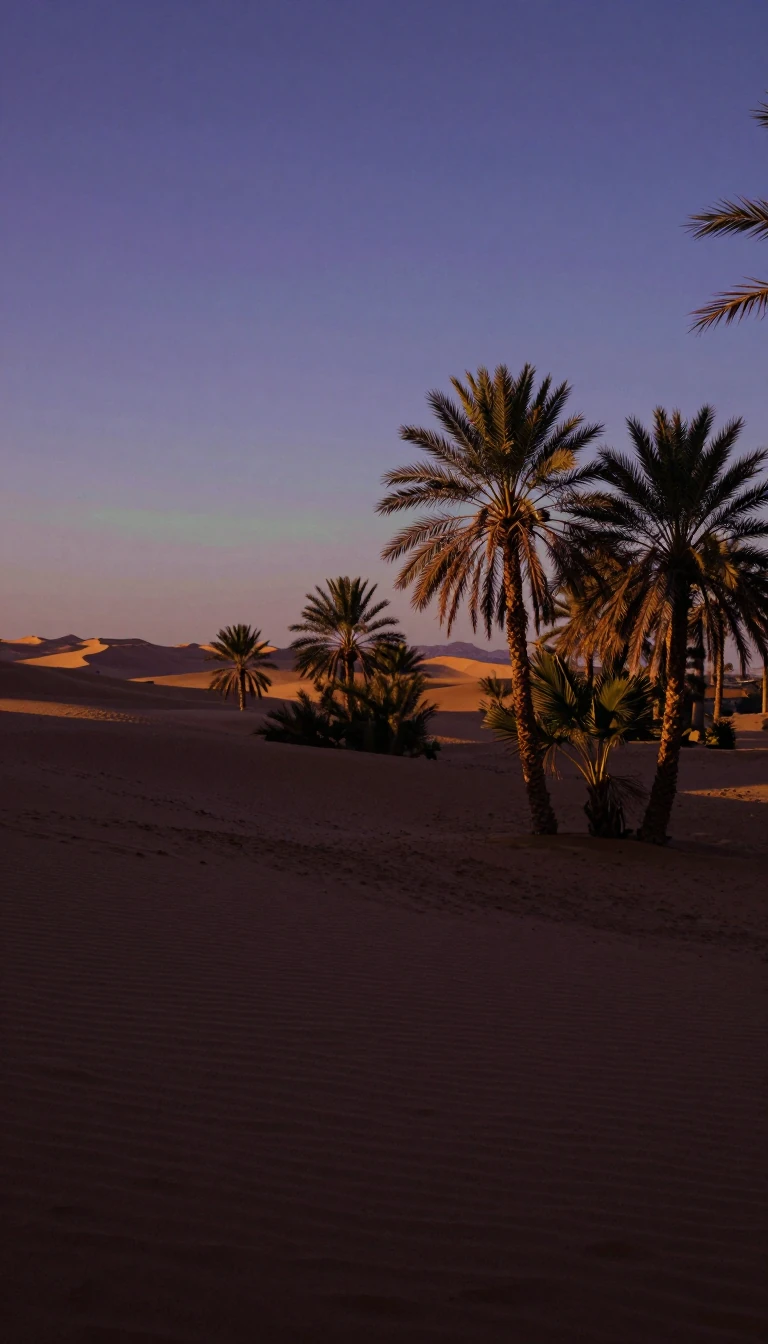 The shifting meaning of a name: how the 'Arab' identity emergedLong before the vast empires of the Middle Ages, the term 'Arab' did not describe a unified people. Instead, it was a label applied by outsiders to describe desert-dwelling groups…
 The physicist who built the hydrogen bomb then fought to dismantle the system.Andrei Sakharov was the architect of the Soviet Union's most powerful thermonuclear weapons. Yet, the man responsible for the 'layer cake' design became the regime's most prominen…
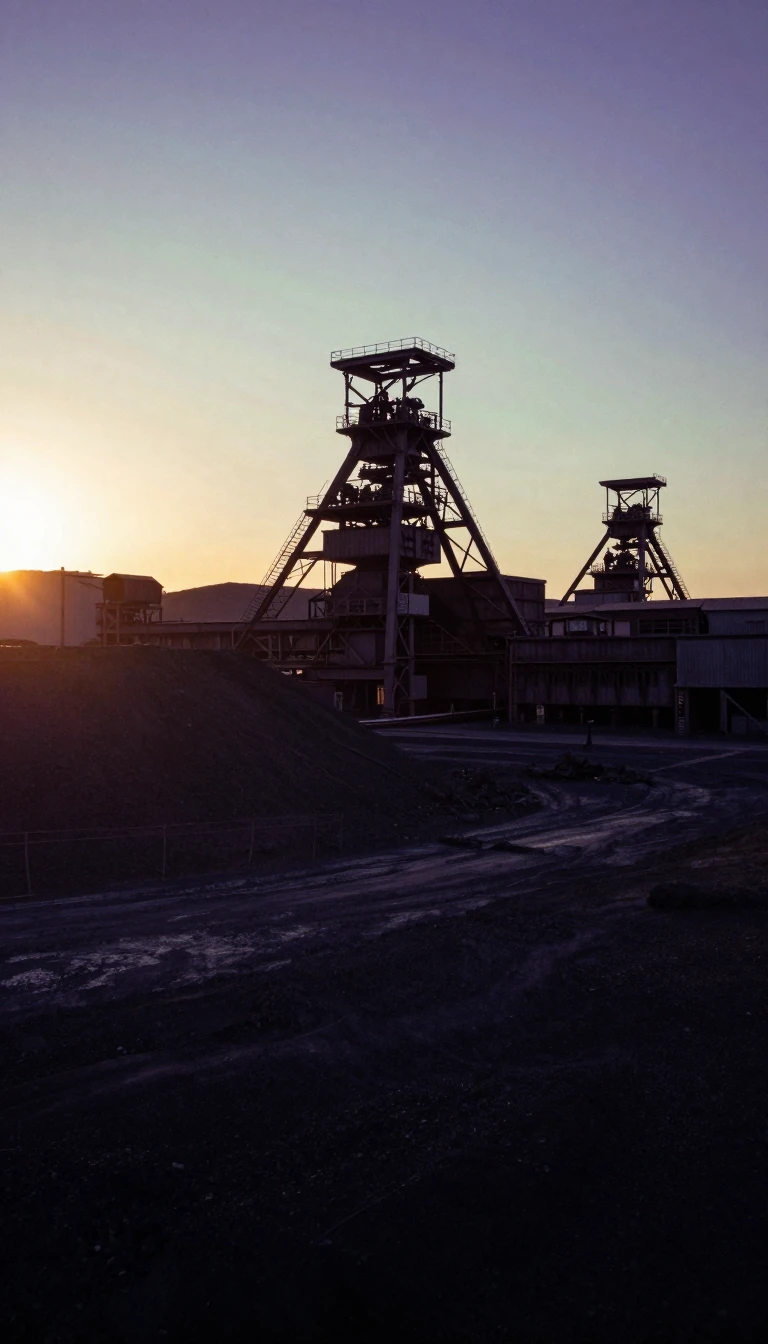 The prehistoric forest that became the world's most powerful fuelMillions of years before the first steam engine, massive tropical wetlands were quietly transforming into the carbon-rich energy that would eventually drive the Industrial Revolut…
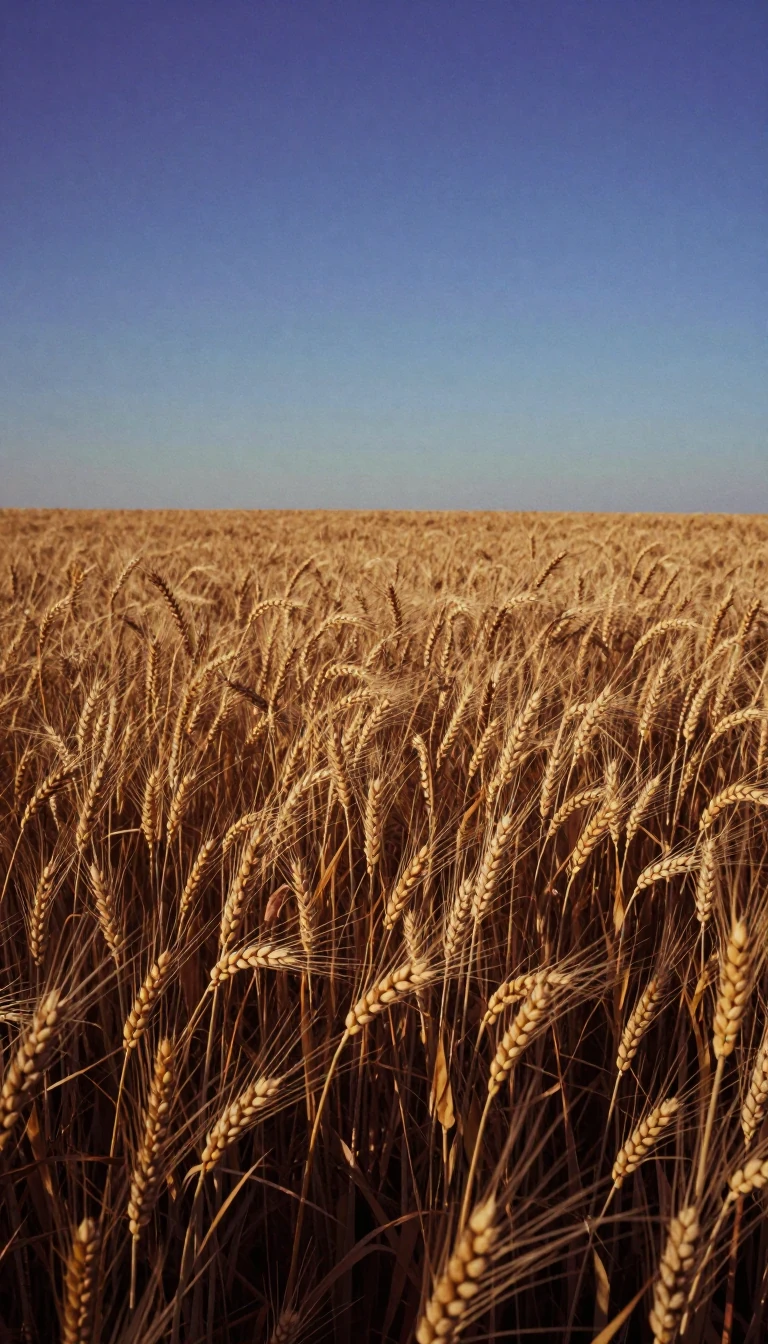 The sweet, bitter, and blood-soaked history of the world's largest cropIt is a biological marvel, capable of converting solar energy into massive biomass with incredible efficiency. Yet, the global spread of sugarcane has been driven by a darker engi…
 The toxic survival crop that feeds 500 million peopleIt is a biological paradox: a plant that contains enough cyanide to be lethal, yet serves as the third-largest carbohydrate source in the tropics. From the ancient Maya to modern …
 The indigenous North African identity that survived empires and conquestsLong before the Arab expansions of the 7th century, the Imazighen had already established a complex network of kingdoms across the Maghreb. From the Nile Valley to the Atlantic, t…
- How a penniless orphan became the architect of a global empireBefore he was a prophet, Muhammad was a man of modest means, facing poverty and rejection. Yet, through a combination of business acumen and spiritual conviction, he transformed t…
 The surprising administrative origins of modern policingWe often view the police solely as crime fighters, but their historical roots lie in something much broader: the management of a city's economy, health, and very soul. From urban …
 How a single businessman's business trip transformed modern warfareIn 1859, Jean-Henri Dunant arrived in Italy for a business meeting, only to find 40,000 soldiers dead or wounded. His horror at the lack of medical care birthed a global movement …
 The ancient liquid that built civilizations and paid the pyramid buildersLong before industrial factories, beer was a vital currency and a ritual necessity. From 13,000-year-old Neolithic residues to the daily rations of Egyptian laborers, this ferment…
 The university born from a violent dispute between scholars and townspeopleIn 1209, a group of scholars fled Oxford after a local woman's death led to the hanging of two academics. Seeking refuge from the violence of Oxford's townsfolk, they settled in C…
 Is Shamanism a Universal Concept, or a Collection of Local Practices?The very definition of shamanism is fiercely debated among scholars. While some see a core practice of accessing spirit worlds through altered states, others argue that applying a…
 The Persian King who waged war against the godsXerxes I is often remembered for his massive invasion of Greece, but his most profound impact may have been a radical shift in imperial identity. By dismantling the traditions of …
- Beyond the law: the mystical heart of the Islamic traditionWhile often viewed as a mere subset of Islamic law, Sufism emerged as a profound spiritual reaction to worldly luxury. It seeks not just adherence to ritual, but a direct, persona…
 How a secondary player became the master of AsiaHe wasn't the strongest contender in the power struggle following Alexander the Great's death. Yet, through calculated patience and strategic alliances, Seleucus I Nicator rose fr…
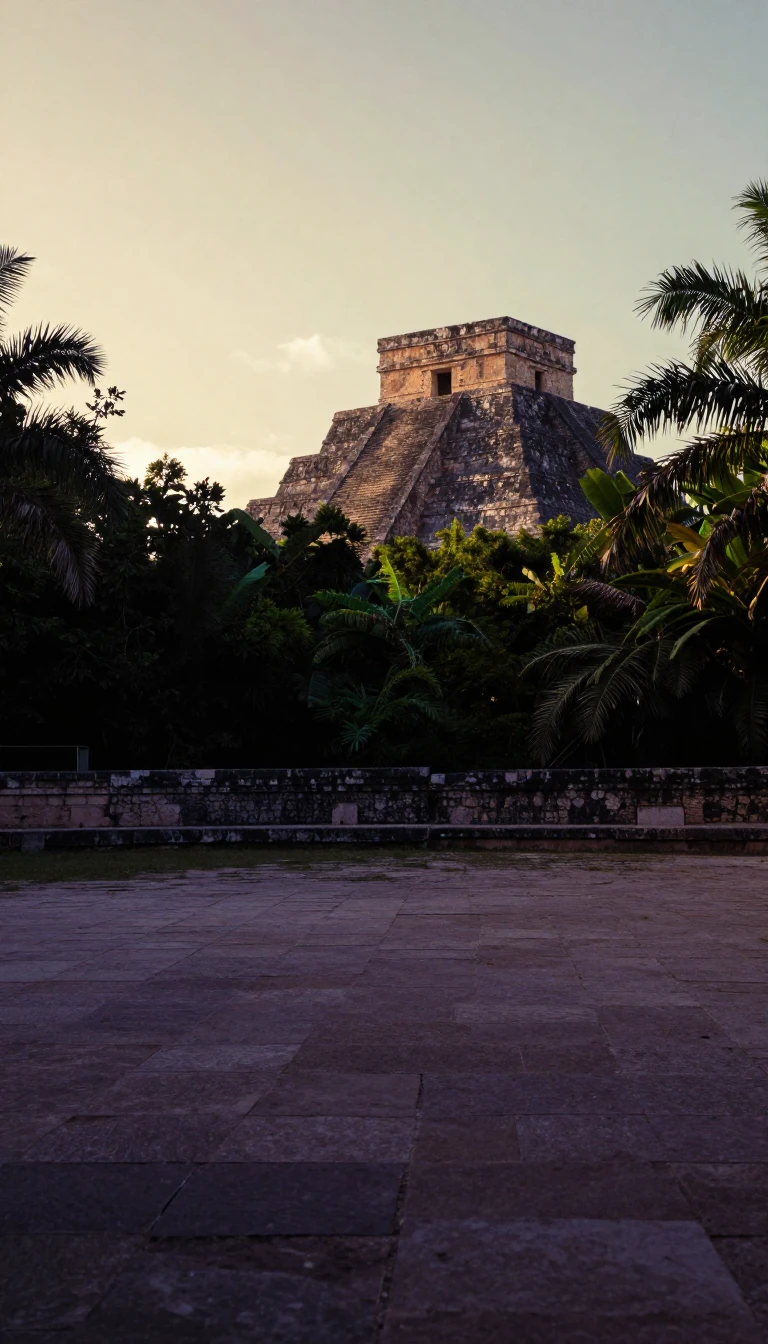 Was the legendary Feathered Serpent actually a Spanish conqueror?For centuries, history books claimed the Aztec Emperor Moctezuma II mistook Hernán Cortés for the returning god Quetzalcōātl. But modern historians are uncovering a much more comp…
 The word pagan was actually a piece of Roman military slangBefore it described ancient gods, 'pagan' was a derogatory label for civilians and peasants. It was an exonym—a name imposed by outsiders—created by early Christians to distinguis…
 The thousand-pace journey: how a Roman stride became a global standardThe modern mile is a precise mathematical construct, but its ancestors were much more human. From the rhythmic left foot of a Roman legionary to the varying walking hours of Dutch…
 The peasant-born emperor who rebuilt an empire and rewrote the lawHe was known as 'the emperor who never sleeps,' a man of immense energy and ambition. From a humble Illyrian background, Justinian I transformed the Roman world, launching massive…
- The many meanings of 'Terrible': why history remembers Ivan the FearsomeWe call him 'the Terrible,' but the Russian epithet *grozny* suggests something else entirely: a ruler who was formidable, awe-inspiring, and powerful. Behind the myth of a mere t…
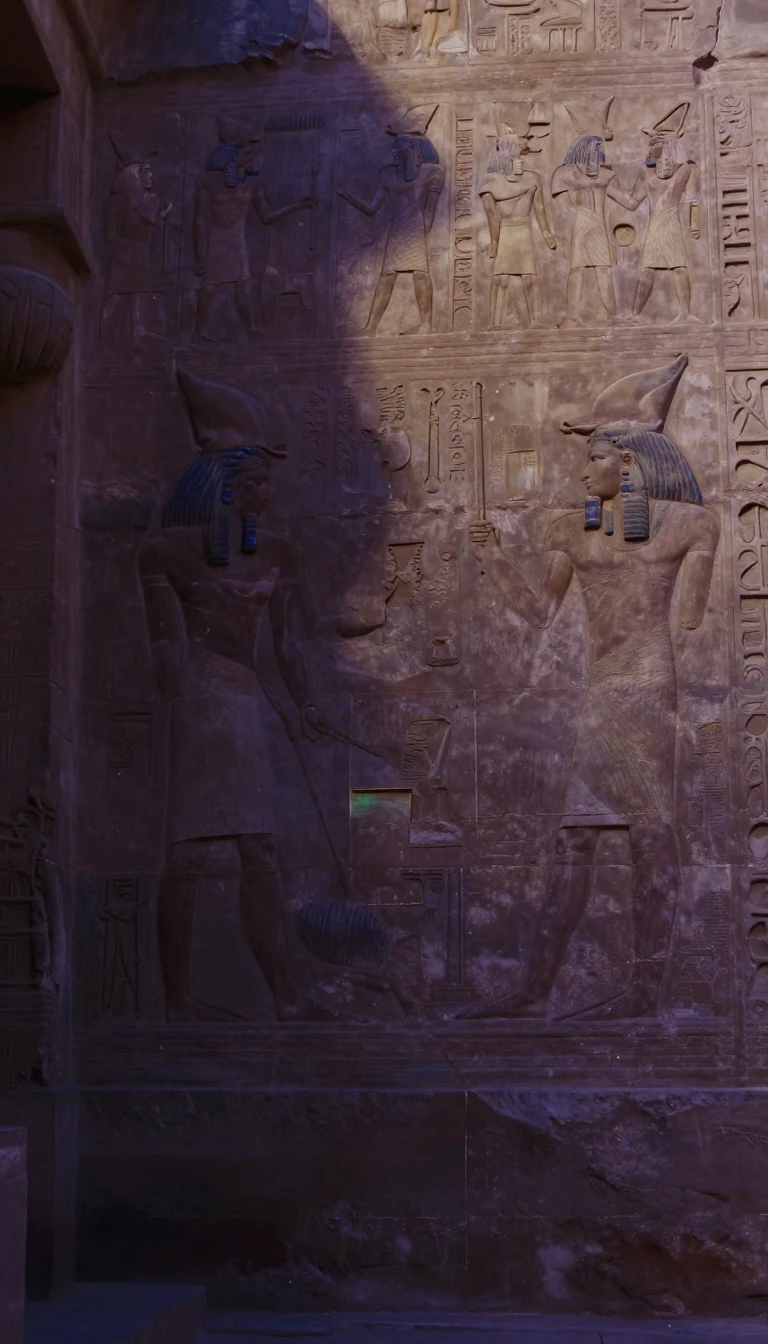 The art of destruction: why civilizations smash their most sacred imagesIconoclasm is more than just vandalism. From the Pharaohs of Egypt to the reformers of Europe, the deliberate destruction of monuments and icons has served as a powerful tool to r…
 The scholar who fought Mongols, clerics, and kings from a prison cellIbn Taymiyya was far more than a quiet academic. A 13th-century Hanbali jurist, he was a political firebrand who led military resistance against Mongol invaders, issued fatwas tha…
 Was the Father of History actually the Father of Lies?He traveled the vast Persian Empire, documenting the collision of East and West. Yet, his contemporaries accused him of inventing stories for mere entertainment. Discover the comp…
 The trusted shadow: why empires relied on the power of the castratedThey were the ultimate political paradox: physically diminished, yet wielded immense authority. From the halls of Imperial China to the Byzantine court, eunuchs served as the indi…
 How a legendary shepherd's son built history's first great empireHe was a child raised in secret to avoid a royal execution, only to grow into a conqueror so merciful that his decrees are often called the first declaration of human rights. Disc…
- The peninsula of many names and many mastersFrom Greek colonies to the Golden Horde, Crimea has been a strategic prize for millennia. This Black Sea peninsula has survived imperial annexations, ethnic cleansings, and shifti…
 From ancient blood feuds to state-sanctioned death: the evolution of capital punishmentBefore organized courts, justice was often a matter of tribal warfare and blood feuds. Today, while most nations have moved toward abolition, the death penalty remains a global re…
- The ruthless emperor who expanded an empire but fractured its soulHe defeated his brothers, imprisoned his father, and pushed the Mughal Empire to its greatest territorial extent. Yet, the very policies that secured his absolute power—religious …
 How a nineteen-year-old used a dead dictator's will to build an empireWhen Julius Caesar was assassinated in 44 BC, his eighteen-year-old heir, Octavian, faced a choice: retreat or risk everything. Armed with nothing but a controversial will and a d…
 The Roman African who redefined the Western mindBefore he was a saint, he was a hedonist, a rhetorician, and a Manichaean. Augustine of Hippo transformed classical philosophy into a Christian powerhouse, creating a theological …
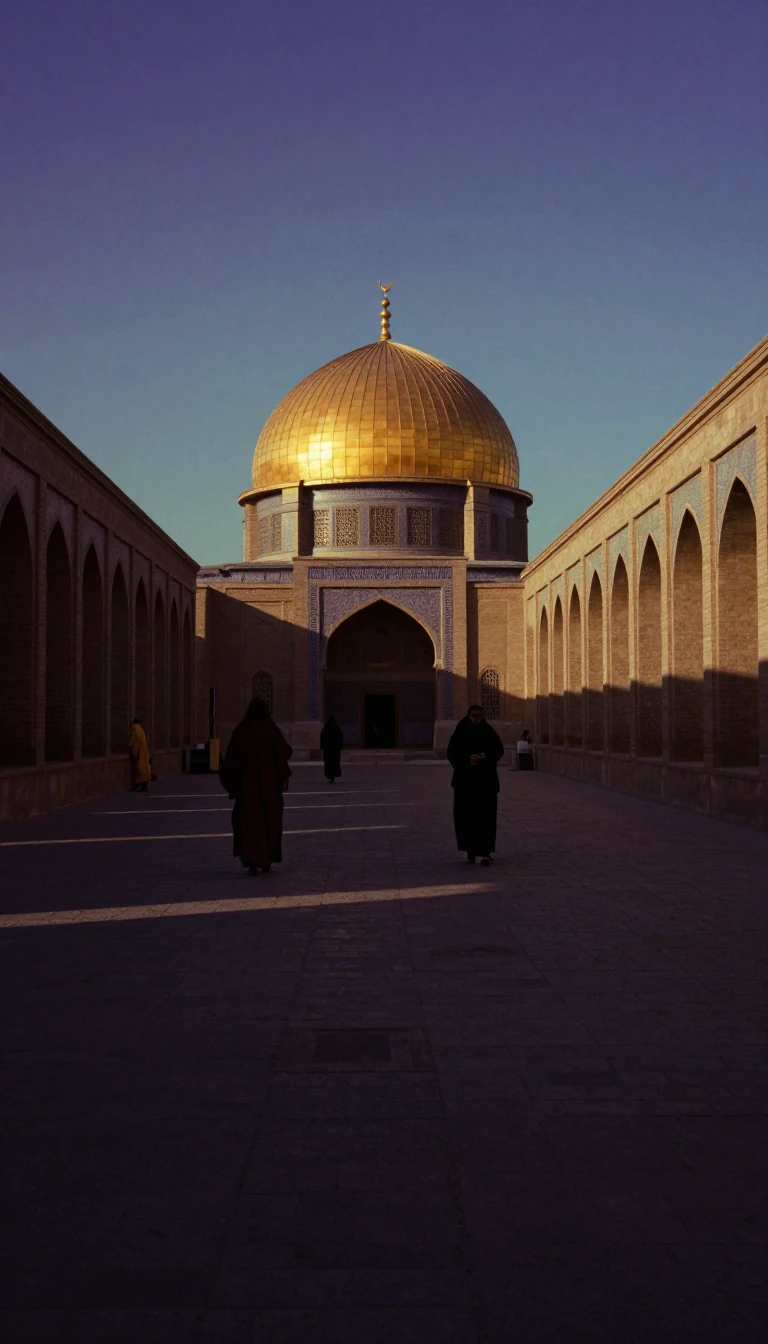 The Sultan who built schools to prevent a revolution, only to train his successorsAbdul Hamid II was the last Ottoman Sultan to wield true power. While history often remembers him as the 'Red Sultan' for his repressive autocracy, his reign was a paradox of mode…