 Intellect Plus
History
21,004 cards. Each one is a 40-second story with a five-minute read behind it. Page 339 of 351.
Subtopics: 19th century · 20th century · Africa · Age of Exploration · Ages & eras · Ancient · Ancient China · Ancient egypt · Ancient greece · Ancient rome · Ancient trade · Archaeological discoveries · Archaeology · Astronomy · Australia · Auxiliary historical sciences · Babylon · Basics · Born on this day · Bronze age · Buddhism · Case studies · Chefs, bartenders and winemakers · China · Cities · Climate · Columbus · Contemporary (1945-) · Cosmetics people · Crime · Criminals · Decipherment · Deep time · Disasters · Early modern · Education · Egypt · Empires · Empires & civilisations · Exploration · Explorers · Extinction · Fandom, conventions and festivals · History by continent and large region · History by continent and region · History by country · History by country, small region and city · History by ethnicity · History by subject matter · History by topic · Inca · India · Industrial Revolution · Japan · Kings & queens · London · Mass hysteria · Medicine · Medieval kingdoms · Medieval life · Mediterranean · Mercedes-Benz History · Mesopotamia · Middle ages · Military leaders and theorists · Military leaders, personnel, and theorists · Ming dynasty · Misconceptions · Modern · Modern (1800-1945) · Napoleon · Navigation · North africa · Other · Pacific · Pharaohs · Philippines · Pirates · Post-classical · Prehistory · Propaganda · Public health · Rebels, revolutionaries and activists · Renaissance · Researched · Second world war · Shipwrecks · Silk Road · South america · Tradespeople · UK & Ireland: history · United states · Vikings · Volcanoes · Women in history
 Was nationalism an ancient force or a modern invention?We often assume national identity is an eternal human truth. However, historians suggest that for much of human history, loyalty belonged to lords, religions, or empires—not natio…
 The king who treated England as a mere treasury for his crusadesHe was the legendary Lionheart, a towering warrior-king of immense physical prowess. Yet, while romantic legends celebrate his chivalry, many historians see a ruler who viewed his…
 The Bridge Wizard who built America’s highwaysBefore he was the 34th President, Dwight D. Eisenhower was a master of logistics and card games. From commanding Allied forces in World War II to overseeing the largest road const…
 A disputed territory where ancient migrations meet modern frozen conflictsDeep in the South Caucasus, the status of South Ossetia remains one of the world's most complex geopolitical puzzles. Is it a sovereign state or an occupied territory? To understa…
 The wisest fool in Christendom: the king who united two crownsHe was an infant king, raised by regents and tutors who used beatings to instill learning. Yet, James VI and I managed one of history's most significant dynastic shifts, bringing …
 The expansion of empires was once driven by the simple need to cultivate landWhile we often associate colonialism with modern geopolitics, its roots lie in the Latin word 'colonus', meaning farmer. From ancient Roman outposts to the massive global shifts o…
 The polyglot queen who mastered the languages of her rivalsBefore she was the iconic Virgin Queen, Elizabeth I was a precocious scholar. Beyond her political maneuvering, she possessed a linguistic command so profound that diplomats belie…
 The forgotten scale of Tenochtitlan: a city larger than 16th-century ParisWhile we often view pre-Columbian societies through a colonial lens, the reality was one of staggering complexity. At its peak, the Aztec capital of Tenochtitlan boasted a populat…
 Magellan named Tierra del Fuego after fires he feared hid an ambushSailing past in 1520, Magellan saw countless fires along the shore and suspected warriors waiting in the forests. The blazes were Indigenous hearths, perhaps even lit inside canoe…
 Potbelly Hill was a settled Neolithic town, not only a shrineGöbekli Tepe—“Potbelly Hill” in Turkish, also Kurdish Wish Hill—in Upper Mesopotamia’s Turkey was occupied from about 9500 BCE to at least 8000 BCE at the dawn of permanent settle…
 Vesuvius buried a Roman town under six metres of ash in 79Pompeii, near Naples, vanished under four to six metres of Vesuvius ash and pumice in AD 79 with Herculaneum and Stabiae. A wealthy city of perhaps 10,000–20,000—household counts …
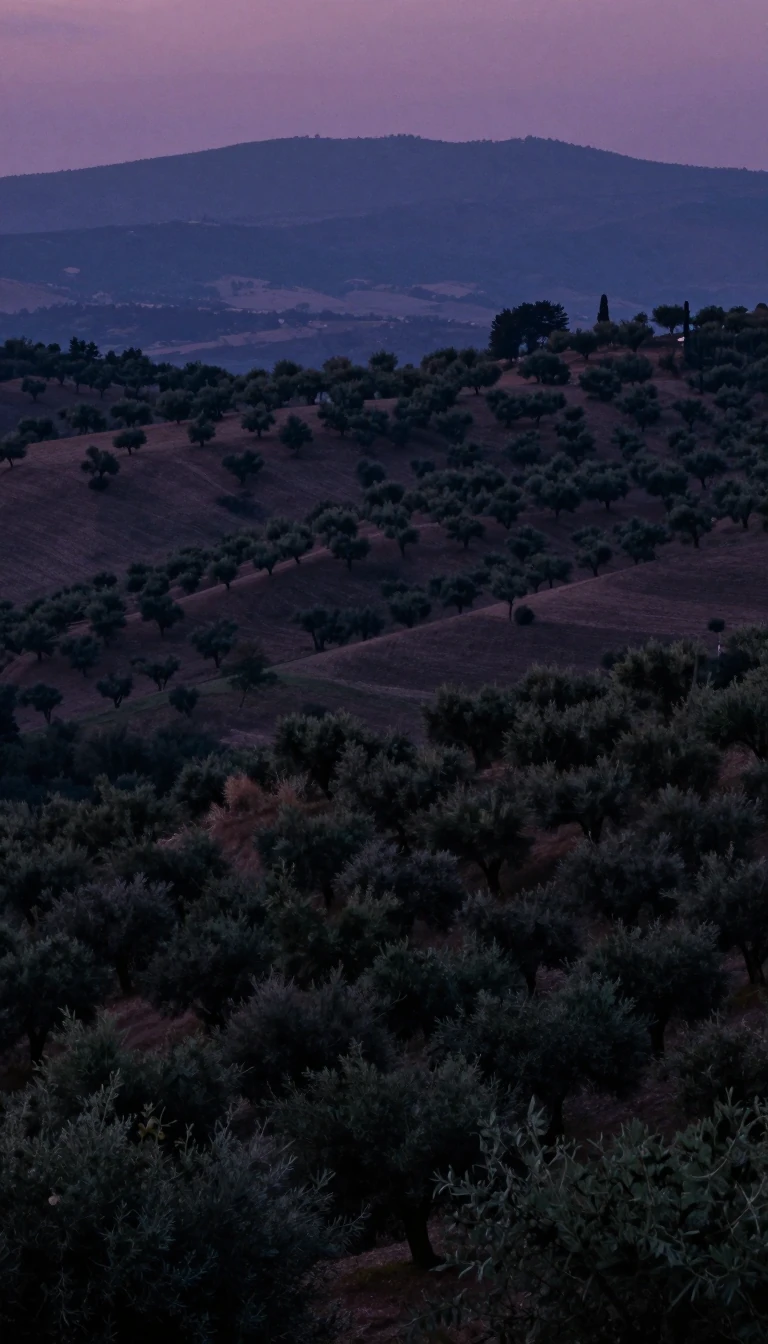 Mediterranean’s second island still speaks pre-Latin namesSardinia, Italy’s autonomous second-largest Mediterranean island after Sicily, lies about 200 kilometres west of the peninsula. Its name appears as ŠRDN on the Phoenician Nora Sto…
 Egypt’s only Asian land was once turquoise mining countryThe Sinai Peninsula is Egypt’s sole West Asian territory, a Mediterranean-to-Red Sea land bridge between Africa and Asia. Ancient Egyptians called it Biau, “Mining Country,” and K…
 Rich Port was Columbus’s San Juan Bautista firstPuerto Rico, a U.S. unincorporated commonwealth about 1,600 kilometres southeast of Miami, sits between the Dominican Republic and the U.S. Virgin Islands. Indigenous Ortoiroid, S…
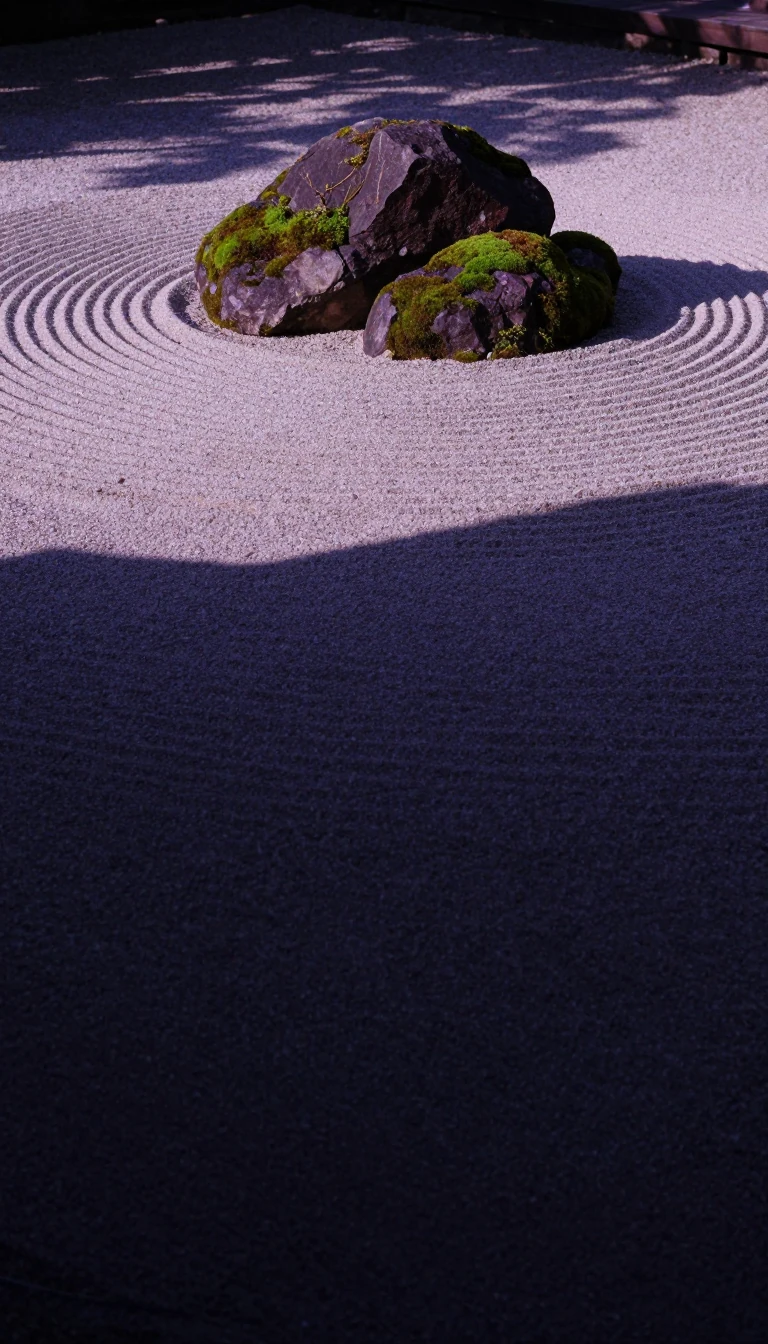 Japan’s holy cone last erupted while Edo still ruledMount Fuji, an active stratovolcano on Honshu, rises 3,776.24 metres—Japan’s highest mountain, Asia’s second-highest island volcano after Sumatra’s Kerinci, and Earth’s seventh-hi…
- A name from the Polans outlived three partitions and returned in 1918Poland stretches from the Baltic to the Sudetes and Carpathians, bordering Lithuania, Russia, Belarus, Ukraine, Slovakia, Czechia, and Germany. Polska likely remembers the Polans …
 Rome’s first transalpine province still answers to “the Province”Provence runs from the lower Rhône to the Italian border along France’s Mediterranean south. Romans called it Provincia Romana—the province beyond the Alps—and the shortened Provi…
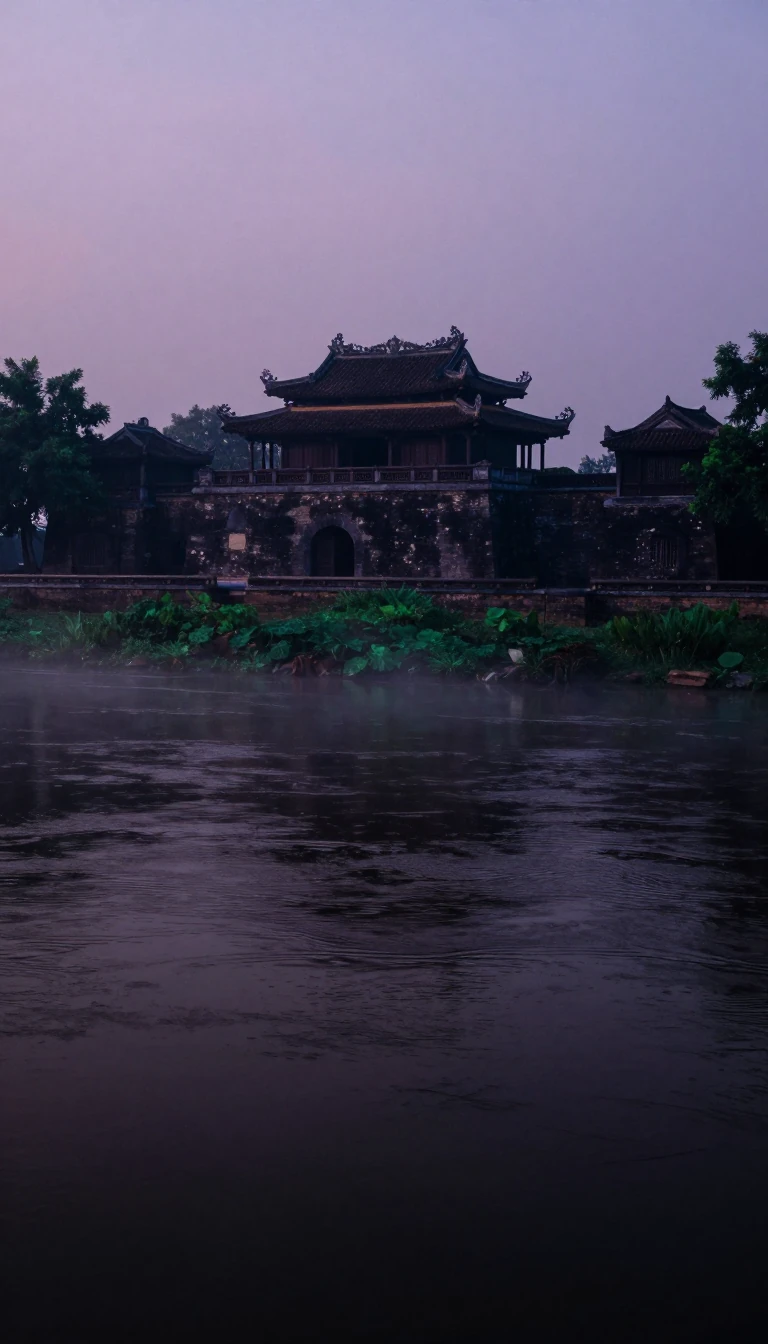 “Indochina” was a nineteenth-century name for a six-country peninsulaMainland Southeast Asia—Cambodia, Laos, Myanmar, Peninsular Malaysia, Thailand, Vietnam, and sometimes Singapore—is the continental half of Southeast Asia. Nineteenth-century scho…
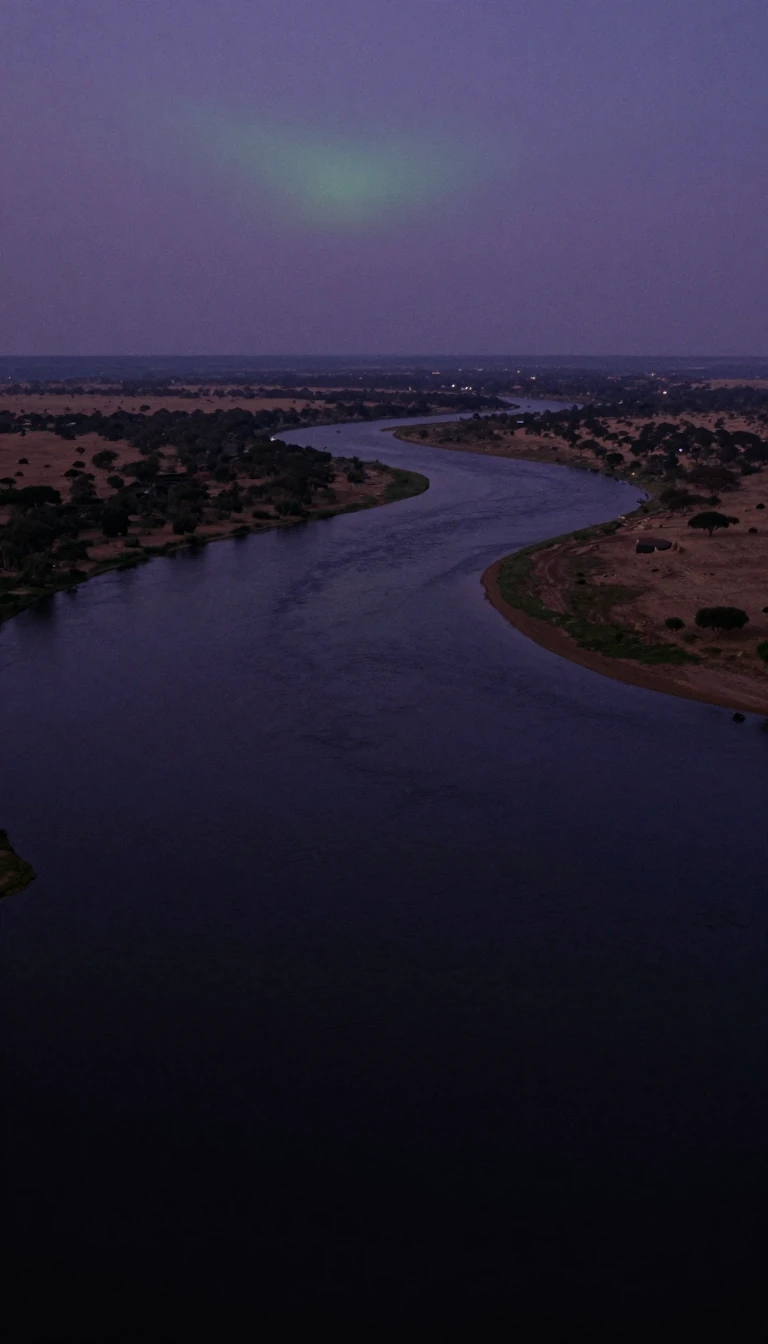 A warm Nile lake once renamed for both a prince and a dictatorLake Albert, Africa’s sixth-largest lake, stretches about 160 by 30 kilometres along the Uganda–Congo border in the Albertine Rift. Banyoro still call it Mwitanzige—“locust killer…
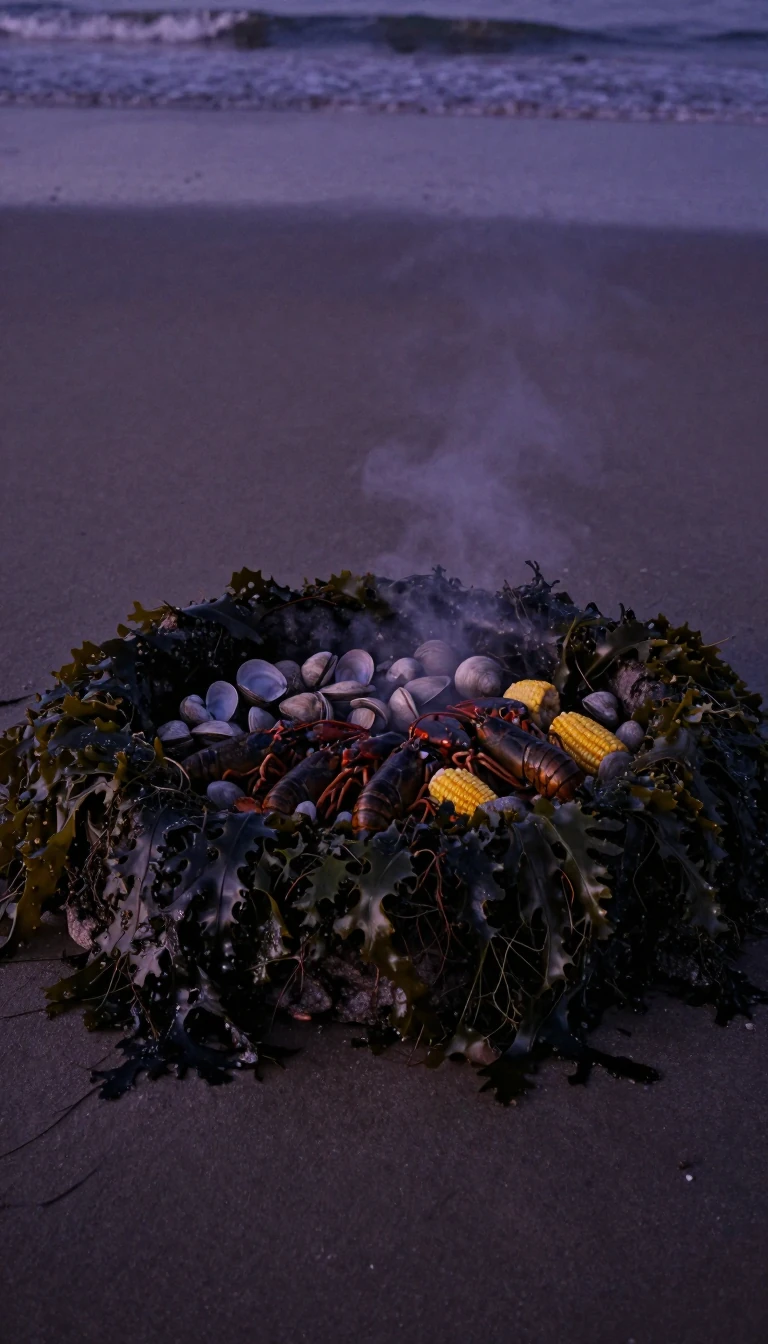 Six states began as Pilgrim and Puritan tax rebelsNew England groups Maine, Vermont, New Hampshire, Massachusetts, Connecticut and Rhode Island in the Northeastern United States, east of New York and south of New Brunswick and Qu…
 A Han envoy’s captivity opened the Silk Road westZhang Qian (died c.114 BC), a Western Han diplomat serving Emperor Wu, was among the first official Chinese envoys to bring back reports on Central Asia, including the last Greco-…
 Meiji renamed Ainu Ezo into Japan’s northern prefectureHokkaido is Japan’s second-largest, northernmost main island and its own prefecture-region, split from Honshu by the Tsugaru Strait yet linked by the Seikan Tunnel railway. Sappor…
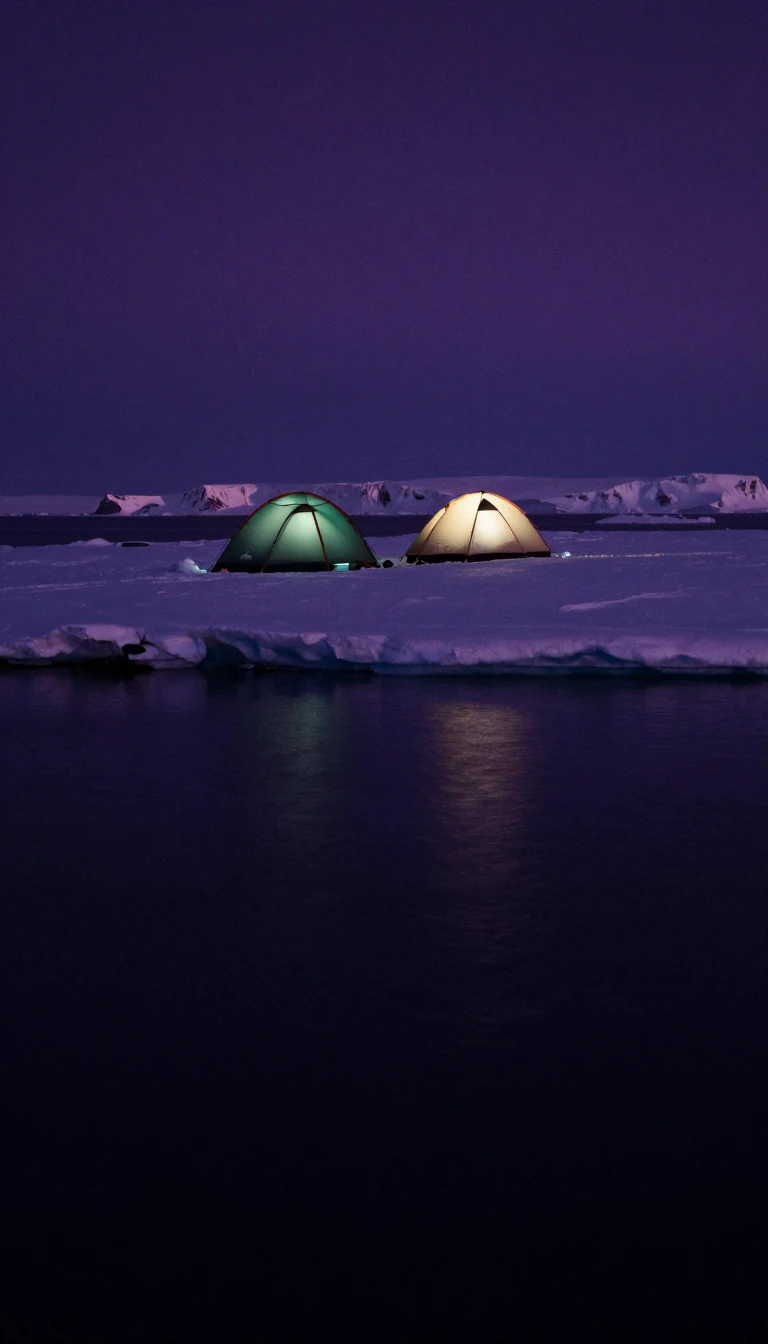 Endurance sank in the ice, and his lifeboat voyage became legendAnglo-Irish explorer Ernest Shackleton (1874–1922) led three British Antarctic expeditions in the Heroic Age. After Amundsen took the Pole in 1911, he set out to cross the contine…
 He named the Pacific—then died before the circle closedPortuguese navigator Ferdinand Magellan (c.1480–27 April 1521) planned Spain’s 1519–22 East Indies voyage, found the strait that bears his name, and led the first European crossin…
- Ski, Fram, and a passport for the statelessFridtjof Nansen (10 October 1861–13 May 1930) led the first crossing of Greenland’s interior on skis in 1888, then took Fram to a record 86°14′N in 1893–96. Later a diplomat and t…
 A Carthaginian periplus still argues how far Africa wentHanno the Navigator, a fifth-century BC Carthaginian—sometimes called king, sometimes commander—sailed West Africa’s coast and left a periplus that survives only in a Greek abridg…
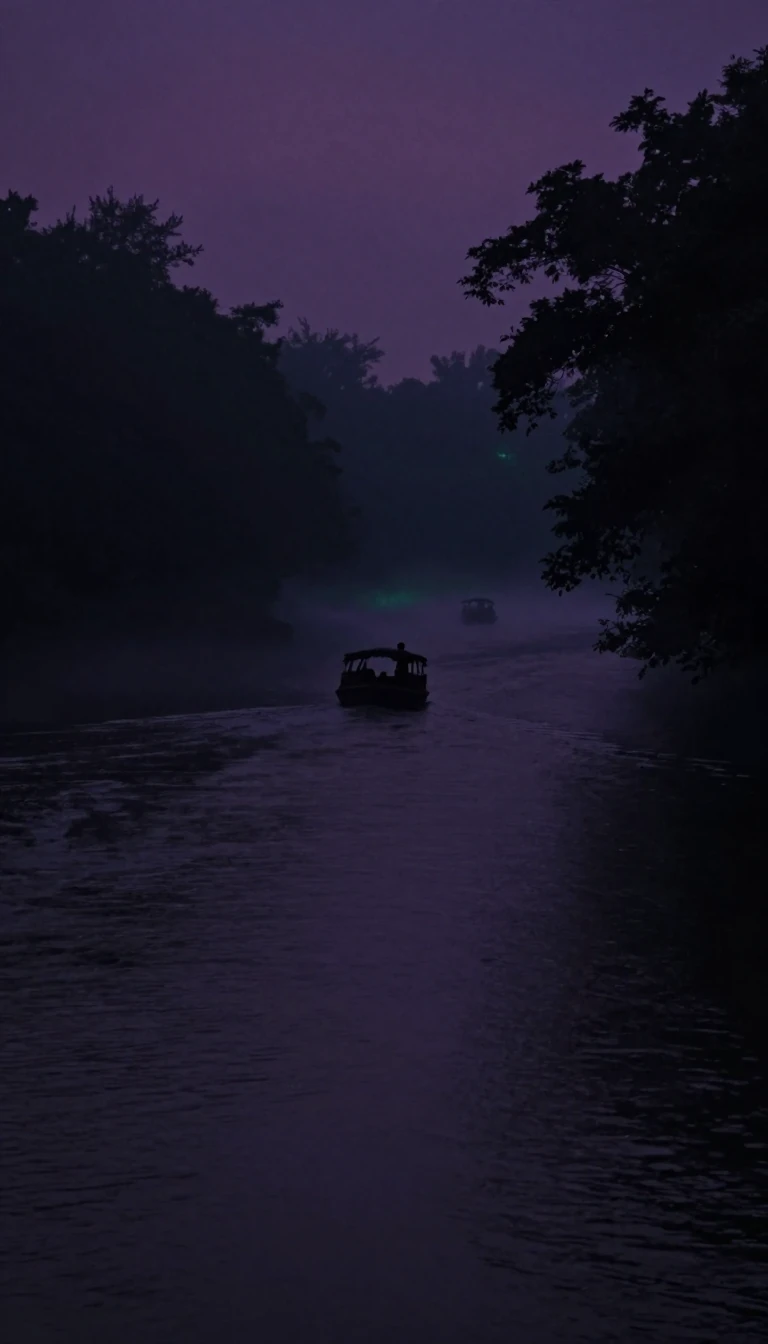 An Inca veteran marched the first deep U.S. interior entradaHernando de Soto (c.1497–21 May 1542), Extremaduran hidalgo and Inca campaign veteran under Pizarro, led the first European expedition deep through today’s southeastern United Sta…
- One Maghrebi’s Rihla out-mileaged Polo and Zheng HeIbn Battuta of Tangier (24 February 1304–1368/69) spent roughly 1325 to 1354 roaming Africa, Asia, and Iberia. Near life’s end he dictated The Rihla—about 117,000 kilometres of tr…
 He mapped a gulf—and borrowed “Canada” from two townsJacques Cartier of Brittany (31 December 1491–1 September 1557) was the first European to describe and chart the Gulf of Saint Lawrence and the river’s shores. He named the countr…
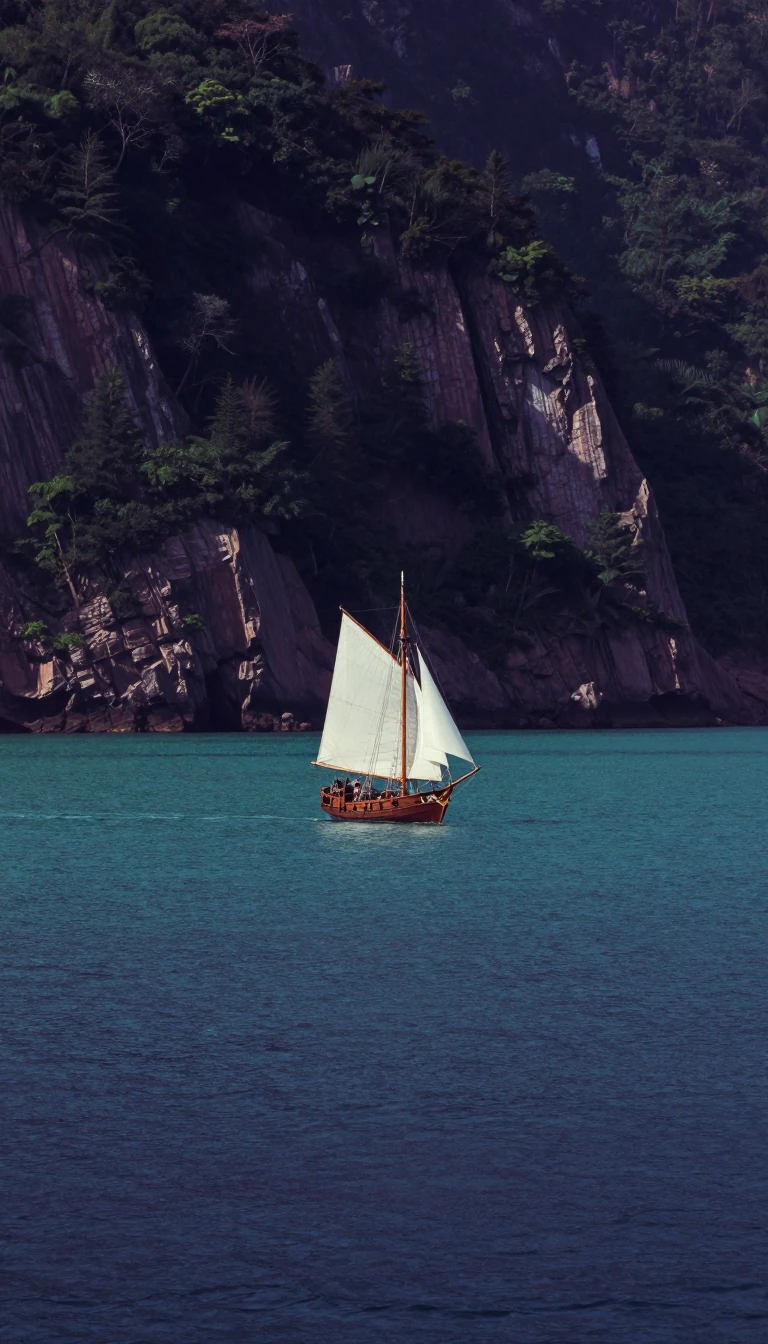 Three Pacific voyages redrew coasts—and ended in HawaiiCaptain James Cook, born in November 1728 and killed in February 1779, led three Royal Navy Pacific and Southern Ocean expeditions between 1768 and 1779. His firsts include the ea…
 He named Florida—without chasing any Fountain of YouthJuan Ponce de León, born about 1474 and dead by July 1521, headed Spain’s earliest ventures to Puerto Rico (1508) and Florida (1513). Popular myth says he sought a Fountain of You…
 Sagas say he beat Columbus to continental America by centuriesLeif Erikson, or Leif the Lucky (c.970s–c.1018–1025), is thought to be the first European to walk on the American mainland—about five hundred years before Columbus. Icelandic saga…
 A Venetian prisoner’s dictation mapped Mongol Asia for EuropeMarco Polo (c.1254–8 January 1324) travelled the Silk Road from 1271 to 1295 and, as a Genoese prisoner, dictated The Travels of Marco Polo around 1300. Not the first European in …
 Apollo 11’s commander took humanity’s first lunar stepsNeil Armstrong (5 August 1930–25 August 2012), Apollo 11 commander, was the first human to walk on the Moon, in July 1969. A naval aviator, test pilot and later professor, he had …
- Thirteen ships west—and Portugal claimed a continentPedro Álvares Cabral (c.1467/68–c.1520), Portuguese noble and navigator, is regarded as Brazil’s European discoverer. In April 1500 his thirteen-ship fleet landed on what he first…
- Northwest Passage, South Pole, then a fatal Arctic rescueNorwegian polar explorer Roald Amundsen (16 July 1872–c.18 June 1928) traversed the Northwest Passage on Gjøa (1903–06) and planted the first flag at the South Pole on 14 December…
- Second to the Pole—first in a century of argumentBritish naval captain Robert Falcon Scott, born in June 1868 and dead by about the end of March 1912, led Discovery (1901–04) and Terra Nova (1910–13) into Antarctica. His five-ma…
 Sherpa Tenzing shared Everest’s first confirmed summitTenzing Norgay, who began life as Namgyal Wangdi in May 1914 and died in 1986, stood on Mount Everest’s summit with Edmund Hillary on 29 May 1953. He had been to the mountain six …
 A textile worker flew the only solo woman space missionValentina Tereshkova, born 6 March 1937, became the first woman in space aboard Vostok 6 on 16 June 1963. Twenty-six at launch, she circled Earth forty-eight times in nearly three…
 Rounding Africa, he opened Europe’s ocean road to IndiaVasco da Gama (c.1460s–24 December 1524) found the first continuous sea route from Europe to India—around the Cape of Good Hope and across the Indian Ocean from Malindi to Kozhiko…
 A Danish captain mapped Asia’s end for Peter’s navyDanish-born Russian Navy officer Vitus Bering, baptised in August 1681 and dead by December 1741, led two Russian ventures, the First Kamchatka and the later Great Northern expedi…
- Three Arctic tries left his name on a frozen seaWillem Barentsz (c.1550–20 June 1597), Dutch navigator and cartographer, hunted a Northeast Passage three times. Ice blocked Novaya Zemlya and the Kara Sea twice; on the third voy…
 A banned Tang monk walked to Nalanda for better sutrasXuanzang (602–664), born Chen Hui, was a Tang Buddhist monk who defied a ban on foreign travel to reach India, returning in 645. He studied at Nalanda under Śīlabhadra, hauled San…
 One hundred eight minutes made him the first human in orbitYuri Gagarin (9 March 1934–27 March 1968), Soviet pilot-cosmonaut, became the first person in outer space on 12 April 1961. Launched from Baikonur on Vostok 1, he completed one Ea…
- A VOC captain named two lands he barely enteredAbel Tasman, sailing for the Dutch East India Company in 1642 and 1644, became the first European known to reach New Zealand—he called it Staten Landt—and left his name on Tasmani…
 She crossed the Atlantic alone—then vanished mid-world attemptAmelia Earhart, born 24 July 1897 in Atchison, Kansas, rode as the first woman passenger across the Atlantic in 1928 and, in 1932, flew the ocean solo nonstop—winning the Distingu…
 A Florentine’s New World letters put America on the mapAmerigo Vespucci, a Florentine navigator who lived from 1454 to 1512, sailed for Spain and then Portugal around the turn of the sixteenth century. Letters under his name popularis…
 Thirty-three solo hours made him Time’s first Man of the YearOn 20–21 May 1927 Charles Lindbergh flew the Spirit of St. Louis alone more than 3,600 miles from New York to Paris in over thirty-three hours, claiming the $25,000 Orteig Prize. …
 Four Spanish voyages opened a Columbian exchange of worldsChristopher Columbus of Genoa, born in the autumn of 1451 and dead by 20 May 1506, completed four Atlantic crossings for Spain’s Catholic Monarchs. His landfall on 12 October 1492…
 He chased the Nile to silence the East African slave tradeScottish physician and Congregationalist David Livingstone (1813–1873), a mill boy turned London Missionary Society pioneer, became a Victorian icon through his African journeys. …
 Everest’s first confirmed summit—then both poles as wellOn 29 May 1953 New Zealander Edmund Hillary and Tenzing Norgay were the first climbers known for certain to stand atop Mount Everest, on John Hunt’s ninth British expedition. Hill…
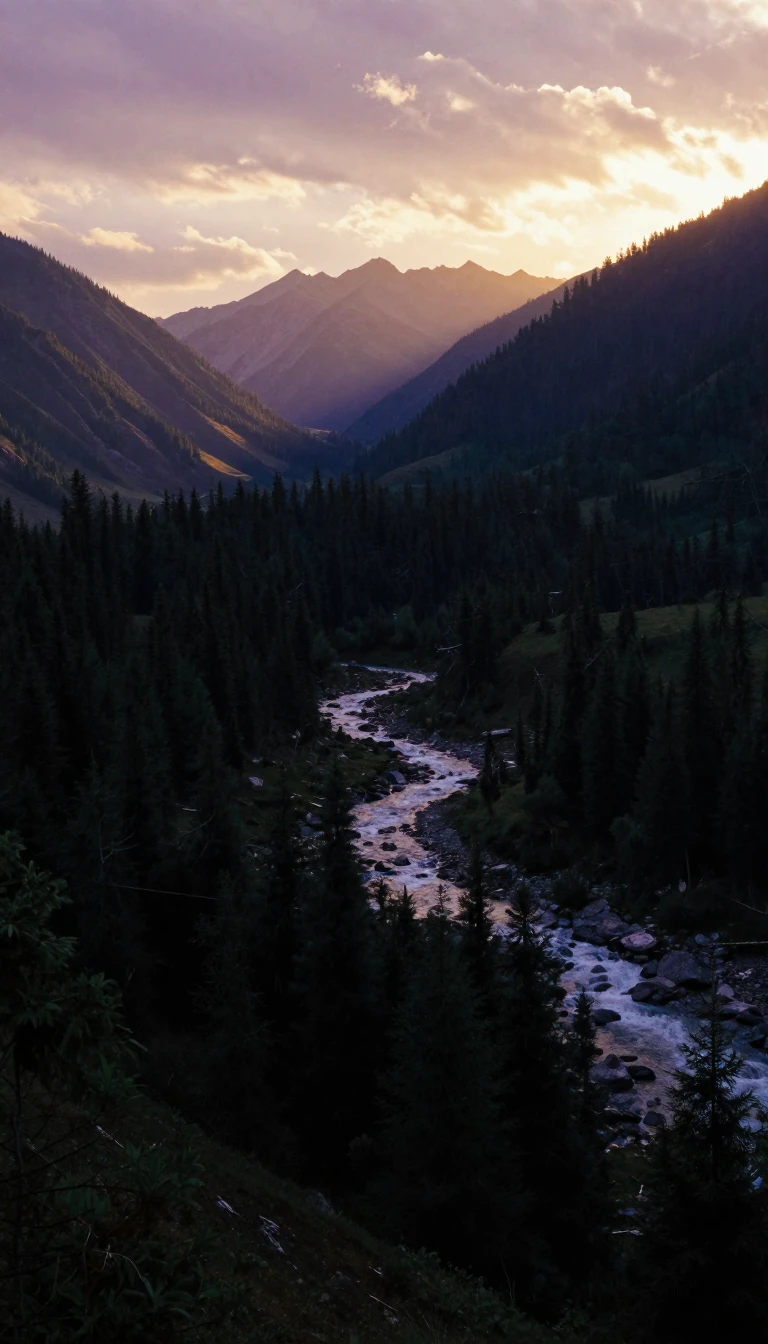 Smokies became America’s first cost-shared national parkGreat Smoky Mountains National Park straddles North Carolina and Tennessee across 522,419 acres of Blue Ridge Appalachians. Chartered in 1934 and dedicated by Franklin Roosevelt i…
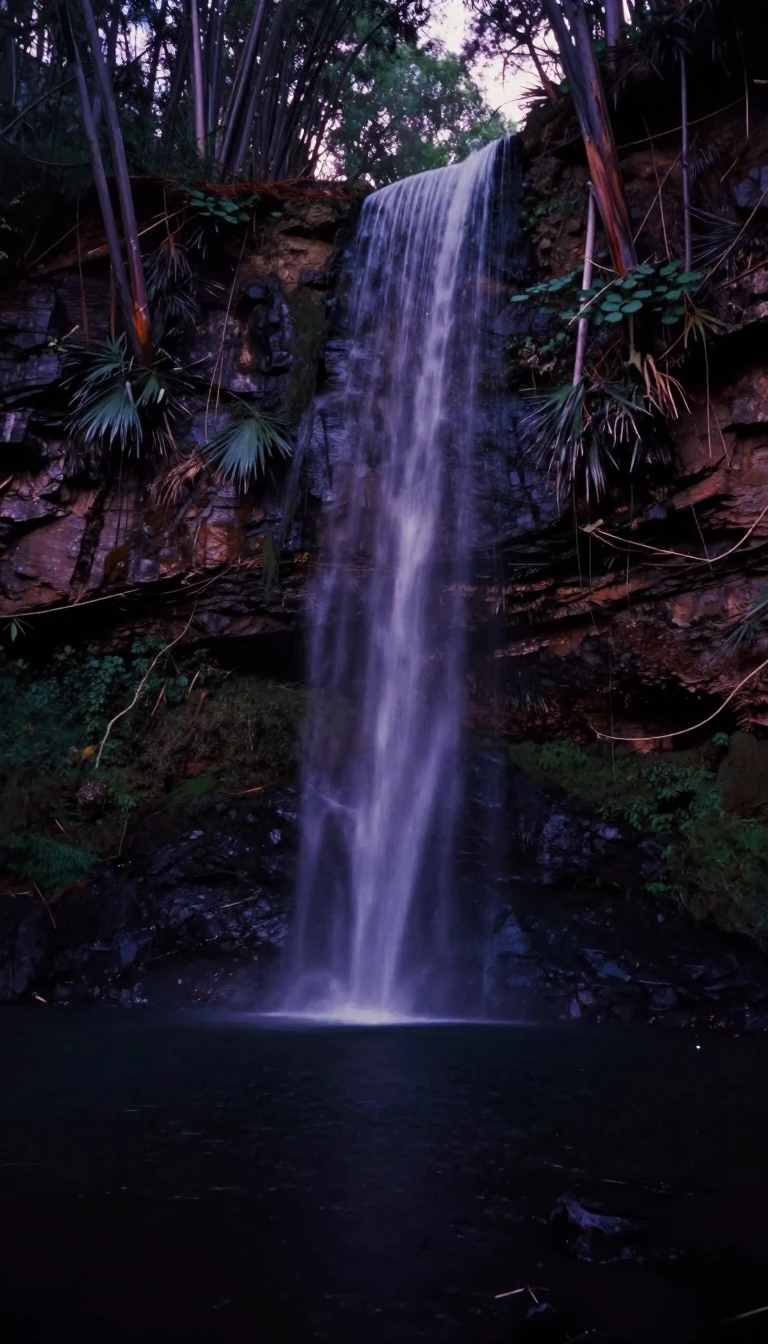 Australia’s biggest desert was crossed for a queen’s nameThe Great Victoria Desert, Australia’s largest, spans Western and South Australia with dunes, gibber pavements, grasslands, and salt lakes over 700 kilometres wide. Ernest Giles f…
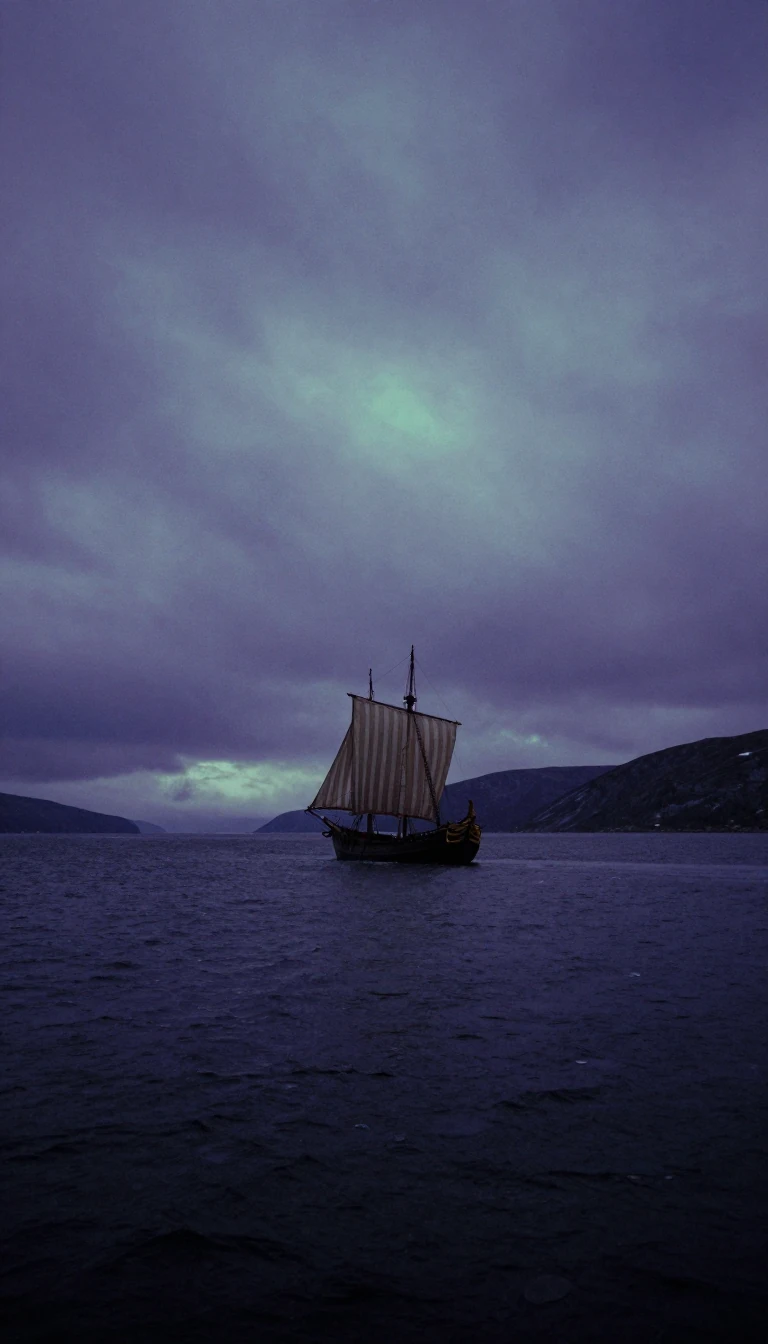 Erik the Red sold a frozen island with a green nameGreenland is Denmark’s vast autonomous territory—largest of the kingdom’s three parts—yet only about 56,583 people lived there in the cited count, mostly Inuit along the milder so…
 Columbus renamed Karukera after a Spanish Guadalupe shrineGuadeloupe is a French overseas department in the Caribbean: six inhabited islands including butterfly-shaped Basse-Terre and Grande-Terre, plus Marie-Galante, La Désirade, and th…
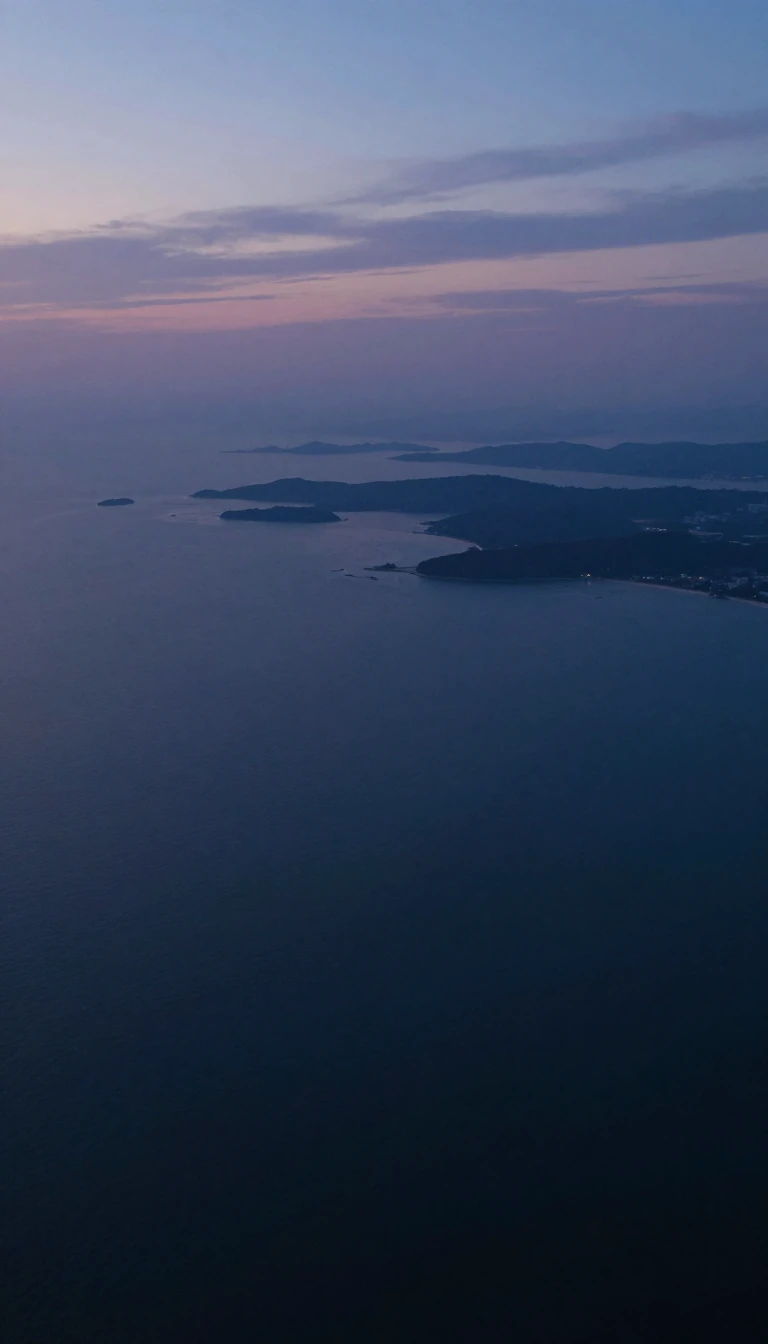 Europe met “Japan” through Chinese tongues, not Yamato speechJapan’s archipelago faces the Pacific off northeast Asia, edged by the Sea of Japan, Okhotsk, and East China Sea. Locals say Nihon or Nippon for 日本, yet English “Japan” arrived …
- Hospital knights from Acre built a Baltic crusader stateFounded around 1190 at Acre by Bremen and Lübeck merchants, the Teutonic Order began as pilgrims’ hospitalers. Invited by Konrad of Masovia against Old Prussians, they forged an i…
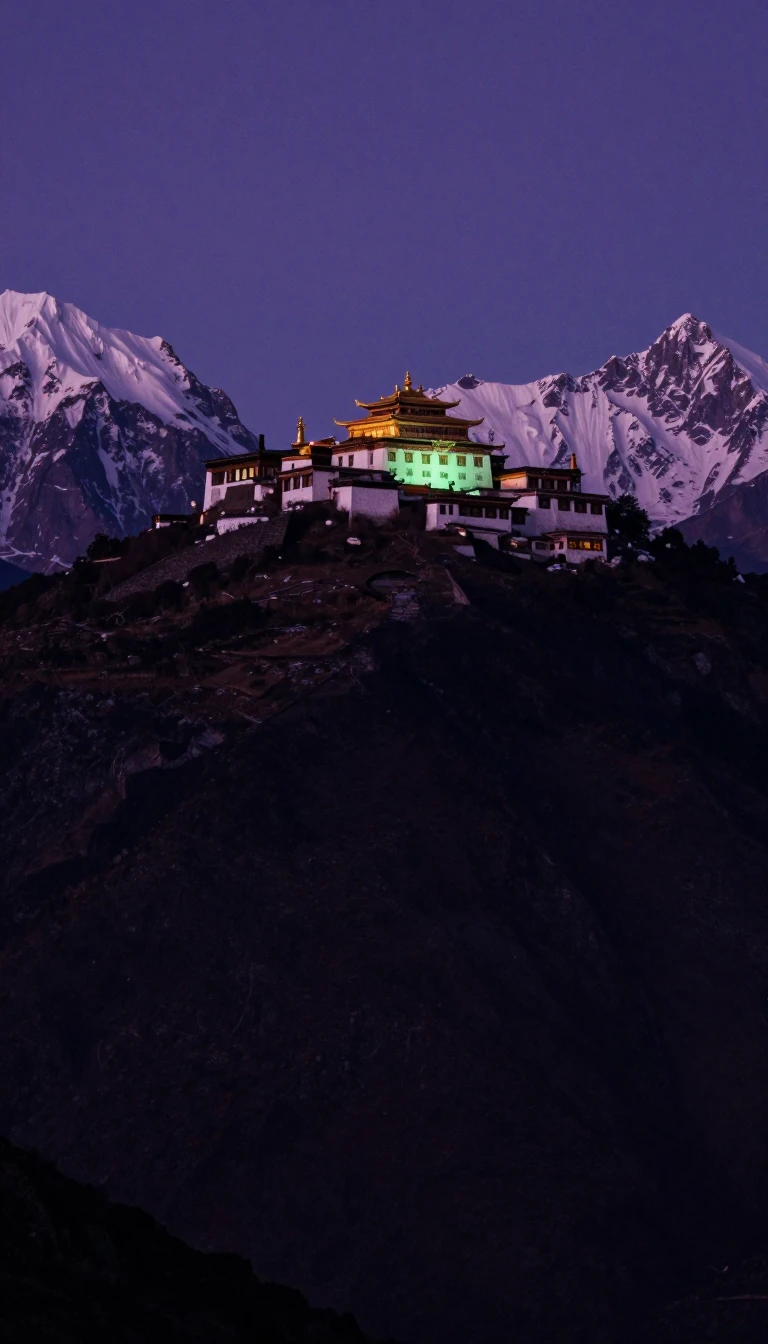 Songtsen Gampo turned a valley kingdom into Great TibetUnder Yarlung king Songtsen Gampo in the seventh century, Tibet leapt from the Yarlung Valley to a plateau empire later stretched by Trisong Detsen and Tritsuk Detsen. Chinese pri…
 Timur called his realm Turan while claiming Mongol gloryFrom 1370 to 1405 the Turco-Mongol warlord Timur built a Persianate Muslim empire across Iran, Central Asia, and beyond. He styled himself restorer of Genghis’s order—yet lacking …
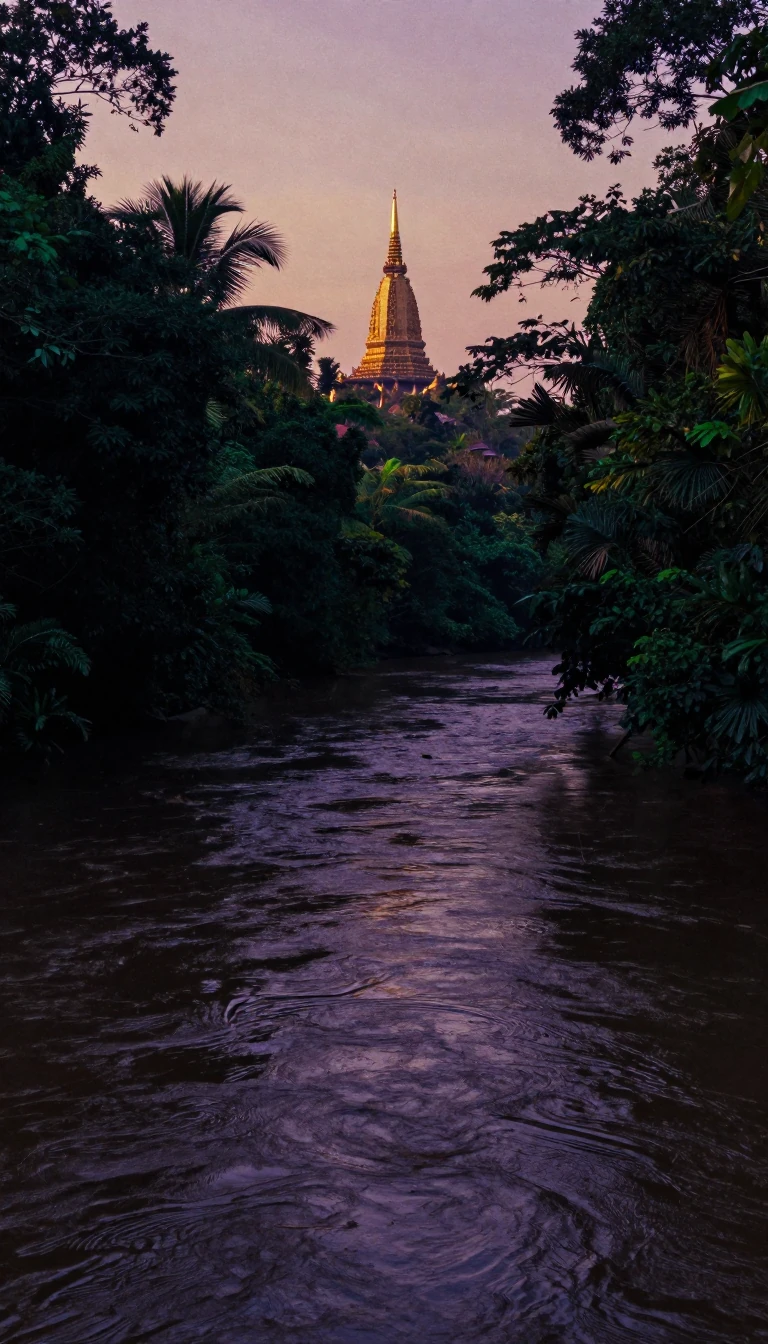 Trần Vietnam beat Mongols and invented local paper cashThe Trần dynasty ruled Đại Việt from 1225 to 1400 after Trần Thủ Độ engineered a child empress’s marriage and abdication. They improved Chinese gunpowder, vassalized Champa, issue…