 Intellect Plus
History
21,006 cards. Each one is a 40-second story with a five-minute read behind it. Page 348 of 351.
Subtopics: 19th century · 20th century · Africa · Age of Exploration · Ages & eras · Ancient · Ancient China · Ancient egypt · Ancient greece · Ancient rome · Ancient trade · Archaeological discoveries · Archaeology · Astronomy · Australia · Auxiliary historical sciences · Babylon · Basics · Born on this day · Bronze age · Buddhism · Case studies · Chefs, bartenders and winemakers · China · Cities · Climate · Columbus · Contemporary (1945-) · Cosmetics people · Crime · Criminals · Decipherment · Deep time · Disasters · Early modern · Education · Egypt · Empires · Empires & civilisations · Exploration · Explorers · Extinction · Fandom, conventions and festivals · History by continent and large region · History by continent and region · History by country · History by country, small region and city · History by ethnicity · History by subject matter · History by topic · Inca · India · Industrial Revolution · Japan · Kings & queens · London · Mass hysteria · Medicine · Medieval kingdoms · Medieval life · Mediterranean · Mercedes-Benz History · Mesopotamia · Middle ages · Military leaders and theorists · Military leaders, personnel, and theorists · Ming dynasty · Misconceptions · Modern · Modern (1800-1945) · Napoleon · Navigation · North africa · Other · Pacific · Pharaohs · Philippines · Pirates · Post-classical · Prehistory · Propaganda · Public health · Rebels, revolutionaries and activists · Renaissance · Researched · Second world war · Shipwrecks · Silk Road · South america · Tradespeople · UK & Ireland: history · United states · Vikings · Volcanoes · Women in history
 Modu Chanyu forged a steppe empire that besieged a Han founderThe Xiongnu confederacy ruled the eastern Eurasian Steppe from the third century BC into the late first century AD. After 209 BC, Modu Chanyu built an empire on the Mongolian Plat…
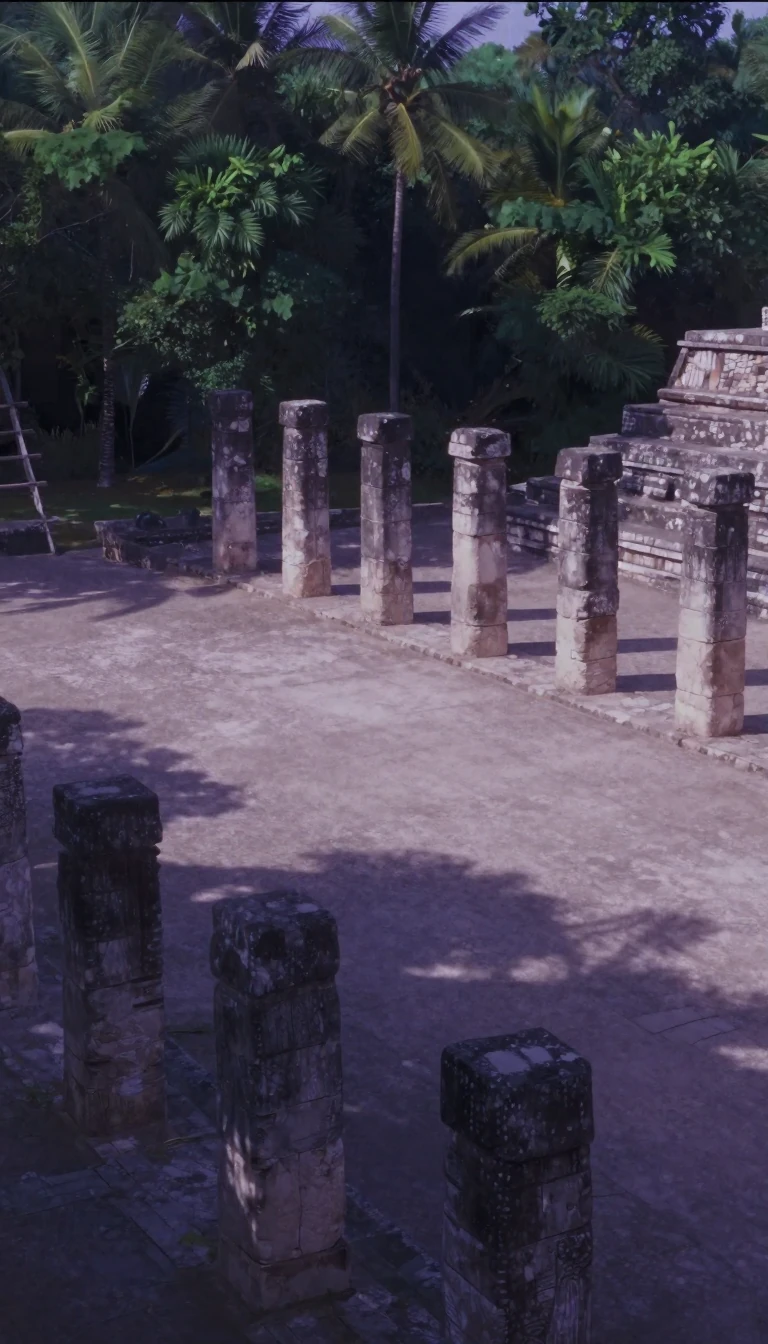 Monte Albán’s hilltop capital watched three Oaxaca valleysZapotec civilization (c. 700 BC–AD 1521) rose in Oaxaca’s Y-shaped Central Valleys. In the late sixth century BC a new mountain settlement—Monte Albán—filled the no-man’s-land ove…
- Zhou ruled China longer than any other royal houseThe Zhou dynasty lasted about 790 years, from roughly 1046 BC to 256 BC—the longest royal span in Chinese history. Western Zhou power later fractured into Spring and Autumn decent…
 Urartu briefly outmuscled Assyria from highland lakesUrartu was an Iron Age kingdom on the Armenian highlands between Lakes Van, Urmia, and Sevan. Emerging in the mid-ninth century BC, it dominated the eighth and seventh centuries, …
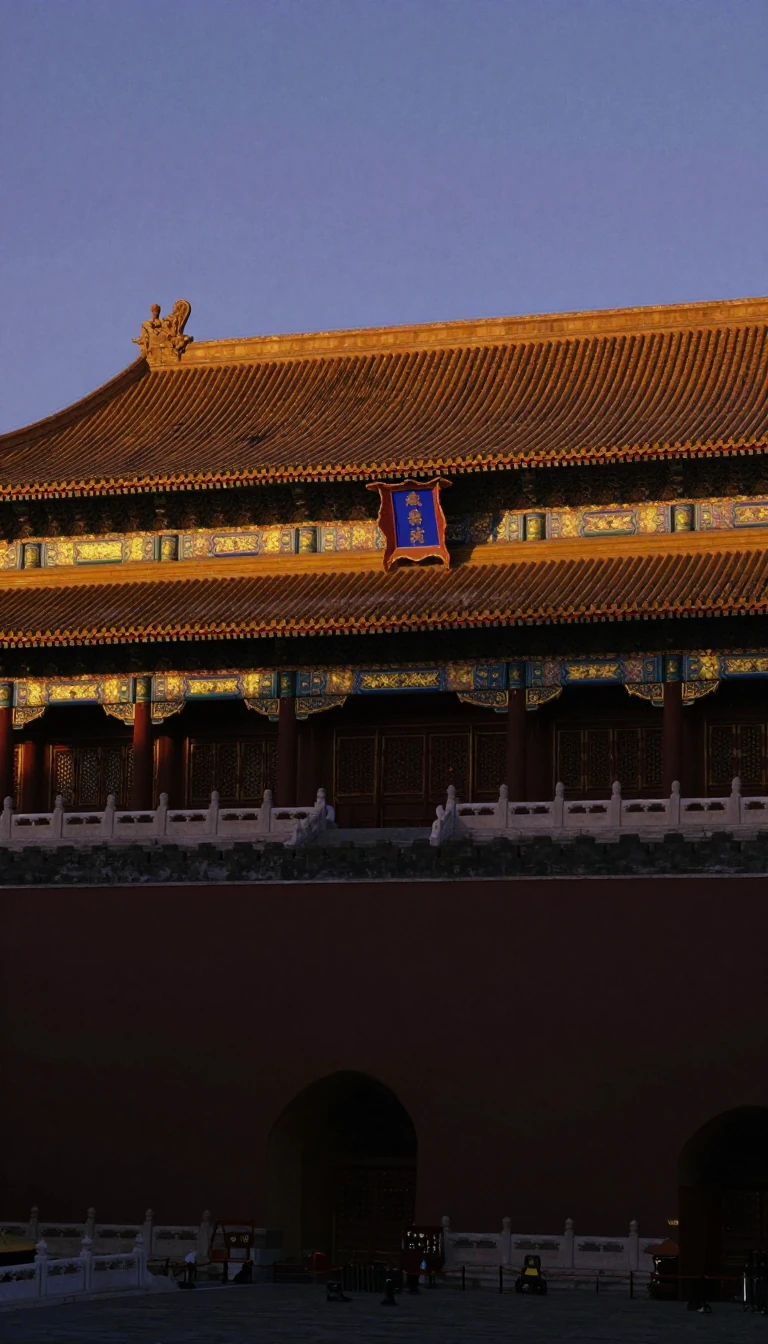 Zhou kings kept the title while vassals took the powerFor roughly three centuries, from c. 770 BCE until 481 BCE, the opening half of the Eastern Zhou saw local lords forge their own alliances and wars while still nodding to the king…
 Sumer invented city life in southern MesopotamiaSumer arose in the south of modern Iraq during the fifth to fourth millennium BC as the earliest known civilization—one cradle beside Egypt, the Indus, China’s Erligang horizon, a…
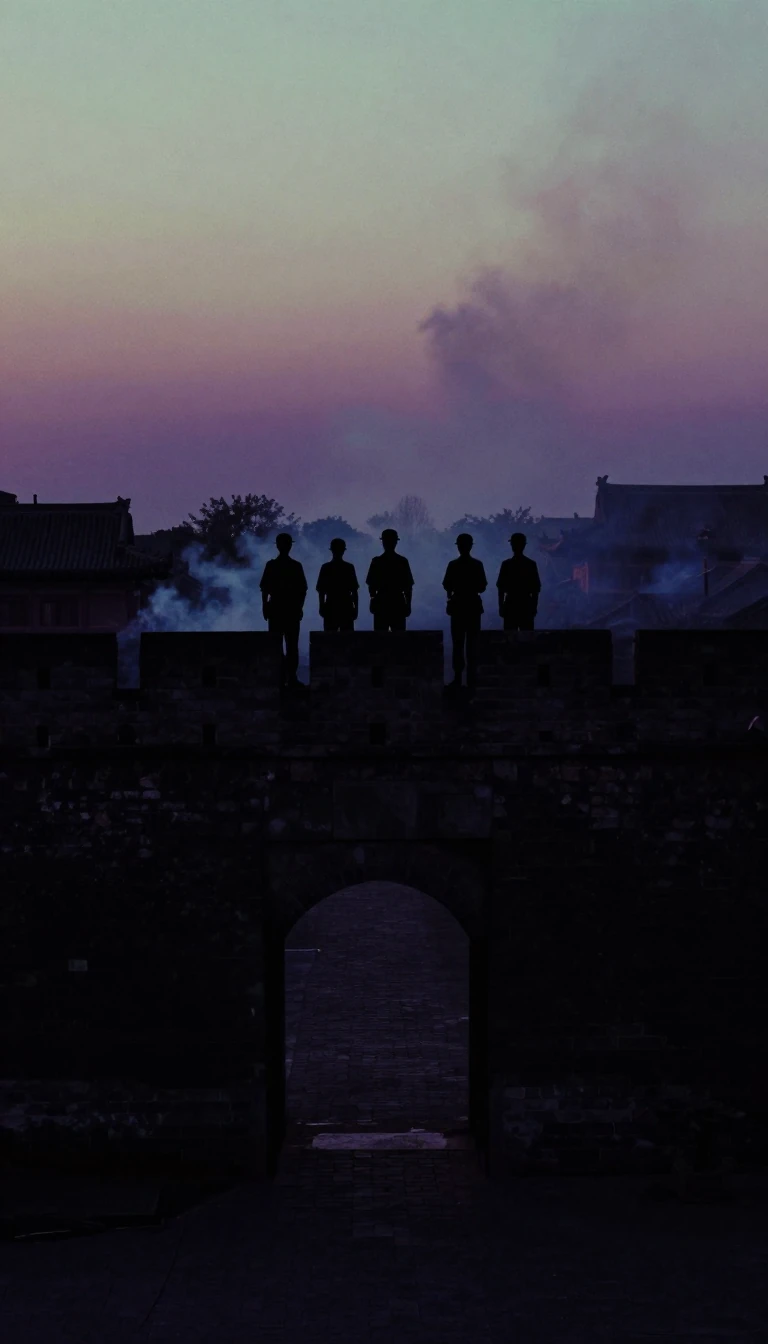 China’s Three Kingdoms left fewer people than legend suggestsAfter the Han collapsed, China was divided from 220 to 280 among three rival states: Wei, founded by the Cao clan, Shu Han in the west, and Wu in the east. A Jin census in 280 cou…
 Korea’s three kingdoms forged a peninsula identityGoguryeo, Paekche, and Silla divided the Korean peninsula and roughly half of Manchuria for centuries. When Buyeo fell in 494 and Kaya in 562, only those three were left to fight …
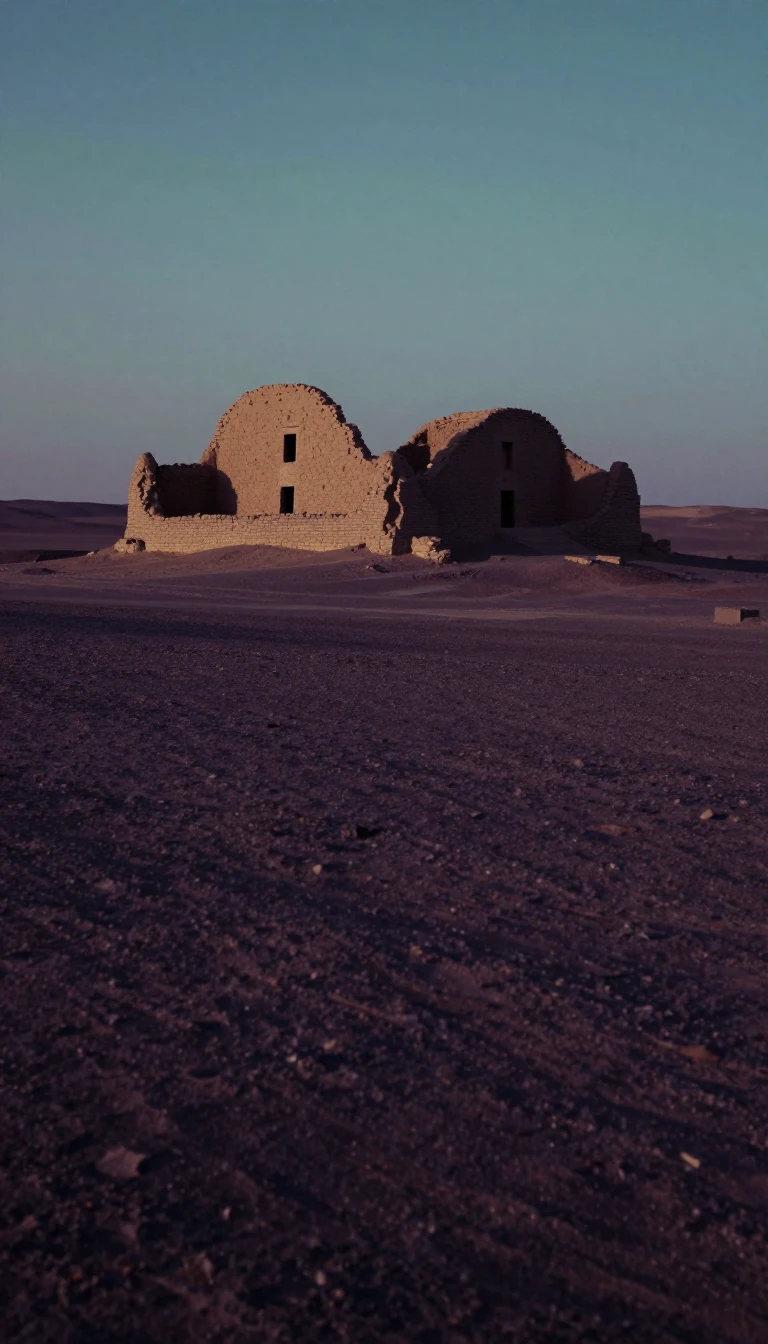 Tarim manuscripts hid an unexpected Indo-European branchAround 7,600 manuscripts dug up on the northern rim of the Tarim Basin in Xinjiang preserve the Tocharian languages, an Indo-European group nobody knew existed until the early twe…
 Troy’s war sits between myth, Homer, and hillside ruinsGreek myth sets the Trojan War around the 13th or early 12th century BC, when Achaeans besieged Troy after Paris took Helen from Menelaus of Sparta. Ancients treated it as history…
 The Silk Road was a messy network, not one highwayFrom the second century BCE to the mid-fifteenth century, land routes spanning more than 6,400 kilometres tied Asia’s economies and faiths together. The romantic name was populari…
- Sixteen Kingdoms: non-Han emperors first ruled China’s northBetween 304 and 439 CE, northern China shattered into short-lived dynastic states after the Jin order cracked. Most of their founders came from peoples dubbed the Five Barbarians,…
- Sogdian merchants made the Silk Road’s middle languageLying between the Amu Darya and the Syr Darya, in today’s Uzbekistan and Tajikistan, the Sogdian city-states never unified but looked to Samarkand. Their Eastern Iranian language …
- Sparta won Greece’s land wars, then lost its slave engineClassical Sparta—Lacedaemon to the Greeks—rose in the seventh century BC as the Greek world’s top land power. Victory over Athens in 404 BC brought brief hegemony; Theban triumph …
 The Sasanian Empire of the Iranians lasted from 224 to 651Ardashir I founded Eranshahr after Parthia's collapse, claiming Achaemenid restoration. For over four centuries the House of Sasan ruled from Ctesiphon across Iran, Iraq, and far …
 Satavahanas bridged north and south India after the MauryasMost scholars place this Deccan dynasty from the late second century BCE into the early third century CE. Called Andhras in the Puranas, they coined early royal portrait money and…
 Saxon once meant coastal raiders north of the RhineBefore Saxony was a Carolingian stem duchy in 804, Roman writers used Saxon for seaborne attackers much as later ages said Viking. The name is traditionally tied to the seax knife…
- Scythian self-name Skuδa simply meant archersEastern Iranic horse nomads rode from Central Asia onto the Pontic steppe between the ninth and eighth centuries BC. Their endonym, from a root meaning shoot or throw, labeled the…
 Seleucus built a Greek empire from Babylon to the LevantAfter Alexander's death, Macedonian general Seleucus I Nicator founded a Hellenistic state in 312 BC. From Mesopotamian bases it sprawled across lands now called Iraq, Iran, Afgha…
 Shang is China's first dynasty proved by archaeologyTradition places Shang kings in the Yellow River valley in the second millennium BC between Xia and Western Zhou. At Yinxu near Anyang—the last capital, Yin—digs have exposed roya…
- Sheba's spice wealth outshone the Queen of legendSaba in Yemen likely arose between about 1000 and 800 BCE and lasted in some form before 275 CE. Sabaeans grew rich on frankincense and myrrh, left thousands of inscriptions, and …
 Rome and Iran fought for nearly seven centuriesFrom Crassus's disaster at Carrhae in 53 BC to the final Byzantine–Sasanian clash ending in 628 AD, Roman and Iranian empires traded border towns without lasting conquest. Their s…
- Sarmatian meant armed with darts, like Scythian archersIranian horse nomads ruled the Pontic steppe from about the fifth century BC to the fourth century AD. Their name, akin to Sanskrit śárumant, meant armed with throwing weapons—sem…
- Arsaces built an empire that outlasted CrassusFrom 247 BC to 224 AD, the Arsacid Parthians ruled a vast Iranian realm that mixed Persian, Greek, and local habits. Mithridates I pushed west until Rome noticed. At Carrhae they …
- Athens grew; Sparta panicked; Greece bled for decadesFrom 431 to 404 BC the Delian League under Athens fought Sparta's Peloponnesian League for Greek primacy. Persian money after 413 BC tipped the scales. Lysander's fleet won at Aeg…
 Clovis First cracked; older footprints keep appearingPaleo-Indian hunters likely entered North America from Asian steppe via Beringia when Ice Age seas fell between 26,000 and 19,000 years ago. For decades Clovis points defined the …
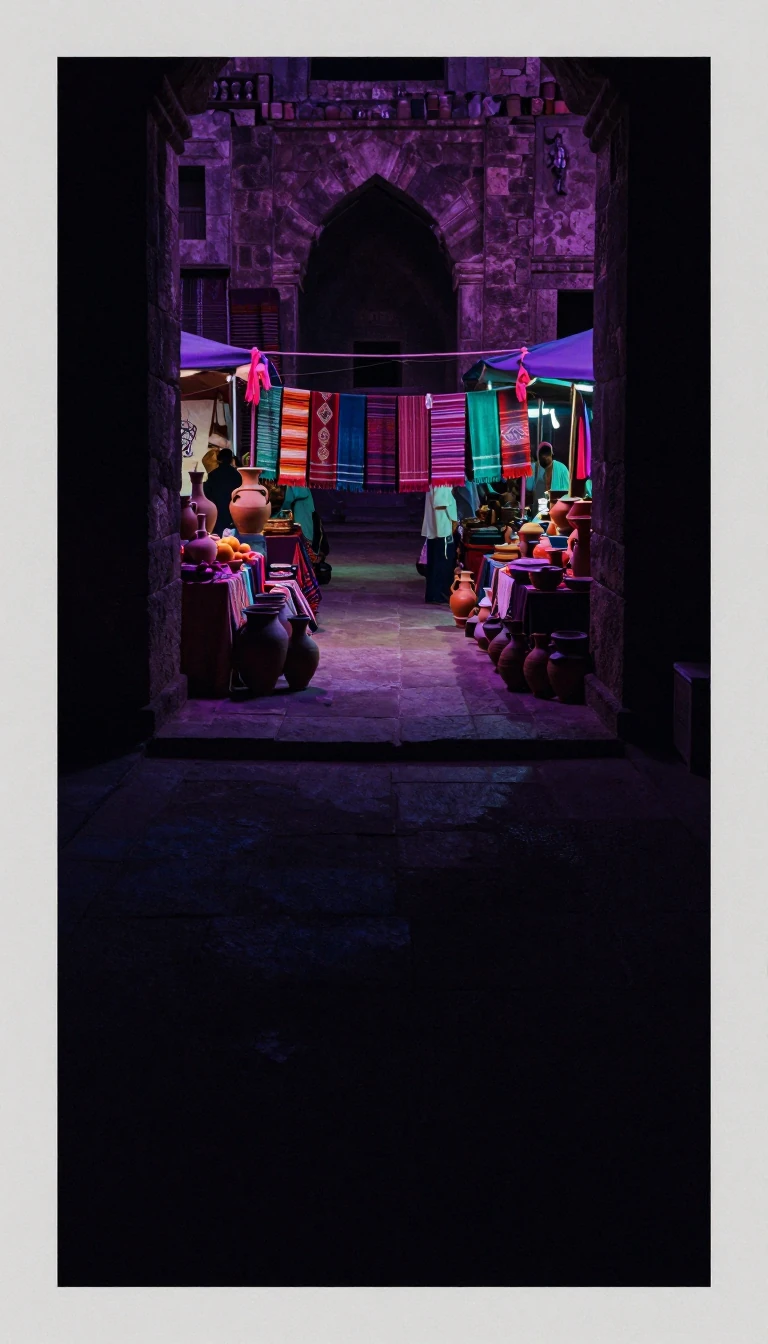 Canaanite sailors gave the Mediterranean its alphabetPhoenicians were Semitic-speaking city-dwellers along today's Lebanese coast, heirs of Bronze Age Canaan who rode out the Late Bronze collapse. Greeks coined the name; they called…
- Midas ruled Anatolia; his language hugged Greek closePhrygia occupied west-central Anatolia around the Sangarios, with capital Gordion on a harsh plateau. Myth gave the world Gordias's knot and gold-touch Midas; history's King Midas…
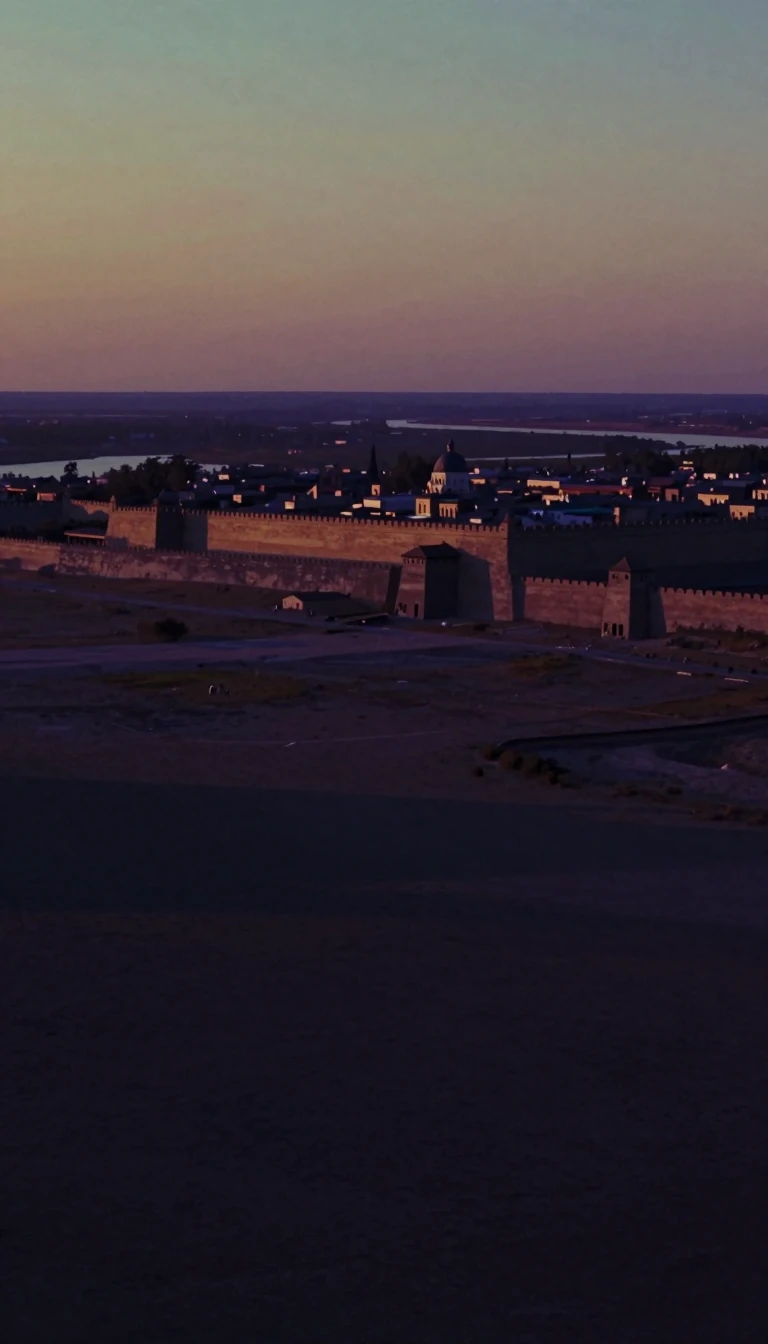 Alexander's general made Egypt Greek for three centuriesIn 305 BC Macedonian companion Ptolemy I Soter claimed Egypt; his line ended only when Cleopatra VII died in 30 BC. Alexandria, founded by Alexander, became the dynasty's Greek ca…
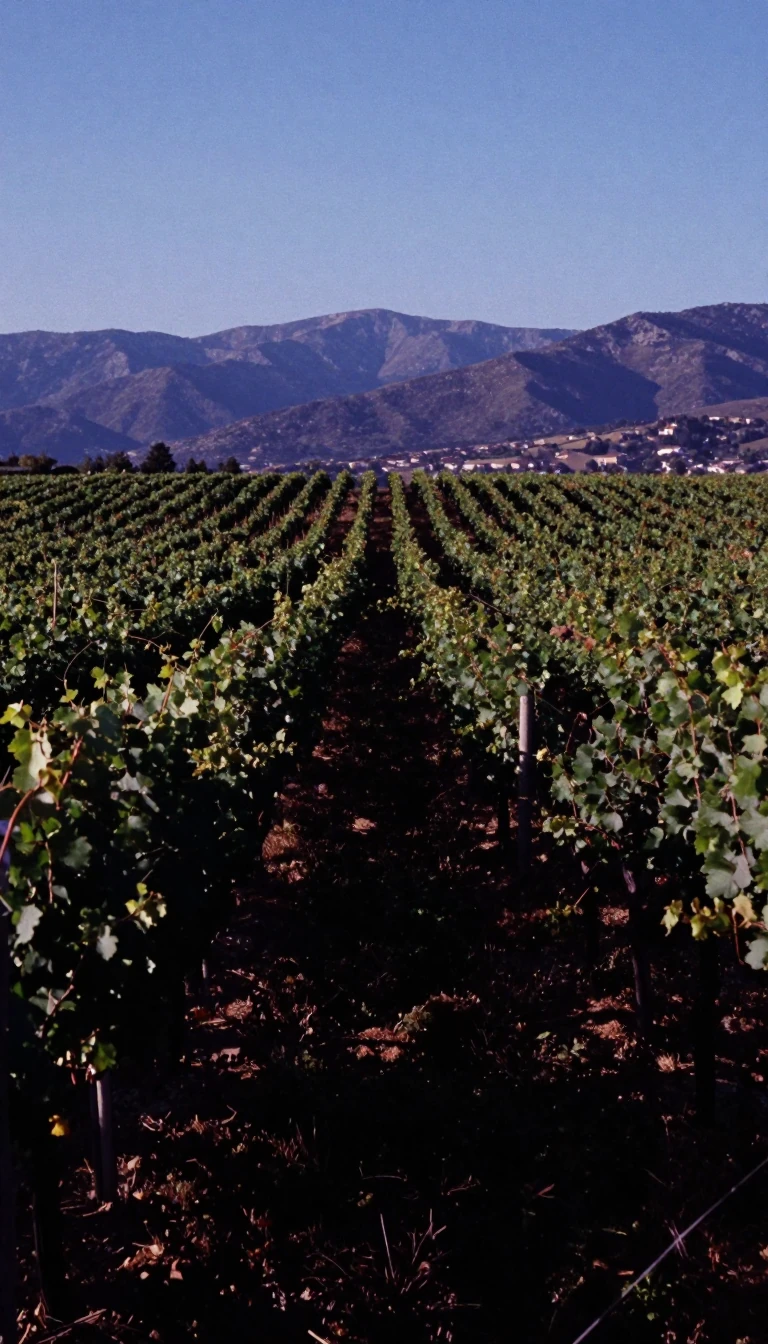 Three wars erased Carthage and made Rome MediterraneanBetween 264 and 146 BC, Rome and Carthage fought three Punic Wars spanning forty-three years of combat plus a Carthaginian revolt. Sicily sparked the first; Hannibal's Alps march …
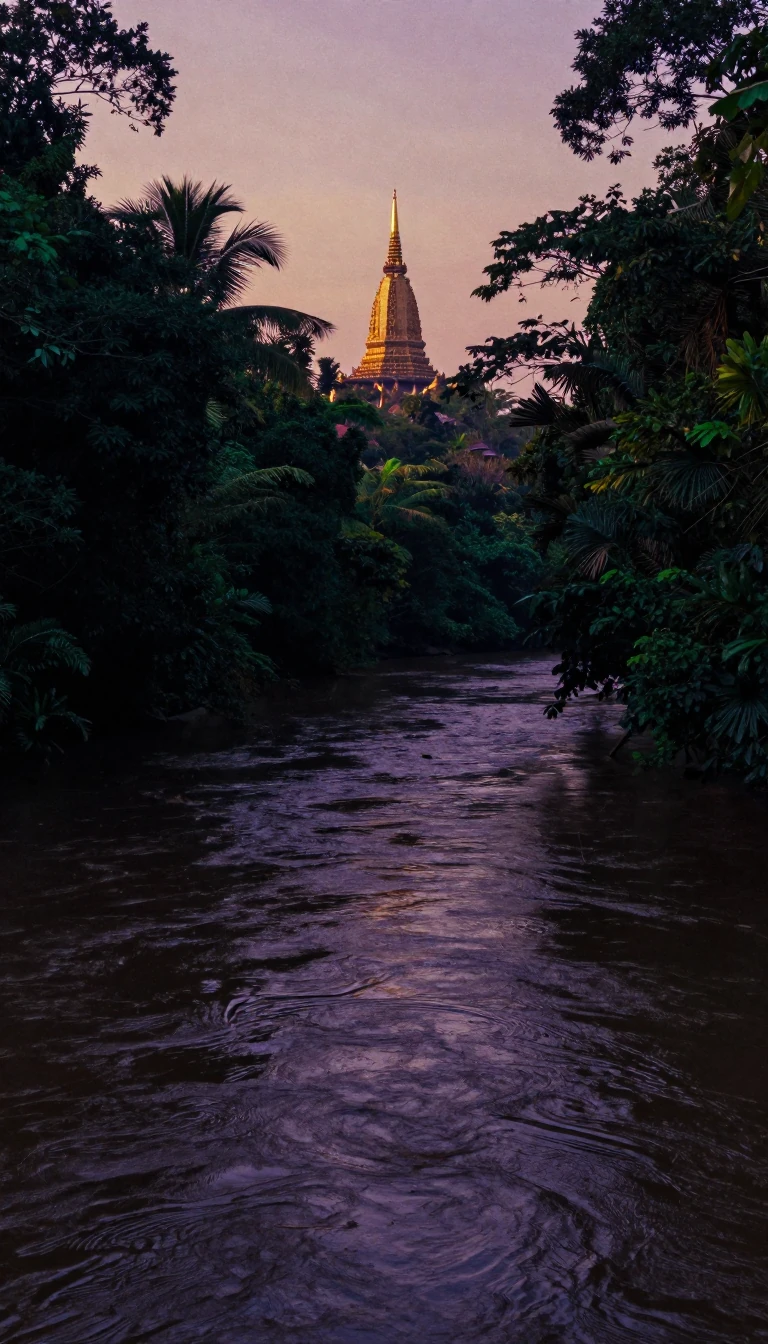 Tibeto-Burman cities irrigated Myanmar for a millenniumFrom about the second century BC to the mid-eleventh century, Pyu city-states dotted Upper Myanmar's irrigated basins. Walled centers such as Beikthano, Halin, and Sri Ksetra sat …
- Ying Zheng crushed six rivals and coined China imperialFrom 230 BC the state of Qin under King Ying Zheng conquered its Warring States peers, finishing unification in 221 BC. Shang Yang's earlier reforms had forged a centralized war m…
 Seven kings, zero archives: Rome's regal fogTradition dates Rome's monarchy from about 753 BC on the Palatine by the Tiber to the Republic's birth around 509 BC. Almost no contemporary records survive; Livy, Plutarch, and D…
- First Americans likely followed game across vanished BeringiaPaleo-Indians were the first peoples to enter the Americas near the end of the Late Pleistocene. Traditional models send big-game hunters from North Asia over the Beringia land br…
 A Roman prefect turned monk became Gregory the GreatGregory I, born about 540, served as Rome's 64th bishop from 3 September 590 until 12 March 604. Son of a senator and city prefect at thirty, he turned his family estate into a mo…
 An illiterate shepherd became Judaism's towering tanna at fortyAkiva ben Joseph, about 50 to 28 September 135 CE, rose from humble—or convert—roots to lead late first- and early second-century sages. Tradition says Rachel, daughter of rich Be…
- Linear B tablets prove Greeks ran palaces before HomerMycenaean civilization dominated mainland Greece roughly 1750–1050 BC—the first advanced Greek culture with palaces, art, and writing. Their syllabic Linear B script preserves the…
 Vietnam's name flips an ancient southern kingdom's titleGeneral Zhao Tuo founded Nanyue in 204 BC; his family—the Triệu dynasty in Vietnamese—ruled until Han conquest in 111 BC. The realm spanned Guangdong, Guangxi, Hainan, Hong Kong, …
- Rome's Five Good Emperors were mostly chosen by adoptionSeven rulers from Nerva to Commodus held Rome between 96 and 192 AD. The first five—Nerva, Trajan, Hadrian, Antoninus Pius, and Marcus Aurelius—are popularly the Five Good Emperor…
 Egypt's empire age stretched from Ahmose to the RamessidesThe New Kingdom—Egypt's imperial peak—covers the Eighteenth through Twentieth Dynasties from the sixteenth to the eleventh century BC. Radiocarbon work places its start between 15…
 Nigerian tin mines revealed Africa's earliest big sculpturesNok culture takes its name from a Kaduna State village where terracottas surfaced in 1928 tin digs. Excluding ancient Egypt, these figures are continental Africa's earliest large …
 China split north and south for 169 years before Sui reunitedFrom 420 to 589 AD, Northern and Southern dynasties divided China after the Sixteen Kingdoms and Eastern Jin. Sinicization sped among northern non-Han peoples and southern indigen…
 Thrace's first big kingdom rose when Persia stumbled in EuropeThe Odrysian kingdom united Thracian tribes across today's Bulgaria, southeast Romania, northern Greece, and European Turkey from the early fifth century BC. King Teres I founded …
- Korea's first kingdom mixes bear myths with Han conquest datesOld Chosŏn, or Gojoseon, is remembered as the Korean Peninsula's first kingdom. Samguk yusa dates Tan'gun's founding to 2333 BCE—a heavenly prince and bear-woman tale central to K…
 Rubber people carved colossal heads in Gulf Coast swampsOlmec civilization flourished in Veracruz and Tabasco roughly 1200–400 BC, a Mesoamerican cradle first centered at San Lorenzo Tenochtitlán then La Venta. Aztec-era Nahuatl called…
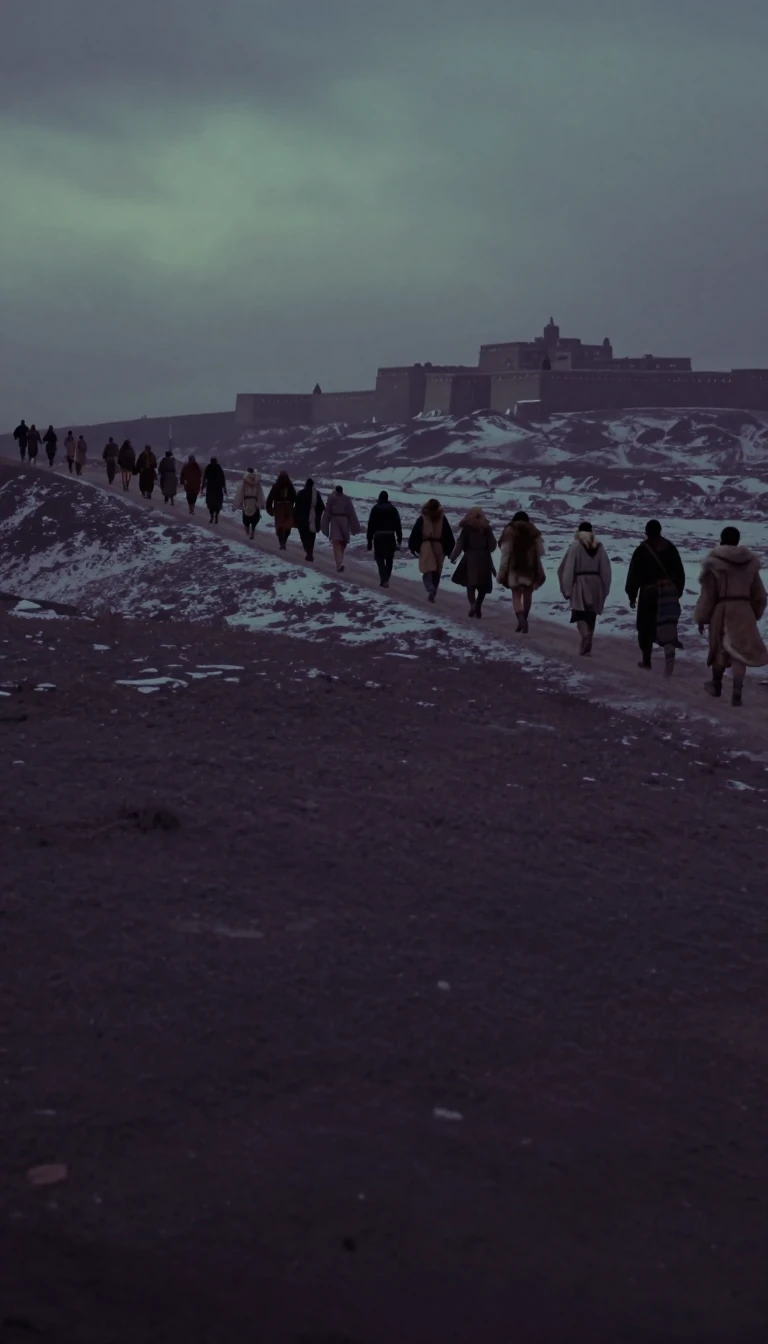 Rome’s western fall rode waves of moving peoplesFrom roughly 300 to 600 AD, historians mark a Migration Period when Goths, Vandals, Huns, and many others entered or crossed former Roman lands. Some date it tighter—from the Hunn…
 We call them Minoans; they never used that nameBronze Age Crete built palatial mazes, exported crafts and crops for scarce metals, and invented scripts we still cannot fully read. Arthur Evans popularized “Minoan” from mythica…
- Mitanni’s kings spoke Hurrian with an Indo-Aryan twistFrom about 1550 to 1260 BC, Mitanni ruled a Hurrian-speaking kingdom across northern Syria and southeast Anatolia, pressed by Hittites, Egyptians, Kassites, and later Assyrians. N…
 Wycliffe was called morning star of the English ReformationOxford theologian and priest John Wycliffe (c. 1328–1384) argued that the church had no right to property and that sinful men forfeited authority. Later Protestants claimed him as…
- Macedonia was Greece’s edge state before it ruled GreeceBefore the fourth century BC, Macedon sat outside the Athens–Sparta–Thebes triangle, briefly under Achaemenid shadow. Philip II (359–336 BC) remade it from the new capital at Pell…
- Rome learned eastern empire by fighting Macedon repeatedlyBetween 214 and 148 BC the Roman Republic waged a chain of Macedonian Wars that pulled Greece and the eastern Mediterranean into its orbit. Polybius later asked how Rome mastered …
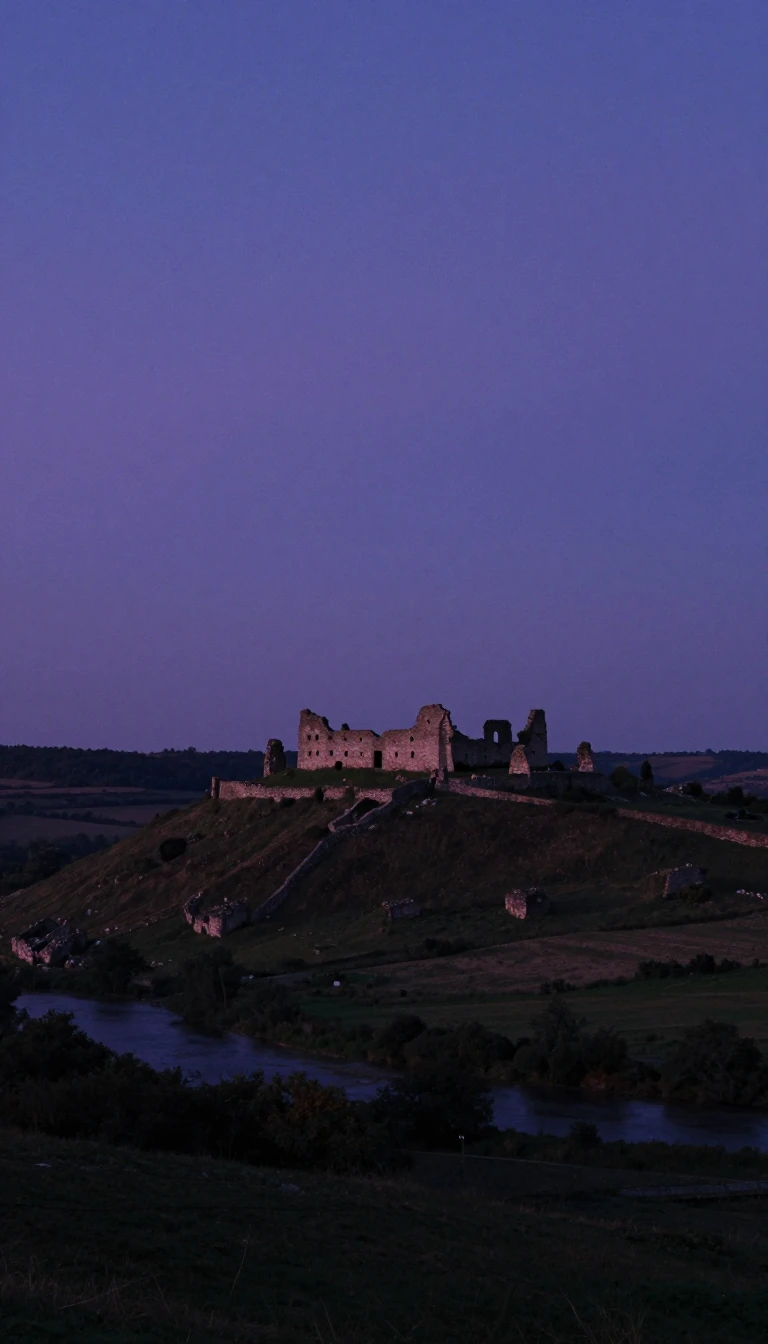 Magadha rose where Vedic orthodoxy once pointed fingersOn the eastern Ganges plain, Magadha began as one of sixteen Mahajanapadas and ended as the launchpad of pan-Indian empires. Early Vedic texts listed Magadhas among outsiders who …
 Ashoka’s edicts never even use the word MauryaChandragupta Maurya founded a Magadha-based Iron Age empire around 320 BCE that lasted, loosely knit, until 185 BCE. Greek snippets of Megasthenes and later inscriptions remember …
- Maya never meant one nation to the people themselvesFrom archaic farming before 2000 BC to the 1697 fall of Nojpetén, Maya cities filled southeastern Mexico and northern Central America with temples, mathematics, and the Americas’ …
- The Medes left power—but almost no words of their ownIron Age Medes spoke a Median language across western and northern Iran, yet they left no native archives. Assyrian, Babylonian, and Greek writers sketched them instead, and archa…
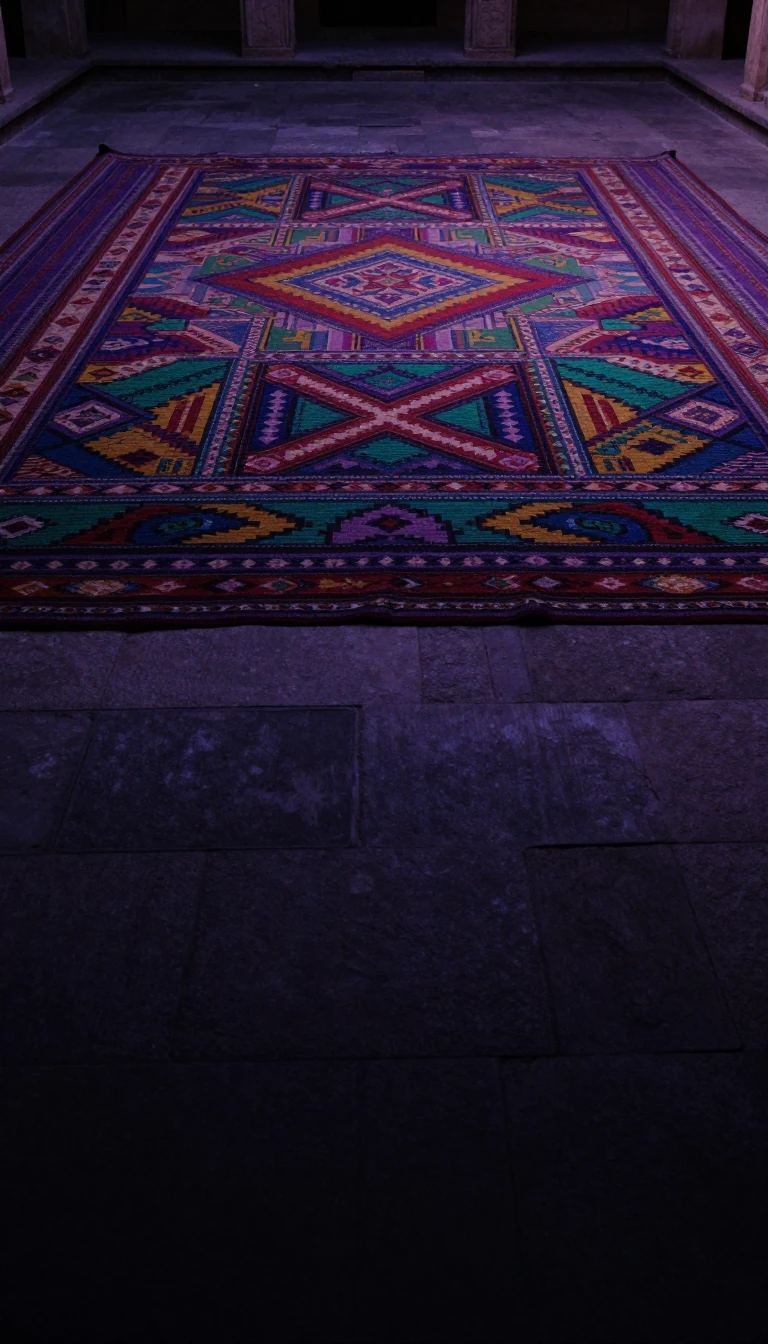 Mesoamerica is one of only five places where writing was inventedFrom central Mexico through Guatemala, Belize, El Salvador, and into Nicaragua and Costa Rica, Mesoamerica names a shared cultural mosaic—not a single empire. Indigenous societies…
 Jerome’s Vulgate made Hebrew, not only Greek, Latin scriptureSaint Jerome (about 342/347–420), commissioned by Pope Damasus I, produced the Latin Bible translation that became the Vulgate. Unlike earlier Latin Old Testaments based on the Gr…
- John of Damascus defended icons from a monastery near JerusalemBorn Yūḥana ibn Manṣūr ibn Sarjūn in Damascus around 675 or 676, John of Damascus became a monk, priest, hymn writer and apologist. Tradition places his death at Mar Saba on 4 Dec…
 Was the apostle John really the author of John?John the Apostle (about 6–100 AD), son of Zebedee and brother of James, ranks among Jesus’s Twelve and is often called the Beloved. Tradition credits him with the Gospel, three ep…
- Đại Việt was Vietnam’s official royal name for centuriesFrom the tenth century into the early nineteenth, Vietnamese monarchies centered near modern Hanoi styled themselves Đại Việt—Great Việt. Đinh Bộ Lĩnh adopted the related name Đại…